Frost
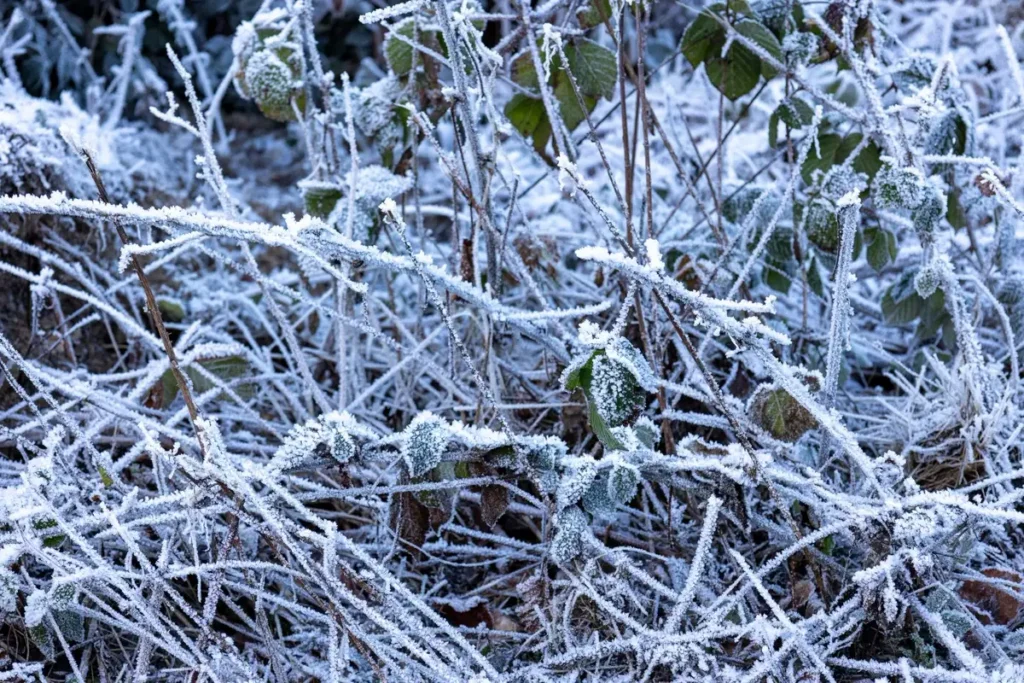
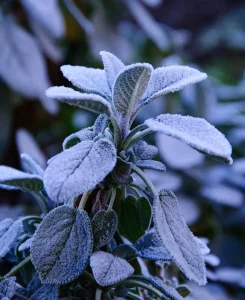
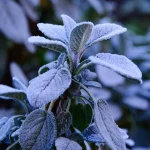
Frost damages plants because water inside their cells freezes and expands, rupturing cell walls — which is why damaged growth goes limp and blackened rather than merely cold. Hardy plants survive by moving water out of their cells beforehand; tender ones cannot, which is why a single unexpected night can end a crop of tomatoes or basil.The guides here cover the practical defences: knowing your local last and first frost dates rather than a national average, avoiding frost pockets at the bottom of slopes and against solid barriers, mulching to hold soil warmth around roots, and using fleece, cloches or cold frames — held clear of the foliage, since anything touching a leaf transmits the cold straight to it. There is also the part people get wrong afterwards: resist cutting away frost-damaged growth immediately, because that blackened material shelters the crown from the next frost. Wait until the risk has passed, then prune back to live wood.