What to Plant in August
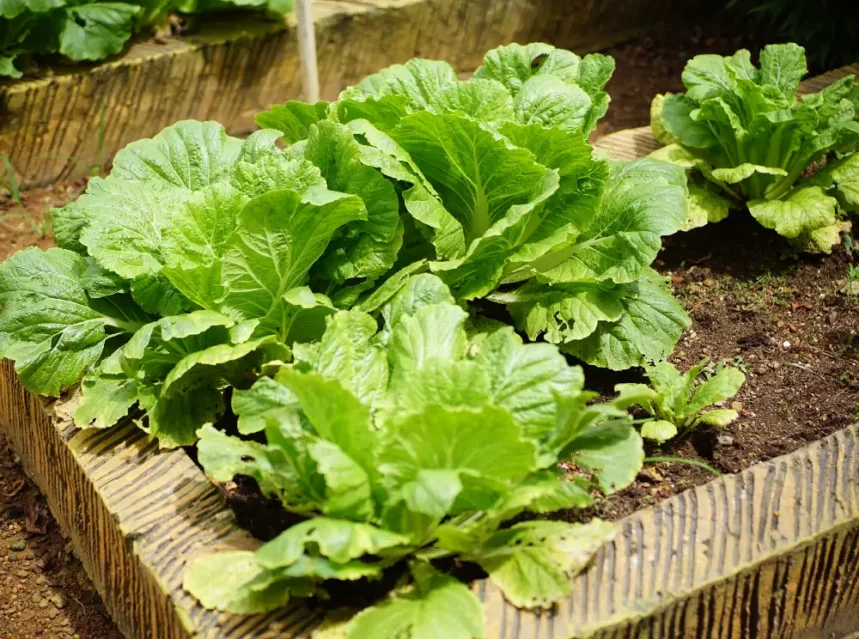
What to plant in August is decided by one fact: this is the last month with enough warmth and daylight left to get a plant established. Anything sown now still has time to build roots before growth slows; anything sown in three weeks may not. That is why August carries three different sowing lists at once.
Quick answer: sow salad leaves, radish, spring onions, turnip, pak choi, spinach, chard, kale and spring cabbage; plant strawberry runners and overwintering onion sets; start biennials and hardy annuals for next year. In India, August is the fading monsoon — the window for radish, turnip, palak, methi and kohlrabi opens as the rain eases.
🧰 In a hurry? Jump straight to our tested picks for this guide ↓
What to plant in August at a glance
| Where you are | What August is | What to plant in August |
|---|---|---|
| Cold temperate (UK north, N. Europe, US zones 3–5) | The last establishment window | Fast salads, spinach, chard, spring cabbage, kale; overwintering onion sets late in the month |
| Mild temperate (UK south, US zones 6–8) | Three sowing seasons overlapping | All of the above, plus turnip, kohlrabi, pak choi, winter radish, strawberry runners, biennials |
| Warm winter (US zones 9–10, Gulf, Mediterranean) | Fall garden starts now | Brassica transplants raised in shade; beans, cucumber and squash by mid to late month |
| India — plains | Late monsoon, easing | Radish, turnip, palak, methi, kohlrabi; earth up ginger and turmeric; sweet potato on ridges |
| Southern hemisphere | Late winter | Peas, broad beans, spinach, brassica seedlings; tomatoes and capsicum started indoors |
Our planting calendar turns this into dates for your own town. The frost date tool gives the first-frost date that every August sowing is measured against.
The one thing August is really about
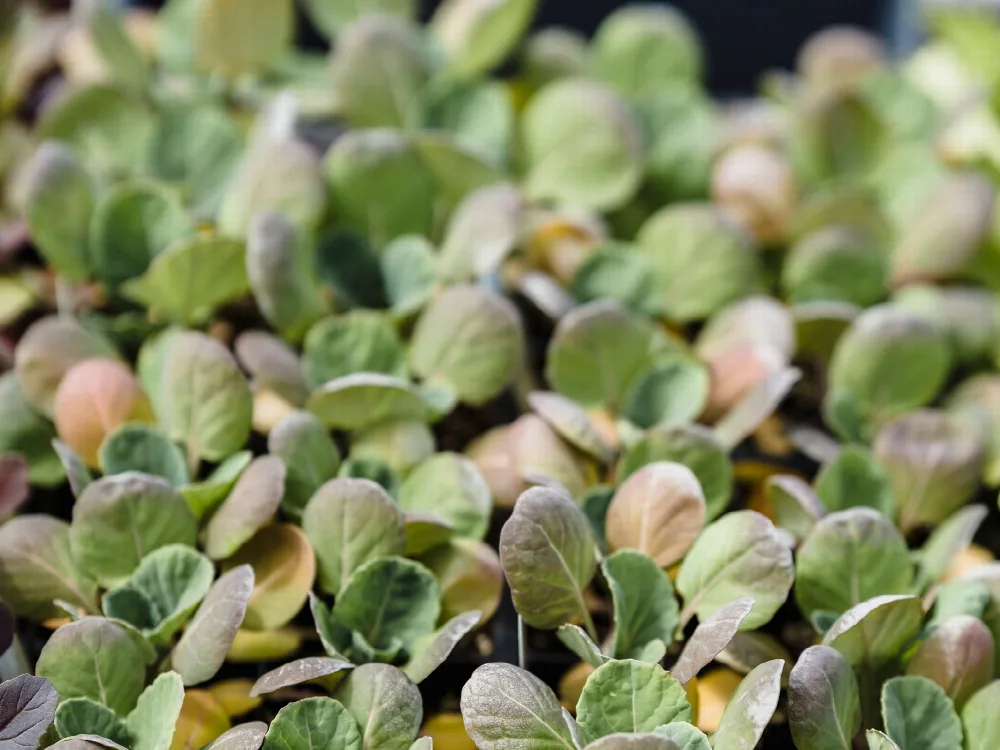
A seed sown in August has warm soil and shortening days. A seed sown in late September has cooling soil and short days. The difference matters more than the calendar suggests, because plants need to reach a usable size before growth stalls — and in most temperate gardens growth all but stops once daylight drops below about ten hours.
So the question is not “will it germinate?” It is “will it be big enough in time?” That single test sorts August’s whole list.
- Crops for now — radish (three to four weeks), rocket, salad leaves, spring onions. These finish before autumn properly arrives.
- Crops for winter — spinach, chard, kale, pak choi, winter lettuce. Sown now they bulk up in September and stand through the cold.
- Crops for next year — spring cabbage, overwintering onion sets, hardy spring onions, biennial flowers. These grow slowly all winter and crop months before anything sown in spring.
August is the only month when all three lists are open at once. That is the real reason it is worth sowing now rather than “next weekend”.
The August seedbed problem, and the fix
August soil is hot, often dry, and caps into a hard crust after watering. Seeds either fail to germinate or push up and dry out. The fix is a technique worth learning properly, because it is the difference between a full row and a patchy one.
- Draw the drill, then water the bottom of it — not the surface. Let it soak in.
- Sow into the damp drill.
- Cover with dry soil. Dry soil does not cap, so the seedling comes through a loose surface rather than a lid.
- Shade the row with a board or fleece until the first seedlings show, then remove it the same day.
Sow in the evening where you can. Lettuce, as July explained, becomes dormant above roughly 25°C, so a cooler start matters for salad in particular.
The sum that decides a fall crop
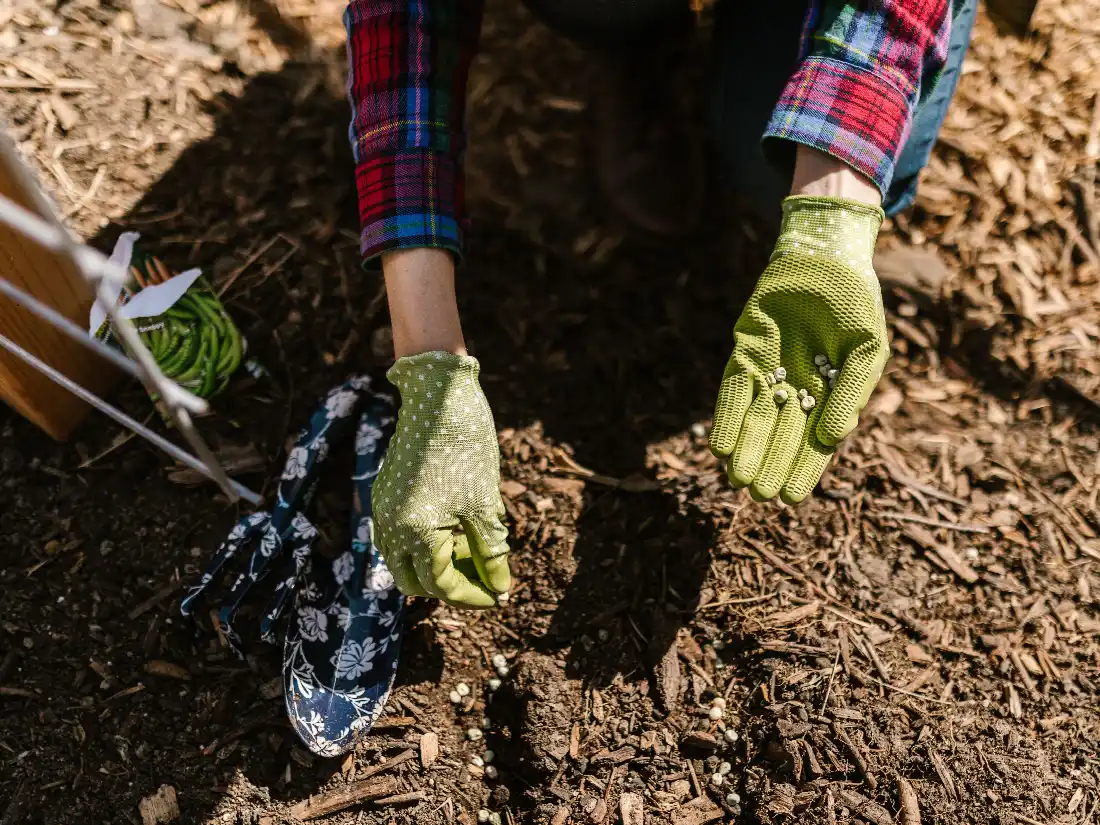
June and July used first frost minus days to maturity. August needs one more term, and university extension calendars are explicit about it: count back from the first frost the days to maturity, then add roughly two more weeks for the harvest itself. A crop that matures the day before frost gives you nothing to pick.
Two practical consequences:
- Anything over about 60 days to maturity is now marginal in a cold-temperate garden unless you can cover it.
- Fleece or a cloche buys two to three weeks at the end of the season, which is often exactly the gap between “nearly ready” and “eaten”.
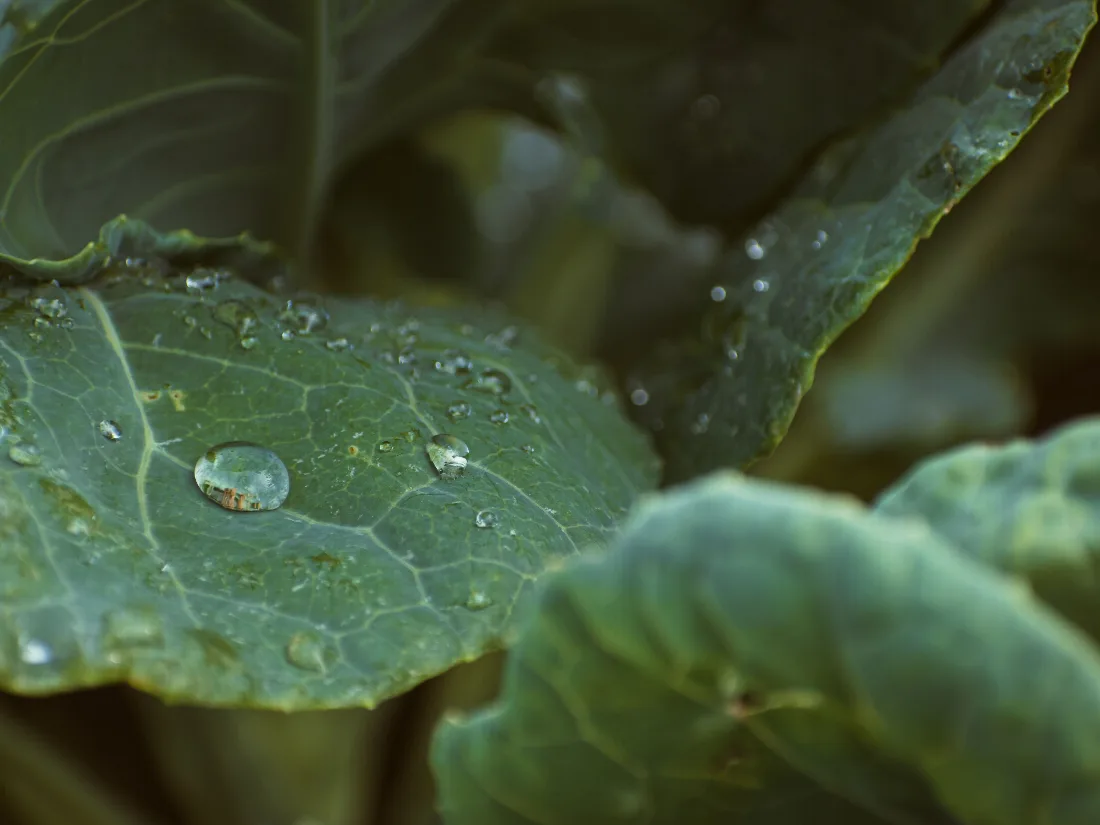
Plant now, harvest next year
These are the August jobs that pay in May and June, and they are the ones most gardens skip.
- Spring cabbage — sow now, transplant in September or October, cut in April and May. There is no other way to get cabbage that early.
- Overwintering onion sets — plant from mid-August in mild areas. They stand through winter and bulb in June, weeks before spring-planted sets.
- Hardy spring onions — an August sowing of an overwintering variety gives the first pickings of next spring.
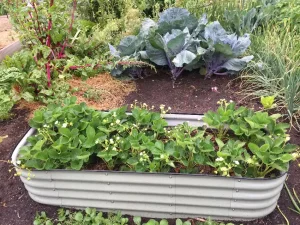
- Strawberry runners — planted in August they root through autumn and give a full crop next summer. Planted in October they give a partial one.
- Garlic — only in mild southern gardens, and only at the very end of the month. Elsewhere it is an autumn job.
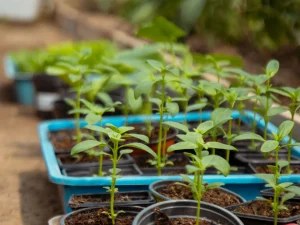
- Biennials and hardy annuals — foxgloves, wallflowers, sweet williams, calendula and cornflowers sown now flower months earlier than spring sowings.
What to plant in August in India
August is the month the monsoon starts to ease across much of the plains, and the gardening job changes with it. Early August is still monsoon management; late August is the opening of the cool-season nursery.
What to sow as the rain eases
Radish, turnip, palak, methi, kohlrabi and coriander all go in as the downpours become showers — fast crops that use the moisture the monsoon has left in the soil. Where rain is still heavy, keep to raised beds and hold off; where it has thinned, this is a genuine head start on the winter garden. Bhindi, gourds and cowpea sown in July keep cropping and need picking often.
The specific August jobs
- Earth up ginger, turmeric and arbi once shoots are well up, after weeding — it supports the plants and improves the rhizomes.
- Plant sweet potato from vine cuttings on high ridges, so the roots sit above wet soil.
- Feed what the rain has washed out. Heavy monsoon leaches nitrogen; compost or aged manure now sets up the autumn crops.
- Pot chrysanthemum cuttings in the first week of August, then shade for a week and half-shade for another before full sun.
- Keep neem going every ten to fifteen days while humidity stays high — fungal problems fade only as the air dries.
Our monsoon gardening guide covers the wet months, and terrace gardening covers pots and drainage.
If it is late winter where you are
In southern-hemisphere temperate gardens August is the last of winter and the first of the spring rush. Sow peas, broad beans, spinach, radish, beetroot, Asian greens and onion seed; plant brassicas as seedlings rather than seed, hardened off for a few days. It is the last dependable window for bare-root fruit trees, and the month to prune deciduous fruit — apricots excepted, which are pruned after fruiting to avoid disease. Late in the month, start tomatoes and capsicum indoors for planting out in October. In the tropical north, August is the final reliable chance to establish dry-season tomatoes.
August garden jobs
- Water deeply and consistently. Irregular watering now causes blossom end rot on tomatoes and splitting on carrots and beetroot.
- Keep picking. Beans, courgettes and cucumbers stop producing the moment they are allowed to mature seed.
- Summer-prune trained apples and pears, cutting sideshoots back to three or four leaves to build fruiting spurs.
- Watch for blight on tomatoes and potatoes in warm, humid weather, and remove affected material rather than composting it.
- Peg down strawberry runners from healthy plants, then cut the parent free once they root.
- Clear finished rows immediately and either sow a green manure — mustard, phacelia, field beans — or mulch. Bare August soil grows weeds and loses moisture.
- Order spring bulbs now; plant them from September.
- Check stored onions and garlic for neck rot before it spreads through the box.
Frequently asked questions
What vegetables can I plant in August?
Salad leaves, rocket, radish, spring onions, turnip, pak choi, winter lettuce, spinach, chard, kale, kohlrabi and spring cabbage. Beetroot and carrots work if sown in the first week. In warmer zones, beans, cucumber and summer squash still have time.
Is August too late to plant vegetables?
Not for anything fast or anything hardy. It is too late for long-season crops such as maincrop potatoes, sweetcorn, winter squash and tomatoes. The test is the first frost date minus days to maturity minus about two weeks for harvesting.
What should I sow in August for winter?
Spinach, chard, kale, pak choi, winter lettuce, lamb’s lettuce and winter radish. They establish in warm soil now and stand through the cold, giving pickings from late autumn onward.
What can I plant in August to harvest next spring?
Spring cabbage, overwintering onion sets, hardy spring onions and — in mild areas at the very end of the month — garlic. Biennial flowers sown now also bloom far earlier than spring-sown ones.
Why do my August sowings fail to come up?
Usually the seedbed caps into a crust in hot weather. Water the bottom of the drill, sow into the damp, cover with dry soil, and shade the row until seedlings appear. Sowing in the evening helps too.
What can I plant in August in India?
As the monsoon eases: radish, turnip, palak, methi, kohlrabi and coriander. Keep harvesting the July-sown bhindi, gourds and cowpea, earth up ginger and turmeric, and plant sweet potato cuttings on ridges.
Can I still sow carrots and beetroot in August?
In the first week, yes — choose fast varieties and expect smaller roots. After that the risk is that they size up too slowly to be worth the bed space.
When should I plant overwintering onion sets?
From mid-August in mild regions, into ground that has been cleared and lightly firmed. They bulb in June, several weeks ahead of sets planted in spring.
Why plant strawberry runners in August rather than autumn?
Runners planted now root while the soil is still warm and go into winter established, so they fruit fully next summer. Planted in October they spend their first season catching up.
What causes tomatoes to split and carrots to crack in August?
A dry spell followed by heavy watering or rain. The plant takes up water faster than the skin can stretch. Steady moisture and a mulch prevent both.
Should I sow a green manure in August?
Yes, on any bed you will not replant this year. Mustard and phacelia grow fast in late summer warmth, hold nutrients that rain would wash away, and are dug in or cut down before they seed.
What can I plant in August in Australia or New Zealand?
It is late winter: peas, broad beans, spinach, radish, beetroot, Asian greens, onion seed, and brassicas as seedlings. Finish planting bare-root fruit trees, and start tomatoes and capsicum indoors late in the month.
Is it worth sowing anything after August?
Yes, but the list shortens quickly — mostly hardy salads and winter leaves under cover. August is the last month when a plant can still make real growth before daylight becomes the limit.
Notes from experienced growers
The August advice that separates a productive autumn from an empty one is about timing, not variety. The RHS August list is clear that fast crops — lettuce, radish, rocket, chicory, fennel — are still worth sowing in the mild south, alongside spring cabbage, turnips, pak choi and overwintering onions, and it ties inconsistent watering directly to blossom end rot and split roots.
Extension calendars are more precise still. NC State’s central North Carolina calendar lists more than twenty crops as sowable in the first half of August, from arugula and beets to leek, parsnip and spinach — a fall garden built almost entirely on August decisions. And the University of Georgia’s calendar supplies the sum most guides leave out: count back from your frost date the days to maturity, plus about 18 days for the harvest itself.
The technique growers repeat most often for this month is the smallest one: water the bottom of the drill, sow into the damp, and cover with dry soil.
What to do next
Sow the winter leaves and spring cabbage this week — they need warm soil more than they need your free weekend. Get overwintering onion sets and strawberry runners in from mid-month, sow a green manure on anything you are not replanting, and keep the watering even so this year’s crops finish properly. For the wider map, what to plant each month covers the year, July covers what should already be growing and September picks up where this month leaves off, and the planting calendar turns August into dates for your own location.
Still stuck? Ask the Plant Doctor
Describe the problem — yellow leaves, holes, no flowers — and get a clear answer in seconds. FreeAI can make mistakes. Answers are guidance, not a guarantee — check anything important against the guide it links to, and always read the label on any product before you use it.