What to Plant in May
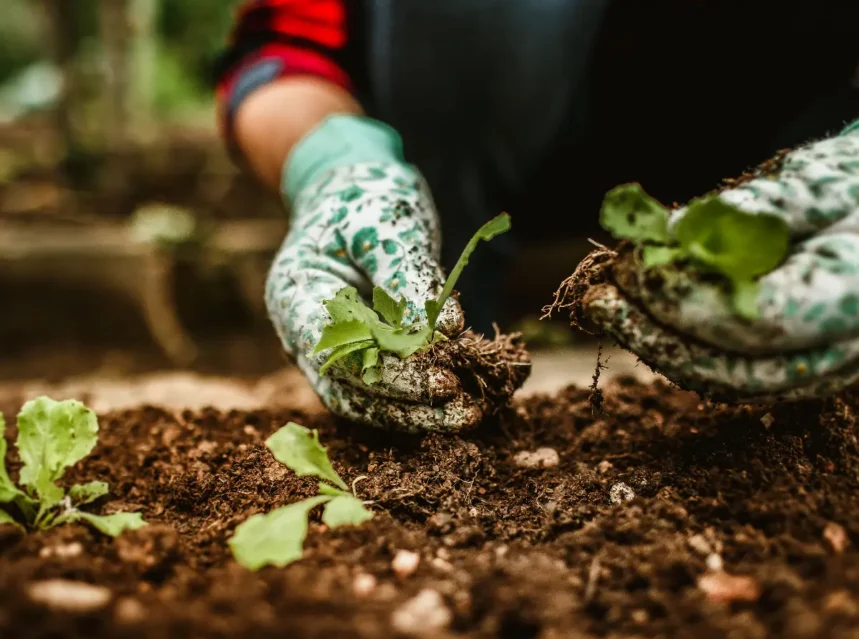
What to plant in May is mostly what you already grew: this is the planting-out month, when tomatoes, courgettes, beans, sweetcorn and squash finally leave the greenhouse — and the last month when a single unexpected frost can undo the whole spring. Outdoors, May is also when direct sowing gets easy, because the soil is warm enough for almost everything.
Quick answer: plant out tender crops once your last frost has genuinely passed and they have been hardened off, and direct-sow beans, sweetcorn, squash, cucumbers, carrots, beetroot and salads. Sow in short repeated rows rather than all at once. In India, May is the pre-monsoon sowing window — seed in now roots for six to eight weeks before the rains arrive.
🧰 In a hurry? Jump straight to our tested picks for this guide ↓
What to plant in May at a glance
| Where you are | What May is | What to plant in May |
|---|---|---|
| Cold temperate (UK north, N. Europe, US zones 3–5) | Late frosts still possible; planting out begins at the end | Direct-sow carrots, beetroot, chard, peas, salads; plant out brassicas; tender crops only after the frost date |
| Mild temperate (UK south, US zones 6–8) | The planting-out month | Tomatoes, courgettes, pumpkins, squash, sweetcorn, French and runner beans, cucumbers — plus everything hardy |
| Warm winter (US zones 9–10, Gulf, Mediterranean) | Full summer planting | Okra, southern peas, sweet potato slips, melons, squash, beans — heat crops in their proper season |
| India — plains | Pre-monsoon sowing window | Bhindi, lauki, tori, karela, cucumber, brinjal, amaranth, cowpea — sown to root before the rains |
| Southern hemisphere | Late autumn — the deadline month | Garlic, broad beans, peas, onions, brassica seedlings, carrots, beetroot — planted now or not at all |
Our planting calendar converts this to dates for your own town, and the frost date tool tells you whether your May is still risky.
May is the planting-out month
The centre of gravity shifts this month. January to April were about raising plants; May is about getting them into the ground without checking their growth. Three rules cover most of it.
- Wait for the date, not the weather. A warm fortnight in mid-May persuades people to plant tomatoes out; a single clear night at 0°C then kills them. Check your average last frost and add a few days if you garden in a frost pocket or a valley bottom.
- Plant out in the evening or on a dull day. A transplant put into midday sun loses water faster than its disturbed roots can supply.
- Water in properly and then leave them. One thorough soak at planting beats daily sprinkling, which keeps roots at the surface where they will suffer in July.
If a plant has not been hardened off, do not plant it yet — do that first, over about ten days, as our April guide sets out. May transplants that sulk for a fortnight almost always went out soft.
What to direct sow outdoors in May
Soil temperature is no longer the constraint in most temperate gardens, which is what makes May the easiest sowing month of the year.
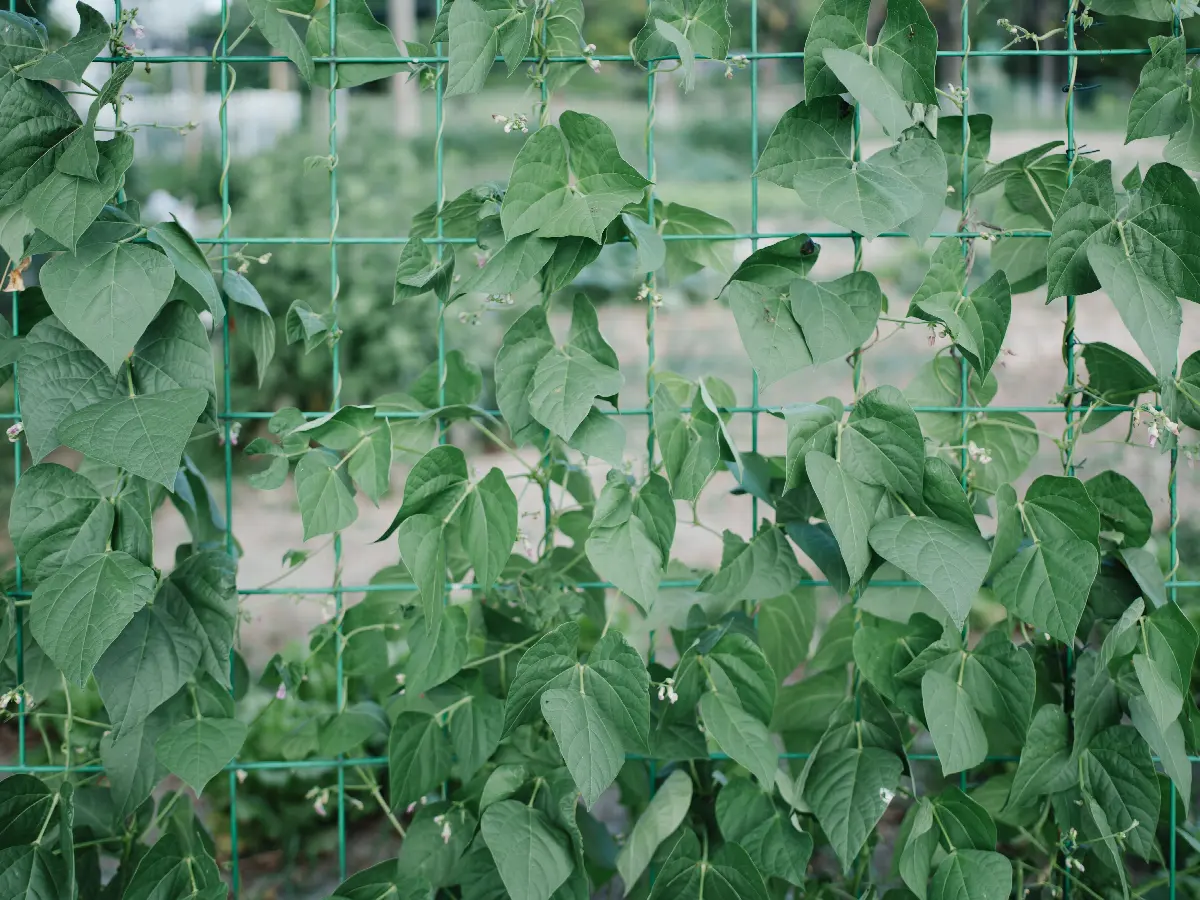
- French and runner beans — direct once soil is reliably above about 16°C (60°F). Supports in before sowing.
- Sweetcorn — sow in a block, not a row, so the pollen reaches the silks.
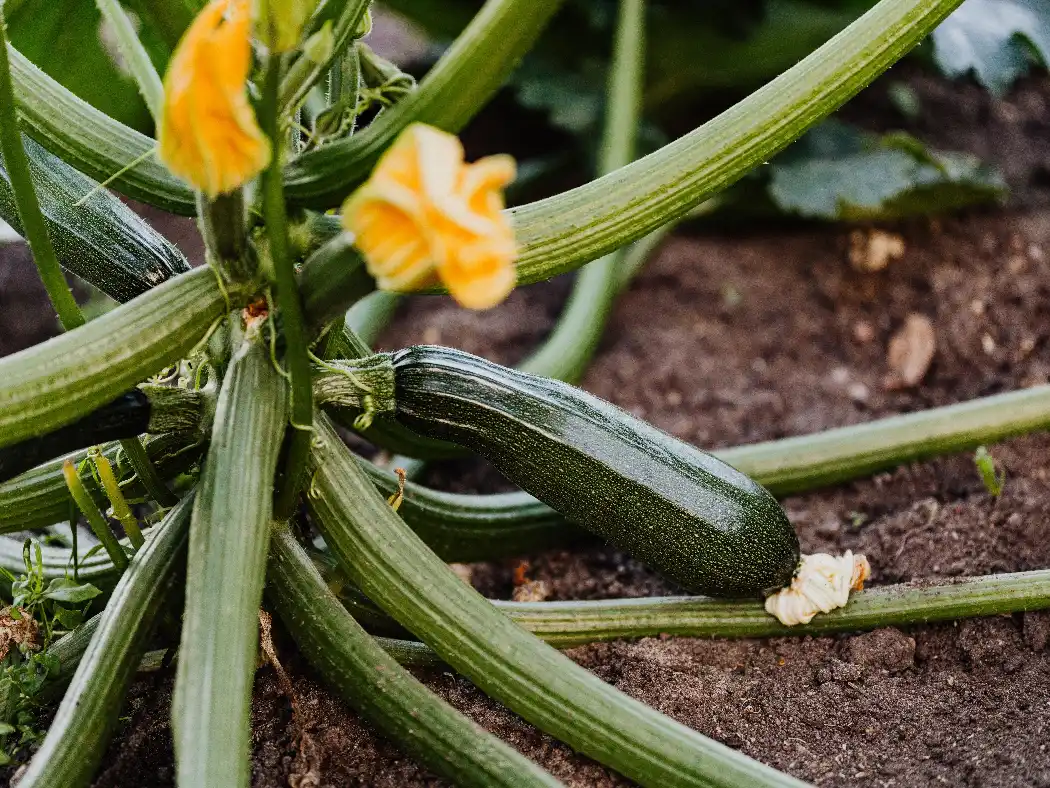
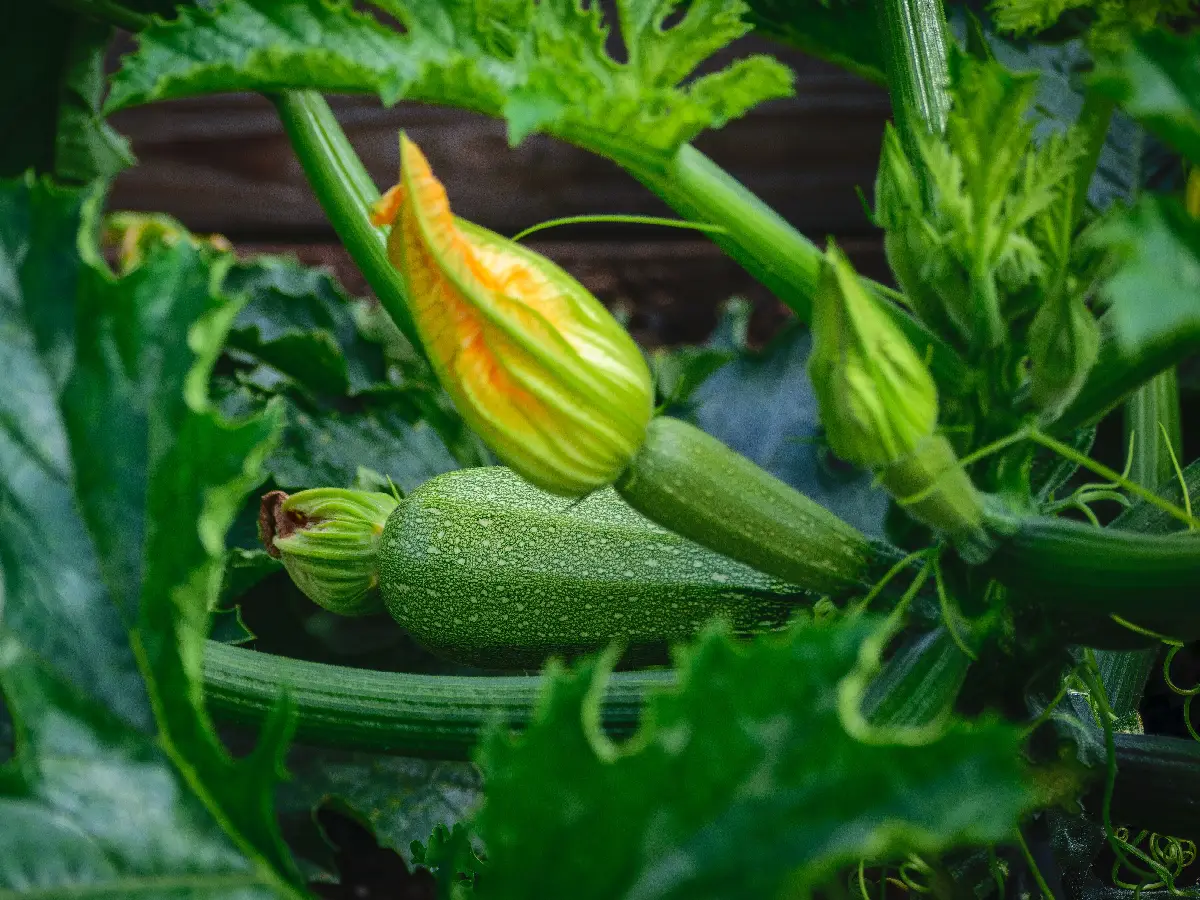
- Courgettes, squash and pumpkins — direct or from pots. Two plants feed most households; four is a glut.
- Cucumbers and melons — outdoor varieties only, and they want warmth: soil nearer 18°C (65°F).
- Carrots, beetroot, turnip, radish — fast and reliable now. Net the carrots at sowing against carrot root fly.
- Lettuce, rocket, spinach, chard — sow in shade in hot regions; May-sown spinach bolts if it dries out.
- Winter brassicas — this is the month to sow purple sprouting broccoli, kale, winter cauliflower and swede for next winter’s eating.
Succession sowing: the habit that separates a glut from a supply
May is when one long row becomes a problem. Everything sown on the same day matures on the same week, and the household cannot eat it.
- Beans and sweetcorn: sow partial rows every one to two weeks rather than the whole packet at once.
- Salads and radish: a short row every two weeks, right through summer.
- Carrots and beetroot: two or three sowings across May and June extends the pull well into autumn.
- Keep a note of dates. Next year’s calendar is written by this year’s records, and it beats any generic guide including this one.
What to plant out in May
- Tomatoes — outdoor varieties after the frost date, greenhouse ones earlier; see growing tomatoes in a greenhouse. Remove sideshoots on cordon types from the start.
- Peppers, chillies and aubergines — under cover in cool climates, outdoors in warm ones.
- Courgettes, pumpkins and squash raised in pots — plant into ground enriched with compost.
- Leeks and brassicas — leeks when about pencil thickness, brassicas with a collar against cutworms and netting against pigeons and cabbage white butterflies.
- Sweet potato slips in warm regions, once the soil has genuinely warmed.
- Strawberry runners and container fruit — plant and mulch while there is still moisture in the ground.
What to plant in May in India
May in most of India is the hottest month of the year and, counter-intuitively, one of the most important sowing months — because what goes in now is what will be established when the monsoon breaks.
The pre-monsoon head start
Seed sown two to four weeks before the first heavy rain has time to root in warm soil. By the time the monsoon arrives the plant is standing, ready to use the water instead of drowning in it, and it is ahead of the weeds that erupt with the rains. Growers who sow in May rather than waiting for the rains typically gain about a month of production.
The crops that reward it, with realistic times to first harvest:
| Crop | Days to first harvest | Notes |
|---|---|---|
| Bhindi (okra) | 50–60 | The most reliable May sowing in the plains |
| Brinjal | 60–75 | Slow to establish, so May sowing means monsoon production |
| Cucumber | 35–40 | Needs a trellis and steady moisture |
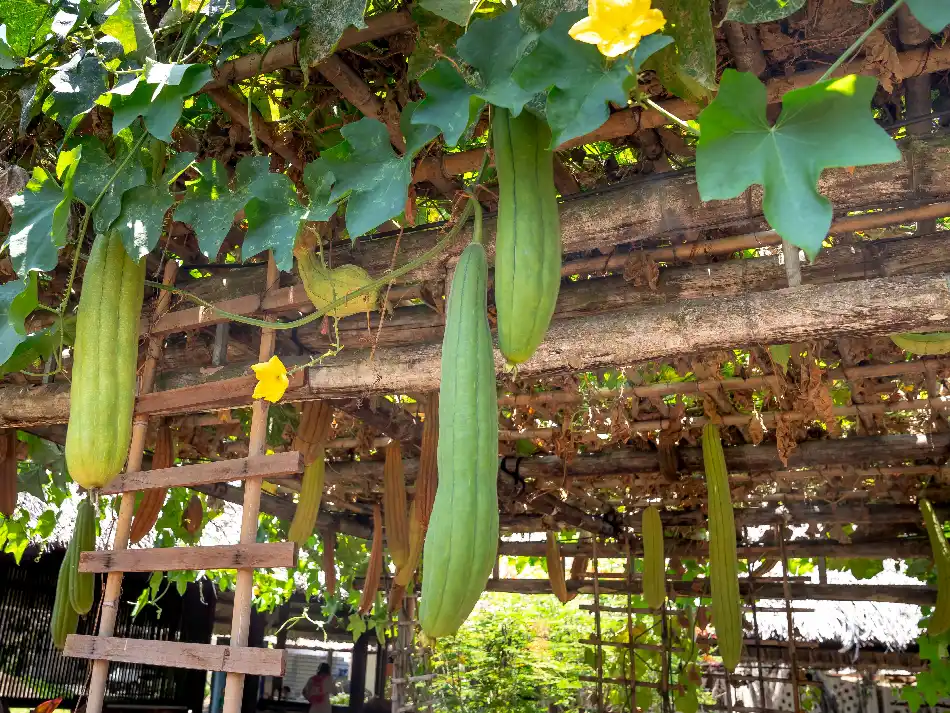
| Lauki, tori, karela | 55–70 | Sow at the base of a support before the vine runs |
| Amaranth (chaulai) | 25–30 | The fastest green available in May heat |
| Palak | 25–35 | Only in partial shade; it bolts in full May sun |
| Cowpea and cluster beans | 45–60 | Drought-tolerant, and they fix nitrogen while cropping |
Getting seedlings through May heat
- Shade the nursery, not the whole garden. A 50% shade net over seed trays and young plants until they have four true leaves is the difference between germination and scorch.
- Mulch heavily. Ginger, turmeric and arbi planted now are traditionally covered with a thick layer of dry leaves — the same principle applies to every container: cover the soil.
- Water in the morning, deeply. Evening watering in humid pre-monsoon air invites fungal problems.
- Prepare the monsoon beds now. Raise beds where water will sit, dig in compost, and get supports up before the rain makes the ground unworkable.
Our terrace gardening guide covers containers and mixes, and monsoon gardening in India takes over from the point the rains arrive.
If it is late autumn where you are
In the southern hemisphere May is a deadline. Soil is still warm from summer but cooling fast, and once it drops below about 7°C germination becomes unreliable — so garlic, broad beans, peas, onions and brassica seedlings planted now establish, while the same crops planted in June often sit and sulk. Plant garlic cloves 15 cm apart with 2–3 cm of soil over the tip, pointed end up. Use seedlings rather than seed for brassicas in cold districts, keep frost cloth ready in Tasmania and the highlands, and net Asian greens and brassicas against cabbage white butterfly. In the tropical north the dry season is opening, which makes May one of the best planting months of the year there.
May garden jobs
- Earth up potatoes as the foliage reaches about 20–25 cm, and again later.
- Pinch out broad bean tips once the first pods set — it lifts the crop and removes the blackfly’s favourite tissue.
- Thin seedlings of carrot, beetroot, parsnip and turnip. Crowded roots stay small.
- Net soft fruit and brassicas before you need to, not after.
- Keep fleece to hand until the frost date has passed — see how to protect plants from frost.
- Hoe weekly. Weeds compete hardest in May, when everything is small.
- Water new transplants deeply, not often, and mulch afterwards to keep it in the ground.
Frequently asked questions
What vegetables can I plant in May?
Direct outdoors: French and runner beans, sweetcorn, courgettes, squash, pumpkins, cucumbers, carrots, beetroot, turnip, radish, lettuce, chard, spinach and winter brassicas. Plant out: tomatoes, peppers, aubergines, courgettes, leeks and brassica seedlings raised earlier.
Is it safe to plant tomatoes outside in May?
Only after your last frost date, and only if the plants have been hardened off. In mild temperate gardens that is usually mid-to-late May; in colder areas it is the very end of the month or early June. Under glass you can plant earlier.
Can I still get late frosts in May?
Yes, and they are the classic May disaster because everything tender is finally outside. Late frosts arrive on clear, still nights after warm days. Keep fleece within reach and use it whenever the forecast drops towards 2°C.
What can I sow directly in May?
Almost everything, because the soil is warm: beans, sweetcorn, squash family, carrots, beetroot, turnip, radish, salads, chard, and winter brassicas for next year. It is the least fussy sowing month of the year in a temperate garden.
What is succession sowing and why does May matter for it?
Sowing a short row every one to two weeks instead of a whole packet at once. May matters because everything germinates fast now, so a single big sowing produces a glut in July and nothing in September. Beans, salads, radish and carrots reward it most.
What can I plant in May in India?
Okra, brinjal, cucumber, bottle gourd, ridge gourd, bitter gourd, cowpea, cluster beans and amaranth. Sowing two to four weeks before the first monsoon rain lets the roots establish in warm soil so the plant can use the rain rather than be knocked back by it.
How do I stop May seedlings scorching in Indian heat?
Shade the nursery with about 50% shade net until seedlings have four true leaves, mulch every container and bed, and water deeply in the morning. Small pots cook in May, so use the largest containers you can and group them so they shade each other.
Why did my transplants stop growing after planting out?
Usually transplant shock from going out soft, in full sun, or into dry ground. Harden off over about ten days, plant in the evening or on a dull day, water in thoroughly once, and resist feeding for a fortnight while the roots recover.
How often should I water in May?
Deeply and less often. New transplants need a thorough soak at planting and then watering every few days until established; established beds are better served by one long soak a week than a daily sprinkle, which trains roots to stay at the surface.
What flowers can I sow or plant in May?
Sow sunflowers, cosmos, nasturtiums, zinnias and California poppies direct, and plant out summer bedding and dahlia tubers once frost risk has passed. In hot climates, sow portulaca, vinca and zinnia, which handle the heat.
What can I plant in May in Australia or New Zealand?
May is late autumn and the deadline month for winter crops: garlic, broad beans, peas, onions, and brassicas as seedlings, plus carrots, beetroot, radish and leafy greens. Soil cools quickly from June, so a week’s delay costs establishment time you cannot get back.
Is May too late to sow anything from seed?
No — in temperate gardens May is the easiest month to sow. What May is too late for is a long-season crop that needs the whole summer, such as maincrop onions from seed. Buy plants for those and sow the fast crops.
Should I feed plants in May?
Feed containers and hungry crops such as tomatoes once they are growing strongly, but not newly planted transplants. Beds enriched with compost before planting rarely need feeding until fruit set begins.
Notes from experienced growers
Every reliable May source repeats one instruction: wait for the frost to finish before the tender crops go out. The RHS May jobs list states it plainly — plant out tomatoes, courgettes and pumpkins after all risk of frost has passed — and spends the rest of the month on earthing up potatoes, netting fruit and supporting beans.
The second instruction is about pacing. Extension calendars are unusually specific here: the University of Georgia’s vegetable calendar has May as the third succession planting of beans, corn and squash, and zone calendars advise sowing only partial rows of beans and sweetcorn so the next batch can go in a week or two later. That is the difference between a fortnight of beans and a season of them.
For gardeners working to dates rather than months, the University of Maryland’s planting calendar puts almost the entire warm-season list — beans, cucumbers, melons, okra, squash, sweetcorn, peppers, tomatoes, sweet potatoes — into mid-May onwards, which is a useful sanity check if your own May feels too early.
What to do next
Check your frost date one last time, harden off anything still indoors, and plant out on a dull evening rather than a bright afternoon. Then sow in short rows and write the dates down. For the wider map, what to plant each month covers the year, April covers what should already be under way, and the planting calendar turns May into dates for your own location. When the longest day passes, what to plant in June takes over.
Still stuck? Ask the Plant Doctor
Describe the problem — yellow leaves, holes, no flowers — and get a clear answer in seconds. FreeAI can make mistakes. Answers are guidance, not a guarantee — check anything important against the guide it links to, and always read the label on any product before you use it.