How to Grow Cucumbers (Vertically & in Pots)
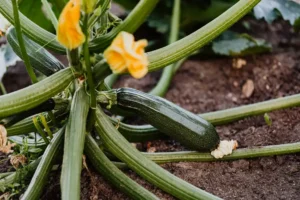
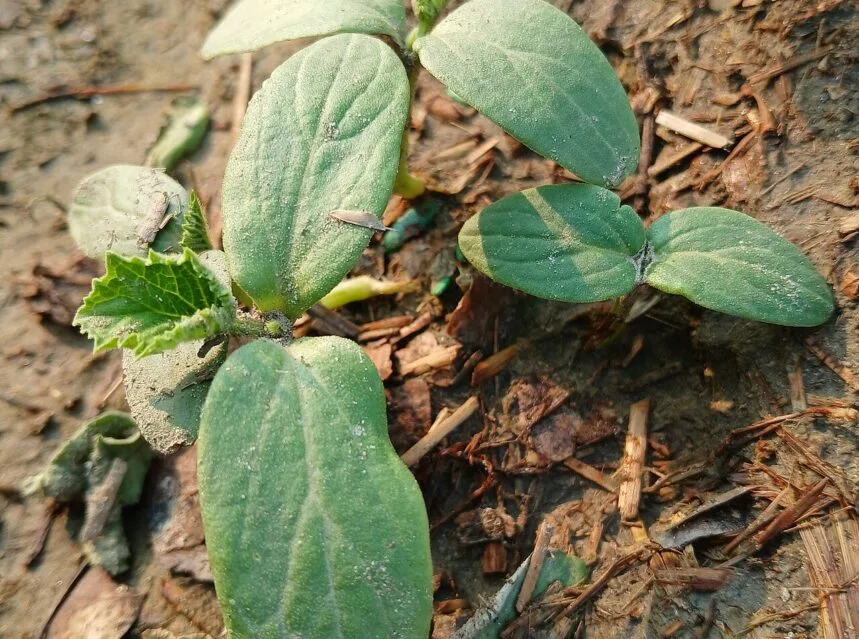 Photo: Tulspal (CC BY-SA 4.0) via Wikimedia Commons
Cucumbers (Cucumis sativus) are a fast, productive warm-season vegetable grown for their crisp, refreshing fruit, on vines that crop heavily through summer. Given warmth, rich soil, and plenty of water, a couple of plants supply cucumbers for weeks. They climb to save space and suit beds, greenhouses, and large pots. Here is the complete guide on how to grow cucumbers.
Quick start: Grow cucumbers in full sun (or a greenhouse) in rich, moisture-retentive soil. Sow seed after the last frost, give vining types a support to climb, water generously and consistently, and feed as fruit forms. Pick the cucumbers young and often to keep them coming. A thirsty, heat-loving, heavy-cropping summer vegetable.
Experienced growers and the Royal Horticultural Society agree cucumbers are thirsty, hungry plants that reward consistent watering above all. The shared experience is that erratic watering causes bitter, misshapen fruit, so steady moisture is key. Growers train vining types up supports to save space and keep fruit clean, pick often to keep plants productive, and watch for powdery mildew late in summer. They crop best in real warmth.
🧰 In a hurry? Jump straight to our tested picks for this guide ↓
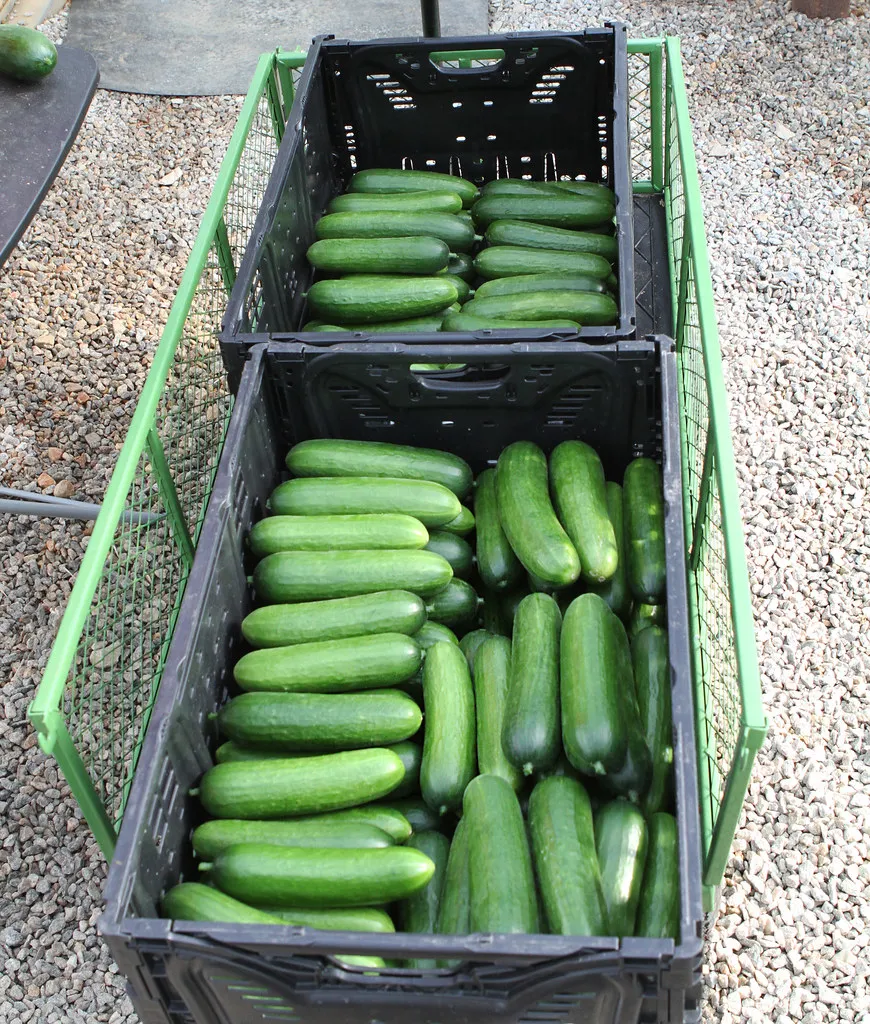
Cucumbers at a glance
| Feature | Detail |
|---|---|
| Botanical name | Cucumis sativus (family Cucurbitaceae) |
| Plant type | Warm-season annual vegetable |
| Sun | Full sun (or greenhouse) |
| Soil | Rich, moisture-retentive, well-drained |
| Support | Yes, for vining types |
| Harvest | From ~8–10 weeks; pick young |
| Watch out | Erratic watering (bitterness); mildew |
Why grow cucumbers?
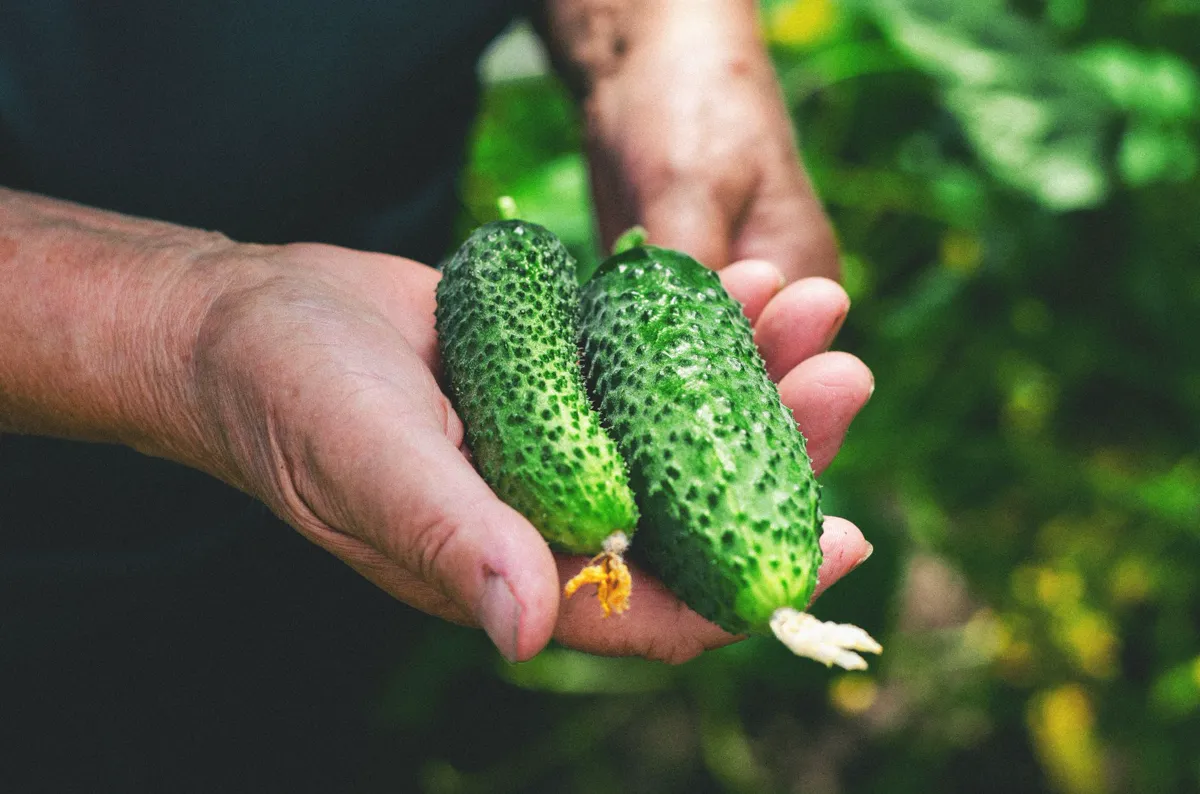
Cucumbers are fast, heavy-cropping, and refreshing, making them a rewarding summer vegetable. Two plants can supply a household for weeks.
Home-grown cucumbers are crisp and full of flavour, picked minutes before eating. They climb to save ground space, suit pots and greenhouses, and crop the more you pick. For an easy, productive, cooling crop in the heat, cucumbers are a great choice.
History & origin
The cucumber originates in India, where it has been grown for thousands of years, before spreading west to the ancient Greeks and Romans and on around the world (see Britannica on the cucumber).
It travelled along trade routes and became a global summer staple. In its Indian homeland, cucumber (kheera) remains a much-loved cooling food, eaten fresh in the heat and grown widely in the warm seasons.
Best season & when to plant
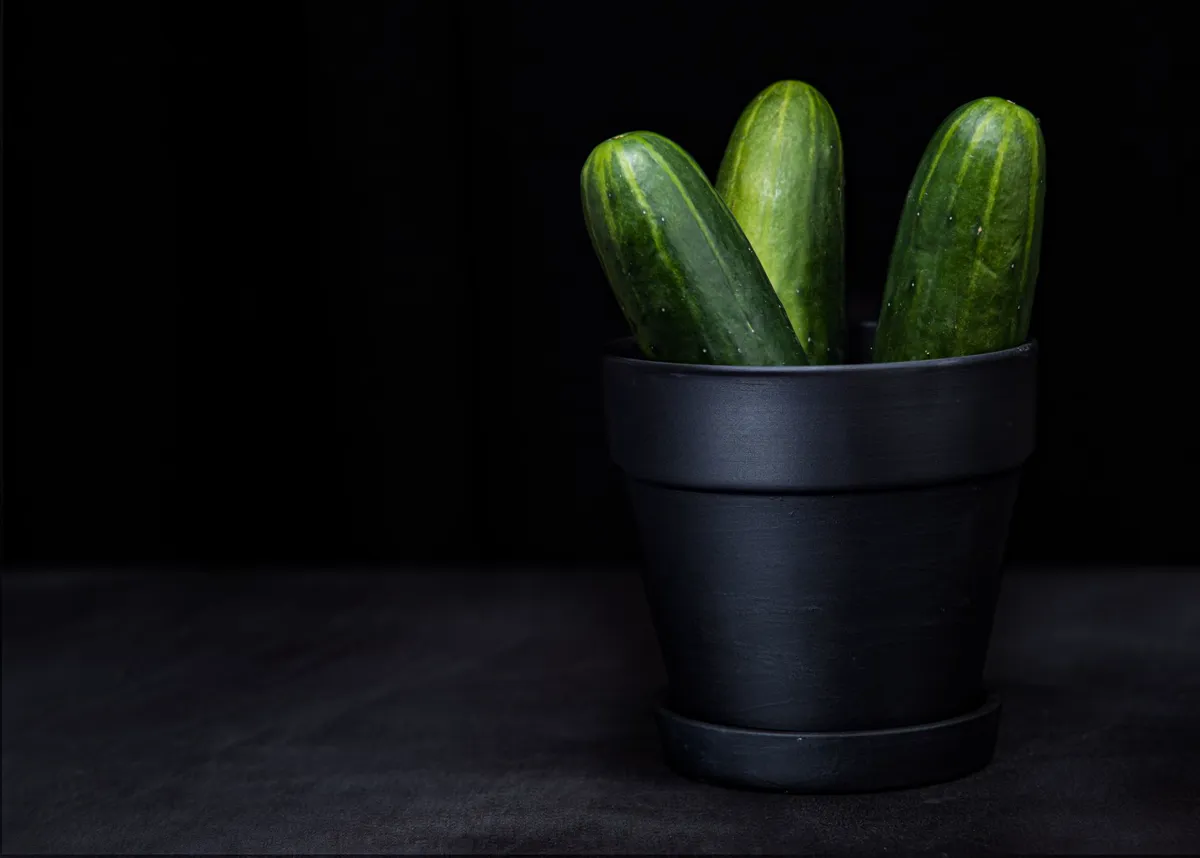
Cucumbers are frost-tender and heat-loving. Sow seed indoors a few weeks before the last frost, or directly once the soil is warm.
They crop in about 8 to 10 weeks and continue for weeks in warm conditions. In hot regions like much of India, grow them in the warm seasons, including before and after the monsoon, with good drainage.
How to plant cucumbers
- Choose full sun (or a greenhouse) and rich, moisture-retentive soil dug with plenty of compost (see improving garden soil).
- Sow seed on edge about 2 cm deep once warm; for vining types, set up a trellis, net, or canes to climb.
- They also grow well in a large pot or grow bag in a warm, sunny, sheltered spot (see containers).
Watering, feeding & training
Cucumbers are thirsty and hungry, so consistent water is the single most important thing. Erratic watering causes bitter, deformed fruit.
Water deeply and regularly, keeping the soil evenly moist, and more in heat and in pots (see how often to water). Feed with a high-potash liquid feed once fruiting starts. Train vining types up their support and tie them in, which saves space, improves airflow, and keeps the fruit clean and straight.
Common pests & diseases
The main problem is powdery mildew, a white coating on the leaves in late summer, worse on dry, stressed plants. Keep plants well watered and airy, and remove affected leaves.
Watch also for aphids, red spider mite (in hot, dry air), and slugs on young plants. Good watering, airflow, and the methods in our organic pest control guide keep plants healthy. Cucumber mosaic virus can also strike, so control aphids that spread it.
Harvesting cucumbers
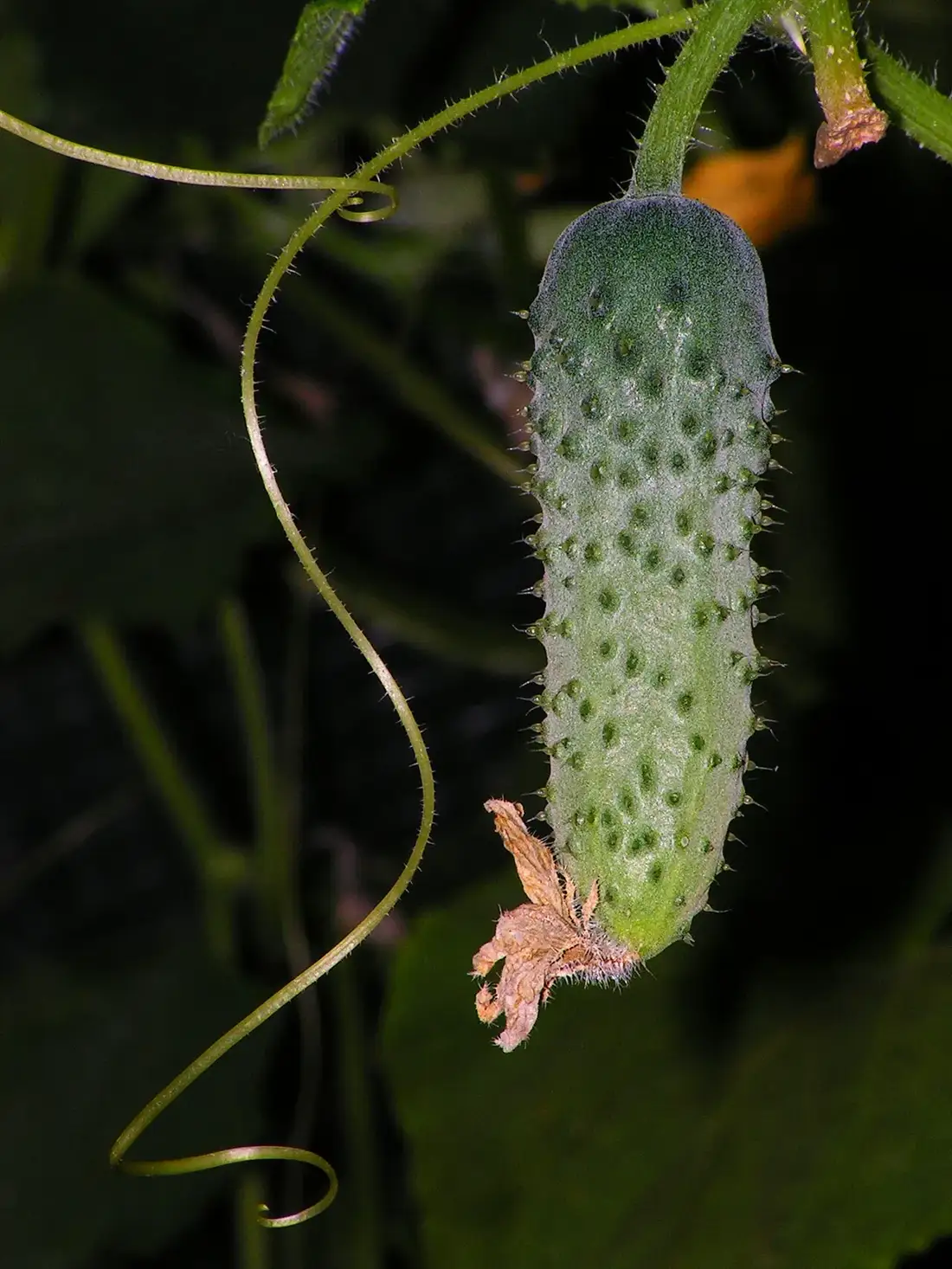
Harvest cucumbers young, firm, and before they bulge or yellow — over-ripe fruit turns bitter and seedy and slows the plant. Cut them with a little stalk using a sharp knife.
The golden rule is to pick often, every couple of days at peak season, as regular picking keeps the plant producing heavily. Eat them fresh and crisp, straight from the vine, or use them in salads, raita, and cooling summer dishes.
Health benefits & uses
Cucumbers are very low in calories and high in water, making them wonderfully cooling and hydrating, with some vitamin K, vitamin C, and potassium. They are eaten raw in salads, sandwiches, raita, and salsas, pickled, or blended into cooling drinks.
In India, kheera is a summer favourite, eaten fresh with a little salt and spice. A refreshing, healthy, versatile vegetable enjoyed worldwide.
This article is for general information only and is not medical advice. Consult a qualified professional before using any plant medicinally.
Types of cucumber to grow
There are a few distinct kinds of cucumber, and the choice affects how you grow them. Slicing cucumbers are the long, smooth salad type, often grown in greenhouses or up supports. Ridge (outdoor) cucumbers are tougher, shorter, and bred to crop outside in cooler climates.
Gherkins are small types grown for pickling, while there are also round “lemon” cucumbers and burpless varieties bred to be easy to digest. Some modern types are all-female, giving smooth, non-bitter fruit. Choosing an outdoor type for beds, or a greenhouse type for under cover, sets you up for success.
Growing cucumbers in containers
Cucumbers grow well in large pots, ideal for a sunny patio or balcony. A compact or bush variety makes this easiest.
Use a big container, at least 30 cm wide and deep, with good drainage and rich compost. Give it a sunny, sheltered spot and a small trellis or cane for the vine to climb. Water daily in hot weather, since pots dry fast and cucumbers are so thirsty, and feed regularly once fruiting. With steady water and food, a single potted plant gives a good crop of crisp cucumbers.
Common cucumber problems
Bitter fruit
Usually water stress or heat. Keep the soil evenly moist and never let plants dry out, and grow non-bitter varieties.
Misshapen fruit
Erratic watering or poor pollination. Water consistently and grow self-pollinating types where bees are scarce.
White powder on leaves
Powdery mildew. Water well, improve airflow, and remove affected leaves.
Stuck on one symptom? We go into it in detail in Why Are My Cucumbers Bitter? 5 Causes and Proven Fixes.
Why cucumbers are worth growing
Cucumbers reward a warm, sunny spot and steady watering with one of summer’s most refreshing crops. From a couple of plants comes a long run of crisp, cooling fruit, far better than the watery shop kind, picked and eaten the same day.
They make clever use of space by climbing, suit pots and greenhouses, and crop more the more you pick. Give them warmth, rich soil, and above all consistent water, and watch for mildew late on. For a productive, cooling, beginner-friendly summer vegetable, cucumbers earn their place in any sunny plot.
Companion planting with cucumbers
Cucumbers have several helpful companions in the garden. They grow well with beans and peas, which enrich the soil, and with sweetcorn, which can offer light support and shelter.
Nasturtiums and marigolds nearby may help draw or distract pests, and dill and other flowers bring in pollinators for a better fruit set. Avoid planting cucumbers right next to strongly aromatic herbs like sage. Because they climb, they pair neatly with taller crops, making good use of vertical space while leaving room below for low companions.
Frequently asked questions
Why are my cucumbers bitter?
Usually water stress or heat. Keep the soil evenly moist, never let plants dry out, and grow non-bitter or burpless varieties.
Do cucumbers need a trellis?
Vining types crop better and stay cleaner trained up a support, which also saves space; bush types can sprawl.
How often should I pick cucumbers?
Every couple of days in peak season — frequent picking of young fruit keeps the plant cropping heavily.
Can I grow cucumbers in a pot?
Yes — use a large container and a compact variety in a warm, sunny spot, watering daily in heat and feeding regularly.
Can I grow cucumbers in India?
Yes — cucumber (kheera) is a popular warm-season crop, grown before and after the monsoon with good drainage.
Do cucumbers need a greenhouse?
No — outdoor (ridge) types crop well in beds and pots in a warm, sunny spot. A greenhouse simply suits the long, smooth slicing types.
Why does my cucumber plant have flowers but no fruit?
In most cases the plant is simply young. Cucumbers carry separate male and female flowers, and the first flush is nearly always male, so nothing sets for the first week or two — female flowers, each with a tiny cucumber already formed behind the petals, follow shortly after. If female flowers do appear but the babies yellow and drop, pollination is the problem: too few bees, heavy rain, or a greenhouse with closed vents. Open up the greenhouse, plant flowers nearby, or transfer pollen yourself with a soft brush in the morning. Parthenocarpic (all-female) varieties set fruit without pollination at all, which is why they are the usual choice for polytunnels.
Why are my cucumber leaves turning yellow?
Start with the roots, because waterlogged or badly drained soil is the most common cause — yellowing then spreads from the older, lower leaves upwards. Hungry plants show the same pattern, especially in containers where nitrogen and magnesium wash out quickly, so a balanced liquid feed every week or two during cropping usually helps. Yellow stippling or mottling instead of even yellowing points at spider mites or at downy mildew, both of which need a closer look at the leaf underside. Our detailed guide on why are my cucumber leaves turning yellow works through each cause in turn.
Why did my cucumber plant suddenly wilt and collapse?
First rule out the simple explanation — cucumbers wilt dramatically in midday heat and recover by evening, and that is normal.
A plant that stays limp overnight has a root or stem problem: soggy soil and root rot, stem rot at the base, or a severed root from careless hoeing. In North America, a healthy plant that wilts vine by vine over a few days is often bacterial wilt, spread by striped and spotted cucumber beetles, and infected plants cannot be cured, so remove them and control the beetles on the rest.
Gardeners in Britain, India and most other regions do not have that beetle, so there the usual culprits are overwatering, Fusarium or Pythium in warm, wet soil, and stem damage.
How much water do cucumbers need?
Roughly 25 mm of water a week while growing, rising sharply once fruit is swelling and in hot or windy weather. The aim is even moisture — the swings between bone dry and drenched are what trigger bitterness, misshapen fruit and blossom drop. Water the soil deeply two or three times a week rather than sprinkling daily, and mulch to hold that moisture in. Containers are the exception and often need watering every day, sometimes twice a day in high summer, because a pot dries out far faster than open ground.
How far apart should cucumbers be planted?
Trained up a trellis or net, allow about 30-45 cm between plants, with rows 90 cm or so apart so you can pick from both sides. Left to sprawl on the ground, give each plant 90-120 cm in every direction, since sprawling vines need the room and the airflow. Bush and patio types are more compact and are usually happy at 45-60 cm spacing. Crowding is a false economy with cucumbers, because still, humid air between overlapping leaves is exactly what powdery and downy mildew need.
Should you pinch out or prune cucumber plants?
It depends on the type. Long greenhouse varieties are usually grown as a single cordon: tie the main stem to a string, remove the sideshoots and tendrils as they appear, and stop the growing tip once it reaches the roof wire. Outdoor ridge types are handled the other way round — pinch out the main growing tip after about six or seven leaves, which pushes the plant to throw out sideshoots that carry most of the female flowers. In every case, strip off yellowing lower leaves and anything touching the soil to keep air moving and disease down.
How long do cucumbers take to grow?
Most varieties run about 50-70 days from sowing to the first picking, with fast pickling types at the short end and long slicing cucumbers at the longer end. Transplants raised indoors shave two to three weeks off the wait in the garden, which is why gardeners in short-summer regions start seed under cover. Once cropping begins, a well-fed plant can produce for six to eight weeks or longer, and picking young fruit every couple of days keeps it going. Check the days-to-maturity figure on the packet, since it varies more between varieties than most growers expect.
Still stuck? Ask the Plant Doctor
Describe the problem — yellow leaves, holes, no flowers — and get a clear answer in seconds. FreeAI can make mistakes. Answers are guidance, not a guarantee — check anything important against the guide it links to, and always read the label on any product before you use it.