Why Are My Cucumber Leaves Turning Yellow? Causes and Fixes
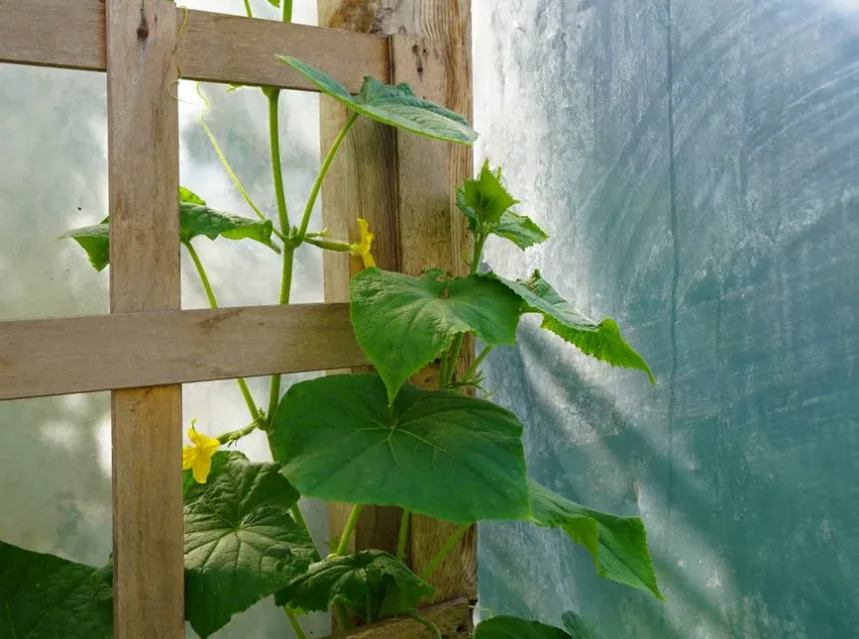
Why are my cucumber leaves turning yellow? The three big causes are overwatering, hunger and pests — cucumbers are thirsty but rot in soggy soil, they are heavy feeders that yellow when starved, and sap-sucking bugs drain them pale. Because the yellowing looks a little different for each, a close look points you to the right fix.
Quick answer: Yellowing from the base up with soggy soil means overwatering. Yellowing with green veins means hunger. Stippled, patchy yellow with bugs means pests. Angular yellow patches on the upper leaves mean downy mildew. Match the cause below.
🧰 In a hurry? Jump straight to our tested picks for this guide ↓
Why are my cucumber leaves turning yellow? Quick diagnosis
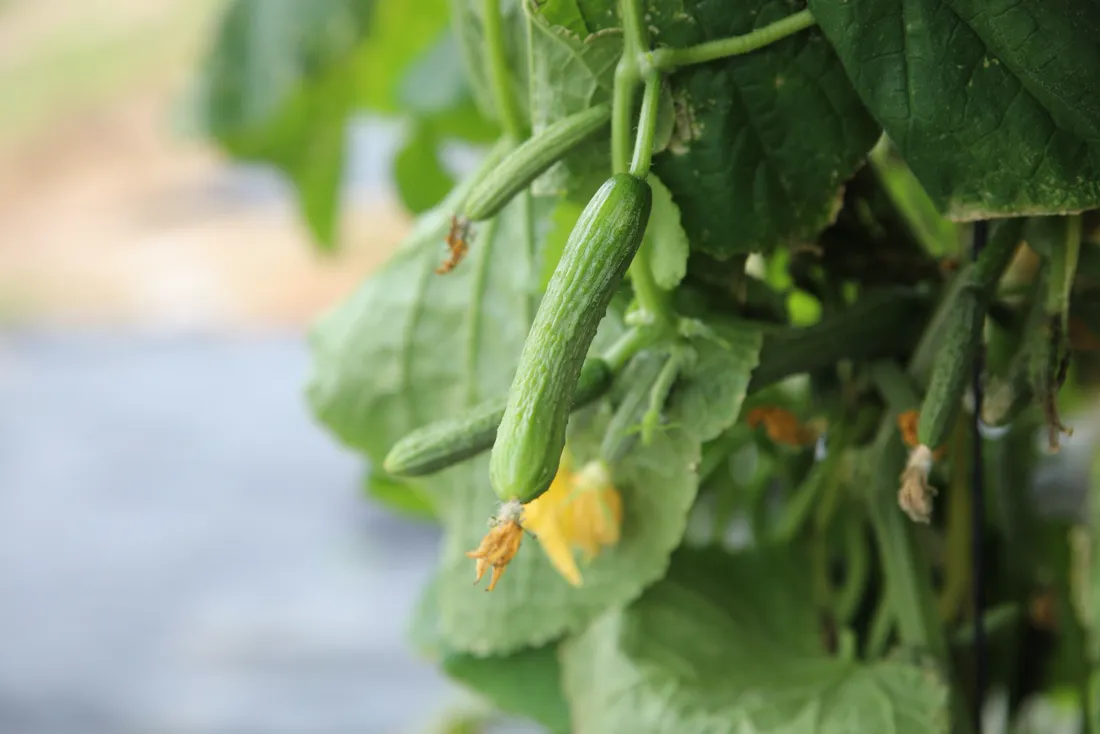
| What you see | Most likely cause |
|---|---|
| Yellowing from the base up, soggy soil | Overwatering and root rot |
| Yellow leaves with bright green veins | Nutrient (nitrogen or magnesium) hunger |
| Stippled, patchy yellow with insects | Aphids, mites, beetles or whiteflies |
| Angular yellow patches on upper leaves | Downy mildew |
| Mottled yellow-green, distorted leaves | Cucumber mosaic virus |
| A few old lower leaves yellowing | Natural ageing |
Overwatering: the number one cause
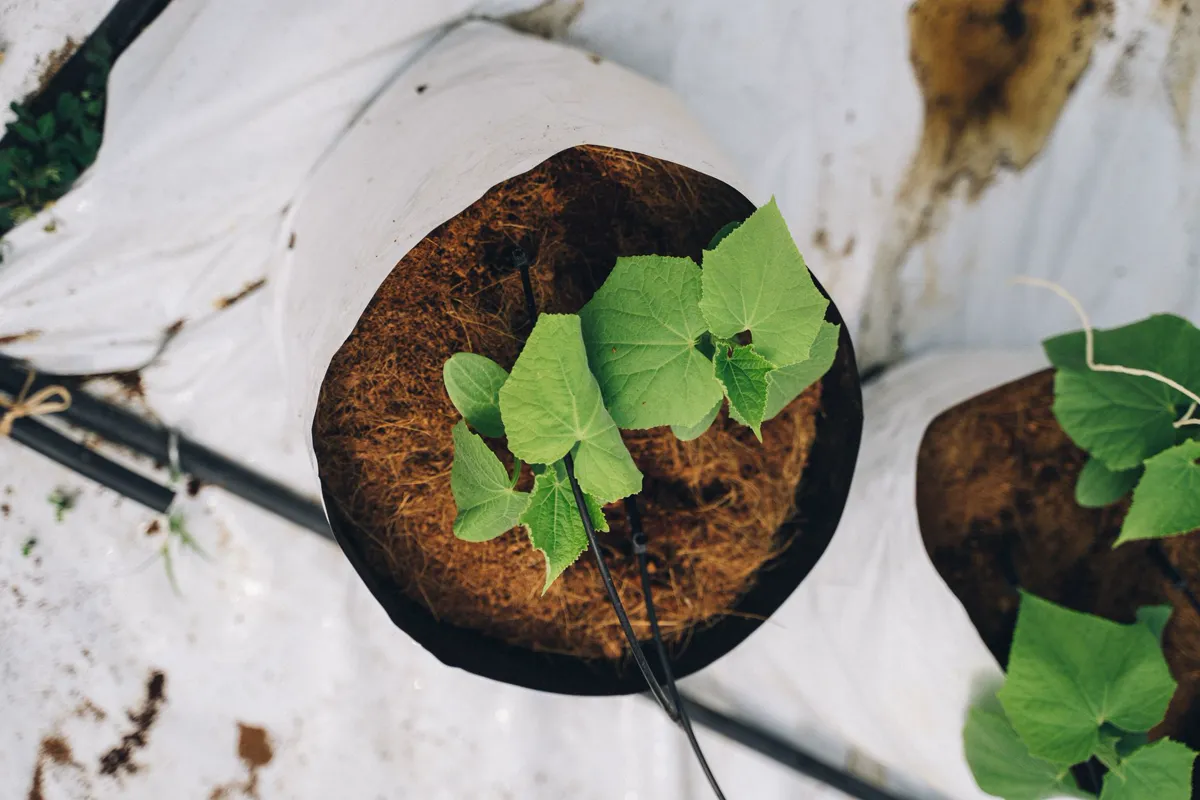
Overwatering yellows cucumber leaves more than anything else. Soggy soil starves the roots of oxygen. Starved roots cannot feed the plant, so the leaves yellow, usually from the base of the plant upward.
Left too long, the roots rot and turn brown or black. The whole vine then wilts, even though the soil is wet. So water only when the top few centimetres of soil feel dry. Improve drainage with compost or coir if the bed stays wet, and grow in pots with drainage holes.
Container plants are especially easy to overwater. Check the soil with a finger before every watering. If it still feels damp, wait a day. Treat mushy-rooted plants as root rot. The University of Minnesota Extension stresses well-drained soil and even moisture for cucumbers.
Hunger: cucumbers are heavy feeders
Cucumbers grow fast and eat a lot, so hunger is a common cause of yellowing. A shortage of nitrogen gives a pale, all-over yellow that starts on the older leaves. A magnesium shortage is different. It yellows the leaf between the veins and leaves the veins themselves green.
Iron shortage looks similar, but it strikes the newest top leaves first. It often shows up when the soil is too alkaline. In that case, the plant cannot take up the iron even when it is there.
Because of this heavy appetite, feed cucumbers every couple of weeks with a balanced fertiliser through the season. For a magnesium shortage, a little Epsom salt helps. The Utah State University Extension notes cucumbers need steady feeding to stay green and productive.
Pests: the sap-suckers
Pests are the third big cause. Aphids, spider mites, cucumber beetles and whiteflies all pierce the leaves and suck the sap, leaving small yellow patches, stippling or mottling behind.
So check the undersides of the leaves first, as that is where most pests hide. Look for tiny insects, fine webbing or a sticky film. Then rinse the pests off with a hose, or treat with neem oil or insecticidal soap.
Repeat the treatment every few days until the bugs are gone. Cucumber beetles are especially worth stopping, because they also spread disease, as our cucumber wilt guide explains. Our aphid guide helps too.
Downy mildew and virus
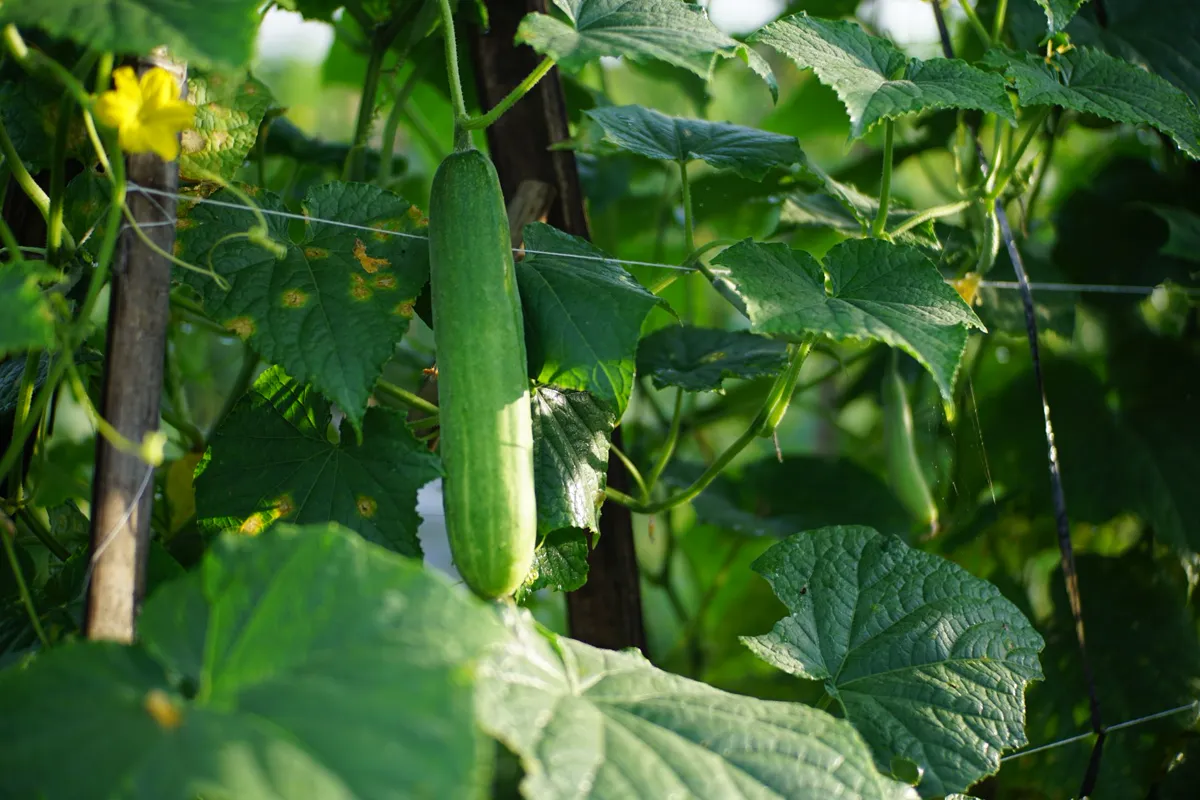
Two diseases yellow cucumber leaves in a telltale way. Downy mildew shows as angular yellow patches on the upper leaf surface, boxed in by the veins, with grey mould underneath, and it spreads fast in warm, humid, wet conditions.
To fight it, water at the base rather than over the leaves. Space plants for airflow, and remove affected leaves quickly. Bin the diseased leaves rather than composting them, so the spores do not linger.
A mottled, distorted yellow-green pattern is a different problem. It suggests cucumber mosaic virus, which has no cure. So remove infected plants and control the aphids that spread it. The Clemson Cooperative Extension details these cucurbit diseases.
Underwatering, heat and too much sun
Overwatering is the usual problem. Yet the opposite also yellows leaves. When the soil dries out, the older lower leaves shrivel, turn yellow and drop first.
Heat and strong sun add to the stress. In a heatwave, cucumbers wilt at midday and pale patches can bleach across the most exposed leaves. So keep the soil evenly moist, mulch to hold water, and give plants a deep drink in hot spells. A cucumber that yellows only on one, sun-facing side is often sunscald rather than disease.
Cold stress and natural ageing
Cucumbers hate the cold. A late chill or a cold night early in the season can shock the plant and yellow the leaves. Because of this, wait until nights are warm before planting out, and cover young plants if a cold snap threatens.
Not every yellow leaf is a worry, though. As a vine grows, its oldest leaves at the base naturally age, yellow and fade. This is normal. If only a few of the lowest leaves yellow while the new top growth stays deep green, the plant is fine. Simply trim the tired leaves away.
How to prevent yellow cucumber leaves
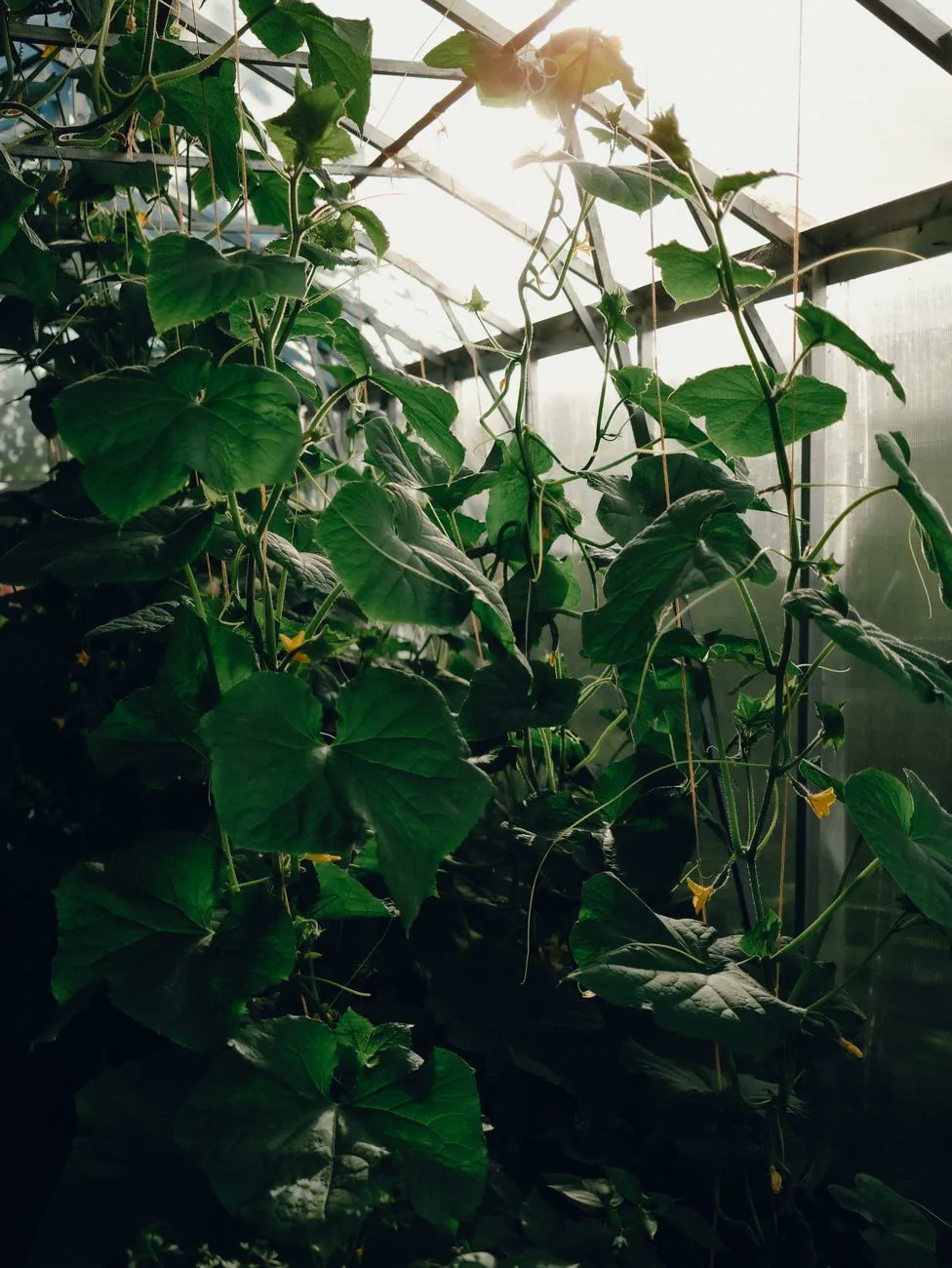
Prevention beats cure with cucumbers. A few habits keep the leaves green all season. First, water steadily and deeply, but let the surface dry between drinks. Next, feed every couple of weeks, since these plants are hungry.
Also grow cucumbers up a trellis. Good airflow keeps the leaves dry and holds off downy mildew. Then check the undersides weekly for aphids and beetles, and act early. Finally, choose disease-resistant varieties where you can, as they shrug off mildew and virus far better. A little care each week keeps the whole plant green and healthy.
Yellow cucumber leaves in India
Two settings yellow cucumber leaves fast. Overwatered, waterlogged monsoon soil and the humid conditions that fuel downy mildew are the usual culprits.
In India, grow cucumbers up a trellis for airflow, water at the base, and make sure the soil drains freely in the rains. Raised beds and pots help the water escape fast. Feed these hungry plants regularly, and check for beetles and aphids after every heavy rain. Our cucumber growing guide has more.
How to fix yellow cucumber leaves
Start with the simplest cause and work down the list. Most yellow cucumber leaves come from water, food or pests, and each has a quick fix. Match what you see to the steps below.
- Check the soil — if soggy, ease off watering and improve drainage.
- Feed every couple of weeks, as cucumbers are heavy feeders.
- Inspect the leaf undersides for pests and treat with neem or soap.
- For angular yellow patches, water at the base and improve airflow against downy mildew.
- Remove virus-infected plants and control the aphids that spread them.
Fresh, deep-green leaves and vigorous vines are the sign your cucumbers are back on track.
Frequently asked questions
Should I remove yellow cucumber leaves?
Yes. Trim off badly yellowed or diseased leaves so the plant focuses on healthy growth, and bin any that look diseased rather than composting them. This also improves airflow, which helps prevent downy mildew from spreading.
Are yellow cucumber leaves from over or underwatering?
Usually overwatering. Cucumbers yellow most often from soggy soil that starves the roots of oxygen, with the yellowing starting low on the plant. Check the soil, and if it is wet, ease off and improve drainage.
Why are my cucumber leaves yellow with green veins?
Yellowing between green veins usually points to a nutrient shortage, often magnesium or nitrogen, as cucumbers are heavy feeders. Feed with a balanced fertiliser, and add a little Epsom salt if magnesium is the issue.
What do angular yellow patches on cucumber leaves mean?
Angular yellow patches on the upper leaves, hemmed in by the veins and with grey mould underneath, are a classic sign of downy mildew. Water at the base, improve airflow, remove affected leaves, and choose resistant varieties.
Can yellow cucumber leaves turn green again?
Slightly pale leaves can green up once you correct the cause, for example after a nitrogen feed or better drainage. Leaves that have turned fully yellow will not recover, because their chlorophyll is gone. The real test is the new growth: if fresh leaves emerge green and healthy within a week or two of fixing the problem, the plant is recovering. Old yellow leaves can then be removed so the plant puts energy into fruiting.
Does Epsom salt fix yellow cucumber leaves?
Only when the yellowing is caused by magnesium deficiency, which shows as yellow tissue between veins that stay green, mainly on older leaves. In that case, a foliar spray of one tablespoon of Epsom salt per four litres of water every two weeks helps. For yellowing caused by nitrogen shortage, overwatering, pests, or disease, Epsom salt does nothing and can even worsen soil imbalance. Diagnose the pattern on the leaf first, then treat.
What fertilizer should I use for yellowing cucumber plants?
If older leaves are uniformly yellow and growth is slow, the plant most likely needs nitrogen. Use a balanced vegetable fertilizer, such as a 10-10-10, or an organic option like compost, well-rotted manure, or diluted fish emulsion every two to three weeks. Indian gardeners often use vermicompost with a little mustard cake for the same effect. Avoid dumping high-nitrogen feed on plants that are already fruiting well, since excess nitrogen gives lush leaves but fewer cucumbers.
Why are my cucumber seedling leaves turning yellow?
The first pair of rounded seed leaves, the cotyledons, naturally yellow and drop once true leaves take over, which is nothing to worry about. If the true leaves of a seedling yellow, the usual causes are cold soil below about 18°C, waterlogged trays, or exhausted seed-starting mix with no nutrients left. Keep seedlings warm and in strong light, water only when the surface dries, and start gentle liquid feeding once the second true leaf appears.
Why do the lower cucumber leaves turn yellow first?
Older, lower leaves are the first to yellow for two common reasons. Nutrient shortage makes the plant pull mobile nutrients like nitrogen and magnesium out of old leaves to feed new growth. Heavy shading inside a dense vine also starves the lowest leaves of light, so the plant abandons them. A few yellow bottom leaves on a big, productive vine are normal. Steady feeding, trellising for airflow, and removing spent leaves keep the problem in check.
Can cucumber mosaic virus cause yellow leaves?
Yes. Cucumber mosaic virus produces a yellow-and-green mottled mosaic pattern, often with distorted, stunted new leaves and bumpy, misshapen fruit. It spreads mainly through aphids and infected weeds, and there is no cure once a plant has it. Remove and destroy infected plants, never compost them, control aphids, and keep the area weeded. Next season, choose resistant varieties. Mosaic patterns look very different from plain nutrient yellowing, so inspect the leaves closely before acting.
Why are my container cucumber leaves turning yellow?
Container cucumbers yellow faster than in-ground plants because pots dry out quickly, and frequent watering washes nutrients out of the mix. A cucumber in a small pot can also become root-bound, which starves it. Use at least a 30 to 40 centimetre pot with drainage holes, water daily in hot weather, and feed with a dilute liquid fertilizer every 10 to 14 days. On hot Indian terraces, mulching the pot surface reduces both heat stress and water swings.
Related guides
- How to grow cucumbers
- Why are my cucumber plants wilting?
- Root rot
- How to get rid of aphids
- How often to water plants
- Best cucumber seeds
Still stuck? Ask the Plant Doctor
Describe the problem — yellow leaves, holes, no flowers — and get a clear answer in seconds. FreeAI can make mistakes. Answers are guidance, not a guarantee — check anything important against the guide it links to, and always read the label on any product before you use it.