Vinegar Weed Killer
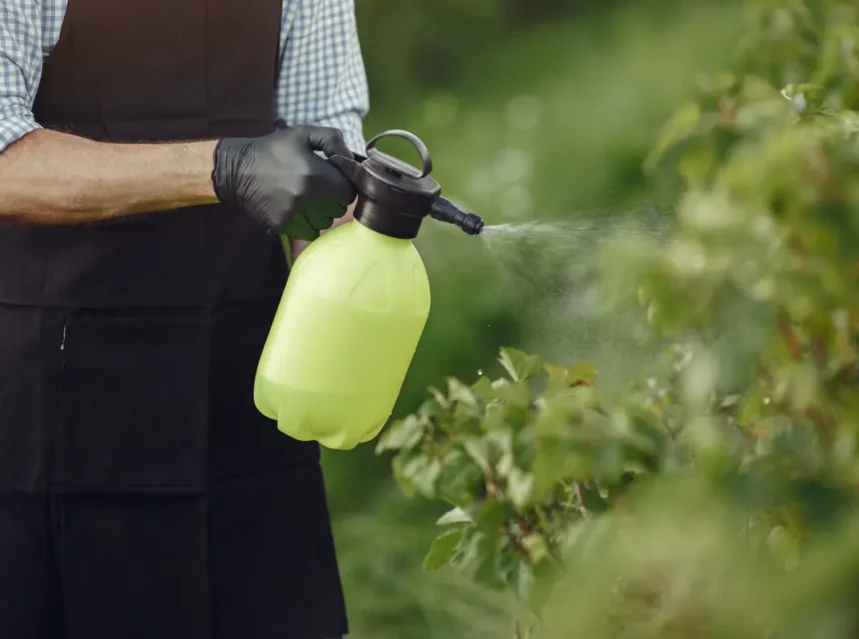
Vinegar weed killer is acetic acid used as a contact herbicide: it burns the green tissue it lands on, and it stops there. It does not travel inside the plant, so it does not reach the roots. That single fact explains almost everything people find disappointing about it.
Quick answer: Household vinegar at about 5% acid kills seedlings with one or two leaves and little else. Horticultural strengths of 20% to 30% burn far more tissue, but they are a genuine skin and eye hazard and still spare perennial roots. Use vinegar on young weeds in paving cracks on a hot dry day. For anything with a taproot, a runner or a lawn around it, pick a different method.
🧰 In a hurry? Jump straight to our tested picks for this guide ↓
Vinegar weed killer at a glance
| Strength | What it actually does | Safety level | Sensible use |
|---|---|---|---|
| Kitchen vinegar, 4-6% | Scorches seedlings at the 1-2 leaf stage | Low | Odd weeds in paving, tried once |
| Minimum-risk products, up to 8% | Faster top-kill on small annuals | Low to moderate | Paths, gravel, patio joints |
| Horticultural, 11-19% | Heavy leaf burn on broadleaf weeds | Burns skin, damages eyes | Goggles and gloves, hard surfaces |
| Horticultural, 20-30% | Near-total top-kill; roots survive | Corrosive; permanent eye injury risk | Only with full protective kit |
| Any strength, perennial weeds | A week of setback, then regrowth | – | Dig or smother instead |
Does vinegar kill weeds, honestly?
It kills some of them, some of the time, and the pattern is very predictable.
Acetic acid strips the waxy cuticle and ruptures cell membranes, so the leaf dries out. Because the acid never moves inside the plant, the crown and roots are untouched. An annual seedling that has not built a food store dies outright. Anything older simply resprouts.
The threshold most extension services use is the leaf count. Weeds with one or two true leaves usually die. Once a weed has three or four leaves, it will probably survive the spray.
Trial numbers back this up rather than folklore. Reporting on a USDA-ARS study, University of Maryland Extension notes that 20% acetic acid applied at 100 gallons per acre delivered only 28% to 45% control of crabgrass and other grass weeds, that roots are not killed, and that perennial weeds generally recover.
Household vinegar versus horticultural vinegar
The bottle in your kitchen and the drum in the garden centre are not the same product in a bigger size.
Cooking vinegar sits at roughly 4% to 6% acetic acid. Horticultural products run from about 20% upward. That is not a small step. It changes the material from a salad ingredient into something that needs handling like a workshop chemical.
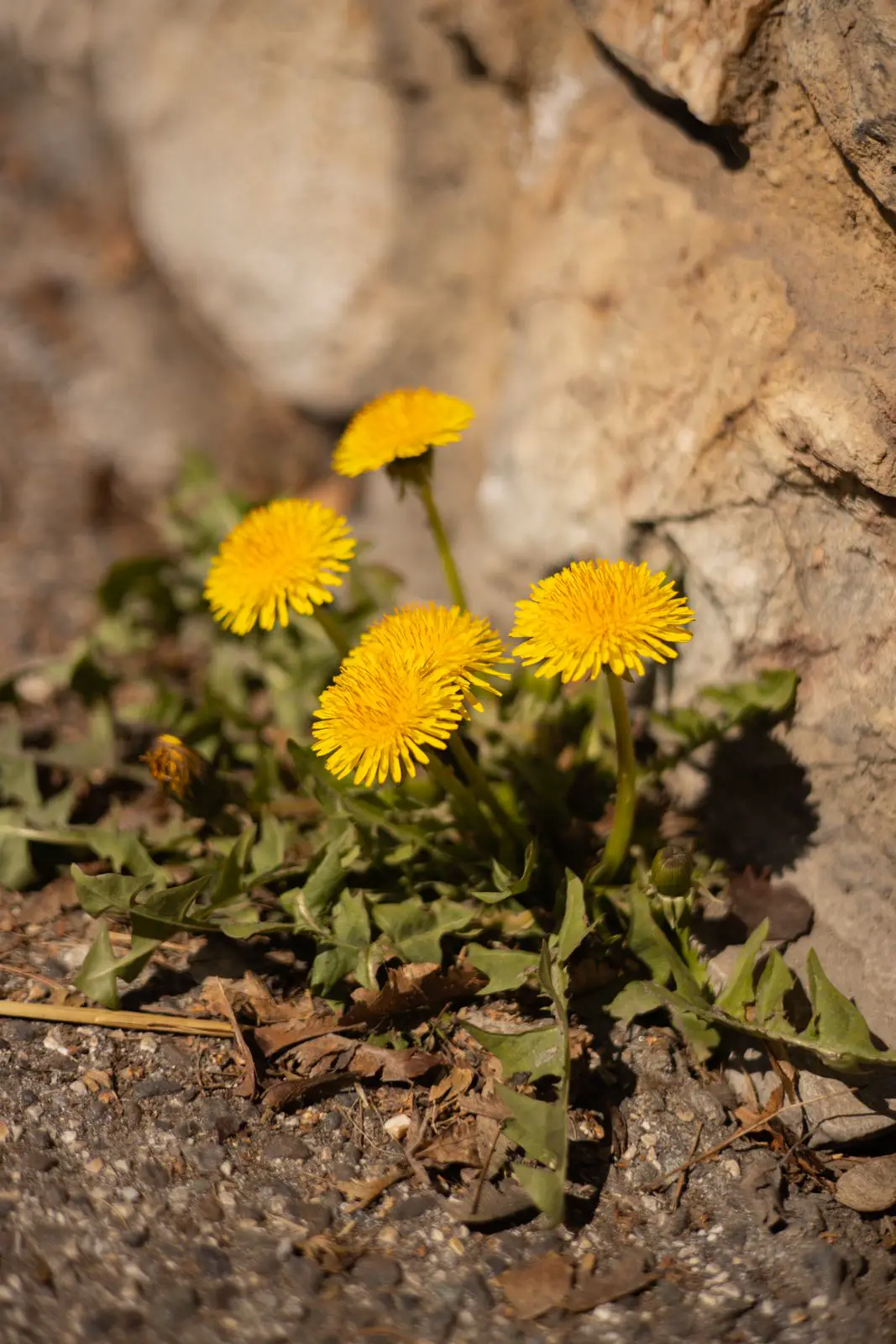
Strength also changes what dies, not whether roots die. A 20% product will flatten a much bigger weed than 5% will, and it works on species that shrug off the kitchen bottle. However, the dandelion still comes back, because the taproot was never touched.
The safety part nobody should skip
“It is only vinegar” is the most dangerous sentence in this whole subject.
Acetic acid at 11% or more can burn skin and cause severe eye injury. At 20% and above it is corrosive. The National Pesticide Information Center at Oregon State University states plainly that it can permanently damage the corneas, that swallowing it burns the mouth and throat, and that breathing the vapour irritates the airways. Every registered acetic acid herbicide in the United States carries the signal word DANGER, the highest warning tier there is.
So the protective kit is not optional theatre. For anything above about 10%, wear splash goggles or a face shield, chemical-resistant gloves, long sleeves and long trousers, and closed shoes. Never spray on a windy day, because drift into your own eyes is the realistic accident. Keep children and pets off the area until the surface is dry.
Decant carefully as well. A concentrate poured into an unlabelled bottle in a shed is how the worst incidents happen.
Is a vinegar weed killer even legal?
This is the question the recipe posts almost never answer, and the answer genuinely varies.
United States. Anything sold or marketed to kill a pest is a pesticide. Some low-concentration products qualify for the FIFRA 25(b) minimum-risk exemption, and the EPA lists six conditions a product must meet, while noting that states may still require their own registration. Mixing something in your kitchen and using it on your own ground is a different matter from selling it or applying it commercially, which needs a registered product.
United Kingdom. Anything used to control plants counts as a plant protection product under the Plant Protection Products Regulations 2011. Vinegar sits on the approved basic-substance list, so personal garden use is accepted. Selling a homemade weedkiller is a criminal offence, and using an unauthorised substance on food crops is prohibited.
European Union. There is a detail here worth knowing. Commission Implementing Regulation (EU) 2015/1108 approves vinegar as a basic substance, but only for use as a fungicide and bactericide. Herbicidal use is not what that approval covers.
India. Under the Insecticides Act 1968, anything manufactured, imported or sold as a pesticide must be registered with the Central Insecticides Board and Registration Committee. No acetic acid herbicide is a standard nursery product there, and household sirka is weaker still. Rules also change, so check the current position with your state agriculture department rather than trusting a blog post, including this one.
What vinegar will never do for you
Three limits matter more than any recipe tweak.
- No residual control. Acetic acid breaks down in soil within days. Nothing stops the next flush of seedlings, so you will be back within a fortnight.
- No selectivity. It kills whatever it touches. Lawn grass, seedlings, the edge of a hosta leaf, all of it. It cannot be used to weed a lawn, because your lawn is a plant too.
- No help with perennials. Bindweed, dock, nutgrass and couch regenerate from below. Our bindweed playbook explains why exhaustion beats burning.
The acid itself does little lasting harm to soil, since it degrades fast. The real soil damage in most DIY recipes comes from a different ingredient.
The salt and dish soap problem
Almost every viral recipe adds a cup of salt and a squirt of washing-up liquid. The soap is harmless enough, acting as a wetter so the spray clings.
Salt is the part to refuse. It does not break down. It leaches sideways and downward, it can sterilise a strip of ground for years, and it travels into beds and drains you never meant to treat. Extension services warn against it on garden soil for exactly that reason.
If you want the ground permanently dead, you have a paving problem, not a gardening one. Everywhere else, leave the salt in the kitchen.
When vinegar is genuinely the right call
There is a real niche, and it is narrow.
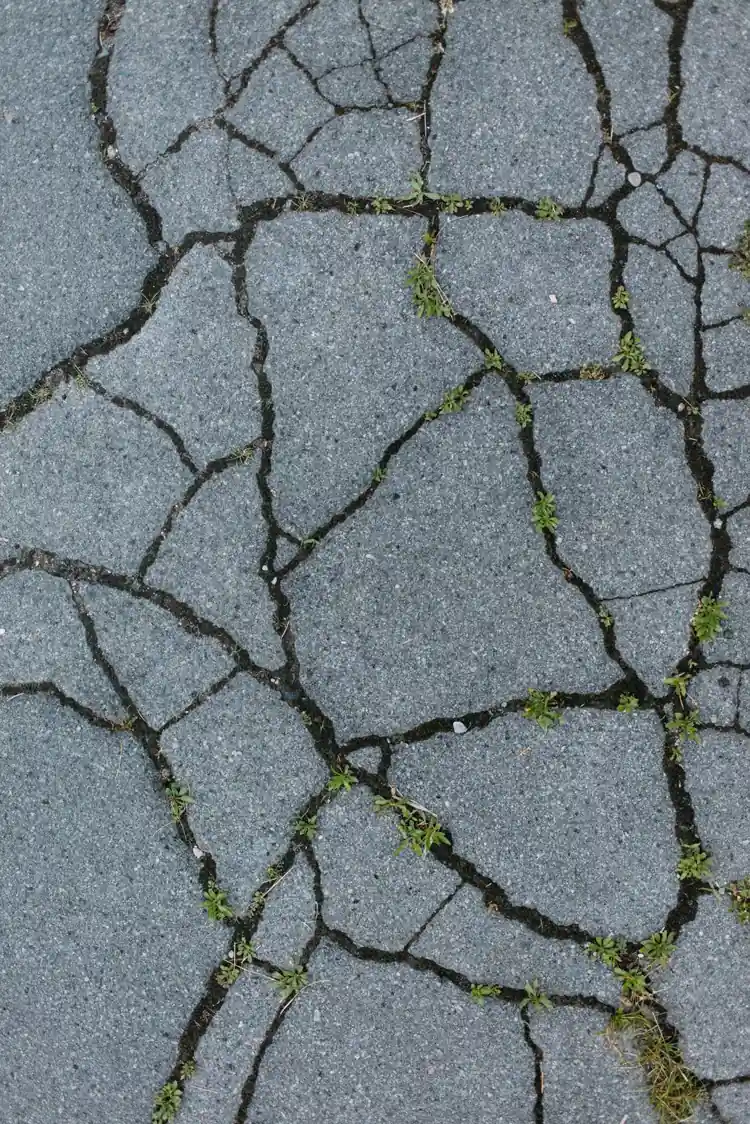
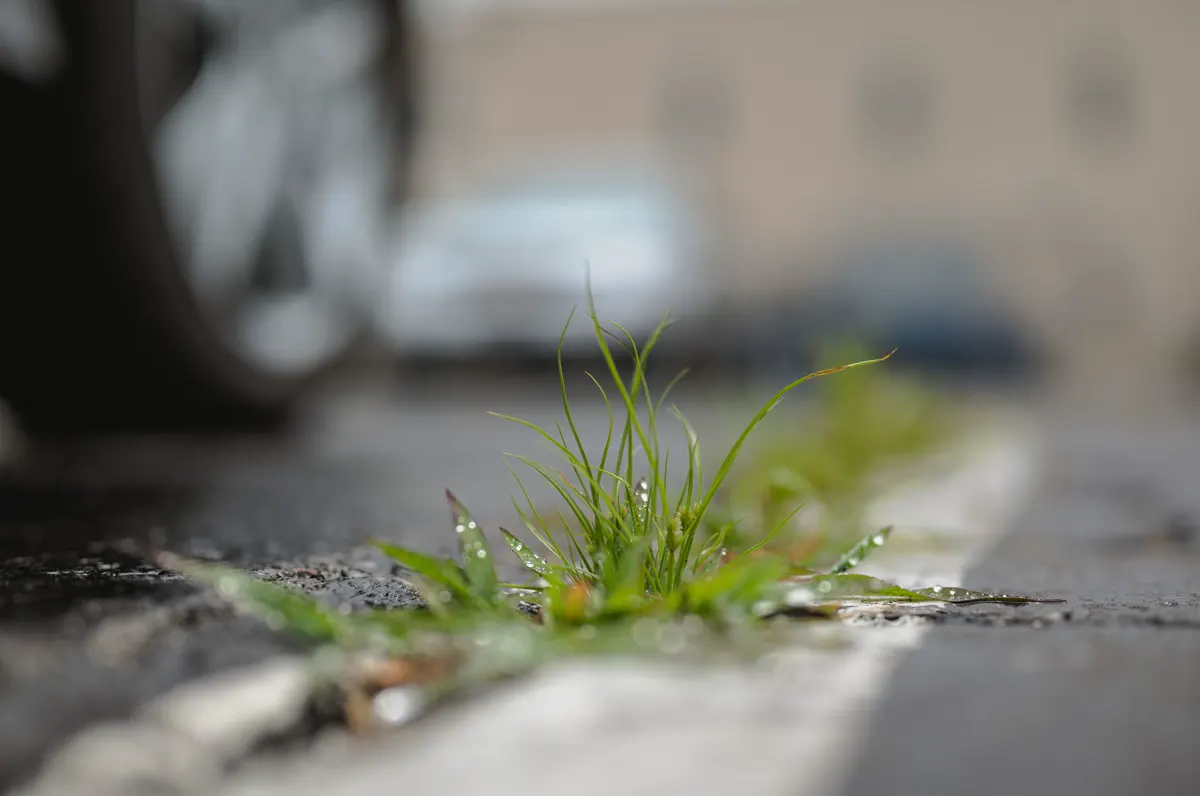
Vinegar suits young annual weeds growing in paving joints, gravel drives, block paving and the base of a wall. There is no soil biology to protect and no wanted plant within reach. It is also useful where you simply do not want to bend down and pick at a crack for an hour.
Conditions decide the result. Spray on a hot, still, dry morning with no rain due for a day. Cover the leaf until it is wet all over, because a light mist does almost nothing. Warm sun speeds the drying that actually kills the tissue.
Expect to repeat it. Two or three passes a season on the same paving is normal, and that is the honest cost of the method.
How to apply it without regret
- Check the label first. If a product carries no registration number, it is not sold as a herbicide where you live.
- Dress for it. Goggles, chemical-resistant gloves, sleeves and trousers for anything above 10%.
- Pick the weather. Hot, dry, still, morning, with a dry day ahead.
- Target only weeds under about three leaves. Older ones need digging, not spraying.
- Use a dedicated sprayer and label it. Our garden sprayer guide covers seals that survive acid.
- Shield nearby plants with a card or an upturned pot, or brush the liquid on instead of spraying.
- Rinse the kit and store the concentrate locked away from children and animals.
India, the monsoon and warm climates
The advice travels badly, and it is worth saying so.
Indian kitchen sirka is generally weak, and 20% horticultural acid is not something most nurseries stock. Monsoon rain also washes a contact spray off within hours, which wastes both the product and the effort.
Heat, though, is an advantage the temperate world does not have. Solarising an empty bed under clear plastic through May and June cooks the weed seed bank properly, and a deep mulch laid before the rains stops the monsoon seed flush before it starts. Both beat any spray in that climate.
What works better, ranked
If the goal is fewer weeds rather than a satisfying afternoon, this is the order that pays.
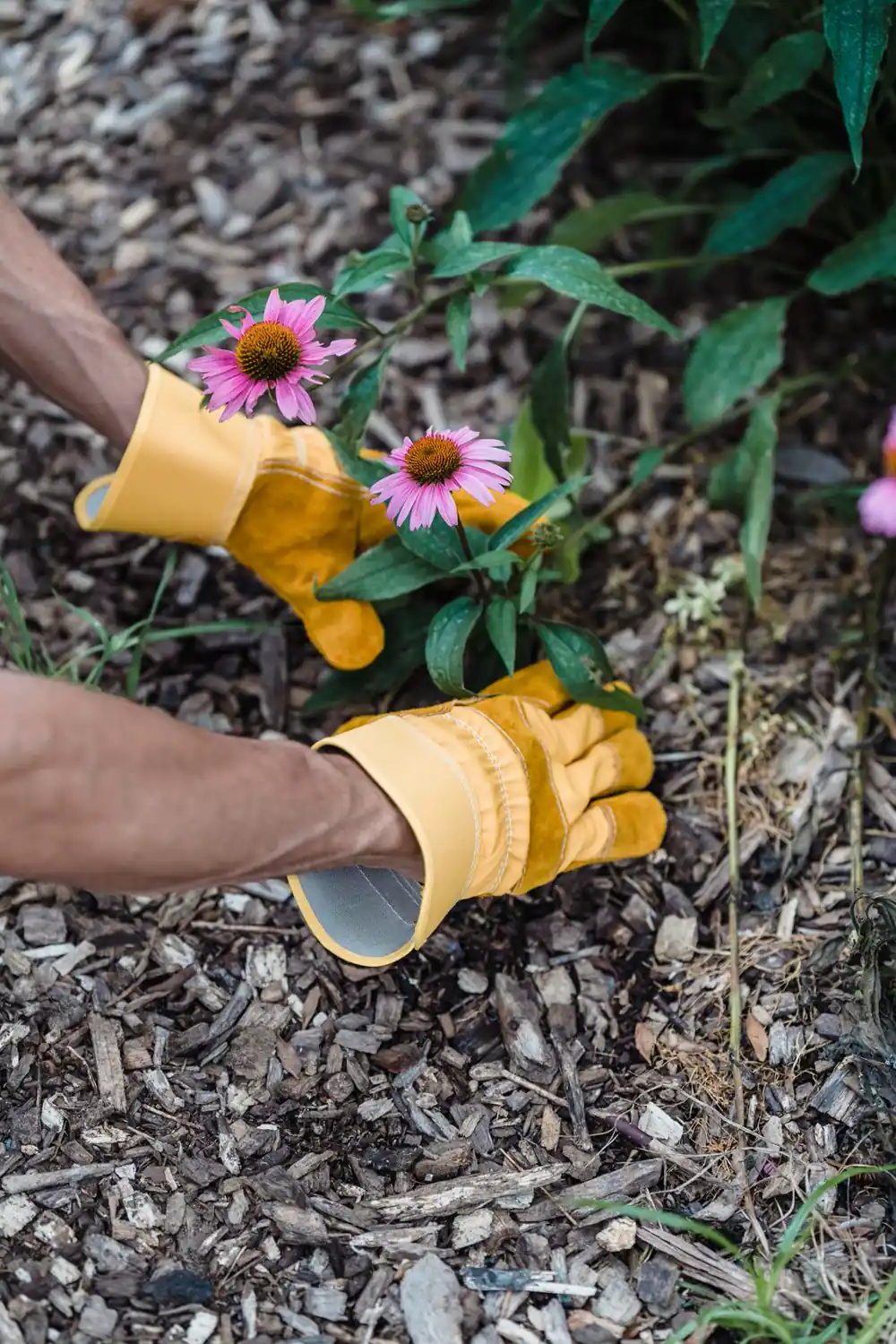
- Mulch every bare surface at 5 to 10 cm. Our mulching guide covers depth and materials.
- Hoe weekly on a dry morning while weeds are tiny. A sharp blade and ten minutes beats any chemistry.
- Dig perennials out whole, taproot and all, using a tool from our weeding tool comparison.
- Pour boiling water on paving weeds. Free, instant on seedlings, and it leaves no residue.
- Flame weed gravel and joints with a quick pass that bursts the cells rather than burning the plant to ash.
- Plant the gap. A dense groundcover, a clover lawn or another lawn alternative occupies the niche weeds want.
- Stop digging. Every cultivation lifts buried seed into the light, which is why no-dig beds get quieter each year.
The Royal Horticultural Society guidance on non-chemical weed control lands in the same place, recommending hand removal, repeated cutting, smothering and barriers, with no mention of homemade sprays at all. Our own organic weed control guide sets these methods out as a full system, and green manures handle resting ground.
What experienced gardeners report
The arc is remarkably consistent across gardening forums and extension advice lines.
People start delighted. Leaves brown within a few hours and the patio looks transformed by evening. Around day seven the crowns push green again, and by week three the same weeds are back at the same size.
Independent field testing tells the same story. Gardeners who have run their own side-by-side trials report that seedlings genuinely die, while crabgrass browns within a day yet keeps a green crown and regrows inside a week. Growers who stay with vinegar keep it for paving. Everyone else quietly returns to the hoe.
The one complaint that surprises newcomers is the smell. A 20% product in warm still air is genuinely unpleasant to stand in, which is another reason to work upwind.
Safety and disclaimer
This article is general gardening information, not medical, legal or professional advice. Concentrated acetic acid can cause chemical burns and permanent eye injury. If any product reaches your eyes or skin, rinse with plenty of water and seek medical help immediately. Always read the label, follow local pesticide law, and consult your local extension service, HSE or state agriculture department where the rules are unclear.
Frequently asked questions
Does vinegar kill weeds permanently?
No. It burns the leaves it touches and never reaches the roots, so anything with a crown or a taproot regrows within one to two weeks. Only annual seedlings at the one or two leaf stage die outright. Permanent removal means digging the root out or smothering the plant until its reserves are exhausted.
What percentage of vinegar kills weeds?
Kitchen vinegar at 4-6% works only on the smallest seedlings. Products at 20-30% give heavy top-kill on most broadleaf weeds and partial control of grasses. Higher strength never changes the root outcome, though. It only widens the range of weeds you can knock down for a fortnight.
How long does vinegar take to kill weeds?
Visible browning usually starts within one to three hours on a hot day and is complete inside 24 hours. On a cool or overcast day it is slower and less thorough. If the weed is still green after two days, it was too large for the treatment.
Will vinegar kill weeds but not grass?
No, and this is the most common misunderstanding. Acetic acid is non-selective, so it damages lawn grass exactly as readily as the weed beside it. You cannot spot-treat a lawn with it. Use a hand weeder for lawn weeds, or mow high so the turf shades them out.
Does vinegar ruin the soil?
The acid itself breaks down in days and does not accumulate, so a few treatments will not sterilise a bed. Repeated heavy use can temporarily acidify the surface layer and knock back soil life. The salt in most homemade recipes is the ingredient that causes lasting damage, because it does not degrade.
Is vinegar weed killer safe for pets and children?
Kitchen-strength vinegar is low risk once dry. Horticultural strengths are corrosive, so keep pets and children off the treated area until the surface has fully dried, usually two to four hours in dry sunny weather. Store any concentrate locked away, because swallowing it causes serious internal burns.
Can I use vinegar and salt as a weed killer?
You can, but on soil you should not. Salt persists indefinitely, spreads sideways with rainfall and can leave a strip where nothing grows for years. It may also reach nearby beds and drains. Reserve salt only for hard surfaces you intend to keep permanently bare, and never near planted ground.
Is it legal to use vinegar as a weed killer?
It depends on where you are and whether money changes hands. Personal use in your own garden is generally accepted in the US and the UK, where vinegar is an approved basic substance. Selling a homemade weedkiller is illegal in the UK, professional use in the US needs a registered product, and the EU approval for vinegar covers fungicidal use rather than herbicidal use. Check your local rules.
What is the strongest natural weed killer?
Nothing sprayed is the strongest option. Smothering under cardboard and mulch beats every contact spray on established weeds, because it removes light for months rather than burning leaves for a day. Boiling water and flame weeding are the strongest instant treatments, and both are limited to hard surfaces.
Does boiling water work better than vinegar?
On paving, usually yes, and it is free. A kettle of boiling water scalds seedlings and small weeds within a day and leaves no residue at all. Like vinegar it cannot reach deep roots, so deep-rooted perennials still return. You also cannot use it inside a planted bed.
Should I add dish soap to vinegar weed killer?
A small amount helps the spray stick to waxy leaves instead of beading off, so it does make the treatment slightly more even. It adds nothing to the killing power itself. Keep the quantity small, since heavy detergent can foam in the sprayer and clog the nozzle.
Why did my weeds come back after spraying vinegar?
Because the roots were never harmed. Acetic acid is a contact herbicide, so it destroys only the tissue it wets and does not travel through the plant. The crown survives, stored energy pushes new leaves within about a week, and by three weeks the weed looks untouched. That is normal behaviour, not a mistake in your mixing.
Related guides
- Organic weed control that actually works
- Common garden weeds: identification
- How to get rid of bindweed
- Mulching guide: depth and materials
- No-dig gardening explained
- Best weeding tools compared
Still stuck? Ask the Plant Doctor
Describe the problem — yellow leaves, holes, no flowers — and get a clear answer in seconds. FreeAI can make mistakes. Answers are guidance, not a guarantee — check anything important against the guide it links to, and always read the label on any product before you use it.