Clover Lawn
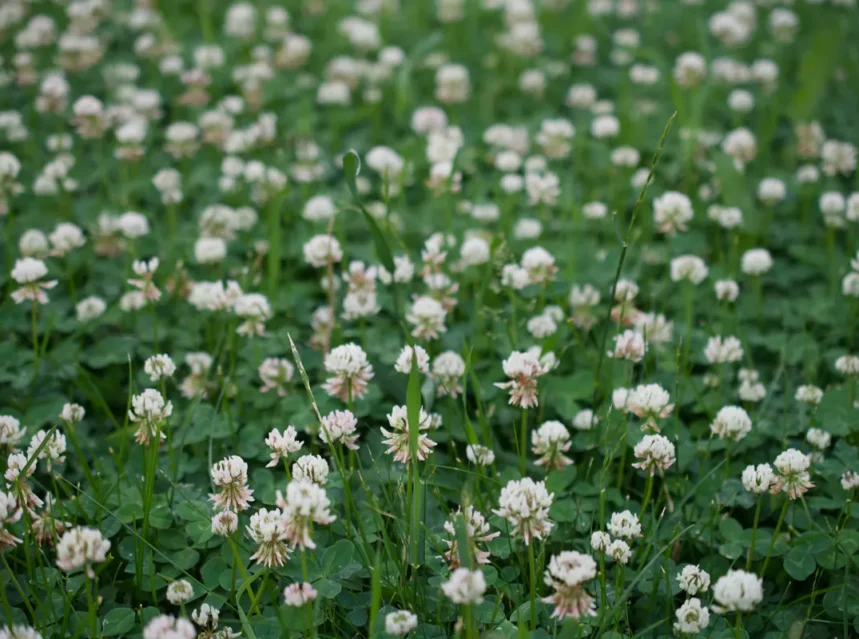
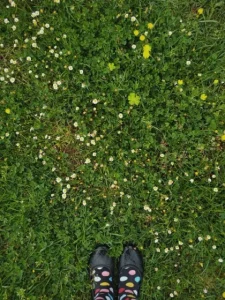
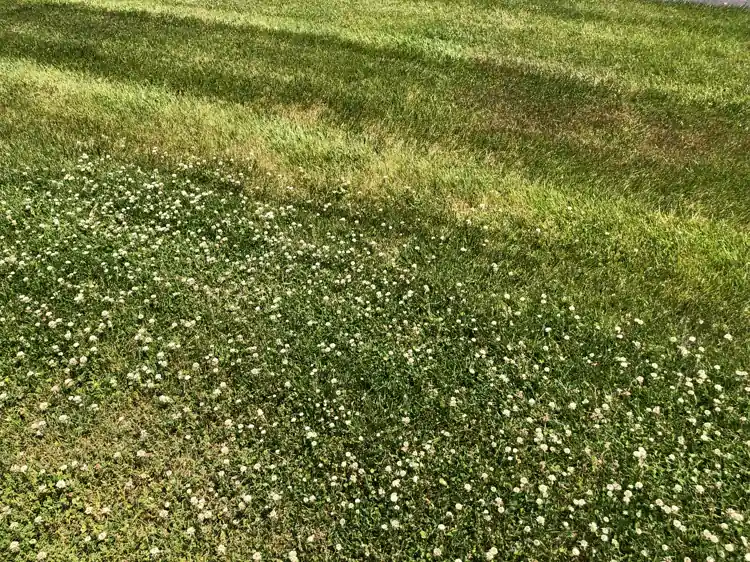
A clover lawn is turf in which white clover, either the standard Dutch type or a dwarf microclover, replaces some or all of the grass. Because clover pulls its own nitrogen out of the air, the lawn feeds itself. That one trait is behind almost every advantage people report, and behind a few of the problems too.
Quick answer: Sow Dutch white clover if you want fast cover, cheap seed and a genuinely low-input lawn. Choose microclover if you want something that still looks like turf and flowers far less. Overseed into existing grass at roughly a quarter to half a pound per 1,000 square feet, in early spring or early autumn, when soil sits near 50-60F. Clover suits cool, moist, sunny climates. In the tropical plains it will not survive, and the honest substitute there is a different plant entirely.
🧰 In a hurry? Jump straight to our tested picks for this guide ↓
Clover lawn at a glance
| Question | Dutch white clover | Microclover |
|---|---|---|
| Botanical name | Trifolium repens | Trifolium repens, dwarf selections |
| Leaflet size | Roughly 8-15 mm | Roughly 2-4 mm |
| Height unmown | About 10-20 cm | About 8-15 cm |
| Full cover from seed | One season | Two to three seasons |
| Flowering | Heavy, bees all summer | Sparse when mown regularly |
| Foot traffic | Better of the two | Moderate |
| Shade and slopes | Copes better | Wants 4-6 hours of sun |
| Seed cost | Low | Several times higher |
Why clover lawns are suddenly everywhere
Clover is not a new idea. It was a standard ingredient in lawn seed mixes until the 1950s, when selective broadleaf herbicides arrived and could not tell clover from a weed. Rather than lose the herbicide, the industry reclassified the clover.
Four pressures brought it back. Water restrictions made thirsty turf awkward. Fertiliser prices rose. Mowing time became something people resented. And pollinator decline gave a flowering lawn a purpose beyond looking different.
The maths is the argument. A clover lawn typically needs two to five cuts a year rather than twenty-six or more, no nitrogen feed at all, and noticeably less irrigation once established.
What clover actually does for the soil
Clover is a legume. Rhizobium bacteria live in nodules on its roots and convert atmospheric nitrogen into a form plants can use.
Penn State Extension describes white clover as a short-lived perennial that spreads by stolons and fixes nitrogen for the grass growing with it. In lawn terms that works out at roughly one to two pounds of nitrogen per 1,000 square feet each year, which is close to a standard annual feed. The nitrogen reaches neighbouring grass gradually, as old clover roots and leaves break down, so a mixed lawn stays greener with no bag involved. Compare that with the routine in our lawn feeding schedule and the saving is obvious.
Clover roots also run deeper than most lawn grasses. That is why a clover-rich lawn holds its colour through a dry spell that browns pure turf.
Microclover versus Dutch white clover
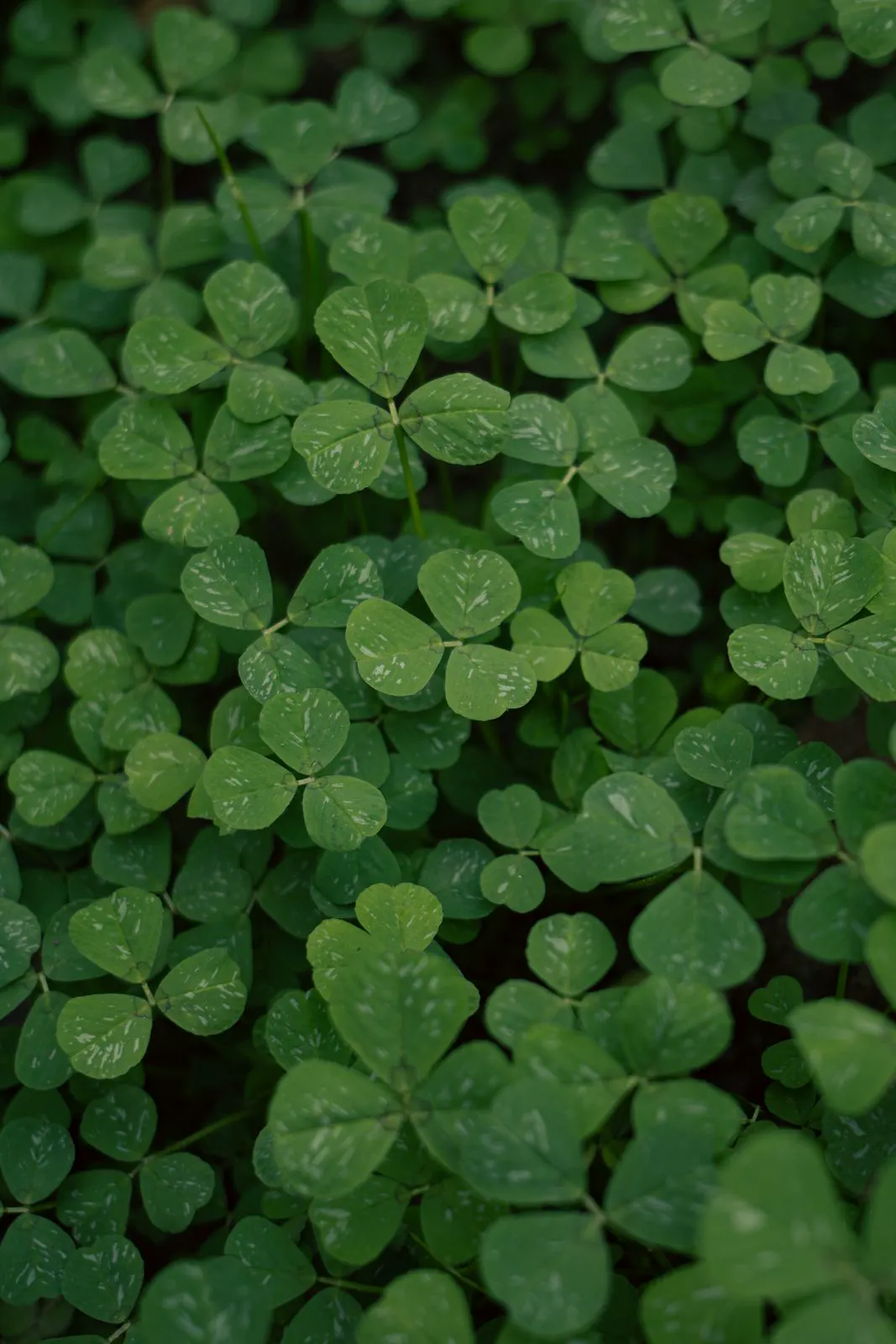
Both are the same species. Microclover is simply a dwarf selection bred for turf, and the difference matters more than the shared name suggests.
Dutch white clover establishes in a single season, spreads vigorously by stolons and heals its own bare patches. It flowers heavily, tolerates light shade and slopes, and the seed is cheap enough to sow generously. It is the choice for a working lawn where uniformity is not the point.
Microclover has leaflets roughly a third the size. Mown regularly it produces very few flowers and blends into grass so well that most people cannot see it. It takes two to three seasons to fill in properly, costs considerably more, and wants at least four hours of direct sun. It is the choice where the lawn must still read as a lawn.
Red clover is a different plant and a common mistake. It grows 30-60 cm tall, resents mowing at lawn height and belongs in a meadow or a cover-crop mix, not in turf.
Overseeding into an existing lawn
Most people should start here. It is cheap, reversible and keeps the lawn usable the whole time.
- Mow low, down to about 2-3 cm, and collect the clippings.
- Scarify hard so bare soil shows between the grass. Seed that lands on thatch never germinates.
- Broadcast the seed at about a quarter to half a pound per 1,000 square feet, mixed with dry sand so you can see where it has gone.
- Rake very lightly. Clover seed is tiny and must be barely covered, not buried.
- Water lightly and often for two to three weeks. Germination takes five to fourteen days.
- Stop all broadleaf weedkiller permanently. Products containing 2,4-D will kill your new lawn, because your new lawn is broadleaf.
The technique is the same one in our overseeding guide, and clover is the easier seed of the two to establish.
Starting a clover lawn from scratch
For a pure stand you need a higher rate and a cleaner seedbed.
Dutch white clover on its own goes in at around half a pound per 1,000 square feet. Microclover pure stands need considerably more, and most suppliers suggest repeat sowings across the first three years while it thickens.
Clear the ground first, rake to a fine tilth, and firm it. Clover prefers a soil pH between about 6.0 and 7.5, which is worth confirming with a soil test kit before you buy seed. Buy inoculated or coated seed if you can, so the nitrogen-fixing bacteria arrive with the plant.
Honestly, a blend is the better default. Keeping clover at roughly 5% by weight of a grass mix gives you the nitrogen and the drought colour while the grass carries the wear.
When to sow
Timing decides whether the first season looks deliberate or patchy.
Sow in early spring once soil reaches roughly 50-60F, or in early autumn at least six weeks before the first frost. Both windows give cool air, warm soil and reliable moisture. Midsummer sowing usually fails, because clover seedlings are shallow-rooted and dry out fast.
In the UK, April to May and early September are the practical slots. In the northern United States, late spring and late August work. Further south, autumn is the safer of the two.
Looking after a clover lawn
The care list is short, which is the entire point.
- Mow at about 7-8 cm, and only when it needs it. Cutting during bloom removes most flowers if bees are a concern.
- Never feed nitrogen. It makes the grass outcompete the clover and wastes your money.
- Never use broadleaf herbicide. Hand-pull weeds in the first season instead, as our organic weed control guide describes.
- Water only in real drought. Established clover needs noticeably less than turf.
- Overseed every two to three years. Individual clover plants are short-lived, so a pure stand thins without a top-up.
The downsides nobody lists
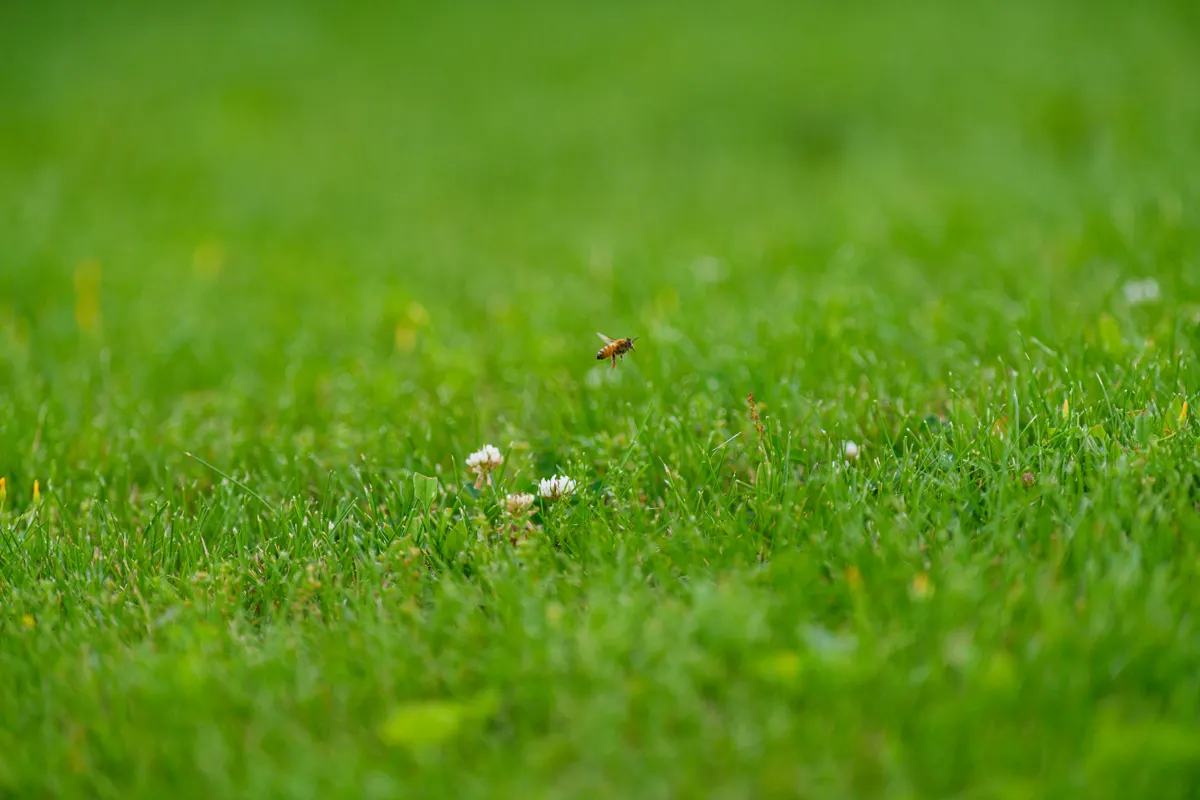
Every honest recommendation includes the reasons not to.
Bees at ankle height. White clover is one of the best nectar sources in a mown landscape, which is a genuine benefit and a genuine complication. Flowers sit exactly where bare feet go. Households with a sting allergy should either mow through bloom or choose microclover, which flowers far less.
Staining. Clover leaves crush more wetly than grass and leave a green-brown mark that resists washing. Anyone playing in white kit will notice.
Traffic. Clover does not take daily studs, dogs and bikes as well as ryegrass or tall fescue. A blend holds up far better than a pure stand.
Shade. Microclover in particular wants four to six hours of sun. Under trees it thins out, and a fine fescue is a better answer there.
Winter. In hard frost clover dies back and the lawn looks bare and muddy from roughly November to March. Mild winters are kinder, but a cold region will see the gap.
Uniformity. A clover lawn is lumpier and less even than mown turf. If you want stripes, our green lawn guide is the honest alternative.
Local status. White clover is native to Europe, Asia Minor and North Africa, and is introduced and naturalised almost everywhere else, including across North America, where its spread is recorded in the USDA PLANTS profile for Trifolium repens. It is widely planted and generally uncontroversial, but a few regions and homeowner associations still list it as a weed. Check before you convert a front lawn.
Clover lawns in India and the tropics
This is where most clover advice quietly fails, so it is worth being blunt.
White clover is a cool-season plant. Reference data compiled by Feedipedia puts its working range at roughly 4C to 22C, with optimum growth around 20-25C, and notes that in tropical regions it only persists at altitude, such as above about 1,800 m. In practice that means the Indian hill stations. Shimla, Manali, Ooty and Kodaikanal can grow it. Delhi, Mumbai, Chennai and Kolkata cannot, and no amount of watering changes that.
The tropical equivalent is a different legume or a tougher warm-season grass. Perennial peanut, Arachis species, makes a genuinely low-mow flowering ground cover in hot humid climates and fixes nitrogen the same way. Korean carpet grass and fine zoysia give the low-input lawn look. For water saving, courtyard-style gravel and pot planting beats any lawn, as our lawn alternatives guide sets out.
Monsoon adds one more caution. Clover hates waterlogged ground, so even in the hills it wants a slope or free-draining soil.
Clover lawns and pollinators
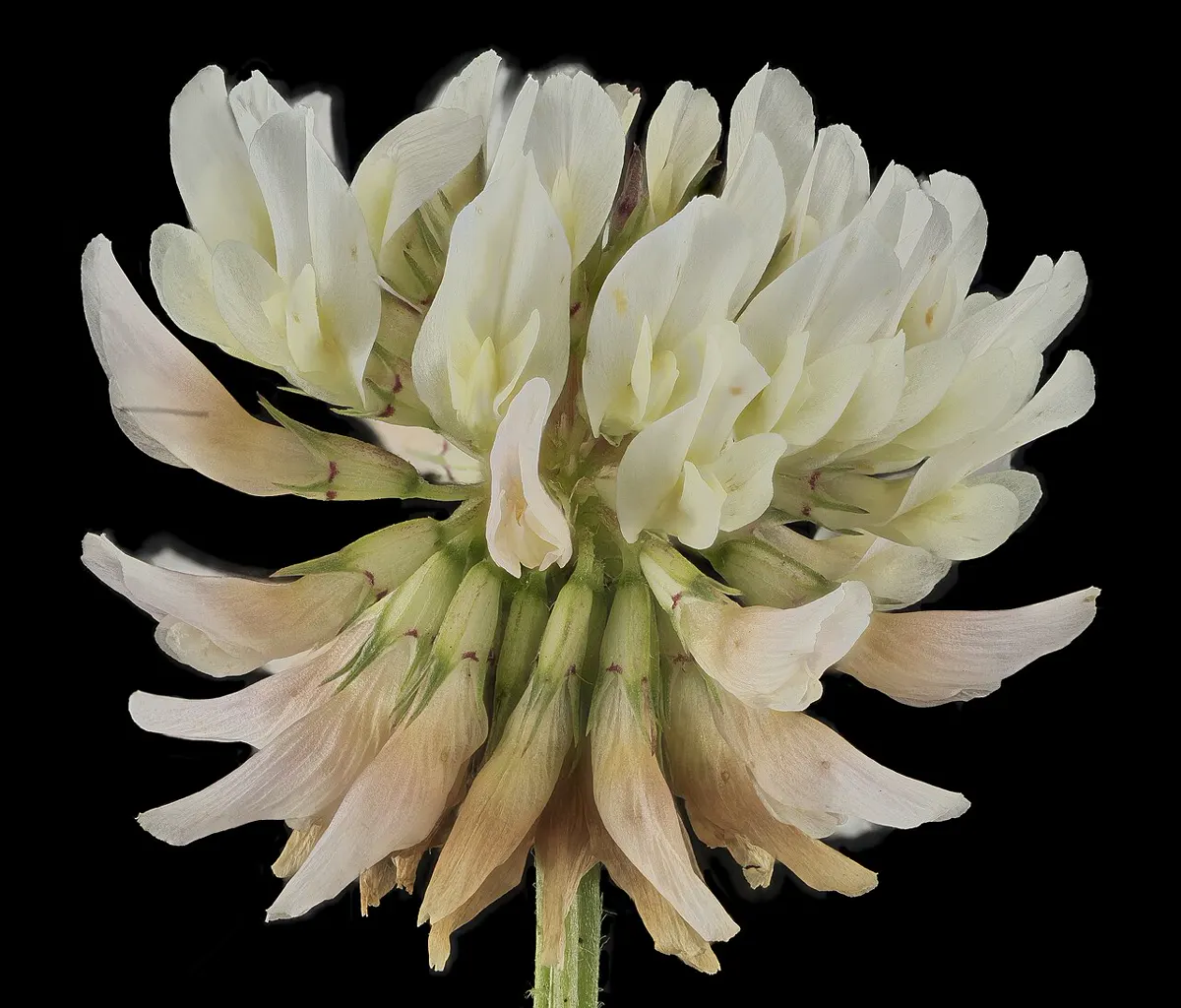
If you keep the flowers, you get something worth having.
University bee-lawn research in the northern United States built its recommended mixes around exactly this: low-growing turf grasses blended with white clover, self-heal and creeping thyme, mown high and infrequently so the flowers bloom below blade height. The lawn stays walkable and feeds bees all season.
Adding self-heal and thyme to a clover overseed costs little and widens the flowering window considerably. Our guide to attracting pollinators covers what else to plant around the edges, and creeping thyme handles the hot dry strips clover dislikes.
What people who converted actually report
The pattern in no-lawn and low-input gardening communities is consistent enough to be useful.
The most common success is the least dramatic one: microclover sown into an existing lawn rather than a full replacement. Reports describe a noticeably greener lawn through the first dry spell and mowing roughly halved, without the garden ever looking like a building site.
The most common regret is impatience with microclover. It genuinely does look thin in year one, and people who oversow to compensate waste expensive seed rather than speed it up. Those who resow lightly each spring for three years describe a far better result.
The second regret is a forgotten weedkiller. One pass with a lawn feed-and-weed product removes a clover lawn in a fortnight, and it is the single most reported disaster.
Frequently asked questions
Is a clover lawn a good idea?
It is, if you want lower water and fertiliser bills and can accept a less uniform look. It is a poor idea if the lawn takes heavy daily traffic, sits in deep shade, or somebody in the household has a bee-sting allergy. A clover and grass blend is the safest middle ground for most gardens.
How much clover seed do I need per 1,000 square feet?
For overseeding into existing grass, about a quarter to half a pound. For a pure Dutch white clover lawn, around half a pound. Microclover pure stands need considerably more and are usually sown over several seasons. In a grass blend, keep clover to roughly 5% of the mix by weight.
Is microclover better than regular white clover?
Better only for appearance. Microclover has much smaller leaves, flowers far less when mown, and blends invisibly into turf. Standard Dutch white clover establishes faster, costs much less, copes better with shade and slopes, and repairs itself more readily. Choose on what the lawn is for, not on which sounds newer.
Can you walk on a clover lawn?
Yes, for normal household use. Clover recovers well from regular footfall and knits back together after ordinary play. It does not match ryegrass or tall fescue under daily sports, dogs and bikes, so a blend or a separate hard-wearing path is worth planning for a busy garden.
Does a clover lawn need mowing?
Far less than grass, but not never. Two to five cuts a season keeps it tidy, encourages dense low growth and, if you cut during bloom, removes most of the flowers. Left entirely unmown, Dutch white clover grows leggy and looks untidy by midsummer.
Will clover take over my grass?
It spreads by stolons and fills gaps quickly, so it will occupy any thin or bare patch. It rarely eliminates healthy grass, though, because the two occupy different niches and the clover’s nitrogen actually strengthens the turf. If you want to hold a set balance, feed nothing and mow high.
Do clover lawns attract bees?
Standard white clover does, heavily, for six to eight weeks in bloom. That is one of the main reasons to plant it. If bare feet are a worry, mow while it is flowering to remove most heads, or choose microclover, which blooms very little under regular mowing.
Does a clover lawn stay green in winter?
In mild winters it often looks better than dormant grass. In hard frost it dies back and can leave the lawn thin and patchy from about November to March. Microclover holds colour marginally longer in cool spells, and a clover-grass blend keeps far more year-round cover than a pure stand.
Is clover better than grass for dogs?
In one specific way, yes. Clover does not scorch into yellow patches from dog urine the way ryegrass does, and it fills gaps back in. It is less durable under heavy running, though, so most dog owners do best with a clover and hard-wearing grass blend rather than pure clover.
How long does a clover lawn last?
Individual clover plants are short-lived perennials, so a pure stand thins after two to three years and needs a light overseed to stay dense. In a grass blend it persists much longer, because the clover reseeds itself into gaps as the grass ages. Treat topping up as routine maintenance, not failure.
Can I grow a clover lawn in India?
Only in the hills. White clover needs cool moist conditions and in tropical regions it survives mainly above roughly 1,800 m, which covers hill stations rather than the plains. In hot lowland India, choose Korean carpet grass or a fine zoysia for a low-input lawn, or a tropical legume ground cover such as perennial peanut.
What kills a clover lawn by accident?
Broadleaf weedkiller, almost always. Lawn feed-and-weed products containing 2,4-D or similar actives kill clover within days, and one careless pass undoes years of work. High-nitrogen feed is the slower version of the same mistake, because it lets grass shade the clover out.
Should I remove clover or keep it?
Keep it unless it is genuinely in the wrong place. Clover in a lawn is usually a sign of low soil nitrogen, and it is fixing that problem for free. Remove it only where you need a uniform sports surface, or where flowers at ankle height are a real safety issue for the household.
Related guides
- Lawn alternatives that need less work
- How to overseed a lawn
- How to grow a green lawn
- Lawn mowing height guide
- How to attract pollinators
- How to grow creeping thyme
Still stuck? Ask the Plant Doctor
Describe the problem — yellow leaves, holes, no flowers — and get a clear answer in seconds. FreeAI can make mistakes. Answers are guidance, not a guarantee — check anything important against the guide it links to, and always read the label on any product before you use it.