Lawn Feeding Schedule
A lawn feeding schedule is a simple calendar of when to fertilize your lawn — and the right one has fewer feeds than you think, timed to when grass can actually use them. Most struggling lawns are not underfed; they are fed at the wrong time. Get the timing right and two to four feeds a year produce a thicker, greener lawn than monthly products ever will.
Quick answer: Feed cool-season lawns (fescue, ryegrass, bluegrass) mainly in autumn — early September, with an optional late-October booster and a light late-spring feed. Feed warm-season lawns (Bermuda/doob, zoysia) from late spring through summer, every six to eight weeks. Never feed a dormant or heat-stressed lawn, and apply about 1 pound of nitrogen per 1,000 square feet (roughly 0.5 kg per 100 m²) per feed.
🧰 In a hurry? Jump straight to our tested picks for this guide ↓
Lawn feeding schedule at a glance
| Time | Cool-season lawns | Warm-season / Indian doob |
|---|---|---|
| Early spring | Skip or very light feed | Feed as growth resumes (March–April) |
| Late spring | Light feed (optional) | Main feed — full growth underway |
| Mid-summer | NO feeding (heat stress) | Feed every 6–8 weeks; pause in extreme heat |
| Early September | ★ MAIN FEED of the year | Last feed (warm regions: into October) |
| Late October | Optional root-builder feed | Stop — let growth slow |
| Winter | Nothing — dormant | Nothing — dormant/slow |
Why timing beats quantity
Fertilizer only helps when grass is actively growing roots and leaves. Feed at the wrong moment and you feed weeds, diseases — or nothing at all.
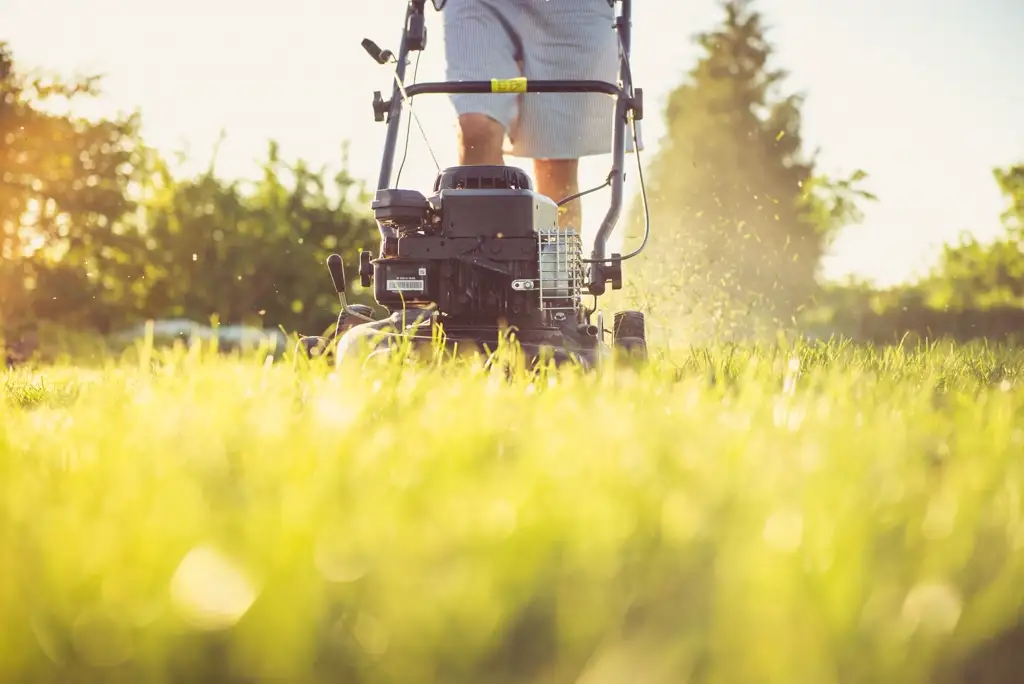
Cool-season grasses do their serious growing in spring and especially autumn. Warm-season grasses like Bermuda explode in summer heat instead. A feeding schedule simply matches food to those growth windows. This is why turf programs are so consistent on one point: if you fertilize a cool-season lawn only once a year, do it in September, according to K-State extension turf specialists. The autumn feed rebuilds summer-stressed turf, thickens it for winter and banks root reserves for a fast, green spring — one feed doing three jobs.
What the numbers on the bag mean
Every fertilizer bag shows three numbers — N-P-K — and for lawns, the first one does most of the work.
Nitrogen (N) drives leaf growth and colour: it is the lawn nutrient. Phosphorus (P) supports roots and matters mainly at seeding time. Potassium (K) builds stress- and disease-tolerance. The standard dose is about 1 pound of actual nitrogen per 1,000 square feet per application — so a 20-5-10 bag at 5 lb covers 1,000 sq ft. Prefer slow-release nitrogen where you can: it feeds steadily for weeks instead of forcing a flush of soft growth. One legal note worth knowing: several US states restrict lawn phosphorus and set feeding blackout dates — Maryland, for example, bans lawn fertilizing between mid-November and March, as the University of Maryland Extension explains. Skipping dormant-season feeding is good practice everywhere anyway.
Feeding cool-season lawns: autumn is everything
Fescue, ryegrass and bluegrass lawns follow one golden rule: feed in autumn, go easy in spring, never in summer heat.
- Early September — the main feed. Around 1 lb N/1,000 sq ft as summer heat breaks. This is the single most valuable lawn job of the year.
- Late October — optional booster. A second feed as leaf growth slows pushes energy into roots and gives earlier spring green-up, per the University of Illinois Extension.
- Late spring — light and optional. If the lawn looks pale after its first growth flush, apply a half-rate feed. Heavy spring nitrogen creates lush, disease-prone growth that collapses in summer.
- Summer — hands off. Feeding heat-stressed cool-season turf burns it. Water deeply, mow high, wait for September.
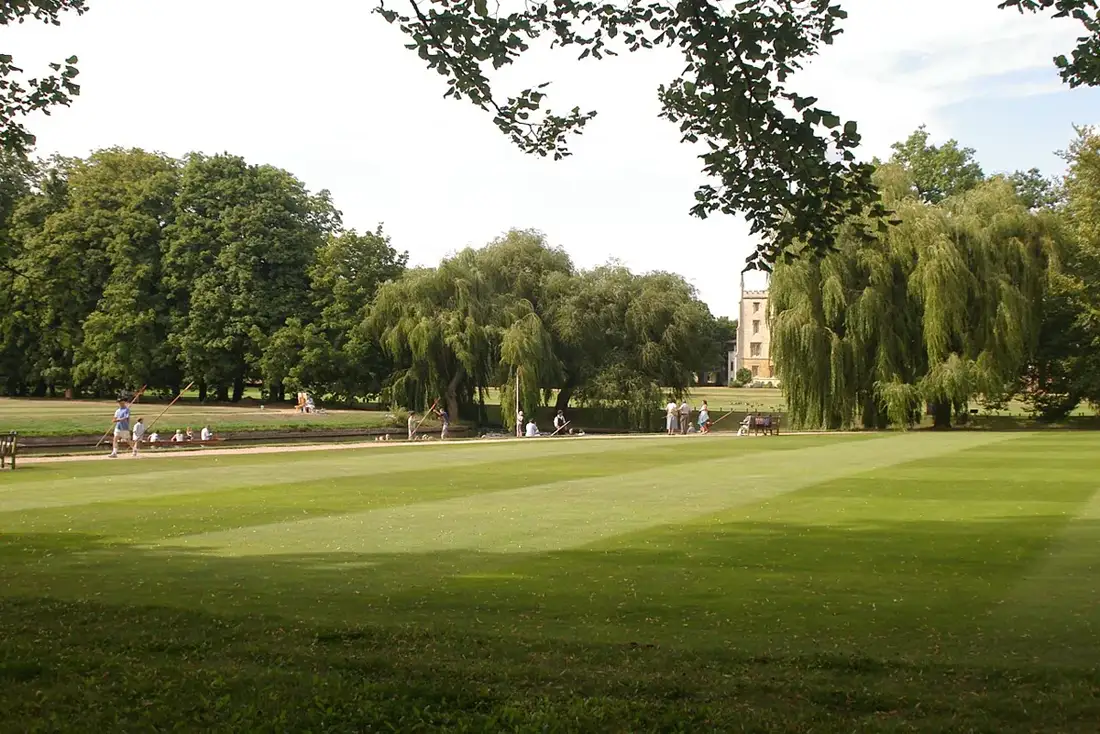
Feeding warm-season lawns and Indian doob
Bermuda, zoysia and Indian doob lawns reverse the calendar: their feeding season is the heat itself.
Start feeding when the lawn fully greens up in late spring, then repeat every six to eight weeks through the growing season — typically March/April to September in the southern US, and February–October for most Indian lawns. In India, the classic routine works well: a nitrogen feed (urea is widely used) as growth resumes after winter, again pre-monsoon, and a lighter feed post-monsoon — the rains themselves flush nutrients, so the post-monsoon top-up restores colour. Compost or well-rotted manure raked in thinly works beautifully on doob and improves the soil at the same time. Stop feeding as growth slows in autumn; feeding a slowing lawn only feeds winter weeds.
Organic feeding options

Organic lawn feeding trades speed for soil health — and over a few seasons, the soil usually wins.
Mulched clippings are the foundation: left on the lawn, they return roughly a quarter of its annual nitrogen needs for free — set your mower right with our lawn mowing height guide. A thin compost top-dressing (about 5 mm sieved compost, raked in) feeds gently and builds soil life — the same principle as green manuring in beds. Organic granular feeds (corn gluten, soy- or seaweed-based) release slowly and won’t burn. Expect a slower green-up than synthetic feeds deliver, but better drought resilience as soil organic matter climbs.
How to apply lawn fertilizer: 6 steps
Application technique decides whether your feed lands evenly or paints stripes. The routine takes twenty minutes.
- Measure your lawn once. Length × width in feet or metres, written somewhere permanent. Every dose calculation starts here.
- Do the bag math. Divide 1 lb of nitrogen by the bag’s N percentage: a 20% N product needs 5 lb per 1,000 sq ft. Most bags print this; trust your own arithmetic anyway.
- Mow first, feed second. Feeding fresh-cut grass means granules reach soil, not leaf blades, and you won’t mow the feed off two days later.
- Set the spreader to HALF rate. Walk the lawn twice in perpendicular directions. Overlap wheel marks slightly — gaps show up as pale stripes within a week.
- Sweep hard surfaces. Granules on paths and drives wash straight into drains. Sweep them back onto the lawn.
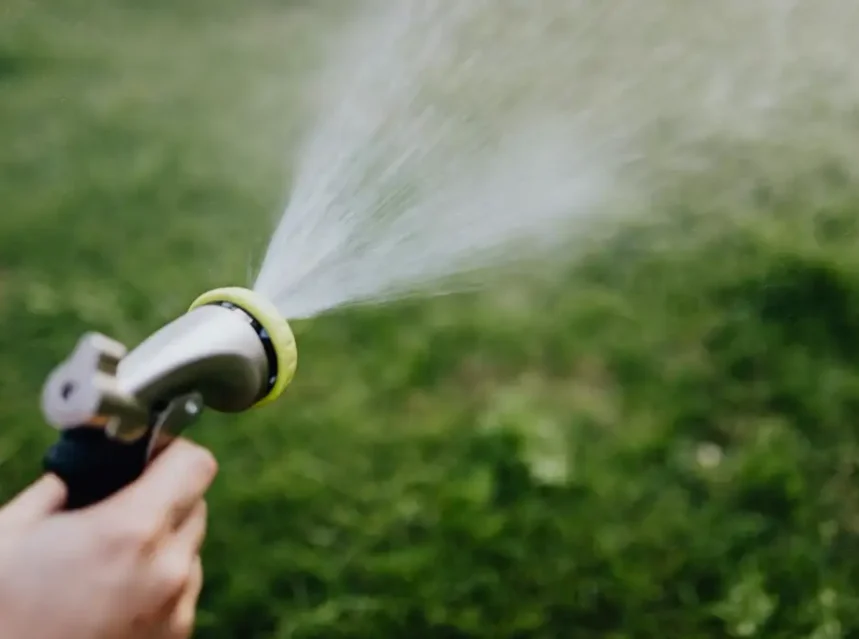
- Water it in lightly. Five to ten minutes of irrigation dissolves granules and starts the feed working — unless gentle rain is due, which does the job free.
Granular or liquid feed?
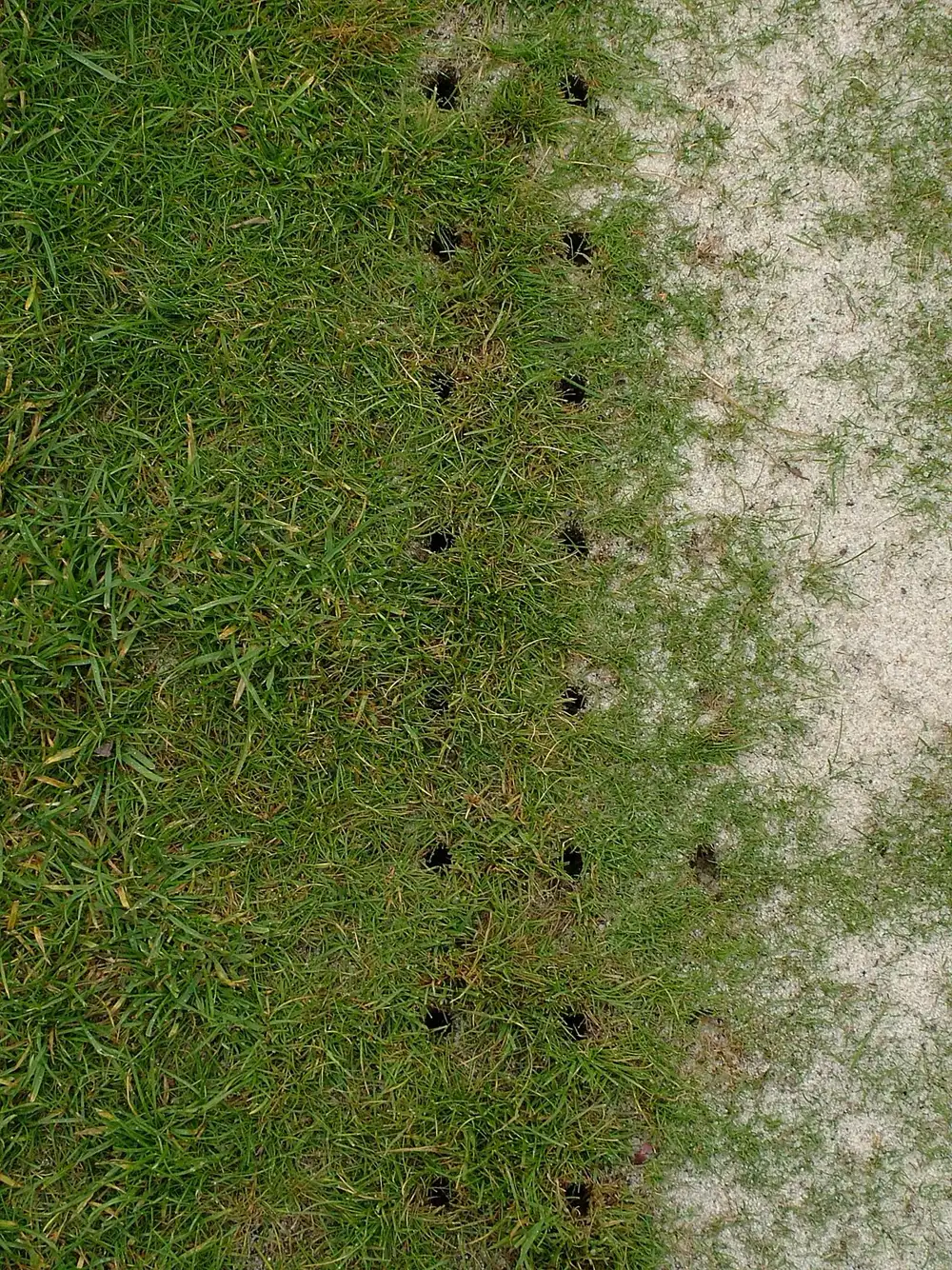
Both work; they just suit different jobs. Granular slow-release is the backbone of a sensible lawn feeding schedule — one application feeds for six to eight weeks, and application errors are forgiving. Liquid feeds act within days, which makes them ideal for a quick colour lift before an event or for correcting a pale patch — but they fade as fast, and overdosing is easier. A practical pairing: granular slow-release for the scheduled feeds, with a liquid feed kept for occasional touch-ups. If you only buy one product, make it the granular.
Common feeding mistakes
- Feeding by month instead of by growth. The calendar serves the grass type, not the other way round.
- Overdosing. Double rates do not double green — they burn stripes into the lawn and wash nitrogen into waterways. Measure your lawn area once and write it down.
- Feeding a drought-stressed lawn. If footprints stay visible in the grass, water — don’t feed.
- Spreading unevenly. Use a spreader at half rate in two perpendicular passes, exactly like seed in our overseeding guide.
- Feeding right before heavy rain. A light watering-in is perfect; a downpour steals the feed.
- Skipping the soil underneath. Compacted, lifeless soil wastes fertilizer. Aerate and top-dress before adding more nitrogen — the full programme is in our guide to growing a green lawn.
What experienced lawn keepers report
Across turf forums and university trials, the same pattern repeats: gardeners who switch from spring-heavy to autumn-heavy feeding report visibly thicker cool-season lawns by the following May — often while using less total fertilizer. In turf-care forums, the most common confession is years of enthusiastic spring feeding followed by summer disease and thinning, fixed only when the September feed became the priority. Experienced growers also consistently warn against chasing instant colour: the lawns that stay green longest are fed slow-release, modestly and on schedule — not rescued with quick nitrogen every time they look pale.
Related plant guides
- How To Overseed A Lawn
- Lawn Mowing Height Guide
- How To Fertilize Houseplants
- Lawn Grubs
- How to grow A Green Lawn
- Organic Fertilizers Guide
Frequently asked questions
How often should I fertilize my lawn?
Cool-season lawns: one to three times a year, weighted to autumn. Warm-season lawns: every six to eight weeks through their summer growing season. More than that wastes money and stresses the lawn. Which bag you buy matters less than the timing above, but the N-P-K balance and whether it is slow-release still decide how evenly it feeds — see our lawn fertiliser comparison.
When should I fertilize my lawn in spring?
Late spring at the earliest, lightly, and only if the lawn looks pale — for cool-season grasses, the autumn feeds matter far more. Warm-season lawns take their first proper feed once fully green and growing.
Can I just use compost instead of lawn fertilizer?
Yes — a thin annual top-dressing of sieved compost plus mulched clippings keeps many lawns healthy with no bagged fertilizer at all. Expect steadier, slower results and better soil each year.
What is the best lawn feeding schedule for India?
Feed doob lawns as growth resumes in February–March, again pre-monsoon, and lightly after the monsoon retreats. Compost or urea both work; stop feeding through the brief winter slowdown in the north.
How often should I fertilize my lawn in summer?
Cool-season lawns want little or nothing in high summer — feeding hard in the heat pushes tender growth that scorches and invites disease. Warm-season lawns are the opposite; summer is their growing season, so a light feed every six to eight weeks suits them. In a heatwave, hold off entirely until the grass is watered and actively growing again.
Can you over-fertilize a lawn?
Yes, and it is easy to do with quick-release synthetic feeds. Too much nitrogen burns the grass — you get yellow or brown streaks, especially where a spreader overlapped — and drives soft, disease-prone growth while excess washes into waterways. If you scorch a lawn, water it deeply to dilute the salts. Slow-release and organic feeds make over-application much harder.
When should I fertilize a newly seeded lawn?
Use a starter feed high in phosphorus at sowing to build roots, then wait until the new grass has been mown two or three times before a normal feed. Hitting tender seedlings with a strong nitrogen feed too early can burn them. After overseeding an existing lawn, a light starter feed at the same time gives the young grass the best start.
Should I fertilize before or after rain?
A little rain after granular fertilizer is ideal — it washes the granules off the blades and into the soil where roots can reach them. What you want to avoid is feeding right before a downpour, which can flush the nutrients straight past the roots and into drains. If no rain is due, water the lawn lightly yourself after spreading.
What do the numbers on lawn fertilizer mean?
The three numbers are the percentages of nitrogen, phosphorus, and potassium (N-P-K) in the bag. Lawns mostly want nitrogen, the first number, for green leafy growth, which is why lawn feeds are nitrogen-heavy. Higher phosphorus, the middle number, suits new seed and roots, while potassium, the last number, helps drought and cold hardiness going into autumn.
Should you water the lawn after fertilizing?
For most granular feeds, yes — a light watering settles the granules into the soil and washes any off the leaf, preventing burn. The exception is a weed-and-feed product, which needs to stick to damp weed leaves first, so you water a day or two later. Always follow the label, since some slow-release coatings are designed to activate gradually.
What is the most important time of year to feed a lawn?
For cool-season grasses, autumn is the key feed — it thickens the turf and stores energy in the roots for a strong spring, doing more good than any spring feeding. For warm-season grasses, late spring to early summer, as they hit full growth, matters most. Get the main-season feed right and the lawn needs far less fussing the rest of the year.
Related guides
- How to grow a green lawn
- Lawn mowing height guide
- How to overseed a lawn
- Green manure: feeding soil naturally
- No Mow May
- Clover Lawn
Still stuck? Ask the Plant Doctor
Describe the problem — yellow leaves, holes, no flowers — and get a clear answer in seconds. FreeAI can make mistakes. Answers are guidance, not a guarantee — check anything important against the guide it links to, and always read the label on any product before you use it.