What to Plant in February
What to plant in February is the answer January was waiting for: this is the month indoor sowing genuinely begins. Daylight now increases fast, so a seedling raised this month has the light to grow stocky rather than stretched. Outdoors, February is still a month of judgement — the soil decides, not the calendar.
Quick answer: from mid-February sow tomatoes, chillies, peppers and aubergines with warmth; sow onions, leeks, brassicas, lettuce and early peas in modules under cover; chit your seed potatoes. Outdoors, sow only if the soil crumbles rather than smears — broad beans, early peas, shallots, garlic and, on light soils in mild areas, carrots and spinach.
🧰 In a hurry? Jump straight to our tested picks for this guide ↓
What to plant in February at a glance
February splits five ways. Find your row before you order anything, because the same month is a starting gun in one climate and a heat-management problem in another.
| Where you are | What February is | What to plant in February |
|---|---|---|
| Cold temperate (UK north, N. Europe, US zones 3–5) | Indoor sowing opens; outdoors still shut | Onions, leeks, celery, brassicas and slow flowers indoors; chit potatoes |
| Mild temperate (UK south, US zones 6–8) | The real start of the season | Tomatoes, chillies, peppers, aubergines with heat; peas, broad beans, salads in modules; hardy sowings outdoors on light soil |
| Warm winter (US zones 9–10, Gulf, Mediterranean) | Peak cool-season month | Direct-sow carrots, lettuce, radish, spinach, peas, potatoes, brassicas |
| India — plains | Rabi harvest ends, zaid nursery begins | Gourds, cucumber, watermelon, okra, beans; transplant chilli, capsicum, tomato, brinjal |
| Southern hemisphere | Late summer, turning to autumn | Broccoli, cabbage, kale, carrots, beetroot, leeks and Asian greens for autumn |
Our planting calendar converts this into dates for your own town, and the frost date tool gives you the number every indoor sowing below is counted backwards from.
Why February works when January did not
The difference is light, and it is bigger than most people expect. Daylength increases fastest around the equinoxes. A seedling sown in late February therefore gets more light every week of its life. A January seedling spent its first month in the darkest weeks of the year. The no-dig grower Charles Dowding puts the threshold at Valentine’s Day — after mid-February, light is increasing fast enough to support what you sow.
That is why our January guide is a short list and this one is not. If you held off last month, you lost nothing: a mid-February sowing under decent light usually overtakes a January sowing on a windowsill, and it does it without six weeks of nursing.
The February trap: cold, wet soil
Outdoor February sowing fails for a reason that has nothing to do with frost. Seed sitting in cold, waterlogged ground rots before it germinates. The gardener then blames the seed.
The squeeze test settles it in ten seconds. Pick up a handful of soil and squeeze. If it smears into a sticky ball, it is too wet — walking on it will compact it and sowing into it will rot the seed. If it holds together and then crumbles when you prod it, you can sow.
- Light, sandy soils in mild areas pass this test in February. Heavy clay usually does not until March or April.
- Covering a bed for two or three weeks with fleece, cloches or clear polythene dries and warms the top few centimetres and can bring a February sowing into range.
- When in doubt, sow in modules under cover and transplant. You get the same head start with none of the risk, which is the core of no-dig practice.
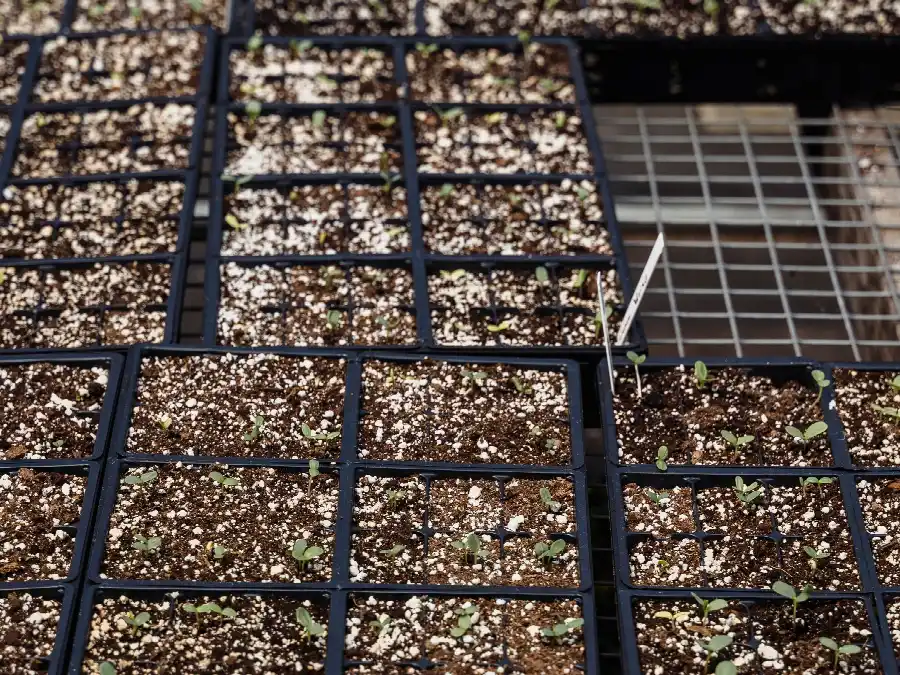
What to sow indoors in February
Two different groups, and confusing them is the commonest February mistake — the tender crops need real warmth, the hardy ones only need shelter.
| Sow with warmth (18–24°C / 65–75°F) | Sow under cover, no heat needed |
|---|---|
| Tomatoes — from mid-February for greenhouse growing | Onions and leeks from seed |
| Chillies and sweet peppers | Summer cabbage, calabrese, cauliflower, kohlrabi |
| Aubergines — slowest of the three | Lettuce and winter salad leaves |
| Celery and celeriac | Peas for shoots, or in guttering to slide out later |
| Half-hardy annuals: cosmos, snapdragons, lobelia | Spinach, turnips, radish, Florence fennel |
| Basil — wants 21–24°C and long light | Parsley, coriander and dill |
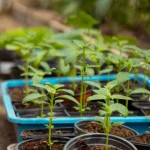
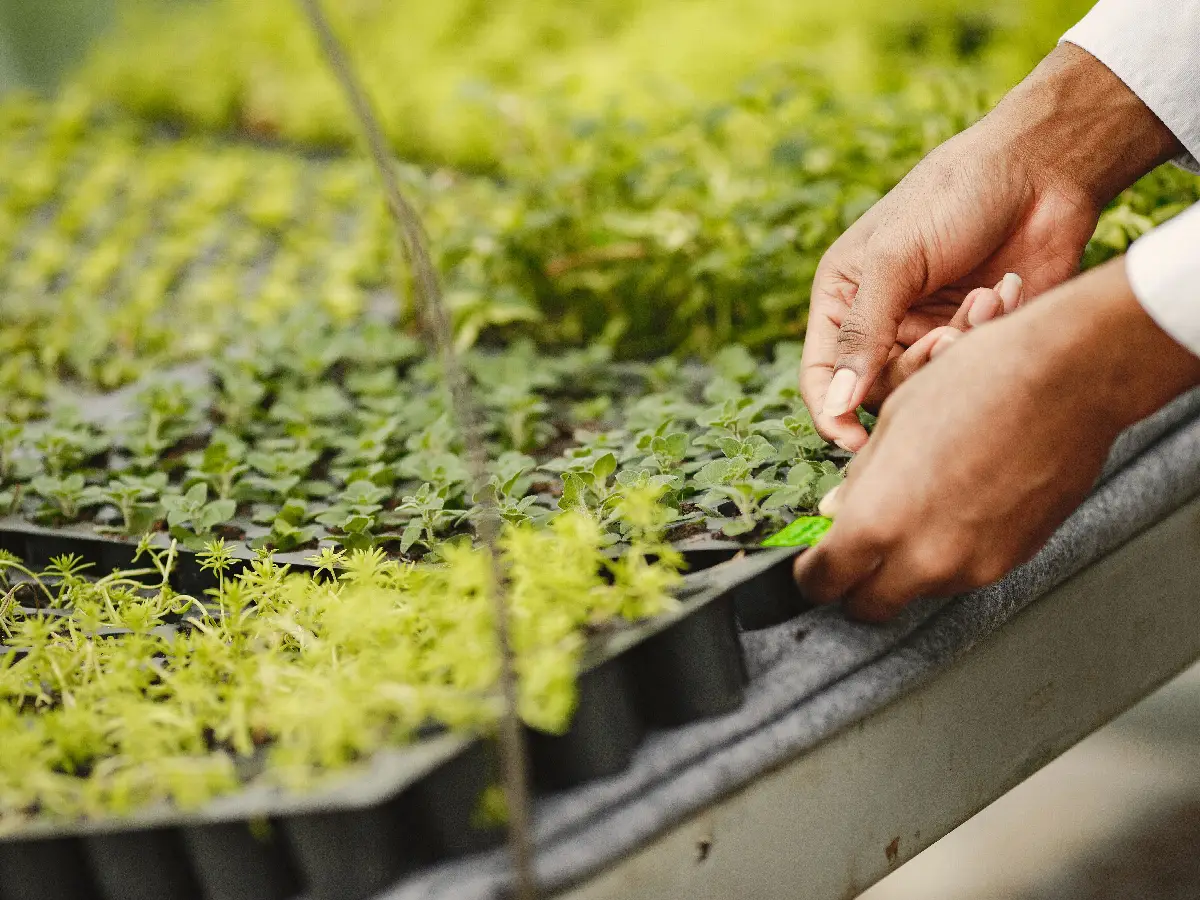
Tender seedlings raised now still need 12–14 hours of light a day. So a grow light earns its place in February exactly as it did in January — see how to use grow lights and how to start seeds indoors. Sow into clean trays: February’s cool, damp windowsills are where damping off does its work.
What to plant outdoors in February
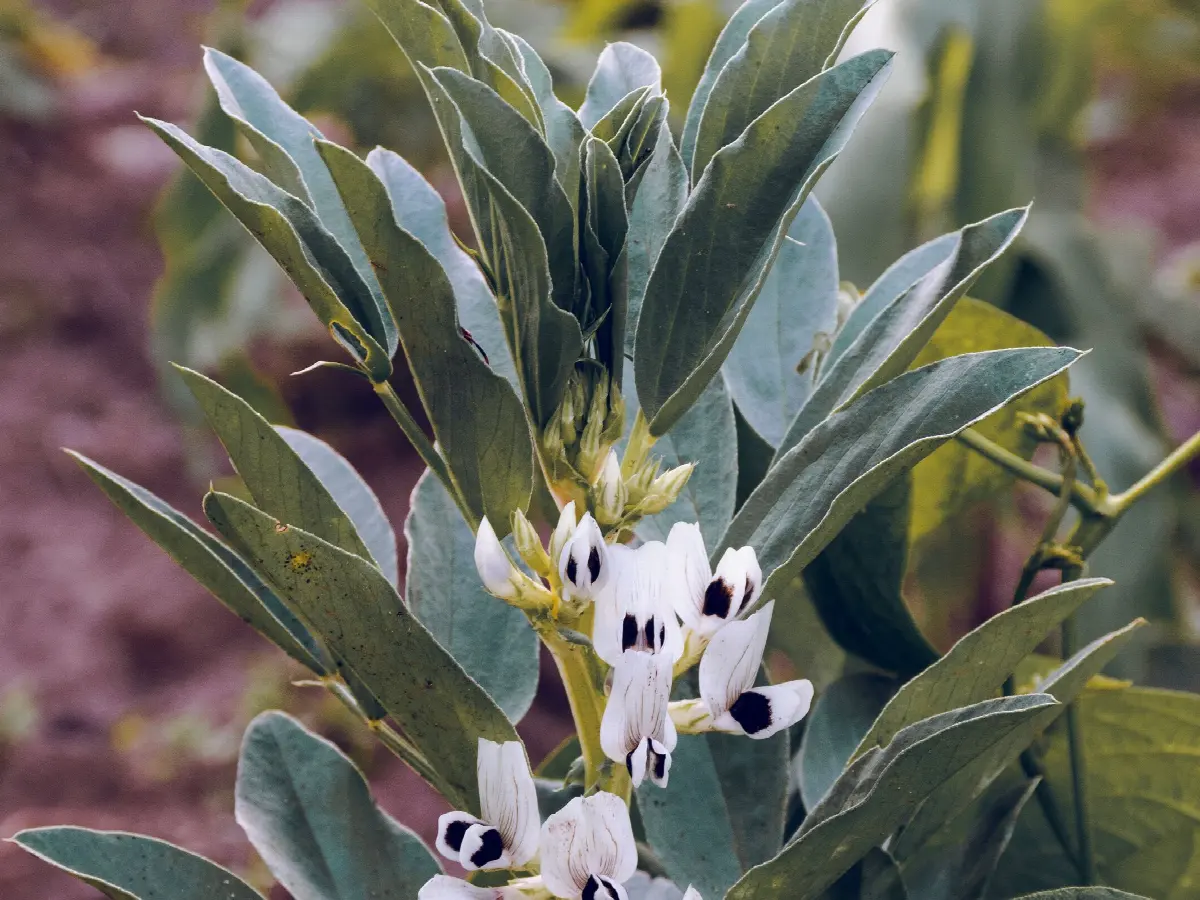
- Broad beans and early peas — hardy varieties, direct where the soil passes the squeeze test, or in modules elsewhere.
- Shallots and garlic on light soils. Shallots do better under a cloche for the first few weeks.
- Jerusalem artichokes — plant the tubers now and then leave them alone.
- Bare-root fruit and rhubarb — the last of the dormant planting window in most temperate gardens.
- On light soil in mild regions: early carrots, radish, salad onions, lettuce, spinach and summer cabbage, all with cloche protection.
- Warm zones (US 9–10): February is a full planting month — potatoes, brassicas, root crops and salads all go straight in.
Chitting potatoes: what it does and does not do
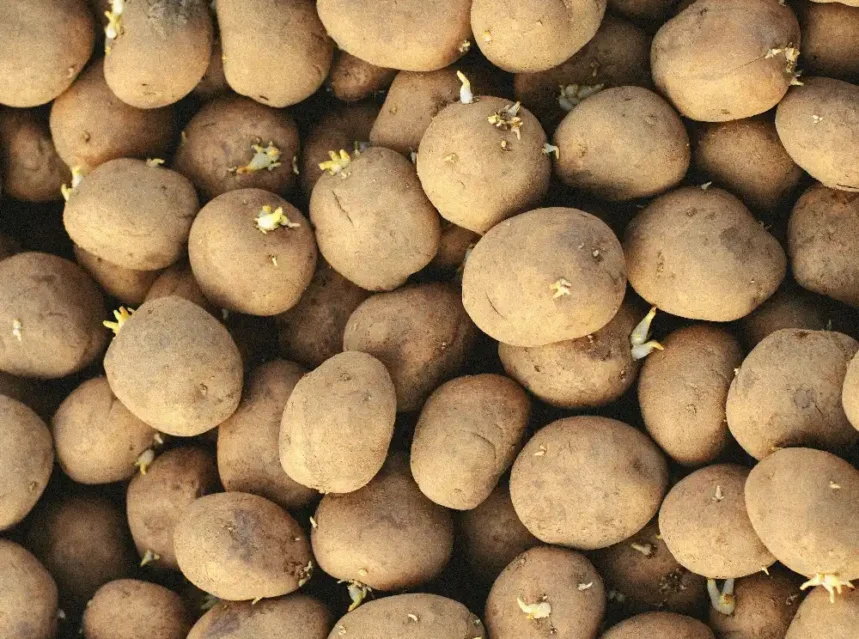
February is potato-chitting month. Stand seed tubers eye-end up in egg boxes or a shallow tray somewhere cool, frost-free and bright — a spare windowsill is ideal. Aim for two or three short, sturdy green shoots per tuber, not long pale ones, which mean the spot is too dark or too warm.
Be honest about the benefit: chitting brings first-early potatoes forward by a couple of weeks, which matters when you want new potatoes in June. On maincrop varieties it makes very little difference to harvest date. It is worth doing, but it is not the difference between a crop and no crop.
What to plant in February in India
February is the hinge of the Indian gardening year. The rabi crop is finishing, and the summer — zaid — season is being started in the nursery. Both jobs happen this month, which is why a single list never fits.
The zaid sowings
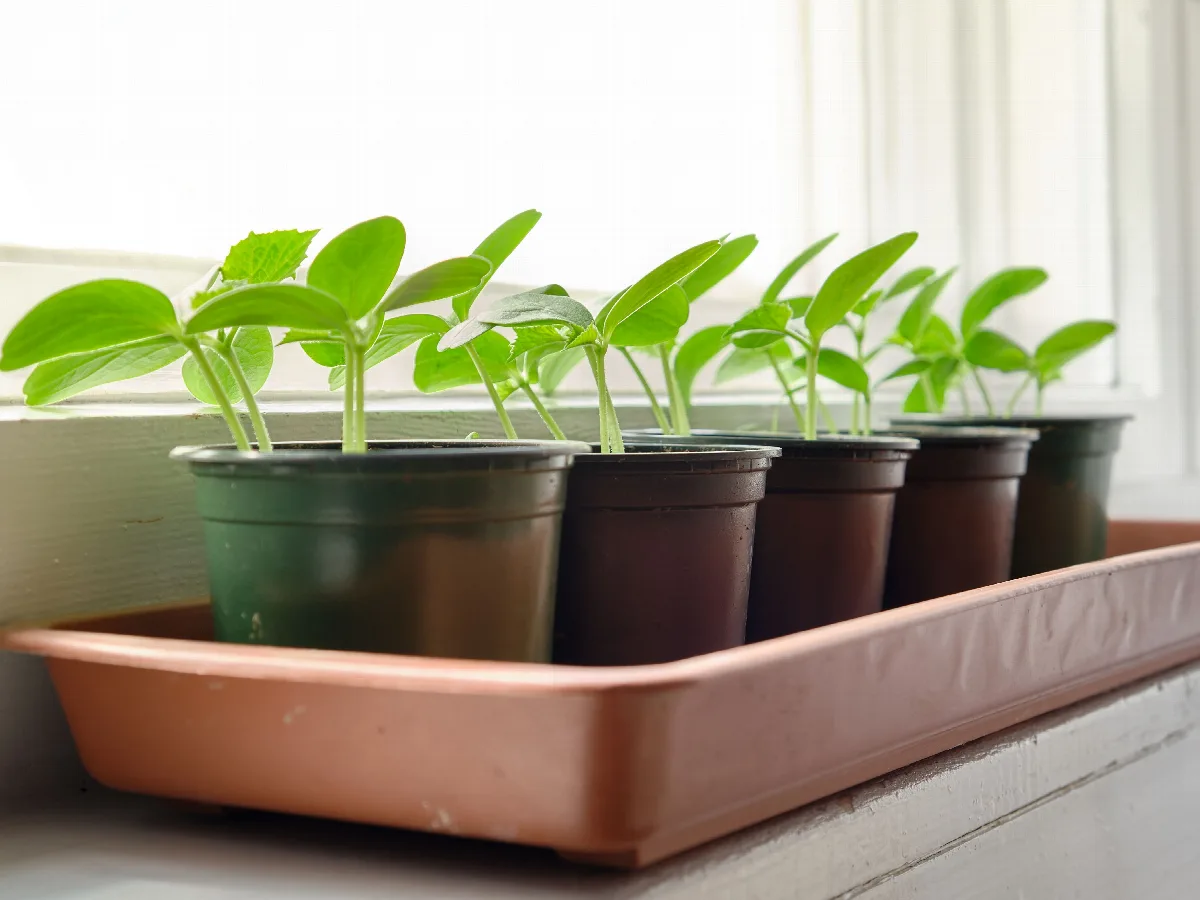
Zaid runs roughly March to June, and February is when it is set up. Sow cucumber, bottle gourd, ridge gourd, bitter gourd, pumpkin, watermelon and muskmelon once night temperatures are reliably above about 15°C. Bhindi goes in from mid-February in most of the plains, French beans through the month, and a last sowing of palak and dhania before the heat makes them bolt.
The transplants
Chilli, capsicum, tomato and brinjal seedlings raised in the December–January nursery are transplanted now, at roughly 30–35 days old. This is the most time-sensitive job of the Indian February. Seedlings held too long in the nursery bed never recover their vigour. A late transplant also runs into April heat before it has set fruit.
North and south, again
- North India: late frosts are still possible into mid-February. Keep fleece ready for young gourd and okra sowings. Remove winter protection from fruit saplings only as the nights lift.
- South and coastal India: already into summer sowing, with tomato, brinjal, okra and gourds all viable and heat, not cold, as the coming constraint.
- Containers and terraces: gourds need depth and a trellis before the vine runs — see terrace gardening.
If it is late summer where you are
In the southern hemisphere February is the last full month of summer. The counterintuitive job is sowing the autumn and winter crop while it is still hot. Sow broccoli, cabbage, kale, cauliflower, kohlrabi, leeks, carrots, beetroot, turnips, silverbeet and Asian greens now, shading the seedbeds and watering deeply in the early morning. Tropical northern Australia is in the wet season, so raise seedlings in punnets under cover rather than direct-sowing into a downpour.
February garden jobs that pay off later
- Finish winter pruning — apples, pears, currants and gooseberries, before the buds break.
- Prune wisteria back to three or four buds on last year’s growth.
- Protect early blossom on peaches, nectarines and apricots with fleece on frosty nights — see how to protect plants from frost.
- Lift and divide congested perennials as they wake up.
- Warm the seedbed under cloches or polythene two or three weeks before you intend to sow.
- Wash pots and trays. Damping off overwinters on dirty seed trays.
- Confirm your rotation before the first transplants go out — see crop rotation for beginners.
Frequently asked questions
What seeds should I sow in February?
With warmth: tomatoes, chillies, peppers, aubergines, celery, basil and half-hardy annuals from mid-month. Without heat, under cover: onions, leeks, brassicas, lettuce, peas, spinach, turnips and hardy herbs. Outdoors on suitable soil: broad beans, early peas, shallots, garlic and early carrots.
Is February too early to sow tomatoes?
Mid-February onwards is right if you are growing under glass or have a genuinely bright windowsill plus a grow light. For outdoor tomatoes in a cool climate, March is usually better — a February sowing means holding a large plant indoors for weeks before it is safe to plant out.
Can I sow seeds directly outdoors in February?
Only if the soil passes the squeeze test: it should crumble, not smear. Light sandy soils in mild areas often pass; heavy clay rarely does. Warming the bed under cloches or polythene for two to three weeks first makes a real difference.
When should I chit potatoes?
Six weeks or so before you intend to plant, which for first earlies means February in most temperate gardens. Keep them cool, frost-free and bright until you have two or three short green shoots per tuber.
Does chitting potatoes actually help?
For first earlies, yes — it typically brings the harvest forward by a week or two. For maincrop varieties the effect on harvest date is small. It is a useful habit, not a decisive one.
What can I plant in February in India?
February is the zaid nursery month: sow cucumber, bottle gourd, ridge gourd, bitter gourd, pumpkin, watermelon, muskmelon, okra and French beans, and transplant the chilli, capsicum, tomato and brinjal seedlings raised in December and January. A final sowing of palak and dhania is still worth making early in the month.
Do I still need a grow light in February?
For tender crops sown indoors, yes. Light is improving but a February windowsill still gives less than a seedling wants, and the stretch that results is permanent. Hardy crops sown in modules under cover manage without one.
What flowers can I sow in February?
Sweet peas, cosmos, snapdragons, lobelia, nicotiana and other half-hardy annuals indoors, plus summer bulbs such as begonias, gloxinias and lilies started in pots. Hardy annuals can wait for March and will catch up.
Is it too late to plant bare-root trees in February?
No, but it is close. Bare-root stock can go in while it is dormant and the ground is workable, which in most temperate gardens means February is the last comfortable month. After bud break, buy container-grown instead.
What vegetables can I harvest in February?
Purple sprouting broccoli, kale, Brussels sprouts, leeks, parsnips, winter cabbage, chard and forced rhubarb. February is often called the hungry gap’s doorstep, but a winter bed is rarely empty.
Should I fertilise in February?
Very little. A nitrogen feed for spring cabbages and a compost mulch on beds and perennials is enough. Feeding plants that are not yet growing wastes fertiliser and can push soft growth into the last frosts.
What can I plant in February in Australia or New Zealand?
February is late summer there, so the job is sowing for autumn: broccoli, cabbage, cauliflower, kale, kohlrabi, leeks, carrots, beetroot, turnips, silverbeet and Asian greens, all with shade for the seedlings. In the tropical north, raise seedlings under cover through the wet season.
My February seedlings look pale and floppy — what went wrong?
Almost always too little light, sometimes combined with too much warmth. Move them closer to the brightest window or under a grow light, drop the temperature a few degrees so growth matches the light, and sow the next batch two weeks later rather than earlier.
Notes from experienced growers
The most useful February advice from experienced growers is about restraint at the soil surface rather than ambition on the windowsill. The RHS February jobs list is explicit that outdoor sowing belongs to light soils in mild regions, and puts chitting, pruning and protecting blossom ahead of it.
Allotment growers say the same thing more bluntly: it is better to hold off than to sow into waterlogged, near-frozen ground, because the seed simply rots. Charles Dowding’s sowing timeline adds the threshold worth remembering: the best start date is after mid-February, when light is increasing fast. That is why the same seed sown a fortnight apart can produce noticeably different plants.
The University of Georgia’s vegetable calendar gives the numbers behind February seed boxes. Peppers and aubergines need about eight weeks from seed to transplant size; tomatoes about six. The University of Maryland’s calendar anchors every one of its dates to a local frost date rather than to the calendar month, which remains the habit worth copying.
What to do next
Do the soil test before you buy anything, and let it decide what goes outdoors. Sow the tender crops from mid-month with light and warmth arranged in advance rather than improvised, chit your earlies, and keep fleece where you can reach it. If you want the wider map, what to plant each month covers the year, and the planting calendar turns February into actual dates for your own location. When the beds are workable, what to plant in March takes it from there.
Still stuck? Ask the Plant Doctor
Describe the problem — yellow leaves, holes, no flowers — and get a clear answer in seconds. FreeAI can make mistakes. Answers are guidance, not a guarantee — check anything important against the guide it links to, and always read the label on any product before you use it.