How to Grow Eggplant / Brinjal (Glossy Fruit All Summer)
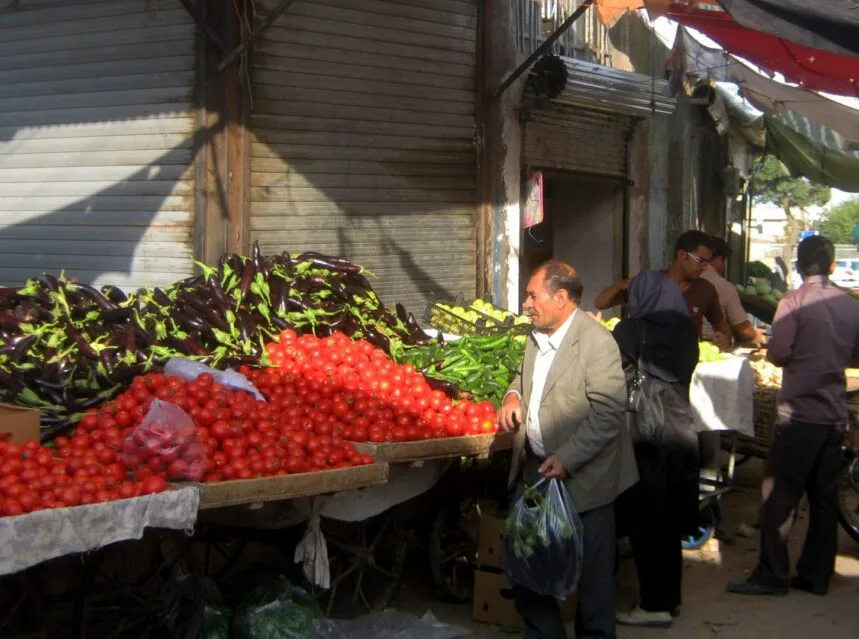
Eggplant (Solanum melongena), also called brinjal or aubergine, is a heat-loving warm-season vegetable grown for its glossy, deep-purple fruits — one of the most satisfying crops you can grow. A single healthy plant produces fruit after fruit right through the heat of summer, when many vegetables struggle. It is a staple from Italian parmigiana to Indian baingan bharta. Homegrown fruits are far more tender and less bitter than shop-bought. It loves warmth and sun, so with the right timing it thrives. Here is the complete guide on how to grow eggplant.
Quick start: Eggplant is a heat-loving crop. Give it full sun, warm soil, and rich, well-drained ground. Start seeds early indoors and transplant only once it is truly warm. Water consistently, feed regularly, stake heavy plants, watch for flea beetles, and harvest the fruits while glossy and firm.
Eggplant, known as brinjal or aubergine, is a true heat-lover that needs a long, warm season to crop well, so growers in cooler areas start it early and grow it under cover. The plants get top-heavy with fruit and usually need staking. Flea beetles and red spider mite are the common pests, especially in dry heat, so keeping the plants healthy and watered helps. The fruit is best picked young and glossy, before the seeds harden and the skin dulls.
🧰 In a hurry? Jump straight to our tested picks for this guide ↓
Eggplant at a glance
| Feature | Detail |
|---|---|
| Botanical name | Solanum melongena (family Solanaceae) |
| Common names | Eggplant, brinjal, aubergine |
| Plant type | Warm-season vegetable (tender) |
| Sun | Full sun (6+ hours) |
| Ideal temp | 70–85°F; killed by frost |
| Soil | Rich, well-drained |
| Spacing | 18–24 inches apart |
| Harvest | ~80–90 days; glossy, firm fruit |
Why grow eggplant?
Eggplant is productive, ornamental and endlessly versatile. A few reasons to grow it:
- Loves the heat. It thrives in summer, ideal for warm climates and Indian terraces.
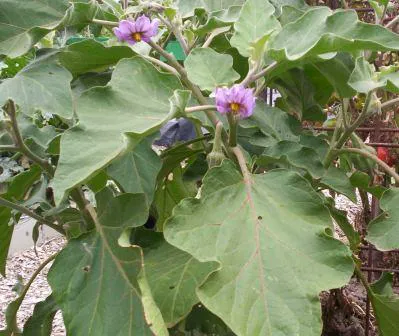
- Pretty plant. Lovely purple flowers and glossy fruit earn it a place on looks alone.
- Long harvest. One plant keeps fruiting for weeks.
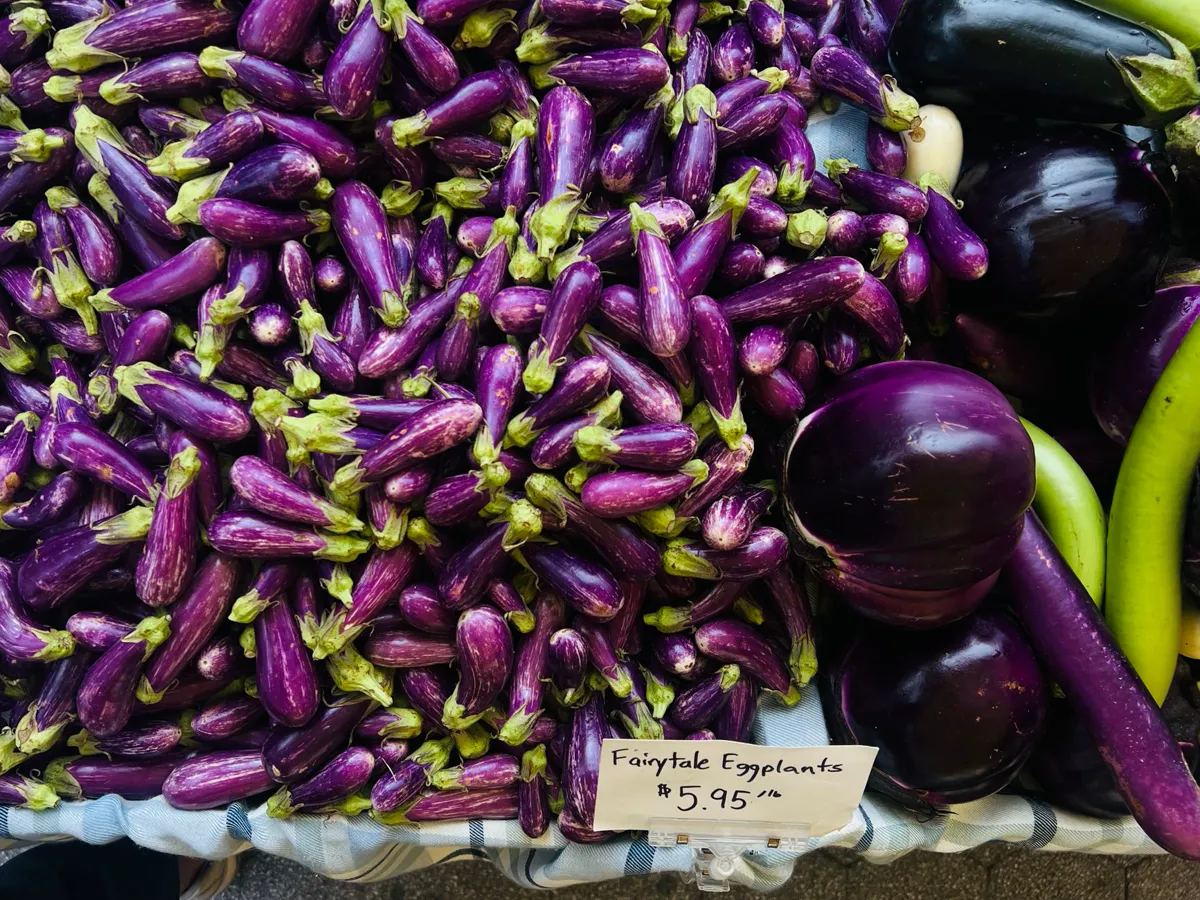
- Unusual varieties. Grow white, green, striped or long Asian types you rarely see in shops.
History, origin & how eggplant spread
Eggplant was domesticated from a wild nightshade, the thorn or bitter apple (Solanum incanum), and it has been cultivated in southern and eastern Asia since prehistory (eggplant). Worth being straight about the rest, because most guides are not: there is no consensus on where it comes from — it is described as native to South Asia, where it still grows wild, or to Africa. The oldest known written mention is not Sanskrit but Chinese: the 59 BCE “Slave’s Contract” of the poet Wang Bao. India’s claim is still real, though, and it is in the language — our word brinjal descends through Arabic and Portuguese from the Sanskrit vātin-gāna.
From Asia, eggplant spread west through the Middle East with Arab traders, and on into the Mediterranean. There it became central to Italian, Greek and Turkish cooking, which gave us the name “aubergine.” Today Asia still dominates: China and India together grow well over 80% of the world’s eggplant, 34.9 and 13.0 million tonnes of a 57.5 million tonne world crop in 2024, followed a long way back by Egypt, Guinea and Turkey (FAO-sourced production table). For the home gardener, the lesson from this history is simple. Eggplant wants real warmth and a long, hot growing season.
Best season & when to plant
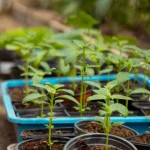
Eggplant is a warm-season crop. It needs warm air and warm soil — ideally 70–85°F — and is killed by frost. Start seeds indoors 8–10 weeks before your last frost (see starting seeds indoors). Transplant out only once nights are reliably warm. In India, it grows across much of the year. The main sowing seasons are around June–July (monsoon) and again in the cooler months in warm regions.
How to plant and propagate eggplant from seed
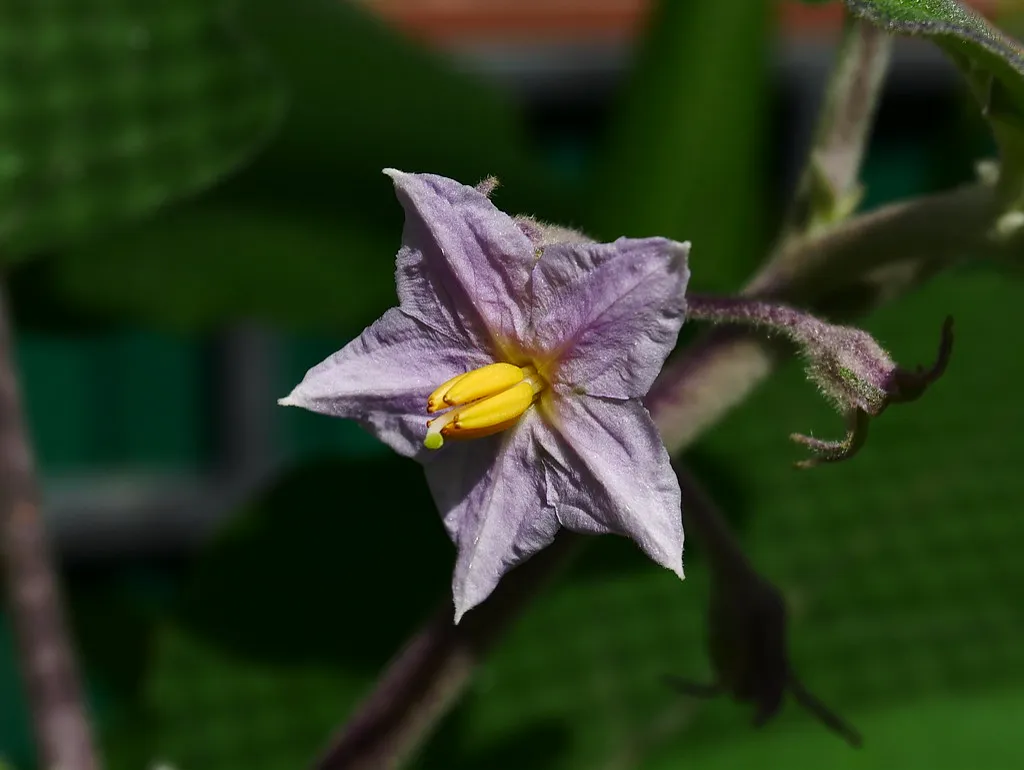
Give it full sun (6+ hours) and rich, well-drained soil amended with compost (see improving garden soil). Space transplants about 18–24 inches apart. Eggplant grows well in large containers too — see best vegetables for containers. Pots also let you move plants to the warmest, sunniest spot, which suits this heat-lover well.
Sun, soil, watering & feeding
Eggplant is a hungry, thirsty plant. Provide consistent moisture — about 1 inch of water per week, more in heat — watering at the base (see how often to water plants). Feed regularly with a balanced fertiliser once flowering and fruiting begin. Mulch to hold warmth and moisture. Steady water and feeding keep the fruit tender and the plant cropping.
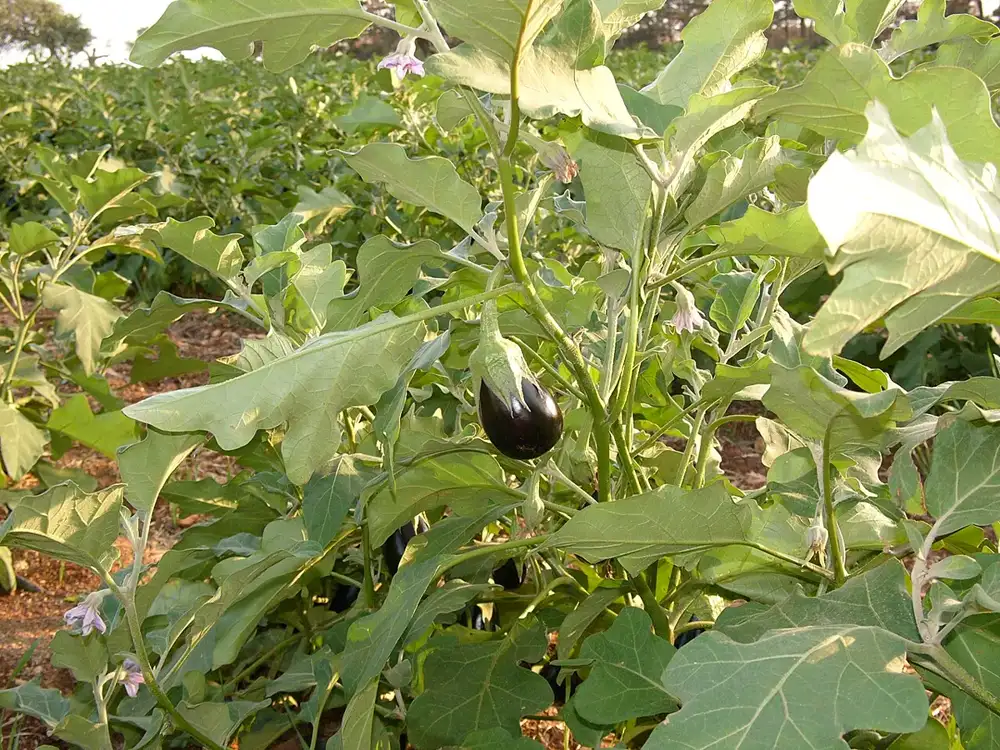
Staking the plants
Plants heavy with fruit can tip or snap. So stake or cage them early, like tomatoes. Set the support in place while the plant is small. That way you avoid disturbing the roots later. A staked plant also gets better airflow, which helps keep disease away.
Types of eggplant to grow
Eggplant comes in many shapes and colours. Choosing the right type is half the fun.
- Large oval (Italian/globe) — the classic big, glossy purple fruit. Best for slicing, grilling and parmigiana.
- Long Asian types — slim purple or striped fruit. They are tender, quick to cook and rarely bitter.
- Small round Indian brinjal — egg-sized fruit for bharta and curries. Often very productive.
- White and striped novelty types — pale or marbled fruit. They look striking and taste mild.
All types grow the same way. They want heat, sun and rich soil. The long Asian and small round types often crop fastest. For a first try, start with a reliable long or round variety.
Common pests & diseases
The signature pest is the flea beetle — tiny hoppers that pepper the leaves with small holes. Eggplant is their favourite. Also watch for aphids, spider mites, and in India the fruit-and-shoot borer. Controls:
- Floating row covers on young plants exclude flea beetles; kaolin clay spray also deters them.
- Use neem oil or insecticidal soap, and pick off pests by hand. See organic pest control and aphid control.
- For fruit borer, remove and destroy affected shoots and fruit promptly, and rotate crops.
Harvesting eggplant
Pick eggplant while the skin is glossy, firm and fully coloured. The fruit should be slightly soft, so gentle thumb pressure leaves a small indentation that springs back. Dull skin, or a print that stays, means it is over-ripe. It will then taste bitter and seedy. Cut fruits with a short stem using shears. Harvest regularly, as frequent picking keeps the plant producing more.
Health benefits & uses
Eggplant is light — 25 kcal and 3 g of fibre per 100 g — but it is worth being straight about the rest: the USDA entry shows modest micronutrients, with manganese the only one reaching even 10% of a day’s requirement (potassium 8%, vitamin C 2%) (USDA record 169228). You grow eggplant for texture and flavour, not for its vitamin content. The purple skin does carry nasunin, the anthocyanin that gives it the colour. It is wonderfully versatile — roasted, grilled, fried, stuffed, or cooked into curries, bharta, moussaka, ratatouille and parmigiana. Leave the skin on where the dish allows — that is where the colour and most of the fibre sit.
This article is for general information only and is not medical advice. Talk to a qualified professional before using any plant medicinally.
Common eggplant problems
Holes all over the leaves
Flea beetles — use row covers and neem (see pests above). Established plants usually outgrow light damage.
Flowers but no fruit
Too cold, or poor pollination. Eggplant needs warmth; wait for hot weather and the fruit will set.
Bitter, seedy fruit
Harvested too late. Pick while glossy and firm.
Growing eggplant in containers
Eggplant is one of the best vegetables for a pot. It is compact and loves the extra warmth a container gives.
Use a large pot of at least 5 gallons. Fill it with rich, free-draining compost. Stand it in the hottest, sunniest corner you have.
Container plants dry out fast in summer. Check the soil daily and water at the base. Feed every couple of weeks once the fruit sets.
Stake the plant as it grows heavy. A single well-fed pot plant can crop for weeks. This makes brinjal a star of the Indian terrace garden.
Related plant guides
Frequently asked questions
How long does eggplant take to grow?
Usually about 80–90 days from transplanting to the first harvest, depending on variety and warmth.
Why is my eggplant not setting fruit?
Most often it is too cold. Eggplant needs warm days and nights to flower and set fruit well.
Can I grow brinjal in pots?
Yes — eggplant does very well in large containers (at least 5 gallons) in a hot, sunny spot, ideal for terraces.
How do I know when eggplant is ready to pick?
When the skin is glossy and firm and a gentle press leaves an indentation that springs back. Dull skin means it is over-ripe.
Do I need to salt eggplant before cooking?
Less than you used to. Modern varieties are rarely bitter. Salting still helps draw out moisture for frying, but it is optional.
How many fruits does one plant give?
A healthy plant can give several fruits over the season. Regular picking keeps it producing. Warmth and steady feeding make the biggest difference.
Why are my eggplant leaves turning yellow?
It is often cold stress or a feeding gap. Eggplant is a hungry, heat-loving plant. Wait for warm weather and feed it regularly to green it up.
Why are my eggplant flowers falling off?
Flower drop is the classic eggplant complaint and it is nearly always a temperature or stress problem rather than a disease. Pollen becomes unviable when nights stay below about 15 C or when days push past roughly 35 C, so the flower simply drops instead of setting fruit. Dry soil, a sudden heavy feed of nitrogen, or a plant carrying too many fruits at once will also make it shed blossom. Mulch to keep soil moisture even, water deeply rather than little and often, and give some afternoon shade during a heatwave — set usually restarts once the weather settles.
Do eggplants need pollinators to set fruit?
Eggplant flowers are perfect, meaning each one carries both male and female parts, so a plant can pollinate itself and does not need a partner plant. Fruit set is much better with movement, though, because the pollen is released by vibration — bumblebees and other buzz-pollinating bees shake it loose far more effectively than honeybees do. If you grow under cover, on a still balcony or in a screened terrace, flick or gently shake the flower trusses every day or two in the late morning, or touch the back of the flower with an electric toothbrush. That one habit often doubles the crop for container growers.
Do eggplants need staking or support?
Yes, most of the time. The stems are brittle and a plant carrying several full-sized fruits will lean or snap, especially in wind or after heavy rain. A single stout stake per plant, or a tomato-style cage put in at transplanting, is enough — tie loosely and keep adding ties as the plant grows. Small-fruited and dwarf varieties in pots often manage without, but a stake still stops the whole pot from blowing over. Support also lifts leaves and fruit off the soil, which cuts down on rot and soil-splashed disease.
Why is my eggplant bitter or full of seeds?
Bitterness and hard seeds are usually a harvest-timing issue, not a variety fault. Fruit left on the plant past its prime keeps developing seed, the flesh goes spongy, the skin dulls, and the flavour turns sharp. Growing stress adds to it — irregular watering, drought, or a plant struggling in cold soil produces harsher fruit than one grown steadily. Pick while the skin is still glossy and the fruit feels heavy for its size, keep the water supply even, and choose modern varieties, which have largely been bred away from the bitterness older types were known for.
Are eggplant leaves and stems toxic?
The fruit you cook is safe. The leaves and stems are not. Eggplant belongs to the nightshade family, and its foliage contains solanine, the same alkaloid that makes potato and tomato leaves inedible. The ASPCA lists the closely related tomato plant (Lycopersicon spp.) as toxic to dogs, cats and horses for exactly this reason. So compost the tops after harvest rather than feeding them to livestock or leaving them where a pet grazes. Unripe green fruit is also higher in solanine, which is another reason to pick eggplant when it is glossy and mature. Contact a vet if a pet has eaten some. This is general information, not veterinary advice.
Still stuck? Ask the Plant Doctor
Describe the problem — yellow leaves, holes, no flowers — and get a clear answer in seconds. FreeAI can make mistakes. Answers are guidance, not a guarantee — check anything important against the guide it links to, and always read the label on any product before you use it.