How to Get Rid of Aphids Naturally (Without Chemicals)
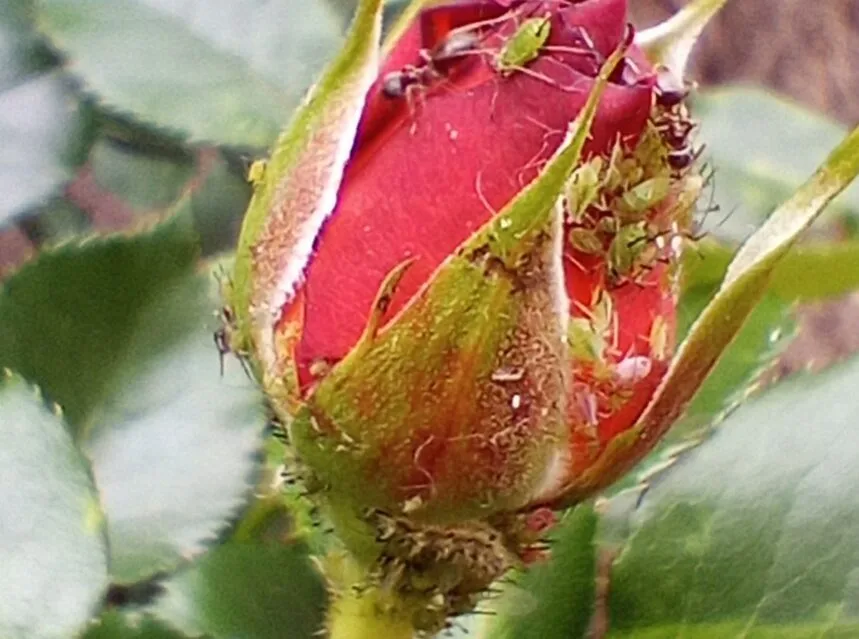 Photo: Natalka Ukraine (CC BY 4.0) via Wikimedia Commons
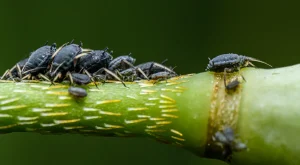
Aphids are tiny sap-sucking insects that you get rid of naturally by blasting them off with water, encouraging ladybugs and other predators, and spraying stubborn clusters with insecticidal soap or neem oil. You glance at your roses or the soft tips of your beans and there they are: tiny green, black, or grey insects clustered on the stems, sucking the life out of your plants. Aphids are the most common garden pest in the world and breed astonishingly fast. The good news is you can control them completely without harsh chemicals. Here is how to get rid of aphids organically.
Quick answer: The fastest way to get rid of aphids is to blast them off with a strong jet of water, then encourage ladybugs and lacewings and spray any stubborn clusters with insecticidal soap or neem oil. Avoid over-fertilizing with nitrogen, which produces the soft new growth aphids love. Catch them early and they are easy to beat.
🧰 In a hurry? Jump straight to our tested picks for this guide ↓
How to get rid of aphids: at a glance
| Method | How it helps |
|---|---|
| Water blast | Knocks most aphids off fast |
| Ladybugs & lacewings | Eat aphids by the hundred |
| Insecticidal soap | Smothers soft-bodied aphids |
| Neem oil | Disrupts feeding & breeding |
| Squish & prune | Clears small clusters instantly |
| Less nitrogen | Prevents the soft growth they love |
What aphids do
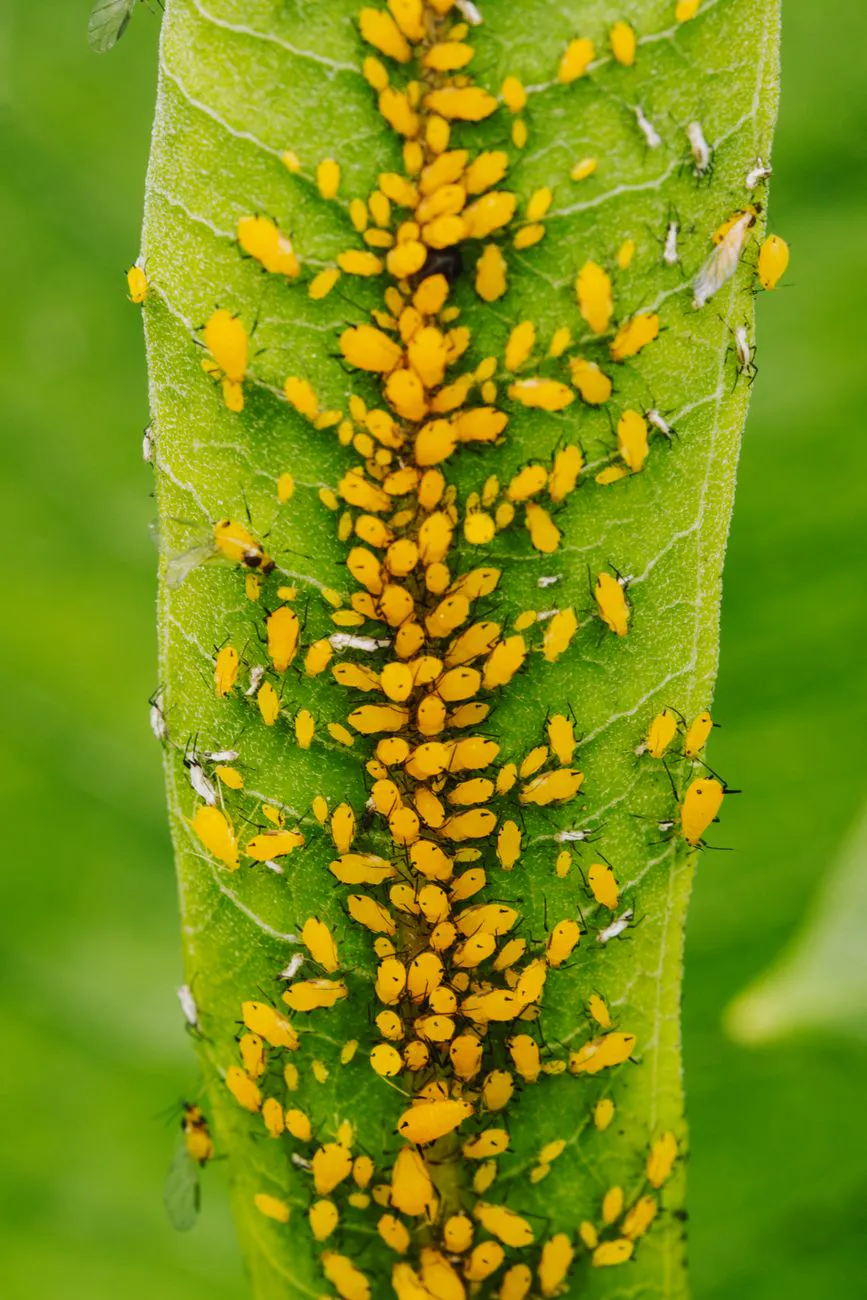
Understanding aphids makes them easier to beat. They are predictable and, despite their numbers, fragile.
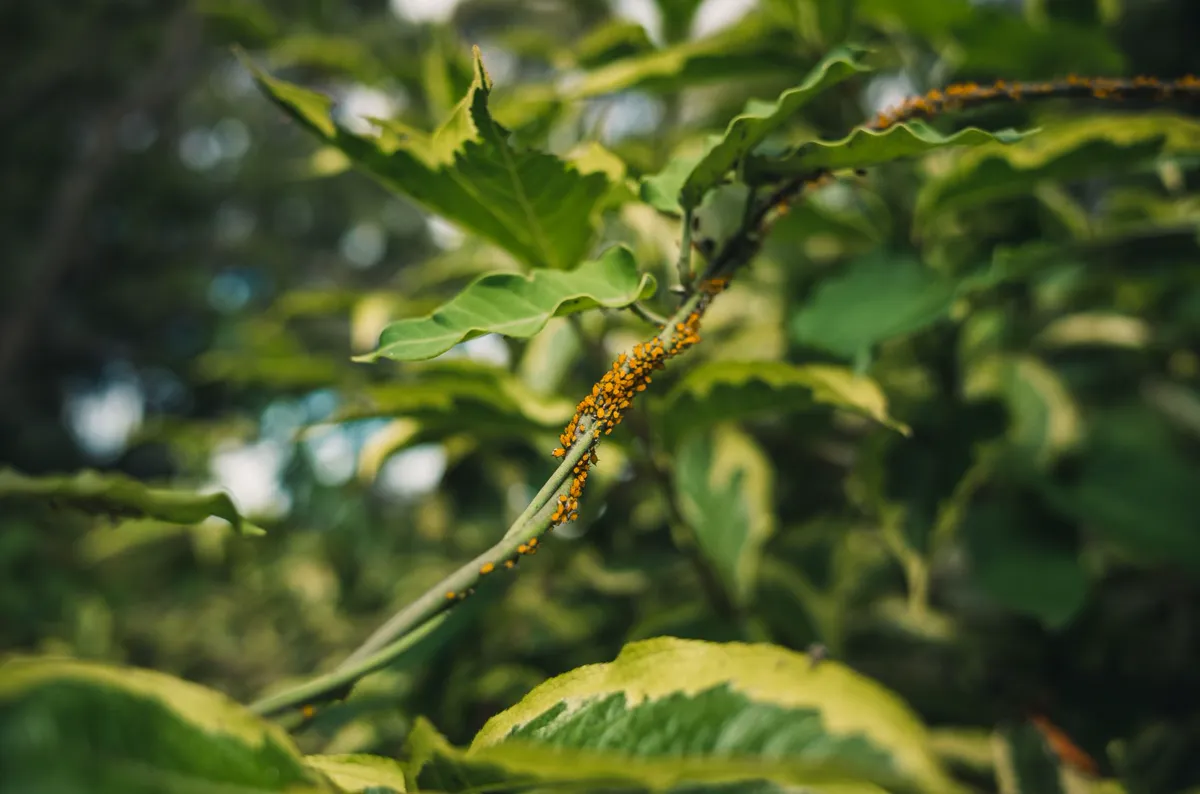
Aphids are small, soft-bodied insects that pierce plant tissue and suck out the sap. In large numbers they weaken plants, distort new growth, and spread plant viruses. They also excrete sticky “honeydew” that coats leaves and grows black sooty mould. They reproduce rapidly, so catching them early makes control far easier.
1. Blast them off with water
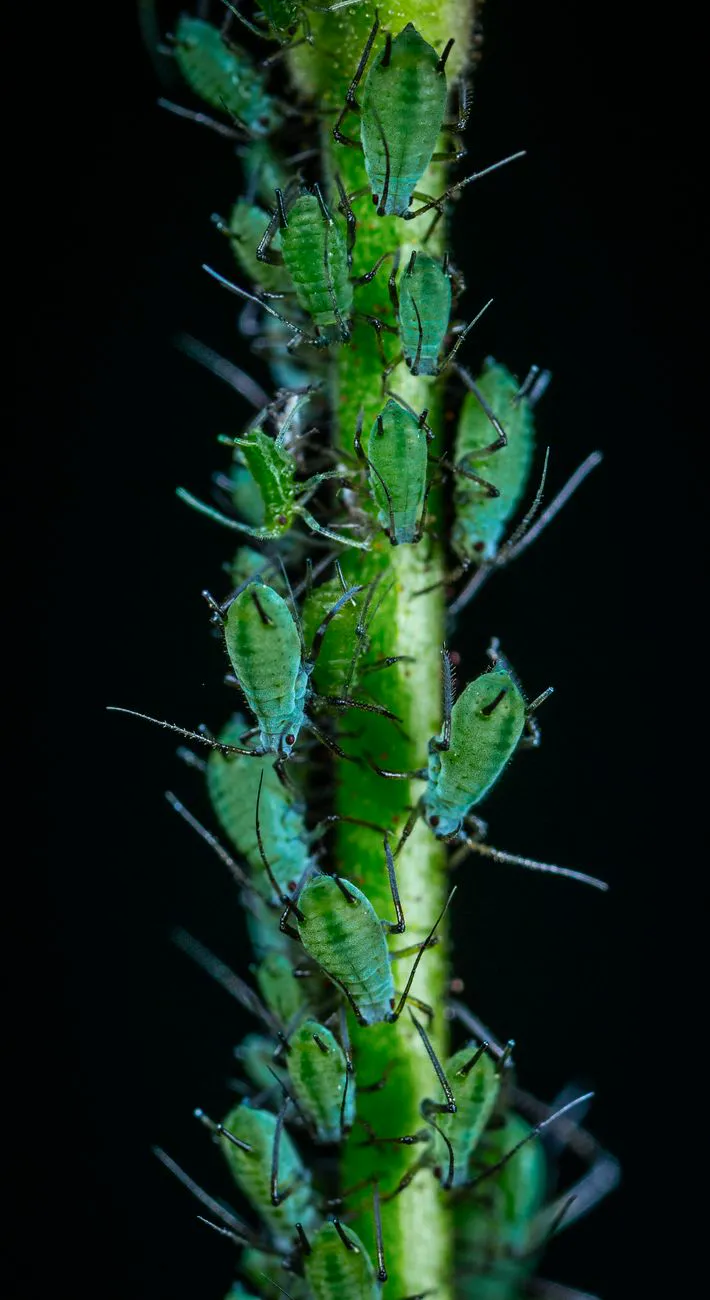
The simplest method is often the most effective. A strong jet of water is your first and easiest weapon.
A blast from the hose knocks aphids off the plant, and because they are slow and soft, most never make it back. Focus on the undersides of leaves and the tender growing tips where they gather. Repeat every couple of days and you will dramatically reduce the population with zero chemicals.
2. Recruit natural predators
Nature has a whole army that eats aphids for you. A balanced garden recruits them for free.
Ladybugs and their larvae, lacewings, hoverflies, and parasitic wasps devour aphids by the hundred. Attract these allies by planting flowers like marigolds, alyssum, and dill, and by not spraying broad pesticides that kill the helpers too. A balanced garden often keeps aphids in check on its own (see organic pest control).
3. Insecticidal soap or soap spray
For heavier infestations, insecticidal soap smothers soft-bodied aphids on contact without lingering toxicity. It is cheap and effective.
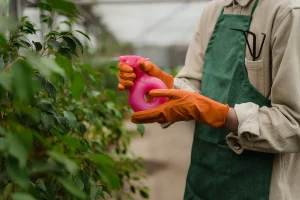
You can buy it or make a simple version with a teaspoon of mild liquid soap in a litre of water. A small pressure sprayer reaches leaf undersides far better than a trigger bottle. Spray directly onto the aphids, covering leaf undersides, in the cool of the morning or evening, and repeat every few days. Test on a few leaves first, as some plants are sensitive.
4. Neem oil
Neem oil is a versatile organic option for ongoing or recurring problems. It works differently from soap.
It disrupts aphids’ feeding and life cycle rather than just killing on contact. Mix according to the label and spray affected plants in the early morning or evening to protect bees (see neem oil for plants). It is especially useful when aphids keep coming back.
5. Squish, prune and trap
For small, localised problems, the most direct methods are quickest. No spray needed.
Wipe or squish aphids by hand, or prune off a badly infested shoot and dispose of it. On a single rose bud or stem tip, this is fast and completely effective. Nasturtiums also work as a “trap crop”, luring aphids away from prized plants so you can sacrifice them happily.
6. Deal with the ants
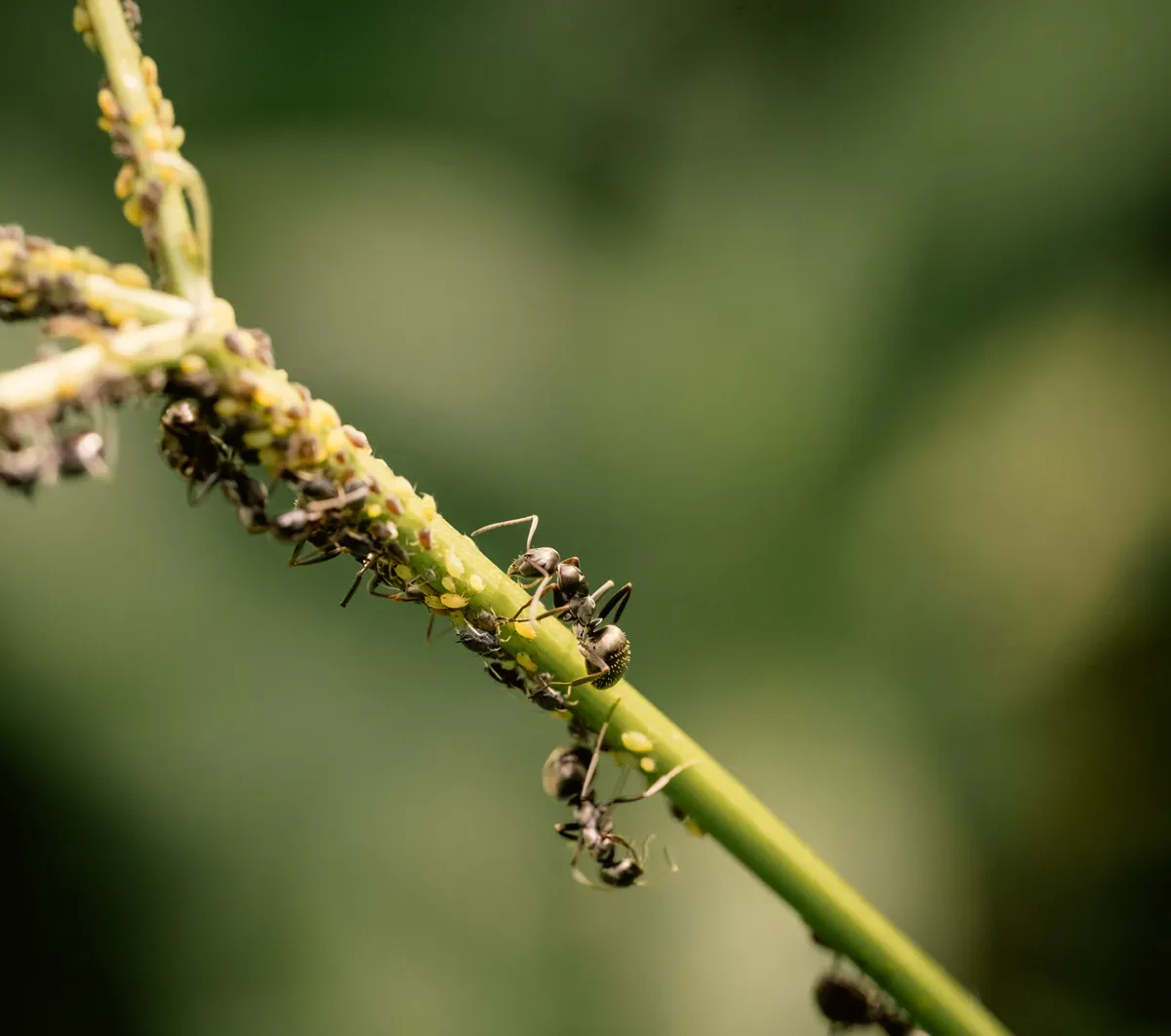
If aphids keep returning despite your efforts, ants may be the hidden reason. The two have a partnership.
Ants “farm” aphids for their sugary honeydew and actively protect them from predators. If you see ants marching up your plants, breaking the ant trail (for example with a sticky band around the stem) lets your ladybugs and lacewings win the battle. Controlling ants is often the missing piece of lasting aphid control.
How to prevent aphids coming back
- Go easy on nitrogen fertilizer, which pushes out the soft, lush growth aphids adore.
- Encourage biodiversity by planting flowers among your crops to keep predators around all season.
- Use trap plants like nasturtiums to lure aphids away from prized crops.
- Check plants regularly, since catching the first few aphids beats fighting an infestation.
Pest guidance from the Royal Horticultural Society stresses tolerance and natural predators over routine spraying.
What attracts aphids in the first place
Understanding what draws aphids helps you stop them returning. A few garden habits make plants far more tempting.
Aphids are drawn to soft, sappy new growth, which is exactly what too much nitrogen fertilizer produces, so heavy feeding backfires. Sheltered, still spots and the absence of predators also let colonies build up fast. Pest guidance from the Britannica entry on aphids notes how rapidly they reproduce, which is why easing off nitrogen and welcoming predators matters more than any single spray.
Getting rid of aphids in India & warm climates
In India and other warm regions, aphids are active for much of the year and breed especially fast in the mild post-monsoon and spring weather. The same organic methods work well.
Blast them off with water, encourage ladybugs (which are common), and use neem oil, which is widely available and traditional in Indian gardens. Watch for aphids on mustard, beans, chillies, and roses in particular. Avoid heavy nitrogen feeding, plant marigolds among crops, and control ants, which farm aphids enthusiastically in warm gardens.
Frequently asked questions
What kills aphids instantly?
A strong jet of water knocks most aphids off immediately, and insecticidal soap or a mild soap spray kills soft-bodied aphids on contact. Spray directly onto the clusters, including leaf undersides.
What is the best natural aphid control?
A combination works best: blast them with water, attract ladybugs and lacewings with flowers, and use insecticidal soap or neem oil on stubborn clusters. Avoid over-fertilizing with nitrogen.
Do ladybugs really eat aphids?
Yes, both adult ladybugs and their larvae are voracious aphid predators, eating hundreds each. Attract them by planting flowers and avoiding broad pesticides that kill beneficial insects.
Why do I keep getting aphids?
Recurring aphids are often fuelled by too much nitrogen fertilizer and a lack of natural predators. Ease off feeding, plant flowers, and deal with any ants that are protecting and farming the aphids.
Is neem oil good for aphids?
Yes, neem oil disrupts aphids’ feeding and life cycle and is a good organic option for ongoing problems. Apply in the early morning or evening to protect bees, following the label dilution.
How do I control aphids in India?
Blast them with water, use widely available neem oil, encourage ladybugs, and plant marigolds among crops. Watch mustard, beans, chillies, and roses, and control the ants that farm aphids.
Are aphids harmful to humans?
No, aphids do not harm people, but they weaken plants, spread plant viruses, and leave sticky honeydew that grows sooty mould. Controlling them protects your plants rather than your health.
Will aphids go away on their own?
Often they are controlled naturally once predators like ladybugs arrive, but a heavy infestation can damage plants first. A water blast and encouraging predators speed things along safely.
What time of day should I spray for aphids?
Spray insecticidal soap or neem in the early morning or evening, when bees and other pollinators are not active. This protects beneficial insects while still hitting the aphids.
What home remedy kills aphids?
A spray of a teaspoon of mild liquid soap in a litre of water smothers aphids on contact. A garlic or chilli infusion also deters them. Apply to leaf undersides in the cool of the morning or evening, and repeat every few days.
Do aphids spread to other plants?
Yes, winged aphids fly to new plants and colonies multiply fast, so check nearby plants when you spot them. Catching and clearing the first cluster quickly stops them spreading across the garden.
Are ants a sign of aphids?
Often, yes. Ants farm aphids for their sugary honeydew and protect them from predators, so a trail of ants up a plant is a clue to look for aphids on the soft growth above.
See also: why are my pepper leaves curling.
Still stuck? Ask the Plant Doctor
Describe the problem — yellow leaves, holes, no flowers — and get a clear answer in seconds. FreeAI can make mistakes. Answers are guidance, not a guarantee — check anything important against the guide it links to, and always read the label on any product before you use it.