How to Get Rid of Slugs & Snails Organically
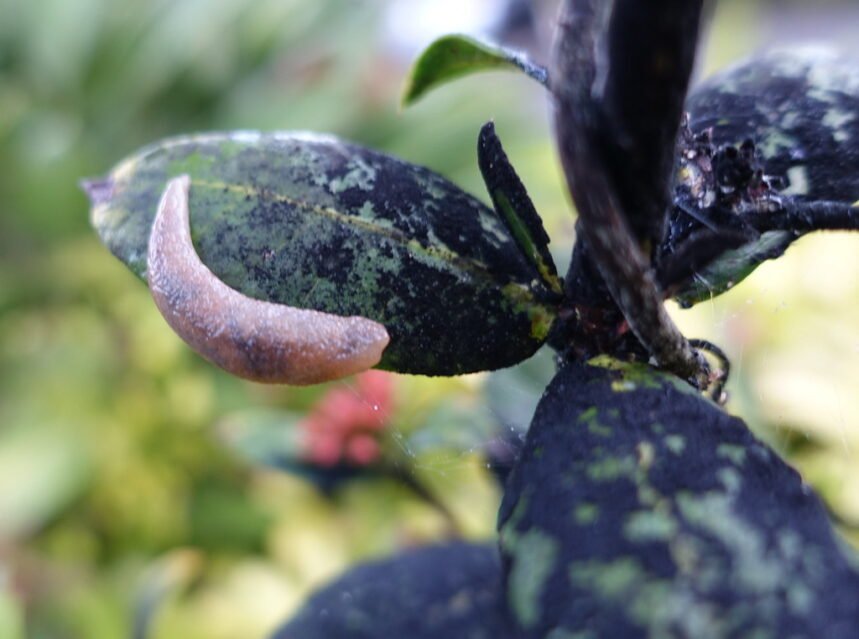
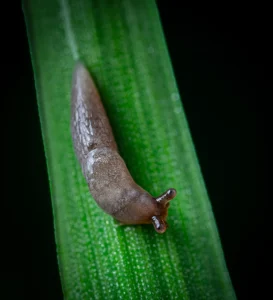
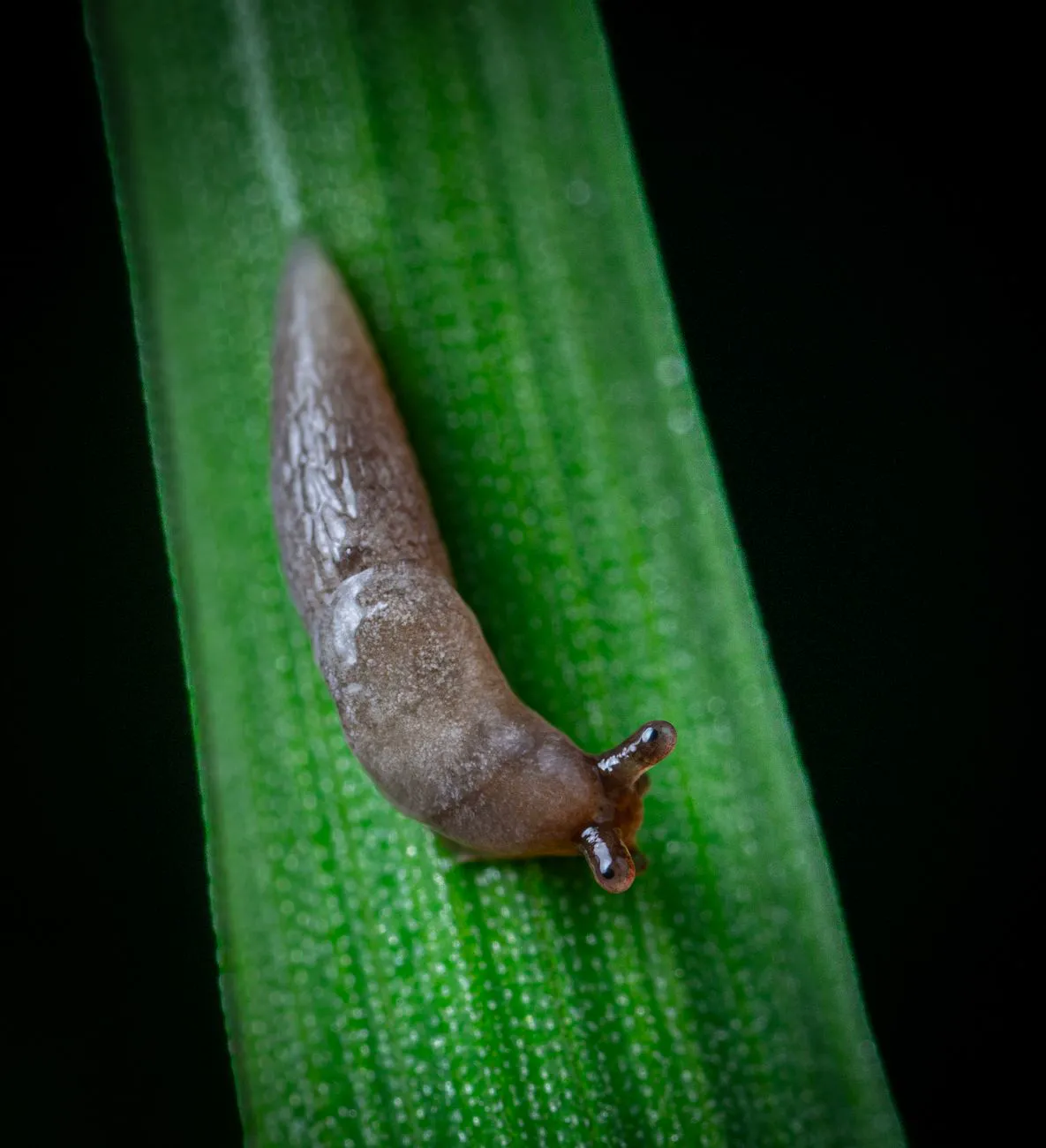
Slugs and snails are night-feeding, moisture-loving molluscs that you get rid of organically by hand-picking them after dark, ringing plants with barriers, setting beer traps, and encouraging natural predators. You plant out a tray of healthy seedlings, then the next morning they are stumps, with silvery slime trails giving away the culprits. Slugs and snails are the night-shift demolition crew of the garden. But you can beat them without scattering toxic pellets that harm pets and wildlife. Here is how to get rid of slugs and snails organically.
Quick answer: The best way to get rid of slugs and snails is to combine methods: hand-pick them at night with a torch, ring vulnerable plants with copper tape or grit, set beer traps, water in the morning to keep things dry, remove their hiding places, and welcome predators like birds and frogs. No single trick wins alone, but together they bring slugs under control.
🧰 In a hurry? Jump straight to our tested picks for this guide ↓
How to get rid of slugs and snails: at a glance
| Method | How it helps |
|---|---|
| Hand-pick at night | Most effective single method |
| Barriers (copper, grit) | Protect vulnerable plants |
| Beer traps | Lure and drown slugs |
| Natural predators | Long-term control |
| Remove hiding places | Fewer slugs survive the day |
| Morning watering | Drier nights deter them |
Know your enemy
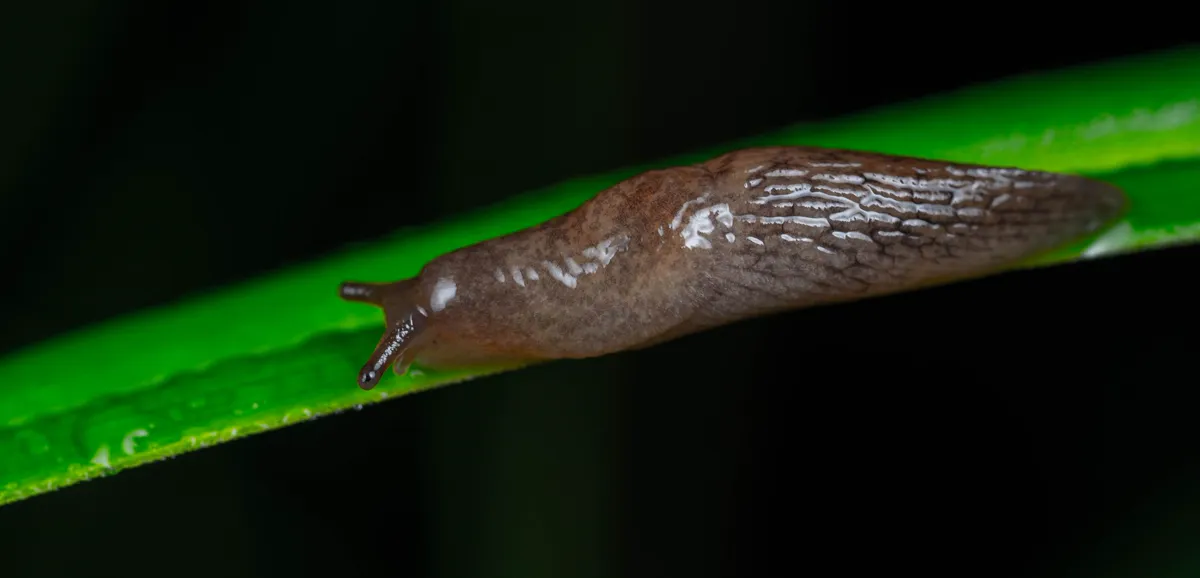
Beating slugs starts with understanding their habits. They are predictable once you know how they live.
Slugs and snails feed mostly at night and in damp, cool conditions, hiding by day under pots, leaves, and mulch. They are most destructive in spring and after rain, and they target soft, tender growth like seedlings, hostas, lettuce, and strawberries. Knowing they are night-active and moisture-loving is the key to every method below.
1. Hand-pick at night
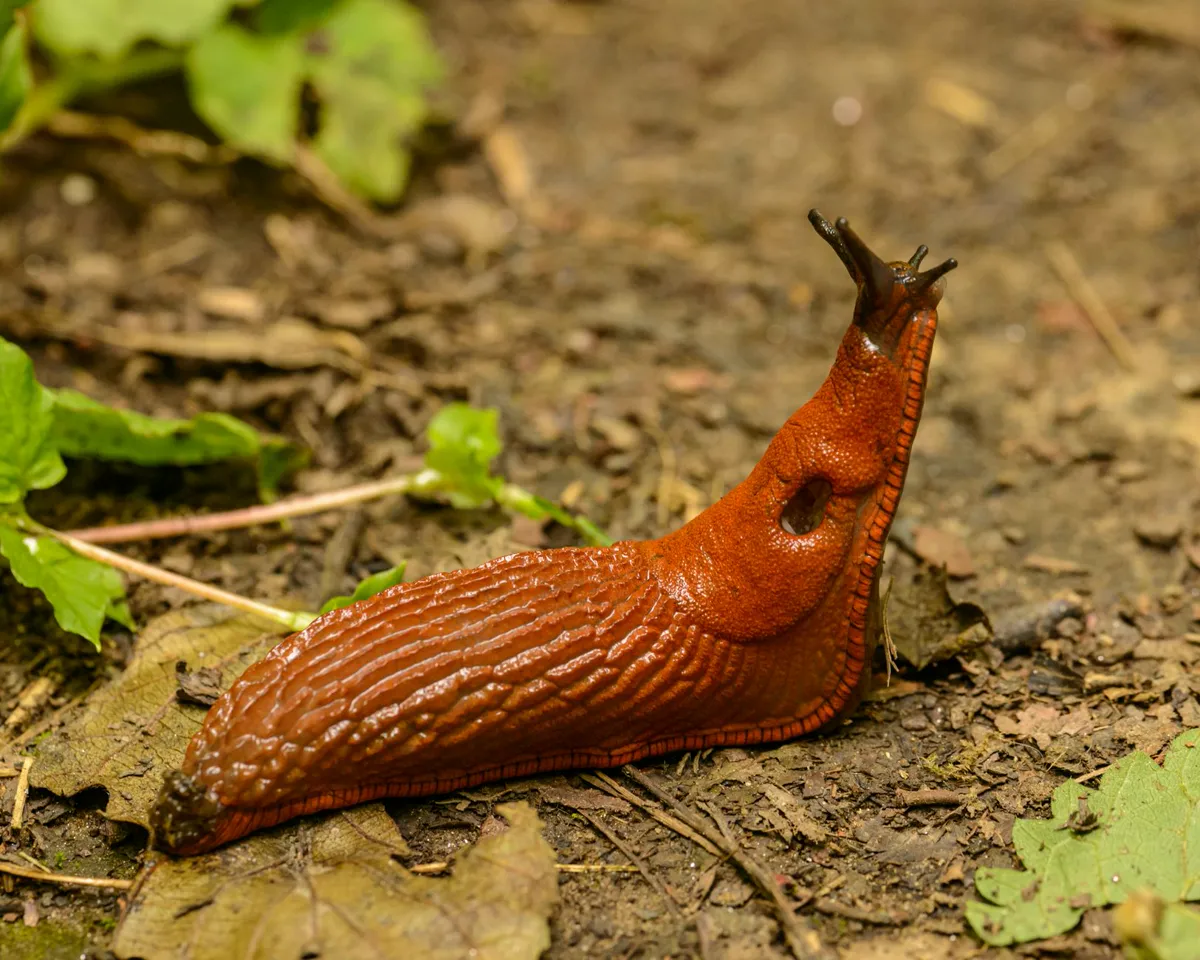
It is not glamorous, but it is the single most effective method. A few evenings of effort make a real dent.
Head out after dark with a torch, an hour or two after sunset and especially after rain, and collect the slugs and snails you find feeding. Drop them in a bucket of soapy water. Do this several nights in a row, and also check daytime hiding spots under pots and boards, to catch even more.
2. Barriers they will not cross
Slugs have soft bodies and dislike crossing certain materials. A barrier ring protects your most vulnerable plants.
- Copper tape gives them a tiny electric-like shock, so ring pots and beds with it.
- Crushed eggshells, grit, or diatomaceous earth create a sharp, drying barrier (reapply after rain).
- Wool pellets swell and irritate, forming an effective ring around plants.
Barriers work best around seedlings, hostas, and other slug favourites.
3. Beer traps
Slugs are irresistibly drawn to the yeast in beer, which makes a simple, effective trap. It works overnight.
Sink a shallow container so its rim sits at soil level, fill it with a little beer, and slugs crawl in and drown. Empty and refill every couple of days. Place traps a little away from precious plants, so you lure slugs away rather than toward them.
4. Encourage natural predators
Plenty of creatures love to eat slugs and snails, and a wildlife-friendly garden keeps numbers down for free. This is the heart of organic control.
Birds, frogs, toads, hedgehogs, and ground beetles all hunt slugs. Make your garden welcoming with a small pond or water dish, log piles and undisturbed corners for shelter, and bird-friendly plantings (see organic pest control). A garden buzzing with wildlife keeps slug numbers naturally in check.
5. Remove their hiding places
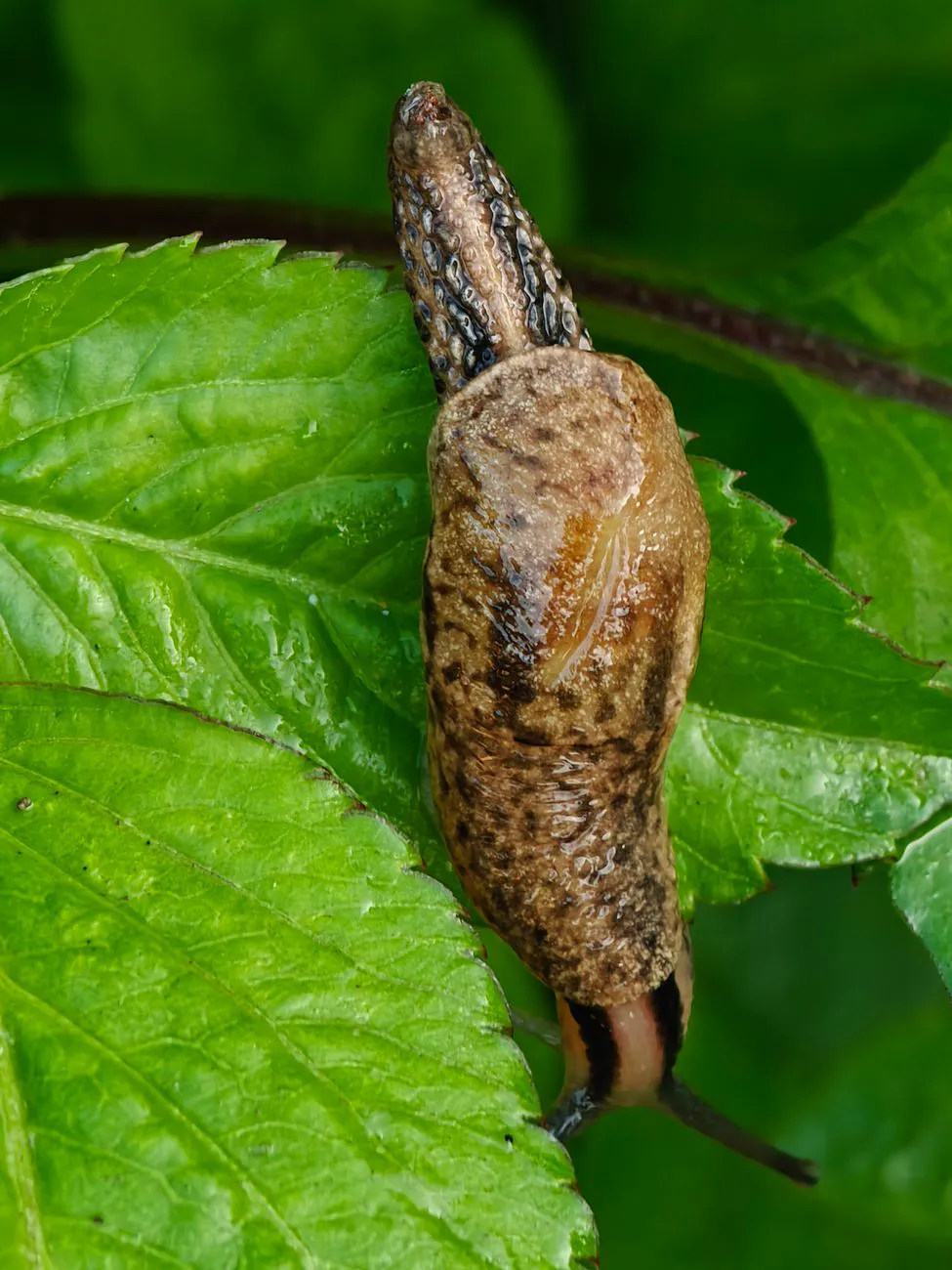
Slugs rely on damp, dark daytime shelters to survive, so taking those away thins their numbers. A tidy-up pays off.
Lift stray boards and pots, clear debris, and keep mulch a little away from the stems of vulnerable plants. Less shelter means fewer slugs surviving to feast at night. You can also use a board or upturned grapefruit half as a deliberate trap and collect the slugs gathered underneath each morning.
6. Choose slug-resistant plants
Slugs have clear favourites and plants they tend to leave alone. Planting more of the latter cuts the damage.
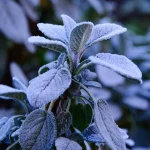
They love tender lettuce, hostas, and seedlings, but avoid tough, aromatic, or hairy-leaved plants like rosemary, lavender, ferns, and many ornamental grasses. Protect your most vulnerable plants and plant more slug-resistant choices to reduce the damage they can do. Watering in the morning rather than the evening also makes the garden far less inviting after dark.
What about slug pellets and nematodes?
Two other controls come up often, and it is worth knowing where they fit. Both have pros and cons.
Traditional metaldehyde slug pellets are now widely restricted or banned because they harm pets, birds, and wildlife, so avoid them. Wildlife-safe ferric phosphate pellets are a gentler option used sparingly. Biological nematodes, watered into the soil, naturally infect slugs and work well in warm, moist conditions. Pest guidance from the Old Farmer's Almanac recommends combining such controls with hand-picking and barriers rather than relying on any one.
Getting rid of slugs and snails in India & warm climates
In India and other warm regions, slugs and snails are a major problem in the monsoon, when constant damp is perfect for them. The same organic methods work, applied more intensively in the wet season.
Hand-pick after rain (they are everywhere then), ring containers and beds with grit or crushed eggshell, and keep pots raised and beds free of damp debris. The giant African snail is a serious garden pest in many areas, so collect and destroy them and their eggs. Good drainage and morning watering are especially important where humidity stays high. Guidance from the Royal Horticultural Society favours tolerance and natural predators over chemical pellets.
Sources and further reading
Frequently asked questions
What is the best way to get rid of slugs?
A combination works best: hand-pick them at night with a torch, ring vulnerable plants with copper tape or grit, set beer traps, and encourage predators like birds and frogs. No single method wins alone.
Do beer traps really work for slugs?
Yes. Slugs are drawn to the yeast in beer, crawl into a sunken container, and drown. Set traps slightly away from prized plants and refill them every couple of days.
How do I stop slugs without chemicals or pellets?
Use physical barriers (copper tape, crushed eggshells, grit, wool pellets), hand-pick at night, water in the morning to keep things dry, remove hiding places, and welcome predators like frogs and birds.
What plants do slugs avoid?
Slugs tend to leave tough, aromatic, or hairy-leaved plants alone, such as rosemary, lavender, ferns, and ornamental grasses, while devouring tender lettuce, hostas, and seedlings.
Why are there so many slugs in my garden?
Slugs thrive in damp, sheltered conditions. Frequent evening watering, lots of mulch against stems, and plenty of hiding spots like boards and debris all encourage them. Reducing moisture and shelter helps.
How do I control slugs and snails in the monsoon?
Hand-pick after rain, ring pots and beds with grit or eggshell, raise containers, improve drainage, and water in the morning. Collect and destroy giant African snails and their eggs where they occur.
Are slugs ever good for the garden?
Yes, in moderation they help break down decaying plant matter and feed birds and frogs. The goal is to protect vulnerable plants and reduce numbers, not to eliminate every slug.
Do coffee grounds repel slugs?
Used coffee grounds can act as a mild deterrent and gritty barrier, though results are mixed. They work best as one layer of defence alongside hand-picking, barriers, and traps.
When are slugs most active?
Slugs are most active at night and in damp, mild weather, especially in spring and after rain. That is why hand-picking after dark and watering in the morning are so effective against them.
Do eggshells really stop slugs?
Crushed eggshells form a sharp, drying barrier that slugs dislike crossing, which helps around vulnerable plants. Reapply after rain, and combine them with other methods for the best protection.
Will salt get rid of slugs?
Salt kills slugs but also damages soil and plant roots, so it is not a good garden control. Stick to hand-picking, barriers, traps, and predators, which protect plants without harming the soil.
Still stuck? Ask the Plant Doctor
Describe the problem — yellow leaves, holes, no flowers — and get a clear answer in seconds. FreeAI can make mistakes. Answers are guidance, not a guarantee — check anything important against the guide it links to, and always read the label on any product before you use it.