No Mow May
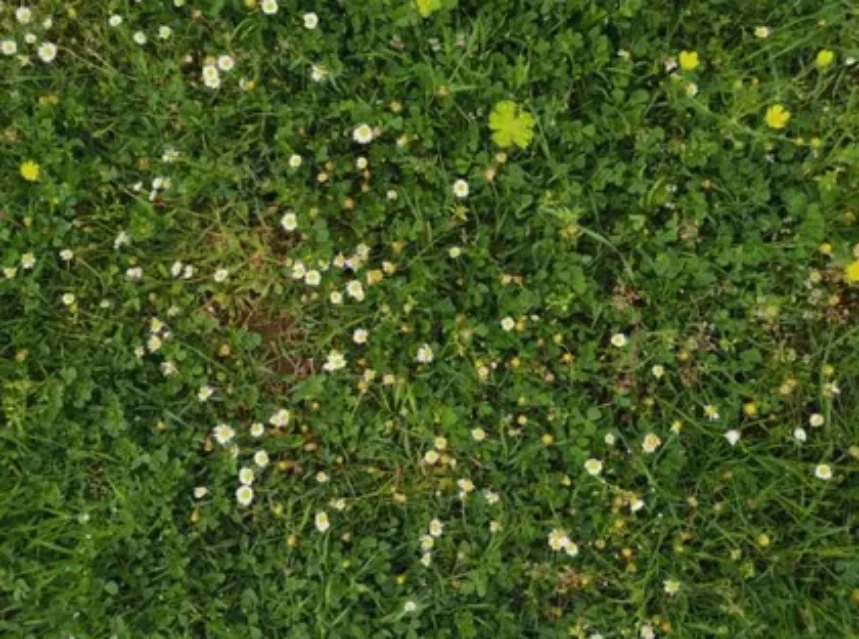
No Mow May is a campaign that asks people to stop mowing their lawns for the month of May so that low-growing flowers can bloom and feed early pollinators. It was started in 2019 by the UK conservation charity Plantlife, and May was chosen because it echoes traditional hay-meadow timing – not because a study pointed at that month.
Quick answer: The idea behind it is sound, but the popular version is the weakest version. The evidence supports mowing less rather than stopping altogether. Cutting every two to four weeks at 2.5-5 cm gives bees more reachable flowers than a month of neglect. The nectar gap between mown and unmown grass also barely opens until mid-May, and peaks in June. So keep some grass long all season instead of all of it long for four weeks. And if you do let the whole lawn go, plan the first cut: one careless June pass undoes the month, and it can hurt both the turf and the animals living in it.
🧰 In a hurry? Jump straight to our tested picks for this guide ↓
No Mow May at a glance
| Question | Short answer |
|---|---|
| Who started it | Plantlife (UK), 2019 |
| Why May | Hay-meadow tradition, not evidence for that specific month |
| Best-known study | Retracted in 2022 |
| What the better evidence supports | Cutting every 2-4 weeks at 2.5-5 cm, all season |
| When the nectar gap actually opens | Around 20 May; roughly eight times higher by early June |
| Biggest practical risk | The first cut in June – turf shock and wildlife casualties |
| Where it does not translate | Warm-season lawns, the southern hemisphere, and India, where May is peak heat |
| What beats it outright | A permanently long strip, or lawn replaced with native planting |
Why the campaign spread so fast
Plantlife’s pitch was irresistible: do more by doing less. The charity points out that the UK has lost around 97% of its flower-rich meadows since the 1930s, and that there are some 23 million gardens which could pick up a little of the slack.
Then, in 2020, a study out of Appleton, Wisconsin gave the idea a number. It reported three times the bee species and five times the bee abundance on No Mow May lawns compared with mown greenspace. Dozens of North American towns suspended their weed ordinances for May on the strength of it.
The awkward part: that study was retracted
In November 2022, after critics documented problems, the authors and the journal agreed to retract the paper, citing inconsistencies in data handling and reporting.
The criticisms were specific. The species list included bees that do not occur in Wisconsin in May. Most specimens had been identified by sight in the field, which is not a reliable way to name small bees. The design also compared private lawns with public parks. That tangled mowing and habitat type together, so neither could be separated. Appleton’s council later debated scrapping the programme it had made permanent.
Oregon State University’s Garden Ecology Lab lays the whole episode out fairly, including the evidence that still stands.
None of this means letting grass flower is pointless. It means the headline number everyone repeated was never real, and the honest guidance has to come from the studies that survived.
What the surviving evidence actually says
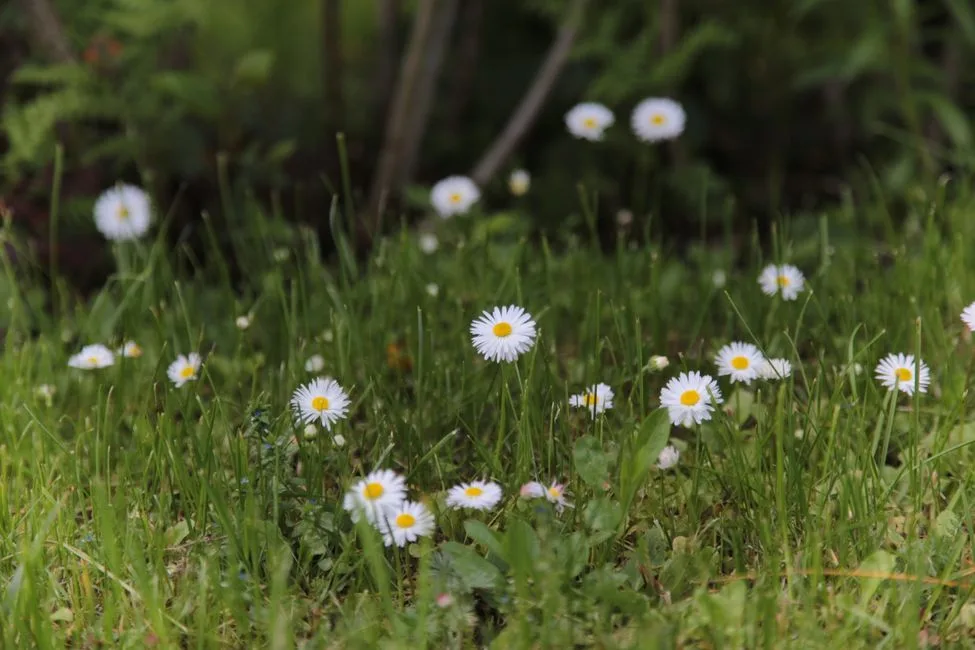
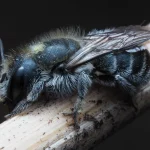
Mowing frequency beats stopping altogether. A Massachusetts study compared lawns mown weekly, fortnightly and every three weeks. The three-week lawns grew more than twice as many flowers. Yet the fortnightly lawns held the most bees. The researchers’ explanation is the detail worth keeping: many lawn bees are the size of a grain of rice, and in tall grass the flowers are simply harder to reach.
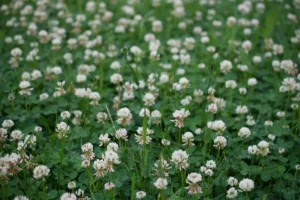
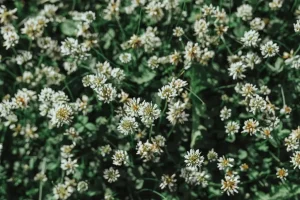
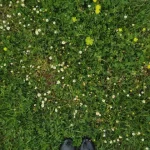
The sweet spot is a cut, not a pause. Plantlife’s own citizen-science counts point the same way: the highest production of flowers and nectar comes from lawns cut roughly every four weeks at 2.5-5 cm. Daisy, white clover and bird’s-foot trefoil are mower-duckers – they hold their flowers below the blades and keep producing new ones for as long as you keep cutting.
And the timing is off by a month. A 2022 study at Cirencester surveyed mown and unmown plots weekly from late April to mid-July. In late April and early May there was no meaningful difference at all. The gap opened around 20 May at roughly three times the nectar, peaked in early June at about eight times, and was still climbing in July. Cornell’s 2024 work found No Mow May did not significantly raise the nectar available by June.
Put those together and the conclusion writes itself: the month of May is the least useful month to leave the lawn alone, and stopping at the end of it stops just as the benefit arrives.
What to do instead – the version supported by the evidence
Plantlife itself no longer asks for a single idle month. Its guidance is to cut less for longer, and to keep more than one length of grass going:
| Zone | Cutting regime | What it gives you |
|---|---|---|
| Short flowering lawn | Every 4 weeks at 2.5-5 cm | Daisies, clover, selfheal, bird’s-foot trefoil – continuous, accessible flowers |
| Mid-length meadow patch | Cut 2-3 times a year, outside April-August, cuttings raked off | Oxeye daisy, knapweed, scabious – taller summer flowers that need to set seed |
| Long grass strip | Left through spring, summer and autumn | Shelter and overwintering for hedgehogs, toads, grasshoppers and butterflies |
| Paths and sitting areas | Mown normally | The bit that makes the rest look deliberate rather than neglected |
Rake the clippings off anything you are managing for flowers. Cuttings left to rot feed the soil, and fertile soil grows grass that out-competes the wildflowers you were trying to encourage. That is the same logic behind our lawn alternatives and clover lawn guides.
The first cut in June, which is where the damage happens
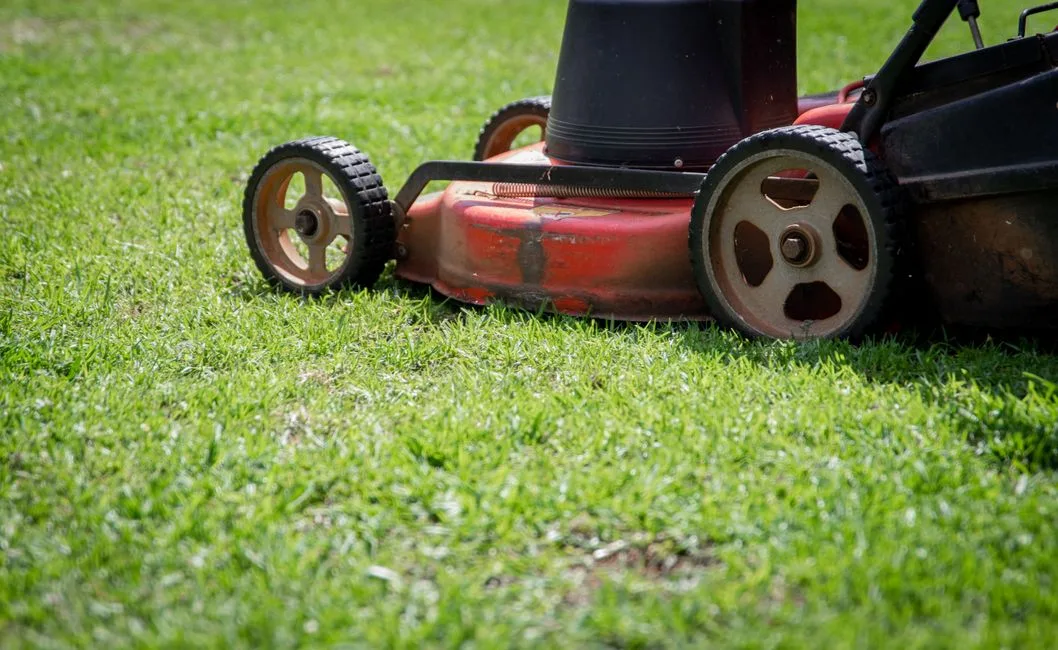
A month without mowing typically leaves grass 25-30 cm tall, and in a wet spring it can be twice that. Two things then go wrong at once.
The turf. The one-third rule exists for a reason: remove more than a third of the blade in one pass and the plant loses too much of the tissue it photosynthesises with, right before the hottest, driest weeks of the year. So bring it down in stages, taking a third at a time, leaving at least three days between passes.
The animals. Long grass in June holds frogs, toads, slow worms, voles and fledglings. Before you start, walk the patch and disturb it so anything living there can move. Set the blade high for the first pass. Then mow outwards, from the paths towards the boundary, so wildlife is pushed towards cover rather than trapped in a shrinking island in the middle.
Better still, do not make one big cut at all. Leave part of the patch standing and cut the rest – which is exactly the multi-length approach above.
The dandelion argument, honestly
Dandelions are the flower most No Mow May lawns actually produce, and they are genuinely contested.
In their favour: in a typical lawn they can supply around 9% of the pollen and 37% of the nectar sugar available, at a point in the year when little else is open.
Against: dandelion pollen is low in protein and short of some amino acids bees need, and in North America the plant is a European introduction that native bees did not evolve alongside. A lawn of dandelions is a snack bar, not a balanced diet.
The sensible reading is that dandelions are worth having and are not worth planning around. If early forage is your aim, autumn-planted crocus and a few early shrubs will out-feed any amount of unmown grass – and unlike the lawn, they do not need you to leave the mower in the shed.
Where No Mow May does not translate
This is the part almost no page covers, and it is the difference between advice and a slogan.
Warm-season lawns and the southern US. In the Piedmont, fescue needs cutting from March, so a May pause arrives long after the grass has got away. UNC Charlotte’s Urban Institute makes the sharper point too: a lawn full of introduced winter weeds is not a meadow, and calling it pollinator habitat is closer to greenwashing than conservation.
The southern hemisphere. May is late autumn in Australia, New Zealand, South Africa and southern South America. Growth is slowing and there is nothing to release. The equivalent window there is September-November.
India. May is the hottest month across most of the country. Bermuda and doob are heat-stressed and often semi-dormant, so a month without mowing does not produce a flowering lawn – it produces scorched, thin turf with coarse weeds standing in it. The Indian equivalent of No Mow May is the monsoon. Growth is explosive then, and lawns genuinely can carry clover, oxalis and low daisies.
Two cautions belong to that window. Grass left long in constant wet holds moisture at the base, which invites fungal disease. And waterlogged turf tears if you mow it soft. So through the rains, cut high rather than not at all: keep the blade up, take a third at a time, and leave an edge strip long instead of the whole lawn. Our lawn mowing height guide has the settings.
What actually helps more than a month off
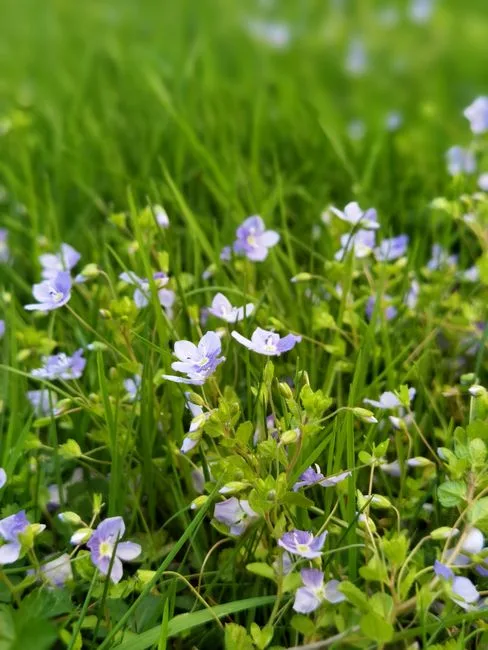
Cornell’s own guidance after reviewing the research is blunt: mow high through May, June and July rather than not at all, and put the effort into real forage.
- Shrink the lawn. A border of native perennials feeds more pollinators than any lawn, mown or not.
- Plant for the whole season, starting with the early gap the campaign is trying to fill – see how to attract pollinators and how to make a pollinator garden.
- Leave nesting habitat. Most bees nest in bare ground, not in flowers; a sunny undisturbed patch and some standing dead stems do more than a tall lawn. A mason bee house covers the cavity-nesters.
- Stop the sprays. A single feed-and-weed pass removes the clover and daisies the whole exercise depends on – organic weed control is the alternative.
- Keep a permanent long strip. One metre along a fence, left all year, beats a whole lawn left for four weeks.
Frequently asked questions
Does No Mow May actually work?
Partly. Unmown grass does produce more flowers and nectar, but the difference barely exists in early May and peaks in June, and the study that made the campaign famous was retracted in 2022. Cutting every two to four weeks at 2.5-5 cm gives small bees more usable flowers than a month of tall grass.
Why was the No Mow May study retracted?
The 2020 Appleton paper was withdrawn in November 2022 over inconsistencies in data handling and reporting. Critics had also shown it listed bee species that do not occur in Wisconsin in May, relied on sight identification, and compared lawns with parks, so mowing and habitat could not be separated.
When should I mow after No Mow May?
Early June, in stages. Take no more than a third of the height per pass, leave at least three days between passes, and set the blade high for the first one. A single low cut on month-old grass shocks the turf just before summer.
Will not mowing for a month damage my lawn?
The month itself rarely does. The recovery does, if you scalp it. Grass at 25-30 cm cut straight back to normal height loses most of its leaf area, browns off and then faces the driest weeks of the year with a weakened root system.
Is No Mow May bad for the lawn's flowers?
It can be. Daisy, clover and bird’s-foot trefoil flower best when they are cut regularly and the grass is kept short enough that they are not shaded out. Left tall, the grass grows over them, which is why fortnightly-mown lawns recorded more bees than three-weekly ones.
Does long grass increase ticks?
The evidence is thin either way. One Massachusetts study found no difference in ticks between lawns mown weekly, fortnightly and three-weekly. Public-health advice still favours regular mowing in tick country, so if that applies to you, keep paths and sitting areas short and put the long grass at the boundary.
What if my council or HOA has a weed ordinance?
Check before you start. Dozens of North American cities suspend theirs for May, but many do not, and rules on grass height are enforced by complaint. A mown edge, a path through the middle and a small sign make an unmown lawn read as intentional, which heads off most complaints.
Can I do No Mow May in India?
Not usefully in May. It is the hottest month, warm-season lawn grasses are stressed and often semi-dormant, and a month off produces thin, weedy turf rather than flowers. The monsoon is India’s real “let it grow” window – but cut high rather than not at all, because long grass in constant wet invites fungal disease.
Is No Mow May good in the southern hemisphere?
No. May is late autumn there and growth is winding down. Spring – roughly September to November – is the equivalent period, and the same “mow less, mow high” advice applies to it.
Are dandelions really good for bees?
They are useful rather than ideal. Dandelions can supply a large share of a lawn’s early nectar, but their pollen is low in protein and short of some amino acids, and in North America they are an introduced plant. Treat them as a bonus, not a plan.
What is better than No Mow May?
Keeping a permanently long strip, mowing the rest less often and higher, cutting the size of the lawn, and planting real early forage. Those change the garden for every month of the year rather than one.
Should I leave the clippings after the first cut?
Not on anything you are managing for flowers. Clippings rot down and enrich the soil, and richer soil favours vigorous grass over wildflowers. Rake them off, or use them as mulch on vegetable beds – our mulching guide covers that.
Related guides
- Clover lawn
- Lawn alternatives
- Lawn mowing height guide
- How to attract pollinators
- How to make a pollinator garden
- Mason bee house
Still stuck? Ask the Plant Doctor
Describe the problem — yellow leaves, holes, no flowers — and get a clear answer in seconds. FreeAI can make mistakes. Answers are guidance, not a guarantee — check anything important against the guide it links to, and always read the label on any product before you use it.