Plant Doctor: What’s Wrong With My Plant?
 By
By The Plant Doctor is a free diagnosis tool — tell it the symptoms you see (yellow leaves, spots, wilting, pests) and it points you to the most likely problem with an expert-reviewed fix.
More about this tool
Works for houseplants, vegetables, flowers and fruit — in every climate. 💚 Save your plants to My Garden in your free Gardening Guider profile — and get free care reminders & seasonal follow-ups for the plants actually growing in your garden.
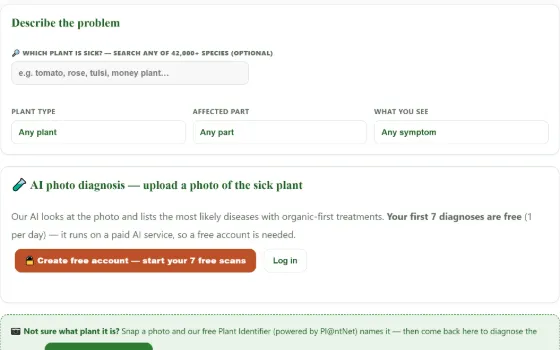
Describe the problem
Mobile nutrients (nitrogen, magnesium, potassium) are pulled from OLD leaves first; immobile ones like iron show up on NEW growth. This one answer splits the likely causes.
🧪 AI photo diagnosis — upload a photo of the sick plant
Our AI looks at the photo and lists the most likely diseases with organic-first treatments. Your first 7 diagnoses are free (1 per day) — it runs on a paid AI service, so a free account is needed.
ℹ️ This tool gives general guidance for common problems, not a lab diagnosis. When in doubt, remove a sample and consult a local nursery or extension service. Fixes list organic options first.
Constantly wet mix with no drainage suffocates the roots — the sour smell and mushy brown stems are the giveaway. Repot into fresh mix, trim the black roots and water only when the top inch is dry.
Constantly wet mix with no drainage suffocates the roots — the sour smell and mushy brown stems are the giveaway. Repot into fresh mix, trim the black roots and water only when the top inch is dry.
Case #2 unlocks at midnight UTC — keep the streak going.
How the Plant Doctor diagnosis works
A plant doctor works backwards from the symptom you can see. Pick what the plant is doing — yellow leaves on plants, spots, wilting, holes — and this plant problem diagnosis tool narrows 86 causes down to the likely few, then gives an organic pest control fix first and a chemical one only as a last resort. A photo plant disease identifier is built in for anything you cannot place. Not sure of the species? Try the plant identifier.
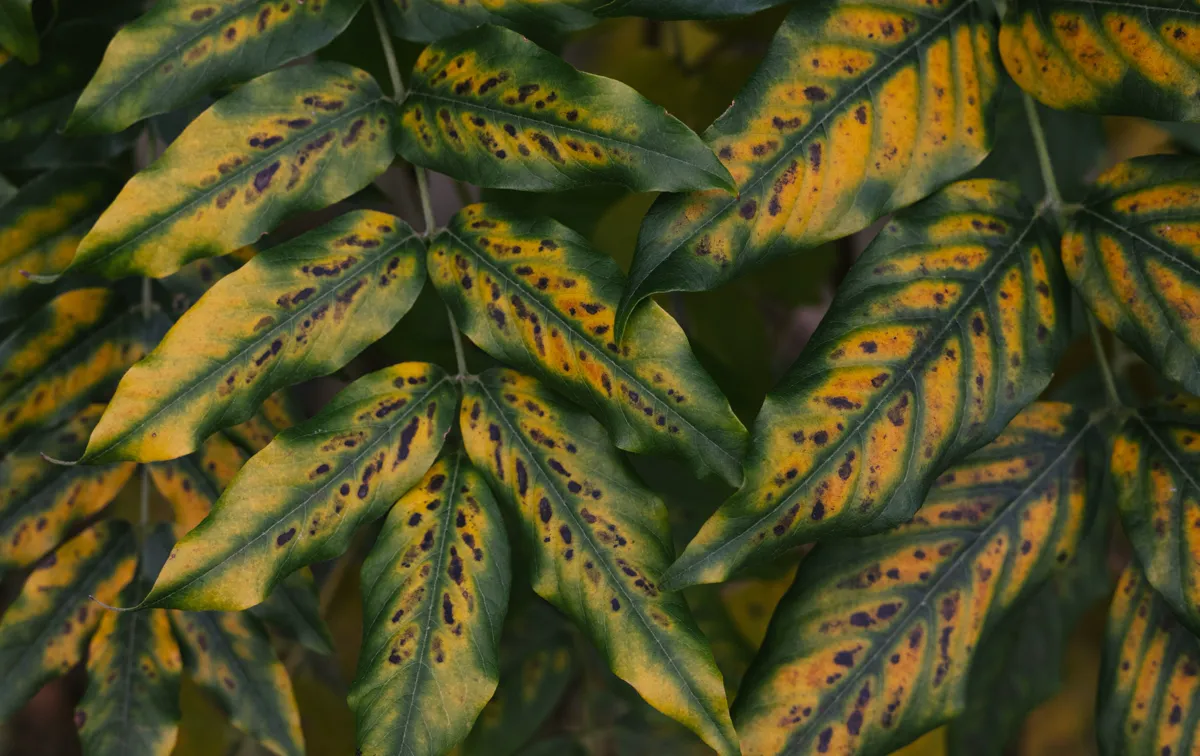
Diagnosing a sick plant is a process of elimination, and that is exactly how this tool is built. Professional plant clinics work through the same short checklist: what kind of plant is it, which part is affected, what exactly do you see, and — for leaf problems — are the old leaves or the new leaves showing it first? Each answer removes whole groups of causes, so three or four clicks usually narrow dozens of possibilities down to a handful of likely ones, ranked with the most serious first.
Behind the picker sits our curated cause database covering pests, fungal and bacterial diseases, viruses, nutrient deficiencies, watering problems, light problems and environmental stress. Every cause card gives you the tell-tale description to confirm against your plant, an organic-first fix, a prevention tip, a seasonal and monsoon-climate note, and — where we have one — a link to the full step-by-step guide.
Why “old leaves or new leaves?” is the smartest question in plant diagnosis
Nutrients move around inside a plant with very different ease. Mobile nutrients — nitrogen, magnesium, potassium — can be pulled out of old leaves and shipped to new growth, so a shortage shows up on the old, lower leaves first. Immobile nutrients — iron, and similarly sulfur, calcium and boron — are locked in place once used, so a shortage starves the newest top growth first, classically as young leaves that turn yellow while their veins stay green (interveinal chlorosis). One glance at where the yellowing starts therefore splits the nutrient causes cleanly in two — which is why the tool asks you exactly that question whenever you pick yellowing or pale leaves.
Worked example — “my plant’s leaves are turning yellow”
The case: a container tomato, mid-season. Several leaves are yellowing. Here is the walk-through as the tool would run it:
- Affected part: leaves. Symptom: yellowing. The tool lists the yellow-leaf suspects: overwatering, nitrogen deficiency, iron chlorosis, magnesium deficiency, early blight and a few pests — and asks the clarifying question: which leaves?
- Answer: old lower leaves. Iron chlorosis is filtered out (iron problems start at the top). The front-runners are now nitrogen deficiency (whole leaf uniformly pale-yellow, plant growing slowly), magnesium deficiency (yellow between the veins, veins staying green) and early blight (yellow patches around brown target-ring spots).
- Confirm against the cards. The leaves are uniformly pale with no spots, and the soil drains freely — that points squarely at nitrogen deficiency, common in containers because frequent watering leaches nitrogen out of the pot.
- The organic-first fix: feed with compost, vermicompost or a diluted balanced organic fertiliser, and mulch the pot. Recovery shows in the new growth within a couple of weeks — the already-yellow old leaves will not turn green again, and that is normal.
Had the answer been new top leaves with green veins, the same three clicks would instead have pointed at iron chlorosis — a different cause with a different fix (chelated iron, compost, and checking for alkaline soil or waterlogging). Same symptom, opposite treatment: that is why the tool asks.
Quick reference — common symptoms, likely causes, organic-first fixes
| What you see | Most likely causes | Organic-first fix |
|---|---|---|
| Yellowing, soil constantly wet | Overwatering, root rot | Let the top few centimetres dry before watering; ensure drainage holes; for rot, repot into fresh free-draining mix after trimming mushy roots |
| Old lower leaves uniformly yellow | Nitrogen deficiency | Compost tea, vermicompost or diluted balanced organic feed |
| New top leaves yellow, veins green | Iron chlorosis (high pH, waterlogging) | Chelated iron plus compost; improve drainage; avoid very alkaline water |
| Old leaves yellow between green veins | Magnesium deficiency | Dilute Epsom-salt foliar spray; add compost |
| Brown crispy leaf edges | Underwatering, fertiliser/salt burn, low humidity | Deep-soak dry pots; flush salty pots thoroughly; group plants or use a pebble tray for humidity |
| White powdery film on leaves | Powdery mildew | Improve airflow, keep foliage dry; spray diluted milk (1:9) or neem |
| Brown/tan spots with yellow halos | Fungal leaf spot, early blight | Remove affected leaves, mulch against soil splash, spray neem or copper |
| Wilting even though soil is moist | Root rot, soil-borne wilts | Check roots first; rot = repot and water less; wilt disease = remove plant, rotate crops |
| Sticky residue, sooty black film | Aphids, whiteflies, scale (honeydew) then sooty mould | Blast pests off with water, spray insecticidal soap or neem; the mould wipes away once pests are gone |
| Fine webbing, speckled dusty leaves | Spider mites | Spray leaf undersides with water, apply neem, raise humidity |
| Ragged holes in leaves | Caterpillars, slugs and snails | Handpick at dusk; Bt spray for caterpillars; beer traps and copper tape for slugs |
| Seedlings collapsing at soil line | Damping-off | Sterile seed mix, thinner sowing, less water, better airflow |
Every one of these appears as a full card in the tool above, with severity, prevention and deeper guide links — the table is just the fast map.
Houseplants, monsoon climates and the problems most tools skip
Many popular diagnosis tools cover outdoor vegetable gardens only, and almost all of them assume a temperate four-season climate. This one deliberately covers houseplants, balcony containers and tropical/monsoon conditions alongside the classic garden crops, because that is where a huge share of real-world plant trouble happens: overwatering in the rainy season, humidity-driven fungal flare-ups, spider mites in dry indoor air, and waterlogged pots without drainage.
That is also why most cause cards carry a dedicated climate note — for example, moving pots under cover and emptying saucers during weeks of monsoon rain, night patrols when damp weather triggers a slug explosion, or misting through the hot dry season when spider mites surge. Wherever you garden, read the card’s climate note last: it tells you whether your season is currently working for you or against you.
One more scope note: if you suspect a pet has chewed a plant, identification comes before diagnosis — check the species against the ASPCA toxic and non-toxic plants list and contact a veterinarian rather than treating the plant first.
When to get more help
A symptom picker deals in probabilities, not lab results. Get a second opinion when: the plant is valuable or old; a disease is spreading fast to neighbouring plants; you see the same symptoms across many unrelated species at once (which suggests water, soil or air problems rather than a pest or disease); or a suggested fix has not helped after two to three weeks. University plant clinics and government extension services diagnose samples for free or cheaply in many countries, and their published guides are the gold standard we cross-check our cause data against.
Sources & further reading: Penn State Extension — Diagnosing Plant Problems · NC State Extension Gardener Handbook — Diagnostics · Wikipedia — Chlorosis · ASPCA — Toxic and Non-Toxic Plants
Using the plant doctor in 30 seconds
- Pick the symptom. Start with what you can see, not with a disease name.
- Answer the follow-up. Old leaves or new leaves splits the causes in half.
- Try the organic fix first. The plant doctor always lists it before any spray.
Not sure what the plant is? Name it with the plant identifier. Many problems are care problems: check amounts with the water calculator and the fertilizer calculator. Soil-borne diseases need a break, which the crop rotation planner plans for you.
Photograph the problem the day you notice it. The plant doctor works far better from a clear early photo than from a dying leaf a fortnight later.
Check the easy causes first. Most cases the plant doctor sees are water, light or feeding, not disease. Confirm your watering with the water calculator, your feeding with the fertilizer calculator, and the plant itself with the plant identifier.
Remove affected leaves and bin them. Do not compost them. Then wait a week before judging any treatment, because plants respond slowly.
Work in this order. Look. Touch the soil. Turn one leaf over. Most answers are on the back of a leaf.
Ask three simple questions. Is it one plant or many? Is it new growth or old? Did it start after a change, such as a repot, a move or a cold night?
Then change one thing at a time. If you water less, feed more and move the pot on the same day, you will never know what helped. Give each change a week.
🌍 Works worldwide — metric & imperial
🔄 Updated: 23 Jul 2026 💯 Free symptom check, no sign-up — photo diagnosis needs a free account
Fix a symptom — step-by-step diagnosis guides
Prefer to read? Each guide covers one symptom in depth: likely causes ranked, quick recognition signs, organic-first fixes and prevention — or browse the full Fix My Plant index.
Leaves
Watering & roots
Pests you can see
Growth & flowering
Fruit
Seedlings & weather
Diagnose like a pro: the 3-question method
Plant problems look overwhelming until you ask three questions in order: Which part is affected? (leaves, stem, roots, flowers, fruit) → What exactly do you see? (spots, powder, holes, wilting, sticky film) → What changed recently? (watering, weather, feeding, a new plant nearby). The first two questions drive this tool’s 41-cause engine; the third usually explains it.
The 60-second visual check
| Sign | Most likely | First move |
|---|---|---|
| Yellow leaves + wet soil | Overwatering / root rot | Let soil dry, check drainage |
| White powder on leaves | Powdery mildew | Airflow + milk/neem spray |
| Sticky leaves + ants | Aphids/scale honeydew | Blast off + neem |
| Fine webbing, speckles | Spider mites | Raise humidity + soap spray |
| Ragged holes overnight | Slugs/caterpillars | Night patrol + Bt/traps |
Prevention beats cure: 80% of houseplant deaths trace to overwatering, and most outdoor disease to wet leaves + still air — water the soil (not the foliage), in the morning, and give plants room to breathe.
❓ Frequently asked questions
Why are my plant’s leaves turning yellow?
How do I diagnose a plant disease without an app or photo?
What is the white powder on my plant’s leaves?
Are the recommended fixes organic?
Which plant problems are worst during monsoon?
When should I remove a plant instead of treating it?
Why are my leaf tips turning brown and crispy?
How do I tell overwatering from underwatering when both cause drooping?
What are the tiny black flies around my plant?
What is eating holes in my leaves?
How do I check for root rot?
🧰 Explore all our free garden tools
Tools hub →Was this tool helpful?