Root Rot
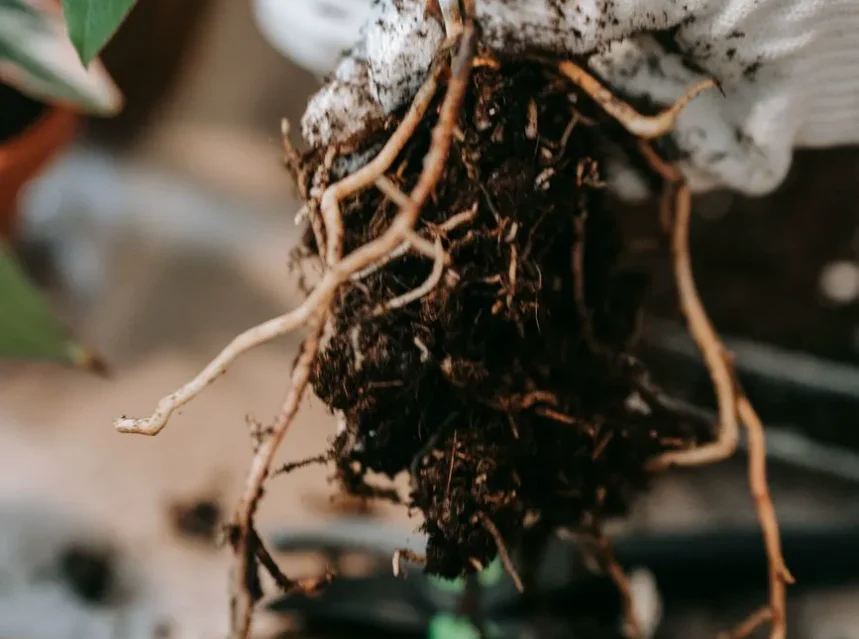
Root rot is the decay of a plant’s roots, caused by waterlogged soil and the fungi that thrive in it, and it is the most common way houseplants are accidentally killed.
Root rot is the quiet killer of houseplants — and it almost always comes from kindness, namely too much water. By the time the leaves yellow and the plant wilts, the trouble is hidden below the soil, where roots are suffocating and decaying. The good news: caught in time, many plants can be saved.
This guide shows how to tell if your plant has root rot, how to rescue it step by step, and how to make sure it never happens again.
Quick fix: Stop watering. Unpot the plant, rinse the roots, and cut away any that are brown, soft, or smelly. Repot into fresh, fast-draining soil in a pot with drainage holes, and water sparingly while it recovers.
🧰 In a hurry? Jump straight to our tested picks for this guide ↓
Root rot at a glance
| Question | Answer |
|---|---|
| What it is | Roots decaying in soggy, airless soil |
| Main cause | Overwatering + poor drainage |
| Above-soil signs | Yellow, wilting leaves on wet soil |
| Root signs | Brown/black, soft, mushy, smelly roots |
| Fix | Repot, cut away rotten roots, fresh dry mix |
| Prevention | Drainage holes, water only when needed |
What is root rot?
Root rot is what happens when roots sit in waterlogged soil with no air. Roots need oxygen; in soggy soil they suffocate, die, and then opportunistic fungi move in and spread the decay. As the root system fails, it can no longer take up water — so confusingly, an overwatered plant often looks thirsty (drooping, yellowing) even though the soil is wet.
How to spot root rot
- Yellowing leaves and drooping while the soil is still wet (the classic giveaway).
- A soft, mushy base or stem; sometimes a sour, swampy smell from the soil.
- Soil that stays wet for many days and never seems to dry. Check before you water: push a finger in — if it is wet several centimetres down and the plant is still wilting, suspect rot, not thirst.
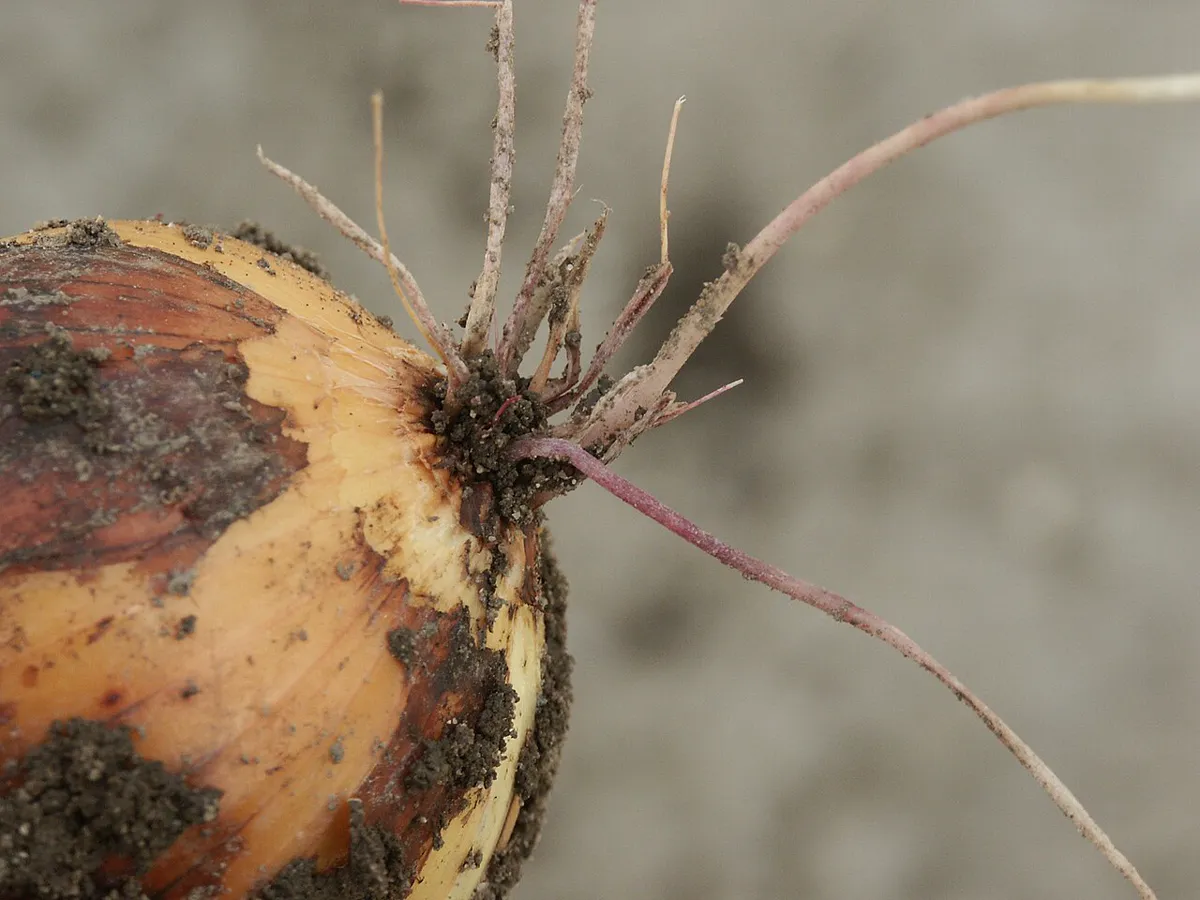
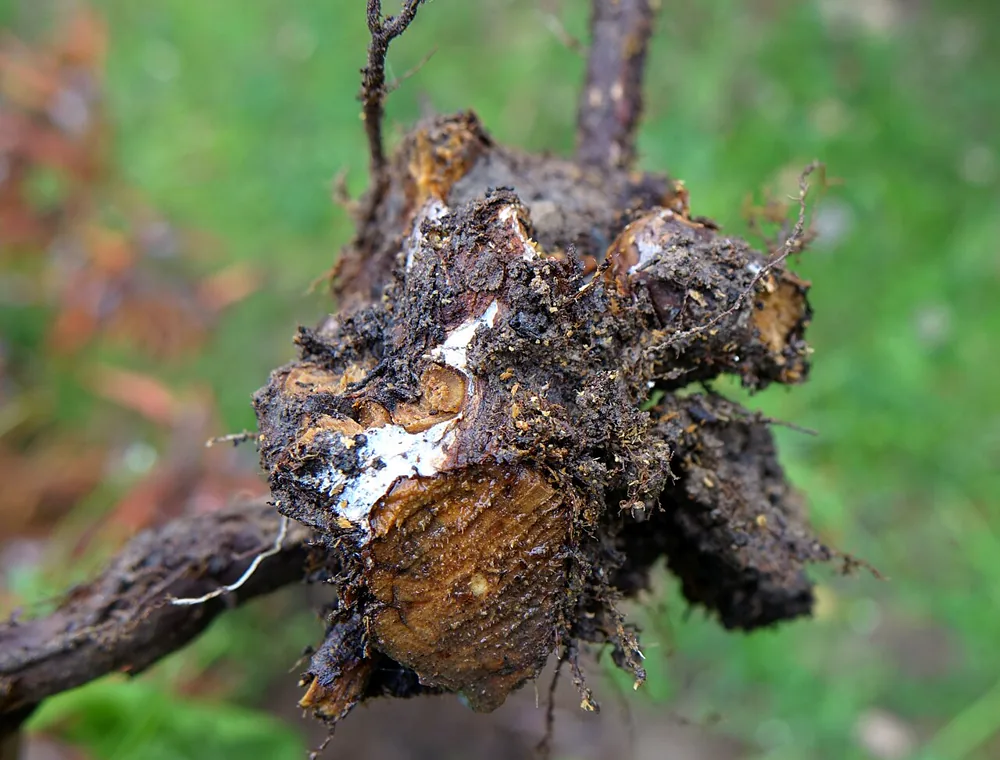
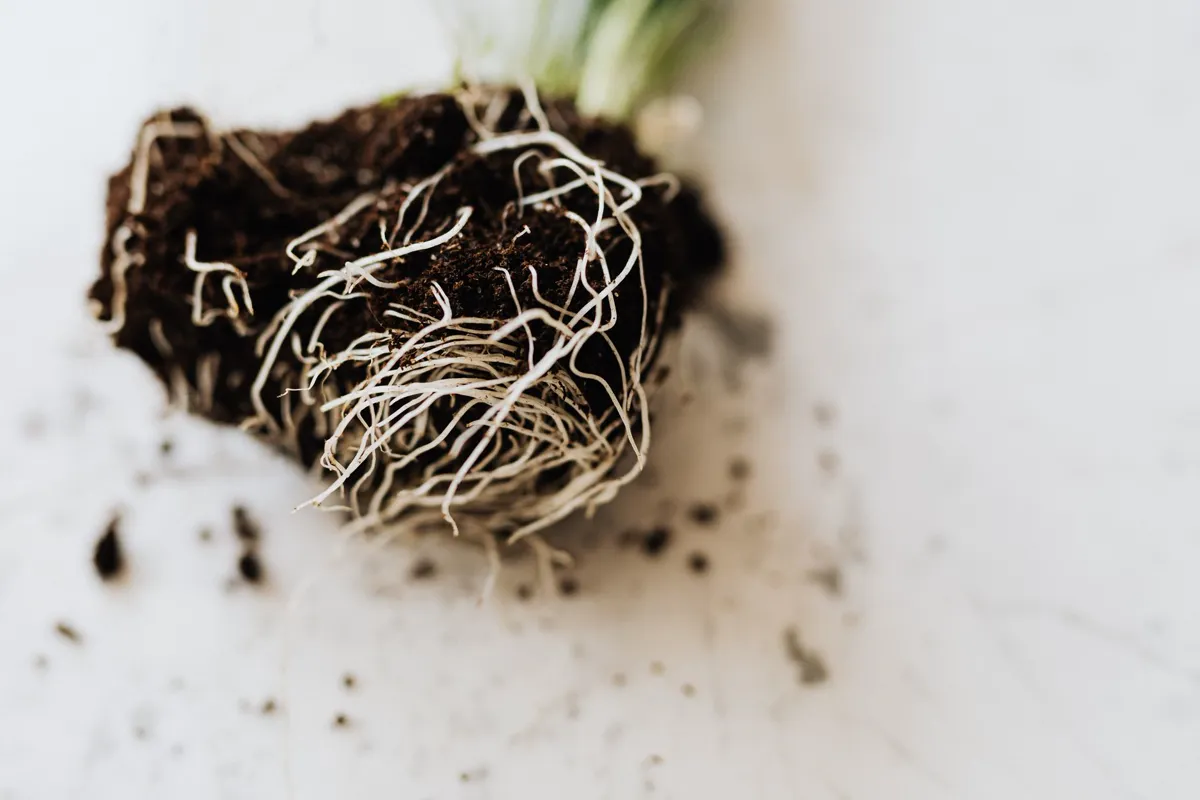
- The root test (decisive): healthy roots are firm and white or tan. Rotten roots are brown or black, soft, slimy, and pull apart easily.
What causes root rot
The causes are all about water and air:
- Overwatering — watering on a schedule instead of when the plant needs it.
- No drainage — pots without holes, or saucers left full of water.
- Dense, water-holding soil that never dries.
- Pots far too large for the plant, holding more wet soil than the roots can use.
In India the monsoon is peak root-rot season: humid air keeps soil wet for days, so ease right off watering during the rains.
How to save a plant with root rot (step by step)
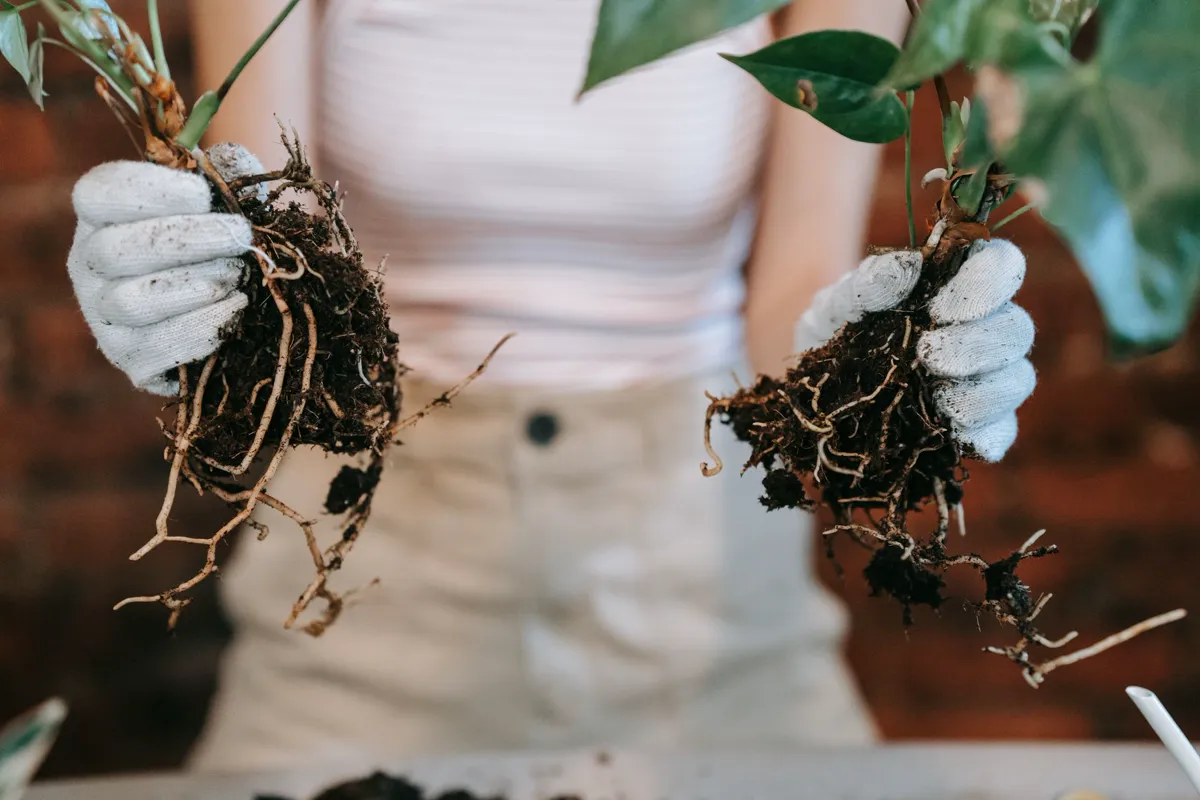
- Stop watering immediately and take the plant out of its pot.
- Rinse the roots gently under water to wash off the soggy soil so you can see them clearly.
- Trim the rot. With clean, sharp scissors, cut away every root that is brown, black, soft, or smelly — back to firm, healthy tissue. Don’t be shy; rotten roots won’t recover.
- Remove affected leaves too, so the smaller root system has less to support.
- Repot fresh and dry. Use new, fast-draining soil (see best potting mix for houseplants) in a clean pot with drainage holes, ideally one size smaller if you removed a lot of roots.
- Water sparingly at first and put it in bright, indirect light to recover. New healthy growth means the rescue worked.
👉 Rescue kit: a terracotta pot with drainage, a bag of fast-draining potting mix, and clean pruning snips.
How to prevent root rot
- Water only when needed — check the soil first; let it dry to the right depth for that plant. See how often to water plants.
- Always use drainage holes and empty the saucer after watering.
- Use a fast-draining mix with perlite or grit, especially for succulents and ferns.
- Right-size the pot; don’t over-pot. An oversized pot holds more wet soil than small roots can drink.
- Empty decorative outer pots too, not just saucers — a cache-pot quietly holding water is one of the commonest causes.
- Ease off in winter. When growth slows most plants need far less water, and cold + wet is exactly when root rot strikes hardest.
- Not sure which way you are erring? See overwatering versus underwatering.
- Drought-tolerant plants like the snake plant, ZZ plant, and aloe vera are far less prone if you let them dry out fully.
How to save a plant with root rot
Acting quickly gives the best chance of recovery. Remove the plant from its pot and gently shake or rinse the soil from the roots. Then, with clean scissors, cut away every soft, dark, rotten root until only firm, healthy tissue remains. It can feel drastic, but rotten roots cannot recover and will only spread the decay.
Next, repot into fresh, dry, free-draining compost in a clean pot with drainage holes. Do not reuse the old soggy soil, which is full of the fungi that caused the problem. If you removed a lot of roots, trim back some of the top growth too, so the reduced root system is not overwhelmed.
Then comes the hardest part: water sparingly and wait. The repotted plant needs barely any water at first, as its damaged roots cannot take much up. Place it somewhere warm with bright, indirect light, and resist the urge to fuss. With luck and patience, new white roots form and the plant slowly recovers.
In short, root rot is overwatering’s deadly endgame, but it is very preventable. Water only when the plant needs it, always use pots with drainage holes, and never let plants sit in standing water. Catch it early, cut away the rotten roots, repot into fresh dry mix, and water sparingly while new roots form. Steady, sensible watering is the single best protection there is.
Frequently asked questions
Can a plant recover from root rot?
Often yes, if some firm white roots remain. Trim away all the rotten roots, repot in fresh dry soil with drainage, and water carefully — new growth signals recovery.
Why is my plant drooping even though the soil is wet?
That usually means root rot, not thirst. The damaged roots can’t take up water. Don’t add more water — unpot and check the roots.
What do rotten roots look like?
Brown or black, soft, mushy, and slimy, often with a sour smell. Healthy roots are firm and white or light tan.
How do I prevent root rot for good?
Water only when the soil needs it, use pots with drainage holes and a fast-draining mix, and never let pots sit in standing water.
Should I use a fungicide?
For most houseplants, removing the rotten roots and repotting in fresh dry soil is enough. A cinnamon dusting or fungicide on the cuts can help in stubborn cases, but fixing the watering is what matters most.
See also: why your mint leaves are turning yellow.
See also: why your lavender is dying.
See also: why your fiddle leaf fig leaves are turning brown.
See also: why your aloe leaves are turning brown.
See also: why your succulent is turning yellow.
See also: why your orchid leaves are turning yellow.
See also: why your snake plant is drooping.
See also: why your pothos leaves are turning yellow.
See also: why your monstera leaves are turning yellow.
See also: why are my pothos leaves turning brown.
See also: why is my succulent turning mushy.
See also: why are my snake plant leaves wrinkling.
See also: why is my aloe plant drooping.
See also: why is my fiddle leaf fig dropping leaves.
See also: why is my jade plant dropping leaves.
See also: why is my zz plant turning yellow.
See also: why is my lemon tree losing leaves.
Can root rot spread to other plants?
Yes. The water moulds behind most root rot, such as Pythium and Phytophthora, travel in water, contaminated soil, and on dirty tools or pots. A plant sitting in a shared drip tray can pass spores to its neighbours through the runoff. To stop the spread, isolate the sick plant, throw away its old compost, wash the pot with hot soapy water, and clean your scissors with rubbing alcohol before touching healthy plants. Never tip infected soil into garden beds or the compost pile, whether you garden in a cool climate or through an Indian monsoon.
What does root rot smell like?
Rotting roots give off a sour, swampy smell, a bit like stagnant pond water or rotten eggs. Healthy compost smells earthy and fresh, so a foul odour rising from the pot is one of the most reliable early warnings. The smell comes from bacteria breaking down dead root tissue in airless, waterlogged soil. If you notice it, slide the plant out of its pot the same day and inspect the roots. Catching the problem at the smelly stage, before most leaves collapse, gives you a far better chance of saving the plant.
Does hydrogen peroxide help with root rot?
Diluted hydrogen peroxide can help as part of a rescue, not as a stand-alone cure. Mix one part 3% hydrogen peroxide with three parts water and use it to rinse trimmed roots or moisten fresh soil after repotting. It kills some fungi and bacteria and briefly adds oxygen around the roots. However, it cannot revive roots that are already mushy, and strong doses can damage fine root hairs, especially on orchids. Always cut away the dead tissue and fix the drainage first; the peroxide rinse is only the finishing step.
Does cinnamon work on root rot?
Cinnamon is a useful natural helper because it has mild antifungal and antibacterial properties. After you trim off the rotten roots, dust a thin layer of plain, unflavoured cinnamon powder over the cut surfaces before repotting into fresh, free-draining mix. This helps seal the wounds and slows new infection. It is cheap and easy to find in any kitchen, from the US to India. That said, cinnamon only protects the cuts; it will not save a plant if the soil stays waterlogged, so correct your watering habit as well.
How quickly does root rot develop?
In constantly soggy soil, roots can begin to suffocate and rot within days, though the damage usually stays hidden for one to three weeks before leaves yellow or droop. Warm, humid conditions speed it up, which is why houseplants decline fast during a rainy monsoon spell or in overheated winter rooms with cold, wet compost. Because the first visible symptoms appear late, check the roots promptly whenever soil stays wet for more than a week. Early inspection catches the rot while enough white, firm roots remain to rebuild the plant.
Can root rot go away on its own?
Very early root rot can sometimes stall if the soil dries out quickly and the plant still has plenty of healthy roots. But once roots turn brown and mushy, the rot will not reverse by itself, because dead tissue keeps feeding the fungi in the pot. Waiting almost always makes things worse. The safe response is to act: unpot the plant, cut the damaged roots back to clean tissue, repot in fresh well-draining mix, and water only when the top few centimetres of soil feel dry.
Can I reuse the soil from a plant that had root rot?
No, do not reuse it for potted plants. The old compost carries fungal spores and water-mould structures that survive drying and can infect the next plant you pot into it. Bag it and bin it, or spread it thinly over an ornamental outdoor border away from vegetable beds, where sun and soil life reduce the risk. Wash the pot in hot soapy water or a 10% bleach solution before reuse. Fresh, sterile potting mix is cheap insurance compared with losing another plant to the same disease.
Sources and further reading
Still stuck? Ask the Plant Doctor
Describe the problem — yellow leaves, holes, no flowers — and get a clear answer in seconds. FreeAI can make mistakes. Answers are guidance, not a guarantee — check anything important against the guide it links to, and always read the label on any product before you use it.