Why Are My Monstera Leaves Turning Yellow? 8 Causes and Fixes
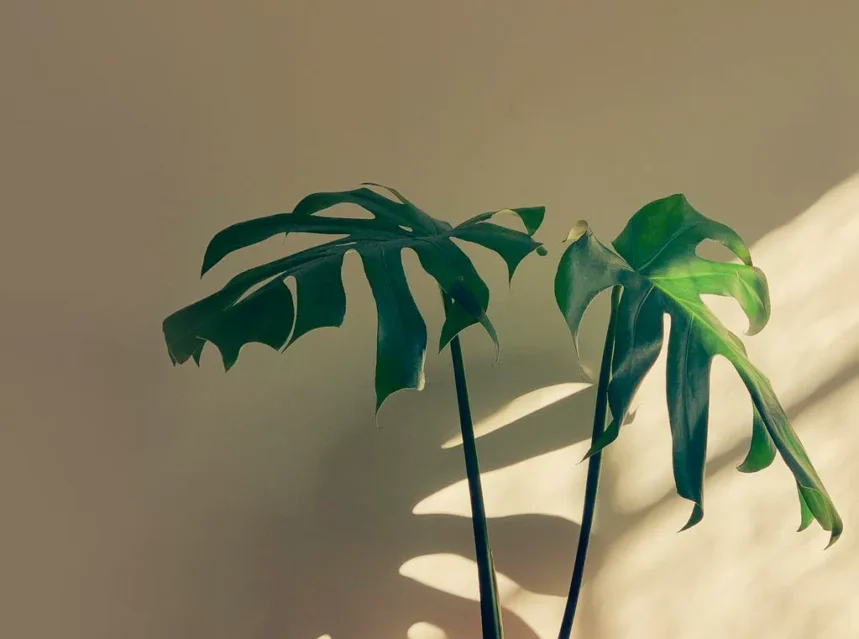
Why are my monstera leaves turning yellow? Nine times out of ten it is overwatering — soggy soil suffocating the roots — with too little light, low humidity or hunger behind most of the rest. The good news is that monstera is forgiving. Read the pattern, fix the one cause, and new leaves come through green.
Quick answer: Yellow leaves with wet, heavy soil mean overwatering. Yellow with dry, crispy soil means thirst. Older, lowest leaves yellowing while the top grows is natural. Pale, slow whole-plant yellowing means low light or hunger. Match the cause below.
🧰 In a hurry? Jump straight to our tested picks for this guide ↓
Why are my monstera leaves turning yellow? Quick diagnosis
| What you see | Most likely cause |
|---|---|
| Yellow leaves, soil stays wet and heavy | Overwatering or poor drainage |
| Yellow, crispy leaves, soil bone-dry | Underwatering |
| Pale, slow growth, small new leaves | Too little light |
| Brown crispy edges then yellowing | Low humidity |
| Uniform pale yellow over months | Nutrient hunger |
| Fine speckling, faint webbing | Spider mites |
| One old, lowest leaf yellows slowly | Natural ageing |
| Soil dense, water sits on top | Wrong, water-holding potting mix |
Overwatering: the number one cause
Overwatering yellows more monsteras than everything else combined. The problem is not love — it is airless, waterlogged soil.
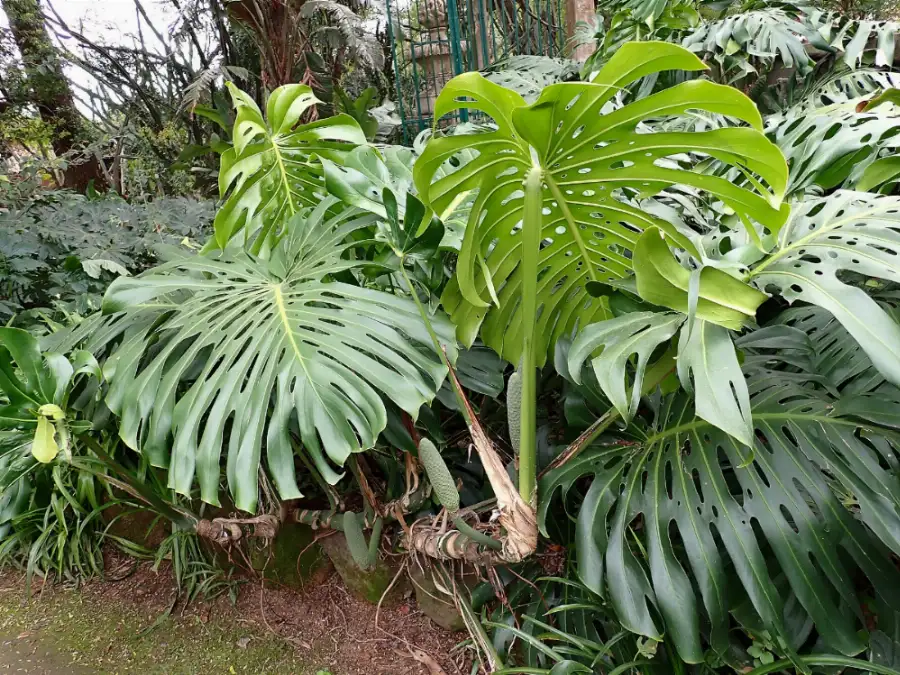
When roots sit in wet mix, they cannot breathe and begin to rot. Yellowing spreads, and the base of the stem may soften. Only water when the top 5 to 7 cm (2 to 3 inches) of soil is dry.
Always use a pot with drainage holes, and never leave the plant standing in a full saucer. The University of Connecticut warns that waterlogged compost is the classic route to root rot, echoed in the UConn Home & Garden monstera factsheet. Our guide to how often to water plants shows how to judge it.
The wrong soil makes it worse
Monstera roots crave air. A dense, peaty mix that stays wet suffocates them just like overwatering does.
Repot into a chunky, free-draining aroid mix — potting soil loosened with orchid bark, perlite and a little charcoal. It drains fast yet holds a little moisture. Our houseplant potting mix guide and repotting guide walk through it.
Underwatering: the opposite mistake
Too little water yellows monsteras too. The clue is the soil, not the leaf.
When the mix goes bone-dry, the plant cannot pull up water. So the leaves lose colour, feel thin and papery, and the edges turn crispy. Lift the pot — a dry one feels surprisingly light.
The fix is simple. Water thoroughly until it runs from the drainage holes, then let the top few centimetres dry before the next drink. A steady rhythm beats both extremes. If the mix has pulled away from the pot sides, soak the whole pot in a basin for ten minutes to rewet it fully.
Too little light
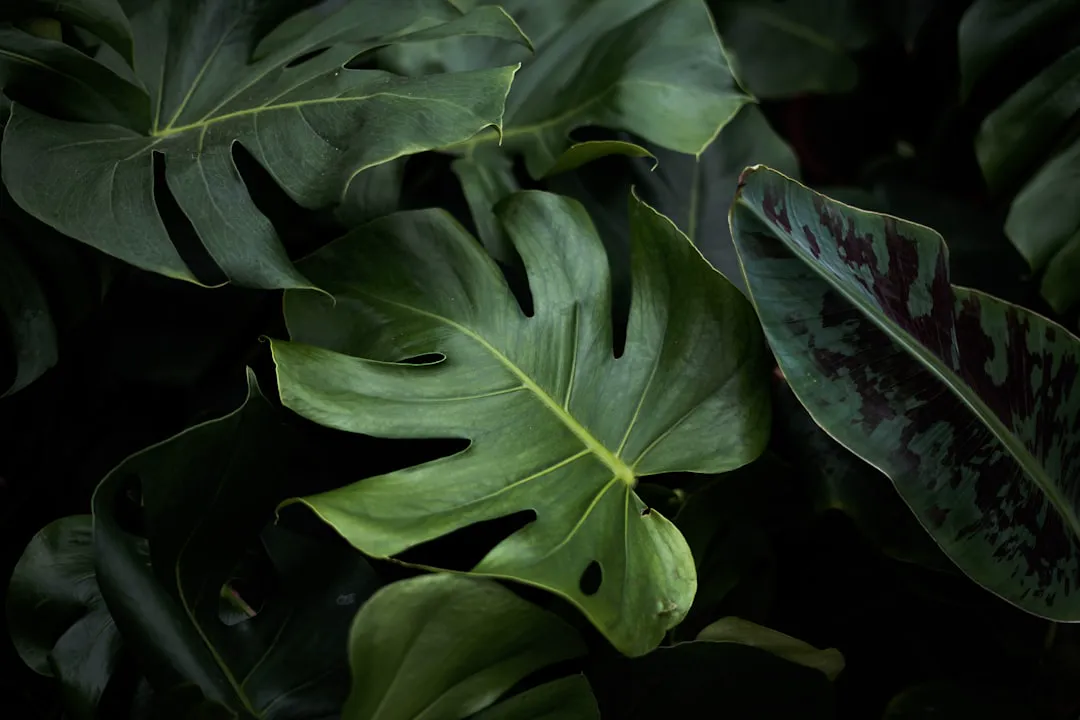
Monsteras want bright, indirect light. In a dim corner they slow down, and older leaves yellow as the plant cannot power them all.
Move it near an east- or west-facing window, or further into a bright room, but out of harsh direct sun that scorches the leaves. In a dark home, a grow light makes the difference. New leaves will also be bigger and more fenestrated with more light.
Rotate the pot a quarter turn each week too. This keeps the plant from leaning toward the glass and helps every leaf earn its share of light.
Humidity, feeding and cold
Dry air browns leaf edges first, which then yellow. Monstera enjoys moderate humidity, so group plants or use a humidity tray in a dry room.
Hunger yellows the plant slowly and evenly. Feed monthly through spring and summer with a diluted houseplant fertiliser, and rest it in winter. Cold draughts below about 12°C (54°F) can yellow leaves too, so keep it away from cold windows and doors.
Pests and natural ageing
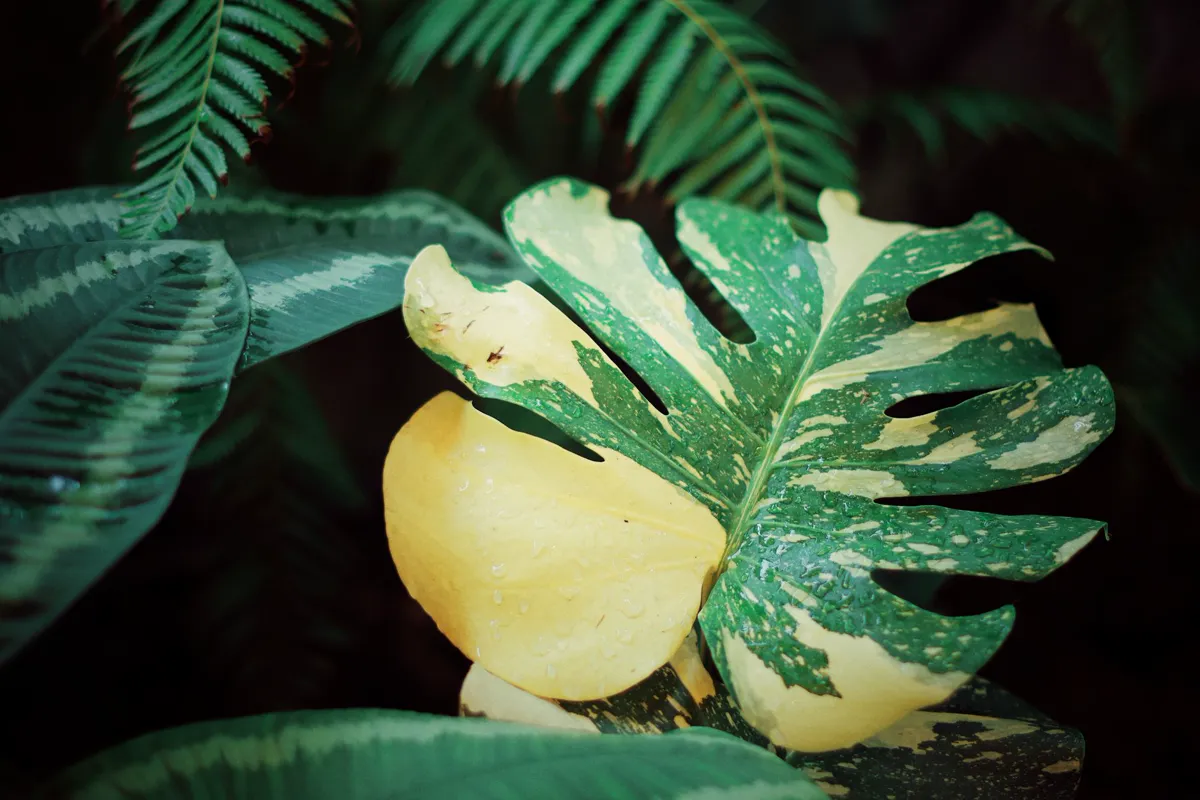
Sap-sucking spider mites speckle the leaves yellow and leave faint webbing, thriving in dry indoor air. Wipe the leaves, raise humidity, and treat if needed, as our spider mite guide explains.
Finally, not all yellow is a problem. If the lowest, oldest leaf yellows slowly while healthy new leaves unfurl on top, that is natural ageing. Simply snip it off. The University of Minnesota Extension notes monstera sheds old leaves as it climbs.
Rescuing a monstera with root rot
Sometimes the yellowing has already reached the roots. Act fast, but stay calm — many plants bounce back.
First, slide the plant out of its pot and check the roots. Healthy roots look firm and pale. Rotten ones are brown, mushy and smell sour.
Next, snip away every soft root with clean scissors. Rinse what is left, then repot into fresh, chunky mix and a clean pot with drainage. After that, water sparingly while it recovers. The University of Minnesota Extension advises removing all damaged tissue before replanting.
How to prevent yellow monstera leaves
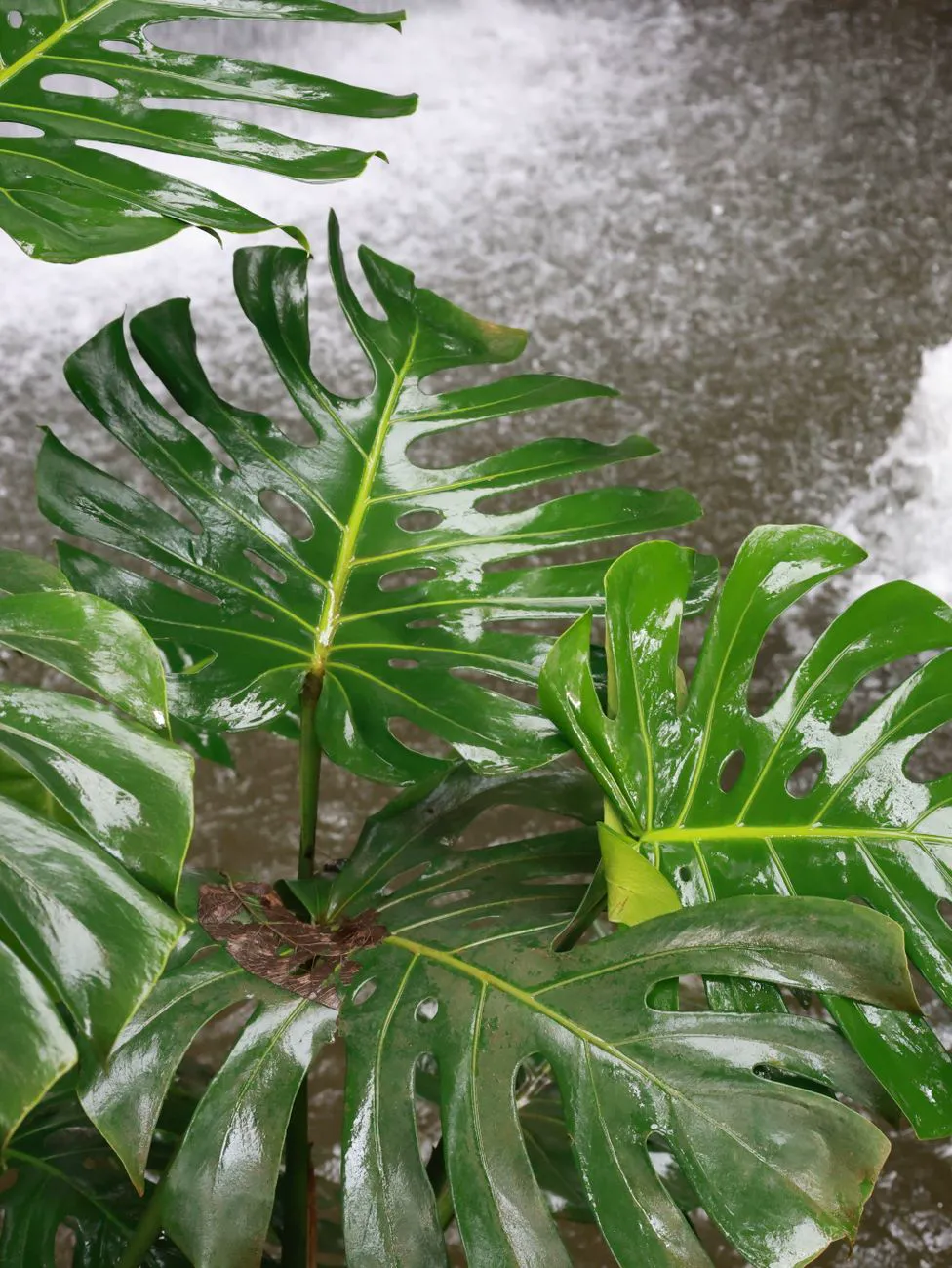
Prevention beats rescue every time. A few steady habits keep leaves green for years.
Check the soil before you water, not the calendar. Give the plant bright, indirect light, and keep it in a snug pot with drainage. Feed lightly through spring and summer, and wipe the leaves now and then to spot mites early.
Spring is also the best time to repot or divide a crowded monstera. Warm, longer days help it settle and push out fresh, well-split leaves.
Yellow monstera leaves in Indian homes
Two settings yellow monsteras fast. Low-light flats starve the plant of light, and overwatered pots without drainage rot the roots — often together.
In India, the humid monsoon means pots dry slowly, so water far less in the rains and make sure the mix drains freely. In dry winter heating or peak summer AC, mist or tray for humidity. The wider view is in our why plant leaves turn yellow hub.
New plants and seasonal yellowing
A monstera fresh from the shop often drops a leaf or two. This is shock, not failure.
The plant is adjusting to new light, humidity and watering. Give it a bright, stable spot and hold off on repotting for a few weeks. Once settled, it steadies and grows again.
Season matters as well. Growth slows in autumn and winter, so the odd old leaf may yellow and fade. Water less in these cooler months, and expect faster, greener growth to return in spring.
How to fix yellow monstera leaves
- Check the soil — if it is wet and heavy, stop watering and let it dry.
- Make sure the pot drains and the mix is chunky, not dense.
- Move the plant to bright, indirect light.
- Raise humidity and feed monthly in the growing season.
- Snip off old lower yellow leaves and check for spider mites.
A yellowed leaf will not turn green again, so judge recovery by the fresh leaf unfurling at the top. Change one thing at a time, then wait a week or two. Chasing every fix at once only makes the real cause harder to spot.
Frequently asked questions
Should I cut yellow leaves off my monstera?
Yes. A yellow leaf will not re-green, so snip it at the base with clean scissors. This tidies the plant and lets it send energy to healthy new growth. Fix the underlying cause too, or more will follow.
Will my monstera recover from yellow leaves?
Usually yes. Once you correct watering, light or feeding, the plant stops yellowing and pushes out healthy new leaves. Only advanced root rot, with a soft, blackened stem base, is hard to reverse.
Do yellow monstera leaves mean overwatering?
Most often, yes. Overwatering and dense, water-holding soil are the top causes. If the soil is wet and heavy, ease off and let the top few inches dry before watering again.
Why is only one lower monstera leaf turning yellow?
A single old, lowest leaf yellowing while new leaves grow on top is natural ageing, not a problem. Just remove it. Worry only when several leaves yellow at once or new growth is affected.
How often should I water a monstera so the leaves stop yellowing?
There is no fixed schedule. Push a finger into the mix and water only when the top 5-7 cm feel dry. In a bright, warm room that often works out to once every 7-10 days in summer and every 2-3 weeks in winter. In humid Indian monsoon weather the pot can stay damp far longer, so stretch the gap and always tip out water sitting in the saucer. Feeling the soil beats following a calendar every time.
Can underwatering also turn monstera leaves yellow?
Yes, though it looks different. A thirsty monstera first goes limp, the mix pulls away from the pot edge, and leaf edges turn crisp and brown before the whole leaf fades to yellow. Overwatered leaves feel soft and the soil stays wet. If the pot feels feather light, soak it slowly until water runs from the drainage holes, then let it drain fully. Dry spells during a hot Indian summer are a common trigger.
Does low light make monstera leaves turn yellow?
It can. A monstera parked in a dim corner cannot photosynthesise enough, so it drops older leaves to save energy and those leaves pale to yellow first. Growth also slows and new leaves come out small with few splits. Move the plant within a metre or two of a bright window with filtered light. An east-facing window works well in most homes, and a sheer curtain softens harsh afternoon sun.
Can too much direct sunlight turn monstera leaves yellow?
Yes. Monsteras evolved under a rainforest canopy, so hours of direct sun scorch them. You will see bleached yellow patches, crisp brown edges, and a washed-out look on the leaves facing the glass. Damage shows on sun-facing leaves only, which is the giveaway. Pull the plant back from the window or add a sheer curtain. On hot terraces and balconies in India, morning sun is fine but midday sun needs shade cloth.
Do yellow monstera leaves mean a nutrient deficiency?
Sometimes. A monstera that has sat in the same pot for years often runs short of nitrogen, and the oldest leaves fade to an even pale yellow while new growth stays small. Magnesium or iron shortage looks different, with yellow between still-green veins. Feed a balanced liquid houseplant fertiliser at half strength once a month through spring and summer, then stop in winter. Always water first, then feed, so the roots are not burnt.
Should I repot my monstera if its leaves are turning yellow?
Repot only if there is a real reason. Good reasons are soil that stays soggy for days, roots circling out of the drainage holes, or a sour smell that suggests rot. In that case move to a pot one size up with a chunky aroid mix of potting soil, perlite, orchid bark and a little coco peat. If the mix drains well and the roots look firm and white, fix the watering instead and leave the pot alone.
Can low humidity cause yellow leaves on a monstera?
Low humidity alone rarely turns a whole leaf yellow, but it starts the process. Dry indoor air, especially near an air conditioner or heater, crisps the leaf edges and tips brown, and the rest of the leaf then fades. Aim for roughly 50 to 60 percent humidity. Grouping plants together, a pebble tray, or a small humidifier all help. In coastal Indian cities the natural humidity is usually plenty on its own.
Can pests make monstera leaves turn yellow?
Yes. Spider mites, mealybugs, scale and thrips all feed on leaf sap, which leaves fine yellow speckling or stippling rather than an even fade. Check the leaf undersides and the joints where stalk meets stem, and look for webbing, sticky residue or tiny white specks. Wipe the leaves with soapy water, then treat with neem oil spray every seven days for three weeks. Dry, dusty conditions make spider mite outbreaks far more likely.
Why are the new monstera leaves turning yellow instead of the old ones?
New growth yellowing is more serious than an old leaf fading. It usually points to root damage from soggy soil, cold draughts, or a shortage of mobile nutrients such as iron. Slide the plant out of its pot and check the roots: healthy ones are firm and pale, while rotting roots are brown, mushy and smell bad. Trim damaged roots, repot into fresh airy mix, and keep the plant warm and evenly moist while it recovers.
Related guides
- Root rot
- Best potting mix for houseplants
- How to repot a plant
- Spider mites
- How often to water plants
- Why are my plant leaves turning yellow?
See also: monstera leaves not splitting.
Still stuck? Ask the Plant Doctor
Describe the problem — yellow leaves, holes, no flowers — and get a clear answer in seconds. FreeAI can make mistakes. Answers are guidance, not a guarantee — check anything important against the guide it links to, and always read the label on any product before you use it.