How to Repot a Plant (The Right Way, Step by Step)
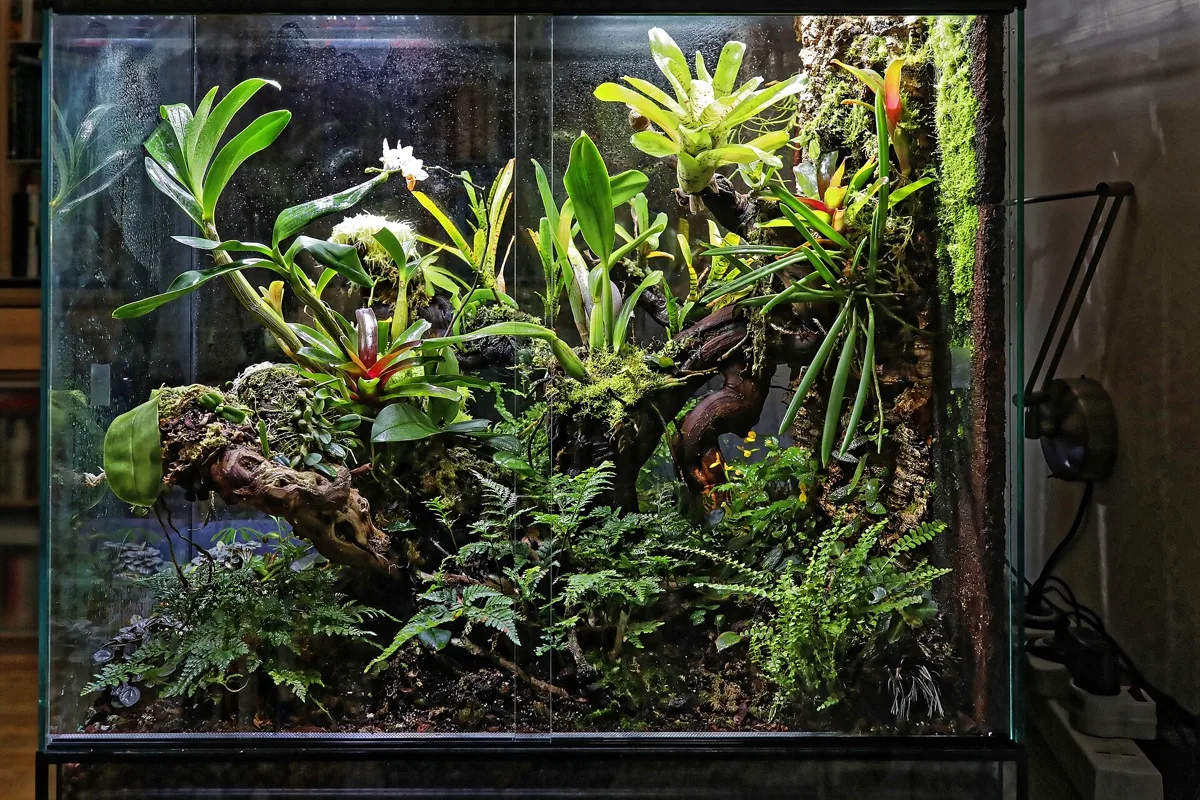
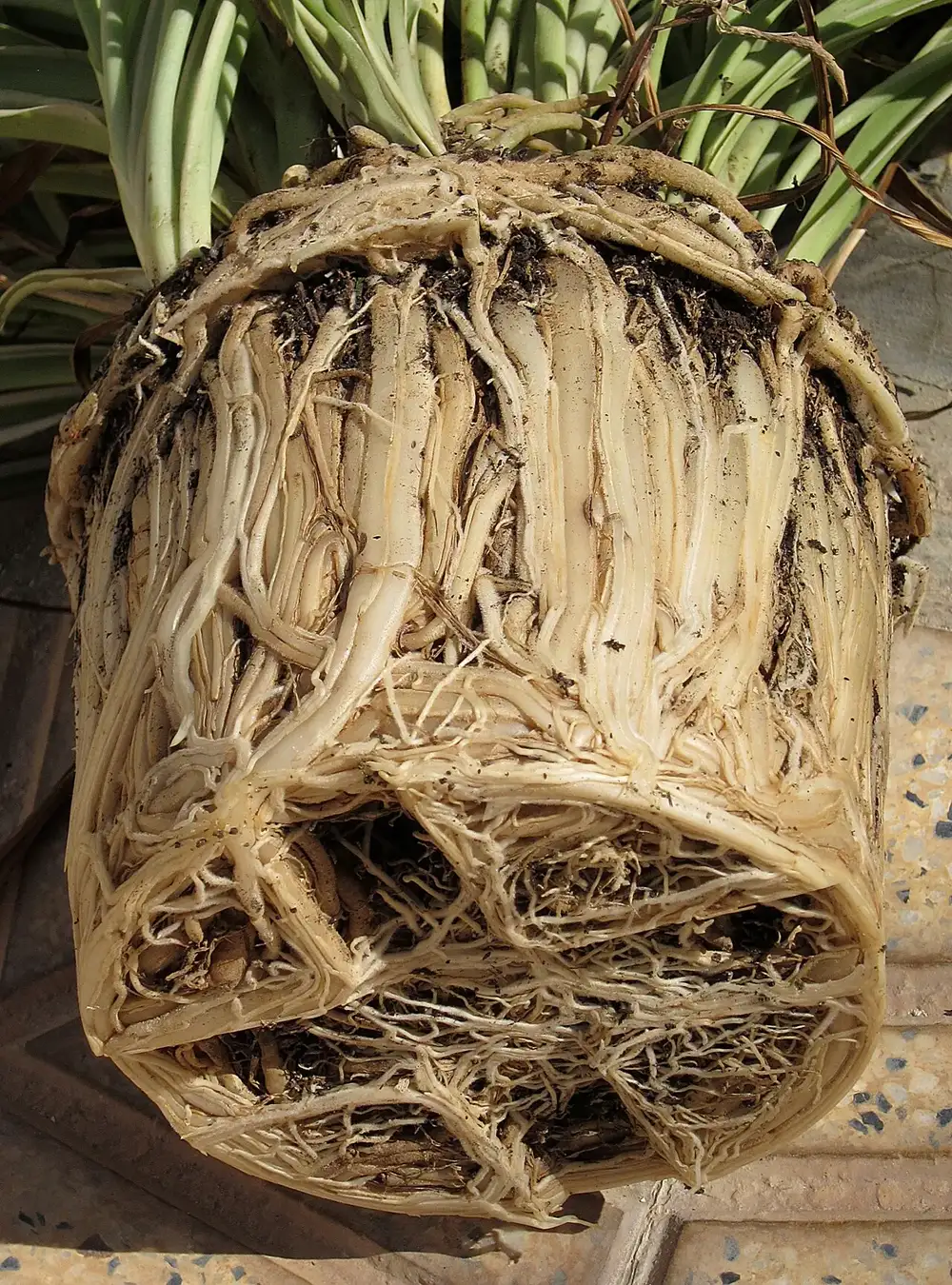
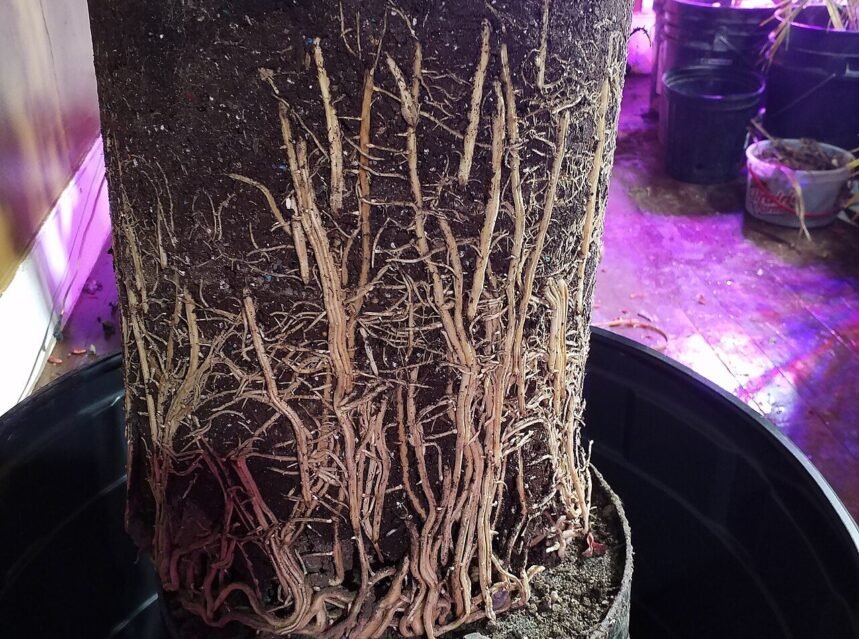 Photo: B137 (CC BY-SA 4.0) via Wikimedia Commons
Repotting a plant is moving it into a slightly larger pot with fresh potting mix, which you do in spring by loosening the roots, settling it at the same depth, and watering it in. Sooner or later, every potted plant outgrows its home. Repotting sounds intimidating, like surgery you are bound to botch, but it is genuinely one of the simplest, most satisfying things you can do for a plant. Done right, a tired, root-bound plant springs back to vigorous growth. Here is how to repot a plant the right way.
Quick answer: To repot a plant, do it in spring, move up just one pot size, and use fresh potting mix in a pot with drainage. Water the day before, ease the plant out, gently loosen the roots, set it at the same depth in fresh mix, and water it in. Do not jump to a giant pot, as oversized pots hold too much water and cause rot.
🧰 In a hurry? Jump straight to our tested picks for this guide ↓
Repotting at a glance
| Step | Key point |
|---|---|
| When | Spring, as growth resumes |
| Pot size | Just one size up (2–5 cm wider) |
| Soil | Fresh potting mix; pot with drainage |
| Roots | Loosen gently, trim mushy ones |
| Depth | Same as before; do not bury stem |
| Aftercare | Water in; no feed for ~a month |
How to know when a plant needs repotting
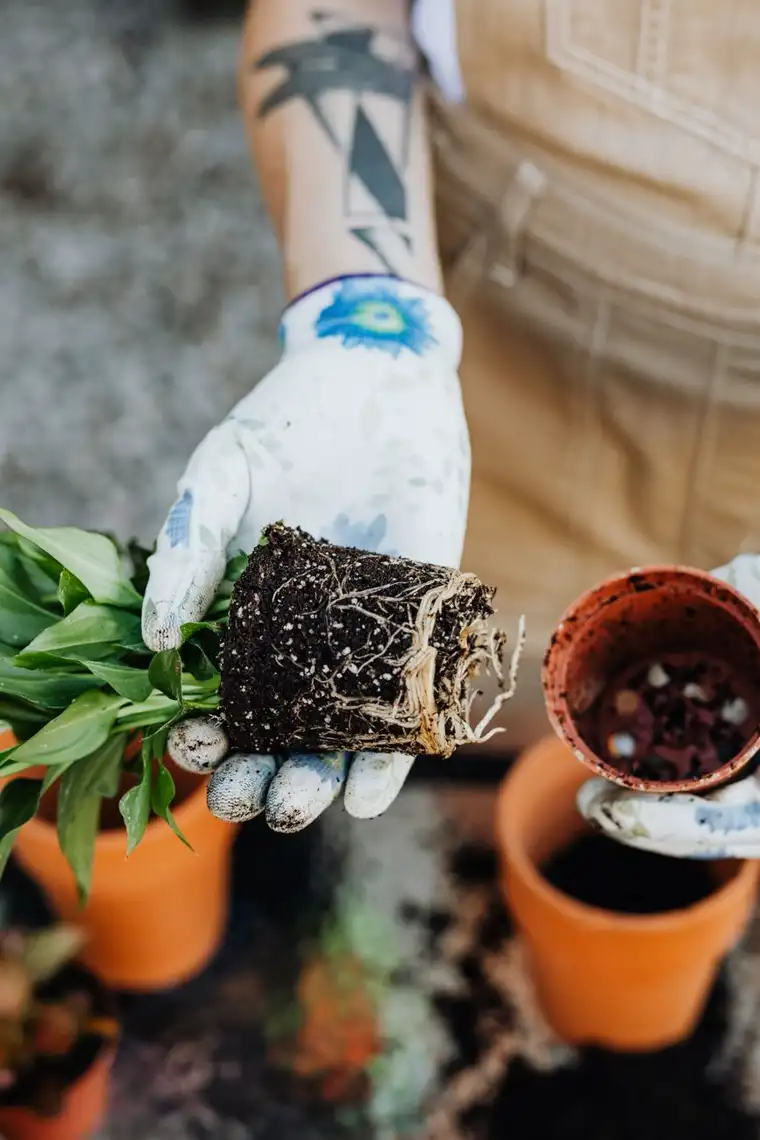
A plant tells you when it is ready for a bigger home. Watch for these clear signs.
- Roots growing out of the drainage holes or circling the surface.
- Water runs straight through without soaking in (the pot is all roots, no soil).
- The plant dries out very quickly and needs constant watering.
- Growth has stalled, or the plant looks top-heavy and tips over.
- It has been one to two years since the last repot.
Not every problem needs a repot, though. A plant struggling from overwatering or low light needs those issues fixed, not a new pot.
When to repot
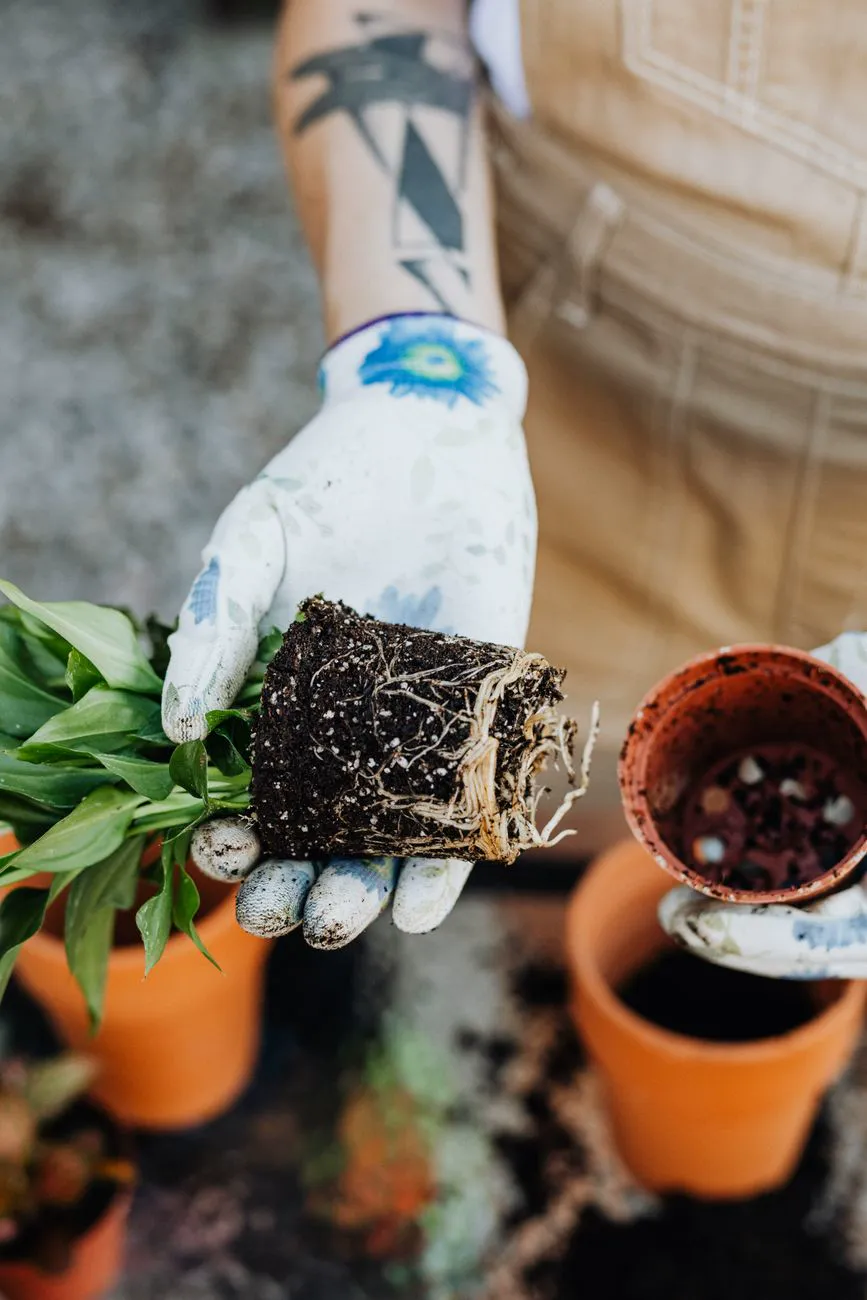
Timing matters, and the best time is spring, as the plant enters its active growing season and recovers quickly. Early summer is fine too.
Avoid repotting in the depths of winter, when most plants are resting, unless it is an emergency like root rot. For seasonal timing on outdoor plants, see our spring gardening checklist. Repotting a plant in growth means it quickly roots into the fresh mix.
Choosing the right pot
Go up just one size, typically 2 to 5 cm wider in diameter. This is the most important rule in repotting.
It is tempting to “give it room to grow” with a much bigger pot, but that is a classic mistake. A large volume of soil stays wet long after the small root ball has drunk its fill, leading to soggy roots and rot. Always pick a pot with a drainage hole.
How to repot a plant, step by step
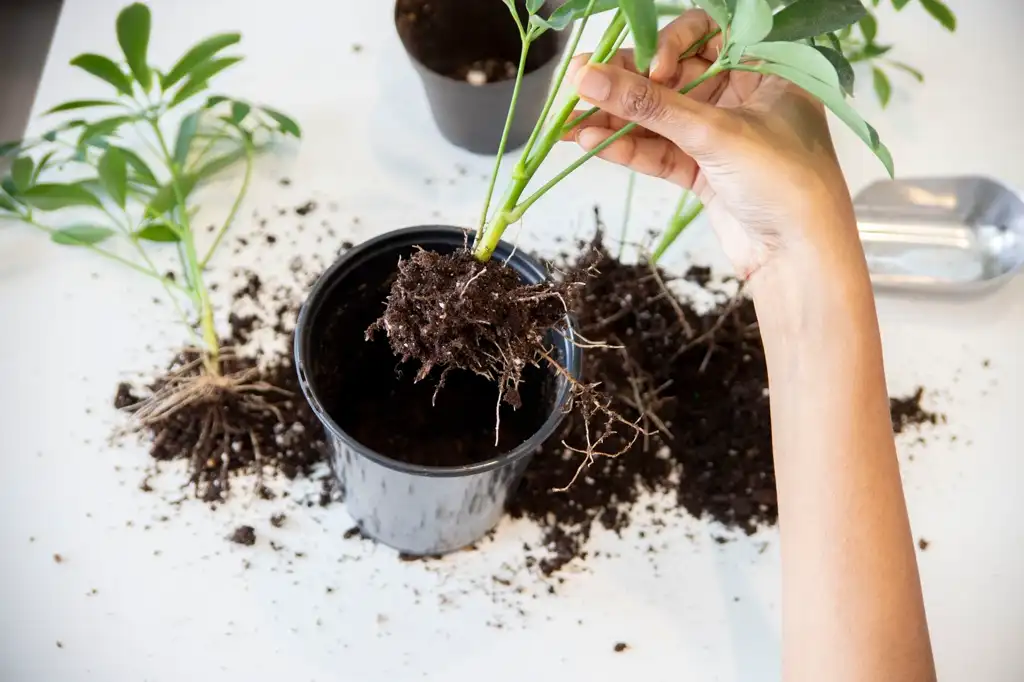
The actual process takes only a few minutes once you have your pot and fresh mix ready. Follow these steps.
- Water the day before, as a lightly moist root ball slides out more easily and is less stressed.
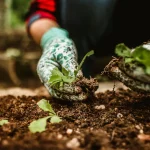
- Remove the plant gently: tip the pot sideways and ease it out, supporting the base. Never yank it by the stem.
- Inspect and loosen the roots, teasing apart circling ones and trimming any mushy, black roots with clean scissors.
- Add fresh mix to the new pot so the plant will sit at the same depth as before — a hand trowel scoops mix in faster and tidier than pouring from the bag.
- Position and fill, centring the plant and firming fresh mix around it, leaving a gap below the rim for watering.
- Water it in thoroughly to settle the soil and remove air pockets, then let it drain.
What soil to use
Fresh potting mix is part of what makes repotting so beneficial, as it restores nutrients and structure. Match the mix to the plant.
Use a quality potting mix for most houseplants, a free-draining cactus mix for succulents, and a chunky, airy mix for orchids and aroids. Never use heavy garden soil, which compacts in pots and drains poorly. Good fresh mix gives the roots the air and moisture balance they need.
Aftercare
A freshly repotted plant needs a little extra care while it settles. Give it gentle conditions for a week or two.
Keep it out of harsh direct sun, hold off on fertilizing for about a month (fresh mix usually has nutrients, and tender new roots can be burned by feed), and do not be alarmed by a brief pause in growth or a slightly droopy day. That is normal transplant shock and it passes quickly. Resume normal watering once new growth appears.
Should you put rocks at the bottom for drainage?
This is a popular myth worth busting. A layer of gravel or rocks at the bottom of a pot does not improve drainage.
In fact, it raises the waterlogged zone closer to the roots, which is the opposite of what you want. The real key to drainage is a quality well-draining mix and a pot with a proper drainage hole. Houseplant guidance from Britannica confirms that drainage holes and suitable potting media matter far more than any gravel layer. Skip the rocks.
Repotting vs potting up vs top-dressing
Repotting is not always the answer, and two related techniques are often better. Knowing the difference helps you choose.
Potting up means moving a plant into the next size pot as it grows, which is just routine repotting. Top-dressing means scraping off the top few centimetres of old mix and replacing it with fresh compost, ideal for large plants too big to repot. Refreshing the surface this way restores nutrients without disturbing the roots. Houseplant guidance from the Royal Horticultural Society suggests top-dressing big specimens and fully repotting only every couple of years.
Repotting plants in India & warm climates
In India and other warm regions, the principles are the same, but timing bends to the climate. Avoid repotting during the most extreme heat.
Repot in the milder weather of late winter and spring, or after the monsoon, rather than in peak summer when the heat adds stress. Coir-based potting mixes are cheap, local, and drain well in humid conditions. Keep newly repotted plants in shade for a couple of weeks, and ensure pots drain freely, since waterlogging during the monsoon is a common cause of root rot.
Frequently asked questions
When is the best time to repot a plant?
Spring is ideal, as the plant is entering active growth and recovers quickly. Early summer also works. Avoid repotting in winter when plants are resting, unless it is an emergency like root rot.
How big a pot should I repot into?
Only one size up, about 2 to 5 cm wider in diameter. A much bigger pot holds excess wet soil around the small root ball and leads to rot, so resist the urge to go large.
Should I put rocks at the bottom of the pot for drainage?
No, this is a myth. Rocks actually raise the waterlogged zone closer to the roots. Good drainage comes from a quality well-draining mix and a pot with a proper drainage hole.
Why is my plant drooping after repotting?
A brief droop or pause in growth is normal transplant shock and passes within days. Keep it out of harsh sun, water it in well, and avoid fertilizing for about a month while the roots settle.
How do I know if my plant needs repotting?
Signs include roots growing out of the drainage holes or circling the surface, water running straight through, very fast drying, stalled growth, or it being one to two years since the last repot.
Can I repot a plant in summer in a hot climate?
It is better to repot in the milder weather of spring or after the monsoon rather than in peak summer heat. If you must, keep the plant well shaded and watered while it recovers.
How often should I repot houseplants?
Most need repotting every one to two years, or when roots fill the pot. Slow-growing plants go longer, and very large specimens are better top-dressed than fully repotted.
Should I water before or after repotting?
Both: water the day before so the root ball slides out easily, then water again after repotting to settle the fresh mix and remove air pockets around the roots.
Should I loosen or trim the roots when repotting?
If the roots are circling the pot in a tight spiral, yes — gently tease the outer roots loose so they grow outward into the new mix instead of continuing to strangle the plant. For a badly root-bound plant, trimming the thickest circling roots and shaving the base encourages fresh feeder roots. Healthy, loose root balls need no interference; just settle them into the new pot.
Can I reuse the same pot when repotting?
Yes. If you want to keep a plant at its current size rather than sizing up, trim the roots by a couple of centimetres, refresh with new potting mix, and return it to the same container. Wash the pot first with hot water and a little diluted bleach to clear any disease or salt crust. This root-prune-and-refresh method keeps large plants manageable for years.
What kind of soil should I use to repot?
Use a fresh, good-quality potting mix suited to the plant, not garden soil, which is too heavy and drains poorly in containers. Most houseplants do well in a peat-free multipurpose mix with added perlite for drainage. Succulents and cacti need a gritty, fast-draining blend, while orchids want a chunky bark mix. Matching the mix to the plant is half the job.
Still stuck? Ask the Plant Doctor
Describe the problem — yellow leaves, holes, no flowers — and get a clear answer in seconds. FreeAI can make mistakes. Answers are guidance, not a guarantee — check anything important against the guide it links to, and always read the label on any product before you use it.