
🌿 Grow a garden you'll love — practical gardening guides, plant care and honest tool reviews
Try the free AI Plant DoctorPropagationWinter SowingWhat is winter sowing in simple terms?When should I start winter sowing?Do winter sowing containers really need drainage holes?Seasonal GardeningLiving Christmas Tree CareHow long can a living Christmas tree stay…Can I keep the same living Christmas tree…Why is my potted Christmas tree dropping needles?Indoor GardeningHow to Force PaperwhitesHow long do paperwhites take to bloom?Do paperwhites need to be chilled before forcing?When should I plant paperwhites for Christmas flowers?Trees & ShrubsHow to Grow MistletoeCan you grow mistletoe from berries bought at…How long does mistletoe take to grow?What trees does mistletoe grow on?Seasonal GardeningWhat to Plant in AugustWhat vegetables can I plant in August?Is August too late to plant vegetables?What should I sow in August for winter?Seasonal GardeningWhat to Plant in JulyWhat vegetables can I plant in July?Is July too late to plant vegetables?Why are my July sowings not germinating?Seasonal GardeningWhat to Plant in JuneWhat vegetables can I plant in June?Is June too late to plant a vegetable…How do I know if a crop still…LandscapingNo Mow MayDoes No Mow May actually work?Why was the No Mow May study retracted?When should I mow after No Mow May?Seasonal GardeningWhat to Plant in MayWhat vegetables can I plant in May?Is it safe to plant tomatoes outside in…Can I still get late frosts in May?Outdoor GardeningMason Bee HouseDo mason bee houses actually work?Which direction should a bee house face?How high should a mason bee house be?Seasonal GardeningWhat to Plant in AprilWhat vegetables can I plant in April?Is it safe to plant out seedlings in…How do I harden off seedlings?PruningWhat to Plant in DecemberCan you plant anything outdoors in December?Is it too late to plant garlic in…What vegetables can I sow in December?Seasonal GardeningWhat to Plant in MarchWhat vegetables can I plant in March?Is March too early to plant vegetables outside?How do I know if the soil is…Seasonal GardeningWhat to Plant in FebruaryWhat seeds should I sow in February?Is February too early to sow tomatoes?Can I sow seeds directly outdoors in February?Seasonal GardeningWhat to Plant in JanuaryIs it too early to plant anything in…What vegetables can I sow indoors in January?Can I sow tomatoes in January?LandscapingClover LawnIs a clover lawn a good idea?How much clover seed do I need per…Is microclover better than regular white clover?Plant Problems & FixesVinegar Weed KillerDoes vinegar kill weeds permanently?What percentage of vinegar kills weeds?How long does vinegar take to kill weeds?Container GardeningMonsoon Terrace Garden ChecklistShould I water terrace plants during the monsoon?How often should I empty pot saucers in…Can a terrace slab take the weight of…Seasonal GardeningDiwali PlantsWhich plants are used for Diwali?When is Diwali in 2026?When should I sow marigold seeds for Diwali?Seasonal GardeningChristmas Gifts for GardenersWhat is the best Christmas gift for a…What do you buy a gardener who has…Is a gift card a lazy present for…Seasonal GardeningWhat to Plant in OctoberIs October too late to plant anything?What vegetables can I plant in October?Is it too late to plant tulip bulbs…Seasonal GardeningWhat to Plant in SeptemberIs September too late to plant vegetables?What vegetables can I still plant in September?What flowers should I plant in September?Seasonal GardeningWhat to Plant in NovemberIs it too late to plant tulips in…Is it too late to plant garlic in…What vegetables can I plant in November?HouseplantsWinter Houseplant CareHow often should I water houseplants in winter?Do houseplants really go dormant in winter?Should I fertilise houseplants in winter?Famous Gardens20 Most Famous Gardens in the World, Ranked…Which is the most famous garden in the…How many of these famous gardens are UNESCO…Which famous garden is the largest?Famous GardensBoboli Gardens FlorenceWhy is Boboli Gardens famous?How long does it take to walk around…Is Boboli Gardens worth visiting?Famous GardensEden Project Biomes PlantsIs the Eden Project mainly under cover?How many plants are at the Eden Project?How big is the Eden Project Rainforest Biome?Famous GardensBogor Botanical Gardens PlantsCan you see the rafflesia at Bogor Botanical…When does the corpse flower bloom at Bogor…How do you get to Bogor Botanical Gardens…Famous GardensNong Nooch Tropical Garden PlantsIs Nong Nooch worth visiting?How long do you need at Nong Nooch?Where exactly is Nong Nooch and how do…Famous GardensMonet Garden Giverny PlantsWhat is the most beautiful month to visit…Where is Monet's Japanese bridge?Can visitors walk on Monet's Japanese bridge?Famous GardensSingapore Botanic Gardens OrchidsIs the Singapore Botanic Gardens free?Is the National Orchid Garden worth visiting?Why is the Singapore Botanic Gardens a World…Famous GardensAmrit Udyan Mughal Gardens DelhiAre Amrit Udyan and the Mughal Gardens the…What does Amrit Udyan mean?When is the Amrit Udyan open to the…Famous GardensLalbagh Botanical Garden BangaloreWhen is the Lalbagh flower show held?What is the Glass House at Lalbagh?Who built Lalbagh Botanical Garden?Famous GardensBrindavan Gardens Mysore PlantsIs Brindavan Gardens the same as Vrindavan near…Does the musical fountain always run?Who built Brindavan Gardens and when?Famous GardensDubai Miracle Garden FlowersWhat months is Dubai Miracle Garden open?Why does Dubai Miracle Garden close in summer?Which flowers are used in Dubai Miracle Garden?Famous GardensLongwood Gardens PlantsHow long does it take to see Longwood…What is Longwood Gardens known for?How many plants does Longwood Gardens have?Famous GardensKenroku-en Japanese GardenWhy is Kenroku-en called the garden of six…Is Kenroku-en worth visiting?How long does it take to walk around…Famous GardensRyoan-ji Rock GardenWhy can you only see 14 of the…What do the 15 stones at Ryoanji represent?Who designed the Ryoan-ji rock garden and when?Famous GardensKirstenbosch Botanical Garden PlantsWhat is the best month to visit Kirstenbosch?How long do you need at Kirstenbosch?Is the Boomslang walk suitable for all ages?Famous GardensVersailles Garden DesignWho designed the gardens of Versailles?How big are the gardens of Versailles?How long does it take to walk around…Famous GardensGardens by the Bay PlantsIs Gardens by the Bay worth visiting?How long do you need at Gardens by…Which should you see first, the Cloud Forest…Famous GardensButchart Gardens FlowersWhy is Butchart Gardens famous?How long does it take to walk Butchart…Is Butchart Gardens worth visiting?Famous GardensKeukenhof Tulip GardenWhy is Keukenhof famous?How long does it take to walk around…When do the tulips bloom at Keukenhof?Famous GardensKew Gardens PlantsHow many plants are there at Kew Gardens?Who founded Kew Gardens and when?Is Kew Gardens a UNESCO World Heritage Site?Famous GardensVilla d’Este Gardens TivoliHow many fountains does Villa d'Este have?Who built Villa d'Este and when?Is Villa d'Este a UNESCO World Heritage Site?HouseplantsEpiscia CareWhy is my episcia not flowering?How do I propagate episcia?Is episcia safe for pets?FruitsHow to Grow DamsonCan you eat damsons raw?What is the difference between damson and bullace?Do damsons need a pollinator?FruitsHow to Grow CloudberryWhy are cloudberries so expensive?What does cloudberry taste like?Where does cloudberry grow in the UK?FruitsHow to Grow CherimoyaWhy did Mark Twain call cherimoya the most…Is cherimoya the same as custard apple?Are cherimoya seeds toxic?VegetablesHow to Grow Buffalo BerryIs buffaloberry edible?What does buffaloberry taste like?Do I need both male and female buffaloberry…
💌 Weekly tips
Join our free weekly newsletter
One short, practical email every week — what to do in your garden right now, plant fixes & honest tool picks.
🔒 No spam, ever. Unsubscribe in one click.🧭 Browse by category
⭐ Editor’s picks
🛒 Top garden picks
Some links are affiliate links — we may earn a small commission at no extra cost to you. Disclosure.
Bestseller🌱 Vegetable Seed Variety Pack30+ easy veggies for beginners — one pack, a whole season of food.Check Today's Price →
Top pick🧰 Garden Tool SetAll-in-one starter kit with carry bag — covers 95% of garden jobs.Check Today's Price →
Popular♻️ Vermicompost (Organic)Boosts any plant, chemical-free — the safest feed for edibles.Check Today's Price →
✂️ Bypass Pruning ShearsSharp, comfortable, long-lasting — clean cuts that heal fast.Check Today's Price →
New🌸 Flower Seed CollectionPollinator-friendly blooms mix — colour from spring to frost.Check Today's Price →
Value🧺 Fabric Grow Bags (Set)Perfect for terrace & balcony — roomy roots, no waterlogging.Check Today's Price →
🟤 All-Purpose Potting MixRich, free-draining blend — the right start for pots & containers.Check Today's Price →
🧤 Gardening GlovesThornproof, breathable grip — protect your hands, keep dexterity.Check Today's Price →
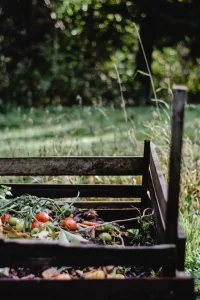
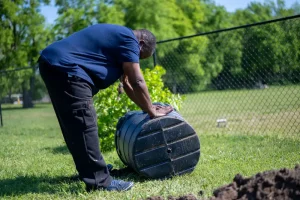
🌱 Organic compost & plant food
Feed your soil naturally. Explore our guides to compost, vermicompost and organic fertilisers — and the best products to buy.

🥕 Vegetables
View all →
🌸 Flowers
View all →
🌵 Houseplants
View all →
❓ Gardening questions, answered
What is the easiest plant for a complete beginner?
Start with something that forgives a missed watering: pothos, snake plant or spider plant indoors, and radish, lettuce, spinach or bush beans outdoors. All of them grow fast enough that you see progress in weeks, which is what keeps a new gardener going. Our plant finder filters by light, space and difficulty if you want a shortlist for your exact conditions.
How do I know when to plant something where I live?
Sowing dates depend on your last spring frost and first autumn frost, not on the calendar month. Enter your location in the frost date tool to get both dates, then use the planting calendar to see what to sow, transplant and harvest in each week of your own season.
Why are my plant's leaves turning yellow?
Yellow leaves are a symptom, not a disease. The four usual causes are overwatering (soggy soil, limp yellow leaves), underwatering (crisp edges), too little light (pale new growth reaching for a window) and a nitrogen shortage (oldest leaves yellow first). Check the soil 5 cm down before you do anything else. The plant doctor walks you through the symptoms and gives you a fix in the right order.
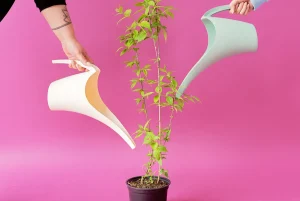
How often should I water my plants?
On a schedule is the most common mistake. Water when the top 2-5 cm of soil is dry, then water thoroughly until it runs out of the drainage holes. That interval changes with the season, the pot size and your room. Our watering calculator turns your plant, pot and climate into an actual amount and frequency.
Can I identify a plant from a photo?
Yes. Upload or take a photo in our free plant identifier and it names the species, then links straight to the care guide for it. Clear, close photos of a single leaf, the flower or the whole plant against a plain background give the most reliable match.
What can I grow if I only have a balcony or a windowsill?
More than most people expect: herbs, salad leaves, chillies, cherry tomatoes, radishes, spring onions and strawberries all crop well in containers. The real limit is light, not space — count how many hours of direct sun the spot gets, then pick to match. What to grow asks for your light, space and month and answers with a specific list.
How much light is "full sun", "part shade" and "low light"?
Full sun means 6 or more hours of direct sunlight a day, part sun or part shade means roughly 3 to 6, and full shade means under 3. Indoors, "bright indirect" is a spot that is bright enough to read in all day but where direct sun never lands on the leaves, and "low light" is several metres from a window or beside a north-facing one.
Do I need to feed my plants, and how often?
Plants in the ground with compost added each year usually need little extra feeding. Plants in pots do need it, because watering washes nutrients straight out of the drainage holes: feed every 2 to 4 weeks through the growing season and stop in winter. Our fertiliser calculator converts the NPK number on the bottle into a dose for your pot or bed.
What is the best soil mix for pots?
Potting soil, not garden soil — garden soil compacts in a container and suffocates the roots. A dependable all-purpose mix is roughly 60% quality potting compost, 20% perlite or coarse sand for drainage and 20% well-rotted compost or worm castings for nutrition. Succulents and cacti want more grit; ferns want more compost. The soil calculator tells you how many litres a given pot or bed will actually take.
How do I get rid of pests without chemicals?
Identify first, then act. Aphids, mealybugs and spider mites all respond to a firm spray of water followed by insecticidal soap or neem, repeated every 5 to 7 days until the cycle is broken. Slugs and snails need a physical barrier or a nightly hand-pick. Isolate anything infested so it does not spread to healthy plants.
Are Gardening Guider's guides and tools free?
Yes. Every guide on the site is free to read, and the whole garden tool set — plant identifier, plant doctor, planting calendar, frost dates, spacing, watering, soil and yield calculators — is free to use. Guides are written and reviewed by Gaurav Pandey, cite their sources, and are updated as growing advice changes.
🎁 Pick your free gift
Grow smarter — get a free gardening gift 🌱
Choose what helps you most — free, straight to your inbox.
🔒 No spam · unsubscribe anytime · Privacy Policy🔥 Readers are loving right now
 BeginnersHardening Off Seedlings: A Simple 7-Day Schedule That Works→
 Soil & CompostHow to Make Leaf Mould→
 Trees & ShrubsHow to Plant Bare Root Trees→
 PropagationWinter Sowing→
 Seasonal GardeningLiving Christmas Tree Care→
 Indoor GardeningHow to Force Paperwhites→
 Trees & ShrubsHow to Grow Mistletoe→
 Seasonal GardeningWhat to Plant in August→
 Seasonal GardeningWhat to Plant in July→
 Seasonal GardeningWhat to Plant in June→
 LandscapingNo Mow May→
 Seasonal GardeningWhat to Plant in May→BeginnersHardening Off Seedlings: A Simple 7-Day Schedule That Works→Soil & CompostHow to Make Leaf Mould→Trees & ShrubsHow to Plant Bare Root Trees→PropagationWinter Sowing→Seasonal GardeningLiving Christmas Tree Care→Indoor GardeningHow to Force Paperwhites→Trees & ShrubsHow to Grow Mistletoe→Seasonal GardeningWhat to Plant in August→Seasonal GardeningWhat to Plant in July→Seasonal GardeningWhat to Plant in June→LandscapingNo Mow May→Seasonal GardeningWhat to Plant in May→