Best Compost Tumblers
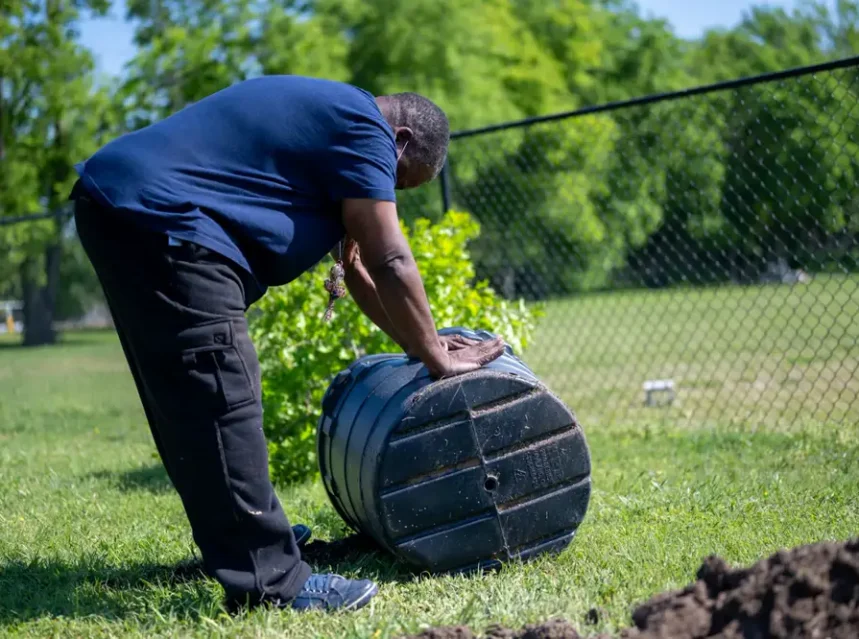
A compost tumbler is a sealed rotating drum mounted on a stand that allows garden and kitchen waste to be turned regularly, accelerating hot composting without a fork. Unlike open-bin composting (which decomposes slowly through cool processes), a tumbler creates hot composting conditions. Regular turning mixes air throughout the waste. This speeds up breakdown by aerobic bacteria. Finished compost can result in 4-6 weeks instead of 6-12 months in a static heap. The best compost tumbler is easy to load and turn, pest-proof, and sized correctly for the household’s organic waste output.
Compost tumbler reviews assess turning ease, drum volume, pest-proofing, compost speed (batch time to finished compost), material durability, and drainage design. We weigh those against price, because a tumbler that turns easily but rusts in two seasons is no bargain.
🧰 In a hurry? Jump straight to our tested picks for this guide ↓
Best compost tumblers at a glance
| Pick | Best for | Volume | Trade-off |
|---|---|---|---|
| Compost Wizard Tumbling Composter | UK medium garden, single-chamber | 220 litres | Production gap between batches |
| FCMP Outdoor IM4000 Dual Chamber | UK/US continuous composting | 107 litres (dual) | Smaller chambers; heavy when full |
| Jora JK 270 composter | UK/US large household or allotment | 270 litres | High price; galvanised steel premium |
| Miracle-Gro Dual-Chamber Tumbler | UK/US small household, dual-chamber | 78 litres (dual) | Smaller chambers than FCMP |
| Envirocycle Composter | UK/US patio or terrace, compact | 35-70 litres | Small volume; best for 1-2 people |
| Green Johanna Hot Composter | UK cooked food + garden waste | 330 litres | Not a tumbler — insulated static; different technique |
Types of compost tumbler
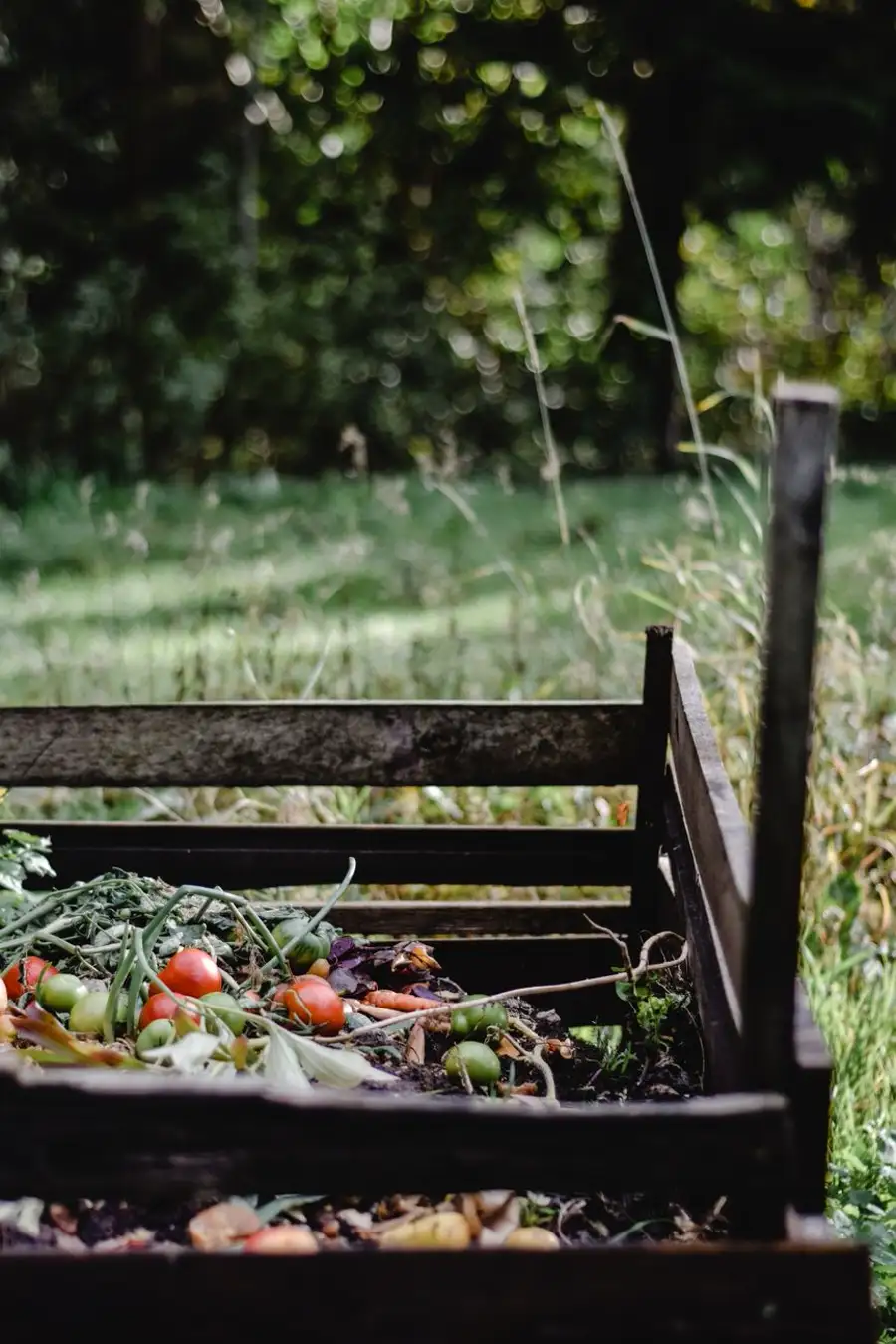
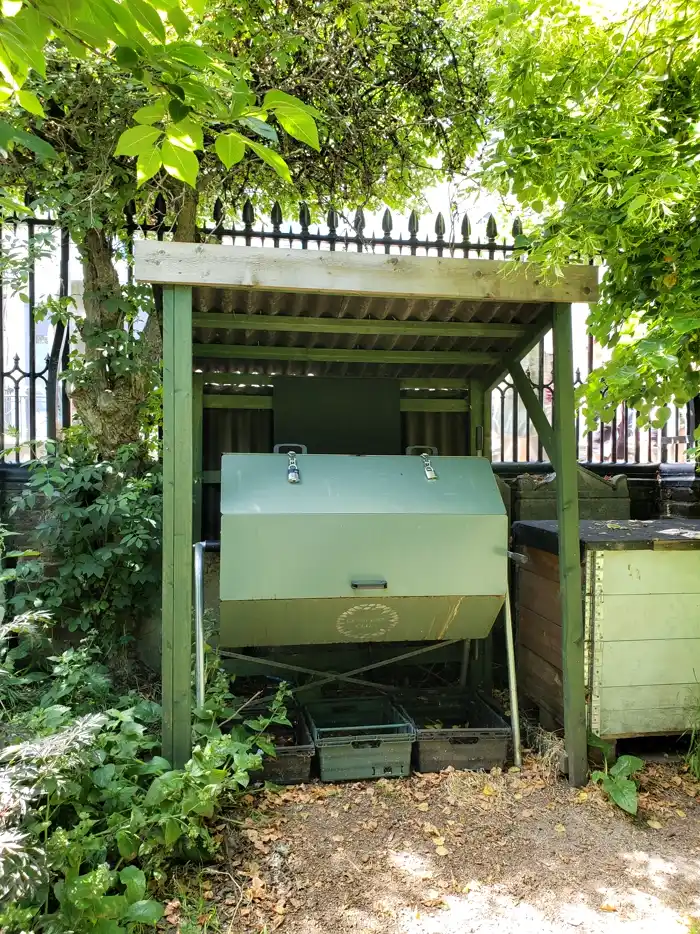
Single-chamber rotating drum tumbler: The most common compost tumbler design. A single drum (typically 100-250 litres) is mounted horizontally on a stand. The user loads organic waste through a hatch. Then they turn the drum by rotating it on the stand. Most single-drum tumblers rotate 360 degrees with a handle.
Single-chamber tumblers have one key limitation: the batch composting gap. When the drum is full and the batch is composting, you cannot add new waste without disrupting the active process. New waste mixed into an active batch adds fresh nitrogen. This can create ammonia smell and slow the batch. The solution is to store new kitchen waste in a separate caddy while the tumbler batch completes (typically 4-8 weeks). For households producing waste continuously, this gap is the main practical disadvantage of a single-chamber design.
Dual-chamber rotating drum tumbler: A tumbler with two separate composting chambers in one drum assembly. One chamber fills with fresh waste while the other processes an active batch. When the active batch finishes, it is emptied. The filling chamber becomes the new active batch. The previously-active chamber starts filling again. This rotation provides continuous composting without a production gap.
Dual-chamber tumblers are the practical choice for households producing kitchen and garden waste consistently year-round. They beat single-chamber tumblers for households of 3-4 or more people. The FCMP IM4000 and Miracle-Gro dual-chamber are the most frequently reviewed UK and US models. The trade-off is that each chamber is smaller than a full single-chamber tumbler. For households producing large volumes of waste (grass clippings, prunings), a dual-chamber tumbler may fill faster than expected.
Tumbler on stand vs tumbler on rollers: Some tumblers rotate on a stand with central bearings (the drum spins on a horizontal axle). Others sit in a cradle of rollers and are turned by rolling the drum along the rollers. Axle-mounted tumblers (Jora, FCMP) turn smoothly even when nearly full. Roller-mounted tumblers can be difficult to turn when the drum is more than half-full. The weight of the material resists rolling. When comparing models, check the turning mechanism and read reviews specifically about ease of turning when full.
Insulated hot composting bins (Green Johanna, Hotbin): Not rotating tumblers, but frequently compared in the same category. Insulated bins maintain higher internal temperatures than open bins or tumblers. The Green Johanna maintains 40-60°C continuously — the hot composting temperature range where weed seeds and pathogens are killed. The Green Johanna also handles cooked food and meat safely. They offer similar speed advantages to tumblers — finished compost in 30-90 days — without a turning mechanism. They require a bulking agent (small wood chips) to maintain airflow. They are a valid alternative for households that want to compost everything including cooked food. See the compost-making guide for the full composting method comparison.
Compost tumbler vs static bin: which to choose?
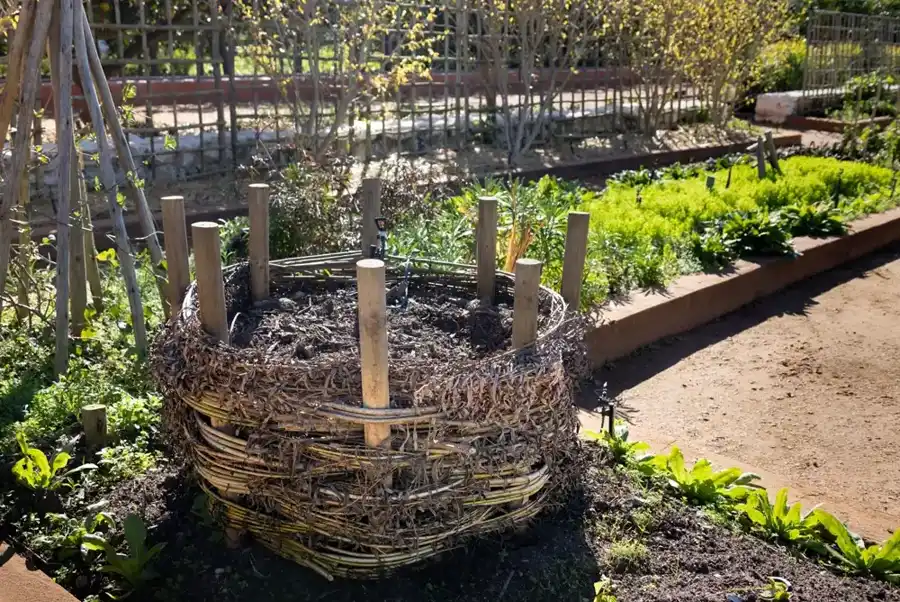
The right choice depends on priorities: speed and pest-proofing (tumbler) or simplicity and volume (static bin).
Choose a compost tumbler when: pest-proofing is important (urban garden where foxes, rats, or squirrels are a problem), speed matters (finished compost in 4-8 weeks rather than 6-12 months), you have a small garden with limited space, or you want to compost kitchen vegetable waste without attracting pests. A tumbler’s sealed drum keeps wildlife out and accelerates composting through regular turning. A static compost bin is open at the base — it is accessible to rodents if kitchen waste is added.
Choose a static open compost bin when: volume is the priority (large garden with significant grass clipping and leaf volume that would not fit in a tumbler), cost is a constraint (static bins cost £10-30 vs £50-300 for a tumbler), you are composting primarily garden waste rather than kitchen waste, or you are making leaf mould (a separate slow cold process that needs an open bin structure). Use a traditional compost bin alongside a tumbler — the tumbler for fast kitchen waste, the bin for slow garden waste and leaf mould production. Use the finished compost from the tumbler as a top-dressing for raised beds or as an amendment for potting mixes.
What to look for when buying
- Volume — matched to household waste output: estimate the kitchen and garden waste your household produces per week. An average UK household of 4 produces approximately 15-20 kg of organic kitchen waste per week. A 200-litre tumbler holds approximately 4-6 weeks of this volume before filling. For a larger household, a 300-400 litre capacity or dual-chamber design handles the volume without the batch gap becoming a constant problem.
- Turning ease — when full: a tumbler that turns easily when empty may be very difficult to turn when full. Wet kitchen and garden waste can weigh 30-60 kg in a full 200-litre drum. Read reviews specifically about turning effort when full. Axle-mounted tumblers generally turn more easily than roller-mounted tumblers when loaded. Look for turning handles with adequate leverage — short handles require more force on a full drum.
- Hatch design — loading and unloading: the hatch is the most important practical feature. A hatch that is difficult to open or prone to jamming makes the tumbler frustrating to use. It should open easily with one hand. It should be large enough to insert a standard kitchen waste bucket. The hatch seal must be secure enough to prevent pests entering when closed. Check hatch quality in reviews before buying.
- Material durability — UV-resistant plastic vs galvanised steel: most tumblers use UV-resistant polypropylene plastic (rated for 5-10 years outdoor use). Budget models use standard polypropylene that degrades in UV light within 3-5 years. Premium models use galvanised steel (Jora) rated for 15-20 years. The price difference is significant — £50-100 for plastic vs £200-400 for steel. For most home gardeners, a quality UV-resistant plastic tumbler at the mid-price point provides the best value.
The 6 best compost tumblers in 2026
1. Compost Wizard Tumbling Composter — best UK single-chamber tumbler
The Compost Wizard Tumbling Composter is our pick as the best single-chamber compost tumbler for UK home gardens. The Compost Wizard (UK) has a 220-litre UV-resistant polypropylene drum mounted on a galvanised steel frame. The drum rotates 360 degrees on a central axle. Two large hatches make loading and unloading straightforward. Across a full composting season it stays the easiest single-chamber tumbler to turn when full.
The 220-litre capacity suits a medium UK household (3-4 people). The single-chamber design means a production gap between batches. It suits households that produce moderate waste and do not compost continuously year-round. Cost: £80-130. Use it alongside a static compost bin for bulk garden waste to avoid competing for the tumbler chamber. The finished compost works excellently as a top-dressing on raised garden beds.
2. FCMP Outdoor IM4000 Dual Chamber Tumbler — best UK/US dual-chamber
The FCMP Outdoor IM4000 is our pick as the best dual-chamber compost tumbler for UK and US home gardens. FCMP Outdoor (US) manufactures the most widely sold dual-chamber tumbler in North America and UK retail. The IM4000 has two separate 53-litre chambers in a single drum. Each chamber has its own sliding door. The drum rotates on axle bearings on a powder-coated steel frame.
The IM4000 gives the best combination of continuous composting, pest-proofing, and ease of use in the dual-chamber category. The continuous design eliminates the production gap — one chamber fills while the other completes. Cost: £80-140. The individual chamber volume (53 litres each) is smaller than a single-chamber 200-litre tumbler. For households producing large volumes, both chambers fill quickly. Use the IM4000 as the continuous kitchen waste composter alongside a worm bin for additional food waste processing.
3. Jora JK 270 composter — best UK/US large household premium tumbler
The Jora JK 270 is our pick as the best premium compost tumbler for larger households and allotment gardeners. Jora (Sweden) manufactures galvanised steel compost tumblers to Scandinavian standards. The JK 270 has a 270-litre drum in two chambers. The galvanised steel construction is rated for 20+ years outdoor use. The drum rotates on sealed axle bearings that need no maintenance.
The Jora JK 270 is the most durable and highest-capacity dual-chamber tumbler for home and allotment use. Cost: £250-350. The 20-year lifespan makes the per-year cost competitive with cheaper plastic tumblers replaced every 5-7 years. The JK 270 also handles small quantities of cooked food and meat — the tight galvanised steel drum and high internal temperatures prevent pest access. It is the correct choice for a serious UK gardener or allotment holder who wants one long-term composting investment. The finished compost is ideal for enriching the soil of a raised bed garden.
4. Miracle-Gro Dual-Chamber Compost Tumbler — best UK/US mid-range dual-chamber
The Miracle-Gro Dual-Chamber Tumbler is our pick as the best mid-range dual-chamber tumbler for UK and US home gardeners. Miracle-Gro (Scotts) produces this tumbler under their garden accessories range. The dual-chamber design has two 39-litre chambers. The drum rotates on a powder-coated steel stand. The continuous composting design eliminates the production gap for small to medium households.
The Miracle-Gro tumbler is the most accessible dual-chamber option for a household of 1-3 people with moderate kitchen waste. Cost: £50-90. The individual chamber volume (39 litres each) is smaller than the FCMP IM4000. For a small household, this is adequate. For a larger household, both chambers fill quickly. For gardens where composting output needs to support more than 2-4 raised beds, the Jora or FCMP is a better match.
5. Envirocycle The Most Beautiful Composter — best UK/US compact patio tumbler
The Envirocycle is the best compact compost tumbler for patios and small terrace gardens. Envirocycle (US) manufactures a round drum tumbler that rolls on its base rather than rotating on a stand. The drum sits in a base tray that collects compost tea — the liquid that drains from the composting material. This liquid is a useful plant fertiliser for pots and garden beds.
It is also the best-looking tumbler on the market — a modern garden accessory rather than an industrial drum. Cost: £80-150 depending on size (35 or 70 litres). The rolling drum mechanism requires less turning force than a tall tumbler on a stand. Rolling on a flat patio surface is easy even when full. The built-in tea collection base adds plant nutrition. The limitation is volume — 35-70 litres suits a 1-2 person household only. Use it alongside a worm composting bin for additional kitchen waste processing.
6. Green Johanna Hot Composter — best UK for cooked food composting
The Green Johanna is our pick as the best hot composter for households wanting to compost cooked food, meat, and fish alongside garden waste. The Green Johanna (Sweden) is an insulated static bin — not a tumbler. However, it competes directly with tumblers for the fast kitchen waste composting use case. The insulated walls maintain 40-60°C continuously — high enough to break down cooked food without pest attraction.
The Green Johanna is the most practical hot composting solution for households that want to compost everything — including cooked leftovers that standard tumblers exclude. Cost: £80-130. It requires a bulking agent (small wood chips) mixed with each addition to maintain airflow. Turning is done with a garden fork rather than rotating a drum. For a household where kitchen waste includes cooked food, it is a better choice than any standard tumbler. For vegetable waste only, a tumbler provides similar speed with greater pest-proofing.
Compost tumblers in India
Composting in Indian home gardens faces different conditions compared to the UK. Indian kitchen waste is significantly higher in nitrogen-rich food scraps — vegetable peels, fruit scraps, rice and dal residue, and cooked food waste from large family meals. This high-nitrogen waste decomposes rapidly. However, it can create ammonia odours in a standard open compost bin. Tumblers address the odour problem directly — the sealed drum contains smells. This makes tumblers suitable for urban Indian apartments, terraces, and balconies where open composting near neighbours is socially problematic.
The Indian climate accelerates composting significantly compared to the UK. Indian temperatures of 25-40°C from March through October create near-ideal conditions for hot composting year-round. A tumbler loaded with a correct carbon-to-nitrogen ratio and turned every 2-3 days can produce finished compost in as little as 3-4 weeks in Indian summer conditions. This is faster than the 4-8 weeks typical in the UK. The monsoon (June-September) brings excess moisture into composting systems. During the monsoon, add extra brown (carbon) material (dry leaves, torn cardboard, coconut shells) to the tumbler to absorb the excess moisture from wet kitchen waste. A waterlogged tumbler produces a slimy, slow-composting anaerobic mass rather than the fast hot compost the tumbler is designed for.
Compost tumblers are available in India through Amazon India, Ugaoo, TrustBasket, and Organic India distributors. The Khamba composting system (a stacking pot system developed by Daily Dump in Bengaluru) is a popular Indian alternative for urban balcony composting. It is designed specifically for Indian kitchen waste conditions and climate. For larger Indian home gardens, a rotating drum tumbler is available through Amazon India imports. The finished compost from an Indian tumbler is excellent as a soil amendment for terrace container growing and kitchen garden raised beds.
Compost tumbler tips
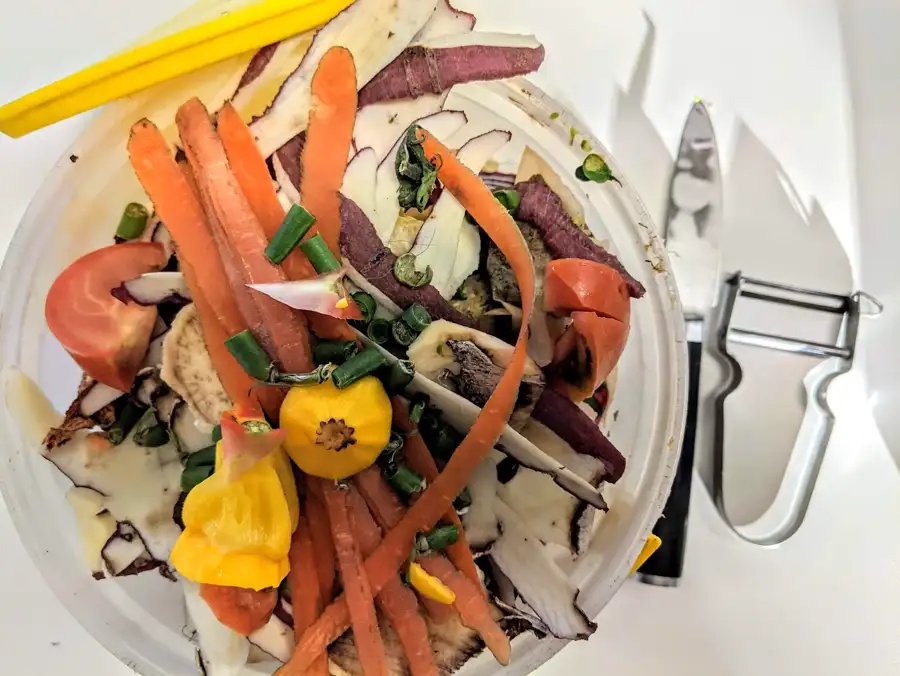
- Maintain the 3:1 carbon-to-nitrogen ratio strictly: the most common compost tumbler failure is too much green (nitrogen-rich) material without enough brown (carbon-rich) material. An over-nitrogen batch becomes wet, slimy, and smelly. It slows dramatically. Add torn cardboard, shredded paper, dry leaves, or straw every time you add kitchen waste. The rule: one part kitchen waste to three parts dry brown material by volume. This ensures the aerobic bacteria have enough carbon to process the nitrogen without creating ammonia.
- Turn every 2-3 days for fast results: turning every 2-3 days maintains aerobic conditions throughout the batch. Aerobic bacteria decompose material 5-10 times faster than anaerobic bacteria. Each turning session takes under a minute on a properly sized tumbler. Set a reminder or keep the tumbler near the back door where passing it daily is a natural prompt.
- Check moisture level — aim for damp sponge consistency: the compost batch should feel like a wrung-out sponge — damp but not dripping. If the batch is too dry (common in summer when using a lot of dry cardboard), add a watering can of water during turning. If the batch is too wet (common after adding a lot of wet kitchen waste), add more dry brown material. Correct moisture is as important as the carbon-nitrogen ratio for fast hot composting.
- Add a handful of finished compost or soil to start each new batch: fresh kitchen and garden waste in an empty tumbler lacks the composting bacteria and fungi needed to start quickly. Adding a shovel of finished compost from a previous batch, or a handful of potting soil, inoculates the new batch with the microbial community needed to start decomposing immediately. This starter step can reduce time to finished compost by 1-2 weeks compared to starting from a sterile drum.
Frequently asked questions
How long does a compost tumbler take to make compost?
A correctly managed tumbler (3:1 carbon to nitrogen ratio, turned every 2-3 days, correct moisture) can produce finished compost in 4-6 weeks in UK spring and summer conditions. In cold UK winter (below 5°C), decomposition slows — a winter batch may take 10-16 weeks. In Indian summer conditions (30-40°C), the same well-managed batch can finish in 3-4 weeks.
The batch is finished when it smells like earthy woodland soil — not ammonia, not sewage, not rotting food. It should be dark brown and crumbly. You should not be able to identify individual ingredients. If the batch smells like ammonia, it is still too nitrogen-rich — add more carbon and continue turning. If it smells like rotting food, it is too wet and anaerobic — add dry material and turn more frequently to restore oxygen access.
What can you not put in a compost tumbler?
Avoid cooked food, meat, fish, dairy, and oily foods in a standard tumbler. These materials decompose slowly, attract pests even through the vented drum, and create strong odours. If you want to compost cooked food, use a Green Johanna hot composter or a worm bin.
Also avoid diseased plant material (clubs rot, white rot, soil-borne diseases — the tumbler’s temperature may not reliably sterilise these pathogens) and persistent weeds with established root systems (bindweed, couch grass, ground elder rhizomes). The tumbler may not kill their storage organs reliably. Dispose of diseased plants and persistent weeds in the council green waste bin rather than the home composter.
Do compost tumblers attract rats?
A well-maintained tumbler with the hatch properly closed is significantly more pest-resistant than an open compost bin. The sealed drum prevents direct physical access by rodents. However, a tumbler containing cooked food or meat may attract rats to investigate the exterior — especially if the hatch seal degrades over time. Avoiding cooked food eliminates the primary odour signal that attracts rats.
Ensure the hatch seal is intact at the start of each season. Place the tumbler on firm paving or gravel rather than directly on soil — rats can tunnel under a ground-level entry point. In high-pest-pressure urban gardens, a galvanised steel tumbler (Jora) with tighter seals provides better rodent resistance than a plastic tumbler with moulded plastic hatches. Add a sheet of hardware cloth (welded mesh) under the stand as an additional ground barrier if the garden has a known rat problem.
Where is the best place to put a compost tumbler?
A compost tumbler works best in a position that receives some sun during the day. Warm temperatures accelerate decomposition — a sun-warmed tumbler composting at 40-50°C produces finished compost faster than a shaded one. However, direct hot sun in summer (especially during UK heat waves or year-round in India) can dry out the batch too quickly. Check the moisture level more frequently in hot sunny weather and add water as needed.
Place the tumbler near the kitchen door for convenient daily access. A tumbler requiring a walk across the garden is used less frequently. Less frequent turning slows the composting process significantly. Keep it on a firm, level surface — gravel, paving, or compacted earth — to prevent the stand sinking or tipping. Leave enough clearance around the tumbler to turn the drum freely without hitting fences, walls, or other garden structures.
How often should I turn a compost tumbler?
Two or three spins every couple of days is plenty, and one or two whenever you add material. Constant spinning actually cools the mix and slows it down, because the pile never gets to sit still and heat up.
Is a dual chamber tumbler worth it over a single one?
For most households, yes. One side can finish undisturbed while you keep adding scraps to the other, so you are not forced to stop feeding a batch for weeks. A single chamber suits you only if you compost in occasional big batches.
What size compost tumbler do I need?
A 200 litre (roughly 50 gallon) drum handles kitchen waste and light garden clippings for a family of four. Smaller drums struggle to hold heat, and anything much larger gets heavy to turn once it is full.
What is the right mix of green and brown material?
Aim for two or three parts brown to one part green by volume. Browns are dry leaves, shredded card and straw; greens are food scraps, coffee grounds and fresh clippings. Too many greens make it wet and smelly.
Why is my compost tumbler wet and sludgy?
That is nearly always too much green material and not enough air. Stir in dry shredded cardboard, torn newspaper or sawdust a handful at a time, leave the vents open and spin it to work air through.
Does a compost tumbler work in winter?
It keeps working but slows right down, since the microbes go quiet in the cold and a raised drum loses heat on all sides. Keep filling it, add extra browns, and expect the batch to finish once temperatures climb again.
Do I need to add worms or a compost starter?
No worms. A tumbler turns too often for them and they cannot escape the heat, so a wormery is the right home for them instead. Starters are optional too; a few handfuls of finished compost or garden soil bring in all the microbes you need.
Sources and further reading
Still stuck? Ask the Plant Doctor
Describe the problem — yellow leaves, holes, no flowers — and get a clear answer in seconds. FreeAI can make mistakes. Answers are guidance, not a guarantee — check anything important against the guide it links to, and always read the label on any product before you use it.