Best Potting Soil
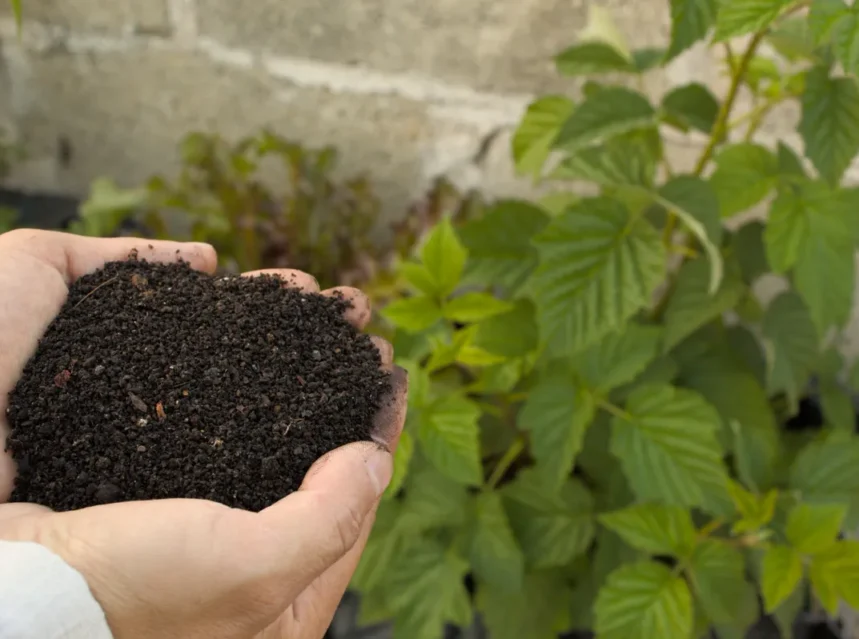
Potting soil (or potting compost in the UK) is a specially formulated growing medium designed for container and raised bed growing — it is lighter, more porous, and better draining than garden soil. Standard garden soil is too dense for containers. It compacts, restricts root growth, and waterlogged pots cause root rot. Good potting soil holds enough moisture for plant roots between waterings.
It drains freely to prevent waterlogging. It contains slow-release nutrients to feed plants for the first weeks after planting. The best potting soil for a container or raised bed is matched to the plant type — general-purpose mixes for most vegetables and flowers, ericaceous (acidic) mixes for blueberries and rhododendrons, and gritty well-draining mixes for succulents and cacti.
Potting soil and potting compost reviews assess drainage performance, moisture retention, nutrient availability over time, pH suitability, and performance across different plant types through the growing season. This guide weighs those factors across a full growing season. University of Minnesota Extension provides detailed guidance on potting soil ingredients and their functions for home container growing.
🧰 In a hurry? Jump straight to our tested picks for this guide ↓
Best potting soil at a glance
| Pick | Best for | pH | Trade-off |
|---|---|---|---|
| Westland John Innes No. 3 | UK mature plants, long-term containers | 6.0-6.5 | Contains peat; heavy for large containers |
| Westland Peat Free Compost | UK general containers, peat-free preference | 6.0-7.0 | Dries quickly in summer; needs more frequent watering |
| Miracle-Gro Potting Mix | UK/US general-purpose containers | 6.0-7.0 | Contains peat; synthetic fertiliser nutrients |
| Fox Farm Ocean Forest | US organic vegetable and herb containers | 6.3-6.8 | High-end price; strong initial smell |
| Westland Ericaceous Compost | UK blueberries, azaleas, rhododendrons | 4.5-5.5 | Do not use for non-acid-loving plants |
| Cactus and succulent potting mix | UK/US succulents, cacti, Mediterranean herbs | 6.0-7.0 | Too free-draining for moisture-loving plants |
Types of potting soil
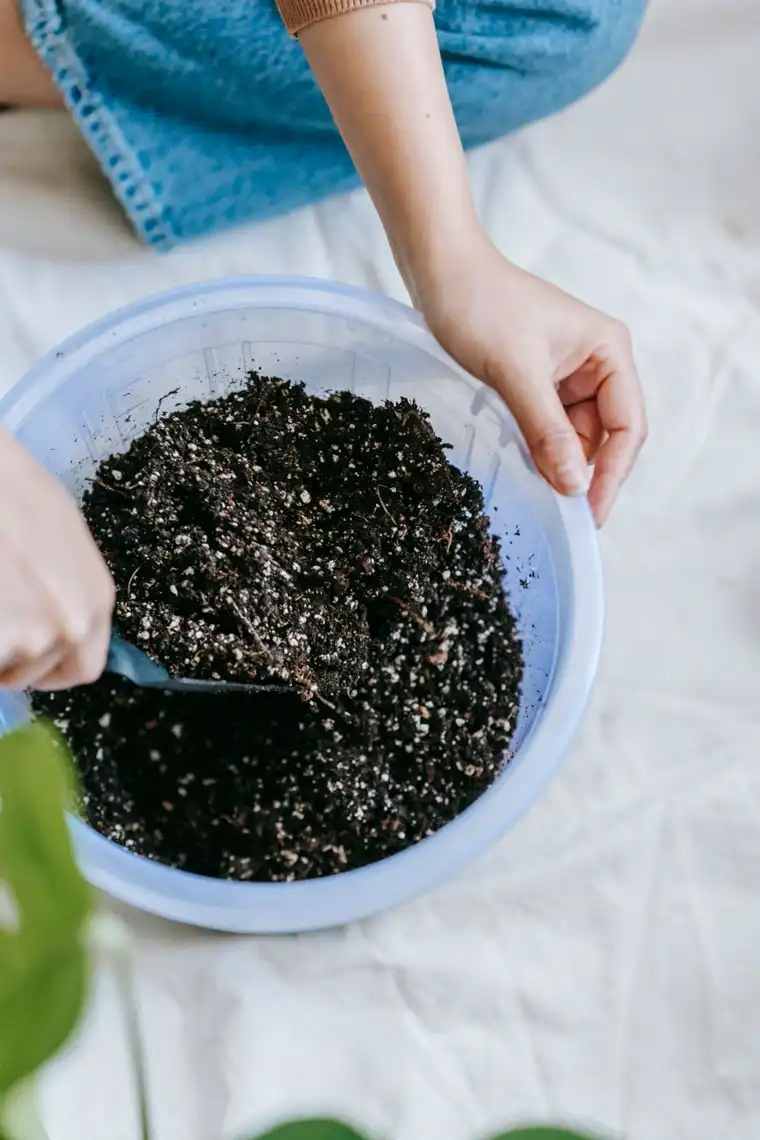
General-purpose potting compost: The most widely sold type for home container growing. It is formulated for a broad range of plants — vegetables, herbs, bedding annuals, perennials, and most houseplants. A general-purpose mix typically contains a base of composted bark, coir (coconut fibre), or peat. It contains slow-release fertiliser granules to feed plants for 4-6 weeks after planting. It has a pH of 6.0-7.0, which suits most garden plants.
General-purpose potting compost comes in peat-based and peat-free formulations. Peat-based mixes (Miracle-Gro, old-formula Westland) have good moisture retention. However, peat extraction damages protected raised bog habitats in the UK and Ireland. The UK government is phasing out peat-based composts for amateur gardeners from 2026-2030. Peat-free mixes (Westland Peat Free, RHS Peat Free) have improved significantly in quality since 2020. Most home gardeners in the UK can now use peat-free compost for most growing situations without performance loss.
John Innes compost: A loam-based (soil-containing) compost formulated to a standard UK recipe by the John Innes Horticultural Institute. John Innes composts contain a measured ratio of loam, peat or peat substitute, and horticultural grit. They come in four formulations: John Innes Seed Sowing (fine-textured, for germination), No. 1 (young plants), No. 2 (general container growing), and No. 3 (mature plants and long-term containers).
John Innes composts are heavier than standard potting composts because they contain sterilised loam. This extra weight is an advantage in large outdoor containers — it prevents the container blowing over in wind. The loam content also buffers pH and nutrient fluctuations better than a pure bark or coir mix. John Innes No. 3 is the best potting compost for large container plants that will stay in the same pot for more than one season (standard roses, clipped bay trees, olive trees). For smaller containers or annual planting, a lighter general-purpose compost is more practical.
Ericaceous (acidic) compost: A compost formulated for acid-loving plants that cannot thrive in the neutral pH (6.0-7.0) of general-purpose mixes. Ericaceous plants include blueberries, rhododendrons, azaleas, camellias, pieris, and some heathers. They need a pH of 4.5-5.5. At neutral or alkaline pH, these plants cannot absorb iron from the soil — the leaves turn yellow (chlorosis) and growth stops.
Ericaceous compost contains no lime (which would raise pH) and uses a high proportion of composted bark and pine needles (which naturally produce a mildly acidic pH as they decompose). Do not use ericaceous compost for non-acid-loving plants — the low pH restricts nutrient availability for most vegetables and flowers. Use it only for the specific acid-loving plants that require it. Test the soil pH annually with a soil test kit and top-dress with sulphur chips if pH drifts above 5.5.
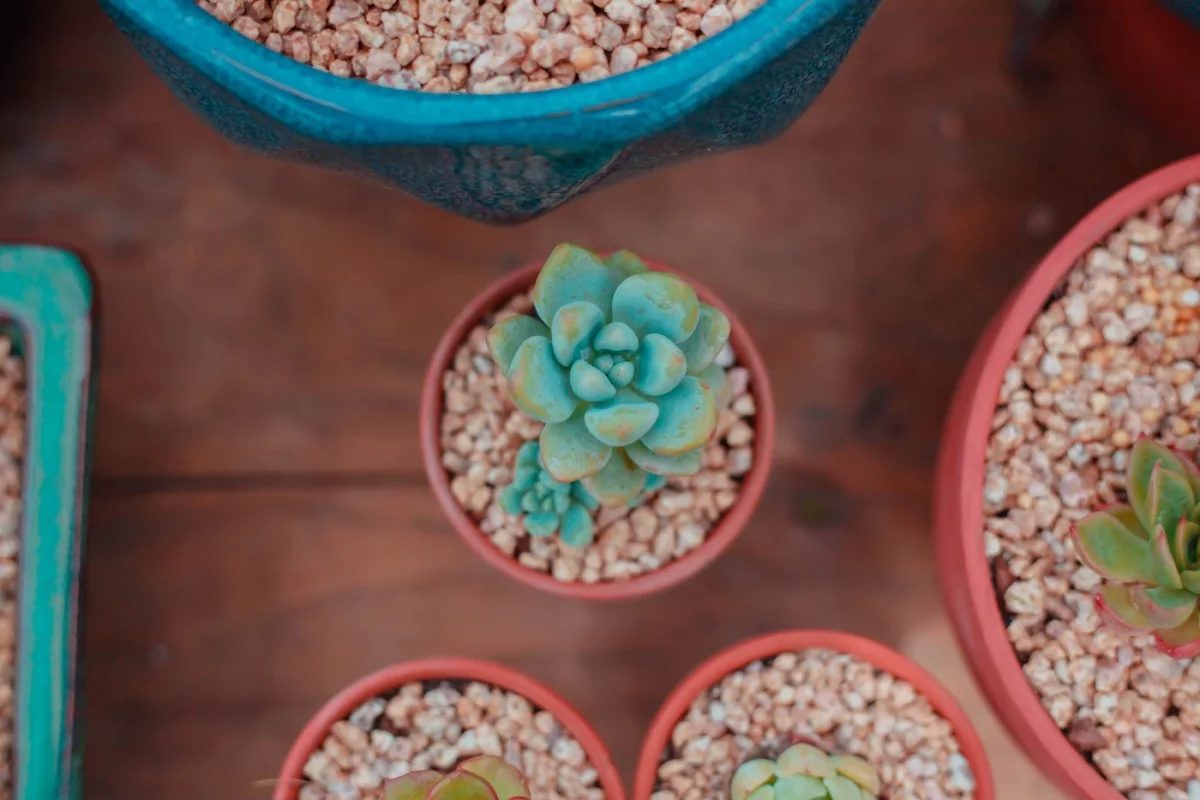
Cactus and succulent potting mix: A very free-draining mix formulated for plants that are native to arid or semi-arid conditions. Standard cactus mixes contain 50-60% inorganic material (perlite, horticultural grit, sharp sand) and 40-50% organic material (composted bark or coir). The high inorganic content ensures rapid drainage — water passes through within 1-2 seconds of watering rather than being retained in the mix.
Cacti and succulents suffer root rot in standard potting compost. The moisture retention of a general-purpose mix keeps the root zone wet for too long after watering. A cactus mix drains fast and dries out fully between waterings — the root zone condition these plants need. Mediterranean herbs (lavender, rosemary, thyme, sage) also benefit from a cactus-mix or gritty compost. They originate from rocky, free-draining hillside soils. In a standard potting compost, they often become root-bound and rot at the crown in UK winter wet conditions. A 50:50 mix of general-purpose compost and horticultural grit recreates their natural soil conditions in a UK container.
Peat-based vs peat-free vs ericaceous vs cactus mix: which to choose?
Match the potting soil type to the plant type and the growing duration.
Choose peat-free general-purpose for: most container vegetables, herbs, bedding annuals, and short-term plantings (one season). Peat-free composts (Westland Peat Free, Miracle-Gro Peat Free) now perform comparably to peat-based mixes for most garden plants. They are the environmentally better choice and the direction UK retail is moving. The limitation of peat-free mixes is that they dry out faster in hot weather. This means more frequent watering in summer — compensate with a watering timer or self-watering inserts in the container.
Choose John Innes No. 3 for: large outdoor containers with long-term permanent plantings (standard roses, clipped topiary, olive trees, fruit trees in containers) that will stay in the same pot for 2-5 or more years. The loam content buffers nutrient depletion and pH drift better than a pure organic mix. It also prevents large containers from tipping in wind. For annual or seasonal container plantings, the extra weight and cost of John Innes is not necessary.
Choose ericaceous for: blueberries, rhododendrons, azaleas, camellias, and pieris only. Check the plant label before buying — acid-loving plants are clearly labelled. Do not guess. Growing a neutral-pH plant in ericaceous compost restricts nutrient availability and causes nutrient deficiency symptoms. Growing an acid-loving plant in neutral compost causes iron and manganese chlorosis.
Choose cactus mix for: cacti, succulents (echeveria, haworthia, lithops, agave), and Mediterranean herbs. Alternatively, mix 50-60% horticultural grit or perlite into a standard compost to create a DIY free-draining mix at lower cost than buying a dedicated cactus compost.
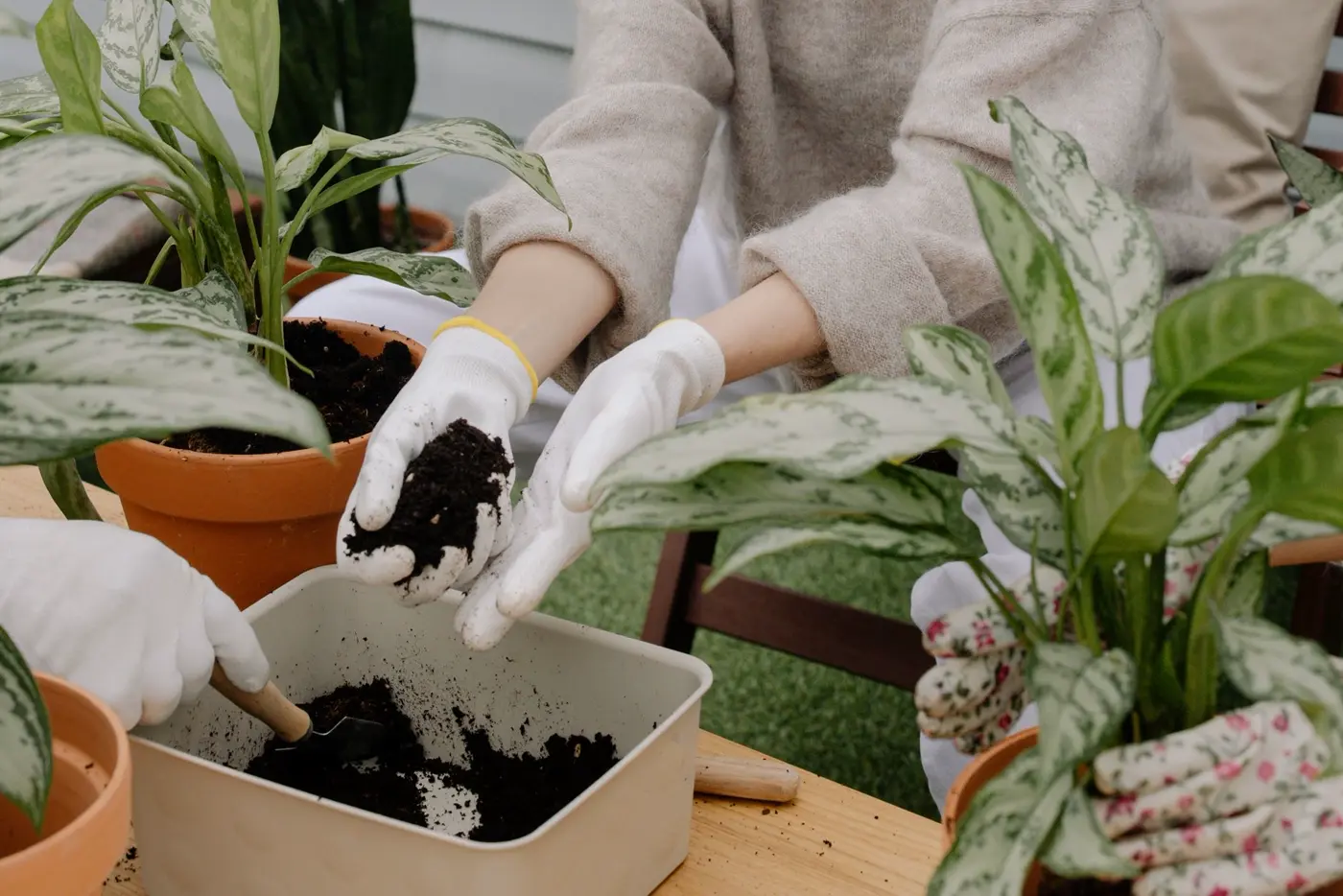
What to look for when buying
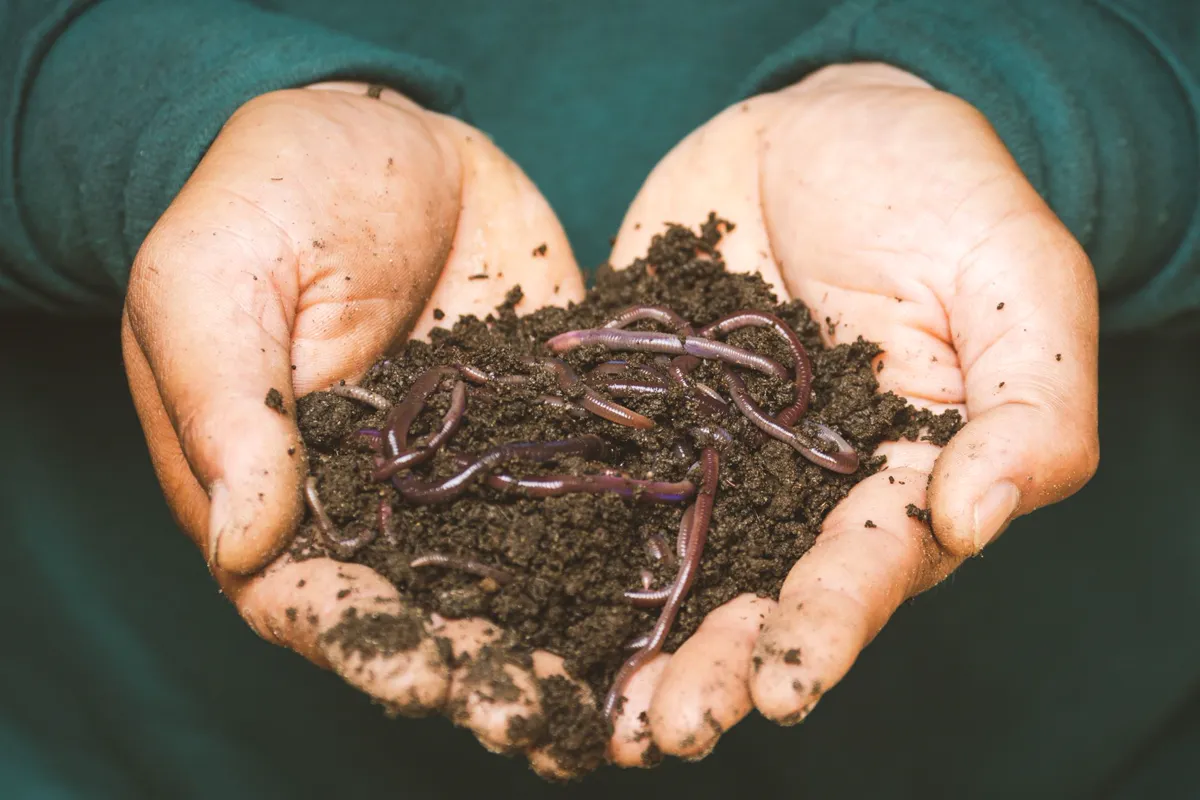
- Peat-free formulation: the UK is phasing out peat-based amateur composts. Peat-free mixes are the future-standard. Look for “peat-free” clearly labelled on the bag. The quality of peat-free composts has improved substantially since 2020. Most are now acceptable for all standard home growing uses. Avoid budget unbranded mixes that may substitute peat with low-quality wood waste that does not decompose well.
- Included slow-release fertiliser and its duration: most potting composts include slow-release fertiliser that feeds plants for 4-8 weeks. After this period, the nutrient supply is exhausted. If you are not adding liquid feed after the slow-release period ends, plants in containers will show nutrient deficiency — pale leaves, slow growth, poor flowering. Check the stated fertiliser duration on the pack. If the duration is only 4 weeks, plan to start weekly liquid feeding from week 4 onwards.
- Wetting agent inclusion: peat-free composts can become hydrophobic when they dry out completely — water runs over the surface rather than being absorbed. Composts with an added wetting agent (a surfactant that reduces the surface tension of the compost and helps re-wet it) avoid this problem. Westland and other brands now include wetting agents in their peat-free formulations. If a peat-free compost does not include a wetting agent, watering a dried-out pot can be difficult — the water runs through the sides of the dry compost without being absorbed.
- pH specification on the bag: the bag should state the pH range. General-purpose: 6.0-7.0. Ericaceous: 4.5-5.5. Cactus: 6.0-7.0. A compost without a stated pH is harder to match to plant requirements. Use a soil test kit to verify the pH of any unbranded or budget compost before using it for acid-loving plants.
The 6 best potting soils in 2026
1. Westland John Innes No. 3 compost — best UK mature plant and long-term container
Westland John Innes No. 3 is our top pick among potting composts for large container plants that will stay in the same pot for more than one season. Westland (UK, est. 1961) is the largest manufacturer of garden composts in the UK. John Innes No. 3 contains sterilised loam (sieved garden soil), composted materials, and horticultural grit in the standard John Innes ratio. It is heavier than standard potting composts.
John Innes No. 3 is the most suitable long-term potting compost for permanent container plantings. The loam content buffers pH and nutrient fluctuations over multiple years. It also prevents large containers from tipping in wind. Cost: £8-16 per 25-30 litre bag. It contains peat in the traditional formulation. Westland also produces a peat-free John Innes equivalent. Use John Innes No. 3 alongside a soil test kit to monitor pH drift in long-term container plantings.
2. Westland Peat Free All Purpose Compost — best UK peat-free general-purpose
Westland Peat Free is our top pick among peat-free general-purpose composts for container growing. The Westland Peat Free range uses a blend of composted wood fibre, coir, and bark as a peat substitute. Across multiple growing seasons it is the peat-free compost that most closely replicates the performance of traditional peat-based mixes.
The Westland Peat Free compost includes a wetting agent and slow-release fertiliser for 4 weeks. It is the recommended transition compost for UK gardeners moving from peat-based mixes to peat-free. Cost: £6-12 per 40-50 litre bag. The key limitation is faster drying in hot weather compared to peat-based mixes. During UK summer heat waves, a pot in Westland Peat Free may need watering more frequently. Adding 10-15% perlite to the mix improves moisture retention and aeration simultaneously.
3. Miracle-Gro Potting Mix — best UK/US general-purpose with long-feed
Miracle-Gro Potting Mix is our pick for container vegetables, herbs, and annual flowers where a longer fertiliser duration is needed. Miracle-Gro (US/UK, Scotts Miracle-Gro) formulates its potting mixes with Miracle-Gro slow-release fertiliser granules that feed plants for up to 6 months. This is longer than most standard UK composts (which feed for 4-8 weeks).
The longer fertiliser duration is the main advantage — a summer of container tomatoes, peppers, or courgettes benefits from 6 months of continuous background nutrition without requiring weekly liquid feeding in the early months. Cost: £8-15 per 40-50 litre bag. Miracle-Gro Potting Mix contains peat in the standard formulation. A Miracle-Gro Peat Free formulation is also available in UK retail. This is the correct compost for a UK or US container vegetable garden where consistent nutrition without complex feeding schedules is the priority.
4. Fox Farm Ocean Forest potting soil — best US organic vegetable and herb containers
Fox Farm Ocean Forest is the best US potting soil for organic vegetable and herb container growing. Fox Farm (US, est. 1984) formulates premium organic potting soils for US home and professional gardeners. Ocean Forest contains sea-going fish and crab meal, earthworm castings, kelp meal, bat guano, and forest humus. It has a pH of 6.3-6.8 — ideal for most vegetables and herbs.
Ocean Forest carries the most complete organic nutrition profile of any US retail potting mix — it feeds plants from several organic sources at once. It is significantly richer in organic nutrition than standard synthetic-fertiliser potting mixes. Cost: $20-30 per 38-litre bag. It has a noticeable fishy/organic smell when first opened — this dissipates within a few days outdoors. Ocean Forest is the correct choice for a US organic vegetable grower who wants to avoid synthetic fertilisers in container growing.
5. Westland Ericaceous Compost — best UK acid-loving plant compost
Westland Ericaceous Compost is our top pick among ericaceous composts for blueberries, rhododendrons, azaleas, and camellias. Westland formulates the ericaceous range with a high proportion of composted bark and pine needle material. The pH is maintained at 4.5-5.0 — the correct range for acid-loving plants. It is the most consistently acidic of the retail ericaceous range.
Cost: £6-12 per 40 litre bag. This is the correct compost for the specific situation of growing blueberries, rhododendrons, or azaleas in containers. Do not use it for general vegetable or flower growing — the low pH restricts nutrient availability for most plants. Use Westland Ericaceous alongside a dedicated acid-plant liquid feed (Sequestrene iron or dedicated blueberry feed) to maintain nutrient levels after the initial slow-release fertiliser in the compost is exhausted. Also check the water source — hard tap water (common in southern England) is alkaline and will gradually raise the compost pH over time. Use rainwater collected in a water butt for ericaceous containers in hard-water areas.
6. Cactus and succulent potting mix — best UK/US succulents and Mediterranean herbs
A quality cactus and succulent potting mix — sold by Westland, Miracle-Gro, and Lechuza in UK and US garden retail — is the right growing medium for cacti, succulents, and Mediterranean herbs. These mixes contain 50-60% inorganic material (perlite, horticultural grit, or pumice) and 40-50% composted organic material. The high grit content ensures water drains through within seconds rather than being retained.
Cactus mixes are essential for cacti and succulents — standard potting compost keeps the root zone wet too long and causes root rot in arid-origin plants. Mediterranean herbs (lavender, rosemary, thyme) also benefit significantly from a cactus or gritty mix. Cost: £6-12 per 5-8 litre bag (smaller bags because less is needed per pot). The DIY alternative is 50% standard peat-free compost plus 50% horticultural grit — this recreates the fast-drainage quality at lower cost than a dedicated cactus mix.
Potting soil in India
Potting soil for home terrace and balcony gardens in India is a different formulation challenge compared to the UK. Indian terrace gardens face extreme heat (40-48°C in summer), intense monsoon rainfall (June-September), and a longer growing season that demands high nutrient throughput across multiple crops per year. Standard UK general-purpose potting compost imported to India would dry out and crack rapidly in Indian summer heat. It is also expensive at Indian retail compared to locally available alternatives.
The most effective potting mix for Indian terrace containers is a home-blended mix of three components. First, 40% garden soil or red soil (for mineral nutrients and weight stability). Second, 40% vermicompost or cocopeat (for moisture retention and organic nutrition). Third, 20% river sand or perlite (for drainage). This blend handles the Indian climate well. Cocopeat (coir dust) is a low-cost Indian byproduct of the coconut industry — widely available at ₹50-200 per kilogram at agricultural stores and Ugaoo.
Vermicompost is produced locally and sold widely at ₹100-400 per kilogram. Cocopeat can be compressed into bricks that expand with water — cost-effective and easy to store on a terrace. For dedicated container vegetable growing (tomatoes, brinjal, chillies, bitter gourd), add 10-15% neem cake to the mix as a slow-release organic fertiliser and pest deterrent.
Commercial potting soil brands available in India include Ugaoo, TrustBasket, and Kraft Seeds (sold on Amazon India, Flipkart, and their own websites). Ready-made bags cost ₹200-600 per 10-15 litre bag — significantly higher per litre than the UK equivalent. For large terrace gardens growing more than 20-30 pots, mixing your own from raw ingredients (cocopeat + vermicompost + garden soil) at an agricultural supplier is more economical and gives better quality than budget packaged soil. In the monsoon season, avoid heavy clay-based mixes in containers — monsoon rainfall will waterlog clay-heavy pots. Switch to a lighter cocopeat-dominant mix in June before the monsoon starts.
Potting soil tips
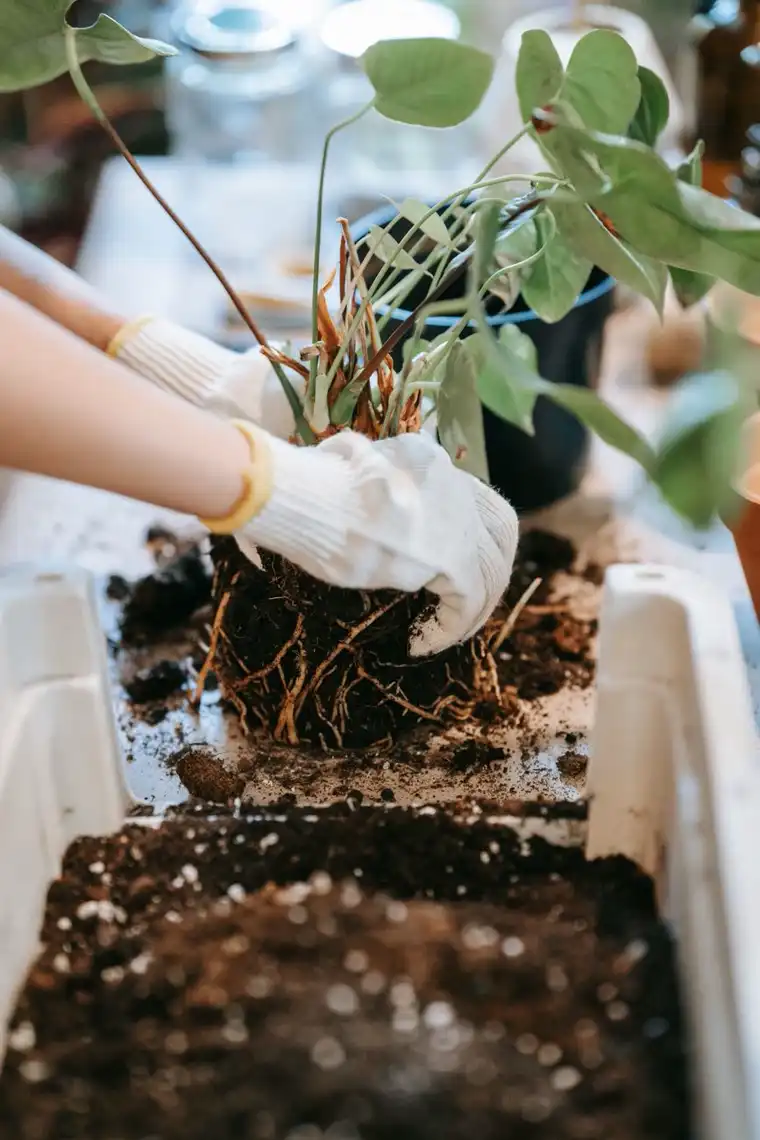
- Never use garden soil in containers or raised beds: garden soil compacts tightly in containers. It blocks the pore spaces that roots need to access oxygen. Compacted soil also waterlogged — the water table in a dense-soil container sits near the base, keeping roots in anaerobic conditions. Use only purpose-formulated potting mix in containers. In raised beds, use a 50:50 blend of potting compost and a loamy topsoil or raised bed mix to maintain structure while keeping the mix lighter than pure garden soil.
- Add 10-15% perlite to any potting compost for improved drainage and aeration: perlite is expanded volcanic glass — white lightweight granules that create air pockets in the growing medium. Adding perlite to a standard potting compost improves drainage and aeration simultaneously. It reduces the risk of root rot in heavy rainfall or overwatering. It is especially beneficial for peat-free composts (which can become waterlogged more easily than peat-based mixes) and for any container without drainage holes. Perlite costs £5-10 per 10 litre bag.
- Refresh container potting compost every 1-2 seasons: potting compost breaks down and degrades over time. After 1-2 seasons, the original pore structure collapses. The compost becomes dense and poorly draining. Nutrient reserves are exhausted. Remove the old compost from containers each autumn or spring. Replace with fresh potting mix. For large permanent container plants (fruit trees, standard roses), top-dress with 5-8 cm of fresh compost each year rather than full replacement — full replacement disturbs the established root system.
- Store unused potting compost sealed and dry between seasons: potting compost stored in an open bag can develop fungus gnats (tiny flies that lay eggs in moist compost). It can also become waterlogged and develop anaerobic patches (recognisable by a strong unpleasant smell). Store unused compost in a sealed bag or in a lidded container. Keep it in a cool, dry location. Compost stored properly retains its structure and nutrients for 1-2 seasons after opening.
Frequently asked questions
What is the difference between potting soil and potting mix?
In the UK, potting compost is the standard term for bagged container growing media. In the US, potting soil and potting mix are used interchangeably. However, “potting mix” more accurately describes these products — they typically contain no actual soil (no mineral particles from the ground). They are blends of organic materials (bark, coir, peat) and inorganic materials (perlite, vermiculite, grit) with added fertilisers.
Potting “soil” implies the presence of mineral soil particles. Some formulations (John Innes composts) do contain sterilised loam. Most do not. The terminology is inconsistent across brands and markets. Read the ingredients on the bag rather than relying on the product name to understand what is in the mix. Look for the stated pH, fertiliser duration, and ingredients list.
Can I reuse old potting soil?
Old potting compost from last season can be reused with conditioning. Remove all old roots and plant debris. Break up any compacted sections. Mix with 30-40% fresh compost and 10-15% perlite or horticultural grit to restore the pore structure. Add a slow-release fertiliser (such as blood, fish, and bone meal or a pelleted organic fertiliser) to replenish nutrients that were consumed in the previous season.
However, do not reuse compost from containers where a plant died from root disease (root rot, pythium, or verticillium wilt) — the pathogen may remain in the old compost and infect the next planting. Always start with fresh compost after a disease-related plant loss. Do not reuse old compost for seed starting — the fine texture and sterile conditions needed for germination are not present in broken-down old compost.
What is ericaceous compost and which plants need it?
Ericaceous compost is a lime-free, low-pH (4.5-5.5) compost for acid-loving plants. Acid-loving plants cannot take up iron and manganese at neutral or alkaline pH — their leaves turn yellow (chlorosis) and growth stops. Ericaceous compost maintains the low pH these plants need to absorb nutrients properly.
Plants that need ericaceous compost include blueberries, rhododendrons, azaleas, camellias, pieris, some heathers, gardenia, and magnolia. All other common garden plants (vegetables, most flowers, most herbs, most houseplants) grow best in neutral to slightly acidic conditions (pH 6.0-7.0) and should not be planted in ericaceous compost. Use a soil test kit to check pH if unsure — do not guess with acid-sensitive plants.
How much potting soil do I need for a raised bed?
A standard raised bed 1.2 m × 2.4 m (4 ft × 8 ft) at 30 cm (12 inches) deep requires approximately 860 litres of growing medium (1.2 × 2.4 × 0.3 = 0.864 cubic metres = 864 litres). Most retail compost bags are 40-50 litres. This bed would need approximately 18-22 bags of compost to fill from scratch — a significant cost for pure potting compost.
A cost-effective approach for deep raised beds is the “Hugelkultur” layer method. Fill the bottom 15-20 cm of the raised bed with logs, woody debris, or cardboard — these decompose slowly and improve drainage and long-term soil structure. Fill the top 10-15 cm with a blend of 50% topsoil (purchased by the cubic metre from a landscape supplier) and 50% potting compost. This reduces the compost required by 30-40%. Top-dress with fresh compost each spring to replenish nutrients and maintain the surface structure.
Can I reuse potting soil from last year?
Yes, with some renewal — completely spent potting mix has lost its structure and most of its nutrients after a growing season. Break up any compacted clumps, remove old roots, and mix in 25-30% fresh compost plus a slow-release fertiliser to restore nutrition. Oklahoma State University extension notes the added fertiliser in a fresh bag typically lasts only three to six months, so year-old soil needs feeding again regardless of its texture. Skip reuse entirely if the old soil smells sour, stayed waterlogged, or hosted a diseased plant.
Why does my potting soil have fungus gnats, and how do I stop them?
Fungus gnats lay eggs in the top few centimetres of consistently damp soil, then the larvae feed on organic matter and fine roots. Letting the surface dry out between waterings breaks their breeding cycle, since the eggs and larvae cannot survive dry conditions. A thin layer of sand or fine gravel on top also stops adults from reaching the soil to lay eggs. Yellow sticky traps catch the flying adults and let you track whether the problem is easing.
Do I need to sterilize potting soil before use?
No — commercially bagged potting soil is manufactured from ingredients that are already heat-treated or naturally free of weed seeds and most soil-borne pathogens, so an unopened bag needs no extra treatment. Sterilising is worth doing only when reusing old soil from a container that held a diseased plant, since baking or solarising kills lingering fungal spores and pest eggs. Spreading damp reused soil in a thin layer on a tray in a warm oven at low heat for thirty minutes is enough.
What is the difference between potting soil and ordinary garden soil?
Garden soil is the mineral soil already in the ground, and it is far too dense and poorly drained for a container, where it compacts into a solid, airless block. Potting soil is a manufactured mix, usually built around peat, coco coir, bark, or compost blended with perlite or vermiculite, engineered specifically to hold moisture while still draining and letting air reach the roots. Never fill a pot with soil dug straight from the garden.
Why is my potting soil staying soggy and waterlogged?
A mix with too much fine peat or compost and not enough coarse material like perlite or bark loses its air pockets over time and starts holding water like a sponge. Poor drainage at the pot’s base compounds the problem, so check the drainage hole isn’t blocked before blaming the mix itself. Refresh compacted soil by mixing in extra perlite or coarse bark, and repot into a container with a clear, unobstructed drainage hole.
Can I make my own potting soil instead of buying it?
Yes — a reliable general-purpose homemade mix is roughly equal parts compost, coco coir or peat, and perlite or coarse sand, which balances moisture retention with drainage. Sieve out large lumps and debris before use, and adjust the ratio for specific plants: succulents need more grit, while moisture-loving ferns need more coir. Homemade mixes cost less per litre for gardeners filling many containers, but bagged mixes are more consistent for beginners.
How much does potting soil weigh, and does that matter for containers?
A standard 40-litre bag of moist potting soil typically weighs 15-20 kg, though lightweight mixes with more perlite and less compost can weigh noticeably less. Weight matters most for large containers on balconies, roof terraces, or upper floors, where structural load limits apply, and for pots that need moving seasonally. Choosing a perlite-heavy, lightweight mix for big pots that must be shifted keeps the container manageable without sacrificing drainage.
How long does an opened bag of potting soil last?
An unopened bag keeps for years; an opened one is best used within a season or two. What degrades is not the mineral content but the structure and the wetting agent: peat and coir slump, bark breaks down, and old mix drains noticeably worse than new. Store what is left folded shut and off the ground, and if a bag has sat through two winters, use it for topping up beds rather than for seedlings.
Is expensive potting soil actually worth it over the cheapest bag?
For seedlings and long-term container plants, usually yes — the price difference buys screened, consistent material and reliable drainage, and cheap mixes are where you meet weed seed, fungus gnat larvae and lumps of undecomposed bark. For filling a large planter that will hold shrubs for years, mid-range mix bulked out with your own compost is the sensible middle path.
Sources and further reading
Still stuck? Ask the Plant Doctor
Describe the problem — yellow leaves, holes, no flowers — and get a clear answer in seconds. FreeAI can make mistakes. Answers are guidance, not a guarantee — check anything important against the guide it links to, and always read the label on any product before you use it.