How to Start Seeds Indoors (A Beginner’s Step-by-Step Guide)
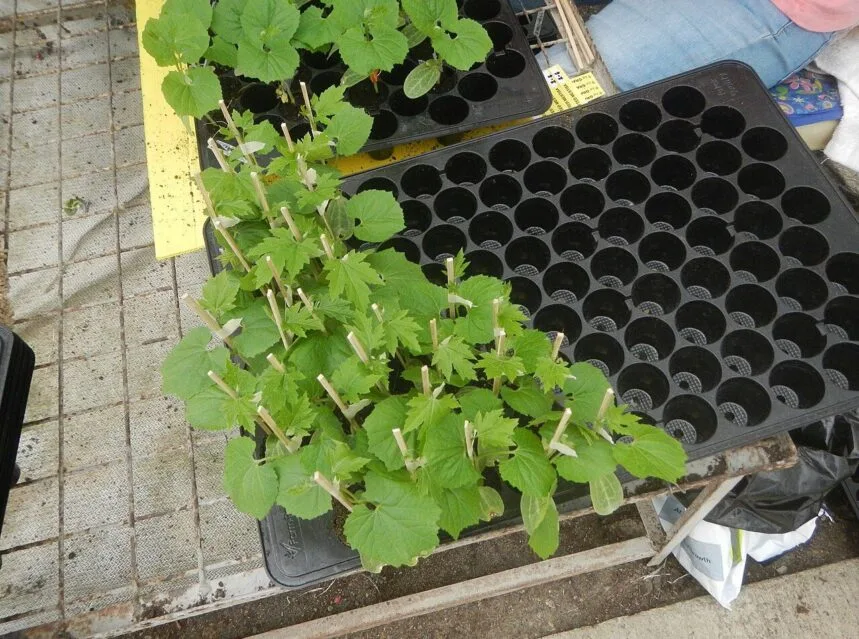 Photo: Judgefloro (CC0) via Wikimedia Commons
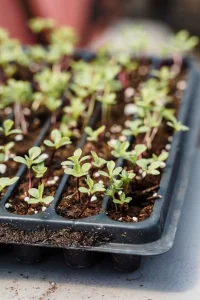
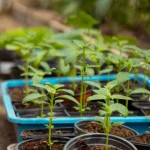
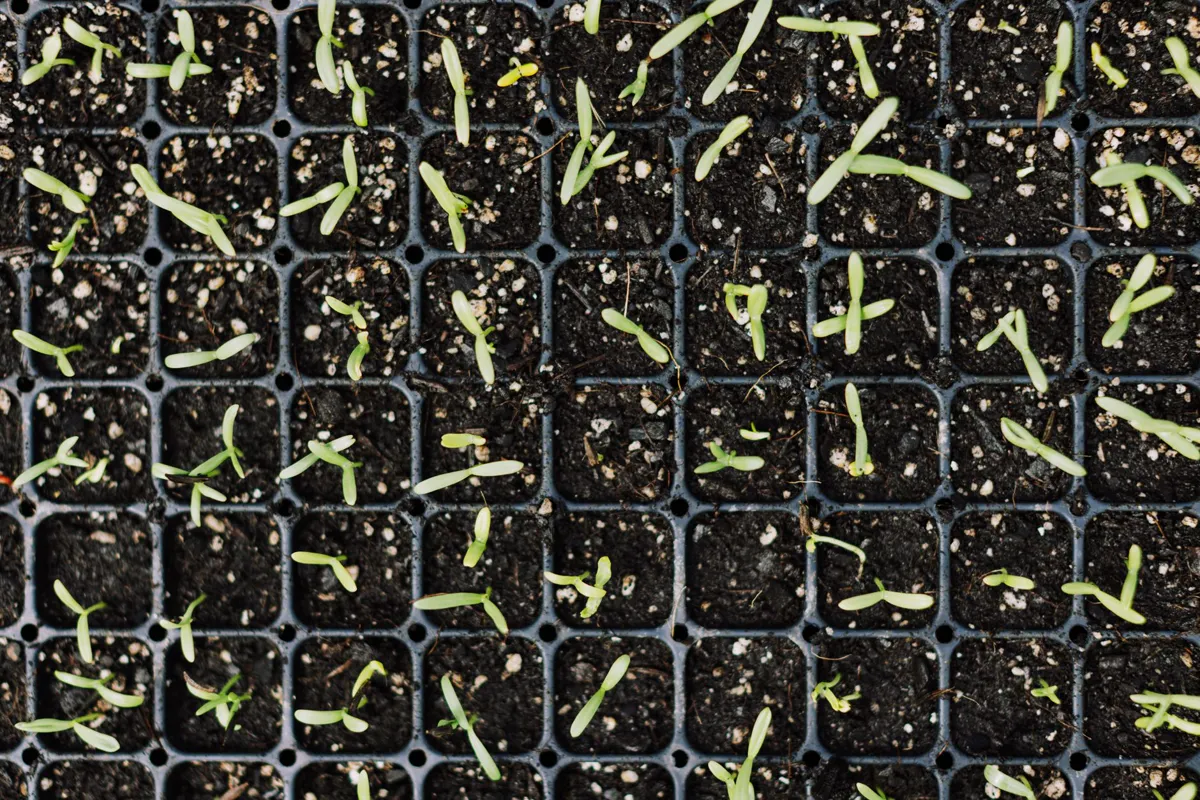
Starting seeds indoors is the practice of sowing seeds in trays inside before the season warms, so you have strong young plants ready to plant out after the last frost. Buying transplants is fine, but the first time you watch a tray of bare soil erupt into dozens of green seedlings, gardening stops feeling like shopping and starts feeling like creating. It is also far cheaper: one seed packet can give fifty plants for the price of a single transplant. Here is exactly how to start seeds indoors without the common pitfalls.
Quick answer: To start seeds indoors, sow at the right time (count back from your last frost), use seed-starting mix in clean containers with drainage, and keep them warm and moist to germinate. The moment they sprout, give them strong light to prevent leggy growth, then harden them off over a week before planting out.
🧰 In a hurry? Jump straight to our tested picks for this guide ↓
Seed starting at a glance
| Step | Key point |
|---|---|
| Timing | Count back weeks on packet from last frost |
| Mix | Light, sterile seed-starting mix (not garden soil) |
| Warmth | Most germinate at 18–24°C (65–75°F) |
| Light | Bright light the instant they sprout |
| Water | Moist like a wrung-out sponge; water from below |
| Harden off | 7–10 days before planting out |
Why start seeds indoors?
Starting seeds indoors has several big advantages over buying plants. It is one of the most satisfying skills a gardener can learn.
Long-season crops like tomatoes, peppers, and aubergine need a head start to ripen before cold returns. Starting indoors also opens up hundreds of varieties you will never find as transplants, saves a lot of money, and gets your hands in the soil weeks early. For quick crops like beans and radishes, though, sowing straight outdoors is simpler.
Get the timing right
This is the step beginners most often get wrong. Seeds started too early become leggy and root-bound before it is warm enough to plant them out. That is exactly the trap of a midwinter sowing, which is why what to plant in January is a much shorter list than the seed catalogues suggest.
Most seed packets say to start “X weeks before your last frost date”. So find your region’s average last frost date, count backward by the weeks on the packet (commonly 6 to 8 weeks for tomatoes and peppers), and that is your sow-indoors date. Your local extension service or national weather service publishes average frost dates for your area.
What you will need
You need very little to start, much of which you may already have. A few basics make all the difference.
- Containers: seed trays, cell packs, or clean recycled pots, anything with drainage holes.
- Seed-starting mix: a light, sterile mix made for seeds, never heavy garden soil.
- Seeds from a reputable source, ideally fresh.
- Light: a very bright south-facing window, or much better, a grow light.
- Optional but helpful: a clear humidity dome and a heat mat for warmth-loving seeds.
How to sow your seeds, step by step
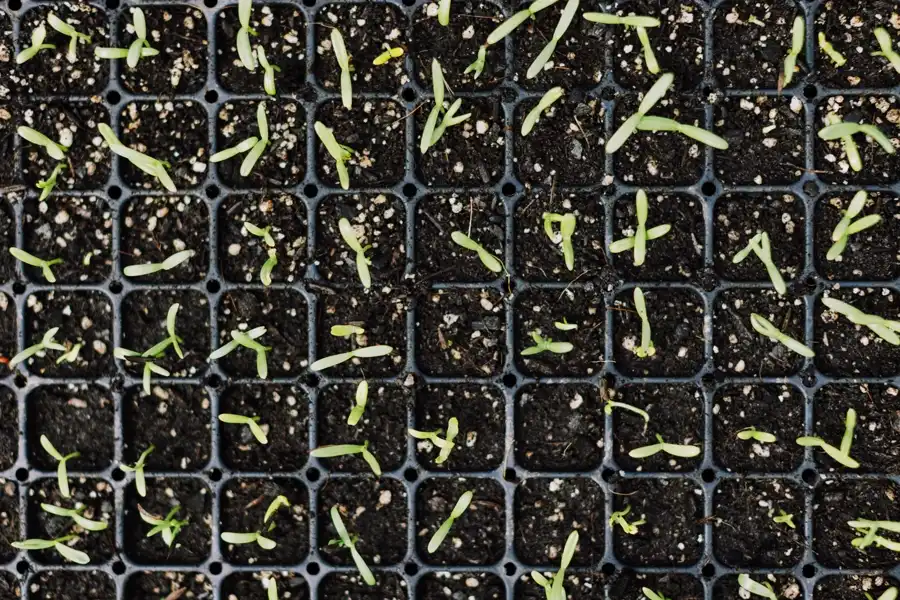
Sowing itself is quick and forgiving once you have your kit ready. Follow these steps.
- Fill containers with moistened seed-starting mix and firm it gently.
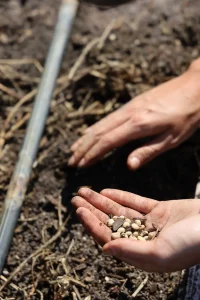
- Sow at the depth on the packet, roughly twice as deep as the seed is wide; tiny seeds barely need covering.
- Water gently from below so you do not dislodge them, and label everything. Two trays of unlabelled seedlings look identical for weeks, so write the variety and the sowing date on a garden label as you sow, not afterwards.
- Cover with a dome or plastic to hold moisture, and place somewhere warm, around 18 to 24°C.
Light: where most seedlings fail
This is the make-or-break factor. As soon as seeds sprout, remove the cover and give them lots of light.
A sunny windowsill is rarely enough, so seedlings reach and flop toward the glass. An inexpensive LED grow light positioned a few inches above them, run 14 to 16 hours a day, produces stocky, strong plants. Keep the light close, raising it as they grow, to prevent that weak, stretched look.
Watering, thinning and potting up
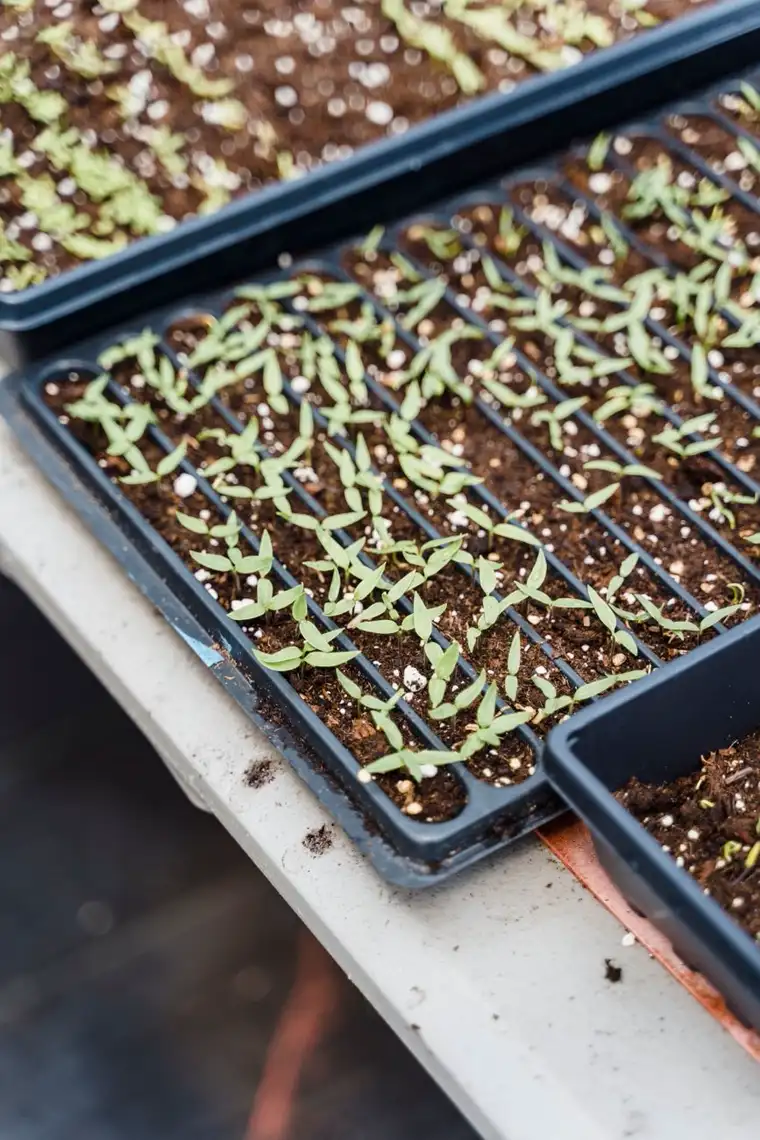
After germination, steady care grows sturdy seedlings ready for the garden. A few habits keep them healthy.
Keep the mix moist like a wrung-out sponge, watering from below to encourage strong roots and avoid disturbing seedlings. Good airflow (a small fan helps) prevents “damping off”, a fungal problem that topples seedlings overnight. If several crowd one cell, snip out the weaker ones with scissors. Once seedlings have their first true leaves and outgrow their cells, pot them up into larger containers.
Hardening off (do not skip this)
Indoor seedlings have lived a sheltered life with no wind, no direct sun, and stable temperatures. Planting them straight out can shock and kill them.
“Hardening off” eases the transition. Over 7 to 10 days, set them outside for a couple of hours the first day, then increase the time and exposure gradually. By the end of the week they are toughened up and ready to be transplanted into the garden after your last frost.
Easiest seeds to start indoors
Some seeds are far more forgiving for a first attempt than others. Starting with these builds confidence fast.
Tomatoes, peppers, and aubergine are the classic indoor-start crops, since they need the head start most. Among flowers, marigolds, zinnias, and cosmos germinate quickly and reliably. Herbs like basil are easy too. Larger seeds are simply easier to handle and place than dust-fine ones. Seed-starting guidance from the Royal Horticultural Society suggests beginners start with a few vigorous, large-seeded crops before tackling fussier ones.
Starting seeds indoors in India & warm climates
In warm climates like much of India, indoor seed starting is less about beating frost and more about timing crops to the right season. The same method still helps.
Start warm-season crops indoors or in a shaded spot ahead of the growing season, and protect tender seedlings from the harshest sun. Many gardeners raise seedlings on a bright balcony rather than indoors. Sow cool-season vegetables to transplant for the winter crop, and time everything so young plants are not set out into peak summer heat or heavy monsoon rain.
Sources and further reading
Frequently asked questions
When should I start seeds indoors?
Count back from your average last frost date by the number of weeks listed on the seed packet, typically 6 to 8 weeks for tomatoes and peppers. Starting too early leads to leggy, stressed seedlings.
Do seeds need light to germinate?
Most do not; they need warmth and moisture to sprout. But seedlings need bright light the instant they emerge, so have a sunny spot or grow light ready to prevent leggy growth.
Why are my seedlings tall and floppy?
That “leggy” look means too little light. Move them under a grow light kept close to the tops, run it 14 to 16 hours a day, and they will grow shorter and sturdier.
Can I use regular potting soil for seeds?
It is better to use a light, sterile seed-starting mix. Regular potting soil and garden soil are heavier, drain poorly in small cells, and can carry diseases that kill seedlings.
What does "hardening off" mean?
It is the process of gradually exposing indoor seedlings to outdoor conditions over 7 to 10 days before transplanting, so they are not shocked by wind, sun, and temperature changes.
Is starting seeds indoors useful in a warm climate?
Yes. There it is about timing crops to the right season and protecting tender seedlings from harsh sun, often raised on a bright balcony, so they are ready to transplant at the right time.
How deep should I sow seeds?
A good rule is about twice as deep as the seed is wide. Very fine seeds barely need covering at all, while larger seeds like beans go deeper. Always check the seed packet for the exact depth.
Should I use a heat mat for seeds?
It helps for warmth-loving crops like tomatoes, peppers, and aubergine, which germinate faster with bottom heat. Many easier seeds sprout fine at normal room temperature without one.
How often should I water seed trays?
Keep the mix moist like a wrung-out sponge, never soggy or bone dry. Watering from below, by setting trays in shallow water, keeps moisture even and encourages strong downward roots.
Can I reuse seed trays each year?
Yes, but wash them well between seasons to remove old soil and any disease. Clean trays and fresh, sterile seed-starting mix greatly reduce the risk of damping-off in young seedlings.
Do I need a grow light to start seeds indoors?
A very bright, south-facing window can work, but most homes simply do not give enough light, which leaves seedlings pale and leggy. An inexpensive LED grow light kept a few inches above the plants and run 14 to 16 hours a day produces far sturdier, stockier seedlings and is well worth it.
Why are my seeds not germinating?
The usual culprits are soil that is too cold, seed sown too deep, old or poor-quality seed, or the mix drying out at a critical moment. Keep the surface evenly moist, aim for a warm 65 to 75F, and be patient, since some seeds naturally take two to three weeks to appear.
Still stuck? Ask the Plant Doctor
Describe the problem — yellow leaves, holes, no flowers — and get a clear answer in seconds. FreeAI can make mistakes. Answers are guidance, not a guarantee — check anything important against the guide it links to, and always read the label on any product before you use it.