How Long Do Seeds Last? (Seed Storage & Testing Guide)
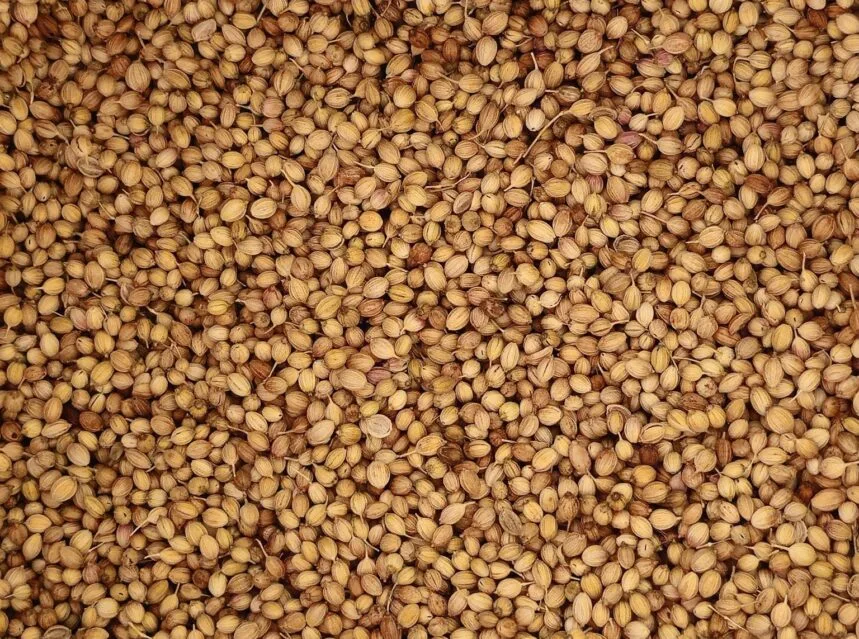
How long do seeds last? Most vegetable and flower seeds stay viable for 2 to 5 years when stored cool, dark, and dry, though it varies a lot by type. Old seed does not suddenly “expire”; instead its germination slowly drops over time. With good storage and a simple test, you can use seed for years and avoid wasting money. Here is how long seeds last and how to keep them viable.
Quick answer: Stored cool, dark, and dry, most seeds last 2–5 years. Onions, parsnips, and leeks are short-lived (1–2 years); tomatoes, cucumbers, and many flowers last 4–6 years or more. Keep seed in airtight jars somewhere cold, and do a simple paper-towel germination test before sowing old seed.
🧰 In a hurry? Jump straight to our tested picks for this guide ↓
How long do seeds last by type?
| Seed type | Typical viable life |
|---|---|
| Onion, leek, parsnip, spring onion | 1–2 years (short-lived) |
| Carrot, pepper, chilli, sweetcorn, peas, beans | 2–3 years |
| Beetroot, chard, spinach, lettuce, brassicas | 3–5 years |
| Tomato, cucumber, squash, melon, radish | 4–6 years |
| Many flowers (zinnia, marigold, cosmos) | 2–5 years |
| Sunflower, nasturtium | 3–5 years |
Do seeds really expire?
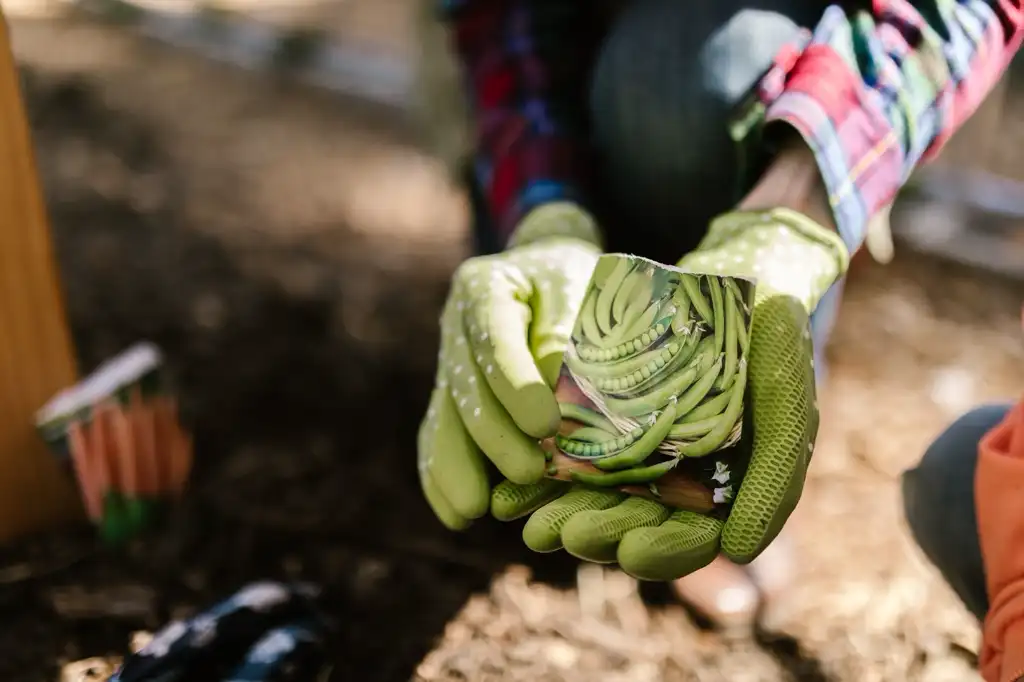
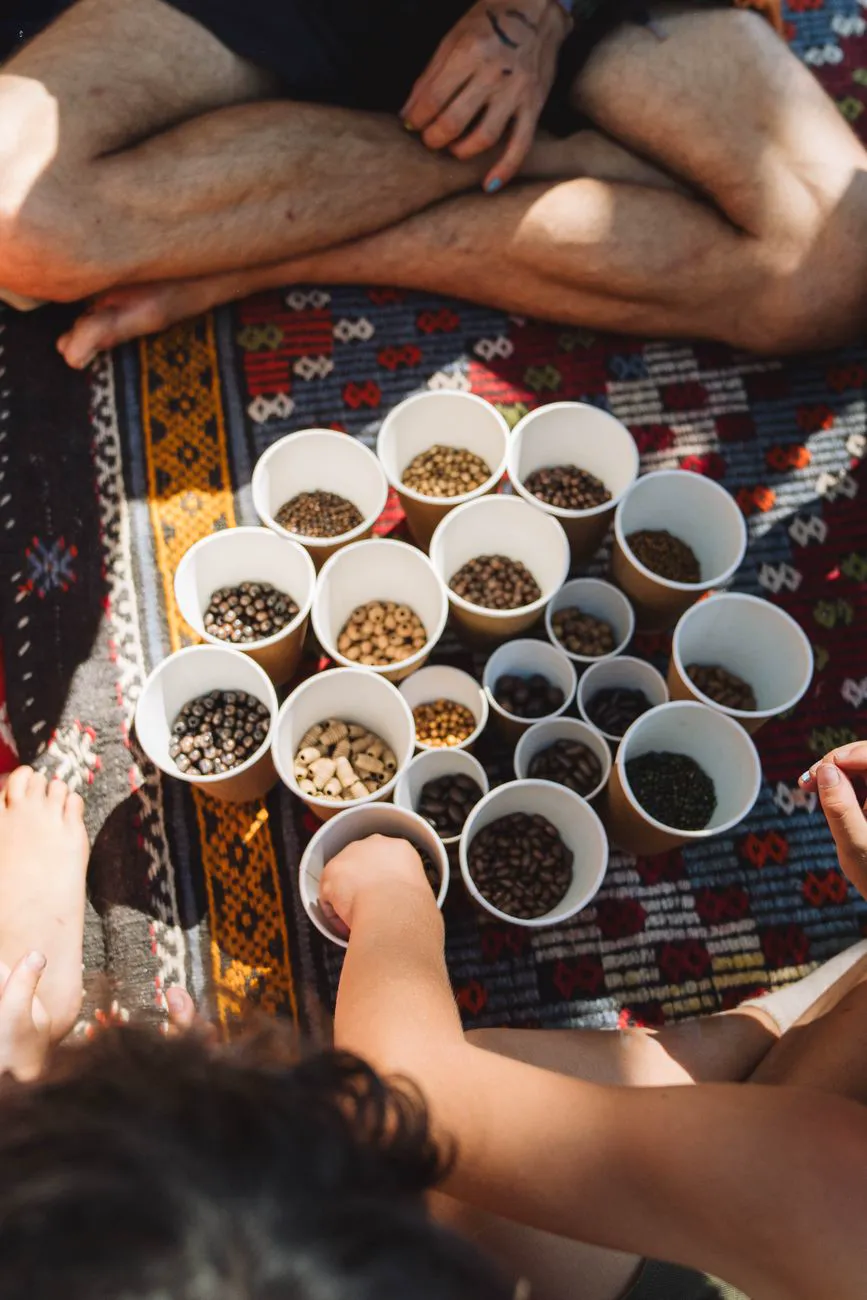
Seeds do not have a hard expiry date. A seed is a living thing in a resting state, and over time its stored energy fades and fewer seeds will sprout.
So an old packet is not useless, it simply germinates less reliably. A packet that gave 95% germination when fresh might give 60% after a few years, and very little after many. The “best before” date on a packet is a guide, not a deadline.
What makes seeds last longer?
Storage is everything. The enemies of seed are warmth, moisture, and light, which all coax seeds to wake up or rot.
The rule gardeners use is that cool, dark, and dry seed lasts longest. A drop in temperature or humidity can double the storage life. That is why a sealed jar in a cold, dark cupboard or fridge keeps seed viable far longer than a packet left on a warm, bright windowsill.
How to store seeds properly
Good storage is simple and cheap, and it makes a real difference to how long seeds last.
- Keep seed in airtight containers — jars, tins, or zip bags — to block moisture.
- Store somewhere cold, dark, and dry, such as a fridge or a cool cupboard.
- Add a silica gel sachet or a little dry rice to absorb moisture.
- Label everything with the variety and the year, so you know its age.
How to test old seed for viability
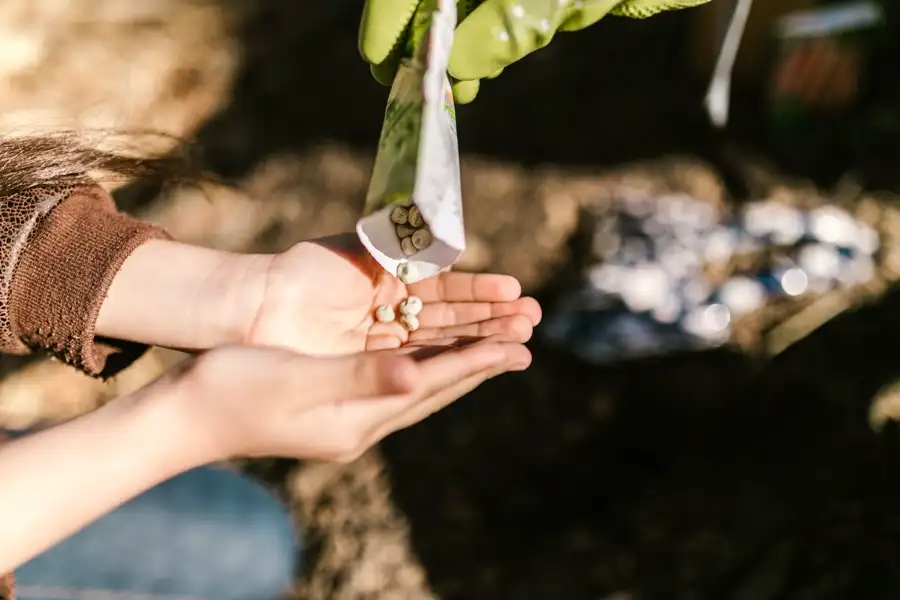
Before sowing old seed, a quick germination test tells you if it is still worth using. It takes minutes and saves a wasted sowing.
Lay ten seeds on a damp paper towel, fold it over, and seal it in a labelled plastic bag somewhere warm. Check after a week or two. If 8 of 10 sprout, germination is about 80% and the seed is fine; if only 3 sprout, sow it thickly or replace it. This simple test works for almost any seed.
Signs seed is too old
You cannot always tell by looking, which is why the test above matters. Still, a few signs hint that seed is past its best.
Very old seed may look dull, shrivelled, or discoloured, and damp-stored seed may smell musty or show mould. The surest sign, though, is poor germination in the paper-towel test. When old seed sprouts weakly or not at all, it is time to compost it and buy fresh.
Storing seed in hot, humid climates & India
In hot, humid regions like much of India, seeds lose viability faster, because warmth and moisture speed up their decline. Good storage matters even more here.
Dry the seed thoroughly first, seal it in airtight jars with a silica sachet, and keep it in the fridge if you can. This protects seed through the heat and monsoon humidity that would otherwise ruin it within a season. Always cool the jar to room temperature before opening, to avoid condensation.
Saving your own seed
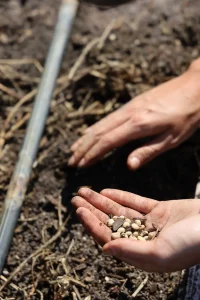
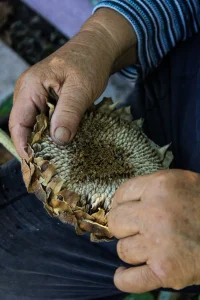
Saving seed from your own plants is cheap, satisfying, and keeps favourite varieties going. Let the seed ripen fully on the plant, then dry it well before storing.
Save from open-pollinated (not F1 hybrid) plants, as hybrids do not come true from saved seed. Easy crops to start with include beans, peas, tomatoes, and many flowers. Stored cool and dry, home-saved seed lasts as well as bought seed and gives you a free supply year after year.
The bottom line on seed shelf life
So, how long do seeds last? For most gardeners the answer is “longer than you think”, as long as the seed is stored cool, dark, and dry. Two to five years is normal, and many seeds last even longer.
Rather than throw out old packets, store them well, label them, and run a quick germination test before sowing. You will save money, waste less, and still get strong crops. With a cold, dry cupboard and a paper towel, your seed collection can keep growing your garden for years.
Why germination drops over time
Understanding why seeds fade helps you store them better. A seed is a tiny living plant in suspended animation, kept alive by a store of energy. Over time that store is slowly used up, and the delicate cell machinery inside degrades.
Warmth and moisture speed this decline, because they nudge the seed toward waking and burning energy, or invite mould. That is why cool, dry storage slows the loss so dramatically. According to seed scientists and bodies like the RHS, every reduction in temperature and humidity meaningfully extends seed life. Eventually, though, even perfectly stored seed reaches a point where too few seeds will sprout to be worth sowing.
Common seed-storage mistakes
Most seed is lost not to age but to poor storage. The classic mistake is leaving packets in a warm, bright kitchen or a damp shed, where heat and humidity shorten their life fast.
Another error is storing seed before it is fully dry, which invites mould in the jar. Forgetting to label packets with the year is a smaller but frustrating slip, leaving you guessing how old the seed is. And opening a cold jar in a warm room causes condensation inside, so always let stored seed warm to room temperature before opening. Avoid these, and your seed will last for years.
Which seeds to buy fresh each year
Because some seeds are short-lived, it pays to know which to replace yearly. Buying small amounts of these fresh each season avoids wasted sowings.
The short-lived ones to buy fresh are the alliums (onions, leeks, spring onions) and parsnips, which often fail by their second year. Sweetcorn and some flowers also fade quickly. By contrast, tomatoes, cucumbers, squash, beans, and many flowers keep for years, so a single packet lasts several seasons. Knowing this lets you spend wisely, replacing only the short-lived seed and storing the rest with confidence.
Using up old seed
If a germination test shows old seed is weak but not dead, you can still use it. The trick is simply to adjust how you sow it.
Sow weak seed more thickly than usual, then thin the seedlings that come up. This makes up for the lower germination rate. Old seed is also fine for crops you grow densely anyway, like salad leaves, microgreens, or green manures. There is rarely a need to throw seed away just because it is a year or two past its date; a quick test and thicker sowing put it to good use.
Sources and further reading
Frequently asked questions
How long do seeds last in storage?
Most last 2–5 years stored cool, dark, and dry. Onions and parsnips are short-lived (1–2 years); tomatoes and cucumbers last 4–6 years or more.
Can I plant out-of-date seeds?
Yes — old seed often still grows, just less reliably. Do a paper-towel germination test and sow thickly if germination is low.
How do I store seeds to make them last?
Keep them in airtight containers somewhere cold, dark, and dry, with a silica sachet, and label them with the year.
How do I test if old seeds are still good?
Sprout ten seeds on a damp paper towel in a sealed bag. The number that sprout shows the germination rate.
Do seeds last as long in hot climates like India?
No — heat and humidity shorten seed life. Dry seed well, seal it airtight with silica gel, and store it in the fridge.
Can you freeze seeds to make them last longer?
Yes, freezing is one of the best ways to extend seed life, often making seeds last several times longer than they would at room temperature. The key is that the seeds must be completely dry first, as any moisture can form ice crystals and damage them. Seal them in an airtight jar or bag with a silica sachet before freezing, and let the container return to room temperature before opening so condensation forms on the outside, not on the seeds.
Which seeds last the longest?
Beans, peas, corn, tomatoes, cucumbers, melons, and squash are among the longest-lived, often staying viable for five to ten years when stored well. Growers report beans and corn germinating even after a decade in cool, dry storage. Brassicas like cabbage and broccoli also keep for four to five years, making them reliable choices for stocking up.
Which seeds have the shortest shelf life?
Onions, leeks, parsnips, and parsley are the shortest-lived, often dropping in viability after just one year. Lettuce, peppers, and spinach are also on the shorter side, usually lasting only two to three years. Buy these fresh each season or test them before sowing, and use up older packets first.
Do store-bought seed packets have an expiry date?
Most packets show a “packed for” or “sow by” year rather than a hard expiry date. That date is a guide, not a cut-off, and seeds stored well often germinate for years beyond it, just at a lower rate. Treat the printed year as a starting point and rely on a germination test to judge older packets.
Can seeds really last 10 years or more?
Some can, especially long-lived types like beans, corn, and tomatoes kept dry and frozen. Under ideal cool, dark, and airtight conditions, viability drops slowly rather than all at once. Germination will usually be lower than with fresh seed, so sow more thickly to make up for the seeds that fail.
What temperature is best for storing seeds?
Cool and stable is what matters most, ideally below 10C, with the fridge or freezer being excellent for long-term storage. A steady temperature is better than one that swings up and down, so avoid sheds and windowsills. As a rough guide, the total of temperature in Fahrenheit plus humidity percentage should stay under 100 for good storage.
Still stuck? Ask the Plant Doctor
Describe the problem — yellow leaves, holes, no flowers — and get a clear answer in seconds. FreeAI can make mistakes. Answers are guidance, not a guarantee — check anything important against the guide it links to, and always read the label on any product before you use it.