How to Grow Basil (For Bushy Plants & Endless Leaves)
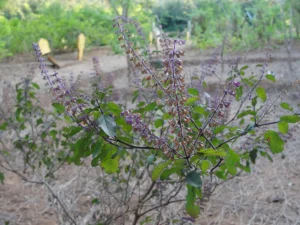
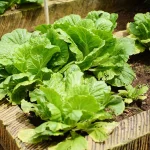
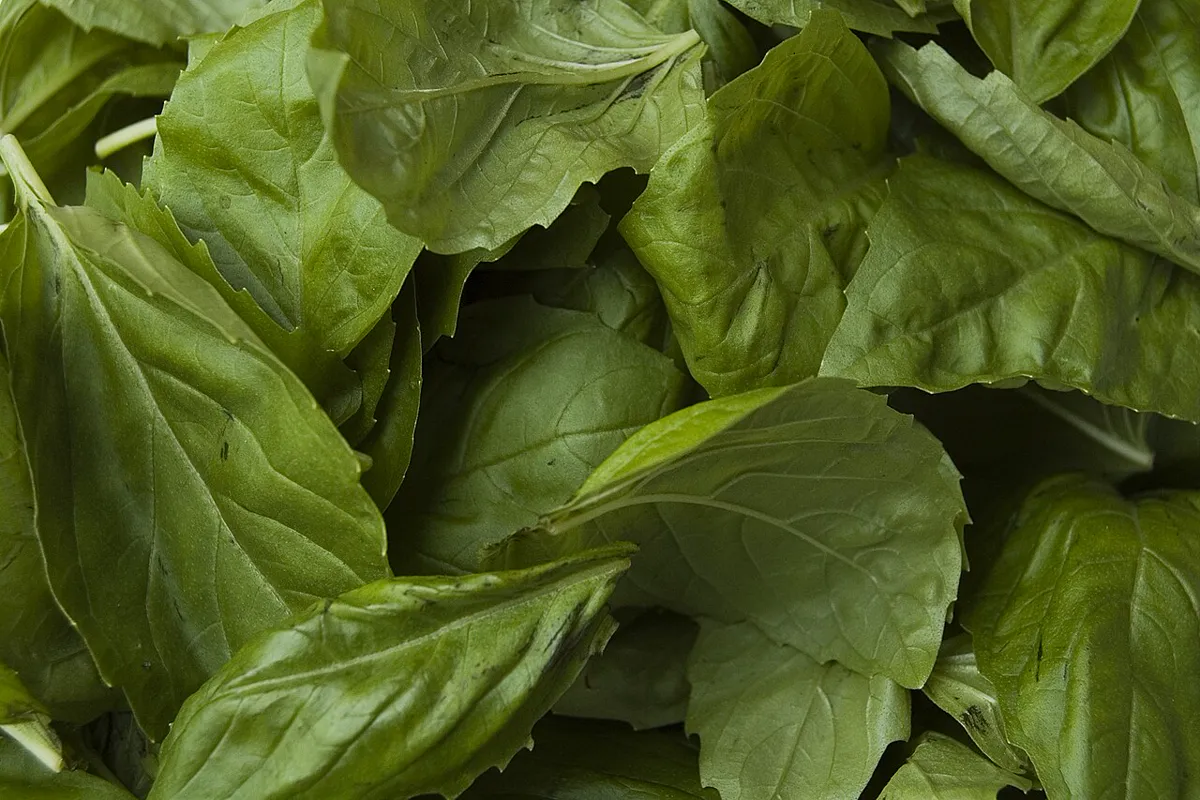
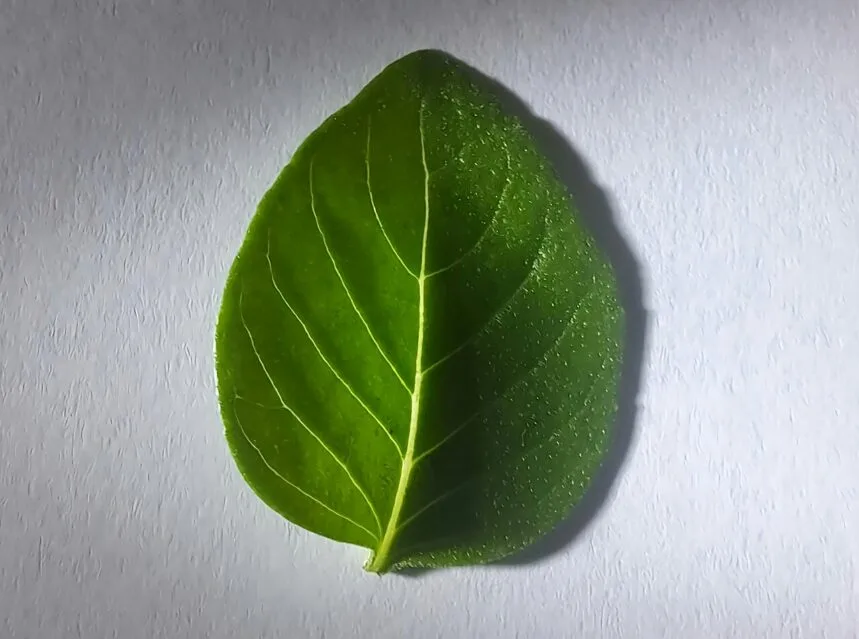 Photo: BernaBotto (CC BY-SA 4.0) via Wikimedia Commons
Basil (Ocimum basilicum) is a tender, warm-season annual herb grown for its fragrant, flavour-packed leaves — the herb most cooks reach for first, and happily one of the easiest to grow. Give this warm-loving plant sun, warmth and a steady drink, and a single specimen will hand you fistfuls of leaves all summer. The one trick that separates a leggy, flowering plant from a bushy, productive one is regular pinching. Here is exactly how to grow basil that stays leafy for months.
Quick start: Plant basil after all frost has passed, in full sun and rich, moist, well-drained soil. Water at the base, not the leaves. Pinch the growing tips often, and snap off any flower buds the moment you see them. Harvest little and often, and the plant keeps producing.
Basil is the star of the summer herb pot, but it is tender and sulks the moment nights turn cold, blackening below about ten degrees. The single trick to a long, leafy harvest is to keep pinching out the growing tips and any flower spikes, which stops the plant bolting and turning bitter. Harvesting from the top, rather than stripping the lower leaves, keeps it bushy and productive. Remember culinary sweet basil is distinct from tulsi, the holy basil grown across India.
🧰 In a hurry? Jump straight to our tested picks for this guide ↓
Basil at a glance
| Feature | Detail |
|---|---|
| Botanical name | Ocimum basilicum (family Lamiaceae) |
| Plant type | Tender warm-season annual |
| Sun | Full sun (6+ hours) |
| Soil | Rich, moist, well-drained |
| Water | Even moisture; water at the base |
| Spacing | 10–12 inches apart |
| Planted | After frost, nights above ~50°F (10°C) |
| Harvest | From 6–8 inches tall, little and often |
| Key task | Pinch tips + remove flower buds |
Why grow basil?
Few herbs reward you faster. Basil grows quickly from seed, thrives in a pot on a sunny balcony, and pairs perfectly with the tomatoes most of us already grow. A few reasons it earns its place:
- Fast and generous. One plant produces leaves for months with regular picking.
- Great companion. Many gardeners tuck it beside tomatoes and peppers (see our companion planting guide).
- Saves money. Fresh basil is expensive to buy, so one plant quickly pays for itself.
- Container-friendly. It does beautifully alongside other container crops.
Types of basil to try
“Basil” covers a whole family of flavours, and growing two or three types stretches what one herb can do in the kitchen. The most useful to know:
- Sweet / Genovese basil — the classic large-leaved Italian basil for pesto, pasta and Caprese salad.
- Thai basil — sturdier, anise-scented and heat-tolerant, holding its flavour in stir-fries and curries.
- Lemon and lime basil — citrus-scented types that lift fish, salads and cold drinks.
- Purple basil (such as Dark Opal) — striking deep-purple leaves for colour as well as flavour.
- Greek / bush basil — tiny leaves on a naturally tidy, dome-shaped plant, perfect for pots.
All of them grow the same way and enjoy the same warmth, sun and pinching routine, so once you can grow one you can grow the lot. In hot, humid regions the sturdier Thai and bush types often cope better with monsoon stress than the soft-leaved Genovese, which is worth remembering when you choose what to sow.
History, origin & how basil reached the world
Sweet basil is native to the warm regions of tropical Asia and Africa, with India long considered part of its ancient home range. It has been cultivated for thousands of years, valued in cooking, medicine and ritual, and it travelled westward along trade routes into the Middle East and the Mediterranean, where it became central to Italian and Greek cooking (see Wikipedia). The journey gave us the many basils we grow today, from Italian sweet basil to Thai and lemon types.
In India, basil’s relative tulsi (holy basil) holds sacred and medicinal status, distinct from the culinary sweet basil prized in pasta and pesto. Today major commercial producers include India, Egypt, the United States and Mediterranean countries — though basil, like most culinary herbs, has no line of its own in FAO’s crop statistics, so those rankings come from trade reporting rather than an official tonnage. The common thread across all of them is heat — basil is a true warm-season crop that sulks in the cold and collapses at the first frost, a direct echo of its tropical origins.
Best season & when to plant
Sow or transplant basil only after the last frost, once nights stay above about 50°F (10°C). In the US, that means late spring into summer. In most of India, plant after the cold sets off and through the warm months. During a heavy monsoon, basil’s biggest threat shifts from cold to fungal downy mildew — so improve airflow, avoid wetting the leaves, and consider growing under cover through the wettest weeks.
How to plant basil
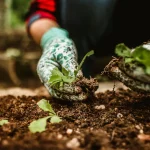
Basil starts easily from seed or young plants. To grow from seed, scatter seeds on moist soil, barely cover them, and keep warm — see our notes on starting seeds indoors. Then:
- Space well. Set or thin plants about 10–12 inches apart so air moves freely between them.
- Give full sun. Aim for at least 6 hours of direct light daily.
- Use good drainage. In pots, use a quality mix and a container with drainage holes.
Sun, soil, watering & feeding
Basil wants rich, moist but well-drained soil and plenty of warmth. Keep the soil evenly damp — basil wilts quickly when dry but rots in soggy ground. Water deeply at the base in the morning so leaves dry by night (see how often to water plants). A little compost or balanced feed every few weeks keeps growth lush; mix in plenty of organic matter first using our soil-improvement guide.
Pinching & keeping it bushy
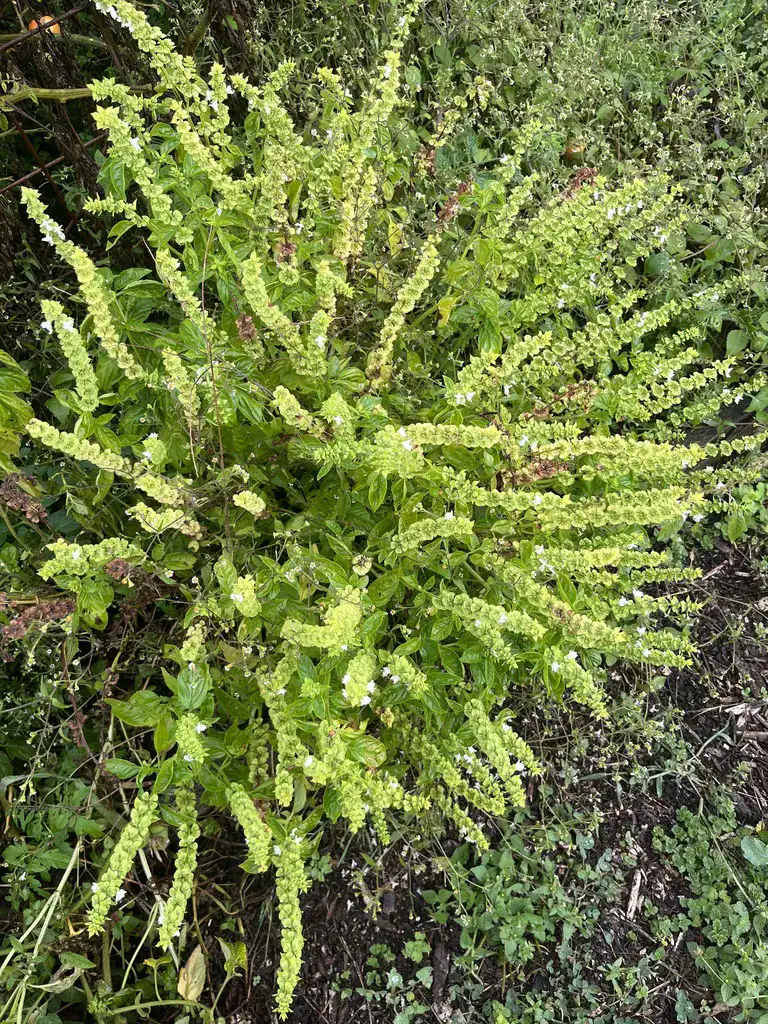
This is the secret to a productive plant. Once basil has a few sets of leaves, pinch out the top growing tip just above a leaf pair. The plant branches into two, then four, and so on — turning one stem into a full, leafy bush. Just as importantly, remove flower buds as soon as they appear. Once basil flowers, leaf production slows and the flavour turns bitter.
Common pests & diseases
Watch for aphids, slugs and Japanese beetles on the leaves — our guides on aphid control, slugs and snails and organic pest control cover safe fixes. The most serious problems are downy mildew and fusarium wilt, both worse in humid, crowded, wet conditions. Space plants well, water at the base, and choose mildew-resistant varieties where you can.
Harvesting basil
Start picking once the plant is 6–8 inches tall. Always harvest from the top, snipping just above a leaf pair so the plant branches out — never strip the lower leaves and leave a bare stem. Harvesting little and often works just like pinching, so frequent picking actually makes the plant bushier. Use the leaves fresh; basil bruises and blackens in the fridge, so freeze it in oil or turn it into pesto to store.
Health benefits & uses
On paper basil looks extraordinary: per 100 g it carries 414 µg of vitamin K — some 346% of a day’s requirement — plus vitamin A at 29%, iron 18% and calcium 14% (USDA record 172232). Read that figure with the serving in mind, though. Nobody eats 100 g of basil. A generous handful torn over a pizza is perhaps 5 g, which turns 346% into roughly 17% — still a useful amount of vitamin K, and worth knowing if you are on warfarin, but a long way from the numbers herb articles like to quote. What basil genuinely brings to a plate is the aromatic oil, not the micronutrients. In the kitchen it is the soul of pesto, Caprese salad, pizza and pasta, while Thai basil shines in stir-fries and curries. Remember that culinary sweet basil is different from tulsi (holy basil), which is grown mainly for its sacred and medicinal role in India.
This article is for general information only and is not medical advice. Talk to a qualified professional before using any plant medicinally.
Storing & preserving basil
Basil is at its best fresh, but a productive plant gives more than you can use at once, so it helps to know how to keep it. The fridge is its worst enemy — cold turns the leaves black within a day or two. Instead, stand a cut bunch in a glass of water on the kitchen counter like a posy, and it will hold for several days.
For longer storage, the two reliable methods are freezing and pesto: blitz the leaves with a little oil and freeze the paste in an ice-cube tray, then pop out a cube whenever a dish needs it. Drying is the weakest option, as basil loses much of its aroma when dried, so freezing wins almost every time. Picking regularly and preserving the surplus this way means a single summer plant can flavour your cooking for months.
Common basil problems
Plant flowers and stops producing
It has bolted. Pinch off flower buds early and harvest the tips often to delay flowering.
Leggy, sparse plant
Not enough pinching or too little light. Pinch the tips regularly and give it full sun.
Yellow or spotted leaves
Often overwatering or downy mildew. Improve drainage and airflow, and water only at the base.
Stuck on one symptom? We go into it in detail in Why Are There Black Spots on My Basil? 4 Causes and Fixes.
Related plant guides
- How to grow Mint
- How to grow Marjoram
- How to grow Cilantro
- How to grow Fenugreek
- How to grow Parsley
- How to grow Shiso
Frequently asked questions
Why does my basil keep flowering?
Heat and age trigger flowering. Pinch off buds as soon as you see them and harvest the tips often to keep the leaves coming.
Can I grow basil indoors?
Yes — on a bright, sunny windowsill or under a grow light. See our guide on growing herbs indoors.
How do I grow basil from cuttings?
Snip a 4-inch stem, strip the lower leaves, and stand it in water. Roots form in a week or two, then pot it up — much like our propagation method.
Does basil come back every year?
No — it is a tender annual that dies at the first frost. Sow fresh each warm season, or grow it indoors over winter.
How do you harvest basil so it keeps growing?
Cut stems, not individual leaves. Take the top of a shoot just above a pair of side leaves and the plant responds by pushing out two new branches from that point, so each harvest makes it bushier. Always work from the top down and leave the lower leaves in place, since they feed the plant while the new shoots develop. Harvesting little and often from a young plant beats stripping leaves off a mature one, which leaves you with bare, woody stems.
Why are my basil leaves turning yellow?
Water is the usual answer, at one extreme or the other. Soggy, poorly drained compost rots the fine roots and the lower leaves yellow first, while a plant that repeatedly dries out yellows and drops leaves as it sheds what it cannot support. Too little light is the next candidate, because basil needs several hours of direct sun to hold good colour. Cold is often overlooked — basil sulks and yellows once nights turn chilly, and a hungry plant in exhausted potting mix will pale all over.
Why does my basil have black or brown spots on the leaves?
Small dark spots that spread and merge are typically a fungal or bacterial leaf spot, encouraged by wet foliage and stagnant air. Water the soil rather than the leaves, water in the morning so anything splashed dries fast, and thin crowded plants to get air moving between them. Remove and bin affected leaves rather than composting them. Blackened, collapsed patches after a cold night are a different problem entirely — that is chill damage, and the answer is warmth, not fungicide.
How much sun and water does basil need?
Aim for at least six hours of direct sun a day, and eight is better in cooler climates. In very hot regions, light shade during the fiercest afternoon hours prevents scorching and slows bolting. For water, check with a finger: if the soil is dry a couple of centimetres down, water thoroughly until it drains freely, then let it dry slightly again. Container basil in summer often needs watering daily, while plants in open ground can go several days between soakings.
Why does the basil plant I bought from the supermarket die so quickly?
Those pots are not one plant but a dense clump of many seedlings, forced quickly and packed together for a short shelf life. Crowded like that they compete for water and light, and roots and stems rot within days of coming home. To save one, tip it out, tease the clump into two or three portions, and pot each into fresh compost in its own container. Then move it to the brightest spot you have and start pinching the tips to build a proper branching plant.
What grows well next to basil?
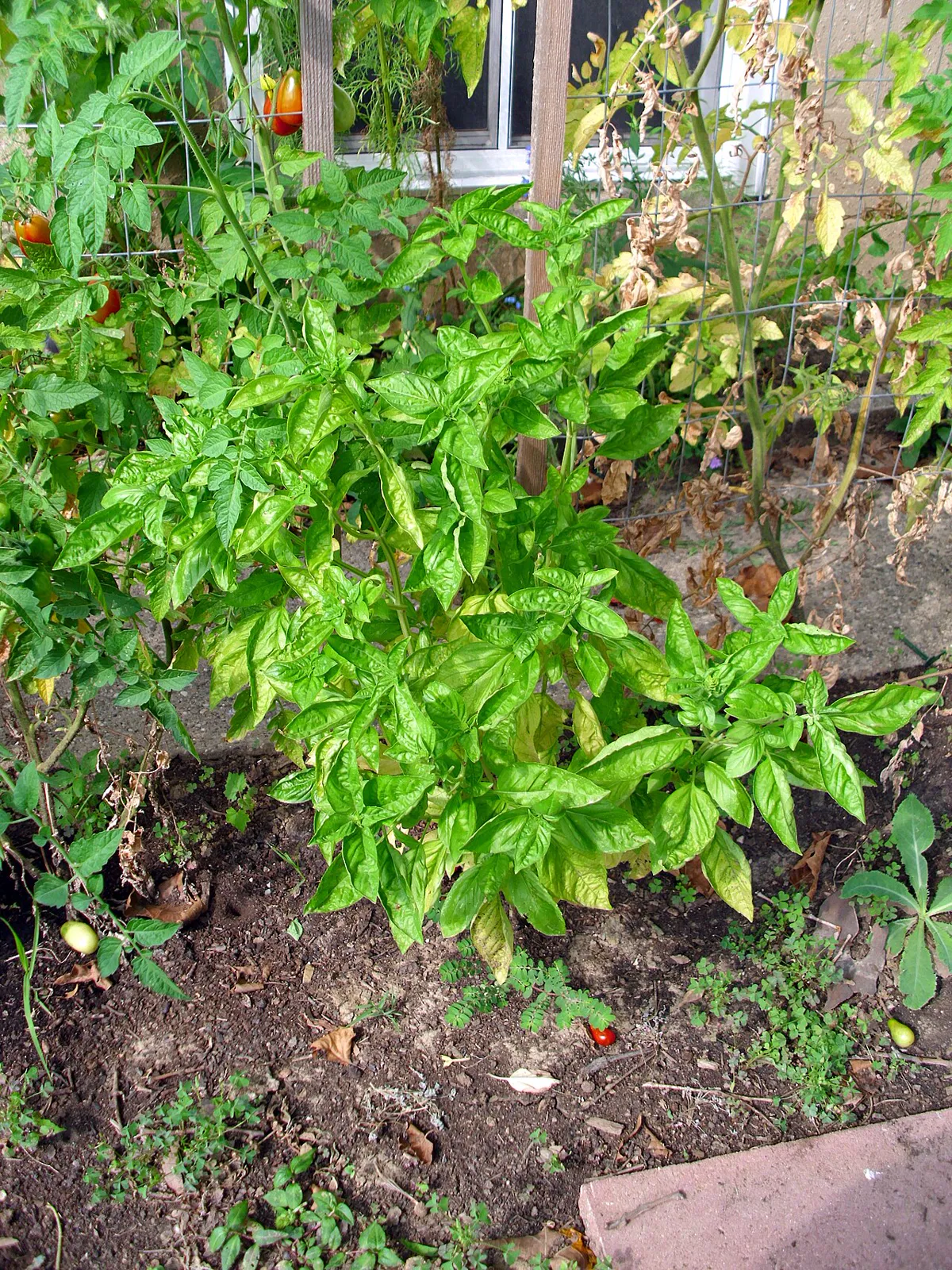
Tomatoes are the classic pairing, and the two share almost identical needs for sun, warmth and steady moisture, which is the real reason the combination works so well in a bed or a large container. Peppers, aubergines and courgettes suit it for the same reason. Basil is also often planted along bed edges and near doorways because its aromatic foliage is widely believed to deter some insects, though results vary. Avoid pairing it with plants that want dry or shady conditions, since one of them will always be unhappy.
Are there health benefits to eating basil?
Basil has a long culinary and traditional history, and it has been used for centuries in Mediterranean and South Asian cooking. Some studies suggest that basil contains aromatic compounds and antioxidants of interest to researchers, but findings are preliminary and mostly laboratory-based rather than proof of any medical effect. Traditionally, basil and its relative holy basil have been used in home remedies in several cultures. This article is for gardening information only and is not medical advice — consult a qualified healthcare professional before using any plant for health purposes.
Still stuck? Ask the Plant Doctor
Describe the problem — yellow leaves, holes, no flowers — and get a clear answer in seconds. FreeAI can make mistakes. Answers are guidance, not a guarantee — check anything important against the guide it links to, and always read the label on any product before you use it.