How to Grow Mint (& Keep It From Taking Over)
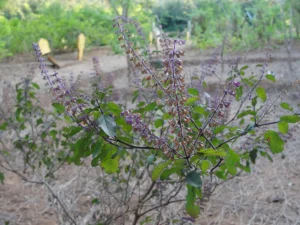
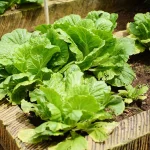
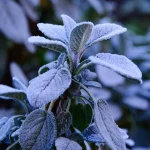
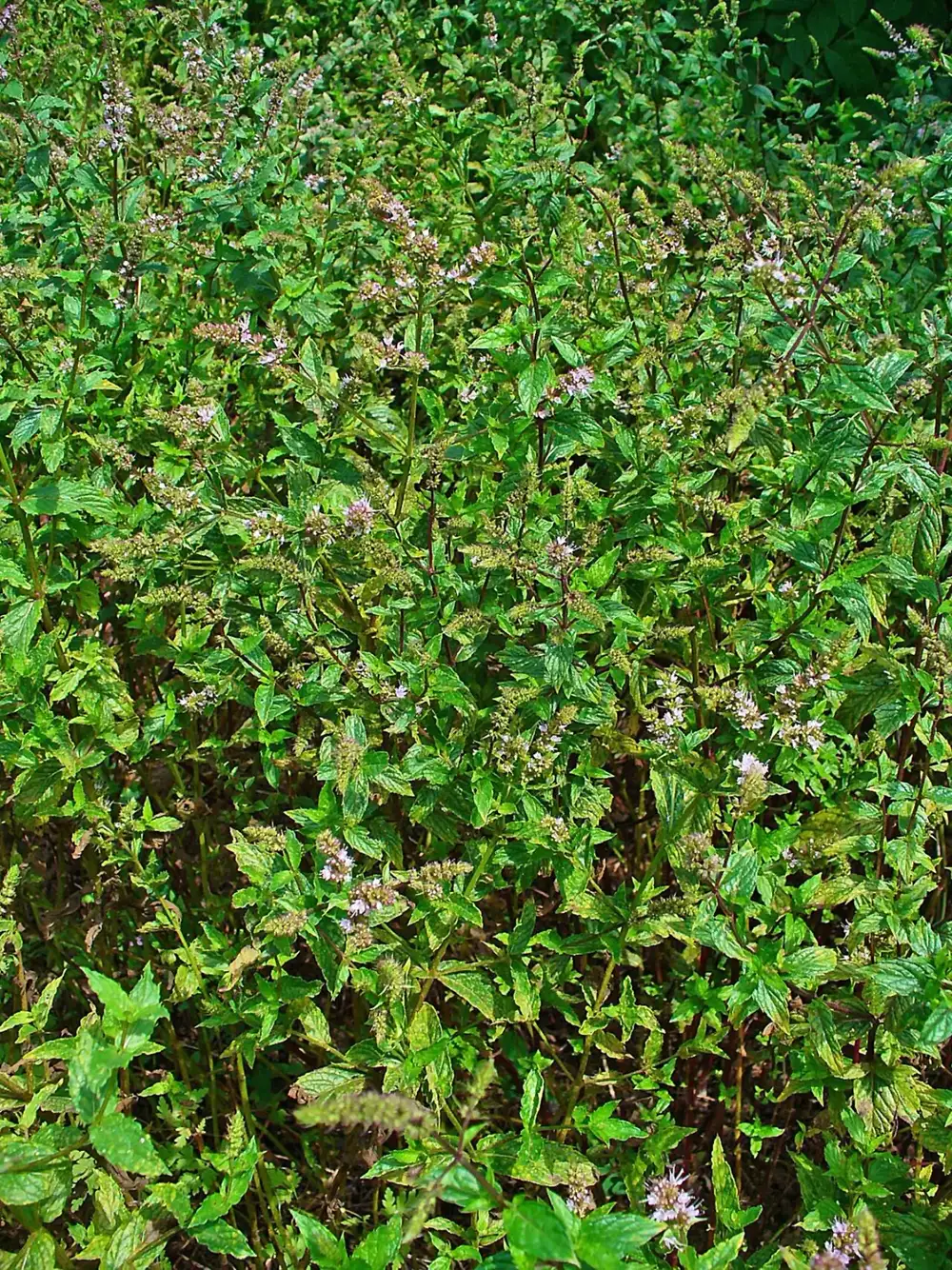
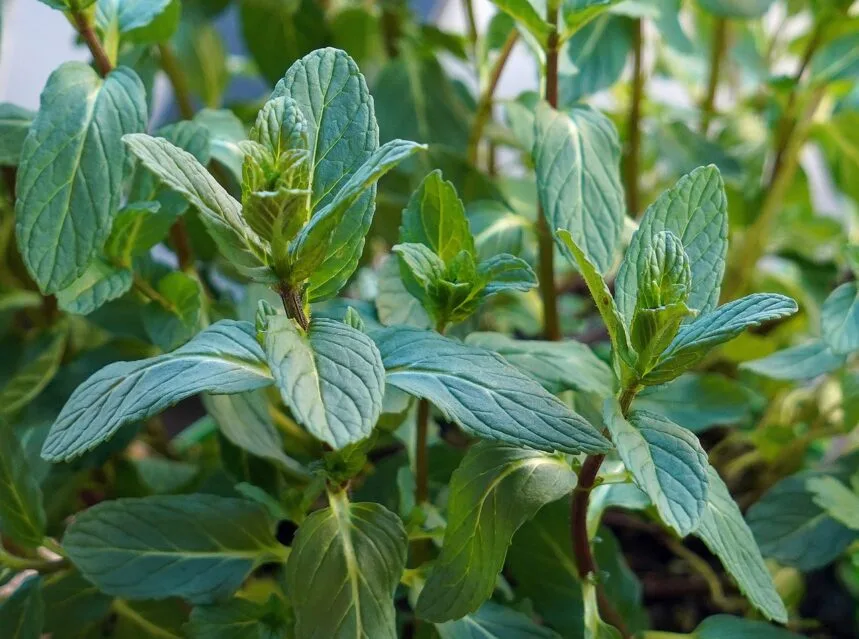 Photo: Commonists (CC BY-SA 4.0) via Wikimedia Commons
Mint (Mentha) is a vigorous perennial herb grown for its cool, aromatic leaves — and it is almost impossible to kill. That is exactly why you should plant it with care. It spreads by underground runners and will happily take over a bed if you let it. Grow it in a pot, though, and you get an endless supply of fresh leaves for chutneys, teas and summer drinks with almost no effort. Here is how to grow mint the smart way.
Quick start: Grow mint in a pot or a sunken container to stop it spreading. Give it moist soil and part to full sun. Pinch the tips to keep it bushy, harvest often, and snip off flowers to keep the leaves tender. Refresh the plant every couple of years by dividing it.
Mint is gloriously easy to grow, which is precisely the problem, as its questing roots will take over a whole bed if planted free. The golden rule every grower learns is to confine it to a pot, or to sink a bottomless container in the ground, to keep it in check. It is happy in sun or part shade and likes its soil kept moist, and cutting it back hard brings a flush of fresh leaves. Bees love the flowers, and the leaves are widely enjoyed in cooking and as a refreshing tea.
🧰 In a hurry? Jump straight to our tested picks for this guide ↓
Mint at a glance
| Feature | Detail |
|---|---|
| Botanical name | Mentha species (family Lamiaceae) |
| Plant type | Hardy spreading perennial |
| Light | Part sun to full sun |
| Soil | Rich, consistently moist |
| Water | Keep moist; do not let pots dry out |
| Habit | Spreads by runners — grow in a pot |
| Propagation | Cuttings root in water within days |
| Common types | Peppermint, spearmint |
Why grow mint?
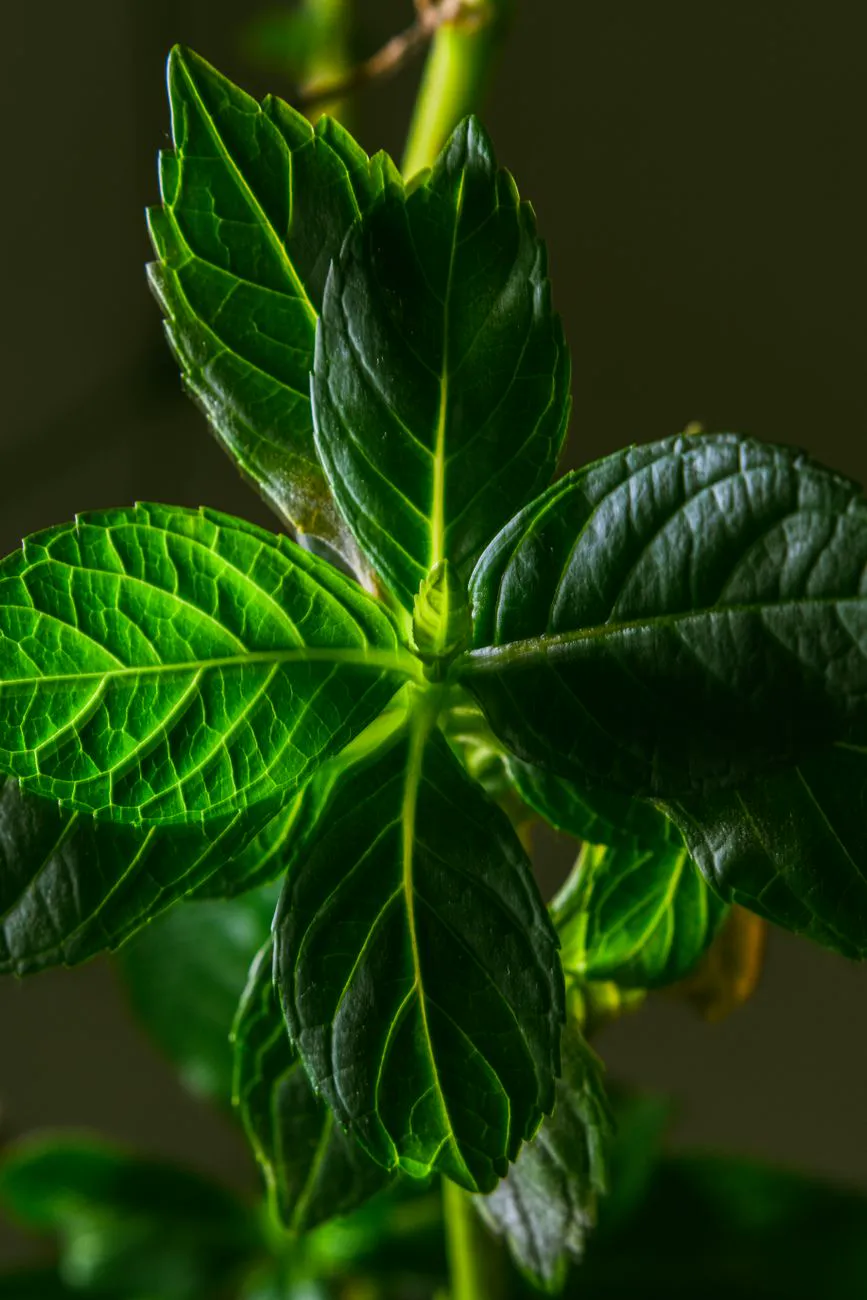
Mint is one of the most forgiving herbs for beginners. A few reasons to grow it:
- Fast and tough. It grows quickly, takes some shade, and bounces back after hard cutting.
- Endless supply. A single pot keeps a kitchen in fresh pudina all season.
- Many uses. It flavours chutney, raita, mojitos and tea.
- Bee-friendly. Its flowers attract bees, helping you attract pollinators.
History, origin & mint around the world
Mint has grown wild across Europe, Asia and Africa for thousands of years. The genus is close to subcosmopolitan, spread across Europe, Africa, Asia, Australia and both Americas, with 18 to 24 species and boundaries so blurred that even the count is disputed (genus Mentha). The ancient Greeks and Romans used it in cooking, medicine and as a strewing herb. Its very name comes from a figure in Greek myth.
Mint spread easily because it roots wherever it touches damp ground. Traders and settlers carried it around the world. Today it is one of the most widely grown herbs on Earth.
India is a global powerhouse here. India produces roughly 80% of the world’s mint oil and menthol, around 40,000 tonnes a year, and about three-quarters of that crop is grown in Uttar Pradesh (CSIR on India’s menthol mint industry). The United States is a leading grower of peppermint and spearmint oil. Note that FAO’s crop statistics list a peppermint item but only a handful of countries report to it, so it is not a useful guide to who actually grows mint. Mint thrives almost anywhere with moisture and a little shade.
Best season & when to plant
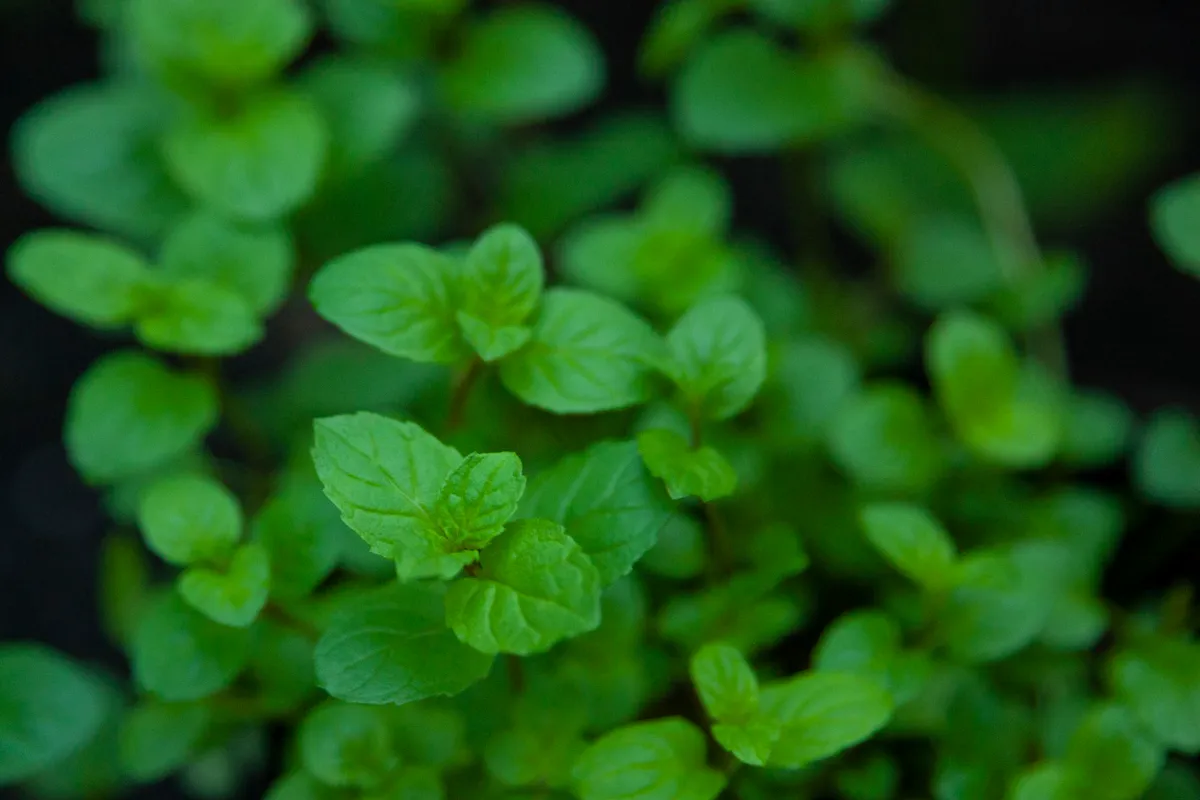
Plant mint in spring, after the last frost. It is a hardy perennial in most climates. It dies back in cold winters and resprouts from the roots in spring. In India, mint grows much of the year but is happiest in the milder months. In peak summer heat, give it afternoon shade and extra water to stop it scorching.
How to plant mint (and contain it)
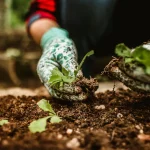
The golden rule is to contain the roots. Either plant mint in a pot, or sink a bottomless container into the ground so the runners cannot escape. To plant:
- Use rich, moist soil improved with compost (see improving garden soil).
- Give it part sun to full sun, as it tolerates more shade than most herbs.
- Space plants about 18 inches apart if you ever do plant in open ground.
Sun, soil, watering & feeding
Mint likes consistently moist soil. It is one of the few herbs that will not mind slightly damp ground. Do not let pots dry out, especially in heat (see how often to water plants). It is not a heavy feeder, so a little compost in spring is plenty. Pots dry and exhaust faster, so container mint benefits from this same light feeding, much like other container plants.
Pinching & propagation
Pinch the growing tips regularly to keep the plant compact and bushy. Remove flower spikes to keep the leaves tender and flavourful.
Mint is the easiest herb to propagate. Snip a stem, stand it in water, and it roots within days. This is the same idea as our propagation guide. Divide and repot established clumps every two to three years to keep them fresh.
Types of mint to try
Mint comes in many flavours beyond the basics. Growing a few adds variety to the kitchen.
- Spearmint — the classic mint for chutney, raita and cooking. Mild and sweet.
- Peppermint — stronger and cooler, full of menthol. Best for tea and desserts.
- Chocolate mint — a fun type with a faint cocoa note.
- Apple and pineapple mint — fruity, softer-leaved types for drinks and fruit salads.
All grow the same way and spread just as eagerly. Keep different types in separate pots. That way each keeps its own distinct flavour.
Common pests & diseases
Mint is tough, but watch for mint rust (orange spots under the leaves), aphids and spider mites in dry, indoor conditions. Improve airflow and avoid overhead watering. Use our aphid control and organic pest control tips. Cutting the plant right back and letting it regrow often clears up rust.
Harvesting mint
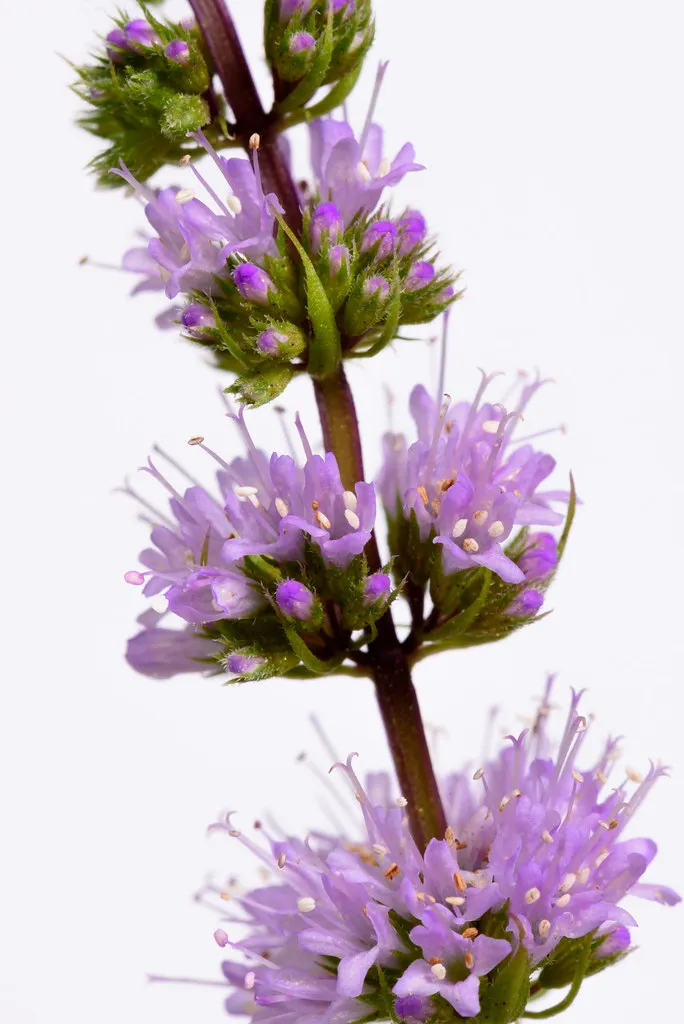
Begin harvesting once the plant is established and several inches tall. Snip sprigs from the top, just above a leaf pair, to encourage branching. Pick often, as the more you harvest, the bushier it grows. For the strongest aroma, harvest in the morning and before the plant flowers. Use it fresh, or dry sprigs in a warm, airy place.
Health benefits & uses
Mint is grown for its cooling menthol, and the concentration is the striking part: mint essential oil runs 40 to 90% menthol, which is why a few torn leaves flavour a whole jug of water. That is also what separates the two common types — peppermint leads with menthol, while spearmint is dominated by carvone, a softer, sweeter compound with none of the cold bite. As a leaf eaten by the sprig, mint contributes flavour rather than meaningful nutrition. In Indian kitchens it is the base of pudina chutney, raita and cooling summer drinks. Worldwide it flavours teas, desserts, lamb and cocktails. Peppermint and spearmint are the two most common types.
This article is for general information only and is not medical advice. Talk to a qualified professional before using any plant medicinally.
Storing & preserving mint
A pot of mint often gives more than you can use. Happily, it stores in several easy ways. Fresh is always best, but a little planning stretches the harvest.
Keep cut sprigs fresh in the fridge. Stand them in a glass of water like a posy. Or wrap them in a damp paper towel.
For longer storage, freeze the leaves. Chop them into an ice-cube tray and top up with water. Drop a cube into chutney, tea or a cool drink.
Mint also dries reasonably well. Hang small bunches in a warm, airy, shaded spot. Crumble the dry leaves into a jar for winter tea.
Common mint problems
Mint taking over the garden
Its runners spread fast. Grow it in a pot or a sunken bottomless container to keep it in bounds.
Orange spots on leaves
That is mint rust. Remove affected stems, cut the plant back hard, and improve airflow.
Woody, weak growth
The plant is old and crowded. Divide it and replant a healthy section in fresh soil.
Stuck on one symptom? We go into it in detail in Why Is My Mint Leggy? 5 Causes and How to Make It Bushy.
Related plant guides
- How to grow Lemon Balm
- How to grow Marjoram
- How to grow Basil
- How to grow Catnip
- How to grow Garlic Chives
- How to grow Cilantro
Frequently asked questions
Why should I grow mint in a pot?
Mint spreads aggressively through underground runners. A pot or sunken container stops it from invading the rest of your garden.
Can mint grow in shade?
Yes — mint tolerates partial shade better than most herbs, which makes it useful for less-sunny spots.
How do I grow mint from cuttings?
Snip a stem and stand it in water; roots appear within days. Pot it up once roots are an inch long.
Does mint come back every year?
Yes — it is a hardy perennial. It dies back in cold winters and resprouts from the roots each spring.
Can I grow mint indoors?
Yes. A bright windowsill suits it well. Keep the soil moist and snip leaves often to keep it bushy.
Why are there orange spots on my mint leaves?
That is mint rust, a fungus. Remove affected stems and cut the plant back hard. Better airflow helps it recover.
What is the most common mint for cooking?
Spearmint is the usual kitchen mint. It is mild and sweet. Peppermint is stronger and better suited to tea and desserts. For pudina chutney and raita, spearmint is the classic choice.
How do I keep mint bushy?
Pinch the tips often and harvest regularly. Remove flower spikes as they form. This keeps the plant full and the leaves tender. Cutting the whole plant back hard once or twice a season also forces fresh, leafy growth.
Why does my mint plant have no smell or taste?
Weak flavour almost always comes down to growing conditions rather than the variety. Mint concentrates its aromatic oils in bright light and slightly lean soil, so a plant in deep shade, or one fed heavily with nitrogen, makes lots of big pale leaves with little scent. Overwatering dilutes flavour in the same way. Move it to a spot with at least four hours of sun, stop feeding, harvest often, and pick just before flowering when oil levels peak.
How do I tell spearmint from peppermint and other mints?
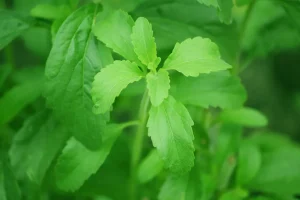
Start with the stems and leaves. Spearmint has bright green, pointed, strongly veined leaves on green stems and a sweet, gentle scent. Peppermint, a natural hybrid of spearmint and water mint, has darker leaves, often purple-tinged stems, and a sharp menthol hit that almost numbs the tongue. Apple mint feels furry and smells fruity, while chocolate mint is a peppermint form with bronze stems. Crushing a leaf and smelling it is a far more reliable test than reading the label on a supermarket pot.
Can mint live permanently in a glass of water?
It will survive for a while but not thrive long term. Cuttings root in water within days and can be kept going for a few weeks, which is fine for a short kitchen supply. After that the plant runs out of nutrients, the water goes stale and low in oxygen, and the leaves shrink and yellow. Either pot the rooted cutting into compost once the roots reach a couple of centimetres, or set up a proper hydroponic jar with dilute liquid feed and change the water weekly.
Is mint safe for dogs and cats?
Keep it out of easy reach. The ASPCA lists mint, Mentha species, as toxic to dogs, cats and horses, with the aromatic essential oils as the toxic principle and vomiting or diarrhoea reported after large ingestions. A cat brushing past the plant or a dog taking one leaf is not an emergency, but a pet that chews through a whole pot may be sick. Concentrated mint or peppermint oil is far riskier than the fresh leaf and should never be given to pets. Contact your vet if a pet eats a large amount; this is general information, not veterinary advice.
Still stuck? Ask the Plant Doctor
Describe the problem — yellow leaves, holes, no flowers — and get a clear answer in seconds. FreeAI can make mistakes. Answers are guidance, not a guarantee — check anything important against the guide it links to, and always read the label on any product before you use it.