How to Grow Marjoram
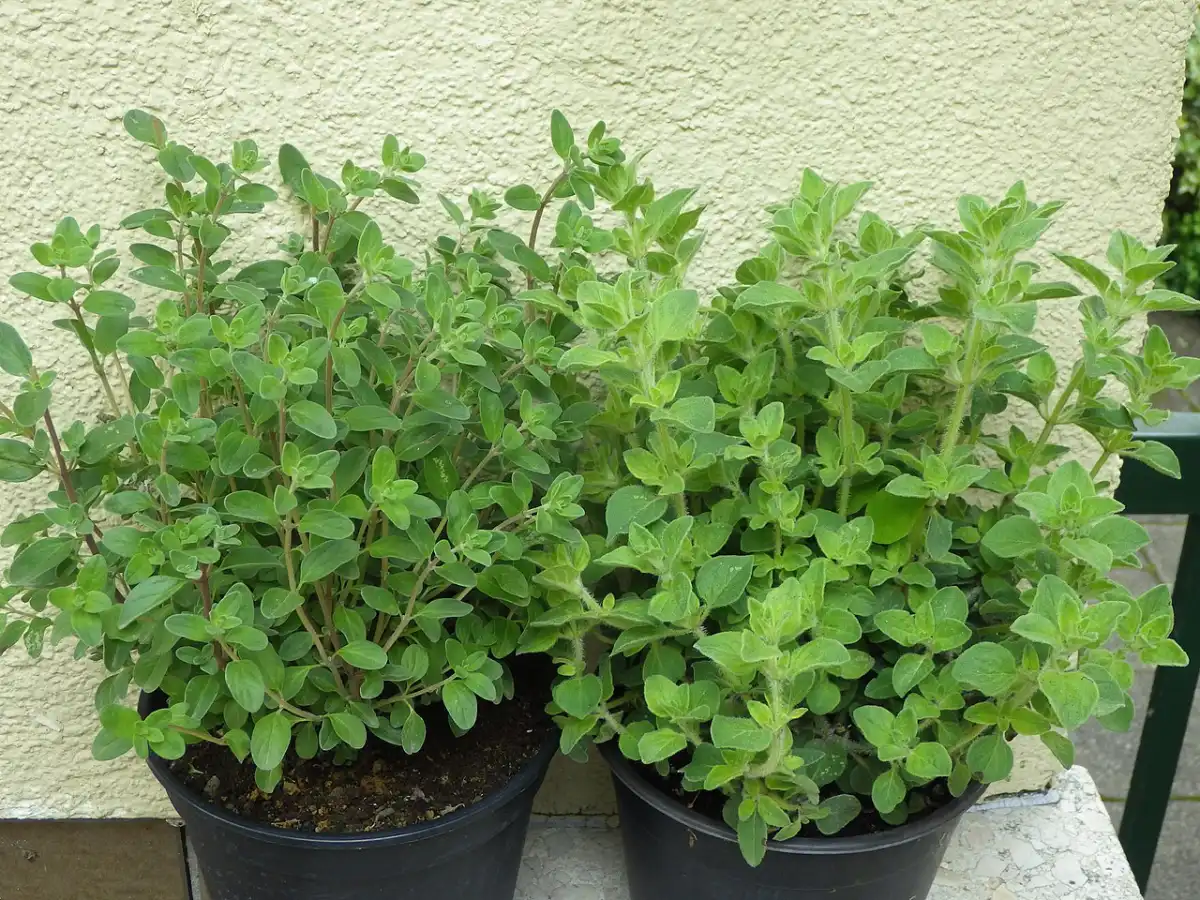
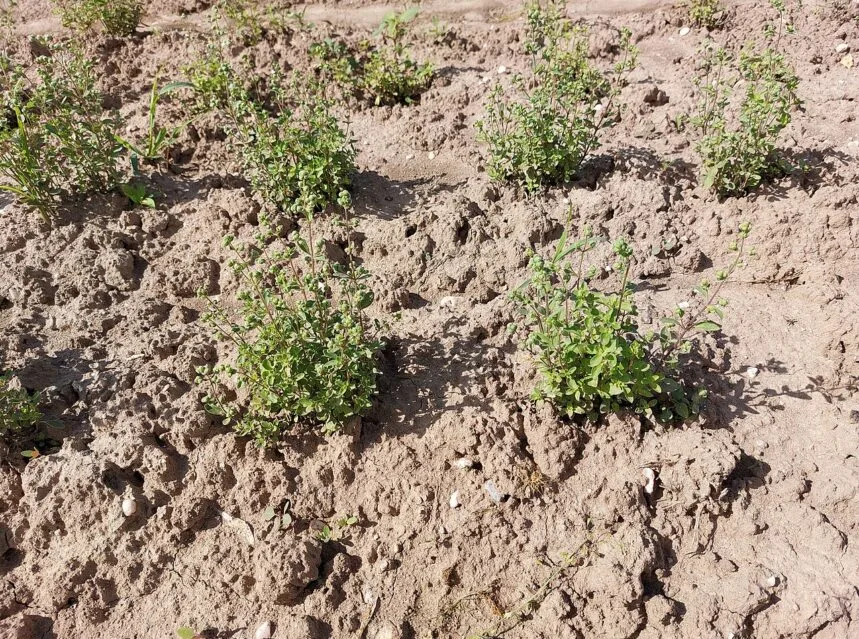 Image: Schlaghecken Josef — CC BY-SA 4.0, via Wikimedia Commons
Marjoram (Origanum majorana) is a compact Mediterranean herb grown for its sweet, mild, faintly floral leaves — oregano’s gentler cousin. It belongs to the same family, but its flavour is softer and suits delicate dishes. This aromatic herb is easy to grow in a pot or border. It loves sun and shrugs off dry spells. If you find oregano too strong, marjoram is the herb for you. Here is how to grow marjoram.
Quick start: Grow marjoram in full sun and well-drained soil, in the ground or a pot. Let it dry between waterings, pinch the tips to keep it bushy, and harvest before it flowers for the sweetest flavour. In cold climates, treat it as an annual or overwinter it indoors.
Marjoram is a sweeter, gentler cousin of oregano, and a wonderful Mediterranean herb for a sunny spot or a pot by the kitchen. Growers give it full sun and free-draining soil, the lean, dry conditions of its homeland, where it develops the best flavour. Pinching out the flower buds keeps the plant producing tender leaves, though leaving some to bloom feeds the bees. It is tender, so in cold areas it is grown in a pot that can be brought under cover, or treated as an annual.
🧰 In a hurry? Jump straight to our tested picks for this guide ↓
Marjoram at a glance
| Feature | Detail |
|---|---|
| Botanical name | Origanum majorana (family Lamiaceae) |
| Plant type | Tender perennial (often grown as annual) |
| Sun | Full sun |
| Soil | Light, lean, free-draining |
| Water | Low; let it dry between drinks |
| Spacing | 8–10 inches apart |
| Flavour | Sweet, mild, floral (gentler than oregano) |
| Harvest | Just before flowering for best flavour |
Why grow marjoram?
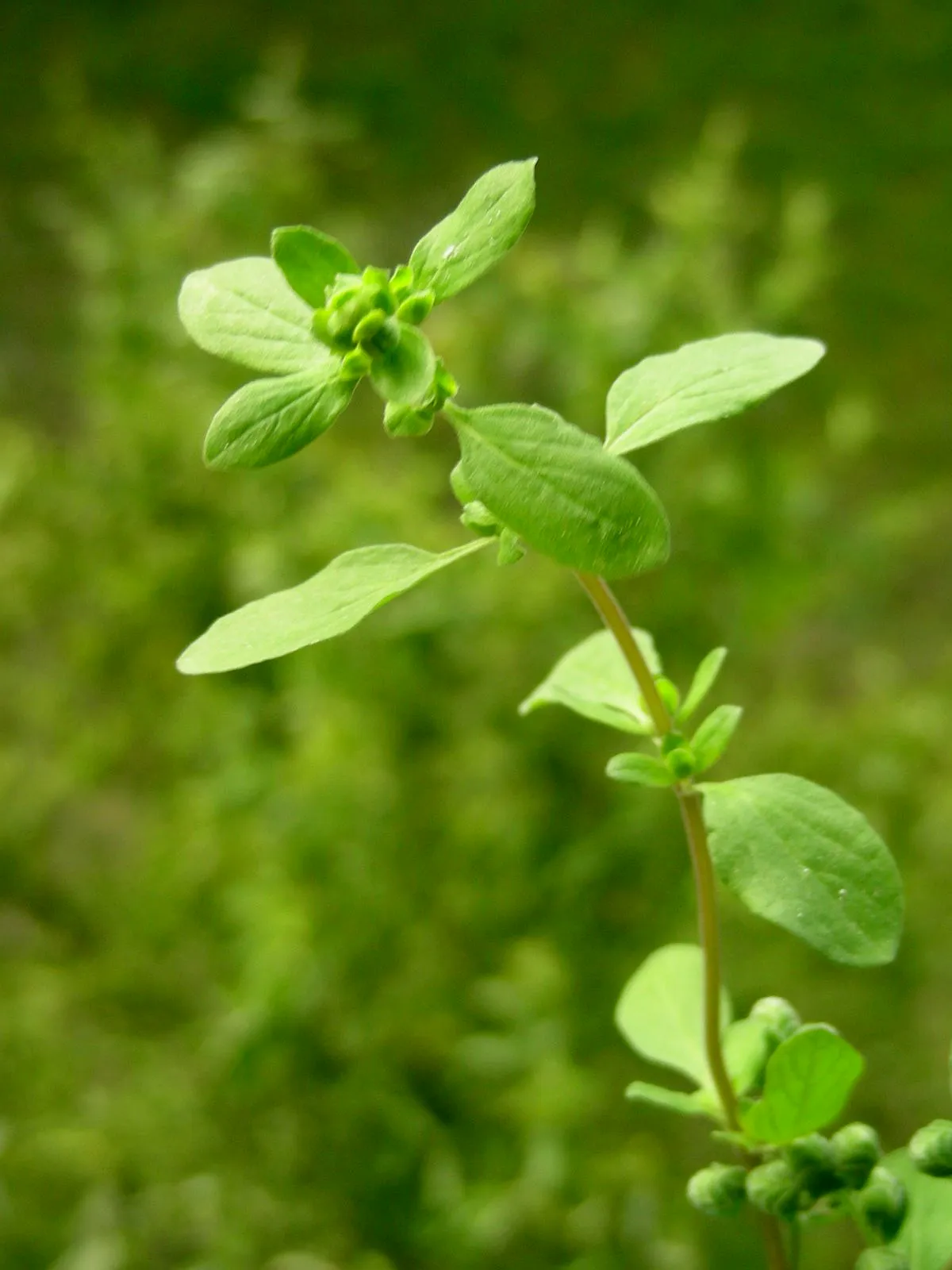
Marjoram is compact, fragrant and undemanding. A few reasons to grow it:
- Space-saving. It is ideal for a sunny windowsill, balcony pot or herb border.
- Drought-tolerant. Once established, it copes well with dry spells.
- Pollinator-friendly. Its tiny flowers draw bees and beneficial insects.
- Versatile. Its sweet flavour suits lighter cooking better than oregano.
Cooking with marjoram
Marjoram is a gentle, sweet herb in the kitchen. Its delicate flavour is easily lost to long, hard cooking. So the golden rule is to add it late.
Stir it into a dish in the final minutes. This keeps the aroma fresh and bright. A scatter of fresh leaves at the end works beautifully.
It suits lighter foods especially well. Try it with eggs, chicken, fish and vegetables. It also lifts tomato sauces and soups.
The dried herb is milder but still useful. It is a common part of mixed herb blends. A pinch adds a soft, savoury note to almost any savoury dish.
History, origin & how marjoram spread
Sweet marjoram is native to the Mediterranean and western Asia. It was treasured in the ancient world. The Greeks and Romans linked it to happiness and love, and used it in cooking and garlands (see Encyclopaedia Britannica).
The name comes from a word meaning “joy of the mountains.” It spread through Europe as a kitchen and medicinal herb. Gardeners have prized its sweet scent for centuries.
Today it is grown commercially across Egypt, the Mediterranean region and parts of Europe. Those are the areas named in the herb and spice trade rather than an official tonnage table, as FAO’s crop statistics have no marjoram item. Like its relatives, it thrives in warm, sunny conditions with poor, free-draining soil. The leaner the soil, the more concentrated the flavour.
Which marjoram are you actually buying?
Three different plants are sold as “marjoram”, and knowing which one is in your pot changes how to grow marjoram where you live — they do not survive winter equally. This one distinction decides whether you treat the plant as an annual, lift it, or leave it out.
| Type | Botanical name | Winter behaviour | Flavour |
|---|---|---|---|
| Sweet or knotted marjoram | Origanum majorana | Tender. Not reliably hardy in cool-temperate gardens; grow as an annual or bring it indoors | The sweet, delicate one most recipes mean |
| Pot marjoram | Origanum onites | A little hardier, but still resents a cold wet winter | Sharper, closer to oregano |
| French or Italian marjoram | Origanum × majoricum | Hardy in most gardens — the one to plant if you want it to come back | Between the two; a good all-rounder |
The RHS is blunt about it: sweet marjoram is not reliably hardy, while French marjoram is hardy in most gardens. In US terms sweet marjoram is a perennial only in zones 9–10, needs a winter mulch in zones 7–8, and is an annual from zone 6 north. In most of India it grows happily through the cool season and struggles in the peak of summer humidity — the same plant, opposite problem.
Best season & when to plant
Plant marjoram in spring, after the last frost, once the soil has warmed. It is a tender perennial in warm climates. It is grown as an annual where winters are cold. In India, grow it in the warm season. In damp monsoon weather, prioritise sharp drainage and airflow to prevent rot, as humidity is a bigger threat to it than heat.
How to plant marjoram
Marjoram grows from seed, cuttings or young plants. Seed is slow, so many gardeners start with a plant. To establish it:
- Sow seed shallowly and keep warm — see starting seeds indoors — or set out a young plant.
- Choose full sun and light, well-drained soil.
- Space plants about 8–10 inches apart, or grow in a pot with other container herbs.
Sun, soil, watering & feeding
Marjoram likes full sun and free-draining soil, and dislikes heavy, wet ground. Let it dry between waterings, as it is drought-tolerant once settled and prone to rot if overwatered (see how often to water plants). Avoid heavy feeding, since rich soil dilutes the flavour. A free-draining mix and a pot with drainage holes suit it perfectly.
Pinching & keeping it bushy
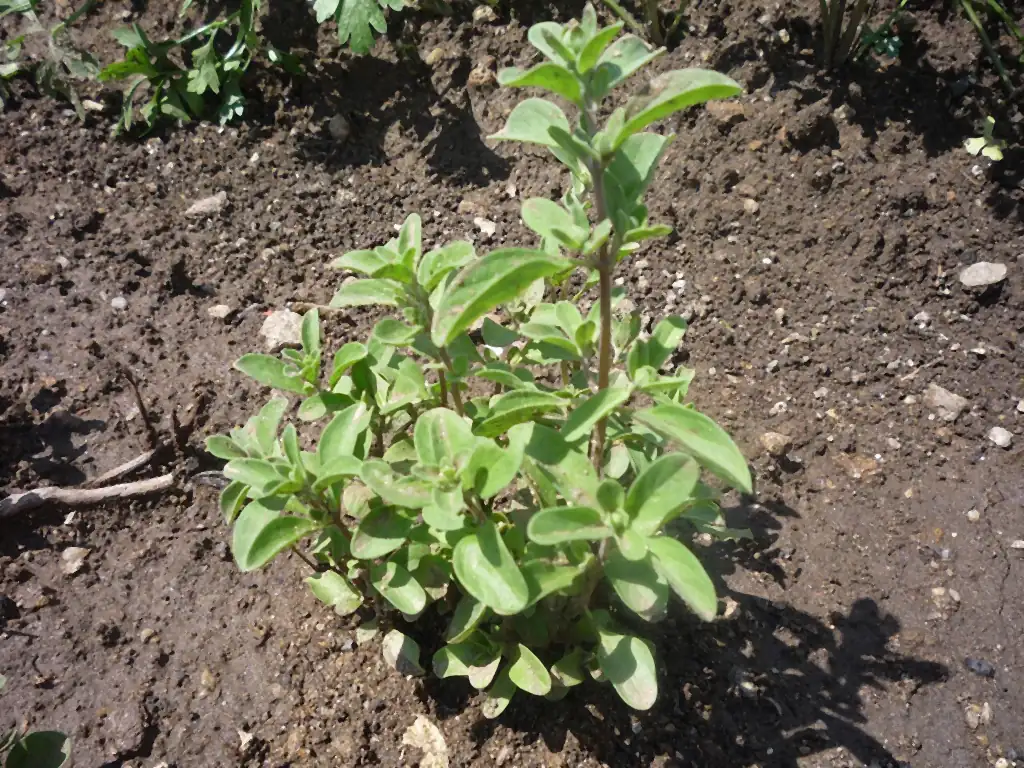
Pinch the growing tips regularly to keep marjoram compact, bushy and productive. This also delays flowering, when the leaves lose some sweetness.
If the plant does flower, trim it back afterward. This encourages a fresh flush of tender leaves. Light, frequent trimming keeps it at its best all season.
Marjoram vs oregano
They are close relatives, but the flavour differs. Marjoram is sweeter, milder and more floral, and is best added near the end of cooking. Oregano is bolder and stands up to long cooking. Marjoram also tends to be less cold-hardy. Grow both and you will have a Mediterranean herb pair for almost any dish.
How to propagate marjoram: free plants, and keeping the clump from going woody
Marjoram layers itself. Sprawling outer stems that rest on soil often root where they touch. Lift the edge of an established clump before you buy anything: rooted pieces can be snipped off and potted, which is the cheapest way to keep a tender plant going over winter.
Cuttings are the insurance policy. Take 10 cm shoots in early or midsummer, strip the lower leaves and root them in gritty compost; they take three to four weeks. Overwinter those indoors at 15–20 °C rather than trying to protect the parent outdoors.
Two prunes a year keep it productive, and this is the part of how to grow marjoram that decides whether year three is worth having. Trim in late spring before flowering, then again in midsummer, otherwise the base turns woody and the leaf crop thins. Even so, expect to replace plants every three to four years — an old marjoram is a lot of stem for very few leaves.
Common pests & diseases
Marjoram is rarely troubled thanks to its aromatic oils. In damp or crowded conditions, watch for root rot, powdery mildew and the odd aphid or spider mite. Improve airflow and water sparingly. See our aphid control and organic pest control guides. Good drainage prevents most problems.
Harvesting marjoram
Start harvesting once the plant is several inches tall and bushy. Snip sprigs from the top, just above a leaf pair, to encourage branching. For the sweetest, strongest flavour, harvest just before the flower buds open. Use marjoram fresh, or dry sprigs in a warm, airy spot. It keeps its flavour better when dried than many soft herbs.
When to cut it, and why marjoram dries better than most herbs
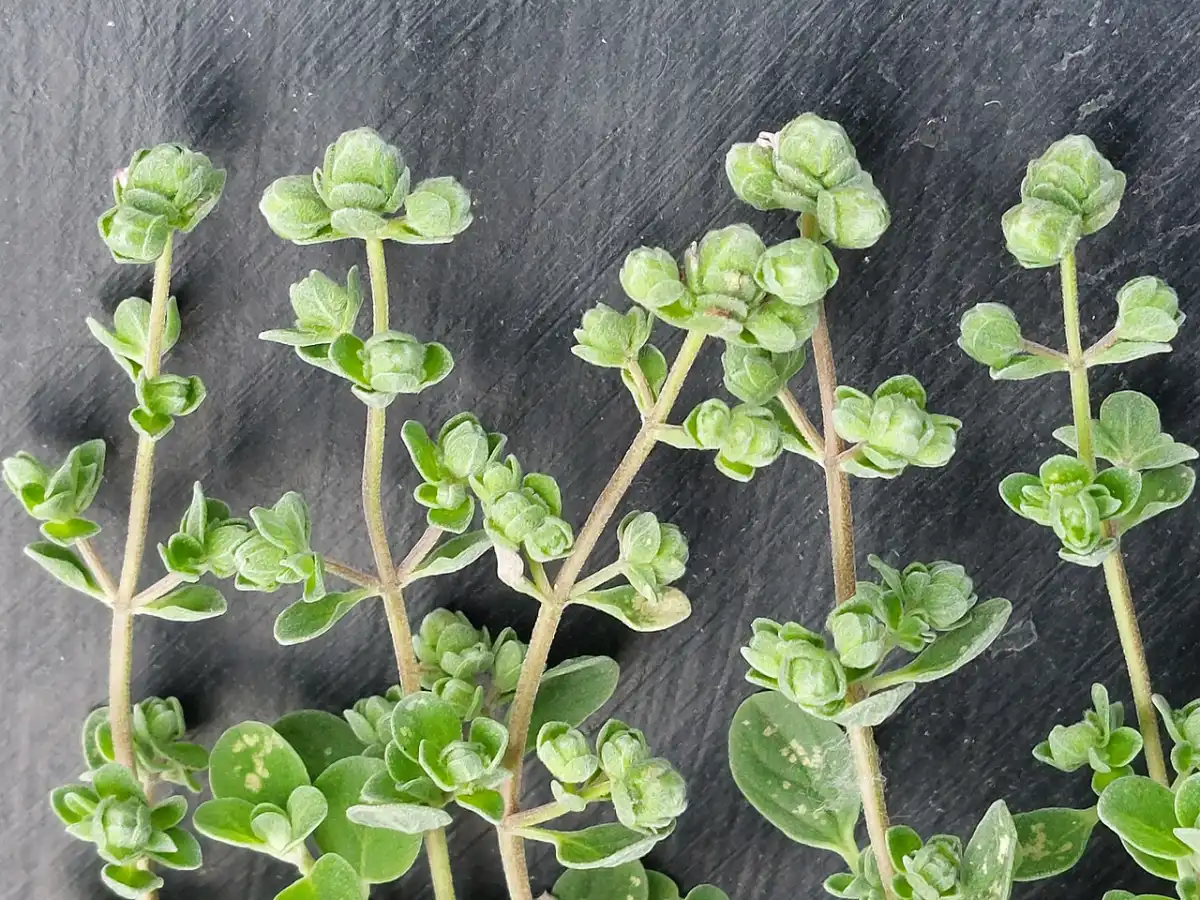
Timing beats quantity with this herb. The oils peak just as the flower buds form and before they open, so that fortnight is when a harvest for drying is worth taking. Once the flowers open, the leaves turn bitter and the plant puts its energy into seed.
Never take more than a third of the plant at once. Marjoram is slow-growing, and a hard cut on a young plant stalls it for weeks rather than triggering the flush you would get from mint or basil.
Then the part that surprises people: most soft herbs lose their character when dried, and marjoram does not. Basil and coriander go flat, but marjoram keeps — and by many cooks’ reckoning concentrates — its flavour. That is why it turns up in dried spice blends where fresh-only herbs never do. Tie small bundles, hang them upside down somewhere dark and airy, and strip the leaves off the stems once crisp. Store the leaves whole and crush them as you cook; broken leaves lose their oils on the shelf.
Health benefits & uses
Be realistic about the nutrition first. Herb tables look spectacular because they are quoted per 100 g, and nobody eats 100 g of marjoram — a generous teaspoon of the dried herb is under a gram. The dried herb reads 82.7 mg of iron and 1,990 mg of calcium per 100 g (USDA record 170928) — spectacular until you divide by a hundred. Treat marjoram as a flavour, not as a source of iron or calcium in your diet.
Its traditional role is a different question. Marjoram (Origanum majorana) has a long record in folk medicine for colds, coughs, sore throats and indigestion, and modern reviews of the plant say exactly that when they summarise its traditional uses — for example a 2025 toxicological assessment published via the US National Library of Medicine. That same paper is worth knowing about for a second reason: it found the plant well tolerated at ordinary doses, while flagging DNA damage at much higher concentrated exposures. In other words, the herb on your food is one thing and a concentrated extract or essential-oil supplement is another.
In the kitchen its sweet, gentle flavour suits soups, egg dishes, poultry, vegetables and tomato sauces, and it is a backbone herb in many spice blends. Because heat dulls that delicate taste, add it towards the end of cooking.
This article is for general information only and is not medical advice. Talk to a qualified professional before using any plant medicinally.
Growing marjoram in containers
Marjoram is a natural for pots. Its compact size suits a windowsill or balcony. A pot also gives the sharp drainage it loves.
Use a wide pot with good drainage holes. Fill it with a gritty, free-draining mix. Add a little sand if your compost holds too much water.
Stand it in the sunniest spot you have. Water only when the surface dries out. Marjoram hates sitting wet far more than it minds going dry.
This makes it easy to overwinter in cold areas. Simply move the pot to a bright, frost-free spot. A potted plant by the kitchen door keeps fresh marjoram within easy reach.
Common marjoram problems
Leggy, sparse growth
Too little light or no pinching. Give it full sun and pinch the tips regularly to keep it bushy.
Plant rots or wilts
Usually overwatering or heavy, wet soil. Use free-draining soil and let it dry between waterings.
Weak flavour
Often over-rich soil or harvesting after flowering. Grow it lean and pick before the buds open.
Related plant guides
- How to grow Epazote
- How to grow Garlic Chives
- How to grow Hyssop
- How to grow Lovage
- How to grow Savory
- How to grow Stevia
Frequently asked questions
What's the difference between marjoram and oregano?
Marjoram is sweeter, milder and more floral; oregano is bolder and stronger. Marjoram is best added late in cooking.
Does marjoram come back every year?
In warm climates it is a tender perennial. Where winters are cold, it is usually grown as an annual or overwintered indoors.
Can I grow marjoram indoors?
Yes — on a bright, sunny windowsill or under a grow light. See our guide on growing herbs indoors.
When should I harvest marjoram for the best flavour?
Just before the flower buds open. That is when the leaves hold the most aromatic oil and the sweetest taste.
Can I use marjoram and oregano interchangeably?
Sometimes, but with care. Marjoram is milder and sweeter. Use a little more of it, and add it later in cooking.
Does marjoram dry well?
Yes, better than many soft herbs. Dry sprigs in a warm, airy spot. Store the dried leaves in an airtight jar.
Is sweet marjoram the same as pot marjoram?
No, they differ. Sweet marjoram is the mild, floral culinary herb. Pot marjoram is hardier but more bitter, and closer to oregano.
How long does a marjoram plant last?
In warm climates it lives a few years. It can get woody over time. Replace it every couple of years for the best, sweetest leaves. In cold areas it is simply grown fresh each year as an annual.
Can marjoram survive the winter outdoors?
Sweet marjoram is a tender perennial, not a hardy one. North Carolina State Extension notes it is unlikely to come through winter outdoors north of USDA zone 9, which is why most gardeners in cool climates treat it as an annual. Cold, wet soil kills it faster than cold air alone, so sharp drainage helps in borderline areas. The simplest solution is to lift a plant into a pot in early autumn and keep it on a bright, frost-free windowsill.
Can you divide marjoram?
Yes, an established clump divides well in spring, just as new growth starts. Lift the whole plant, tease or cut the crown into sections that each carry roots and shoots, then replant them at the same depth and water them in. Division suits older plants that have gone woody in the middle. That said, marjoram roots so easily from cuttings and grows so readily from seed that many gardeners simply start fresh plants instead.
Is marjoram safe for dogs and cats?
Treat it as a plant to keep out of reach. The ASPCA lists marjoram, Origanum majorana, on its toxic-to-dogs list, along with its close relative oregano, because the aromatic essential oils can irritate the gut. Small nibbles rarely cause more than mild upset, but a pet that eats a large amount may vomit or get diarrhoea. Grow it in a raised pot if you have a determined chewer, and ring your vet if a pet eats a lot. This is general information, not veterinary advice.
Still stuck? Ask the Plant Doctor
Describe the problem — yellow leaves, holes, no flowers — and get a clear answer in seconds. FreeAI can make mistakes. Answers are guidance, not a guarantee — check anything important against the guide it links to, and always read the label on any product before you use it.