How to Grow Savory
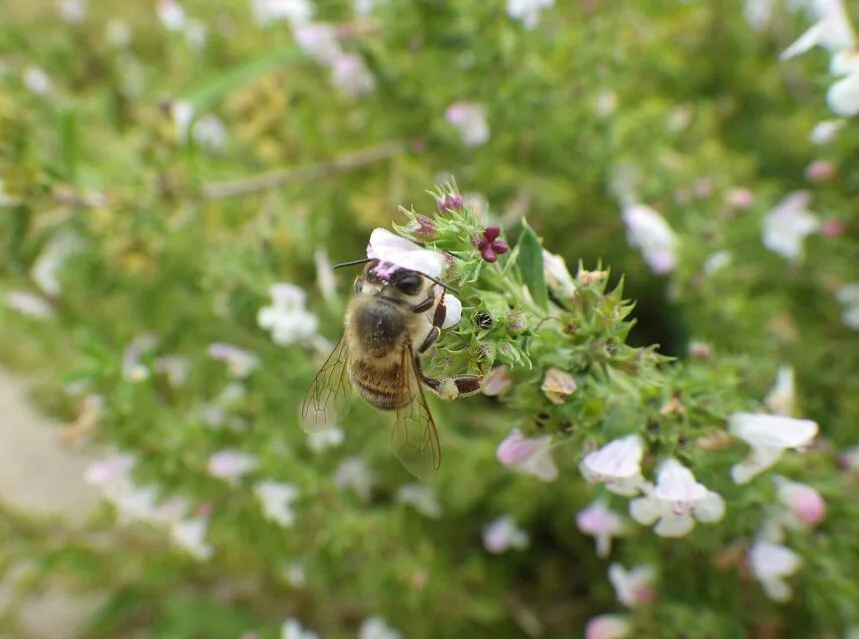 Image: Schlaghecken Josef — CC BY-SA 4.0, via Wikimedia Commons
Savory is the herb every bean dish has been waiting for. Peppery and aromatic, somewhere between thyme and marjoram, it’s a Mediterranean classic that’s both easy to grow and brilliant in the kitchen. There are two kinds — summer savory and winter savory — and knowing which you have shapes how you grow it. Here’s how to grow the herb at home.
Quick start: Grow it in full sun and light, well-drained soil. Summer savory is a fast annual from seed; winter savory is a hardy perennial. Let it dry between waterings, pinch it to stay bushy, and harvest before flowering for the best flavor.
Summer savory is a quick, peppery annual herb, while winter savory is a tougher perennial, and growers value both for seasoning beans. The lesson is the same lean-and-sunny regime as most Mediterranean herbs: poor, free-draining soil and restraint with water give the strongest flavour. Trimming before it flowers keeps the leaves tender and the plant productive.
🧰 In a hurry? Jump straight to our tested picks for this guide ↓
Savory at a glance
| Feature | Detail |
|---|---|
| Botanical name | Satureja species (family Lamiaceae) |
| Common names | Summer savory, winter savory |
| Plant type | Aromatic herb (annual or perennial) |
| Sun | Full sun |
| Soil | Lean, free-draining |
| Use | Peppery flavour, classic with beans |
| Wildlife | Loved by bees |
Why grow savory?
Savory is undemanding, drought-tolerant and full of flavor. It thrives in poor soil, grows happily in a pot, and its small flowers draw bees, helping you attract pollinators. It’s also a famous companion to beans — both in the garden and on the plate — and it’s said to deter some pests. A genuinely useful, low-effort herb.
Summer savory vs winter savory
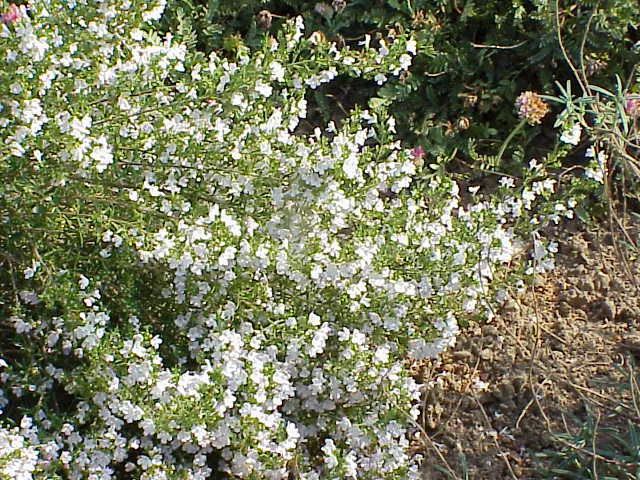
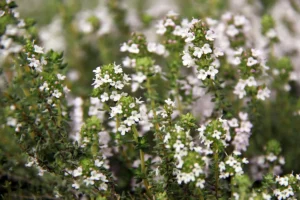
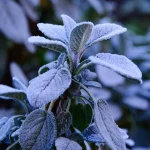
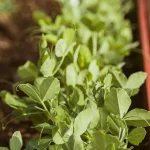
Know your type, because they behave differently. Summer savory (Satureja hortensis) is a soft annual with a milder, sweeter flavor, grown fresh from seed each year. Winter savory (Satureja montana) is a hardy, woody perennial with a stronger, sharper taste that stays evergreen in mild climates. Many cooks prefer summer savory’s gentler flavor for everyday use.
Where savory grows best (top producing countries)
Savory is native to the Mediterranean and southern Europe, and it’s grown across Europe and North America. Like its Mediterranean relatives, it loves warm, sunny conditions and poor, free-draining soil. The leaner and sunnier the spot, the more concentrated and aromatic the leaves become.
Best season & when to plant
Plant or sow this herb in spring, after the last frost. Summer savory grows fast and is harvested through the warm months, then dies with frost. Winter savory establishes as a perennial that returns each year. In hot regions like India, grow it in the warm season, prioritizing drainage and airflow to prevent rot in humid weather.
How to plant savory
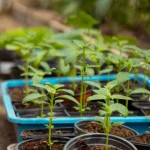
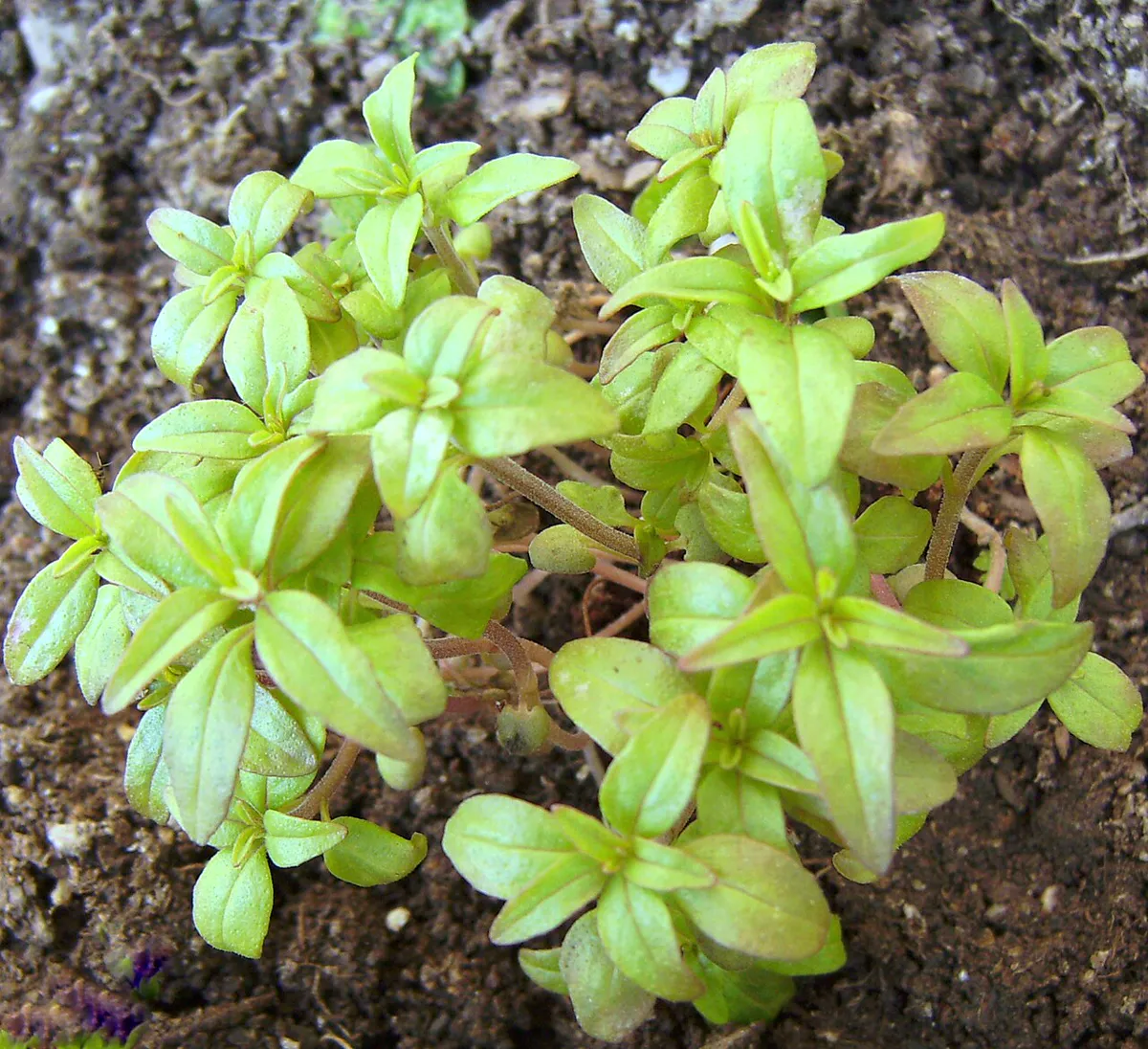
Summer savory is easy from seed; winter savory is often started from a plant, cutting or division.
- Sow summer savory seed shallowly in warm soil (see seed-starting basics).
- Choose full sun and light, free-draining soil — avoid heavy, wet ground.
- Space plants about 8–10 inches apart for good airflow.
Sun, soil, watering & feeding
Savory wants full sun and lean, well-drained soil. Let it dry between waterings; it’s drought-tolerant and rots in soggy ground (see how often to water). Avoid rich feeding, which dilutes the flavor — the plant tastes best grown hard and lean. A gritty mix suits it well in pots, much like thyme and oregano.
Pinching & keeping it bushy
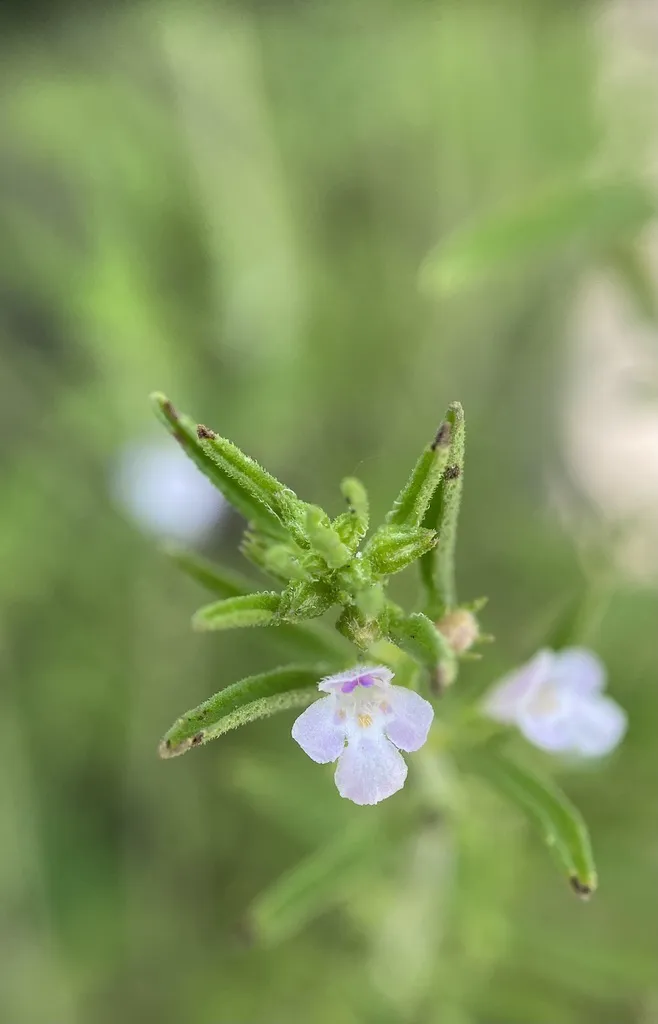
Pinch the growing tips regularly to keep savory compact and leafy, and to delay flowering, when the leaves lose some flavor. For winter savory, a light trim in spring removes old woody growth and encourages fresh shoots. Don’t cut hard into the bare woody base of winter savory, though, as it’s slow to resprout from old wood.
Common pests & diseases
Savory is rarely troubled thanks to its aromatic oils. The main risk is root rot from wet, poorly drained soil. Occasionally watch for aphids or spider mites in dry or indoor conditions — see our aphid control and organic pest control guides. Good drainage and airflow keep it healthy.
Harvesting savory
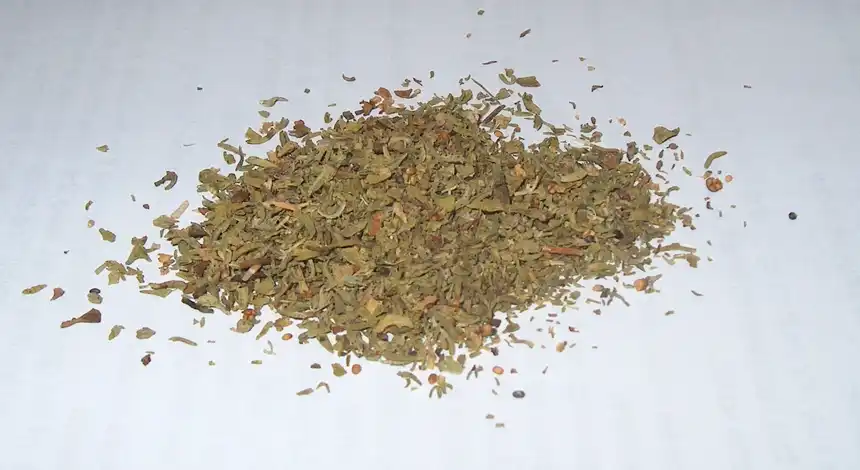
Harvest sprigs once the plant is established and bushy, snipping from the tips to encourage branching. For the strongest flavor, pick just before the flowers open. Summer savory is best used fresh through its season; both types dry well in a warm, airy spot, holding their flavor nicely for winter cooking.
Health benefits & uses
Savory has a traditional reputation as a digestive herb — fitting, given its famous pairing with beans, which it helps make more digestible. It contains aromatic oils and antioxidants. In the kitchen, its peppery, thyme-like flavor suits beans, lentils, meats, stuffings, soups and vegetable dishes, and it’s a key herb in many European spice blends.
This article is for general information only and is not medical advice. Talk to a qualified professional before using any plant medicinally.
Common savory problems
Plant rots or wilts
Usually wet, heavy soil. Grow the herb lean in full sun with sharp drainage and water sparingly.
Leggy or woody growth
Too little pinching, or old winter savory. Pinch summer savory often and trim winter savory lightly each spring.
Weak flavor
Often over-rich soil or harvesting after flowering. Grow it lean and pick before the buds open.
History, origin & the two savories
Savory is native to the Mediterranean (see Encyclopaedia Britannica). It was a popular herb long before pepper was common.
There are two kinds (see the RHS). Summer savory is a soft annual with a milder taste. Winter savory is a tougher, woody perennial with a stronger, sharper flavour.
Sun, soil & care
Give it full sun and lean, free-draining soil (see how often to water plants). Like most Mediterranean herbs, it hates wet feet.
Summer savory is sown each spring. Winter savory is a perennial, trimmed to keep it neat. Neither needs rich soil or much water.
Using savory & bees
Savory has a warm, peppery, thyme-like flavour (see attracting pollinators). It is the classic herb for bean dishes, and is even called the “bean herb”.
Pick the leaves any time for cooking. The small flowers are a magnet for bees. So it earns its place for wildlife too.
Why grow savory
Savory is an underused but excellent culinary herb. Its warm, peppery flavour is perfect with beans, pulses and meats. Summer savory is soft and mild; winter savory is hardy and strong, giving fresh leaves much of the year. It is easy in a sunny, well-drained spot, and bees love its flowers. For a flavourful, low-care herb, this herb deserves a place in the garden.
In the kitchen
This herb is prized for its warm, peppery, slightly pine-like taste. It is the classic partner for beans, lentils and pulses, helping the flavour and the digestion. It also suits meats, stews and stuffings.
The summer type is milder and softer. The winter type is sharper and stronger. Use the leaves fresh through the season, adding them near the end of cooking.
Drying and storing
The leaves dry well and keep their flavour. Cut sprigs on a dry morning before the plant flowers. Hang them in small bunches in a warm, airy place.
Once dry, strip the leaves and store them in a sealed jar. This gives a supply for the winter months. The dried herb is stronger, so use a little less.
Common problems
It is a tough plant with few troubles. The main risk is root rot in wet, heavy soil. So sharp drainage and a sunny spot are the keys to success.
Pests rarely bother it, as the aromatic leaves put them off. Bees, on the other hand, love the small flowers. Give it lean soil and full sun and it thrives on neglect.
Is it worth growing?
This is one of the most useful herbs that few people grow. Its warm, peppery taste lifts beans, pulses, meats and stews. The flavour is hard to buy fresh, so a home plant is a real asset.
It is also tough and easy. It thrives on poor, dry soil in full sun, asking for almost nothing. Bees adore the small flowers, and pests tend to leave the aromatic leaves alone.
The two kinds give you choice. One is soft and mild for summer; the other is hardy and strong for much of the year. For a flavourful, low-care, wildlife-friendly herb, it deserves to be far better known.
Related plant guides
- How to grow Hyssop
- How to grow Marjoram
- How to grow Tarragon
- How to grow Sage
- How to grow Thyme
- How to grow Oregano
How to propagate savory
The two savories are propagated differently, and mixing them up is the usual reason people struggle. Summer savory is a soft annual raised fresh from seed each year. Winter savory is a woody perennial, and for that one cuttings and division are the reliable routes.
Summer savory, from seed
Sow shallowly in spring once the soil has warmed, either directly where the plants are to grow or in modules a few weeks before the last frost. It grows fast and resents root disturbance, so use modules rather than an open seed tray if you intend to transplant, and move the young plants on before they get pot-bound.
Winter savory, from cuttings or division
Winter savory can be raised from seed, but most gardeners start with a young plant and then increase it from cuttings or by splitting an established clump. Both give a plant identical to the parent and a usable harvest far sooner than seed does.
Worth knowing, because it saves wasted effort: taking cuttings from summer savory is pointless. That plant is an annual and is programmed to die once it has set seed, however well the cutting roots. Save the cuttings for winter savory.
Frequently asked questions
What's the difference between summer and winter savory?
Summer savory is a milder annual grown from seed each year; winter savory is a stronger, woody perennial that returns annually.
What is savory used for in cooking?
It’s the classic “bean herb,” peppery and thyme-like, used with beans, lentils, meats, stuffings and vegetable dishes.
Does savory come back every year?
Winter savory is a hardy perennial that returns each year. Summer savory is an annual that dies with frost and must be resown.
Can I grow savory in a pot?
Yes — it does well in a well-drained pot in full sun with lean, gritty soil. Just don’t overwater it.
When should I sow savory?
Sow summer savory in spring once the soil has warmed, either directly where it is to grow or in modules a few weeks before the last frost, since it grows fast and resents root disturbance. The seed needs light to germinate, so press it onto the surface rather than burying it, and expect seedlings in one to three weeks. Successional sowings every three or four weeks keep a supply of tender young shoots through the season, because a single sowing runs to flower by midsummer. Winter savory is slower and more erratic from seed, so many gardeners buy a plant or take cuttings instead of sowing.
When and how do I harvest savory?
Begin picking once the plant is about 15cm tall and well branched, taking the top few centimetres of each shoot rather than pulling whole stems. As with most aromatic herbs, the essential oil content peaks just before the flowers open, so that is the moment to cut for drying. For summer savory, cut the whole plant down to about 10cm in midsummer and it will usually regrow for a second cut. Winter savory should only be picked lightly, a few sprigs at a time, since hard cutting into old woody stems often fails to reshoot.
How do you dry savory?
Cut whole stems on a dry morning after the dew has gone, tie them in small loose bunches, and hang them upside down somewhere warm, airy and out of direct sun. Small bunches matter — a thick bundle traps moisture in the middle and goes mouldy. After one to two weeks the leaves should crumble cleanly off the stem, and they store best kept whole in an airtight jar and crushed only as you use them. Savory dries better than most soft herbs, keeping much of its peppery character, which is why it is a mainstay of dried herb blends.
What can I use as a substitute for savory?
Thyme is the closest single substitute and works in almost any recipe that calls for savory, since both share that resinous, slightly peppery note. A mix of thyme with a little marjoram or oregano gets even closer, and a pinch of freshly ground black pepper added to thyme mimics the sharp bite that gives savory its name. Use roughly the same quantity if you are swapping fresh for fresh or dried for dried. Bear in mind that winter savory is considerably stronger than summer savory, so scale down if a recipe was written for the milder annual.
How hardy is winter savory, and is it evergreen?
Winter savory is a semi-woody perennial hardy in roughly USDA zones 5 to 8 according to the Missouri Botanical Garden, making it a good deal tougher than most Mediterranean herbs. It is usually described as evergreen or semi-evergreen, holding leaves through mild winters and looking thin and battered after a hard one before reshooting in spring. Sharp drainage is the real key to it surviving winter — cold wet soil kills far more plants than cold air does. A gravel mulch around the crown and a raised or sloping position help enormously in a wet climate.
Why has my savory gone woody and leggy?
Woodiness with age is natural in winter savory, but it happens far faster if the plant is never trimmed, is grown in shade, or is fed and watered too generously. Rich, damp conditions produce soft sprawling growth that then hardens into bare stems with a tuft of leaves at the tip. Trim the plant lightly each spring, taking off about a third of the previous year’s growth but staying in green wood, and harvest regularly through summer to keep it compact. Once the base is genuinely bare and unproductive, take cuttings in early summer and start a replacement rather than trying to rescue it.
Is savory a good companion plant for beans?
Savory has been grown alongside beans for centuries, which is where the old nickname “the bean herb” comes from, and gardeners traditionally credit it with discouraging bean beetles and blackfly. The controlled evidence for pest deterrence is thin, so treat that part as tradition rather than proven fact. What is not in doubt is the culinary logic — savory and beans are one of the classic flavour pairings, and having it growing right next to the crop is genuinely convenient. It is also an excellent nectar plant for bees, which is a real, measurable benefit to any vegetable bed.
Is savory safe around cats and dogs?
Savory is a long-standing culinary herb and does not appear on the usual lists of plants flagged as toxic to cats and dogs, so a nibble from a curious pet is not a cause for alarm. As with any aromatic herb, a large quantity could upset an animal’s stomach, and concentrated essential oils are a different matter entirely and should be kept well away from pets, particularly cats. Grow the plant freely, but do not treat herbal oils as harmless. If a pet eats a lot of any plant and then seems unwell, speak to a vet — this is general information, not veterinary advice.
Still stuck? Ask the Plant Doctor
Describe the problem — yellow leaves, holes, no flowers — and get a clear answer in seconds. FreeAI can make mistakes. Answers are guidance, not a guarantee — check anything important against the guide it links to, and always read the label on any product before you use it.