How to Grow Sage (Easy, Drought-Proof & Evergreen)
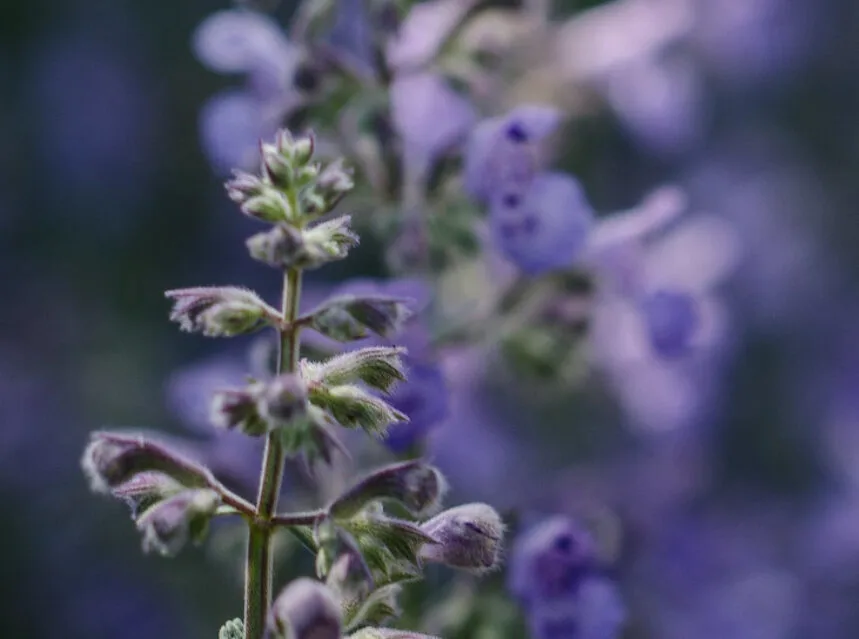
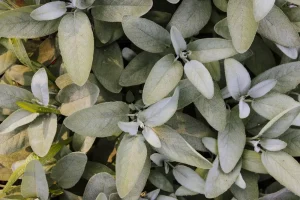
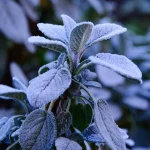
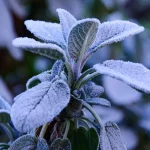
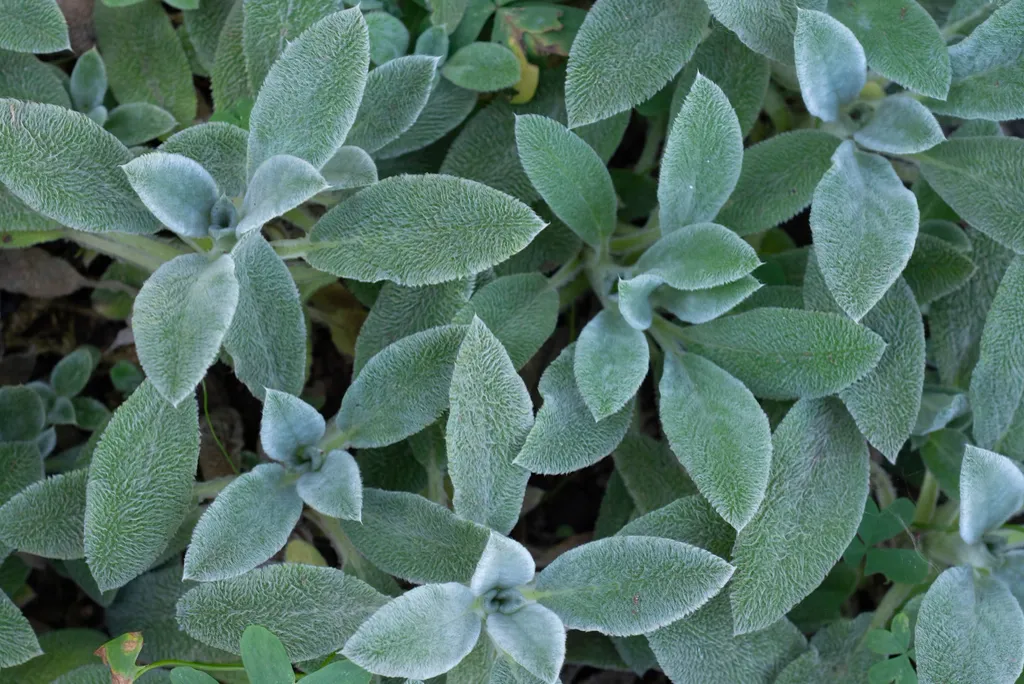
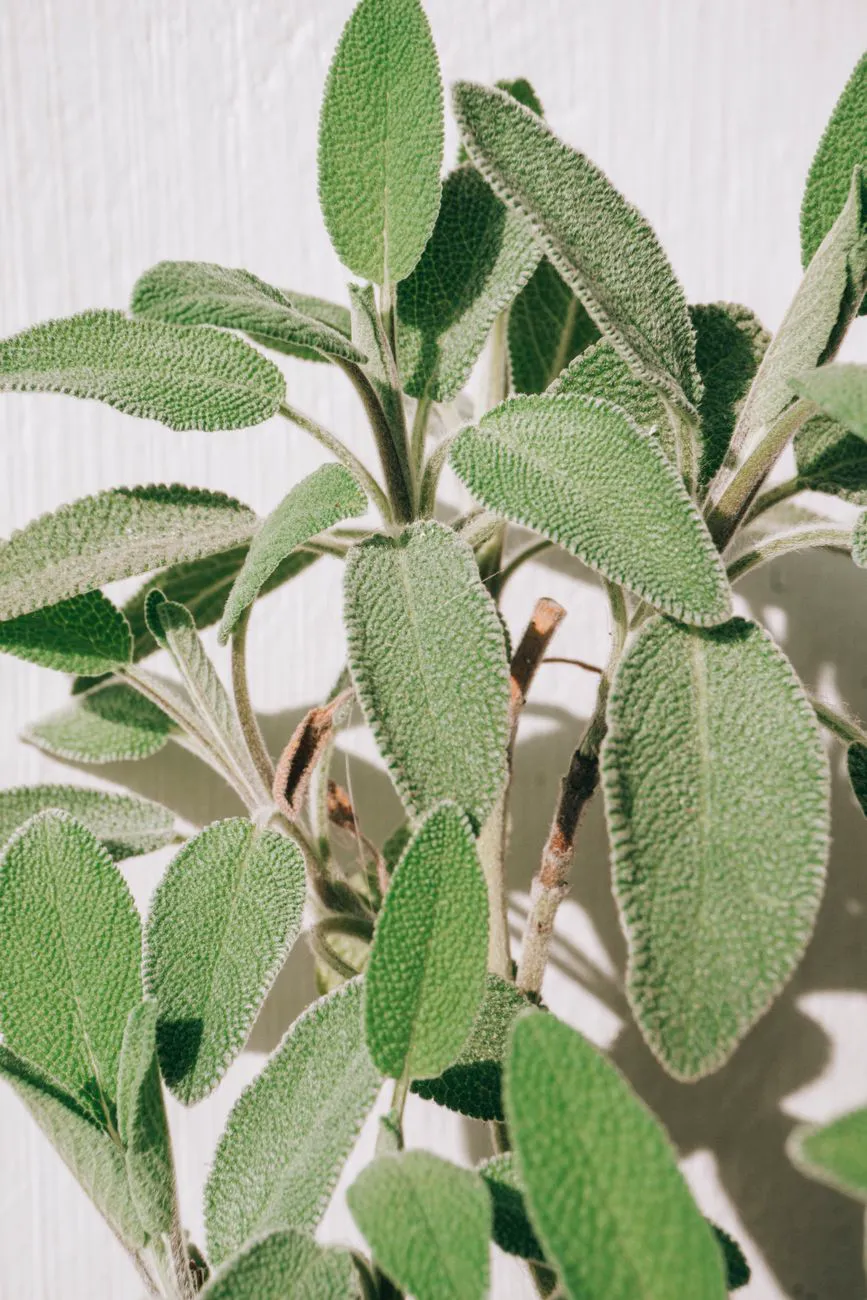
Sage (Salvia officinalis) is a hardy evergreen Mediterranean shrub grown for its soft, savoury, grey-green leaves — a handsome, hard-working herb that earns its place in any garden. The leaves can also be purple or variegated, and they carry a warm, earthy flavour. The plant is tough and thrives on sun and neglect. Once established it is drought-proof, evergreen in mild climates, loved by bees, and supplies you for years. The only real skill is keeping it from going woody. Here is the complete guide on how to grow sage.
Quick start: Plant sage in full sun in well-drained soil, or a pot. Water sparingly — it hates wet feet — and prune it each spring to keep it bushy and flavourful. Harvest leaves in the morning before flowering for the best flavour.
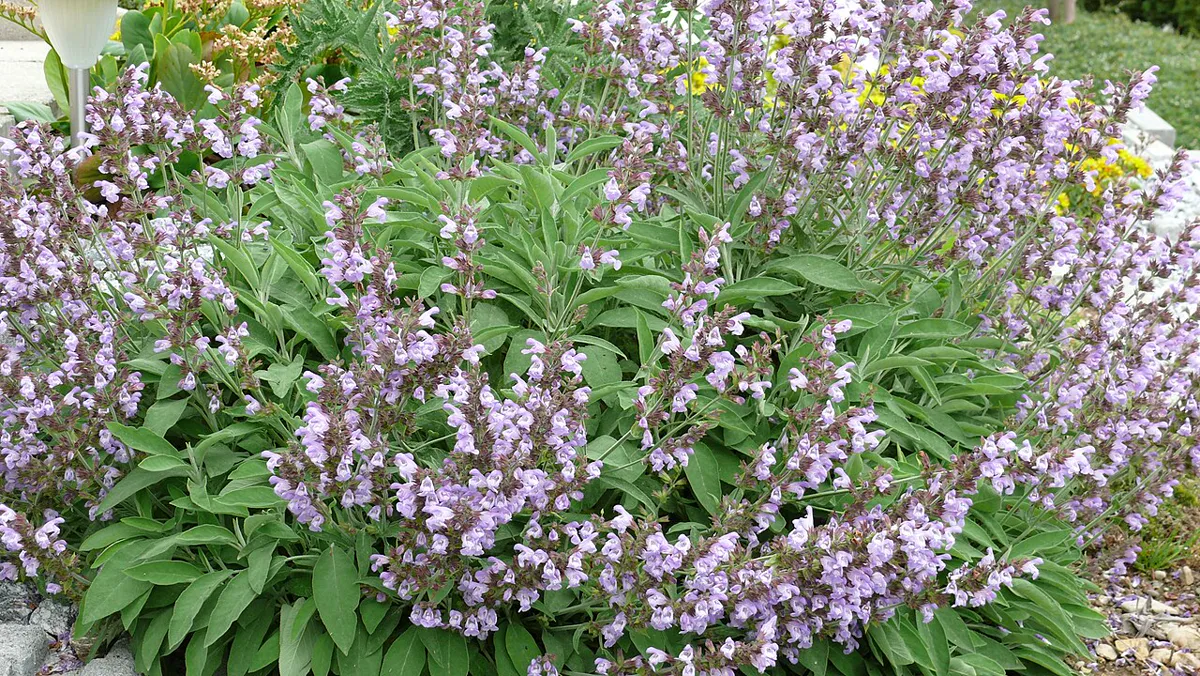
Sage is a handsome, aromatic Mediterranean herb, evergreen in milder climates and invaluable in the kitchen. The key to keeping it healthy is full sun and sharp drainage, as it sulks and rots in damp, heavy ground. Growers prune it lightly each year to keep it bushy and stop it turning woody and sprawling, but avoid cutting hard into the old, bare wood. Its flowers are a magnet for bees, and the leaves carry the aromatic, antioxidant compounds long valued in cooking and tradition — used a leaf at a time, so the spectacular per-100 g figures in spice tables (USDA record 170935) never reach your plate.
🧰 In a hurry? Jump straight to our tested picks for this guide ↓
Sage at a glance
| Feature | Detail |
|---|---|
| Botanical name | Salvia officinalis (family Lamiaceae) |
| Plant type | Hardy evergreen perennial shrub |
| Sun | Full sun (6+ hours) |
| Soil | Lean, gritty, well-drained |
| Water | Low; drought-tolerant once established |
| Main risk | Root rot / mildew in damp, humid air |
| Key task | Light spring prune (stops it going woody) |
| Harvest | Year-round in mild climates |
Why grow sage?
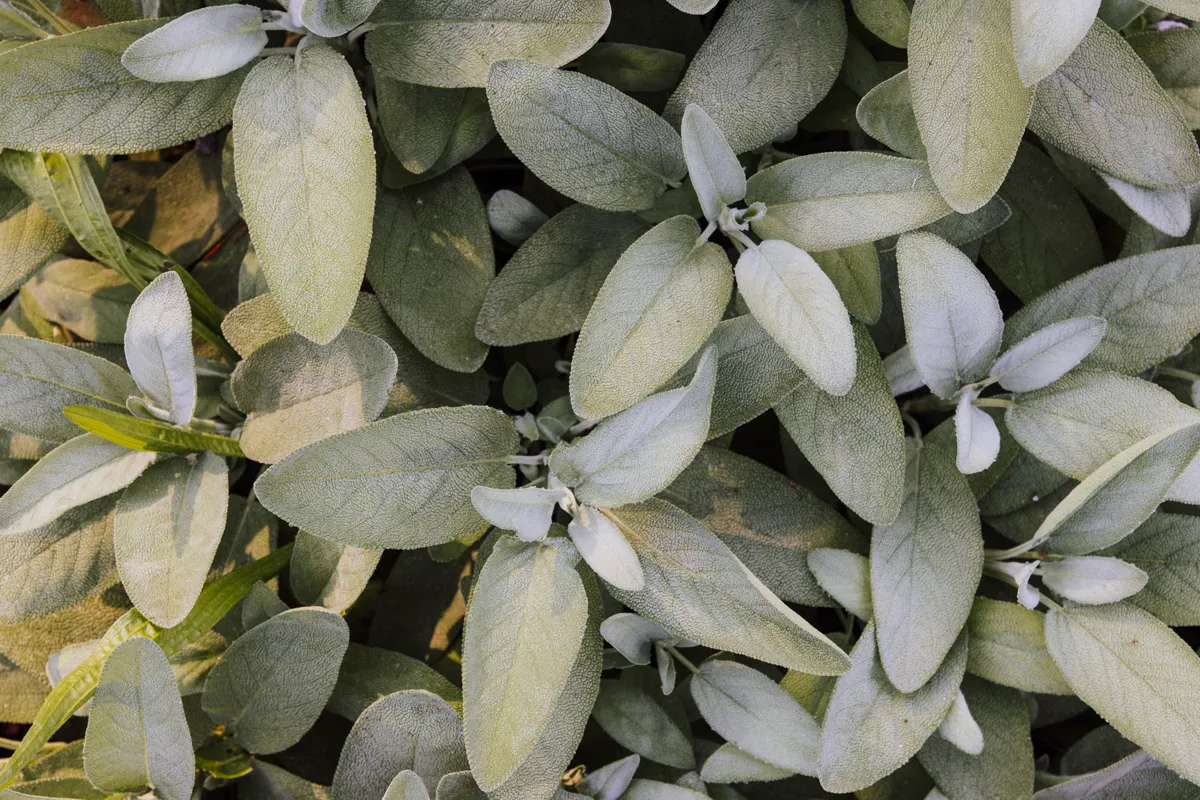
Sage is low-maintenance, drought-tolerant and long-lived. A few reasons to grow it:
- Comes back for years. It is a hardy perennial that returns each spring.
- Winter harvest. It stays evergreen in mild areas, so you pick in winter too.
- Bee-friendly. The flowers feed pollinators.
- Aromatic. Homegrown leaves are far more fragrant than dried, and it pairs with rosemary and thyme.
History, origin & how sage spread
Sage is native to the Mediterranean region, where it has long grown on dry, rocky hillsides (common sage). Its name carries its old job description: Salvia comes from Latin salvus (safe, healthy) and salvēre, “to feel healthy, to heal” (genus Salvia), while the species name officinalis marks a plant with established culinary or folk-medicine use. The Romans called sage the “holy herb” and used it in religious rituals, and Charlemagne recommended it for cultivation in the early Middle Ages, which is how it ended up in monastery gardens across Europe.
Through the Middle Ages, sage was one of the most important garden herbs in Europe. Monastery and cottage gardens grew it for cooking and health. Old sayings even praised it as a herb for long life.
Today the main producers are Mediterranean and Balkan countries such as Turkey, Albania, Croatia and across southern Europe. Those come from the herb and essential-oil trade, not an official tonnage table, as FAO’s crop statistics have no sage item. It flourishes in hot, dry, sunny conditions with well-drained soil. This makes it an excellent herb for warm regions and water-wise, drought-tolerant gardens.
Best season & when to plant
Plant sage in spring after the last frost. It is a hardy perennial shrub in mild climates, staying evergreen through gentle winters. In humid or monsoon climates such as much of India, sage’s main challenge is excess moisture and humidity, not cold. So grow it in gritty, free-draining soil or pots, give good airflow, and shelter it from heavy monsoon rain to prevent rot and mildew.
How to plant sage
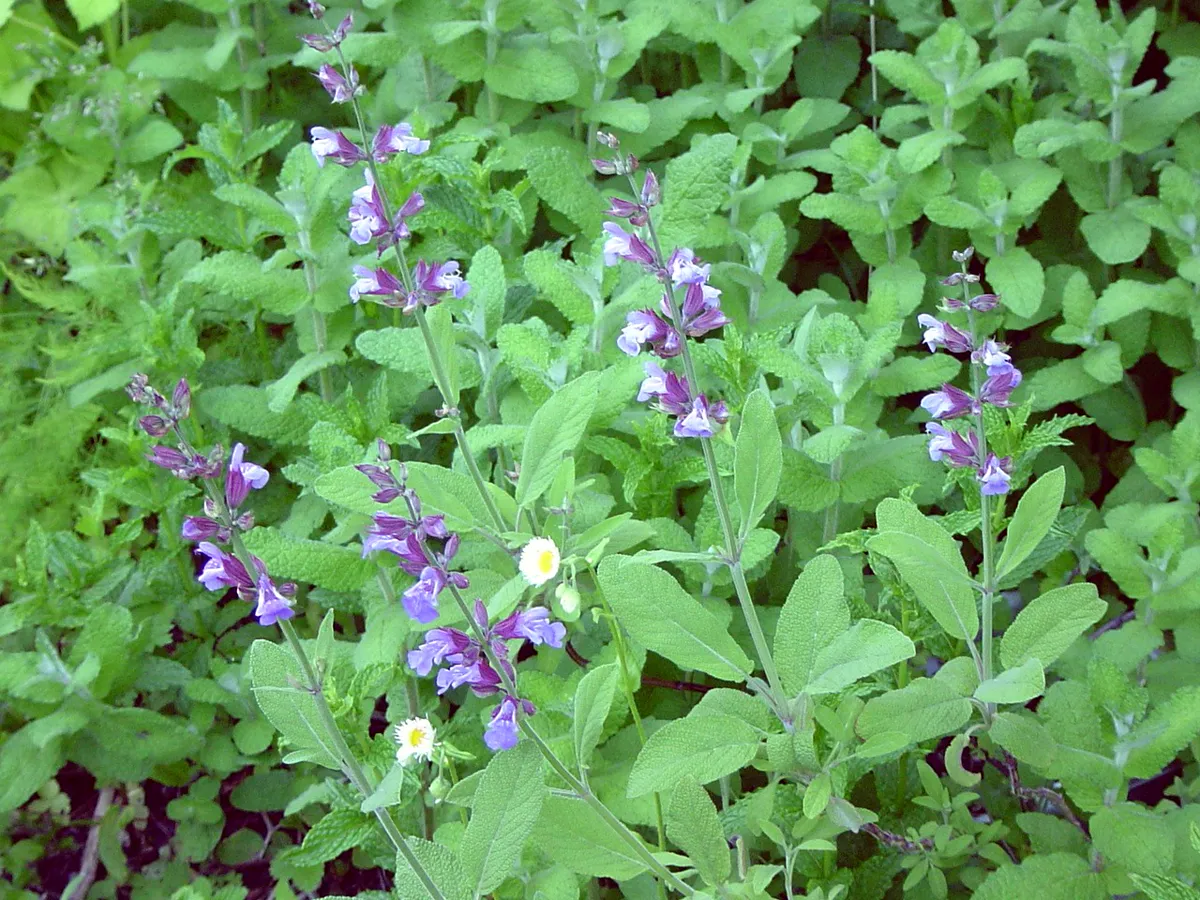
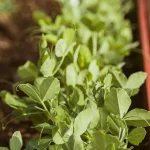
Start from a young plant or cutting for the quickest results, as seed is slower. Give it:
- Full sun — at least 6 hours daily.
- Well-drained soil — sage will not tolerate sitting in wet ground (see improving garden soil); add grit to heavy soil.
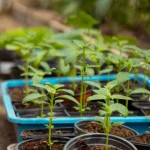
- Space plants for airflow, or use a well-drained pot.
How to propagate sage (seed, cuttings & layering)
Sage is easy to multiply, and there are three reliable ways. The fastest and most popular is cuttings, which also keep named varieties true to type, unlike seed.
For cuttings, snip a 10 cm non-flowering shoot in late spring or summer. Strip the lower leaves, then push the stem into gritty, free-draining compost. Keep it lightly moist and out of harsh sun, and roots usually form in a few weeks. For seed, sow indoors in spring; it germinates slowly and seedlings take longer to reach a usable size. For layering, simply peg a low, flexible stem down onto the soil. It roots where it touches, and you can cut it free as a new plant once established. Taking a few cuttings each year is the best way to replace old, woody sage before it declines.
Sun, soil & watering
Water new plants once or twice a week for the first few weeks, keeping the soil like a wrung-out sponge. Then ease right off. Established sage is drought-tolerant and rarely needs watering in the ground. Even wilted leaves usually perk up with a little water (see how often to water plants). Soggy soil is the main killer. It needs little to no feeding.
Pruning (stop it going woody)
Over time sage turns woody and less flavourful, so pruning is key. In spring, as new growth appears, prune established plants lightly to keep them compact and encourage fresh, tender, flavourful leaves. Cut back hard only on overgrown plants, and never into bare old wood, which may not resprout. Regular harvesting also keeps it bushy.
Types of sage to grow
Common culinary sage comes in several attractive forms. They all cook the same way. The difference is mostly in looks.
- Common (grey-green) sage — the standard kitchen sage, tough and reliable.
- Purple sage — soft purple-tinted leaves, just as edible.
- Tricolour and golden sage — variegated, ornamental types for colour.
For cooking, common sage is the most productive. The coloured types are lovely in a border. Note that ornamental salvias grown only for flowers are a different group.
Cooking with sage
Sage has a strong, warm, slightly peppery flavour. A little goes a long way. It stands up well to cooking, unlike many soft herbs.
It is a classic partner for rich foods. Think poultry, stuffing, sausages and pork. The herb cuts through fat beautifully.
One simple treatment is the best. Fry whole leaves in butter until crisp. Spoon this brown butter and sage over pasta, gnocchi or roasted squash.
Sage also makes a traditional tea. Steep a few fresh leaves in hot water. It has long been used as a soothing drink for a sore throat.
Common pests & diseases
Sage is rarely troubled thanks to its aromatic oils. The main risk is root rot and powdery mildew in damp, crowded conditions. So ensure drainage and airflow. Occasionally spider mites or aphids appear on stressed plants; see aphid control and organic pest control.
Harvesting sage
Harvest leaves as needed year-round, as it is evergreen in mild areas. For the most intense flavour, pick in the morning, after the dew dries but before the day heats up, and before the plant flowers, when the essential oils are most concentrated. Snip sprigs or individual leaves; harvesting doubles as light pruning. Dry leaves in a warm, airy place and store in a jar.
Health benefits & uses
Sage supplies vitamin K and polyphenols, and it has a long traditional use for sore throats and as a memory tonic — traditional use, not a demonstrated effect. There is one thing worth knowing that most sage guides skip: sage essential oil contains thujone, a neurotoxin that causes convulsions in animals and serious intoxication in people at high intakes. The European Medicines Agency’s herbal committee recommends a limit of 6 mg of thujone a day for supplemental use (summary of the evidence). Cooking with the leaf is not the concern here — concentrated oil, strong daily tea and sage supplements are, particularly in pregnancy or for anyone with epilepsy. In the kitchen its warm, earthy flavour is classic with poultry and stuffing, browned in butter for pasta and gnocchi, in sausages, and in hearty bean and squash dishes. A little goes a long way.
This article is for general information only and is not medical advice. Talk to a qualified professional before using any plant medicinally.
Common sage problems
Woody, sparse plant
Lack of pruning. Trim lightly each spring to keep it bushy and flavourful.
Rotting or mildew
Overwatering, humidity, or poor airflow. Use well-drained soil, space plants, and water sparingly.
Leggy, weak flavour
Too little sun or too rich soil. Give full sun and lean, well-drained ground.
Related plant guides
- How to grow Hyssop
- How to grow Savory
- How to grow Stevia
- How to grow Rosemary
- How to grow Thyme
- How to grow Lavender
Frequently asked questions
Does sage come back every year?
Yes — it is a hardy perennial shrub that returns each year and stays evergreen in mild climates.
Why is my sage woody?
It needs regular pruning. Trim lightly each spring and harvest often to keep tender growth coming.
How often should I water sage?
Sparingly — let the soil dry between waterings. Established sage is drought-tolerant and dislikes wet roots.
Can sage grow in pots?
Yes — it does well in a well-drained pot in full sun, which also helps in humid climates.
Can I cook with any sage variety?
Yes, the common, purple and variegated culinary sages are all edible. Ornamental salvias grown only for flowers are a separate group.
How do I dry sage?
Snip sprigs and hang them in a warm, airy, shaded spot. Once crisp, crumble the leaves into a jar. Dried sage keeps its flavour well.
Is sage easy to grow for beginners?
Very. It is tough, drought-tolerant and forgiving. Just give it sun, good drainage, and a light prune each spring.
Can sage survive winter?
Yes, it is hardy and stays evergreen in mild climates. In hard winters it may die back. A sheltered spot or a pot helps it through.
Why is my sage not very flavourful?
Often too much water or rich soil. Grow it lean and dry in full sun. The strongest flavour comes from leaves picked before flowering. An old, woody plant also loses flavour, so prune and renew it.
Can I grow sage from a cutting?
Yes, easily. Snip a non-flowering sprig and strip the lower leaves. Root it in gritty soil or water, then pot it on.
When should I harvest sage leaves?
You can pick a few leaves whenever the plant is in active growth, but the strongest flavour sits in leaves gathered just before the flower buds open, usually in early summer. Take shoots from the soft, leafy growth rather than stripping the old woody stems, and never remove more than about a third of the plant at once. A light picking every week or two actually helps, because it keeps fresh shoots coming instead of letting the bush run to wood. Stop heavy harvesting about a month before your first hard frost so the plant can harden off for winter.
Can I grow sage indoors on a windowsill?
Yes, though it is fussier indoors than basil or mint because it wants sun and dry air at the roots. Give it the brightest window you have, ideally a south-facing one, and expect thin, pale growth if it gets less than about six hours of direct light. Use a gritty, free-draining potting mix in a pot with drainage holes, and water only when the top few centimetres feel dry. Indoor sage tends to get leggy after a year or two, so take cuttings and start a fresh plant rather than nursing an exhausted one.
How do I grow sage from seed?
Sow the seed thinly on the surface of moist seed compost in spring, covering it with just a dusting of grit or fine mix, and keep it around 18-21C. Germination is slow and patchy compared with most herbs, often taking two to three weeks, and old seed germinates poorly, so buy fresh packets. Prick the seedlings out once they have two true leaves and grow them on before planting outside after the last frost. Seed-raised plants can take a full season before they are worth harvesting properly, which is why many gardeners prefer cuttings or a bought plant for a quicker kitchen supply.
What should I not plant next to sage?
Sage wants lean, dry, sunny conditions, so the plants that clash with it are the thirsty, hungry ones. Cucumbers are the classic thing to keep apart, along with other crops that need constant moisture and rich soil, because the watering regime that suits them will rot sage roots. Fast, sprawling growers such as squash and vigorous mint are best kept away too, since they will smother a slow-growing sage bush. Pair it instead with rosemary, thyme, oregano and lavender, which share the same free-draining, sun-baked preferences.
Why is my sage plant dying?
Nine times out of ten the cause is water sitting around the roots rather than anything exotic. Heavy clay, a pot without drainage, mulch piled against the stem or simply generous watering will all cause root rot, which shows up as wilting, blackening stems and leaves that drop even though the soil is wet. Sudden collapse in a humid summer can also be a fungal stem rot, and it spreads faster where plants are crowded and airflow is poor. Lift affected plants, improve drainage with grit, thin the planting, and take cuttings as insurance before an old woody specimen gives up altogether.
Still stuck? Ask the Plant Doctor
Describe the problem — yellow leaves, holes, no flowers — and get a clear answer in seconds. FreeAI can make mistakes. Answers are guidance, not a guarantee — check anything important against the guide it links to, and always read the label on any product before you use it.