Drought-Tolerant Garden Ideas (Beautiful & Water-Wise)
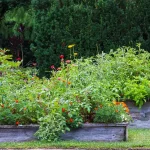
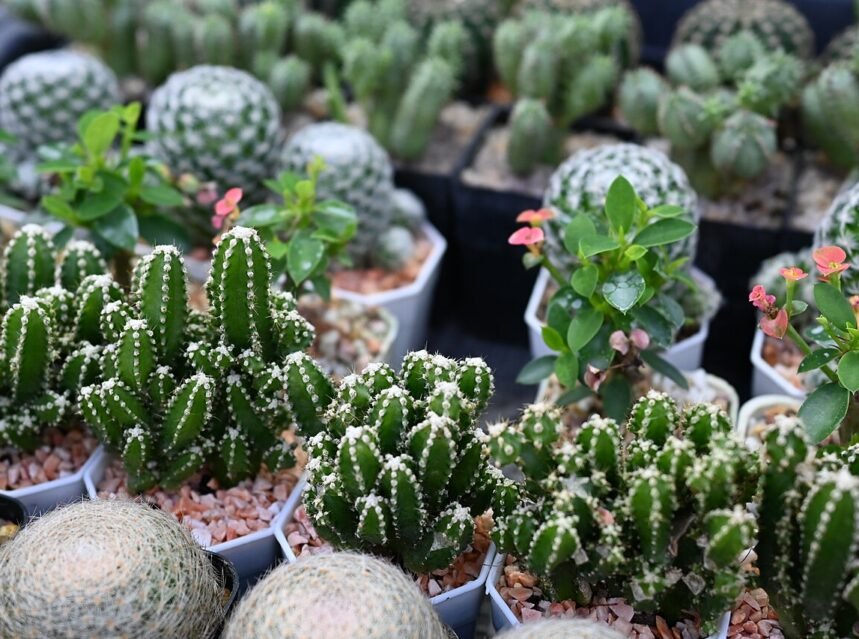 Photo: PattayaPatrol (CC BY-SA 4.0) via Wikimedia Commons
A drought-tolerant garden uses low-water plants, deep mulch, and smart design to stay beautiful with little or no watering. As summers grow hotter and water more precious, drought-tolerant gardening saves time, money, and water while still giving colour and life. With the right plants and a few tricks, even a dry, sunny plot can flourish. Here are the best drought-tolerant garden ideas.
Quick answer: Improve the soil so it holds moisture, mulch thickly, group plants by water need, and choose drought-tolerant plants like lavender, sedum, ornamental grasses, and succulents. Water deeply but rarely to grow deep roots, use gravel or bark to cut evaporation, and capture rainwater. The result is a lush-looking garden that barely needs the hose.
🧰 In a hurry? Jump straight to our tested picks for this guide ↓
Drought-tolerant garden ideas at a glance
| Idea | Why it helps |
|---|---|
| Mulch thickly | Cuts evaporation, keeps roots cool |
| Improve the soil | Holds more water for longer |
| Group by water need | Water only the plants that need it |
| Choose dry-loving plants | Survive on rainfall once established |
| Water deep but rare | Grows deep, drought-proof roots |
| Harvest rainwater | Free water for dry spells |
Why grow a drought-tolerant garden?
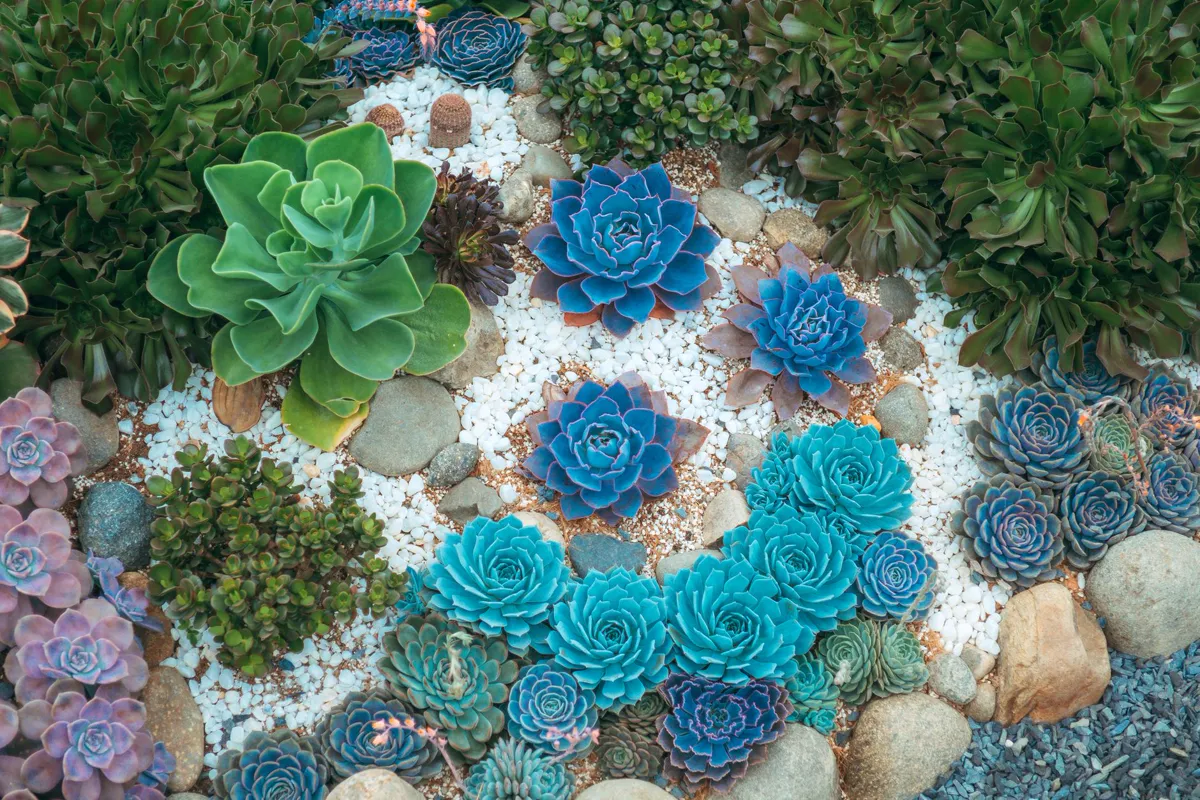
A drought-tolerant garden is practical and beautiful at once. It cuts your water use and bills, and it keeps looking good through hot, dry spells that would scorch a thirsty garden.
It also saves time, as low-water plants need far less fussing. With climate change bringing hotter summers and water restrictions to many regions, designing for drought is fast becoming the sensible default rather than a niche choice.
The best drought-tolerant plants
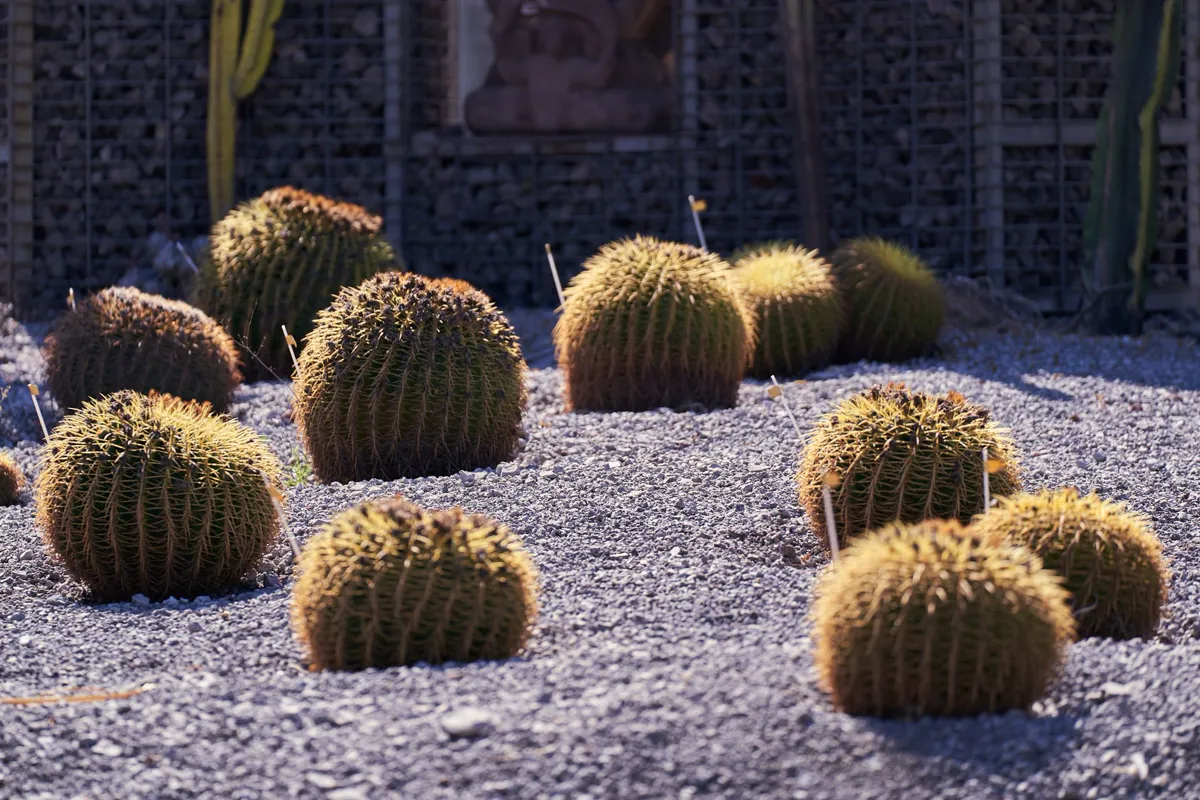
The secret to a dry garden is choosing plants that naturally cope with little water. Many come from hot, dry parts of the world and store water or have tough, silvery leaves.
- Lavender, rosemary, and sage — Mediterranean herbs that thrive on neglect.
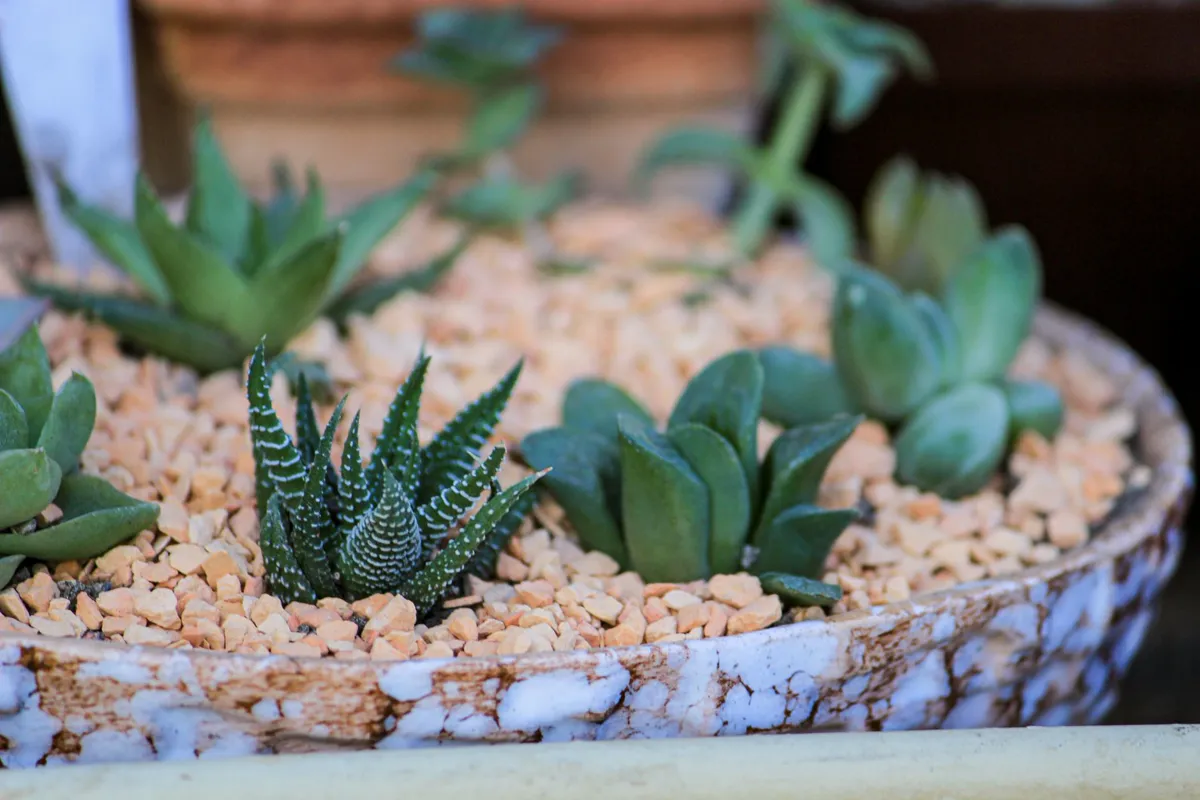
- Sedum and succulents — store water in fleshy leaves (see succulent care).
- Ornamental grasses — airy, tough, and water-wise.
- Yarrow, echinacea, and rudbeckia — hardy, long-flowering perennials.
- Rose campion and red valerian — silver-leaved self-seeders for dry spots (see rose campion).
- Bougainvillea and lantana — superb in hot climates and India.
Improve the soil first
It sounds odd, but the first step to a low-water garden is better soil. Soil rich in organic matter acts like a sponge, holding moisture far longer than thin, sandy ground.
Dig in plenty of compost and well-rotted manure before planting (see improving garden soil). This helps even drought-tolerant plants establish, and means the rain that does fall is stored where roots can reach it, rather than draining straight away.
Mulch, mulch, mulch
Mulch is the single most powerful tool in a dry garden. A thick layer on the soil surface dramatically cuts the water lost to evaporation and keeps roots cool.
Spread 5–8 cm of gravel, bark, or compost over the soil, leaving a gap around plant stems. Gravel and stone suit Mediterranean and modern dry gardens and look smart, while bark or compost feeds the soil as it breaks down. Mulched soil can need a fraction of the watering of bare ground (see mulching guide).
Smart watering & design
How you water matters as much as how much. The goal is to train plants to root deeply so they find their own water.
Water deeply but infrequently, soaking the soil so roots grow down, rather than a daily sprinkle that keeps them shallow (see how often to water). Group plants with similar needs together (“hydrozoning”) so you water only where needed, and capture rainwater for dry spells (see rainwater harvesting).
Gravel gardens & hard landscaping
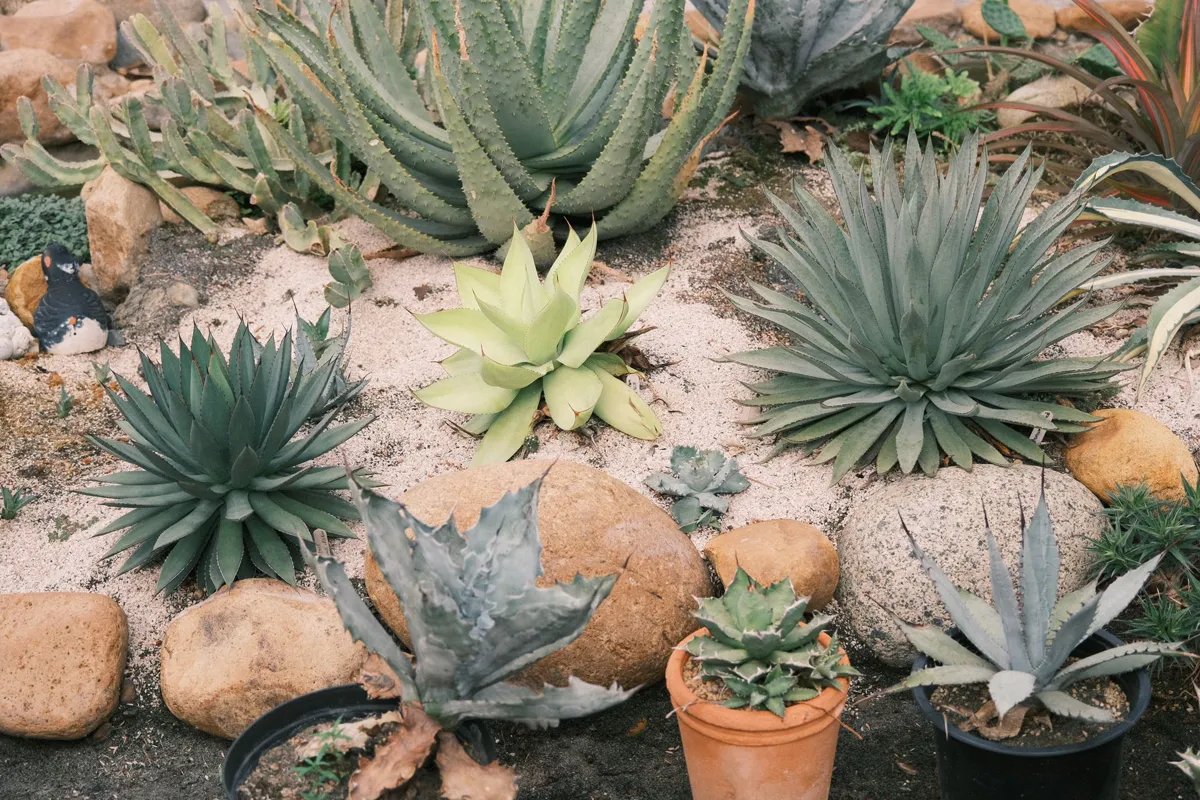
Design choices can slash water use too. Gravel gardens, where plants grow through a deep stone mulch, are a classic low-water style that looks good all year.
Replacing thirsty lawn with gravel, paving, or drought-tolerant ground cover cuts watering and mowing at once. Permeable surfaces let rain soak in rather than run off. A few well-placed rocks, pots, and structural plants give a striking, almost desert-garden look that needs very little care once established.
Drought-tolerant gardening in India & hot climates
In hot regions like much of India, water-wise gardening is essential, especially through the long dry season before the monsoon. Many beautiful local plants are naturally drought-hardy.
Bougainvillea, lantana, oleander, frangipani, and hardy succulents thrive on little water once established. Heavy mulching, shade, and rainwater harvesting carry gardens through the heat, while good drainage handles the monsoon downpours. Choosing tough, climate-suited plants rather than thirsty exotics is the key to a garden that survives an Indian summer.
Why these drought-tolerant garden ideas are worth it
A drought-tolerant garden proves you can have beauty and abundance without pouring on water. By improving the soil, mulching deeply, watering wisely, and choosing tough plants, you create a garden that shrugs off heat and dry spells.
It saves water, money, and time, and it stays green and colourful when thirsty gardens turn brown. As hot, dry summers become more common worldwide, these ideas are not just eco-friendly but genuinely practical. Start with better soil and a thick mulch, add the right plants, and enjoy a lush garden that barely needs the hose.
How to establish drought-tolerant plants
There is one catch with drought-tolerant plants: they are only truly low-water once established. In their first season, even tough plants need regular watering to grow the deep roots that will later sustain them.
So water new plantings well for the first few months, then gradually reduce it. Plant in autumn or early spring where you can, so roots establish in cool, moist conditions before summer heat arrives. After a year or two, most drought-tolerant plants will cope on rainfall alone. This short investment of care at the start is what makes the long-term, low-water garden possible.
Lawns and drought
A traditional lawn is one of the thirstiest parts of any garden. Rethinking it is one of the biggest water savings you can make.
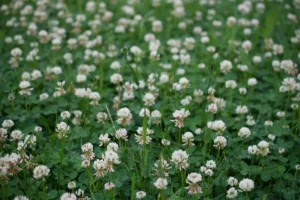
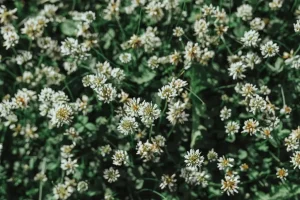
You can let a lawn go golden in summer, as most grass recovers with autumn rain, or replace some of it with gravel, paving, or drought-tolerant ground cover. Clover and wildflower lawns stay greener with less water and feed pollinators too. Even reducing the watered lawn area and raising the mowing height helps the grass cope with dry spells far better.
Common drought-garden mistakes
A few mistakes can undo a water-wise garden. The most common is shallow, frequent watering, which keeps roots near the surface where they dry out fast.
Always water deeply and less often instead. Skipping mulch is another error, as bare soil loses moisture rapidly. Planting drought-lovers in rich, damp, or poorly-drained soil makes many of them rot, since they prefer lean, free-draining ground. And forgetting that new plants need watering to establish leads to early losses. Avoid these, and a dry garden thrives.
Sources and further reading
Related guides
- Mulching guide
- Rainwater harvesting
- Succulent care for beginners
- How often to water plants
- No Mow May
- Clover Lawn
Frequently asked questions
What is a drought-tolerant garden?
A garden designed with low-water plants, rich soil, and mulch so it stays healthy and attractive with little or no watering.
What are the best drought-tolerant plants?
Lavender, rosemary, sedum, succulents, ornamental grasses, yarrow, and (in hot climates) bougainvillea and lantana.
How do I water a drought-tolerant garden?
Deeply but rarely, to encourage deep roots, and ideally with harvested rainwater. Mulch heavily to cut evaporation.
Does mulch really save water?
Yes — a thick mulch dramatically reduces evaporation and keeps roots cool, often cutting watering needs significantly.
How do I make a dry garden in India?
Use hardy local plants like bougainvillea and lantana, mulch heavily, harvest rainwater, and ensure good monsoon drainage.
How long until a drought-tolerant garden needs no watering?
Usually after the first year or two, once plants have grown deep roots. They need regular water while establishing.
Can I have a colourful garden with little water?
Yes — lavender, salvia, echinacea, rudbeckia, and (in hot climates) bougainvillea and lantana give months of colour on little water.
Is gravel good for a dry garden?
Yes — a deep gravel mulch cuts evaporation, suppresses weeds, looks smart, and lets rain soak in to the roots.
Do drought-tolerant plants need any watering?
Yes, while establishing in their first year or two. After that, most cope on rainfall alone, needing water only in long, extreme droughts.
What is xeriscaping?
Xeriscaping is a landscaping approach built around water conservation, grouping plants with similar water needs, improving soil, and using mulch so a garden thrives on little or no irrigation. It originated in Denver, Colorado, in the 1980s and is now used across dry and temperate climates worldwide. Xeriscaping does not mean gravel and cacti only; it can include colorful, low-water perennials and shrubs too.
How do I remove my lawn for a drought-tolerant garden?
Smother it first, either by sheet-mulching with cardboard and compost for a few months or by solarizing under clear plastic in hot weather, then dig out the dead turf and amend the soil. This avoids herbicides and builds better soil than simply stripping the sod. Replace the reclaimed area with drought-tolerant plants, gravel paths, or mulched beds, watering new plantings well until roots establish.
Are drought-tolerant gardens low maintenance?
Yes, once established, but they still need some upkeep. Expect occasional weeding, a yearly mulch top-up, light pruning of shrubs and grasses, and deep watering only during extended dry spells or heatwaves. The first one to two years require more regular watering while roots grow deep; after that, maintenance drops sharply compared with a traditional lawn and border.
See also: why your lavender is dying.
Still stuck? Ask the Plant Doctor
Describe the problem — yellow leaves, holes, no flowers — and get a clear answer in seconds. FreeAI can make mistakes. Answers are guidance, not a guarantee — check anything important against the guide it links to, and always read the label on any product before you use it.