Fall Gardening Checklist: 8 Jobs to Do Before Winter
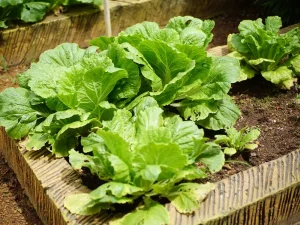
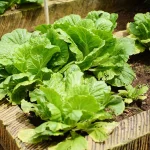
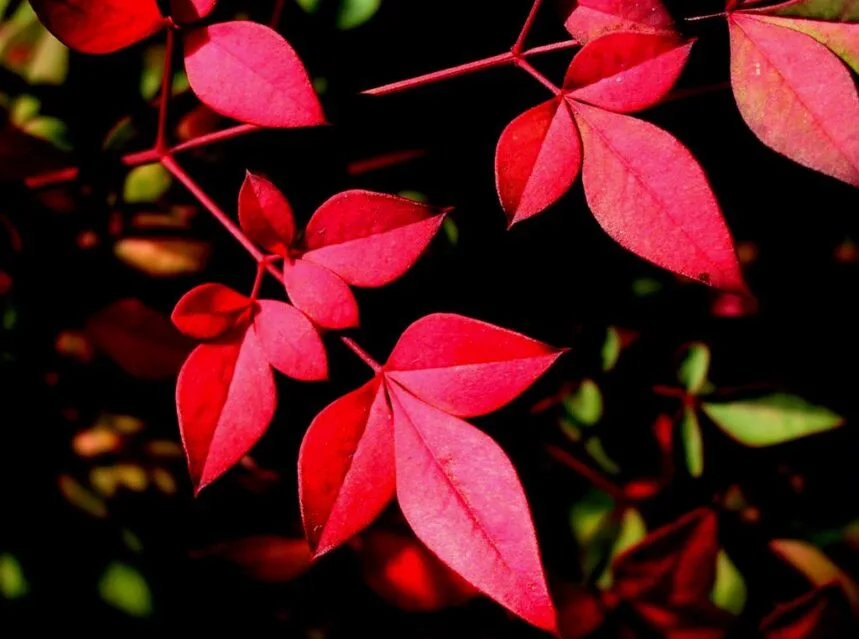 Photo via Openverse — jam343 (BY 2.0)
A fall gardening checklist is the list of autumn jobs that close out this season and set up the next: harvest and store crops, plant bulbs and garlic, clean up, feed the soil, mulch, and protect tender plants before frost. Most people treat autumn as the garden’s closing credits, but that is a mistake. Fall is secretly one of the most productive and important seasons, and what you do now sets up next year’s success. Work through this fall gardening checklist and you will thank yourself come spring.
Quick answer: In fall, harvest and store the last crops, plant spring bulbs and garlic, and clean up diseased material (but leave some seed heads for wildlife). Then improve the soil with compost, mulch to protect roots, and shelter tender plants before the first frost. Drain hoses and store pots before a hard freeze.
🧰 In a hurry? Jump straight to our tested picks for this guide ↓
Fall jobs at a glance
| Job | Why it matters |
|---|---|
| Harvest & store | Save crops before frost |
| Plant bulbs & garlic | Spring colour & summer bulbs |
| Clean up (lightly) | Remove disease, keep wildlife shelter |
| Feed the soil | Compost works in over winter |
| Mulch | Insulates roots, suppresses weeds |
| Protect & store | Save tender plants, hoses, pots |
Why fall gardening matters
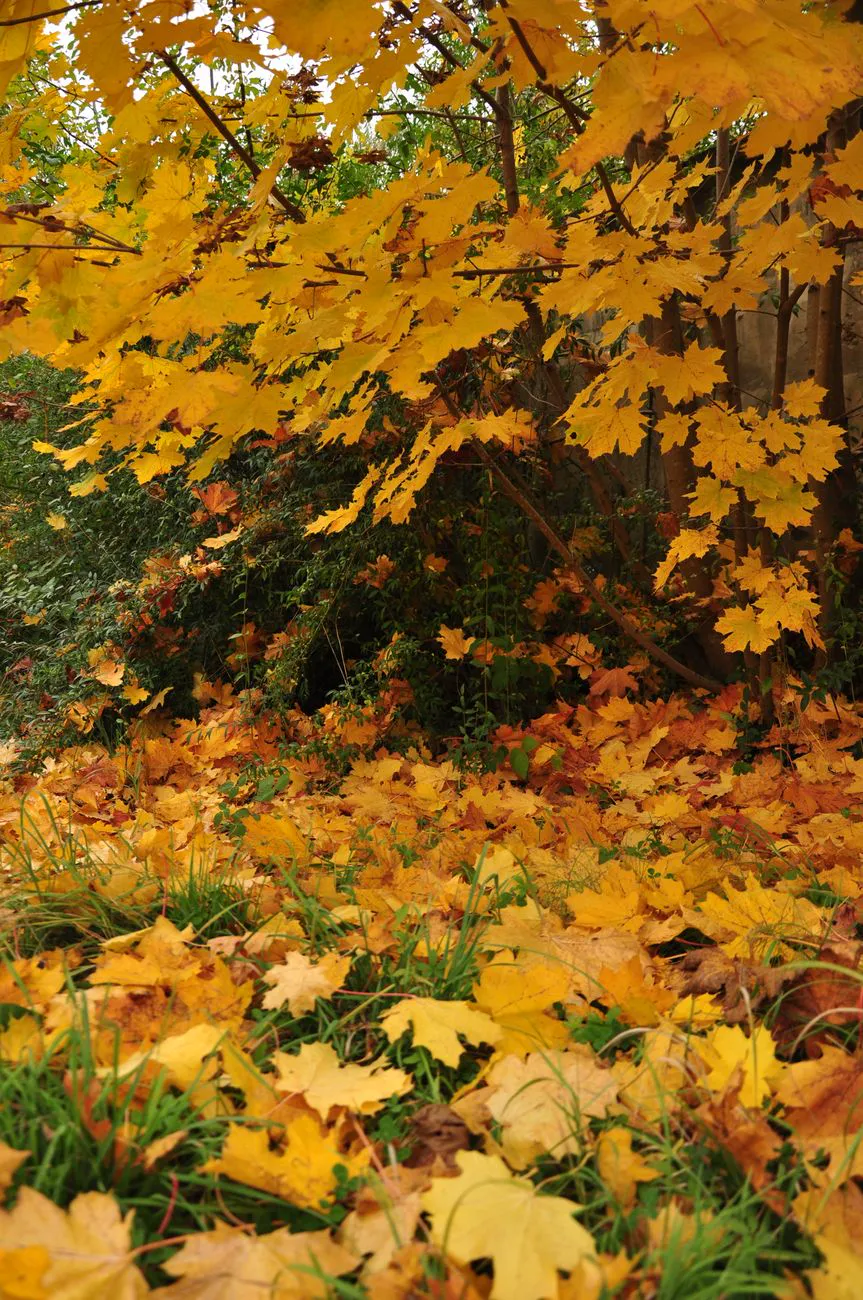
Fall is the foundation of next year’s garden, not the end of this one. A few hours of work now pays off for months.
The cool, damp weather is more pleasant to work in than summer heat, soil is still warm enough for roots to establish, and autumn planting gives bulbs, garlic, and perennials a real head start. Feeding and mulching the soil now means rich, ready-to-plant beds in spring. It is the season that quietly does the most.
1. Harvest and store the last crops
Bring in the final warm-season vegetables before frost claims them. Timing this around the first frost saves a lot of produce.
Pick the last tomatoes (even green ones ripen indoors), cure winter squash and pumpkins, and dig potatoes and root crops. Many cool-season crops like kale, carrots, and Brussels sprouts actually taste sweeter after a light frost, so leave those a little longer.
2. Plant for spring and next year
This is the fall secret most beginners miss: autumn is prime planting time. What you plant now rewards you for months.
- Spring bulbs: plant daffodils, tulips, crocus, and alliums now for colour when winter ends.
- Garlic: plant cloves now for a big harvest next summer (see how to grow garlic).
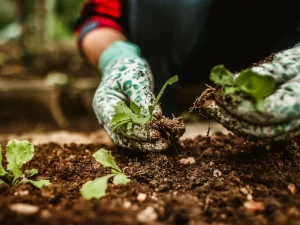
- Trees, shrubs and perennials: cooler air and warm soil make autumn ideal for planting.
- Cover crops: sow clover or field peas on empty beds to protect and enrich the soil.
3. Clean up, but not too much
Remove diseased or pest-ridden plant material and get it out of the garden; do not compost diseased plants. A balanced tidy-up is best.
Clear away rotting fruit that could harbour problems, but resist scorching the earth. Leaving some seed heads and hollow stems standing provides food for birds and shelter for beneficial insects through winter. A slightly “messy” garden is a wildlife-friendly one, as conservation guidance from the Royal Horticultural Society encourages.
4. Feed and improve your soil
Fall is the best time to invest in your soil. A single step here does more than almost anything else for next year.
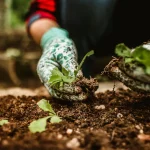
Spread a generous layer of compost or well-rotted manure over your beds (see improving garden soil). You do not even need to dig it in; winter rains, worms, and frost will work it down, leaving rich, ready-to-plant soil in spring.
5. Mulch to protect roots and soil
A layer of mulch, such as shredded leaves, straw, or bark, insulates roots against freezing and suppresses winter weeds. It also prevents soil erosion from heavy rain.
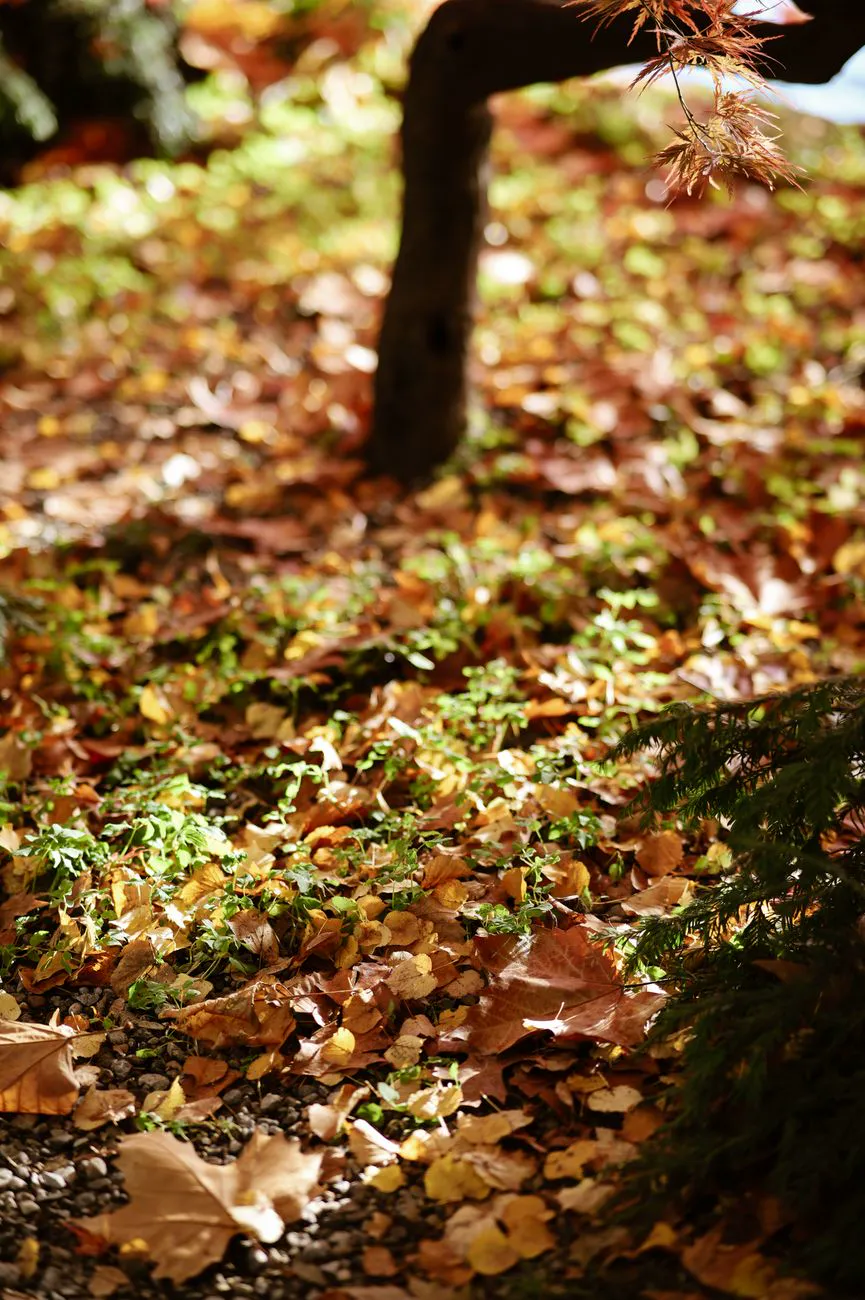
Those fallen leaves are free garden gold. Shred them with a mower and use them as mulch, or pile them up to rot into rich “leaf mould” for next year. Never bin your autumn leaves; they are one of the best free soil conditioners there is.
6. Protect tender plants before frost
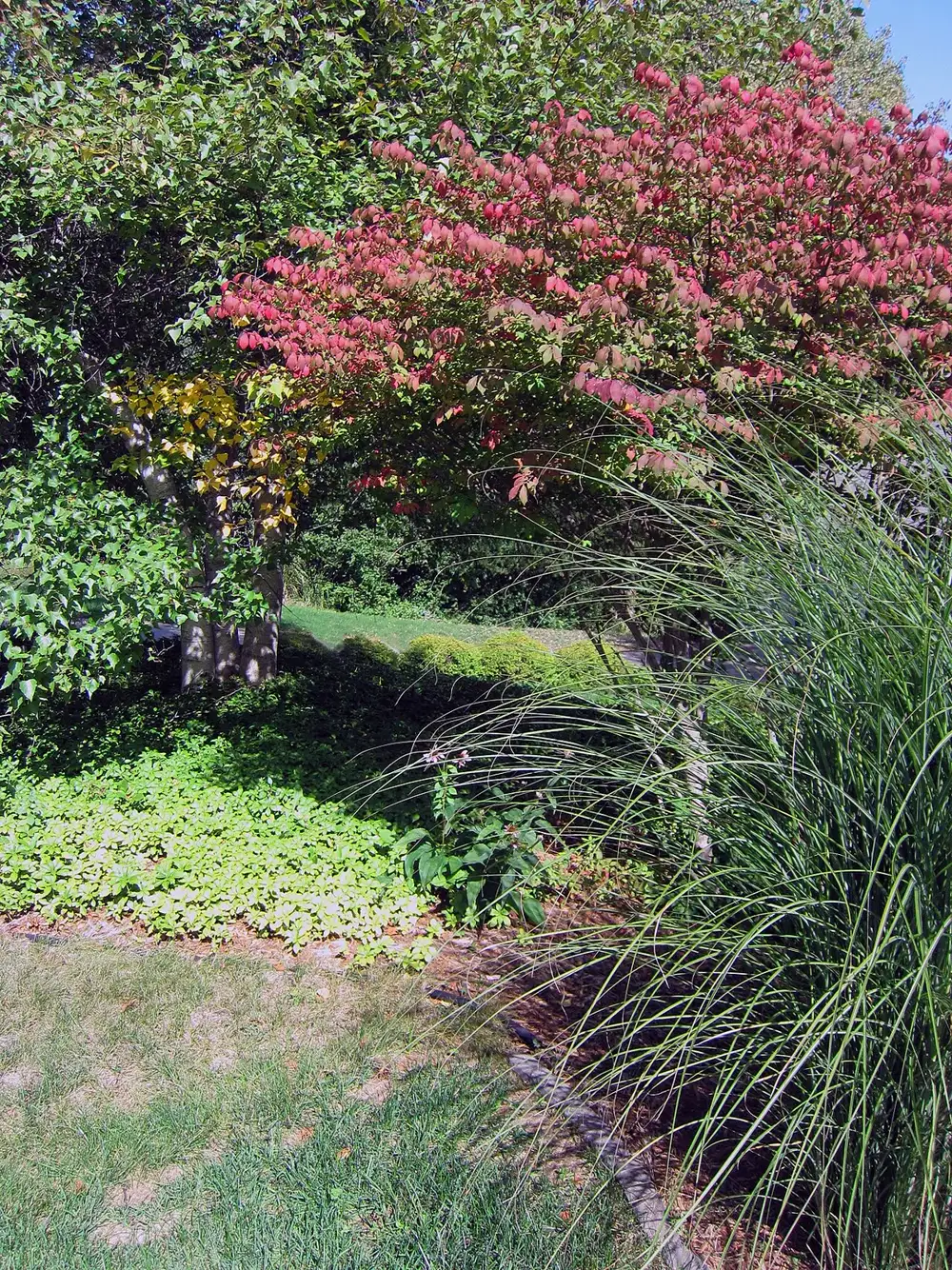
Keep an eye on the forecast for your first frost date. A little preparation saves your most vulnerable plants.
Before frost arrives, bring tender potted plants and herbs indoors or into a sheltered spot, dig up and store dahlia tubers and other tender bulbs in cold climates, and have row covers or old sheets ready to drape over crops on surprise cold nights.
7. Care for your lawn and tools
Autumn is the ideal time to overseed thin lawn patches and give the grass a final feed, as cool, moist conditions help it establish. It is also the moment to look after your tools.
Clean off soil, sharpen blades, wipe metal with an oily rag to prevent rust, and store everything dry (see our essential tools guide). Before a hard freeze, also drain and store hoses, and empty or turn over ceramic and terracotta pots, which can shatter when wet soil freezes inside them.
Why autumn is the best time to plant
It surprises many beginners, but autumn rivals spring as the best planting season. The reasons are all about the soil and roots.
In autumn the soil is still warm from summer while the air is cool and damp, which is ideal for roots to establish without the stress of heat or drought. Trees, shrubs, perennials, and spring bulbs all settle in over the dormant season and surge ahead the following spring. Autumn-planted perennials often outperform spring-planted ones for this reason. Far from being too late, autumn gives plants a real head start.
Fall gardening in India & warm climates
In much of India, autumn is not about bracing for frost but the start of the main growing season, as the heat finally eases. The checklist shifts accordingly.
After the monsoon, autumn (around October) is prime time to sow the winter vegetable crop: tomatoes, peas, spinach, carrots, and cauliflower all go in now. Refresh beds and pots with compost, plant winter flowers like marigold and petunia, and sow garlic and onions. Rather than winding down, gardeners in warm regions are gearing up for the most productive months of the year.
Sources and further reading
Frequently asked questions
What should I plant in fall?
Spring-flowering bulbs (tulips, daffodils, crocus), garlic, cool-season greens like spinach and kale, cover crops, and trees, shrubs, and perennials. Fall’s warm soil and cool air help them establish beautifully.
Should I cut back my plants in autumn?
Remove diseased material and plants that have finished, but leave some healthy seed heads and stems for wildlife and winter interest. Many perennials are best cut back in early spring instead.
Is fall a good time to add compost?
Yes, it is the ideal time. Spread compost over beds in autumn and let winter weather work it into the soil, so beds are rich and ready by spring. No digging required.
Should I rake up all my leaves?
Clear leaves off the lawn so they do not smother the grass, but use them rather than bin them. Shredded leaves make excellent free mulch, and a pile left to rot becomes valuable leaf mould.
How do I protect plants from the first frost?
Bring tender pots indoors, lift and store tender bulbs like dahlias, and keep row covers or old sheets ready to drape over crops on cold nights. Watch your local first-frost forecast.
What is the fall gardening checklist in India?
In India, autumn starts the main growing season: sow winter vegetables, refresh beds with compost, plant winter flowers, and sow garlic and onions as the post-monsoon heat eases.
Can I still plant vegetables in fall?
Yes, cool-season crops like spinach, kale, lettuce, and garlic can all be planted in autumn. In mild areas they crop into winter, and garlic and onions overwinter for a summer harvest.
Should I empty my pots before winter?
Empty or bring in terracotta and ceramic pots before a hard freeze, as wet soil expands when it freezes and can crack them. Store them dry and upside down to be safe.
When is the first frost?
It varies widely by region, so check your local average first-frost date. Watch the forecast as autumn cools, and protect tender plants on any night frost is predicted.
Should I fertilize my lawn in fall?
Yes, a fall feed is one of the most valuable lawn treatments of the year. It pushes energy into roots rather than leaf growth, so grass stores nutrients over winter and greens up faster in spring. Apply a slow-release, lower-nitrogen fertilizer while the lawn is still actively growing, usually four to six weeks before your ground typically freezes.
When is the best time to plant grass seed in fall?
Early to mid-autumn, while soil is still warm from summer but daytime temperatures have cooled, is the best window for grass seed. Seed needs several weeks of consistent moisture to germinate and root before the first hard frost, so aim to sow at least six weeks ahead of your expected freeze date.
Should I prune trees and shrubs in autumn?
Hold off on major pruning until late winter or early spring, since fresh cuts in fall can trigger tender new growth that gets killed by frost. Fall pruning is fine only for removing dead, damaged, or diseased wood. Save shaping cuts on roses, hydrangeas, and most flowering shrubs for their dormant season instead.
How do I winterize my garden beds?
Winterizing means clearing spent annuals and diseased debris, topping beds with a few inches of compost or shredded leaves, and cutting back only what is rotting rather than every stem. Leave sturdy seed heads standing for birds and beneficial insects, then let winter weather and soil life finish the work before spring planting. Once the autumn jobs are finished, what to plant in December picks up the winter list.
Still stuck? Ask the Plant Doctor
Describe the problem — yellow leaves, holes, no flowers — and get a clear answer in seconds. FreeAI can make mistakes. Answers are guidance, not a guarantee — check anything important against the guide it links to, and always read the label on any product before you use it.