15 Best Vegetables to Grow for Beginners (Easy & Productive)
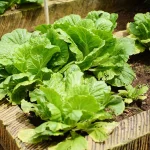
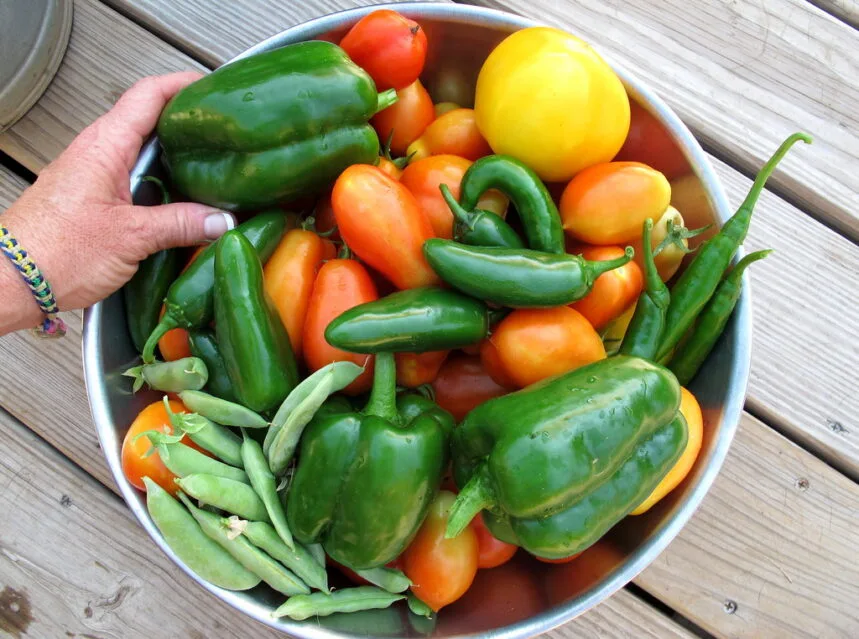 Photo via Openverse — OakleyOriginals (BY 2.0)
The best vegetables to grow for beginners are easy, productive crops like lettuce, radishes, bush beans, cherry tomatoes, and courgettes, which germinate reliably and forgive mistakes. Walk into any garden centre in spring and you face a wall of seed packets, each promising the best harvest of your life. The secret is not growing everything; it is growing the right things first. The crops below germinate reliably, shrug off beginner mistakes, and actually produce enough to put on your plate. Here are the best vegetables to grow for beginners.
Quick answer: The five easiest vegetables for absolute beginners are lettuce, radishes, bush beans, cherry tomatoes, and courgettes (zucchini). Start with two or three of those for a harvest within weeks, then add cucumbers, peppers, spinach, carrots, and herbs. Grow what your household actually eats, in a sunny spot, and harvest often.
🧰 In a hurry? Jump straight to our tested picks for this guide ↓
Best vegetables to grow for beginners at a glance
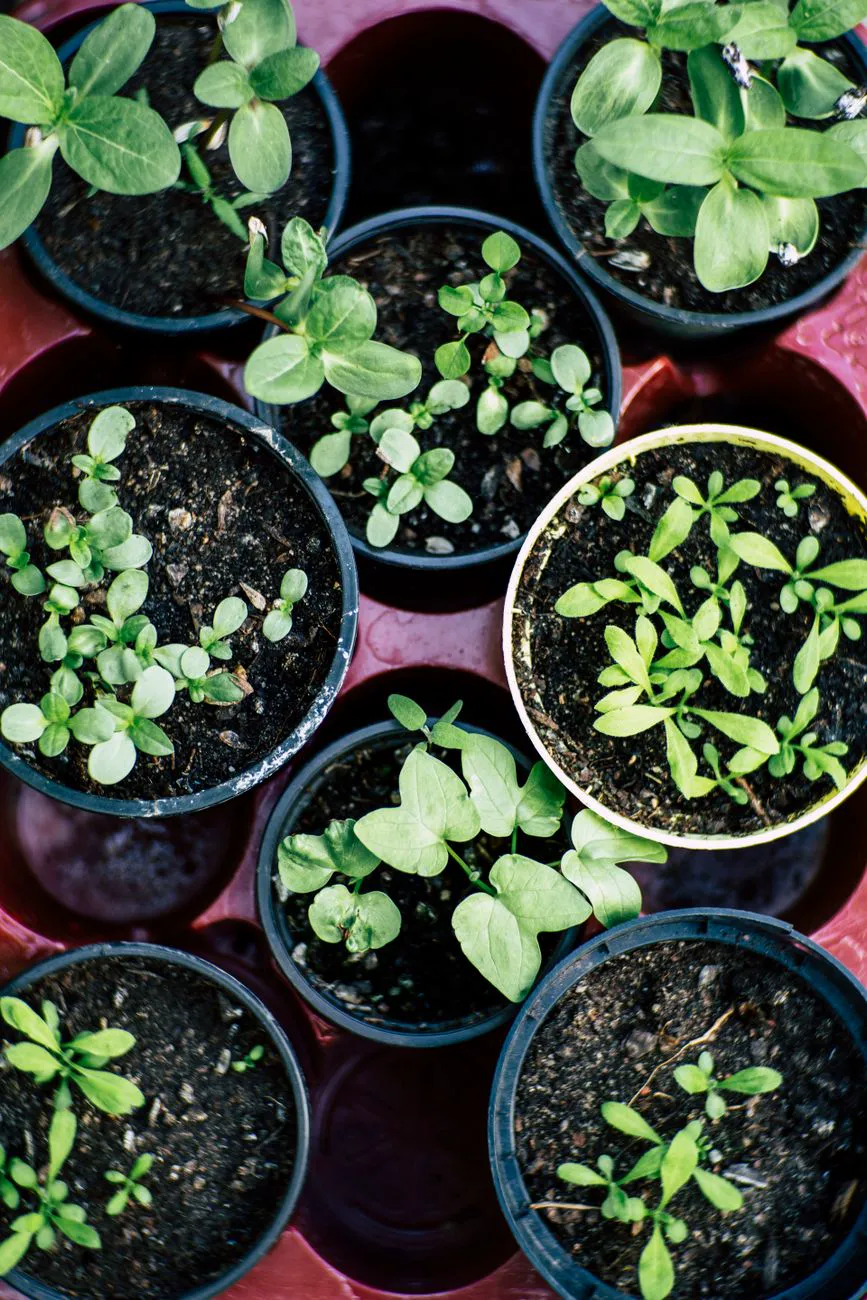
| Crop | Ready in | Why it is easy |
|---|---|---|
| Radishes | 25–30 days | Fastest win of all |
| Lettuce | 30–55 days | Cut-and-come-again |
| Bush beans | 50–60 days | No staking, heavy crop |
| Cherry tomatoes | 60–80 days | Hundreds of fruit |
| Courgette | 50–60 days | Almost too productive |
| Green onions | Anytime | Regrow from scraps |
How to choose what to grow
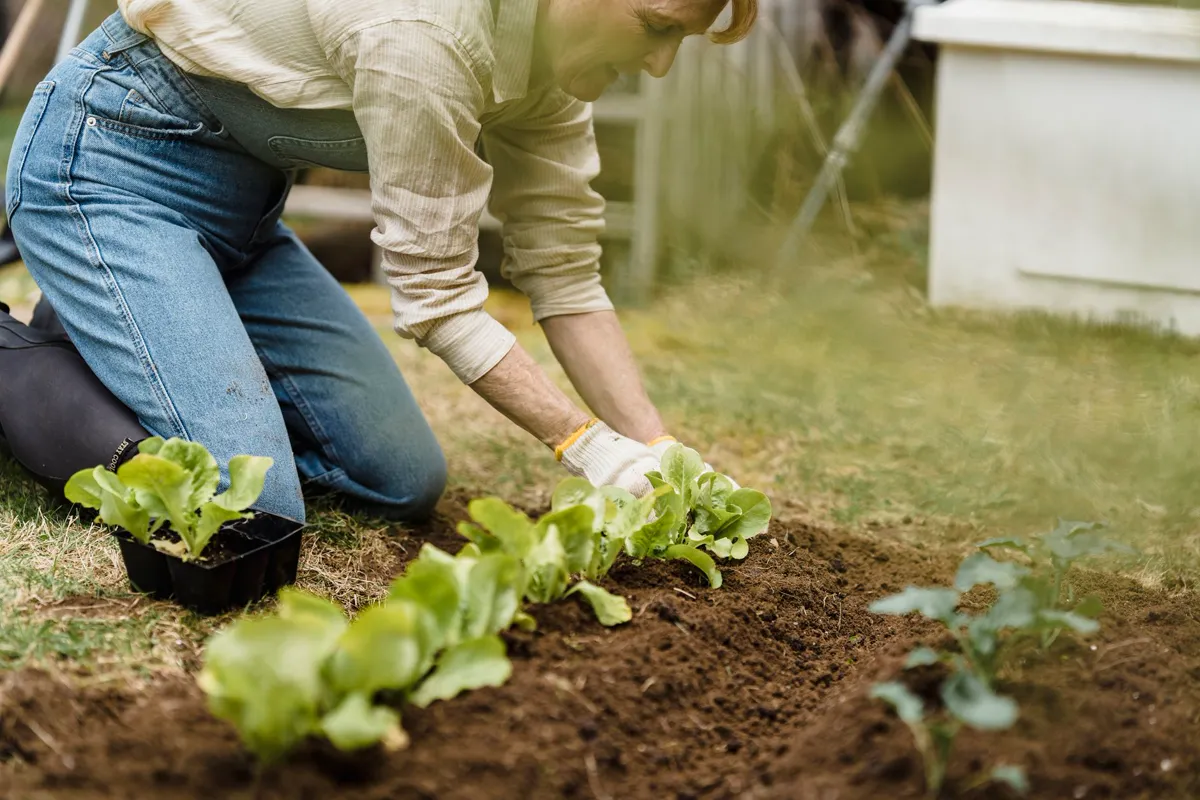
Before the list, one rule matters most: do not plant a vegetable just because it is easy. Plant what your household actually eats.
A productive garden full of food nobody likes is a waste of good soil. Match your choices to your climate and season too: cool-season crops (lettuce, peas, spinach, radishes) for spring and autumn, warm-season crops (tomatoes, peppers, beans, squash) for summer.
1. Lettuce and salad greens
Lettuce is the crop that makes beginners feel like pros. It sprouts in days, grows in cool weather, and you can harvest the outer leaves while the plant keeps producing.
This “cut-and-come-again” method means one plant feeds you for weeks. Loose-leaf varieties are more forgiving than tight heads. Sow a short row every two weeks and you will never buy a bag of greens again (see how to grow lettuce).
2. Radishes and other fast wins
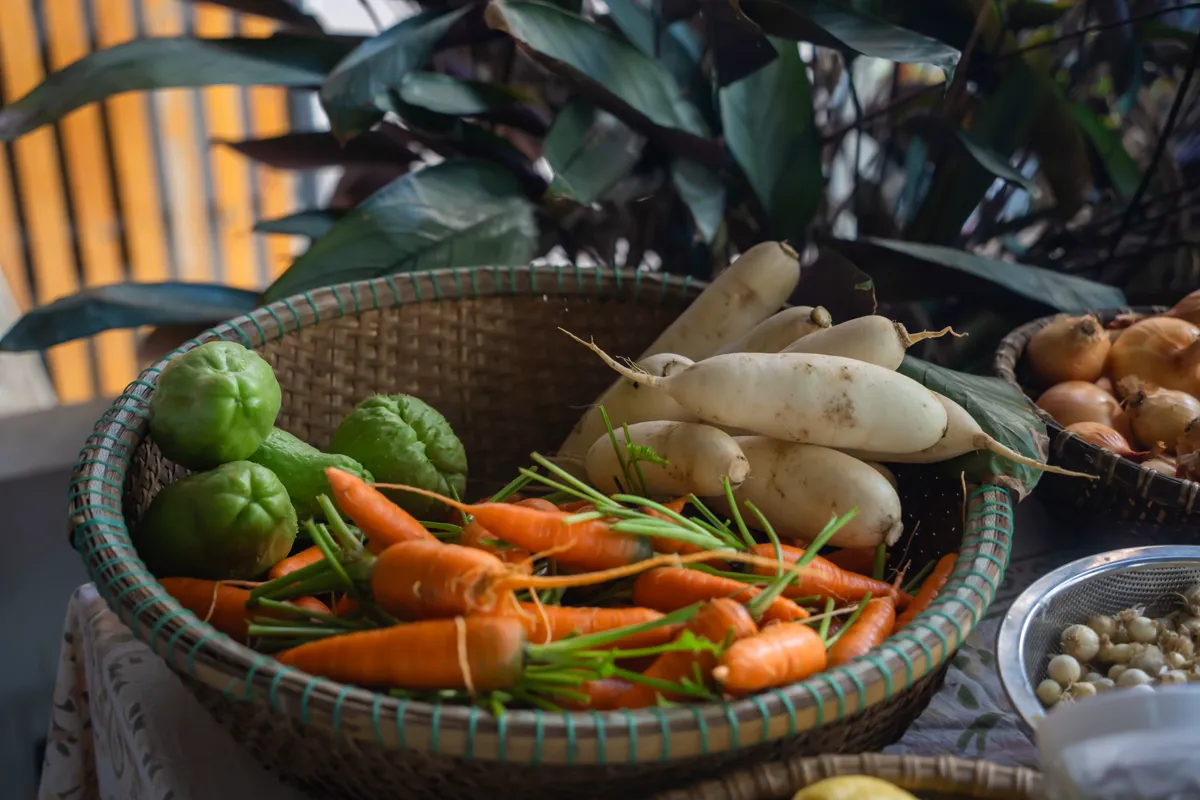
If you want a fast win, plant radishes. Many varieties go from seed to harvest in just 25 to 30 days.
That makes them perfect for impatient gardeners and kids. They also work as a “marker crop”, sown between slower seeds like carrots to mark the row before the carrots sprout. Green onions and baby spinach are similarly quick.
3. Bush beans and peas
Bush beans do not need staking or babysitting and produce heavily over a few weeks. Push the seeds into warm soil after your last frost and they feed you in about 50 to 60 days.
Peas are one of the first things you can plant in spring, even while it is still chilly. Sugar snap and snow peas are sweet straight off the vine; give them a simple trellis and they look after themselves.
4. Cherry tomatoes and peppers
Big beefsteak tomatoes are a diva for year one, but cherry tomatoes are bulletproof. A single plant can give hundreds of fruits across the summer.
Give them sun, a sturdy cage, and consistent water (see growing tomatoes in pots). Both sweet and hot peppers are productive once the weather warms; most beginners do best buying transplants rather than starting from seed.
5. Courgettes, cucumbers and squash
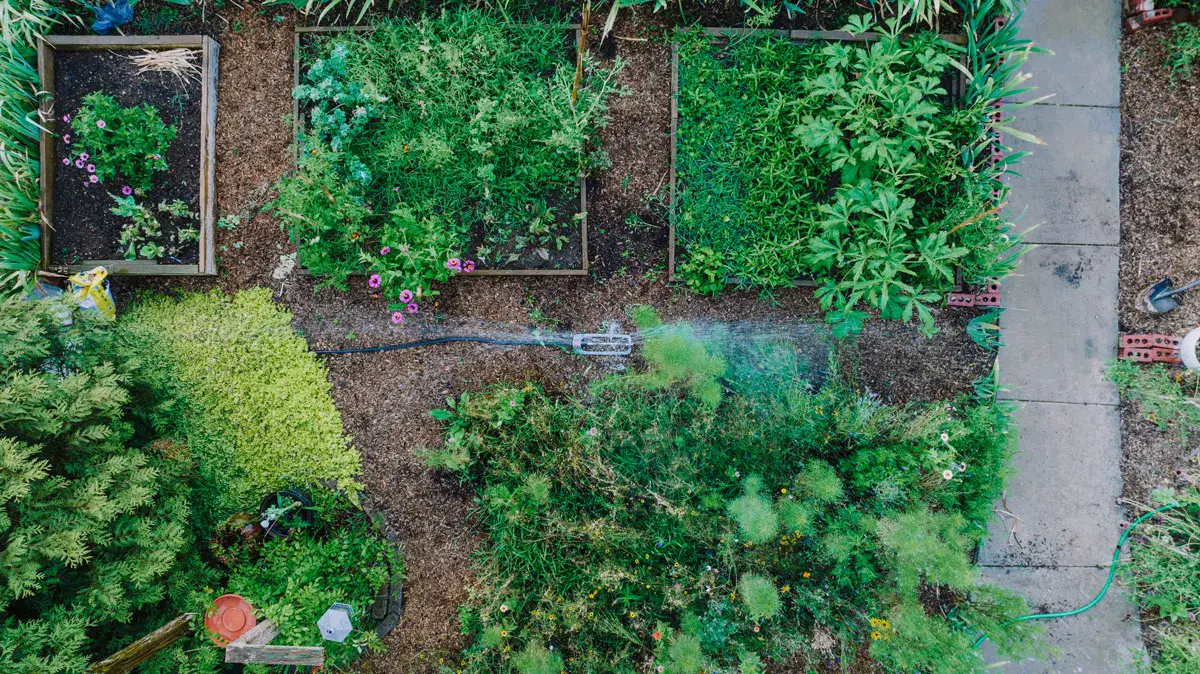
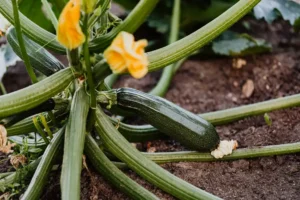
Courgette (zucchini) is famous for producing so much that gardeners leave bags of it on neighbours’ porches. One or two plants is plenty.
Give it room and rich soil, and harvest when the fruits are 15 to 20 cm long. Cucumbers love heat and climb happily up a trellis, which saves space and keeps the fruit clean. Keep the water steady for both, as uneven watering causes problems.
More easy crops to try
Once you have the basics, these reliable crops widen your harvest. All are forgiving and rewarding.
- Spinach is a cool-season powerhouse, ready in about six weeks; treat it as a spring and autumn crop.
- Carrots just need loose, stone-free soil so the roots grow straight; raised beds are ideal.
- Kale and Swiss chard are tough, keep producing for months, and a light frost sweetens kale.
- Potatoes feel like a treasure hunt; plant seed potatoes in a deep bed or grow bag and dig up a haul later.
- Herbs like basil, mint, and chives are high-value at the shop and almost free at home.
Seeds or seedlings?
You can sow seeds directly or buy young plants, and each suits different crops. Choosing right saves time and frustration.
Beans, peas, radishes, carrots, and squash do best sown directly where they will grow. Tomatoes and peppers have a long season, so most beginners are better off buying healthy transplants (see starting seeds indoors if you want to raise your own). Whichever route you take, start small and choose crops suited to your season.
Common beginner mistakes to avoid
A few avoidable mistakes trip up most new vegetable gardeners. Knowing them saves a disappointing first season.
The biggest is planting too much too soon, which leads to weeds and burnout. Others include planting in too much shade, overwatering, and ignoring the season (sowing warm crops too early or cool crops in summer heat). Growing guidance from the Royal Horticultural Society stresses matching each crop to its proper season for reliable results. Start small, water by the soil, and grow what suits the time of year.
Best vegetables for beginners in India & warm climates
In India and other warm regions, the easiest crops shift with the climate, and timing is everything. The cooler months are the main growing season in the plains.
Reliable warm-climate beginner crops include okra (bhindi), bottle gourd, spinach (palak), fenugreek (methi), chillies, and tomatoes. Grow leafy greens and most vegetables from autumn through winter when it is cool, and heat-lovers like okra and gourds through the warmer months. Mulch against the heat, water in the morning and evening in summer, and ensure free drainage during the monsoon.
Sources and further reading
Frequently asked questions
What vegetable gives the most food in a small space?
Pound for pound, tomatoes, pole beans, and courgettes deliver the biggest harvest from the least ground. Climbing crops like beans and cucumbers grow up instead of out, making the most of small gardens.
What can I grow if I only have a few weeks?
Radishes (25 to 30 days), leaf lettuce (30 to 45 days), and green onions are the fastest crops. Baby spinach and rocket are also ready in around a month.
Which vegetables grow well in containers?
Lettuce, peppers, cherry tomatoes, bush beans, herbs, green onions, and radishes all thrive in pots. Just use containers at least 30 cm deep and keep them well watered.
How many vegetable plants should a beginner start with?
Pick four or five types and just a few plants of each for your first year. It is far better to grow a small garden well than to be overwhelmed by a big one.
What is the easiest vegetable to grow?
Radishes and leaf lettuce are the easiest and fastest, followed by bush beans and cherry tomatoes. All germinate reliably and forgive beginner mistakes.
What vegetables are easiest to grow in India?
Okra, bottle gourd, spinach, fenugreek, chillies, and tomatoes are reliable. Grow leafy greens in the cool season and heat-lovers like okra and gourds in the warm months.
How do I get a harvest fast?
Grow radishes, leaf lettuce, and green onions, which are ready in weeks. Sowing a short row of these every couple of weeks gives a steady, quick supply while slower crops mature.
Do beginner vegetables need full sun?
Most fruiting crops like tomatoes and beans want six or more hours of sun. Leafy greens and many herbs tolerate four to five hours or light shade, so use shadier spots for those.
Should I start with seeds or plants?
Sow beans, peas, radishes, and carrots directly as seed, since they dislike transplanting. Buy tomatoes, peppers, and aubergine as young plants, as their long season makes them harder to start from seed for beginners.
How much space do I need to grow vegetables?
Very little to start. A single raised bed or a few large pots on a sunny balcony can grow tomatoes, salad, beans, and herbs. Start small and expand once you find your rhythm.
What vegetables should beginners avoid growing at first?
Skip fussy, disease-prone crops like celery, cauliflower, and sweet corn in your first year, since they demand precise timing, steady moisture, or a lot of space for a modest harvest. Melons and pumpkins also sprawl widely and take a full season to reward you. Save these for your second or third year, once you have learned your soil and climate.
Which herbs are easy to grow alongside beginner vegetables?
Basil, parsley, dill, and cilantro are the easiest herbs to start alongside beginner vegetables, since they germinate reliably from seed and tolerate a range of light. Basil loves the same warm, sunny spot as tomatoes and peppers, while parsley and cilantro prefer cooler weather and light shade. Tuck a few pots near your vegetable bed for a low-effort payoff.
Still stuck? Ask the Plant Doctor
Describe the problem — yellow leaves, holes, no flowers — and get a clear answer in seconds. FreeAI can make mistakes. Answers are guidance, not a guarantee — check anything important against the guide it links to, and always read the label on any product before you use it.