Watermelon Seeds
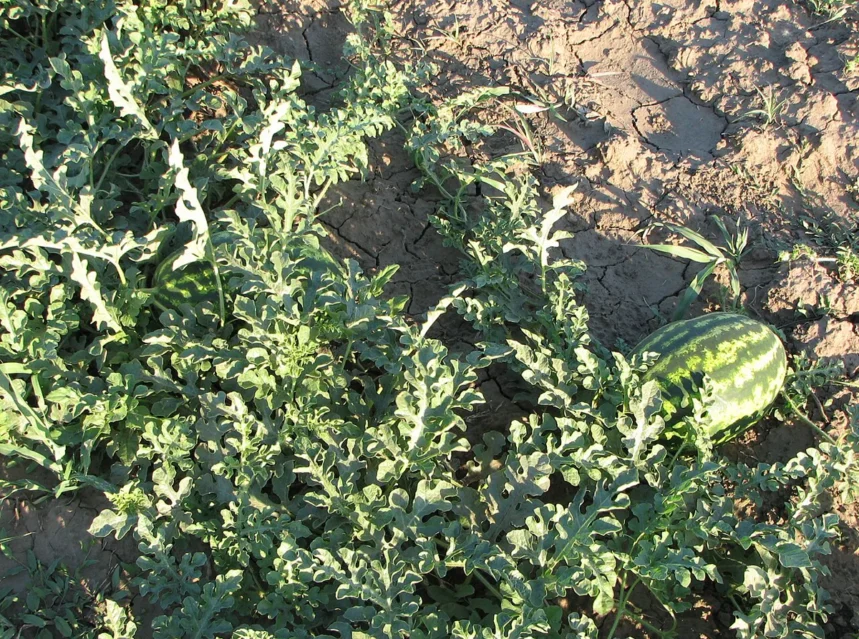
Watermelon seeds are the flat, dark seeds of Citrullus lanatus — a heat-loving cucurbit vine grown for its big, sweet, refreshing fruit. Watermelon needs a long, hot season, which makes it ideal for warm climates and Indian summers, where it is known as tarbooz. Growing from seed lets you choose small icebox types for small gardens, huge picnic melons, and seedless varieties, in red, pink, or yellow flesh. This guide covers the 12 best watermelon seeds worldwide, exactly how to grow watermelon from seed, and where to buy quality seed.
Heat, sun, and space grow sweet melons. The RHS guide to growing watermelon and the University of Minnesota Extension melon guide cover sowing, pollination, and variety choice.
Photo: Mihaib21 (CC BY-SA 3.0), via Wikimedia Commons
🧰 In a hurry? Jump straight to our tested picks for this guide ↓
Watermelon seeds at a glance
| Feature | Detail |
|---|---|
| Botanical name | Citrullus lanatus (family Cucurbitaceae) |
| Sowing depth | 2.5 cm (1 inch), direct sow in warm soil |
| Germination temperature | 21–35°C (70–95°F) |
| Days to germinate | 5–10 days |
| Season | Warm-season, heat-loving (hot summer / India hot season) |
| Days to harvest | 80–100 days |
| Best for | Hot climates, big sunny beds, plenty of space |
Why grow watermelon from seed?
Watermelon is a thrilling crop for hot gardens. First, growing your own gives unbeatable freshness and sweetness, picked at the perfect moment. Second, seed unlocks far more than shops sell — small icebox types, yellow-fleshed melons, and seedless varieties. Third, watermelon needs to be sown where it grows, so seed is the natural way to grow it.
It is a heat-lover, so it rewards warm climates and long summers best. For the full growing routine, see our guide on how to grow watermelon. It belongs to the same family as cucumbers and pumpkins, and grows much like them. For a sweet, fragrant cousin, try muskmelon.
History, origin & how it reached India
Watermelon comes from Africa. Wild watermelon seeds have been found at a 3,500 BC site in Libya, and the fruit was cultivated in Sudan and ancient Egypt by 2000 BC. Early melons were valued as much for their water content as their sweetness in dry regions.
From Africa, watermelon spread around the Mediterranean in Roman times. It reached India by the 7th century and China by the 10th, becoming a beloved hot-weather fruit in both. Today China grows most of the world’s watermelon, with India a major producer. You can read more on the watermelon’s botany and history at Wikipedia. In India, tarbooz is the classic summer fruit, grown across the hot plains and even on sandy riverbeds.
12 best watermelon seed varieties to grow
Watermelons come in small icebox types for small spaces, large picnic melons, seedless varieties, and yellow-fleshed novelties. Icebox and early types suit shorter or cooler summers; big picnic types need the longest, hottest season. Choose by size and your climate.
| Variety | Type | Best for | Region |
|---|---|---|---|
| Sugar Baby | Icebox (small) | Beginners, small gardens, early | US/UK/India |
| Crimson Sweet | Picnic (large) | Most popular, sweet, reliable | US/global |
| Charleston Gray | Picnic (long) | Disease-tolerant, big yields | US |
| Jubilee | Picnic (large) | Classic sweet, long season | US |
| Yellow Doll | Yellow flesh (icebox) | Novel yellow, early | US/global |
| Moon & Stars | Heirloom (large) | Speckled rind, sweet | US |
| Blacktail Mountain | Icebox (cool-tolerant) | Shorter, cooler summers | US/UK |
| Eclipse | Seedless (triploid) | No seeds; needs a pollinizer | US/global |
| Sugar Baby (India) | Icebox | Popular Indian tarbooz | India |
| Arka Manik | Picnic (India) | IIHR, sweet, disease-tolerant | India |
| Arka Muthu | Small (India) | Bush-type, small spaces | India |
| Kiran (hybrid) | Picnic (India) | High-yield Indian hybrid | India |
For US and UK gardens, Sugar Baby is the easy small starter and Crimson Sweet the sweet classic; in cooler summers choose an early icebox type. In India, Sugar Baby, the IIHR Arka melons, and hybrids like Kiran crop well in the hot season. If you grow a seedless type, you must plant a seeded variety alongside it to pollinate the fruit.
How to grow watermelon from seed
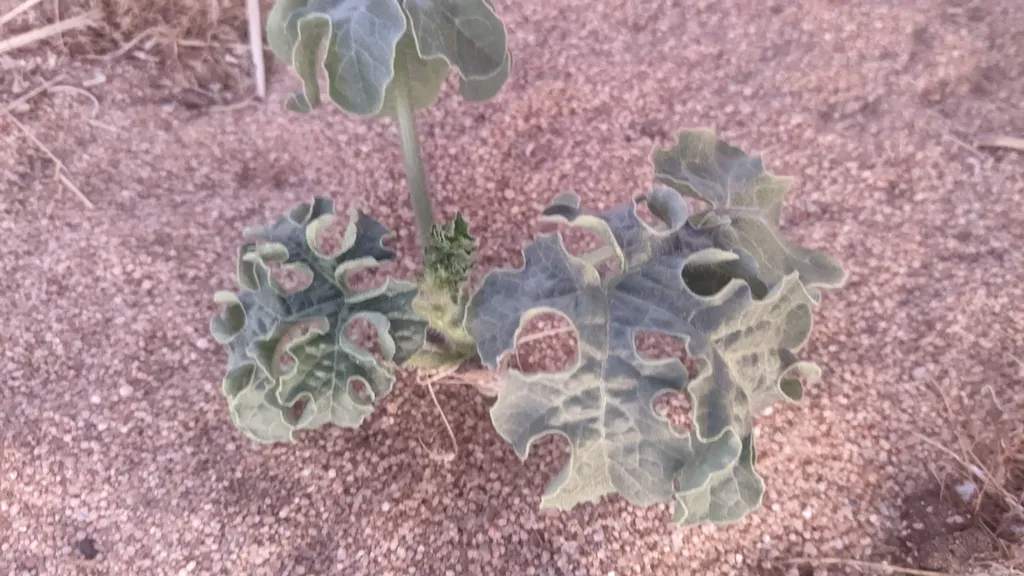
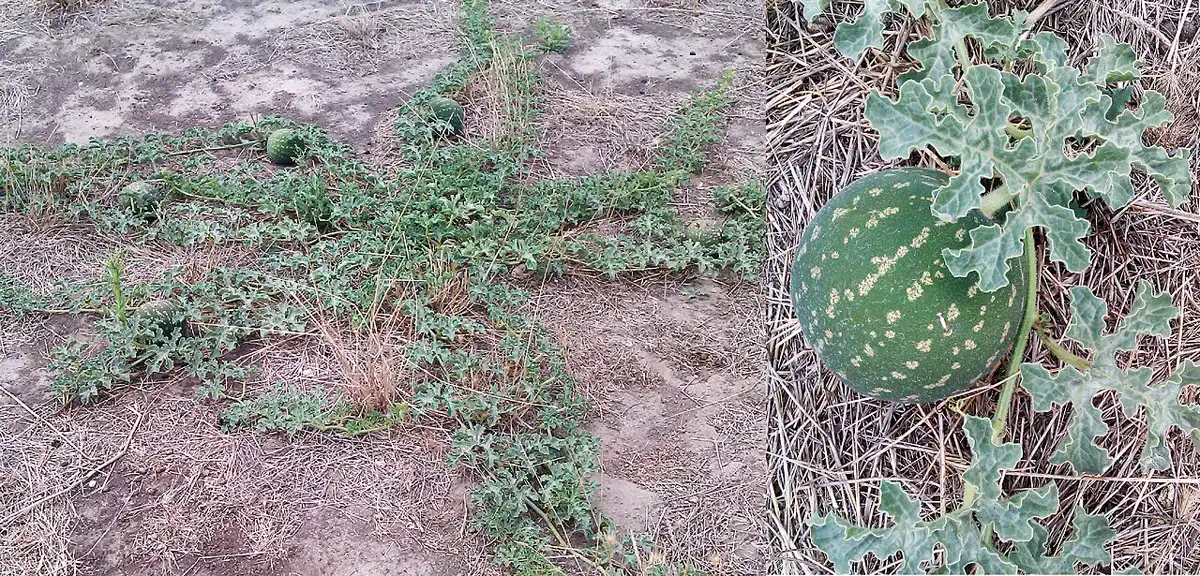
Watermelon is easy where it is hot, but it needs warmth, sun, and room. Sow it directly where it will grow.
- Wait for real heat. Sow only when the soil is at least 21°C (70°F). Watermelon will not germinate or grow in cold soil.
- Sow on a mound. Sow two or three seeds 2.5 cm (1 inch) deep on a warm mound of rich soil, then keep the strongest plant.
- Start early if cool. In cooler regions, start in biodegradable pots 3 weeks early, as melons hate root disturbance — see starting seeds indoors.
- Give space. Allow 1–2 metres per plant. Vines sprawl widely.
- Add a pollinizer for seedless types. Seedless watermelons have sterile pollen, so plant a seeded variety nearby to pollinate them.
Melons need bees or hand-pollination to set fruit, so transfer pollen by hand in the morning if fruit is not forming. In India, sow tarbooz in spring as temperatures rise, and on light, sandy soils it crops superbly.
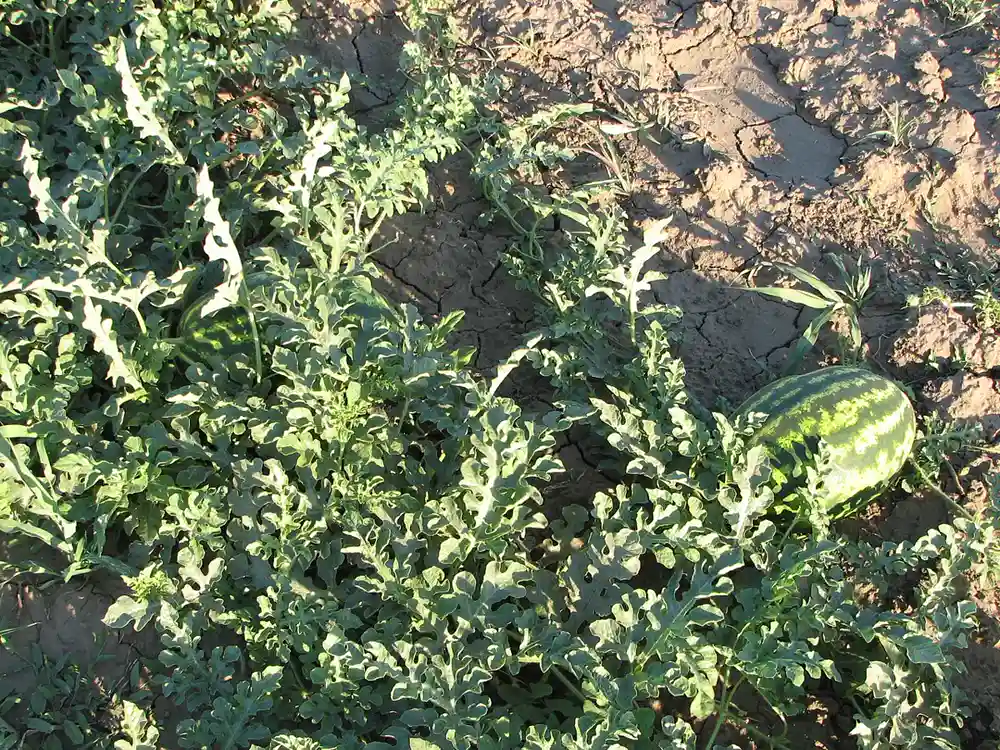
Soil, watering & feeding
Watermelon needs full sun, lots of warmth, and light, free-draining, sandy soil enriched with compost. It is a hungry, thirsty crop while growing, so feed and water well through the season. Reduce watering as the fruit ripens to concentrate the sugars and improve flavour.
Mulch to keep the soil warm and weed-free, and slip a board or tile under each melon to stop it rotting on damp ground. In short or cool seasons, grow watermelon under cover or through black plastic to trap heat. It shares the hot bed happily with pumpkins and squash.
Common pests & diseases
The main pests are aphids, cucumber beetles, and red spider mite in hot, dry spells. The main diseases are powdery and downy mildew, fusarium wilt, and anthracnose, so choose disease-tolerant varieties, rotate crops, and water at the roots rather than the leaves. Good airflow and warm, sunny weather keep most problems at bay. Healthy, vigorous vines usually shrug off minor damage.
Harvesting & days to maturity
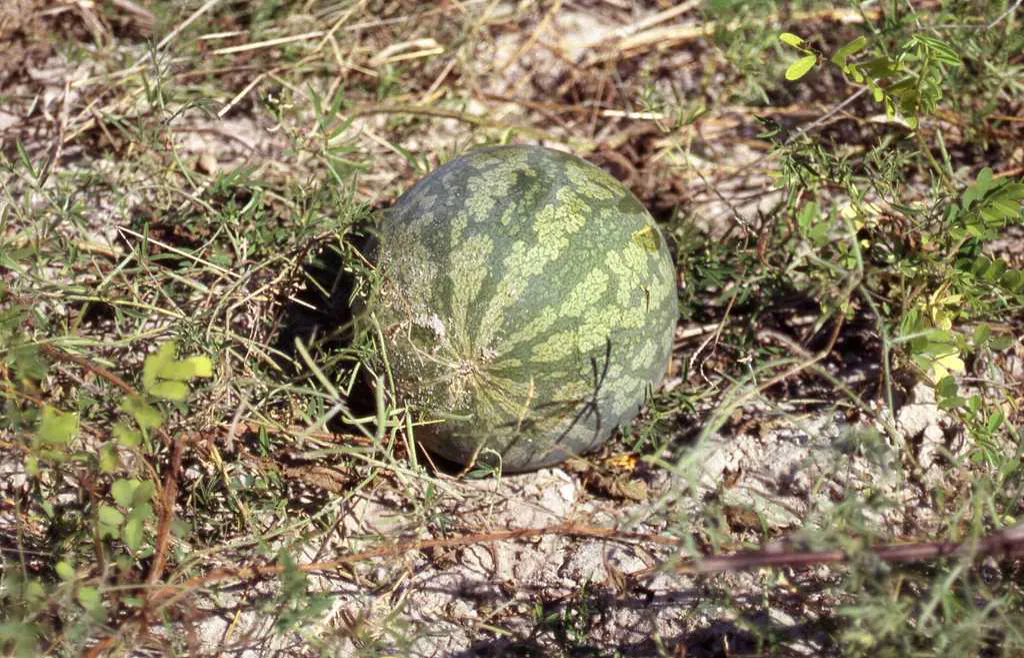
Watermelon is ready 80–100 days after sowing, and telling when is the trickiest part. Look for three signs together: the curly tendril nearest the fruit dries and turns brown, the pale ground spot where the melon rests turns creamy yellow, and the melon sounds hollow when tapped. Cut the fruit with a short stalk. Unlike many fruits, watermelon does not ripen further after picking, so harvest at peak ripeness.
Saving your own watermelon seeds
Saving watermelon seed is easy from open-pollinated (non-hybrid, non-seedless) varieties. Scoop the seeds from a fully ripe melon, rinse off the flesh, and dry them for a week or two. Store the dry seed in a labelled envelope somewhere cool and dark. Watermelons cross-pollinate, so grow one variety or isolate the flowers for pure seed. Note that seed saved from hybrids or seedless melons will not grow true. Our full guide to saving seeds covers the method.
Common problems from seed
The most common failure is seed rotting in cold soil — watermelon needs real heat, so wait for warmth. Poor fruit set is usually a pollination problem, so encourage bees or hand-pollinate, and remember seedless types need a seeded pollinizer. Bland, watery fruit often means too much water near harvest or not enough sun and heat, so ease off watering as melons ripen. Small fruit in cool summers simply reflects a lack of heat. Use fresh seed for the best germination.
Where to buy watermelon seeds
Choose a small icebox type for short seasons or small gardens, a big picnic melon if you have a long, hot summer, or a seedless type (with a pollinizer) for convenience. Buy fresh seed for good germination. In the US and UK, seed houses carry seeded and seedless types in many flesh colours, while in India Sugar Baby and the Arka and hybrid tarbooz varieties are widely sold. Use the links below to compare trusted sources.
Frequently asked questions
How long do watermelon seeds take to germinate?
Watermelon seeds sprout in 5–10 days in warm soil at 21–35°C. They rot in cold soil, so always wait for real heat before sowing — this is the most common cause of failure.
Do seedless watermelons grow from seed?
Yes, but seedless (triploid) plants have sterile pollen, so you must plant a normal seeded variety nearby to pollinate the flowers, or the seedless plants will not set fruit.
How do I know when a watermelon is ripe?
Look for three signs: the tendril nearest the fruit is brown and dry, the ground spot has turned creamy yellow, and the melon sounds hollow when tapped. Watermelon does not ripen after picking.
Which watermelon seeds are best for beginners in India?
Sugar Baby is an easy, early, small tarbooz, while the IIHR Arka varieties and hybrids like Kiran crop well in India’s hot season for larger melons.
How much space does a watermelon plant need?
Watermelon vines sprawl widely, so allow 1\u20132 metres (3\u20136 ft) between plants in each direction, or grow compact bush types in a smaller bed. Vertical training up a sturdy trellis with fruit slings saves space in small gardens, though the biggest picnic melons are heavy and need extra support if trellised.
Why is my watermelon fruit small or not sweet?
Small fruit usually means too little heat or too short a growing season, since watermelon needs a long, hot summer to size up properly. Bland flavour often follows heavy watering close to harvest, which dilutes the sugars, so ease off watering in the final one to two weeks before picking.
How many watermelons does one plant produce?
A single healthy vine typically produces two to four full-size melons, or more small icebox-type fruits, since the plant channels its energy into ripening a limited number well. Removing some developing fruit early can result in fewer but larger, sweeter melons on the remaining vine.
Do watermelon plants need a lot of water?
Yes, watermelon is thirsty while the vine and fruit are growing, needing regular deep watering, especially in hot weather. Once fruit is nearing ripeness, cut back on watering, since this concentrates the sugars and improves flavour rather than producing a diluted, watery melon.
Can watermelon be grown vertically on a trellis?
Yes, smaller-fruited icebox varieties like Sugar Baby train well up a sturdy trellis, saving considerable ground space. Support the developing fruit in a sling made from netting or fabric, since the heavy melons can otherwise snap the vine or pull away from the trellis as they swell.
What is hollow heart in watermelon?
Hollow heart is an internal crack or gap in the flesh, mainly caused by inconsistent pollination and temperature swings during fruit development, rather than a disease. It doesn’t affect food safety and only rarely affects taste, though in severe cases the texture near the crack can be a little dry.
How long do watermelon seeds stay viable?
Stored in a cool, dry, dark place in a sealed envelope or jar, watermelon seeds typically stay viable for four to six years, though germination rates gradually decline with age. Fresh seed from the current or previous season gives the fastest, most reliable germination.
Still stuck? Ask the Plant Doctor
Describe the problem — yellow leaves, holes, no flowers — and get a clear answer in seconds. FreeAI can make mistakes. Answers are guidance, not a guarantee — check anything important against the guide it links to, and always read the label on any product before you use it.