How to Grow Watermelon (Sweet, Juicy Summer Fruit)
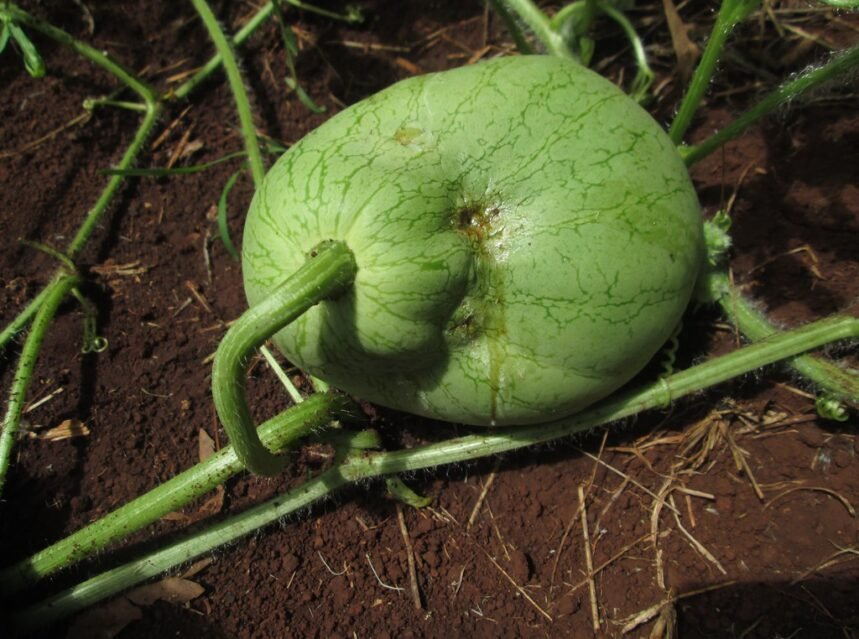
Few things say summer like a slice of homegrown watermelon. The vines are vigorous and fun to grow, and a ripe melon from your own garden is sweeter than any from a shop. Watermelons do need heat, space, and sun. But the care itself is simple. Get the timing and the harvest right, and you will be rewarded. Here is the complete guide on how to grow watermelon.
Quick start: Sow watermelon in warm soil in full sun, after all frost. Give the vines plenty of room. Water steadily while the plants grow, then ease off as the fruit ripens. Harvest when the underside spot turns creamy yellow, because watermelons do not ripen after picking.
Watermelons need heat, room and patience, and growers in cooler climates get the best results starting them under cover and planting out into the warmest, sunniest spot once the soil is warm. The vines are thirsty while the fruit is swelling but benefit from easing off the water as the melons ripen, which concentrates the sweetness. A hollow thump and a yellowing patch where the fruit rests are the classic signs it is ready.
🧰 In a hurry? Jump straight to our tested picks for this guide ↓
Why grow watermelon?
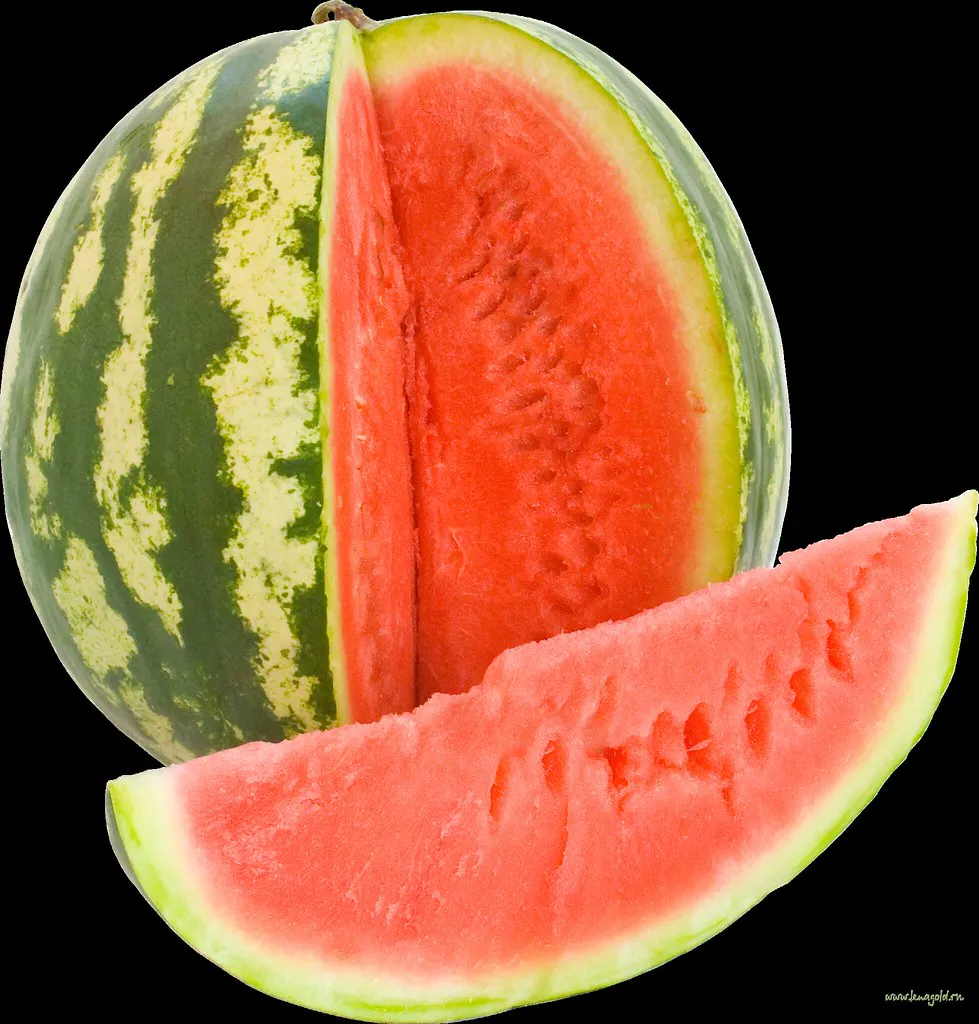
Watermelon is a summer showstopper. One healthy vine can produce several big, juicy fruits. It is also a great crop to grow with kids, who love watching the melons swell. And homegrown melons, picked at the perfect moment, taste far sweeter than store-bought. It suits hot regions and long, warm summers.
History, origin & how watermelon reached India
Watermelon is an African fruit long before it is anything else. The modern crop traces back to Sudan, and botanists point to the Kordofan melon of western Sudan as its likely wild ancestor — a melon that, unlike most of its bitter relatives, already had the sweetness gene the cultivated fruit inherited. Wild watermelon seeds roughly 5,500 years old have also been recovered from Uan Muhuggiag in Libya, so the plant was moving around North Africa well before written records.
From there it travelled north. Watermelons were being grown in ancient Egypt about 4,000 years ago, and a fruit that looks unmistakably like one appears on a tray painted inside an Egyptian tomb. Egyptian growers valued it for something we forget today: in a dry country, a melon is a water store that keeps for weeks without rotting.
India comes into the story in the 7th century, when watermelon was already being cultivated here; from India the crop carried on east and had reached China by the 10th century — which is why China grows more watermelon than anyone else today. That order matters for Indian gardeners: this is not a recently imported novelty but a summer crop with well over a thousand years of local growing behind it, which is exactly why it handles the pre-monsoon heat so comfortably (see the background on watermelon history).
Where watermelons grow best (top producing countries)
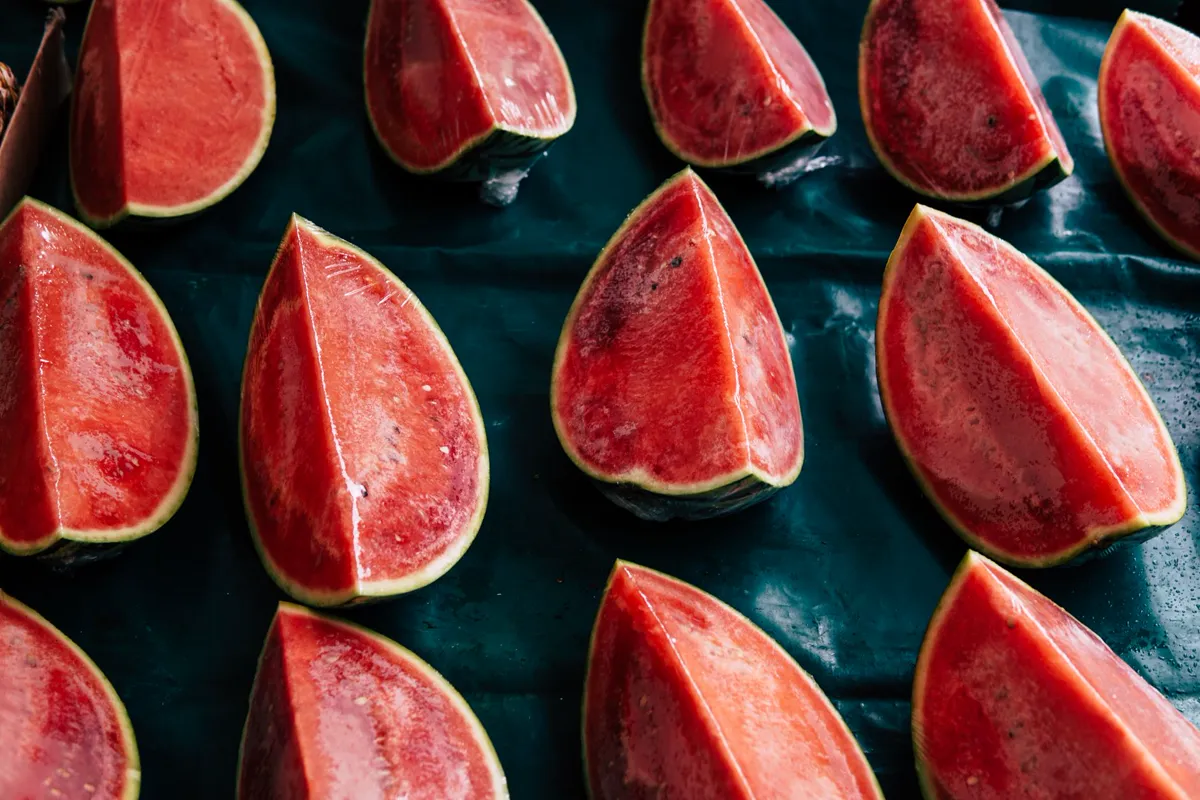
Watermelons need real heat. China is the world’s largest producer. Turkey and India follow. The crop thrives across warm, sunny regions worldwide, including much of India and the southern US. In short, the hotter the summer, the happier the melon.
Best season & when to plant
Watermelon is a warm-season crop. It loves temperatures of 70–90°F and hates cold. So sow only after frost, when the soil is above 65–70°F. It needs a long, warm season — about 70–100 days. In cool climates, start seeds indoors 2–3 weeks early, then transplant carefully once it warms.
Best watermelon varieties to grow
Pick a variety to match your space and season length:
- ‘Sugar Baby’ — a small, quick “icebox” melon (around 70 days), ideal for short seasons and small gardens.
- ‘Crimson Sweet’ — a classic large, striped melon with sweet red flesh and good disease resistance.
- ‘Charleston Gray’ — a long, pale-skinned heirloom that tolerates heat well.
- Seedless hybrids — convenient eating, but plant a seeded variety nearby as a pollinator.
- ‘Yellow Doll’ — a compact melon with sweet yellow flesh, fun for containers and kids.
Grower notes & expert tips
Experienced melon growers consistently report that warmth and patience matter more than anything else. Growers on gardening forums and in university-extension guides note that watermelons sown into cold soil sulk and rot, so many warm their beds with black mulch or plastic first and wait for real heat.
A widely shared tip is to ease right off the water once the melons are sizing up, because dry roots near harvest concentrate the sugars. Many also thin to one or two fruits per vine for larger, sweeter melons. In hot regions like much of India, growers find watermelon thrives through summer with deep, infrequent watering and free-draining, sandy soil. The hardest part, everyone agrees, is judging ripeness, so a dull thump and a creamy-yellow ground spot are the signs to trust.
How to plant watermelon

Watermelon roots are fragile, so handle seedlings gently. To plant:
- Choose full sun and rich, well-drained soil with plenty of compost (see improving garden soil).
- Give each plant lots of room — the vines sprawl widely (up to 20 sq ft each).
- Sow in warm soil, or transplant without disturbing the roots.
Sun, soil & watering
First, sun. Watermelons need full sun all day for sweet fruit.
Next, water. Water steadily and deeply while the vines grow and the fruit swells (see how often to water). Mulch to keep moisture even. However, as the melons near ripeness, ease off the water. Less water at the end concentrates the sugars and sweetens the fruit.
Pollination
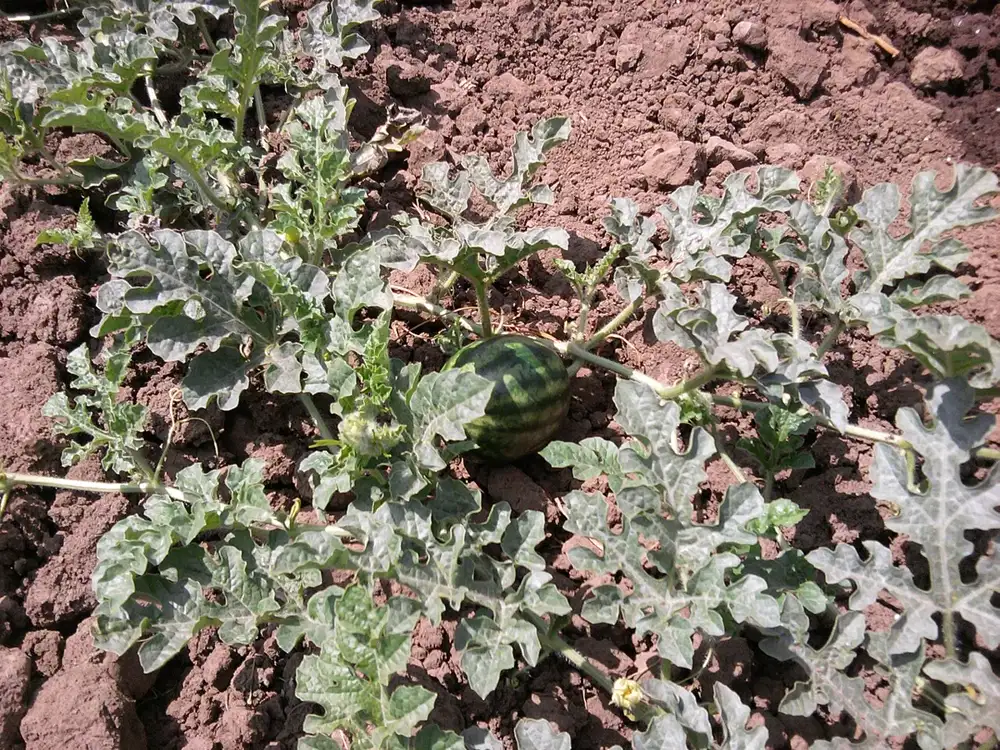
Bees do the vital work here. Watermelon has separate male and female flowers, and bees must move pollen between them. Poor pollination gives small or misshapen fruit. So avoid spraying insecticides when flowers are open, and attract pollinators to the garden. If bees are scarce, hand-pollinate with a soft brush.
Common pests & diseases
Watch for cucumber beetles, squash bugs, aphids, and vine borers, plus powdery mildew in humid weather. Use floating row covers early on, but remove them once flowers appear so bees can work. For more, see our organic pest control guide. Watermelon shares these pests with pumpkins and other cucurbits.
Harvesting watermelon
Timing is everything, because watermelons do not ripen after picking. Look for these ripeness signs:
- The ground spot (where it rests on the soil) turns from white to creamy yellow.
- The tendril nearest the fruit dries and turns brown.
- The melon sounds hollow when tapped.
The tap test is worth practising: a ripe melon gives a deep, hollow thump, while an unripe one answers with a duller, higher ring. When the signs line up, cut the fruit free with a knife, leaving a short stub of stem attached rather than pulling it off the vine — a torn stem end is the usual way rot gets in during storage.
Health benefits & uses
Watermelon is mostly water, so it is wonderfully hydrating. It also provides lycopene, vitamin C, and vitamin A, all for few calories. Eat it fresh in slices, blend it into coolers and juices, or cube it into summer salads. Even the rind can be pickled or cooked.
This article is for general information only and is not medical advice. Talk to a qualified professional before using any plant medicinally.
Common watermelon problems
Small or misshapen fruit
Poor pollination. Attract bees or hand-pollinate the female flowers.
Bland, not sweet
Too little sun, or too much water near harvest. Give full sun and ease off water as it ripens.
Rotting fruit underneath
Fruit sitting on damp soil. Rest each melon on straw, cardboard, or a board.
Common watermelon pests and problems
Watermelons are mostly trouble-free in a hot season, but a few problems are worth watching. Cucumber beetles and aphids attack the leaves and can spread disease, while powdery mildew coats the foliage in humid weather — both are eased by good spacing and air flow. Blossom-end rot, a sunken dark patch on the fruit, points to uneven watering rather than a pest, so keep the moisture steady while fruit is swelling.
Poor fruit set is usually down to a lack of pollinators, since each fruit needs several bee visits; growing flowers nearby and avoiding sprays helps. Fruit sitting on damp soil can rot, so slip a tile or straw underneath each melon as it grows.
Growing watermelon in small spaces
Short of room? Compact ‘icebox’ varieties produce smaller fruit on shorter vines that suit a large container or a small bed. The vines can even be trained up a sturdy trellis to save ground space, with each developing melon supported in a sling made from an old stocking or net bag so its weight does not snap the stem.
Related plant guides
- How to grow Muskmelon
- Ash Gourd
- How to grow Zucchini
- How to grow Butternut Squash
- Bitter Gourd
- How to grow Pumpkins
Frequently asked questions
How do I know when a watermelon is ripe?
The ground spot turns creamy yellow, the nearest tendril dries brown, and it sounds hollow when tapped.
How long does watermelon take to grow?
About 70–100 days from sowing, depending on the variety and how warm the season is.
Why is my watermelon not sweet?
Usually too little sun or too much water near harvest. Give full sun and reduce watering as the fruit ripens.
Can I grow watermelon in a small garden?
Choose compact “bush” varieties, or train the vines up a strong trellis with slings to support the fruit.
Why does my watermelon split or crack open?
Splitting is almost always caused by uneven watering. When a dry spell is followed by heavy rain or a big soak, the fruit takes up water faster than its skin can stretch, and it bursts. Keeping the soil evenly moist and easing off as the fruit nears ripeness is the best defence against cracking.
What causes hollow heart in watermelon?
Hollow heart, the crack or gap running through the flesh, is mainly the result of poor pollination during fruit set. When too few bees visit the female flowers, the fruit develops unevenly and forms internal splits. Encouraging pollinators and choosing reliable varieties reduces it, and the fruit is still perfectly safe to eat.
How many watermelons grow on one plant?
A healthy vine typically ripens two to four good fruits, sometimes more with smaller varieties. The plant can set many, but it puts its energy into only a few, so thinning to the strongest fruits gives larger, sweeter melons. Large-fruited types generally carry fewer melons than compact ones.
Do watermelons need to be hand-pollinated?
Usually bees do the work, but hand-pollinating helps where pollinators are scarce or in a greenhouse. Simply brush a freshly opened male flower against the centre of a female flower, which is the one with a tiny melon behind it, in the morning. Good pollination is what produces full, evenly shaped fruit.
Why are my watermelon fruits falling off when small?
The first flowers on a vine are male and naturally drop, so early loss is normal. Tiny fruits that shrivel and fall are usually female flowers that were not properly pollinated. Improving pollination and avoiding heat or water stress at flowering time helps more fruits hold and swell.
How much water does a watermelon plant need, and when should you stop?
They are thirsty while growing and setting fruit, wanting deep, regular watering that keeps the soil consistently moist. As the melons approach ripeness, cut watering right back, since less water at the end concentrates the sugars and improves flavour. Steady early watering, then a dry finish, gives the sweetest fruit.
Should you turn or lift ripening watermelons off the soil?
Gently turning a melon now and then helps it colour and ripen evenly and stops one side sitting damp on the ground. Slipping a board, tile, or straw pad underneath keeps the resting spot dry and guards against rot and soil pests. Handle the fruit carefully so you do not snap it from the vine.
Sources and further reading
Still stuck? Ask the Plant Doctor
Describe the problem — yellow leaves, holes, no flowers — and get a clear answer in seconds. FreeAI can make mistakes. Answers are guidance, not a guarantee — check anything important against the guide it links to, and always read the label on any product before you use it.