How to Grow Pumpkins (From Seed to Big Harvest)
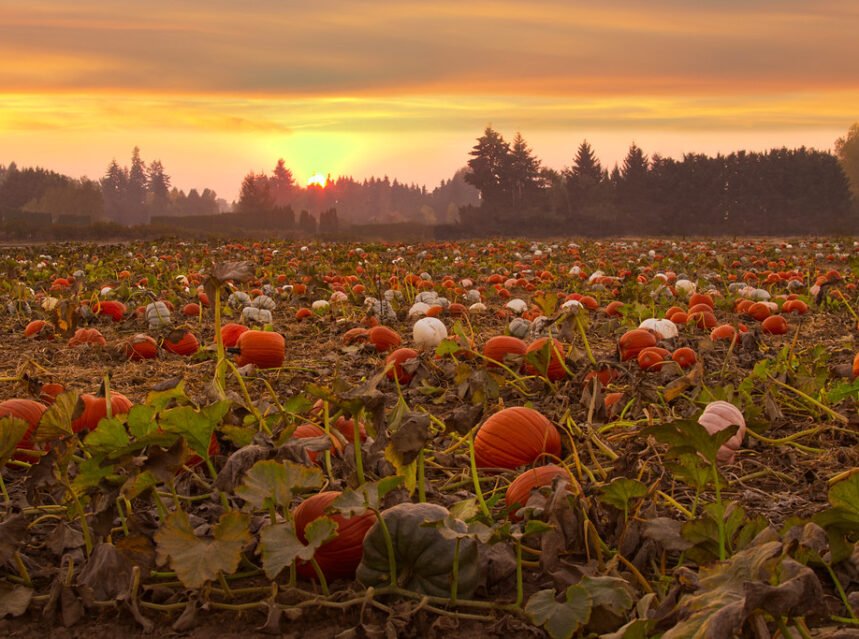
Pumpkins (Cucurbita species) are a sprawling warm-season vine grown for their large, edible orange fruits — and few things in the garden are as satisfying to grow. Watching a vine transform into big, glowing globes is pure magic. It works whether you are after Halloween carvers or sweet pie pumpkins for the kitchen. They take up room and a bit of patience. But they are surprisingly easy and astonishingly productive from just a seed or two. Here is the complete guide on how to grow pumpkins.
Quick start: Pumpkins need full sun, rich soil, lots of space, and a long warm season. Sow seeds after frost in well-fed ground, water deeply, encourage bees for pollination, watch for squash bugs, and harvest once the rind is hard and fully coloured with a woody stem.
Pumpkins are greedy, thirsty, sprawling plants, and growing a good one is mostly about feeding them well and giving them room to roam. Growers plant them in rich, compost-laden soil and water generously, especially as the fruits swell. A useful tip is to hand-pollinate the flowers in the morning if fruit set is poor, transferring pollen from male to female blooms. To grow one really big pumpkin, many gardeners restrict each vine to a single fruit and pour all the plant’s energy into it.
🧰 In a hurry? Jump straight to our tested picks for this guide ↓
Pumpkins at a glance
| Feature | Detail |
|---|---|
| Botanical name | Cucurbita species (family Cucurbitaceae) |
| Common name | Pumpkin, kaddu, sitaphal (squash family) |
| Plant type | Warm-season sprawling vine |
| Sun | Full sun (6+ hours) |
| Soil | Very rich, well-drained |
| Space | Lots; 50–100 sq ft per vining plant |
| Season | Long, frost-free, 90–120 days |
| Pollination | Bee-dependent; hand-pollinate if needed |
Why grow pumpkins?
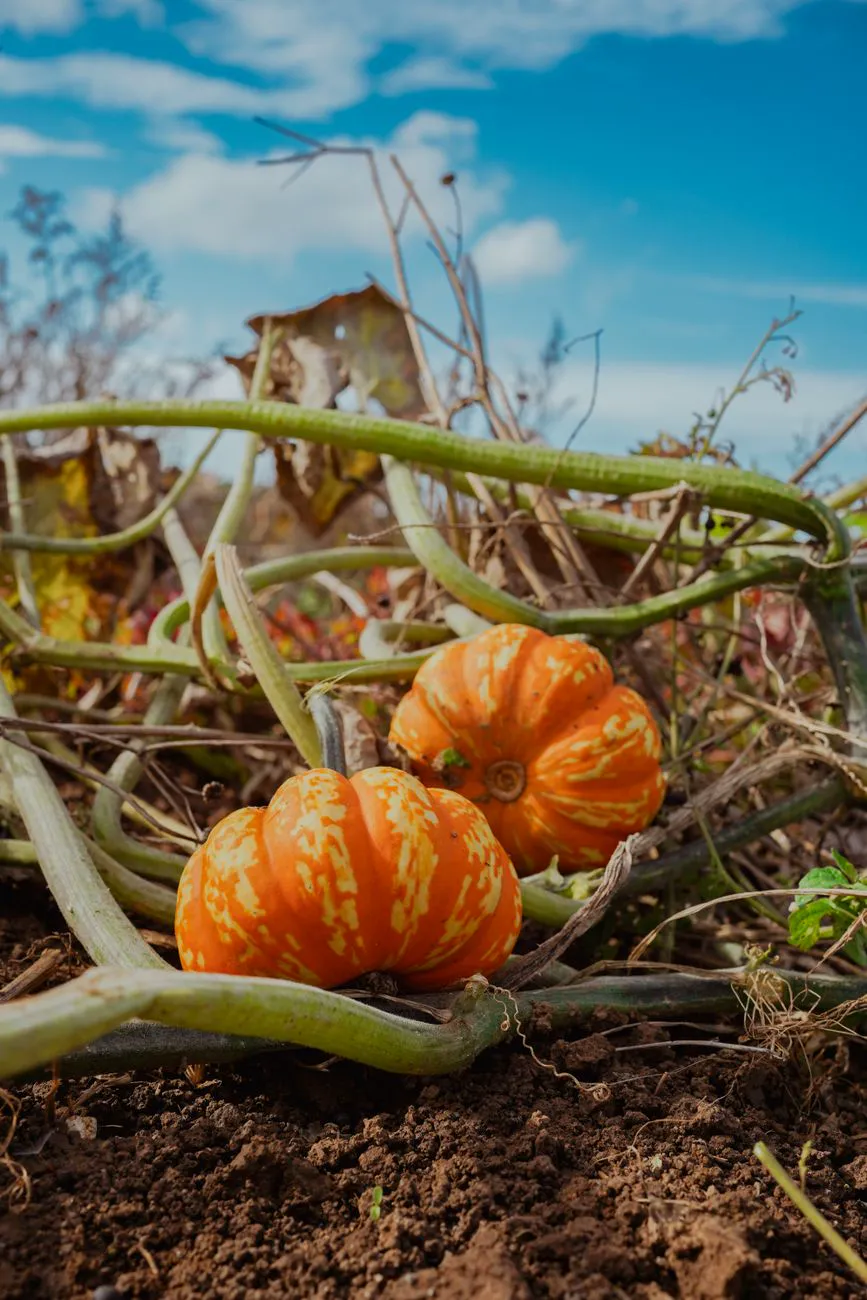
Pumpkins are fun, rewarding and far more than decoration. A few reasons to grow them:
- Great for kids. The dramatic vines and fruit get children into gardening.
- Productive. A single vine can yield several fruits.
- Stores well. Cured pumpkins keep for months.
- Versatile. Use them for soup, pie, kaddu sabzi, roasted seeds and lanterns.
History, origin & how pumpkins spread
Pumpkins are native to the Americas, and Cucurbita pepo is among the oldest domesticated plants anywhere on earth: pumpkin fragments found in Mexico date to between 7000 and 5500 BCE, and the wild Cucurbita species sit in north-eastern Mexico and the southern United States (pumpkin). Indigenous peoples grew them as one of the “three sisters,” alongside corn and beans. They were a staple food long before Europeans arrived.
After 1492, explorers carried pumpkin and squash seeds across the world. The plants spread quickly through Europe, Africa and Asia. Each region adopted its own types and dishes.
Today pumpkins, grouped with squash and gourds in global figures, are grown everywhere. India is now the largest producer, just ahead of China: of the 34.6 million tonnes grown in 2024, India accounted for 9.3 million and China 7.7 million, followed by Egypt, Russia, Ukraine and the United States (FAO-sourced production table). In India, pumpkin (kaddu) is a common, easy kitchen-garden vine.
Best season & when to plant
Pumpkins are a warm-season crop needing a long, frost-free period of often 90–120 days. Sow after all danger of frost has passed and the soil is warm. Time it so the fruit matures before fall frost. For Halloween, that usually means sowing in late spring or early summer. In much of India, the warm months and the start of the monsoon are good sowing times for kaddu.
How to plant pumpkins
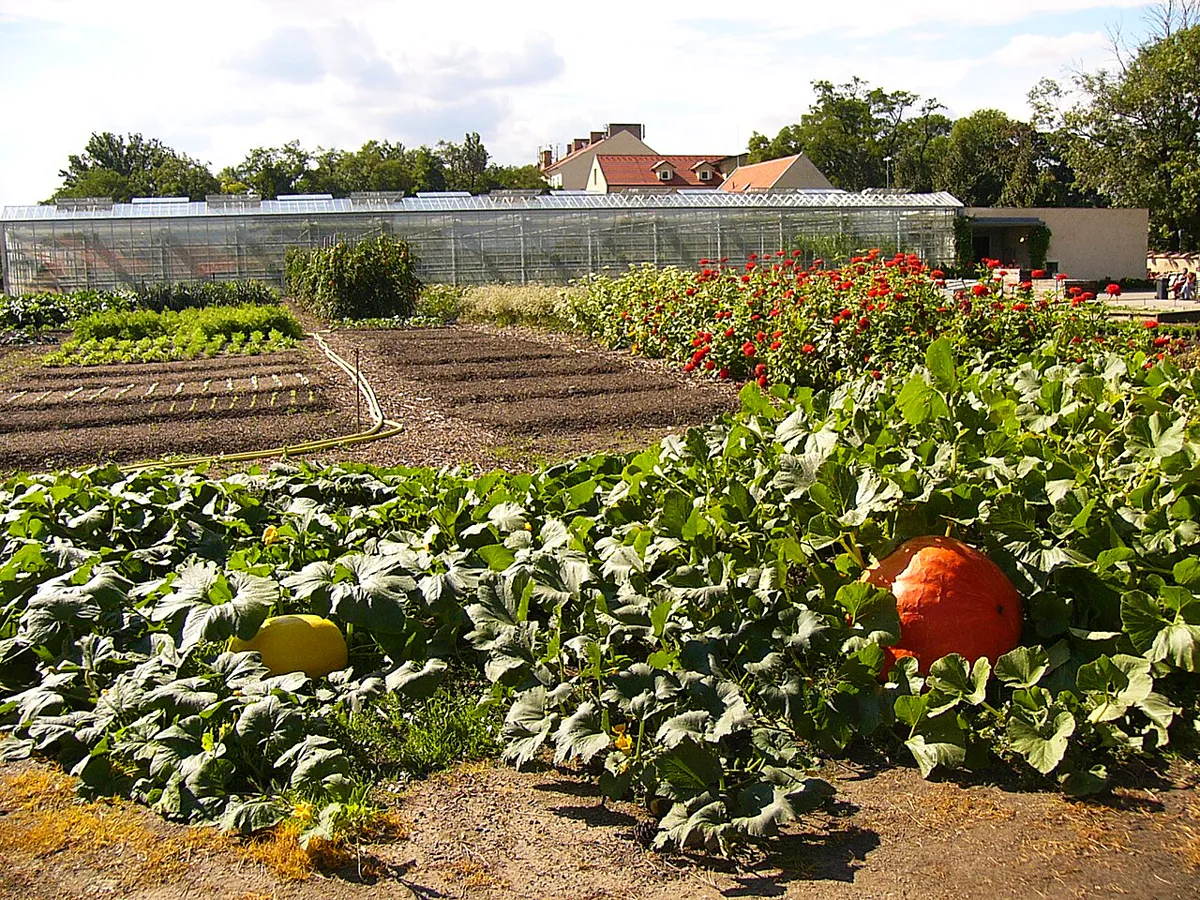
Pumpkins are hungry, thirsty and sprawling:
- Choose full sun (6+ hours) and very rich soil — work in plenty of compost or aged manure (see improving garden soil and making compost).
- Give them lots of room: plant in “hills” spaced several feet apart, with vining types needing 50–100 sq ft each. Bush varieties suit smaller gardens.
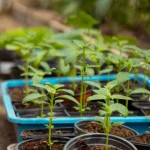
- Sow a few seeds per hill about 1 inch deep and thin to the strongest.
Sun, soil, watering & managing the vines
Provide about 1 inch of water per week, watering deeply at the base in the morning, as wet leaves invite mildew (see how often to water plants). Feed regularly through the season. As vines spread, you can pinch off the fuzzy growing tips to encourage branching and direct energy into fruit. Take care not to damage the shallow roots or the vines when weeding, and mulch to hold moisture and warmth.
Pollination — the key to actual pumpkins
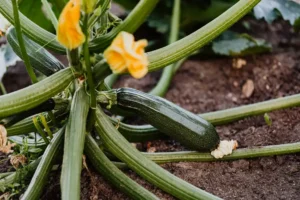
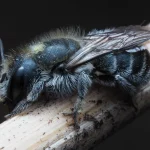
Pumpkins rely on bees to move pollen from the male flowers, which appear first, to the female flowers, which have a tiny pumpkin at the base. Poor pollination is the top reason for fruit that starts then shrivels. Help it along: plant pollinator-attracting flowers nearby, avoid spraying insecticides when flowers are open, and hand-pollinate with a small brush if you see few bees.
Types of pumpkins to grow
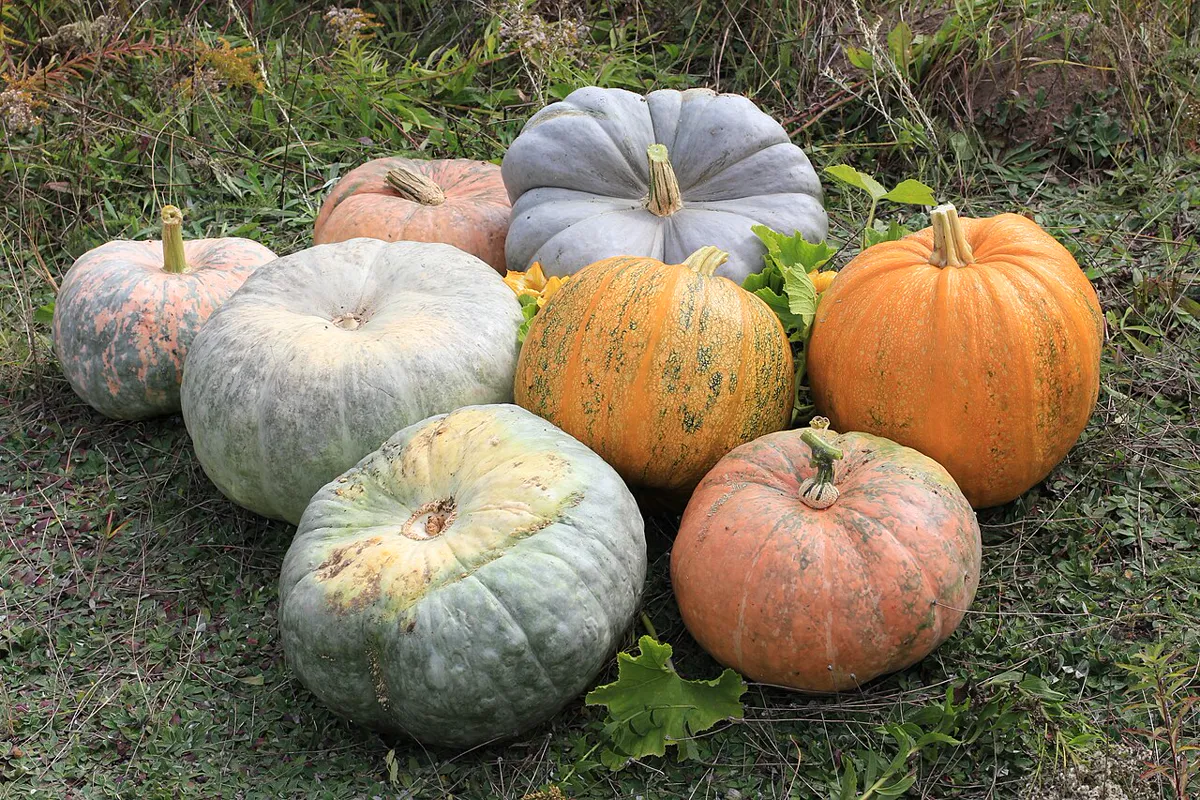
Not all pumpkins are the same. The right type depends on what you want. Carving and eating pumpkins are quite different.
- Carving pumpkins — large, hollow and watery, bred for lanterns rather than flavour.
- Pie or sugar pumpkins — smaller, sweeter and denser, the best for cooking.
- Indian kaddu / sitaphal — flattened, ribbed types used in everyday sabzi.
- Giant pumpkins — grown for show and sheer size, needing rich soil and space.
For the kitchen, choose a pie or Indian cooking type. For Halloween, pick a carver. You can grow both if you have the room.
Curing & storing pumpkins
Curing is the secret to pumpkins that keep for months. It hardens the skin and heals small nicks. The result is far better storage.
After harvest, leave the pumpkin in a warm, dry, airy spot. About ten days is enough. The skin toughens and the flavour of eating types deepens.
Then store the cured fruit somewhere cool and dry. A shed or a spare room works well. Kept this way, a good pumpkin can last right through winter.
Common pests & diseases
The main villains are squash bugs — check leaf undersides for clusters of shiny bronze eggs and squash them before they hatch — plus squash vine borers, cucumber beetles, and powdery mildew in humid weather. Controls:
- Inspect regularly and remove egg clusters and bugs by hand.
- Water at the base and space for airflow to limit mildew; use neem or the methods in our organic pest control guide.
- Rotate crops and try companion planting. Pumpkins share pests with zucchini and squash.
Harvesting pumpkins
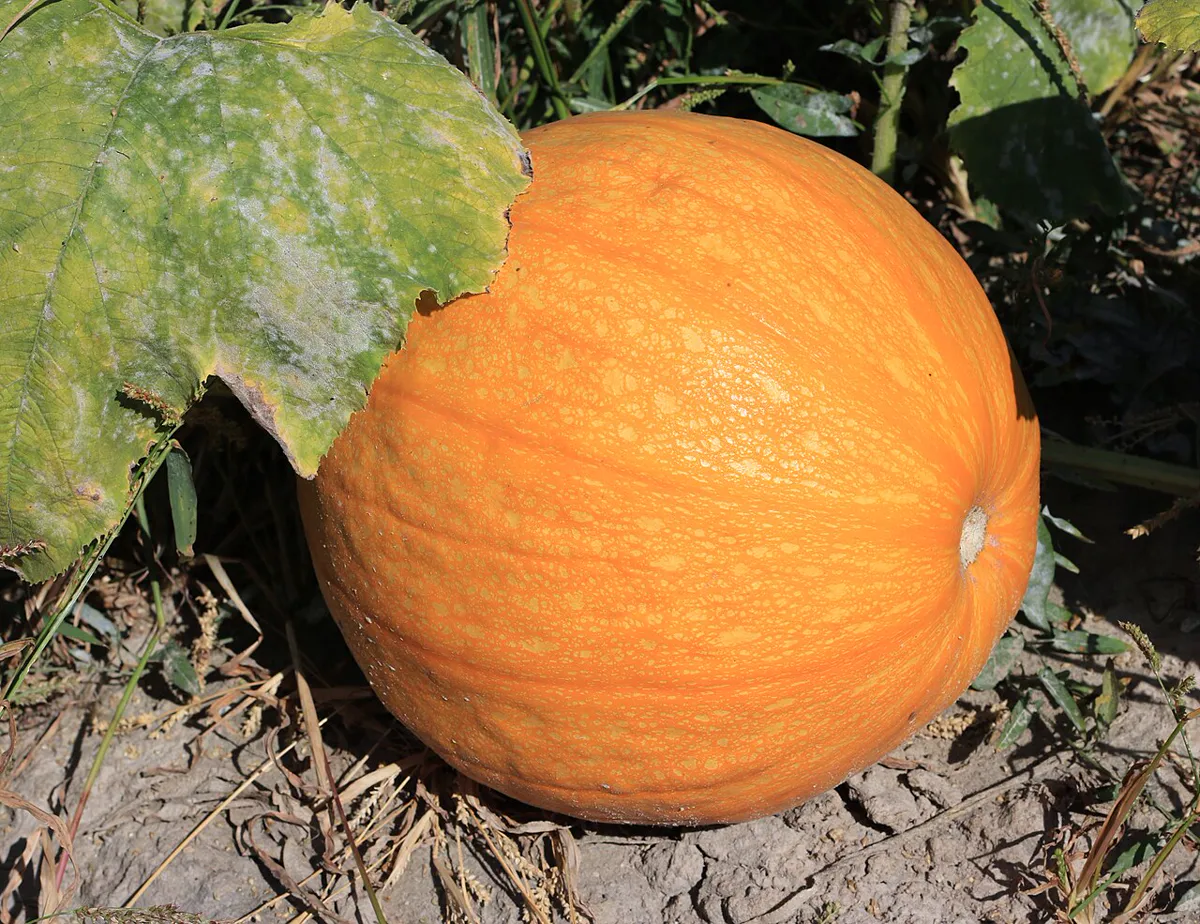
Harvest when the pumpkin has reached full colour, the rind is hard (a fingernail should not easily pierce it), and the stem has turned woody. A ripe pumpkin sounds hollow when tapped. Cut it from the vine leaving a few inches of stem, and never carry a pumpkin by its stem. Cure carving and storage pumpkins in a warm, dry spot for about 10 days to harden the skin, and they will keep for months.
Health benefits & uses
Pumpkin flesh is built around one nutrient: beta-carotene, about 3,100 µg per 100 g, which comes to roughly 47% of a day’s vitamin A for only 26 kcal (USDA record 168448). Potassium is decent at 340 mg and vitamin C modest at 9 mg. Fibre is worth being honest about — just 0.5 g per 100 g, low for a vegetable, because pumpkin is mostly water. The seeds are a nutritious snack, high in protein, healthy fats, zinc and magnesium. Use the flesh in soups, curries (kaddu sabzi), pies, breads and roasts, and roast the seeds for a crunchy treat.
This article is for general information only and is not medical advice. Talk to a qualified professional before using any plant medicinally.
Common pumpkin problems
Fruit forms then rots or shrivels
Poor pollination. Attract bees or hand-pollinate the female flowers.
White powder on leaves
Powdery mildew. Improve airflow, water at the base, and treat early.
Vines wilt suddenly
Squash vine borer or squash bugs. Inspect stems and leaf undersides and remove pests and eggs.
Related plant guides
- How to grow Butternut Squash
- How to grow Sweet Corn
- How to grow Zucchini
- Ash Gourd
- How to grow Muskmelon
- How to grow Spaghetti Squash
Frequently asked questions
How long do pumpkins take to grow?
Most varieties need about 90–120 frost-free days from sowing to a fully mature, harvest-ready pumpkin.
Why are my pumpkin flowers falling off?
The first flowers are male and naturally drop. Fruit only forms on female flowers, and only if bees pollinate them — so encourage pollinators.
Can I grow pumpkins in a small garden?
Yes — choose bush or compact varieties, or train vines up a strong support. Standard vining types need a lot of space.
How do I know when a pumpkin is ripe?
It is fully coloured, the rind is hard, the stem is woody, and it sounds hollow when tapped.
Can I eat the pumpkin seeds?
Yes. Scoop them out, rinse off the flesh, and roast them. They make a crunchy, protein-rich snack.
How many pumpkins does one plant produce?
It depends on the type. A large vining plant may give two to five fruits. Smaller types can give more, but each fruit is smaller. Good soil, water and pollination all raise the count.
Can I hand-pollinate pumpkins?
Yes, and it is easy. Pick a male flower and brush its pollen onto the centre of a female flower. Do it in the morning when the flowers are open. This is a reliable fix when few bees are about.
Why is my baby pumpkin rotting and falling off at the blossom end?
A tiny fruit that yellows, shrivels and drops within a week of the flower opening almost always failed to be pollinated. A female pumpkin flower is open for a single morning, and it needs several bee visits carrying enough pollen to fertilise the whole fruit — one or two visits is not enough, and the plant simply aborts the fruit.
Cool, wet, windy mornings keep bees at home, which is why the problem clusters in bad weather. A larger fruit that develops a sunken, leathery brown patch on the blossom end is a different fault, blossom end rot, caused by calcium not reaching the fruit fast enough during erratic watering rather than by a lack of calcium in the soil. Hand-pollinate for the first problem and water consistently with a mulch for the second.
How much space and sun do pumpkins need?
Full sun, at least six to eight hours, and considerably more room than most people allow. A standard vining variety wants roughly 1.5 to 2.5 metres in each direction, with hills spaced about 1.2 to 1.8 metres apart and rows further still. Bush and semi-bush types manage in about a metre square, which is what makes them the sensible choice for a small plot. Crowded plants shade each other, hold humidity in the canopy, and get powdery mildew far earlier in the season.
What is the white powder on my pumpkin leaves?
That is powdery mildew, and on pumpkins it is close to inevitable by late summer. It starts as small white talc-like patches on the upper leaf surface, then spreads until whole leaves turn grey, brown and crisp, which cuts the plant’s ability to finish ripening its fruit. Give plants wide spacing and full sun, water the soil rather than the foliage, remove the worst-affected old leaves, and choose a mildew-tolerant variety if it recurs every year. A late attack after the fruit has sized up matters far less than an early one — if it arrives in July rather than September, expect smaller pumpkins.
Should you prune pumpkin vines or remove some fruit?
For ordinary eating and carving pumpkins, no pruning is needed — just redirect wandering vines. If you want a few large specimens, the traditional method is to let two or three fruits set per plant, remove the rest as they appear, and pinch out the vine a few leaves beyond the last fruit you are keeping so the plant stops extending. Removing excess side shoots also improves airflow through a dense patch. Bear in mind that each leaf is a factory feeding the fruit, so heavy leaf removal is counterproductive.
Do pumpkins need curing, and how long do they store?
Curing makes a big difference. After harvest, leave the fruit somewhere warm, dry and airy for about ten days to two weeks — around 25 to 30 degrees Celsius is ideal — which hardens the skin and heals small wounds, then move them to a cool, dry store around 10 to 15 degrees. Cured pumpkins commonly keep for two to six months depending on variety, with thick-skinned types such as the winter squashes lasting longest. Never store them on a cold concrete floor or in a damp shed, and always leave a few centimetres of stem attached, since a fruit snapped off at the stem rots from that point.
Can pumpkins grow in shade?
Not really. Pumpkins are among the hungriest crops for light, and in less than about six hours of direct sun you get long vines, plenty of male flowers, few female ones, and fruit that never sizes up or ripens properly. Part shade for an hour or two in the hottest part of the afternoon does no harm in a very hot climate, and can even reduce stress. But a genuinely shaded plot is the wrong place for pumpkins — grow leafy crops there and save the sunniest ground for the vines.
Still stuck? Ask the Plant Doctor
Describe the problem — yellow leaves, holes, no flowers — and get a clear answer in seconds. FreeAI can make mistakes. Answers are guidance, not a guarantee — check anything important against the guide it links to, and always read the label on any product before you use it.