Seed Starting Calculator: When Should I Start Seeds?
 By
By The Seed-starting Calculator counts back from your last-frost date and tells you the exact week to start every seed — indoors or out.
More about this tool
No more too-early leggy seedlings or too-late sowings. 💚 Save your plants to My Garden in your free Gardening Guider profile — and get free care reminders & seasonal follow-ups for the plants actually growing in your garden.
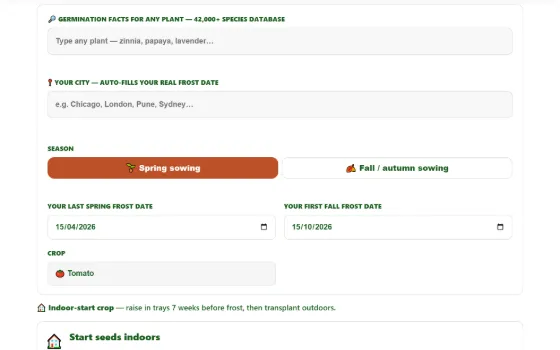
🌱 My Seed-Starting Calendar
| Crop | 🏠 Start indoors | 🌿 Transplant / direct-sow | 🧺 ≈ First harvest / bloom | Hardiness |
|---|
⚠️ General guidance based on typical timing before your last frost. Don’t know your frost date? Find it with our Frost Date Finder. In frost-free (tropical) areas, sow by season instead.
❄️ Find your frost date → Frost Finder · 🗓️ full sowing plan → Planting Calendar · 📐 spacing → Spacing Calculator
When Should I Start Seeds Indoors?
A seed starting calculator counts backwards from your last frost date to tell you when to start seeds indoors. It builds a full seed starting schedule for 101 crops — indoor sowing, hardening off, when to transplant seedlings and the first harvest — so it doubles as a sowing dates calculator for direct-sown crops. It needs one input, which the frost dates finder gives you.
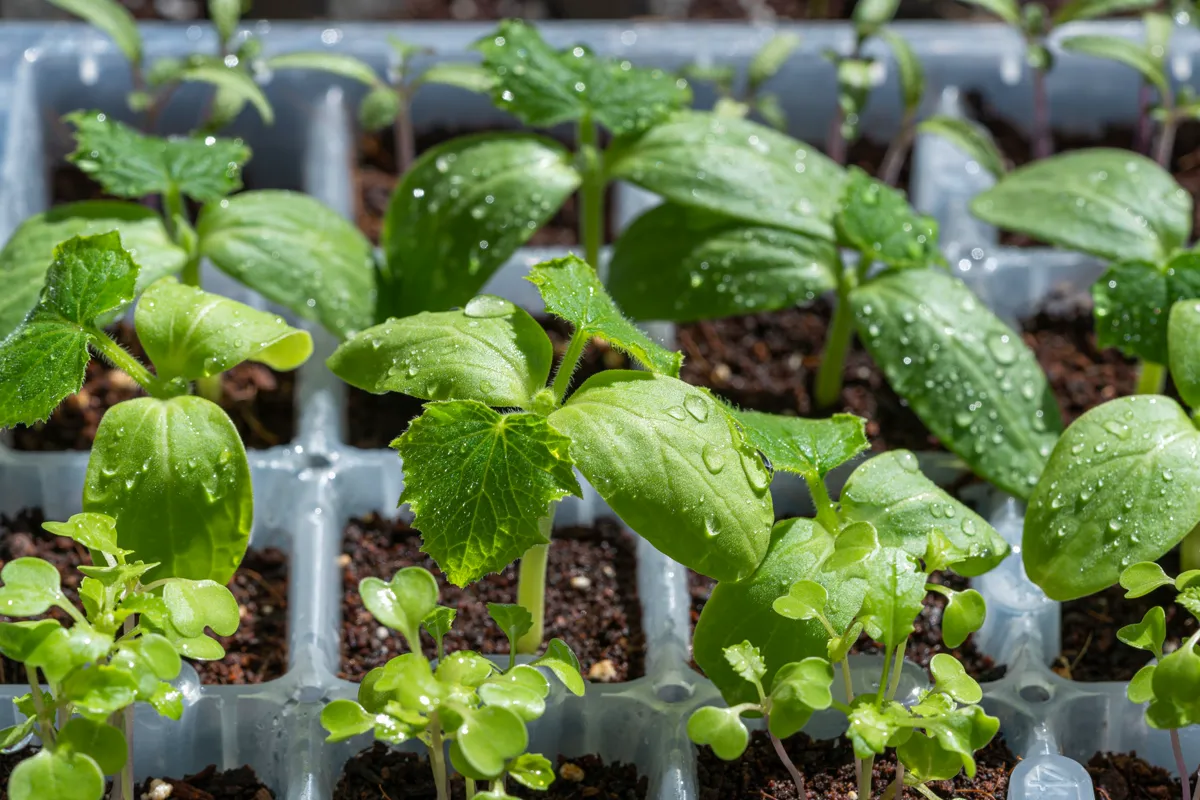
Every seed-starting date on this page is counted backwards from one anchor: your last spring frost date. Tender crops like tomatoes, peppers and zinnias are killed by frost, so they are raised indoors while it is still cold outside and moved out only when the danger has passed. Hardy crops like cabbage, pansies and peas shrug off a light freeze and can go out — or be sown outdoors — before the frost date.
The calculator above does the counting for 101 vegetables, herbs and flowers at once: enter your city (it looks up your real frost date from 15 years of local temperature records, anywhere in the world) or type a date, pick a crop, and it returns the full timeline — indoor sowing date, hardening-off window, transplant or direct-sow date, and an estimated first harvest or bloom.
Timing matters more than beginners expect in both directions. Start too late and you lose weeks of harvest; start too early and seedlings turn leggy, root-bound and stressed on the windowsill — an over-aged transplant often ends up behind a younger, sturdier one. The weeks-before-frost figures below are the tested middle path.
How the Seed Starting Calculator Works
🌱 Show the exact formulas the calculator uses
Indoor sowing date = last frost date − weeks-before-frost for that crop (e.g. tomato: frost − 7 weeks; pepper: frost − 9 weeks).
Transplant / direct-sow date = last frost date + the crop’s offset (tender crops go out 1–2 weeks after frost; hardy crops 2–5 weeks before).
Hardening-off window = 7–10 days ending at the transplant date, i.e. begin between transplant − 10 days and transplant − 7 days.
Estimated first harvest / bloom = outdoor date + days-to-maturity (DTM). For transplanted crops DTM counts from transplanting; for direct-sown crops it counts from sowing.
City lookup = median last spring frost from 15 years of daily minimum temperatures (Open-Meteo historical archive), hemisphere-aware, with frost-free detection for tropical cities.
Start indoors 4 weeks before frost = 18 March. Begin hardening off 12–15 April. Transplant 1 week after frost = 22 April. First blooms ≈ 60 days later = around 21 June. Seeds germinate in 4–7 days, so expect sprouts by late March. A tomato in the same garden starts indoors 25 February, transplants 22 April and gives its first ripe fruit around 26 June.
Seed-Starting Chart — 101 Vegetables, Herbs & Flowers
The full timing data the calculator uses. “Weeks before last frost” is when to sow indoors; the sow/transplant column tells you when plants go outside relative to the frost date; germination is the usual sprouting time at the right temperature; days to maturity runs from the outdoor date to first harvest or bloom.
| Crop | Start indoors | Transplant / sow outdoors | Germination | Days to maturity |
|---|---|---|---|---|
| 🥕 Vegetables | ||||
| 🍅 Tomato | 7 weeks before last frost | 1 wk after last frost | 6–10 days | 65 days |
| 🌶️ Pepper / Chilli | 9 weeks before last frost | 2 wk after last frost | 8–14 days | 70 days |
| 🍆 Brinjal / Eggplant | 9 weeks before last frost | 2 wk after last frost | 8–14 days | 70 days |
| 🥬 Cabbage | 5 weeks before last frost | 2 wk before last frost | 5–8 days | 70 days |
| 🥦 Cauliflower | 5 weeks before last frost | 1 wk before last frost | 5–8 days | 65 days |
| 🥦 Broccoli | 5 weeks before last frost | 2 wk before last frost | 5–8 days | 60 days |
| 🥬 Brussels Sprouts | 5 weeks before last frost | 2 wk before last frost | 5–8 days | 100 days |
| 🥬 Kale | 5 weeks before last frost | 3 wk before last frost | 5–8 days | 55 days |
| 🥬 Swiss Chard | 4 weeks before last frost | 2 wk before last frost | 7–14 days | 55 days |
| 🥗 Lettuce | 4 weeks before last frost | 2 wk before last frost | 4–8 days | 50 days |
| 🥬 Bok Choy / Pak Choi | 4 weeks before last frost | 2 wk before last frost | 4–8 days | 45 days |
| 🧅 Onion | 9 weeks before last frost | 2 wk before last frost | 7–10 days | 100 days |
| 🧅 Leek | 10 weeks before last frost | 3 wk before last frost | 10–14 days | 110 days |
| 🥬 Celery | 10 weeks before last frost | around last frost | 14–21 days | 100 days |
| 🌿 Basil | 6 weeks before last frost | 1 wk after last frost | 5–10 days | 50 days |
| 🥒 Cucumber | 3 weeks before last frost | 1 wk after last frost | 4–8 days | 55 days |
| 🥒 Zucchini / Courgette | 3 weeks before last frost | 1 wk after last frost | 6–10 days | 50 days |
| 🍈 Melon / Muskmelon | 3 weeks before last frost | 2 wk after last frost | 5–10 days | 80 days |
| 🍉 Watermelon | 3 weeks before last frost | 2 wk after last frost | 5–10 days | 85 days |
| 🎃 Pumpkin / Squash | 3 weeks before last frost | 1 wk after last frost | 5–8 days | 95 days |
| 🌿 Okra / Bhindi | 4 weeks before last frost | 2 wk after last frost | 7–12 days | 55 days |
| 🥬 Spinach / Palak | Direct-sow outdoors | 4 wk before last frost | 6–10 days | 40 days |
| 🌿 Fenugreek / Methi | Direct-sow outdoors | 2 wk before last frost | 3–5 days | 30 days |
| 🌿 Coriander / Dhania | Direct-sow outdoors | 2 wk before last frost | 7–14 days | 40 days |
| 🥗 Arugula / Rocket | Direct-sow outdoors | 4 wk before last frost | 5–7 days | 40 days |
| 🌿 Mustard Greens / Sarson | Direct-sow outdoors | 3 wk before last frost | 4–7 days | 40 days |
| 🥕 Carrot | Direct-sow outdoors | 2 wk before last frost | 14–21 days | 70 days |
| 🥕 Parsnip | Direct-sow outdoors | 2 wk before last frost | 14–21 days | 110 days |
| 🔴 Turnip / Shalgam | Direct-sow outdoors | 3 wk before last frost | 4–7 days | 50 days |
| 🔴 Radish / Mooli | Direct-sow outdoors | 3 wk before last frost | 4–6 days | 28 days |
| 🟣 Beetroot | Direct-sow outdoors | 2 wk before last frost | 5–10 days | 55 days |
| 🌱 Peas / Matar | Direct-sow outdoors | 5 wk before last frost | 7–10 days | 60 days |
| 🌱 Beans | Direct-sow outdoors | 1 wk after last frost | 6–10 days | 55 days |
| 🌽 Corn / Maize | Direct-sow outdoors | 1 wk after last frost | 7–10 days | 70 days |
| 🌿 Herbs | ||||
| 🌿 Parsley | 10 weeks before last frost | 2 wk before last frost | 14–28 days | 75 days |
| 🌿 Dill | Direct-sow outdoors | 1 wk before last frost | 10–14 days | 45 days |
| 🌿 Thyme | 9 weeks before last frost | 1 wk before last frost | 14–21 days | 90 days |
| 🌿 Oregano | 9 weeks before last frost | around last frost | 8–14 days | 80 days |
| 🌿 Sage | 8 weeks before last frost | 1 wk before last frost | 10–21 days | 75 days |
| 🌿 Chives | 9 weeks before last frost | 3 wk before last frost | 10–14 days | 80 days |
| 🌿 Mint / Pudina | 8 weeks before last frost | around last frost | 10–16 days | 70 days |
| 🌸 Flowers | ||||
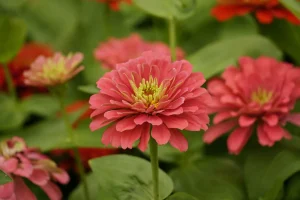
| 🌸 Zinnia | 4 weeks before last frost | 1 wk after last frost | 4–7 days | 60 days to bloom |
| 🌸 Petunia | 10 weeks before last frost | 1 wk after last frost | 7–12 days | 70 days to bloom |
| 🌸 Snapdragon | 8 weeks before last frost | 2 wk before last frost | 8–14 days | 80 days to bloom |
| 🌼 Marigold | 7 weeks before last frost | around last frost | 4–8 days | 55 days to bloom |
| 🌸 Cosmos | 4 weeks before last frost | 1 wk after last frost | 5–10 days | 60 days to bloom |
| 🌻 Sunflower | 3 weeks before last frost | 1 wk after last frost | 7–10 days | 70 days to bloom |
| 🌸 Sweet Pea | 6 weeks before last frost | 3 wk before last frost | 10–14 days | 75 days to bloom |
| 🌸 Dahlia (from seed) | 6 weeks before last frost | 1 wk after last frost | 7–10 days | 90 days to bloom |
| 🌸 Aster | 6 weeks before last frost | around last frost | 8–10 days | 85 days to bloom |
| 🌼 Calendula | 6 weeks before last frost | 2 wk before last frost | 6–14 days | 55 days to bloom |
| 🌸 Nasturtium | 3 weeks before last frost | 1 wk after last frost | 7–12 days | 50 days to bloom |
| 🌸 Pansy / Viola | 10 weeks before last frost | 4 wk before last frost | 10–14 days | 90 days to bloom |
| 🌸 Impatiens | 9 weeks before last frost | 1 wk after last frost | 10–18 days | 70 days to bloom |
| 🌸 Lobelia | 10 weeks before last frost | around last frost | 14–21 days | 75 days to bloom |
| 🌸 Salvia | 8 weeks before last frost | 1 wk after last frost | 10–14 days | 80 days to bloom |
| 🌸 Verbena | 9 weeks before last frost | 1 wk after last frost | 14–21 days | 80 days to bloom |
| 🌸 Celosia | 5 weeks before last frost | 1 wk after last frost | 8–14 days | 80 days to bloom |
| 🌿 Coleus (foliage) | 9 weeks before last frost | 1 wk after last frost | 10–14 days | 60 days to bloom |
| 🌸 Dianthus / Sweet William | 8 weeks before last frost | 2 wk before last frost | 7–14 days | 85 days to bloom |
| 🌸 Stock | 7 weeks before last frost | 2 wk before last frost | 7–14 days | 70 days to bloom |
| 🥒 Bitter Gourd / Karela | 3 weeks before last frost | 2 wk after last frost | 7–14 days | 60 days |
| 🥒 Bottle Gourd / Lauki | 3 weeks before last frost | 2 wk after last frost | 7–14 days | 60 days |
| 🥒 Ridge Gourd / Turai | 3 weeks before last frost | 2 wk after last frost | 7–14 days | 60 days |
| 🥒 Ash Gourd / Petha | 3 weeks before last frost | 2 wk after last frost | 7–14 days | 90 days |
| 🥒 Snake Gourd | 3 weeks before last frost | 2 wk after last frost | 7–14 days | 70 days |
| 🥬 Kohlrabi | 5 weeks before last frost | 2 wk before last frost | 5–8 days | 45 days |
| 🥬 Collard Greens | 5 weeks before last frost | 3 wk before last frost | 5–8 days | 60 days |
| 🥗 Endive / Escarole | 4 weeks before last frost | 2 wk before last frost | 5–10 days | 50 days |
| 🌿 Florence Fennel | 4 weeks before last frost | 1 wk before last frost | 7–14 days | 80 days |
| 🌿 Globe Artichoke | 10 weeks before last frost | 1 wk before last frost | 10–14 days | 160 days |
| 🌿 Asparagus (from seed) | 10 weeks before last frost | 1 wk before last frost | 14–21 days | 365 days |
| 🌱 Broad Bean / Fava | Direct-sow outdoors | 6 wk before last frost | 7–14 days | 80 days |
| 🌱 Chickpea / Chana | Direct-sow outdoors | 2 wk before last frost | 7–14 days | 100 days |
| 🌱 Cowpea / Lobia | Direct-sow outdoors | 2 wk after last frost | 5–10 days | 65 days |
| 🌱 Mung Bean / Moong | Direct-sow outdoors | 2 wk after last frost | 4–8 days | 65 days |
| 🌱 Lentil / Masoor | Direct-sow outdoors | 3 wk before last frost | 7–10 days | 100 days |
| 🌱 Kidney Bean / Rajma | Direct-sow outdoors | 1 wk after last frost | 6–10 days | 90 days |
| 🌱 Soybean / Edamame | Direct-sow outdoors | 1 wk after last frost | 5–10 days | 75 days |
| 🌱 Pigeon Pea / Arhar | Direct-sow outdoors | 2 wk after last frost | 7–14 days | 150 days |
| 🥜 Peanut / Moongphali | Direct-sow outdoors | 2 wk after last frost | 7–14 days | 120 days |
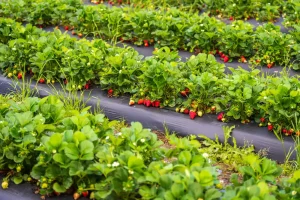
| 🍓 Strawberry (from seed) | 10 weeks before last frost | 2 wk before last frost | 14–28 days | 120 days |
| 🍈 Papaya (frost-free only) | 6 weeks before last frost | 2 wk after last frost | 14–21 days | 300 days |
| 🟡 Ground Cherry / Rasbhari | 7 weeks before last frost | 1 wk after last frost | 7–14 days | 70 days |
| 🌿 Rosemary (from seed) | 10 weeks before last frost | around last frost | 14–28 days | 90 days |
| 🌿 Lavender | 10 weeks before last frost | around last frost | 14–28 days | 110 days |
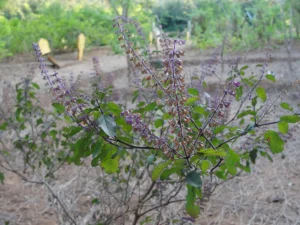
| 🌿 Holy Basil / Tulsi | 6 weeks before last frost | 1 wk after last frost | 5–10 days | 50 days |
| 🌿 Lemongrass (from seed) | 8 weeks before last frost | 2 wk after last frost | 7–14 days | 90 days |
| 🌼 Chamomile | 6 weeks before last frost | 1 wk before last frost | 7–14 days | 65 days |
| 🌿 Cumin / Jeera | Direct-sow outdoors | 1 wk after last frost | 7–14 days | 110 days |
| 🌿 Ajwain / Carom | Direct-sow outdoors | 1 wk before last frost | 7–14 days | 120 days |
| 🌸 Sweet Alyssum | 6 weeks before last frost | 2 wk before last frost | 5–10 days | 50 days to bloom |
| 🌸 Poppy | Direct-sow outdoors | 4 wk before last frost | 10–20 days | 75 days to bloom |
| 🌸 Hollyhock | 8 weeks before last frost | 1 wk before last frost | 10–14 days | 150 days to bloom |
| 🌸 Morning Glory | 3 weeks before last frost | 1 wk after last frost | 5–10 days | 60 days to bloom |
| 🌸 Larkspur | Direct-sow outdoors | 4 wk before last frost | 14–21 days | 80 days to bloom |
| 🌸 Strawflower | 6 weeks before last frost | 1 wk after last frost | 7–10 days | 80 days to bloom |
| 🌸 Gomphrena | 6 weeks before last frost | 1 wk after last frost | 10–14 days | 85 days to bloom |
| 🌸 Balsam / Gul Mehndi | 5 weeks before last frost | 1 wk after last frost | 5–10 days | 60 days to bloom |
| 🌸 Portulaca / Moss Rose | 5 weeks before last frost | 1 wk after last frost | 7–14 days | 55 days to bloom |
| 🌼 Gaillardia / Blanket Flower | 7 weeks before last frost | 1 wk before last frost | 7–14 days | 90 days to bloom |
Sources: standard seed-packet and university-extension timing norms (University of Minnesota Extension); frost-date methodology based on historical daily minimums — see NOAA NCEI on climate normals and Wikipedia: Frost.
What Is Hardening Off — and Can I Skip It?
Hardening off is the 7–10 day transition that turns a soft indoor seedling into a plant that can survive real weather, and it is the step most often skipped and most often regretted. Indoors, seedlings have never met direct sun, wind or cold nights; put them straight out and the ultraviolet alone can bleach and collapse them within a day — a condition gardeners know as transplant shock (the botanical process is hardening).
The routine is simple: on day one, give plants an hour or two outdoors in bright shade, sheltered from wind. Each day, lengthen the stay and increase the sun, bringing them in (or covering them) at night for the first few days. By day 7–10 they are living outside full-time and are ready for the soil. The calculator prints your exact start window for every indoor-started crop — put it in your phone and treat it as a real appointment.
Can I Sow Again for Autumn? The Second-Season Window
Most gardeners stop after the spring rush, but the six to eight weeks before your first autumn frost are a second planting season that cool-weather crops actually prefer. Count backwards the same way, using days-to-maturity instead of weeks-before-frost: a 50-day lettuce sown 8 weeks before the first fall frost hearts up in mild air with no bolting; spinach, radish, turnip, arugula, bok choy, kale and calendula all behave the same, and kale genuinely sweetens after a light freeze.
Add roughly 10–14 days to the DTM for autumn sowings — shortening days slow growth. The calculator now does this for you: flip the 🍂 Fall / autumn sowing toggle at the top and it counts back from your city’s real first fall frost (auto-filled by the same 15-year engine), applies the two-week fall buffer, and dates every step for the hardy crops — tender crops are flagged as spring-only. It fills the bed exactly when the spring plantings finish.
Print Your Personal Seed-Starting Calendar
Once your city and frost date are set, the 🖨️ Print my calendar button produces a clean one-page “My 2026 Seed-Starting Calendar” for your exact location — every crop’s indoor-sowing, transplant and harvest date in one sorted table, titled with your city and frost date, with all the page furniture stripped away. Pin it to the potting-shed wall or the fridge: spring sowing runs on dates, not memory. It works for the fall plan too — switch the season toggle first and the printout becomes your autumn second-sowing schedule.
No Frost Where You Live? Sowing in Tropical & Monsoon Climates
If the city lookup tells you your area is frost-free — most of peninsular India, coastal Southeast Asia, the tropics generally — the frost-countdown model does not apply, and the calendar is ruled by heat and rain instead.
Sow by season: the monsoon (kharif) window suits okra, gourds, beans, amaranth and rice-country crops that love warmth and water; the post-monsoon winter (rabi) months of October–February are the tropical equivalent of a temperate spring — tomatoes, cabbage, cauliflower, carrots, peas, methi, palak and nearly every flower in the chart thrive then, started in trays exactly as described above but timed to the cooling weather, not a frost date. The short, harsh zaid summer suits only heat-proof crops like bhindi and cucurbits with reliable watering. The germination-days and days-to-maturity columns in the chart stay valid everywhere on Earth — only the anchor date changes.
Using the seed starting calculator in 30 seconds
- Enter your city. The seed starting calculator reads your real frost date automatically.
- Pick a crop. All 101 crops carry their own head-start window.
- Print the plan. Every date lands on one page you can pin up.
Check the underlying dates in the frost dates finder, see the whole season in the planting calendar, and get trays and beds ready with the soil calculator. Seedlings go out at the spacing given by the spacing calculator.
Sow in two batches, two weeks apart. The seed starting calculator gives one ideal date, but a split sowing protects you from one bad cold snap.
Label every tray with the date. When something germinates late, the seed starting calculator tells you whether there is still time to re-sow or whether it is better to buy a transplant. Beds should be ready before the seedlings are, so size the mix with the soil calculator and check the spacing with the plant spacing calculator.
🌍 Works worldwide — metric & imperial
🔄 Updated: 23 Jul 2026 💯 Free to read — no sign-up needed
The seed-starting timeline, explained
Every crop has a simple timing recipe: weeks indoors before the last frost + when it’s safe to go out. Slow, heat-loving crops (chilli 9 weeks, tomato 7) need a long indoor head-start; fast or root crops skip indoors entirely and are direct-sown. Enter one date — your last frost — and this calculator dates every step, including a printable 22-crop plan.
Indoor head-start cheat sheet
| Crop | Start indoors | Plant out |
|---|---|---|
| 🌶️ Chilli / pepper | 9 wks before frost | 2 wks after |
| 🍅 Tomato | 7 wks before | 1 wk after |
| 🥬 Cabbage family | 5 wks before | 1–2 wks before (hardy) |
| 🥒 Cucumber / squash | 3 wks before | 1 wk after |
| 🥕 Carrot, beans, spinach | Direct-sow | See dates in tool |
Sowing depth rule: 2–3× the seed’s diameter — dust-fine seeds barely covered, beans 3–4 cm down. Germination needs warmth (most vegetables 18–24 °C soil) more than light; seedlings need light more than warmth.
❓ Frequently asked questions
When should I start seeds indoors?
What if I don’t know my last frost date?
Which seeds should be direct-sown instead of transplanted?
Can I see a plan for ALL crops at once?
How deep should I sow seeds?
Why are my seedlings leggy and stretched?
What is hardening off, and how long does it take?
Do I need grow lights, or is a bright windowsill enough?
What temperature do seeds need to germinate?
I started my seeds too early — what now?
Does this work where there is no frost, like most of India?
🧰 Explore all our free garden tools
Tools hub →Was this tool helpful?