Small Space Gardening: The Complete Guide for Balconies, Patios & Indoors
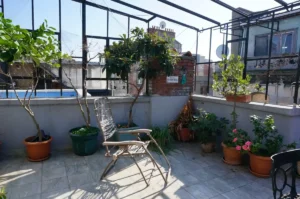
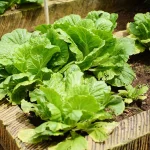
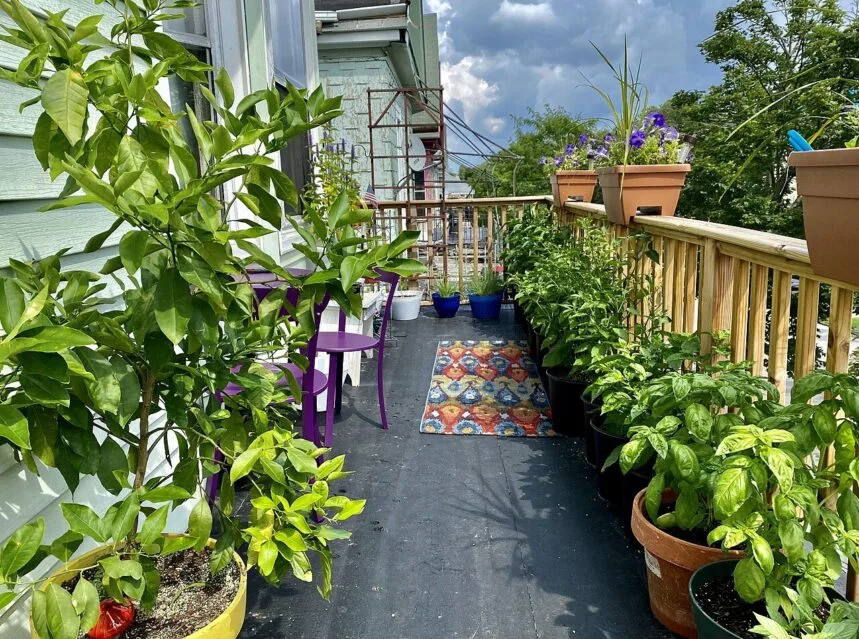 Photo: Andre Carrotflower (CC BY-SA 4.0) via Wikimedia Commons
Small space gardening is the practice of growing plants in very limited areas, like a balcony, patio, windowsill, or tiny yard, using containers, vertical structures, and smart design to grow far more than the footprint suggests. As homes and gardens shrink, more people are turning to clever solutions that bring real greenery to tight corners. You do not need a big plot to grow food and flowers. Here is a complete guide to small space gardening for balconies, patios, and indoors.
Quick answer: Small space gardening makes the most of limited room by growing upward and in containers. Use vertical planters, hanging baskets, and tiered stands, choose compact and high-value plants, group pots to save water, and put the sunniest spot to work. With drainage, good potting mix, and regular watering, even a balcony can be productive.
🧰 In a hurry? Jump straight to our tested picks for this guide ↓
Small space ideas at a glance
| Idea | Best for |
|---|---|
| Vertical planters | Herbs, salad, strawberries |
| Hanging baskets | Trailing flowers & tomatoes |
| Railing planters | Balcony edges |
| Tiered stands | Many pots in one footprint |
| Windowsill pots | Herbs & houseplants |
| Compact varieties | Dwarf & bush crops |
What is small space gardening?
Small space gardening means creatively growing plants where there is very limited ground area. It turns overlooked spots into green, productive ones.
It focuses on space optimisation (using vertical and corner areas), smart plant choices (compact, hardy, fast-growing), and easy maintenance. The result is a lush mini garden with minimal space and maximum creativity, which is why it has become so popular in cities everywhere.
1. Small space vertical gardening: grow upward
When you run out of floor, look up. Vertical growing is the single biggest space-saver for small gardens.
Use wall-mounted pockets, trellises for climbers, and stacked towers to multiply your growing area (see our vertical gardening ideas). A blank wall or balcony rail can hold a surprising amount of herbs, salad, and flowers once you think in layers rather than flat beds.
2. Make the most of containers
Containers are the heart of small space gardening, since almost anything grows in a pot. They give you total control of the soil and let you move plants to chase the sun.
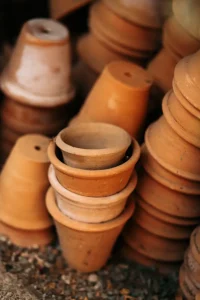
Use the biggest pots you can fit, always with drainage holes, and fill them with quality potting mix, never garden soil (see container gardening for beginners). Grow bags, troughs, and recycled containers all work. Group pots together to create a humid micro-climate that dries out more slowly.
The RHS guide to container gardening covers compost choice and feeding in more depth.
3. Use hanging baskets and railings
Overhead and edge spaces are easy to forget, but they add real growing room. They keep your floor clear too.
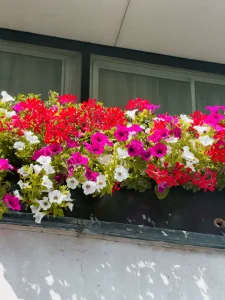
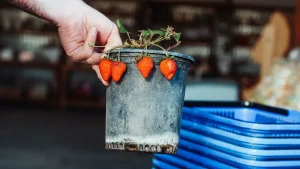
Hanging baskets spill colour from above and suit trailing flowers, tomatoes, and strawberries, while railing planters hook over a balcony edge for herbs and salad. Both free up the floor for larger pots. Just remember they dry out fast in sun and wind, so water them often.
4. Choose the right plants
In a small garden, every plant must earn its place, so choose compact and high-value crops. The right picks give the biggest reward per pot.
- Herbs like basil, mint, and chives are compact, useful, and forgiving.
- Salad leaves are shallow-rooted, fast, and perfect for window boxes.
- Cherry tomatoes, chillies, and dwarf beans crop heavily in pots.
- Compact and trailing flowers add colour and attract pollinators.
5. Put your sunlight to work
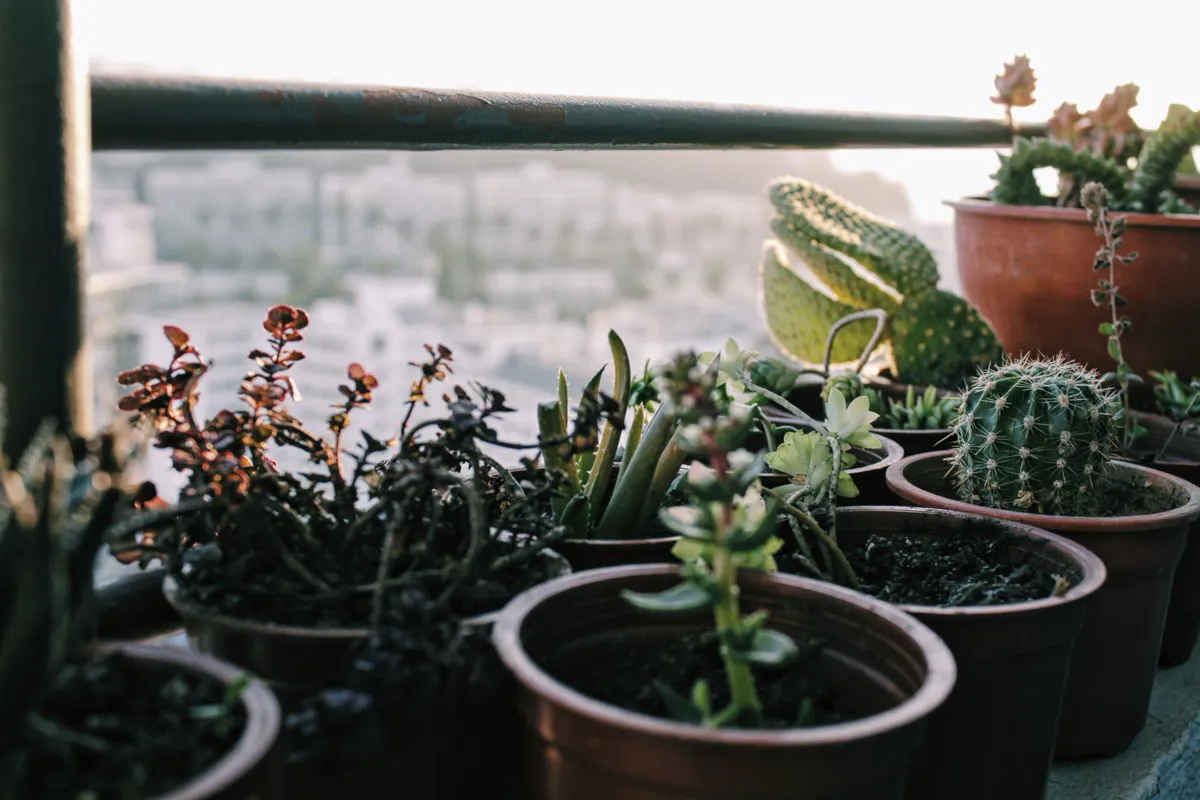
Light is usually the biggest limit in a small space, so understanding it is key. Match plants to what your spot actually gets.
Watch your balcony or windowsill through the day to see how many hours of sun it receives. Put sun-lovers like tomatoes and herbs in the brightest spot, and use shadier corners for leafy greens and shade-tolerant foliage. A north-facing balcony still grows plenty if you choose accordingly.
6. Water and feed smartly
Containers dry out far faster than open ground, so watering is the make-or-break skill in a small garden. A little routine keeps everything thriving.
Check the soil daily in summer and water when the top inch is dry, ideally in the morning (see how often to water plants). Because frequent watering washes nutrients out, feed potted plants regularly through the growing season. Self-watering pots and a thin mulch layer cut the workload.
7. Grow indoors too
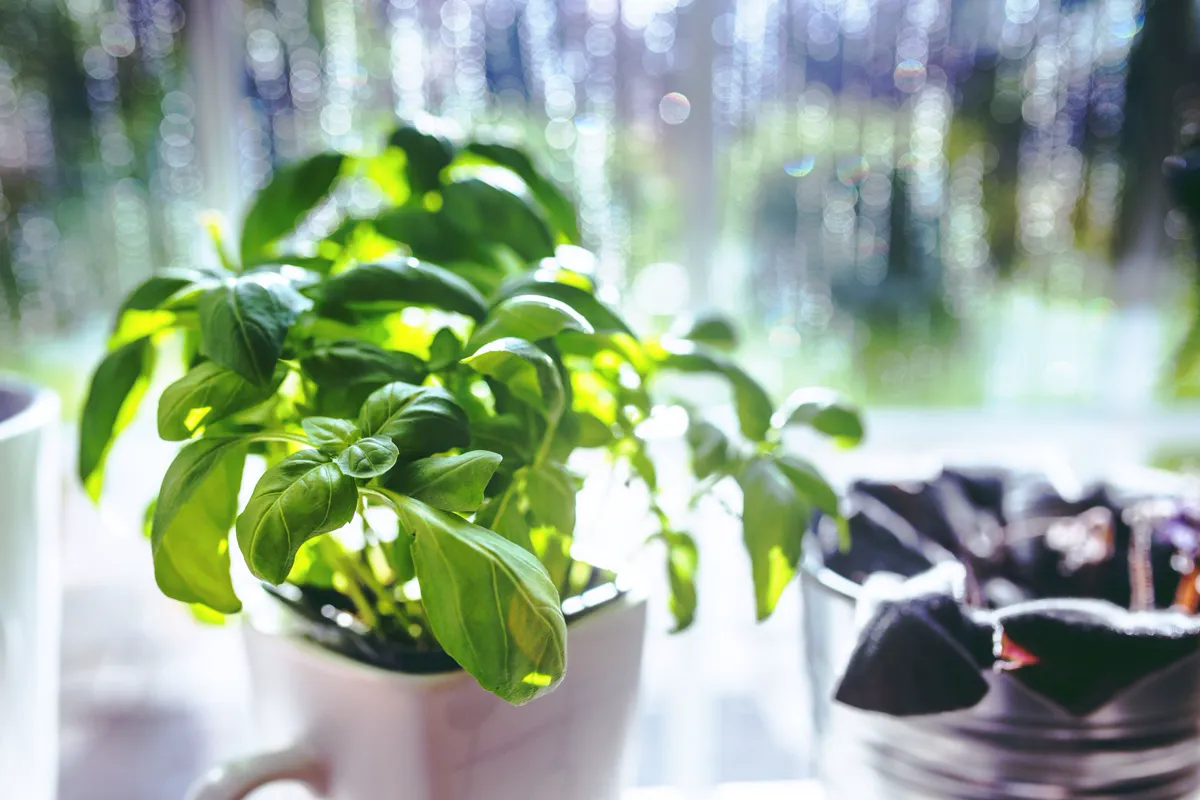
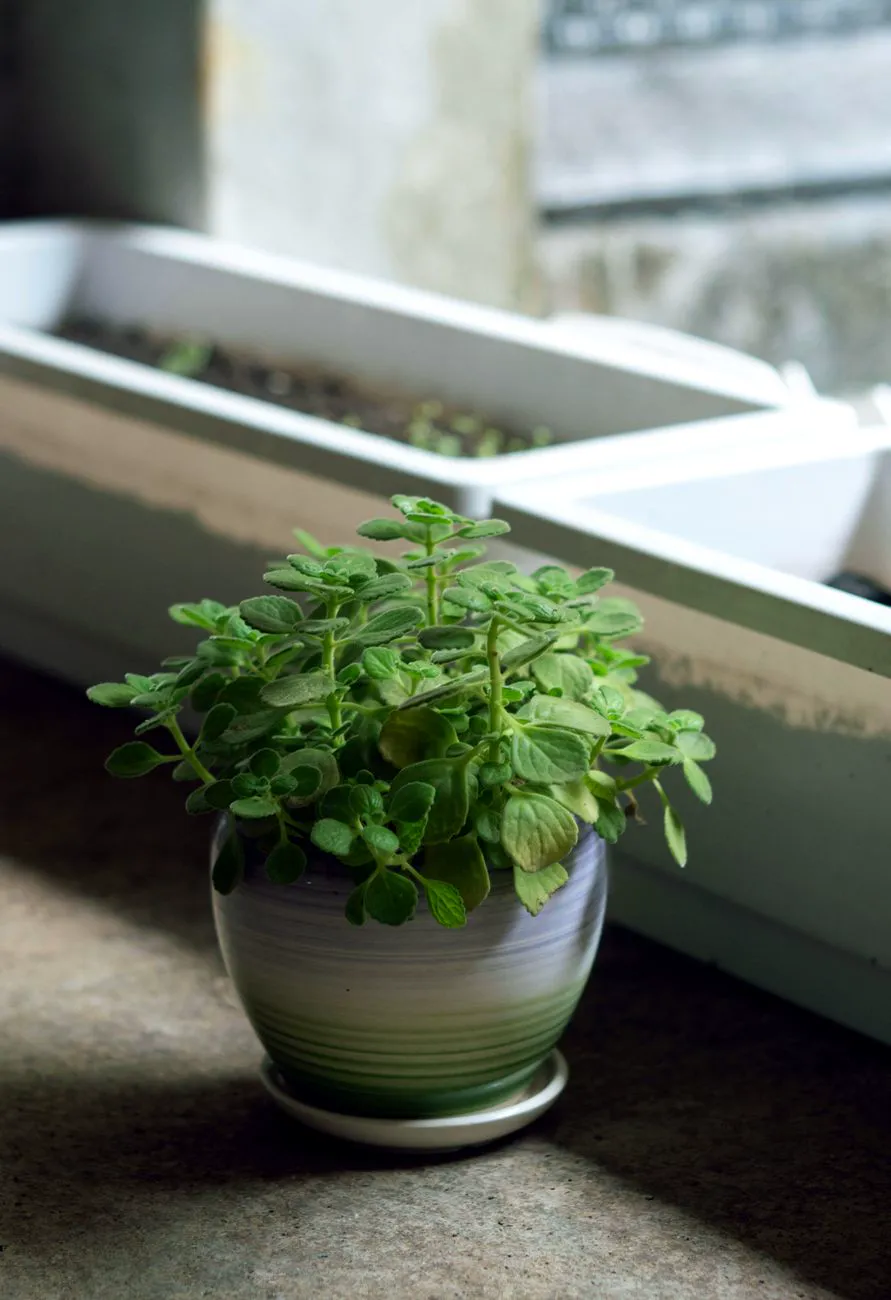
Small space gardening does not stop at the door. A bright windowsill extends your garden indoors all year.
Grow herbs indoors on a sunny kitchen sill, and fill dim corners with easy low-light houseplants. A small grow light makes even a windowless room plant-friendly. Indoor plants add greenery, freshen the air, and keep you gardening through winter.
8. Design for beauty and function
A small garden is seen up close, so good design pays off. Thoughtful arrangement makes a tiny space feel lush rather than cluttered.
Use tiered stands and varied heights to add depth, repeat a few pot styles for a tidy look, and mix foliage with flowers for year-round interest. Design guidance from the Royal Horticultural Society stresses that vertical layers and a limited palette make small spaces feel bigger and calmer.
Common small-space gardening mistakes
A few avoidable mistakes hold back many small gardens. Knowing them saves disappointment in a tight space.
The biggest is choosing pots that are too small, which dry out fast and starve roots, so size up wherever you can. Others include overcrowding, ignoring how the sun actually moves across the space, and forgetting that containers need far more frequent watering and feeding than the open ground. Small-garden guidance from the Old Farmer's Almanac stresses bigger pots, good drainage, and regular feeding as the keys to success in containers.
Small space gardening in India & warm climates
Small space and terrace gardening is hugely popular in India, where balconies and rooftops are the main growing areas. The warm climate is a real advantage with a few tweaks.
Grow herbs like tulsi, mint, and coriander, plus chillies, tomatoes, and gourds in larger pots, and leafy greens in the cool season. Use light-coloured or bigger pots so roots do not cook in summer, water morning and evening in the heat, and ensure free drainage for the monsoon. Coir-based potting mixes are cheap, local, and ideal. A shaded corner helps tender plants survive the fiercest sun.
Frequently asked questions
What can I grow in a small space?
Herbs, salad leaves, cherry tomatoes, chillies, dwarf beans, strawberries, and compact flowers all thrive in small spaces. Choose compact, high-value plants and grow upward to fit more in.
How do I start a balcony garden?
Start with a few large pots with drainage, good potting mix, and plants matched to your sunlight. Add vertical planters or railing pots to use the walls and edges, and water regularly.
What is the best way to garden with limited space?
Grow vertically and in containers. Use wall planters, hanging baskets, and tiered stands to multiply your growing area, choose compact varieties, and put your sunniest spot to work.
How much sun does a small garden need?
Most vegetables and herbs want six or more hours of sun, but leafy greens and many houseplants manage with less. Match each plant to the light your space actually gets.
Can I grow vegetables on a small balcony?
Yes. With enough sun, large pots, and regular watering, a balcony can produce tomatoes, chillies, herbs, salad, and more. Grow upward and choose compact varieties to maximise the harvest.
What is the best small-space garden for India?
A terrace or balcony container garden of herbs (tulsi, mint, coriander), chillies, tomatoes, and seasonal greens works brilliantly. Use coir-based mixes, larger pots, and water morning and evening in the heat.
Can I garden in a space with no direct sun?
You can still grow shade-tolerant foliage houseplants and some leafy greens, and a small grow light greatly expands your options. For fruiting crops like tomatoes, though, you really do need a few hours of direct sun.
What are the best plants for a tiny balcony?
Herbs, salad leaves, cherry tomatoes, chillies, and compact flowers are ideal. They give a big reward in small pots, and growing them upward on a rail or wall lets you fit far more in.
How often should I water a small-space container garden?
Check daily in warm weather, as pots dry out fast. Water when the top inch of soil is dry, ideally in the morning, and group pots together to slow drying and reduce the workload.
How deep do containers need to be for vegetables?
Match the pot to the roots. Shallow-rooted crops such as lettuce, spinach, radishes, and most herbs are happy in 15-20 cm of soil. Peppers, chillies, and bushy greens want 25-30 cm. Tomatoes, brinjal, and root crops like carrots need deeper containers, roughly 30-45 cm, and a full-size tomato does best in a 10-gallon pot or a grow bag of similar volume. When in doubt, go one size deeper, because larger soil volume dries out slower and buffers heat on exposed balconies.
Can my balcony hold the weight of a garden?
Usually yes, if you plan sensibly. Wet soil is heavy, so a large ceramic pot can weigh 30-50 kg after watering. Keep the heaviest containers near the walls and along the load-bearing edges, since the middle of a slab is its weakest point. Choose lightweight plastic, fabric, or fibreglass pots and mixes rich in cocopeat or perlite to cut weight sharply. For a rooftop or old building, especially common in Indian cities, spread pots out rather than clustering them, and check with the building management for large setups.
Is vertical gardening worth it in a small space?
It is often the single biggest space multiplier. Wall planters, railing boxes, tiered stands, and trellised climbers such as beans, cucumbers, and gourds turn one square metre of floor into several square metres of growing surface. Start simple with a pocket planter or a trellis behind one large pot before investing in elaborate systems. Remember that vertical pots are usually small, so they dry quickly and need more frequent watering. Put thirsty greens lower down and drought-tolerant herbs at the top.
Still stuck? Ask the Plant Doctor
Describe the problem — yellow leaves, holes, no flowers — and get a clear answer in seconds. FreeAI can make mistakes. Answers are guidance, not a guarantee — check anything important against the guide it links to, and always read the label on any product before you use it.