How to Grow Grains of Paradise
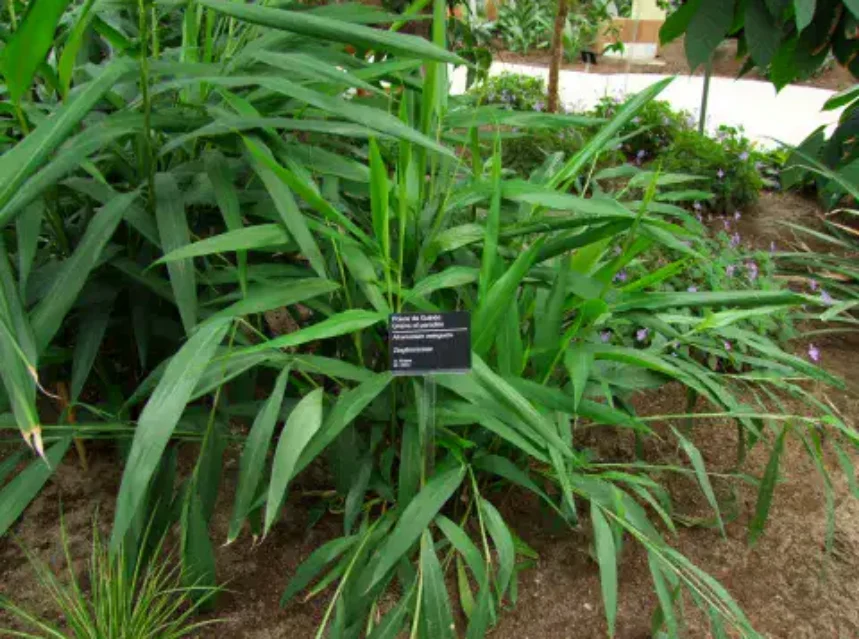
Grains of paradise are the warm, peppery seeds of Aframomum melegueta, a West African member of the ginger family also known as melegueta pepper or alligator pepper. Once as prized in medieval Europe as black pepper, these little reddish-brown seeds have a complex, citrusy, peppery heat that is enjoying a modern revival in cooking and craft brewing. The plant is a handsome, leafy ginger relative you can grow in a pot. Here is the complete guide on how to grow grains of paradise.
Quick start: Grow grains of paradise in warmth, humidity, filtered light, and rich, well-drained, evenly moist soil. As a tropical ginger relative it suits a large pot indoors or a warm greenhouse, away from harsh direct sun. Start from soaked seed or a division, keep it warm above 18°C, and harvest the seeds once the pods turn brown.
Growers who keep grains of paradise, from tropical-plant enthusiasts to members of the Tropical Fruit Forum, describe it as an easy, attractive ginger relative once it has warmth and humidity. The lessons they share are consistent. It wants filtered light, not blazing sun, which scorches its broad leaves. It likes rich, moist, well-drained soil and resents both drought and waterlogging. And like its ginger cousins, it spreads slowly from rhizomes into a leafy clump. Give it the warm, humid, dappled conditions of its West African home, and it makes a lush foliage plant that rewards patience with its peppery pods.
🧰 In a hurry? Jump straight to our tested picks for this guide ↓
Grains of paradise at a glance
| Feature | Detail |
|---|---|
| Botanical name | Aframomum melegueta (family Zingiberaceae) |
| Common names | Grains of paradise, melegueta pepper, alligator pepper |
| Plant type | Tropical rhizomatous perennial (ginger relative) |
| Height | 1.2–1.8 m of reed-like leafy stems |
| Light | Filtered light to part shade; no harsh sun |
| Soil | Rich, fertile, moist, well-drained |
| Climate | Warm, humid tropics, 21–29°C; no frost |
| Harvest | Seeds from brown, ripe pods |
| Propagation | Soaked seed or rhizome division |
Why grow grains of paradise?
Grains of paradise is a fascinating spice with a great story, and the plant itself is a lush, attractive ginger relative. It forms a leafy clump of reed-like stems with broad green leaves and curious trumpet-shaped flowers, making a handsome foliage plant for a warm, humid spot or conservatory.
The spice is the reward. The seeds give a warm, peppery, citrusy heat with hints of cardamom and ginger, more complex than plain pepper, and they are hard to buy fresh in many places. Once a major medieval spice, grains of paradise is now rediscovered by chefs and craft brewers, so growing your own puts you ahead of a genuine culinary trend.
History, origin & the medieval spice trade
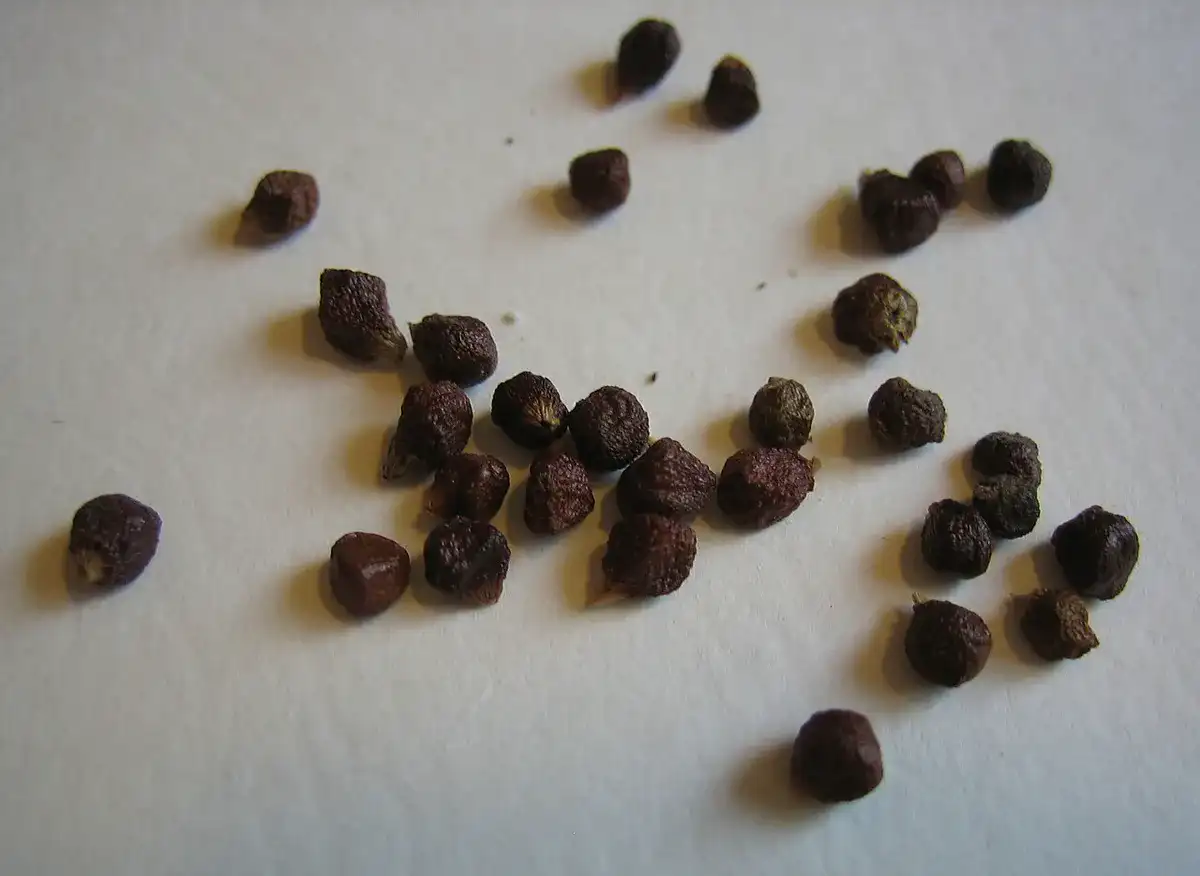
Grains of paradise is native to the swampy coastal regions of West Africa, and it gave that coast its old name — the “Grain Coast” (see Wikipedia’s overview). The romantic name “grains of paradise” was coined by medieval traders to suggest an exotic, far-off origin and justify a high price.
In medieval and Renaissance Europe, the spice was hugely popular, used like pepper to season food and spice wine and ale. Its fortunes faded when cheaper black pepper became widely available, and for centuries it was little known outside West Africa. There, it has always remained important in cooking and culture, where the related alligator pepper is used in ceremonies.
In India, grains of paradise is not a traditional spice and is grown only rarely, by collectors of the unusual. Its warm, humid needs would suit parts of the tropical south, much like its cousins cardamom and ginger. Today it is grown mainly in West Africa and is enjoying a modern revival in Western kitchens and breweries.
Best season & when to plant
In warm climates, plant grains of paradise in spring, once the weather is reliably warm, giving the plant a long, hot growing season. It has a long season and needs warmth throughout to grow and crop well.
In the US, UK, and other temperate regions, start seed or divisions indoors in spring and grow the plant under warm, humid cover. It cannot tolerate frost and only grows outdoors year-round in frost-free tropical zones (roughly USDA 10–11), so elsewhere it is a greenhouse or houseplant.
How to plant grains of paradise
Grains of paradise is grown from soaked seed or, faster, from a rhizome division of an existing plant, exactly like its ginger relatives. Seed germinates better after a good soak, a step the Useful Tropical Plants database also notes.
To plant well:
- Soak seed in water for 24 hours before sowing into a well-draining mix.
- Keep warm at around 21–29°C for germination and growth.
- Use rich, fertile, well-drained soil; add gravel at the base of pots for drainage (see improving garden soil).
- Plant in filtered light or part shade, never harsh direct sun.
Keep the soil consistently moist as the plant establishes, and it will slowly spread from its rhizomes into a leafy clump.
Light, soil, watering & feeding
As a forest-floor ginger relative, grains of paradise wants warm, humid, filtered light rather than blazing sun, which scorches its broad leaves. Indoors, give it bright, indirect light and good humidity (see humidity for houseplants).
Keep the soil consistently moist but never waterlogged, watering when the surface starts to dry (see how often to water plants). It is a hungry, leafy plant, so feed regularly through the growing season with rich compost or a balanced organic fertiliser. Reduce watering in cooler months when growth slows.
Growing grains of paradise in pots
A container is the ideal way to grow grains of paradise in any climate with cold winters, and the plant performs well in pots. It makes a lush, tropical-looking foliage plant for a warm room or greenhouse.
Use a large pot with gravel at the base for drainage and a rich, free-draining mix. Keep it warm, humid, and in bright filtered light, water when the surface dries, and mist in dry rooms. Feed through summer, and keep it above about 18°C in winter, watering more sparingly. Divide the clump every couple of years to keep it vigorous.
Harvesting & drying the seeds
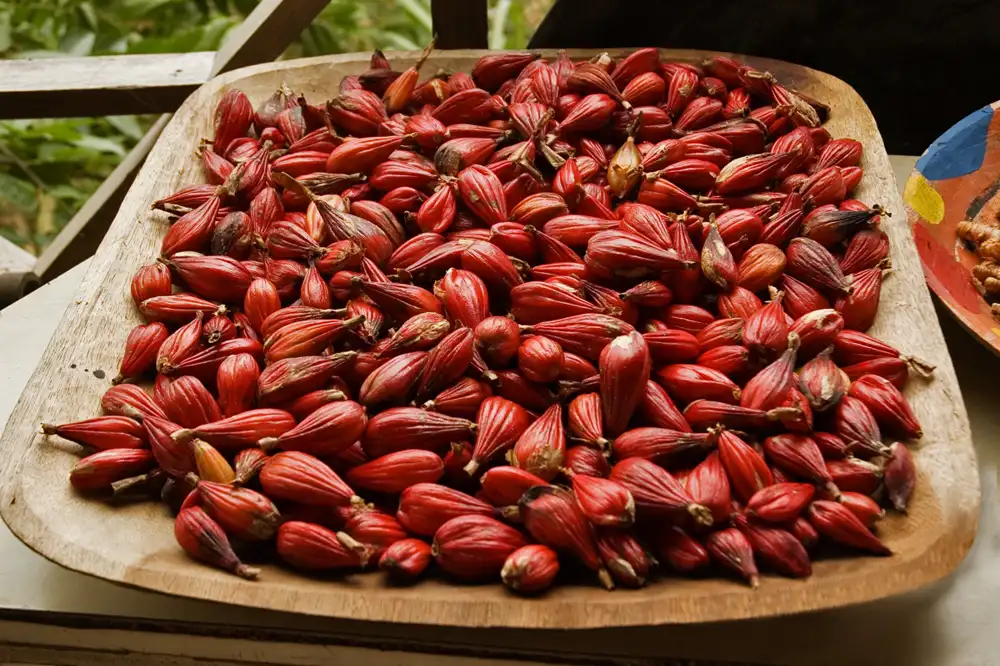
After flowering, the plant forms fleshy pods that hold the prized seeds. Harvest the pods once they ripen and turn brown, which signals the seeds inside are mature.
To harvest and dry your own:
- Pick the pods when they have turned brown and feel ripe.
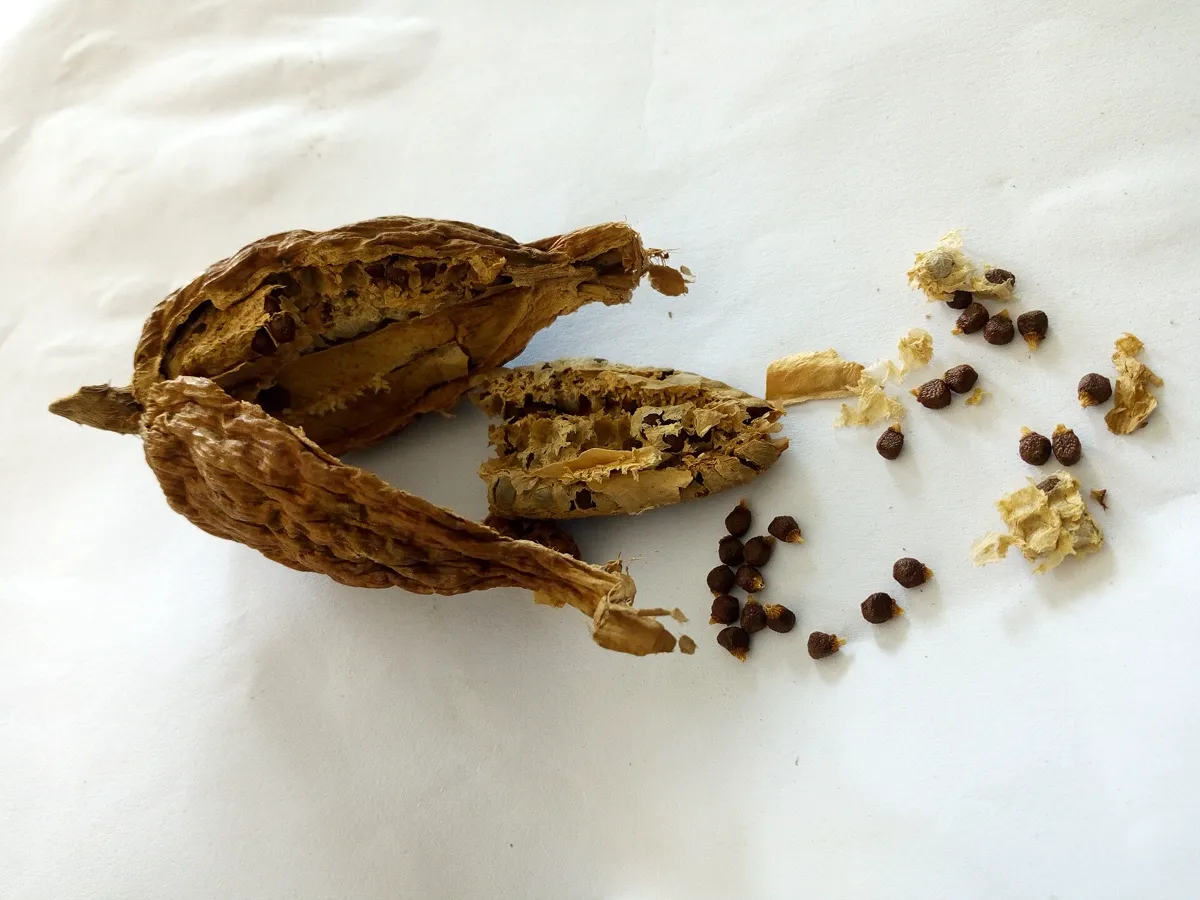
- Break one open to check for dark red-brown seeds with a thin strip of tan flesh around the edge.
- Scrape out the seeds and dry them in a warm, airy place until hard.
- Store the dried seeds whole in an airtight jar, grinding them fresh as needed.
Like pepper, the seeds keep their warm, citrus-peppery aroma far better whole than pre-ground.
Common pests & diseases
Grains of paradise is fairly trouble-free in good conditions. The main risk is rhizome or root rot in cold, waterlogged soil, so warmth and good drainage are the key defences. Dry indoor air can stress the plant and brown its leaf edges.
Watch for the usual indoor pests on stressed plants, such as spider mites, mealybugs, and scale insects, especially in dry conditions. Raise humidity and treat early with the methods in our organic pest control guide. A warm, humid, well-drained plant rarely suffers seriously.
Health benefits & uses of grains of paradise
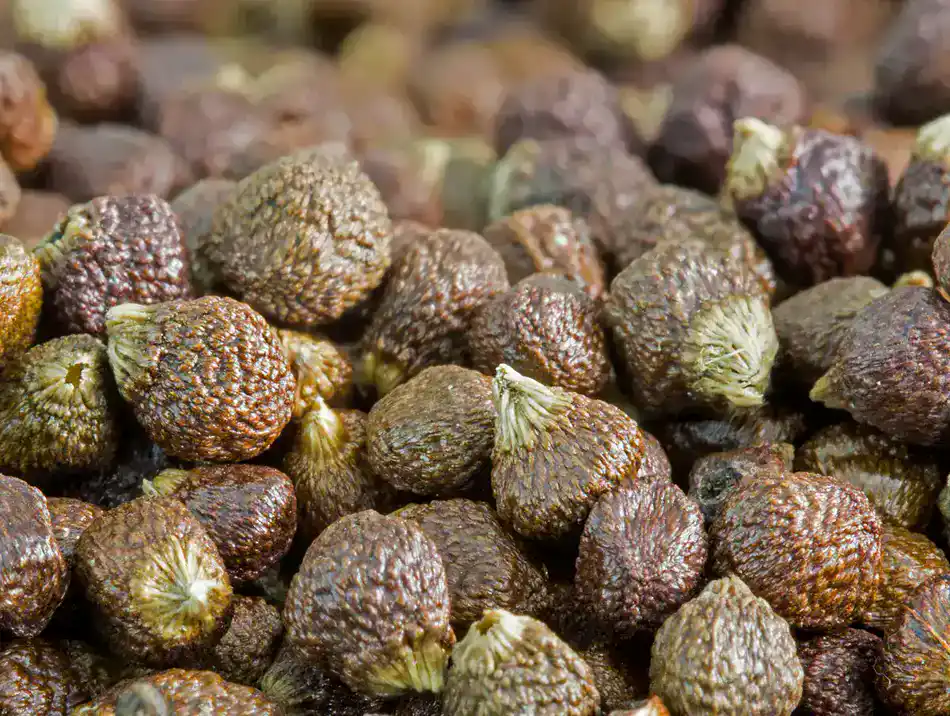
The warm, peppery heat of grains of paradise comes from compounds called gingerol-related aromatics, related to those in ginger. The rewards of growing your own are firmly culinary:
- In the kitchen: ground seeds add a complex, citrusy, peppery warmth to West African dishes, spice rubs, stews, and roasted vegetables. Use them anywhere you want a more aromatic pepper.
- In drinks: they are a classic flavouring in craft beer, gin, and spiced ales, part of the spice’s documented modern revival.
- A pepper substitute: use grains of paradise in place of black pepper for a fruitier, more aromatic heat.
- Traditional uses: in West Africa the spice has long been valued in cooking and ceremony. Modern clinical evidence for health effects in people remains limited, so enjoy it mainly for flavour.
This article is for general information only and is not medical advice. Consult a qualified professional before using any plant medicinally.
Common grains of paradise problems
Leaves scorching or browning
Usually too much direct sun or dry air. Move to filtered light, raise the humidity, and keep the plant warm.
Yellowing, collapsing stems
Often cold, waterlogged soil causing rhizome rot. Improve drainage, water more carefully, and keep it above 18°C.
Slow growth or no pods
Typically too cool, too dark, or hungry soil. Give warmth, humidity, filtered light, and regular feeding through the growing season.
Related plant guides
- How to grow Annatto
- How to grow Black Cardamom
- How to grow Cubeb Pepper
- How to grow Galangal
- How to grow Kokum
- How to grow Pandan
Frequently asked questions
What do grains of paradise taste like?
They have a warm, peppery, citrusy heat with hints of cardamom and ginger — more complex and aromatic than plain black pepper, which is why cooks and brewers prize them.
Is grains of paradise the same as alligator pepper?
They are very closely related ginger-family spices. Grains of paradise (Aframomum melegueta) seeds are usually sold loose, while alligator pepper refers to the whole pod of a related Aframomum.
Can I grow grains of paradise indoors?
Yes. It grows well as a warm, humid container plant in bright, indirect light, kept above about 18°C. It makes a lush, tropical foliage plant even before it fruits.
Can grains of paradise grow in India?
It is not traditional in India but would suit the warm, humid tropical south, much like its relatives cardamom and ginger. The plains heat is fine if humidity and filtered light are provided.
Why do people say grains of paradise is illegal?
The claim comes from old alcohol law, not from any modern food ban. An Act of Parliament in the reign of George III forbade its use in beer and spirits in Britain, because brewers were using its peppery heat to fake the impression of a stronger drink, and imports into the country collapsed as a result. Several American states later copied that idea into liquor adulteration statutes, and Florida only removed grains of paradise from its statute in 2021 after a federal court found the provision unenforceable. As a culinary spice it is perfectly legal and widely sold, and modern craft brewers use it openly.
How do you use grains of paradise in cooking?
Treat it exactly as you would peppercorns: grind or crack the seeds fresh, because the aroma fades fast once they are powdered. It shines in West African stews and rice dishes, in spice rubs for lamb and grilled meat, in pickles, and in mulled drinks and gin-style infusions. A light toast in a dry pan for thirty seconds before grinding lifts the citrus and cardamom notes. Because the heat builds slowly rather than hitting immediately, start with about half the amount of black pepper you would normally use and adjust.
How much grains of paradise goes into a batch of beer?
Very little, and over-spicing is the usual mistake. Homebrewers typically crack somewhere in the region of 2 to 7 grams for a 5 gallon (about 19 litre) batch, added in the last ten to fifteen minutes of the boil or as a short steep afterwards. Higher rates, up to around 14 grams, are used only where the spice is meant to be the headline flavour of a saison or witbier. Crush the seeds coarsely rather than grinding them to dust, and taste before you commit, because the peppery note carries a long way in a light beer.
Does grains of paradise contain caffeine?
No. Despite the confusion caused by the name, it is unrelated to kola nut or coffee and contains no caffeine at all. The warming, stimulating sensation people describe comes from pungent aromatic compounds, chiefly paradol and related gingerol-type molecules that are also found in ginger. That is a sensory effect on the mouth and skin receptors, not a chemical stimulant.
Do the fat-burning and weight-loss claims about grains of paradise hold up?
Some small human studies have suggested that extracts may slightly increase energy expenditure by activating brown adipose tissue, which is why supplement marketing has latched onto it. The trials involved few participants, ran for short periods and used concentrated extracts rather than the spice you sprinkle on food, so the evidence is preliminary rather than settled. Nothing in that research supports treating it as a weight-loss treatment. This is general information only, not medical advice — check with a doctor or pharmacist before taking any concentrated supplement, especially alongside prescription medication.
Where does grains of paradise grow naturally?
It is native to the swampy coastal lowlands of West Africa, along the stretch of coastline that European traders once called the Grain Coast precisely because of this spice. Ghana, Nigeria, Liberia, Sierra Leone and Cameroon remain the main sources, and it is also cultivated in parts of Ethiopia. Its natural habitat is warm, humid and shaded at the forest edge, with reliably moist soil. That habitat is the blueprint for growing it well anywhere else — warmth, humidity, filtered light and moisture, never cold or dry air.
How long before a grains of paradise plant flowers and fruits?
It is a rhizomatous perennial that throws up leafy, ginger-like shoots roughly 1 to 1.5 m tall, and it is not a quick crop. Plants raised from seed generally need two to three growing seasons of steady warmth before they flower, while a division taken from an established rhizome will usually flower sooner. The trumpet-shaped purple flowers appear low down near the base of the shoots rather than at the top, which surprises first-time growers. Pods follow several months after flowering.
How do you harvest and store the seeds?
Leave the fleshy pods on the plant until they ripen from green through to a reddish or orange-brown and begin to dry, since seed picked early is weak in flavour. Split each pod and rub out the small reddish-brown seeds, of which there can be dozens or more, then dry them thoroughly on a tray out of direct sun until they rattle. Store them whole in an airtight jar away from heat and light, and grind only what you need. Whole seeds hold their aroma for a year or more, but ground spice is noticeably flatter within weeks.
Still stuck? Ask the Plant Doctor
Describe the problem — yellow leaves, holes, no flowers — and get a clear answer in seconds. FreeAI can make mistakes. Answers are guidance, not a guarantee — check anything important against the guide it links to, and always read the label on any product before you use it.