How to Get Rid of Scale Insects
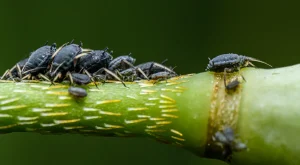
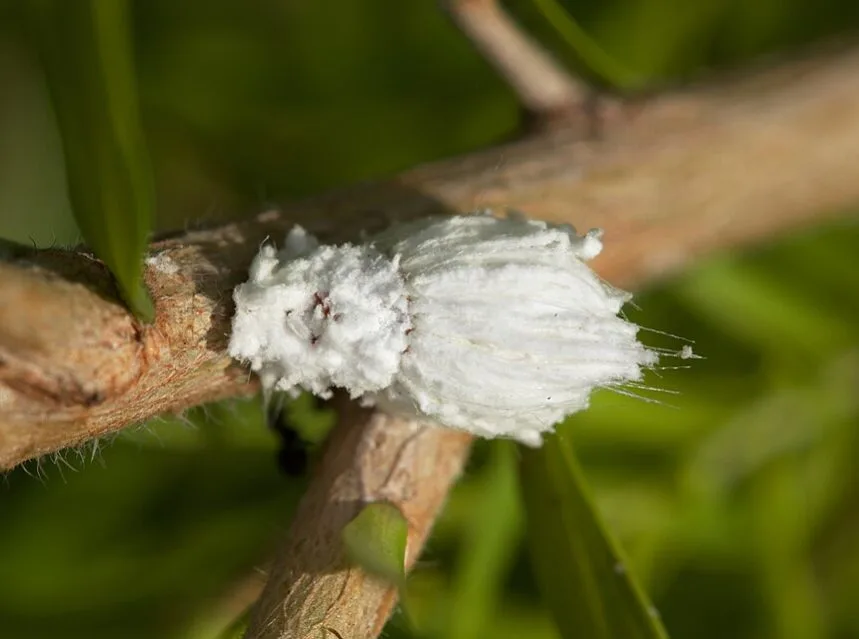 Image: Graham Wise from Brisbane, Australia — CC BY 2.0, via Wikimedia Commons
Scale insects are sap-sucking pests that hide under small, hard or waxy bumps stuck firmly to stems and leaves, often mistaken for part of the plant itself.
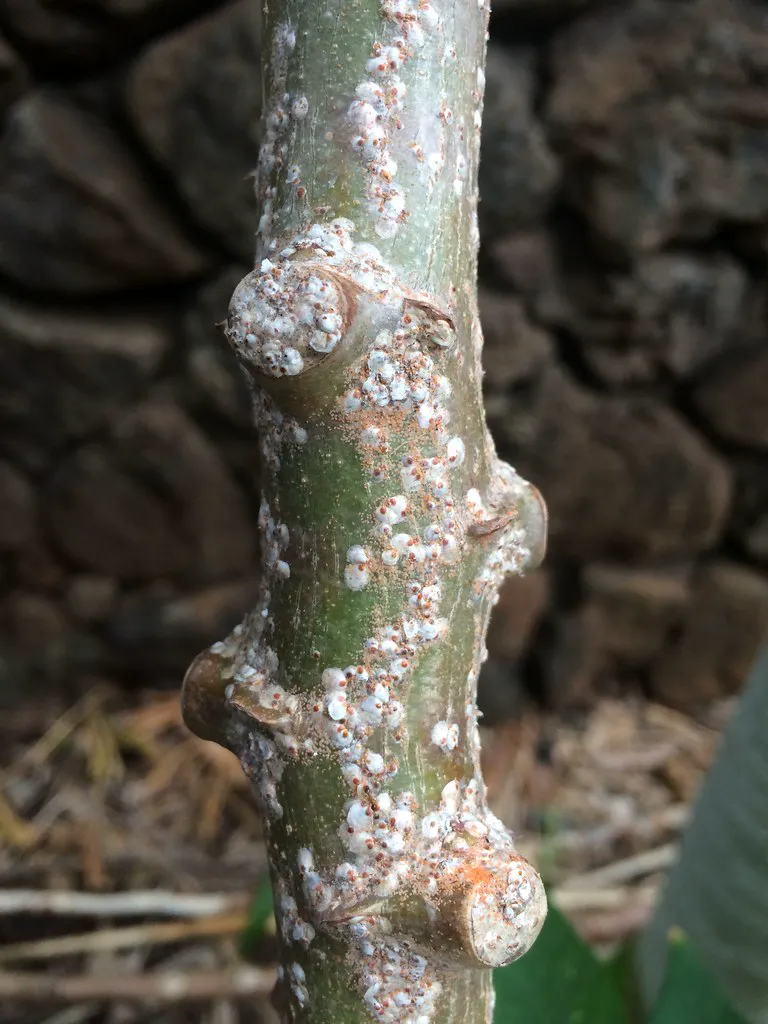
If your plant has little brown or tan bumps stuck along its stems and leaf veins — and the leaves feel sticky — you’re dealing with scale insects. They sit so still under their shells that many people mistake them for part of the plant, which is exactly how they spread unnoticed.
Quick fix: Scrape or wipe off the bumps with a cloth or a cotton bud dipped in rubbing alcohol, then smother the plant with neem oil or horticultural oil. Isolate it and repeat weekly for 3–4 weeks.
🧰 In a hurry? Jump straight to our tested picks for this guide ↓
Scale insects at a glance
| Question | Answer |
|---|---|
| What they are | Sap-suckers under a protective shell-like bump |
| Look like | Brown, tan or waxy bumps on stems/leaf veins |
| Tell-tale sign | Sticky honeydew, sooty mould, sticky floor |
| Why hard to kill | The shell repels most sprays |
| Best organic fix | Scrape off + alcohol + neem/horticultural oil |
| Re-treat | Every 1–2 weeks until clear |
What are scale insects?
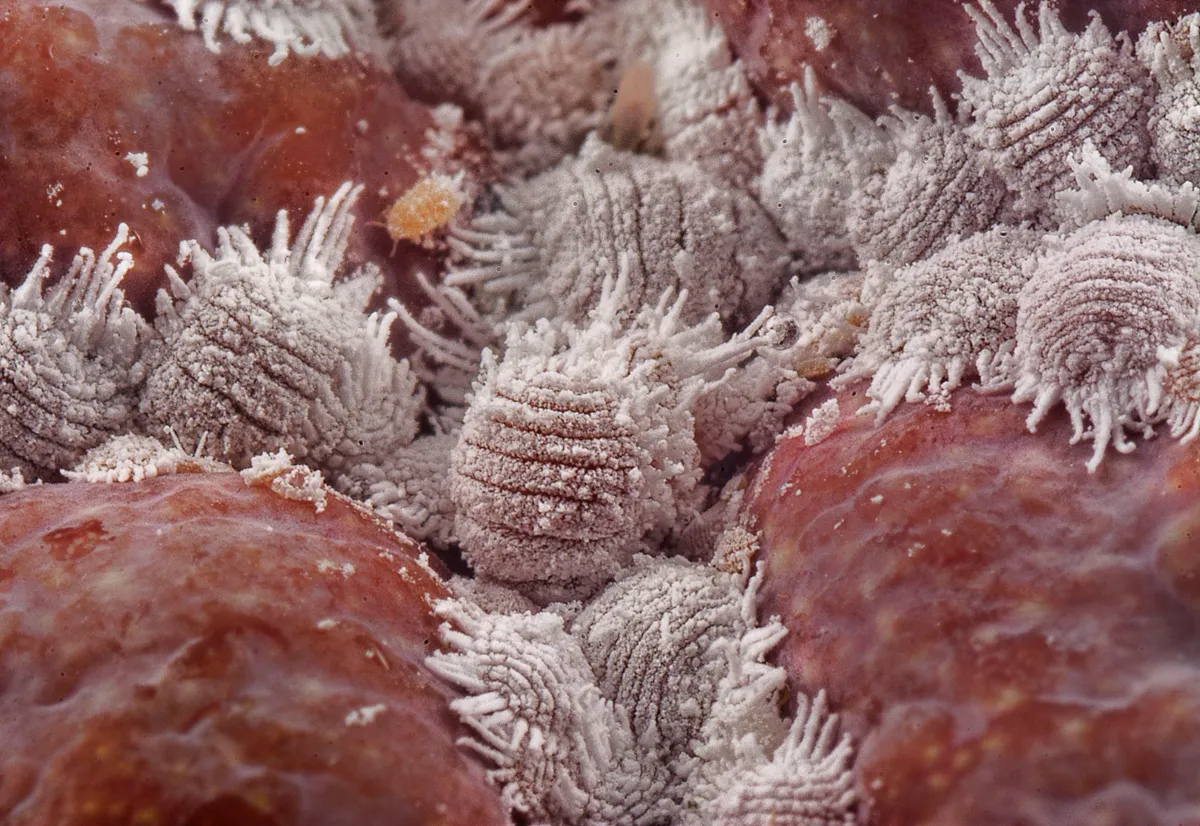
Scale are small sap-sucking insects that cover themselves with a hard or waxy shell-like “scale” (1–5 mm), usually brown, tan, or black. Under that shell they stay fixed in one spot on stems, leaf undersides, and leaf joints, quietly draining sap. Like mealybugs, they excrete sticky honeydew that breeds black sooty mould and attracts ants.
The shell is the whole challenge: it protects them from most sprays, so you have to physically remove them or smother them with oil.
How to identify scale
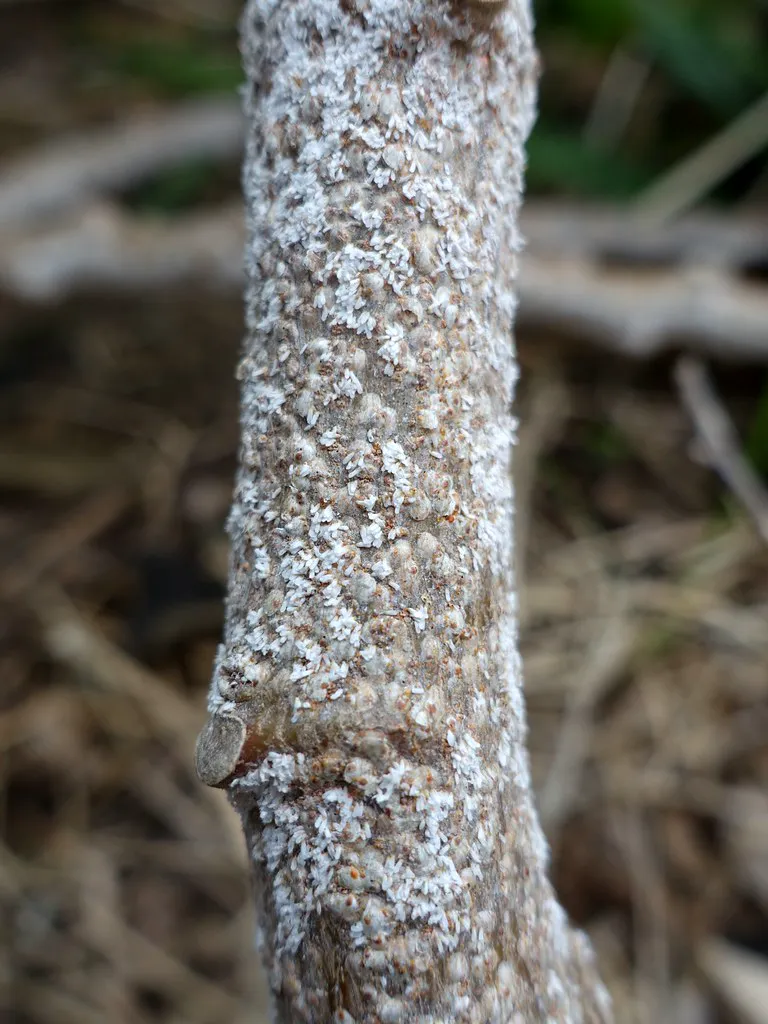
- Raised brown/tan bumps along stems and leaf veins that don’t brush off easily.
- Sticky leaves or sticky residue on the surface/floor below, sometimes with black sooty mould.
- Yellowing leaves, poor growth, and ants on the plant.
- Scrape a bump with a fingernail — if it smears or reveals a soft body underneath, it’s a live insect, not bark.
What causes scale
Scale almost always arrive on a new plant and spread slowly. The mobile “crawler” stage moves to fresh spots, settles, and grows its shell. Warm, sheltered indoor conditions let them breed steadily — common across India’s warm homes year-round.
How to get rid of scale (step by step)
- Isolate the plant from the rest.
- Remove the shells — wipe stems and leaves with a cloth, soft toothbrush, or a cotton bud dipped in 70% rubbing alcohol, physically scraping off the bumps. This is the key step.
- Smother with oil — coat the whole plant with neem oil or horticultural oil; the oil clogs the tiny crawlers’ breathing pores.
- Repeat weekly for 3–4 weeks to catch newly hatched crawlers before they grow shells.
- Prune badly encrusted stems to speed things up.
? Scale kit: rubbing alcohol + cotton buds, neem/horticultural oil, a soft brush.
How to prevent scale
- Quarantine and inspect new plants — check stems and leaf undersides for bumps.
- Wipe leaves regularly; deal with ants that farm and spread them.
- Keep plants healthy and follow a simple routine — see our organic pest control guide.
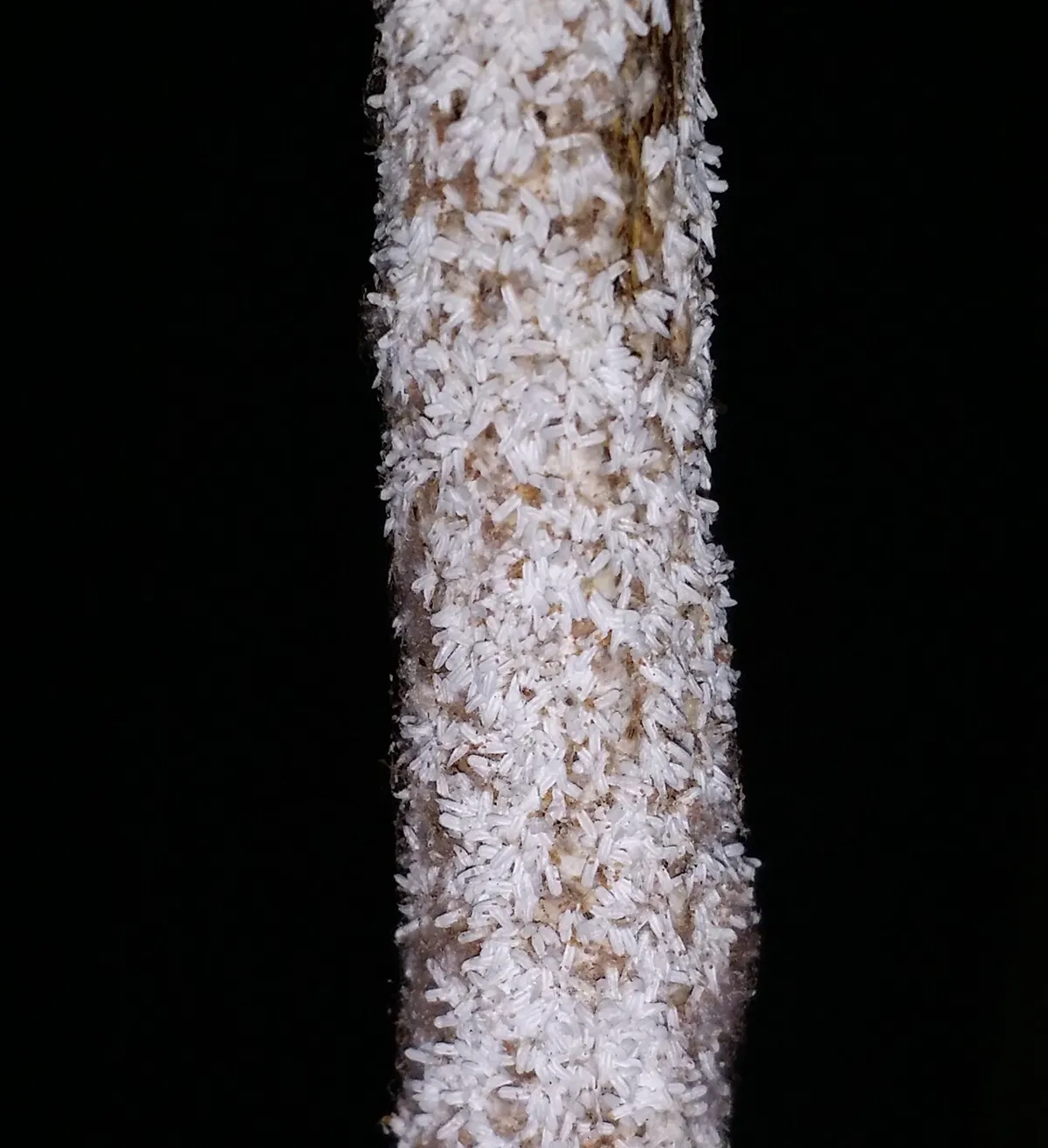
How to recognise scale insects
Scale insects are easy to overlook because they barely look alive. The adults sit still under small brown, tan or waxy bumps, clamped along stems and the undersides of leaves. Many people scratch one off and are surprised to find a soft insect beneath the shell. They simply do not behave like a typical moving pest.
The first clue is often stickiness rather than the scales themselves. Like mealybugs and aphids, scale insects excrete sugary honeydew. You may notice shiny, sticky leaves, a sticky patch on the floor or shelf beneath the plant, or a spreading black sooty mould. Ants marching up the stem are another reliable warning.
A heavily scaled plant looks tired and unwell. Leaves yellow and drop, growth slows, and stems can look crusted with bumps. So if a plant is quietly declining for no obvious reason, run a finger along the stems and leaf veins and feel for those tell-tale bumps.
How to get rid of scale insects
Because the shell repels sprays, the most effective first move is physical removal. For a small outbreak, scrape the scales off gently with a fingernail, an old toothbrush, or a cotton bud dipped in rubbing alcohol. The alcohol both kills the insect and helps loosen its grip. This hands-on step does most of the work.
Follow up with a thorough coating of neem oil or a horticultural oil spray. Oils work well against scale because they smother the insects and the vulnerable young crawlers. Insecticidal soap helps too. Whatever you use, cover stems and leaf undersides completely, as missed scales simply restart the colony.
Persistence wins again here. The eggs and mobile crawlers survive a single treatment, so re-treat every one to two weeks until you see no new scales for several weeks. Prune out badly encrusted stems where practical, and bin the prunings. A diluted neem oil spray on this schedule is a dependable organic answer.
Preventing scale on indoor and garden plants
Scale spreads slowly but steadily, mostly by crawlers moving between touching plants and by infested new purchases. So quarantine new plants for a couple of weeks and inspect their stems closely. Keeping plants spaced a little apart also limits how easily crawlers travel from one to the next.
Healthy, unstressed plants resist scale better and recover faster. Avoid over-feeding with high-nitrogen fertiliser, which encourages the soft growth scale loves. Wipe the stems and leaves of glossy plants occasionally, both to spot early scales and to remove honeydew before sooty mould sets in.
Scale insects trouble citrus, ferns, ficus, bay, ivy and many houseplants, and they are common year-round in warm climates including across India. The RHS notes that outdoors, ladybirds and parasitic wasps keep scale in check, so go easy on harsh sprays. Folding regular stem checks into your pest-control routine stops scale before it ever becomes a crust.
Soft scale and hard scale: a quick note
Gardeners often meet two broad groups of scale. Soft scales are slightly domed and produce a great deal of sticky honeydew. Hard, or armoured, scales sit under a tougher separate shell and produce little honeydew. Both suck sap, but the soft kinds are the ones that make leaves and floors sticky.
The treatment is much the same for both. Physical removal, oils and persistence work on either type. Knowing which you have simply helps you predict the mess. If you see lots of honeydew and sooty mould, you are likely dealing with a soft scale.
Helping a scale-weakened plant recover
A plant that has carried scale for a while is usually tired and depleted. Once you have cleared the pests, give it a little gentle care to rebuild its strength. Wipe away the old honeydew and sooty mould so the leaves can breathe and gather light again. Clean leaves photosynthesise far better.
Prune away any badly encrusted or dead stems, which the plant can no longer support well. This also removes any scales you missed. Feed lightly once new growth appears, rather than all at once, since a stressed plant cannot use a heavy dose.
Keep checking the plant weekly for a month or two after you think it is clear. Scale is famous for quietly returning from a few survivors. A short, regular inspection catches any comeback while it is still just one or two bumps. With steady attention, even a badly affected plant usually bounces back.
Above all, be patient and consistent. Scale rewards routine more than any single powerful spray. A few minutes each week, kept up over a couple of months, clears even stubborn infestations for good.
Related guides
- Brown Rot on Fruit Trees
- Root-Knot Nematodes
- Capsid Bugs: How to Identify and Get Rid of Them
- Best Slug Killers
- Best Garden Pest Spray
- Best Aphid Killer
Frequently asked questions
Are those brown bumps scale or just part of the plant?
Scrape one with a fingernail. If it pops off or smears to reveal a soft body, it’s a live scale insect, not bark.
Why don't sprays kill scale?
Their hard shell repels most sprays. Physically scrape them off first, then smother the crawlers with neem or horticultural oil.
Why are my leaves sticky?
Scale (and mealybugs) excrete sticky honeydew, which can also turn into black sooty mould. Sticky leaves are a strong sign of an infestation.
How long until scale is gone?
Usually 3–4 weeks of weekly scraping and oiling, because crawlers keep hatching. Stay consistent and check hidden spots.
Where do scale insects come from?
Most infestations hitchhike in on a new plant, a gift bouquet, or a houseplant that spent the summer outdoors. Scale can also arrive on reused pots, tools, and occasionally in unsterilised potting mix. The adults barely move, so an outbreak in your home almost always traces back to something you carried inside. Quarantine every new plant away from your collection for two to three weeks and inspect stems and leaf undersides before it joins the group.
Do scale insects spread to other plants?
Yes. The adults are anchored in place, but the freshly hatched crawlers are tiny, mobile, and nearly invisible. They walk across touching leaves, ride air currents from fans and open windows, and can even travel on your hands and sleeves. That is why one infested plant quietly becomes five. Separate any affected plant immediately, treat it in isolation, and check its former neighbours weekly for a month before declaring them clean.
Does neem oil kill scale insects?
Neem oil works, but mainly on the crawler stage — it smothers young scale and disrupts their feeding and development. Armoured adults under their waxy shells are much harder to reach, which is why a single spray never ends an infestation. Scrape or wipe off visible adults first, then spray neem thoroughly every 5 to 7 days for several weeks to catch each new hatch. Coat stems and leaf undersides, and keep treated plants out of direct sun.
Does rubbing alcohol kill scale?
Yes, 70% isopropyl alcohol kills scale on contact and is one of the most reliable spot treatments. Dip a cotton swab and dab each insect directly; the alcohol dissolves the protective coating and the pest underneath dies quickly. For larger plants, some growers add a splash of alcohol to insecticidal soap spray. Test a leaf first and wait 48 hours, because ferns, succulents with a powdery bloom, and thin-leaved plants can be sensitive.
Do scale insects live in the soil?
Ordinary scale insects live on stems and leaves, not in soil, so you rarely need to replace the potting mix for scale alone. The exception is their cousin the root mealybug, which does feed on roots and shows up as white deposits when you slide the plant from its pot. If a heavily infested plant keeps relapsing after good top-growth treatment, check the roots. Otherwise, focus your effort where scale actually feeds — the plant itself.
Are scale insects harmful to humans or pets?
No. Scale insects do not bite, sting, or carry disease — they feed only on plant sap and are harmless to people, cats, and dogs. The real nuisance is the sticky honeydew they excrete, which drips onto floors and furniture and grows black sooty mould. Treating an infestation is about saving the plant and keeping surfaces clean, not personal safety, so there is no need for harsh indoor pesticides where soap, oil, and alcohol will do.
Should I throw away a plant with scale?
Usually not. Light to moderate infestations respond well to a few weeks of scraping, alcohol dabbing, and oil sprays. Consider discarding only when a plant is completely encrusted, badly weakened, and cheap to replace — the effort and reinfection risk may outweigh its value. If you do bin a plant, bag it before carrying it through the house so crawlers do not drop off en route, and disinfect the pot before reusing it.
How do I stop scale from coming back?
Prevention is mostly hygiene and vigilance. Quarantine new plants for two to three weeks, inspect leaf joints and undersides monthly, and wipe foliage occasionally so you spot bumps early. Avoid over-fertilising with nitrogen, which produces the soft, sappy growth scale loves. Keep plants unstressed with steady watering and good light, and clean pruning tools between plants. Outdoors, encourage natural enemies such as ladybirds and parasitic wasps rather than spraying broad-spectrum insecticides.
Sources and further reading
Still stuck? Ask the Plant Doctor
Describe the problem — yellow leaves, holes, no flowers — and get a clear answer in seconds. FreeAI can make mistakes. Answers are guidance, not a guarantee — check anything important against the guide it links to, and always read the label on any product before you use it.