How to Grow Mahlab
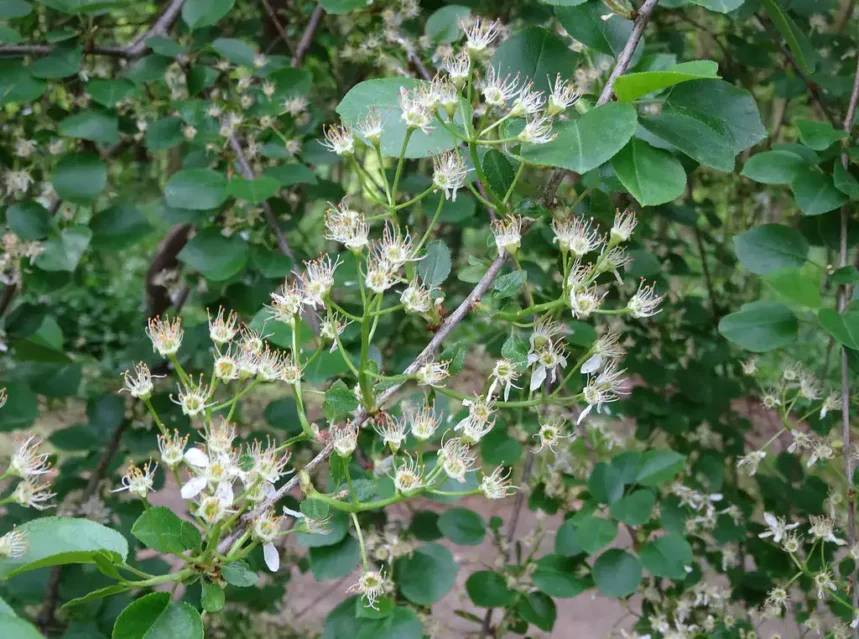
Mahlab is the fragrant spice ground from the inner kernel of the mahaleb cherry stone (Prunus mahaleb), a hardy Mediterranean cherry tree grown for its almond-and-cherry-scented seed. Unlike most spices, the prize is hidden inside a tiny cherry pit, cracked open to reveal a kernel that flavours the holiday breads of Greece, the Middle East, and beyond. The tree itself is a beautiful, tough, blossom-laden ornamental. Here is the complete guide on how to grow mahlab.
Quick start: Grow the mahaleb cherry in full sun and well-drained soil, where it is very hardy and undemanding. Plant a young tree or soaked seed in autumn or spring. It tolerates poor soil and dry conditions once established. Harvest the small cherries when ripe, then crack the stones to extract the inner kernel, which is dried and ground into mahlab.
Growers of the mahaleb cherry describe it as one of the toughest, most forgiving small trees you can plant. It shrugs off poor soil, drought, and cold, and rewards you each spring with clouds of sweetly scented white blossom. The lessons that matter are about the harvest. The edible spice is the inner kernel of the stone, not the thin sour cherry flesh, and the raw kernels and pits should never be eaten straight from the tree — they are processed and used in small, ground amounts. Plant it in a sunny, well-drained spot, and it makes a lovely ornamental that happens to yield a rare and aromatic spice.
🧰 In a hurry? Jump straight to our tested picks for this guide ↓
Mahlab at a glance
| Feature | Detail |
|---|---|
| Botanical name | Prunus mahaleb (family Rosaceae) |
| Common names | Mahlab, mahaleb cherry, St Lucie cherry |
| Plant type | Deciduous cherry tree or large shrub |
| Height | 2–10 m |
| Light | Full sun to partial shade |
| Soil | Well-drained; tolerates poor, dry soil; any pH |
| Climate | Hardy Mediterranean; tolerates cold and drought |
| Harvest | Inner kernel of the cherry stone, dried and ground |
| Propagation | Soaked seed or young tree |
Why grow mahlab?
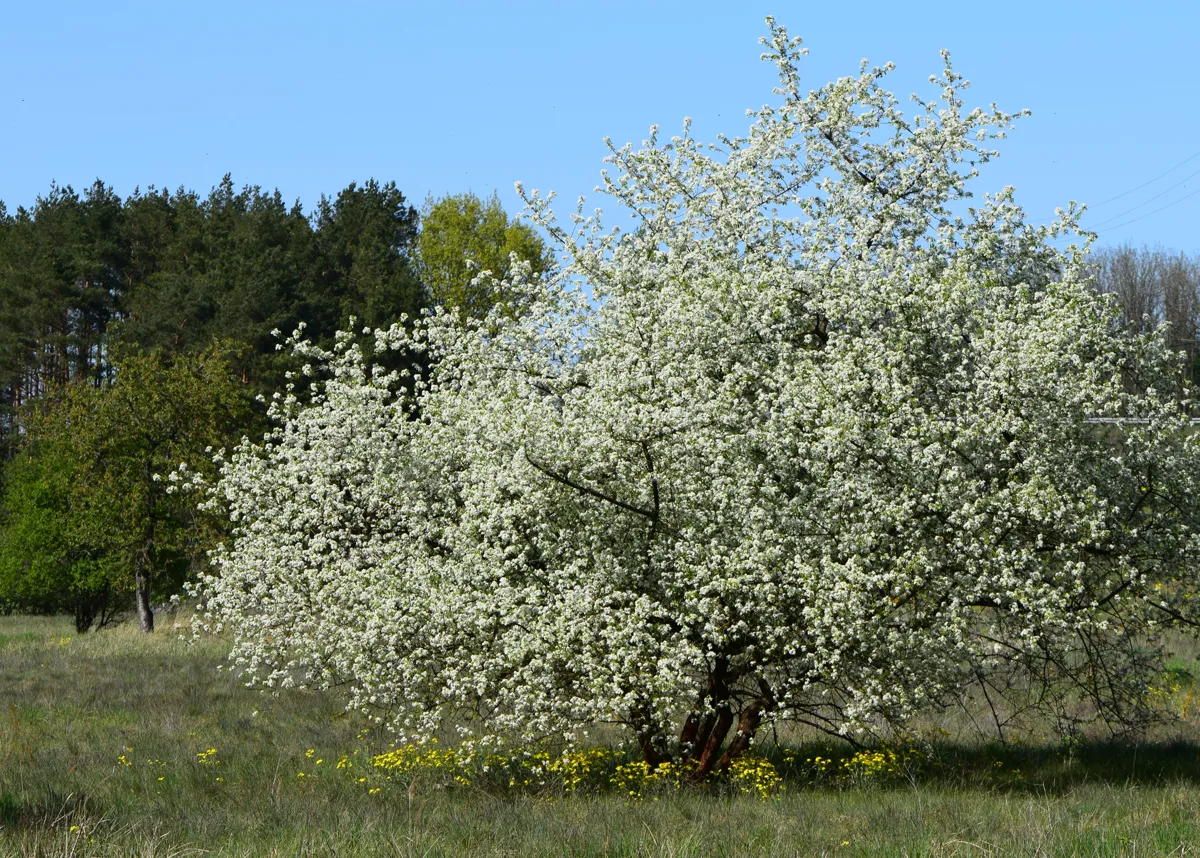
The mahaleb cherry is a wonderful ornamental that also yields a rare spice. In spring it is smothered in clouds of small, fragrant white blossoms, followed by neat foliage and small cherries, making a graceful specimen tree for any sunny garden. It is also famously tough, thriving where fussier trees fail.
The spice is the hidden reward. Mahlab — the ground kernel — has a unique scent of almond and cherry with a hint of vanilla, and it is hard to buy fresh outside speciality shops. It flavours the celebration breads of Greece, Turkey, the Levant, and Armenia. Growing your own gives you both a beautiful tree and a renewable supply of a genuinely uncommon spice.
History, origin & the spice of celebration
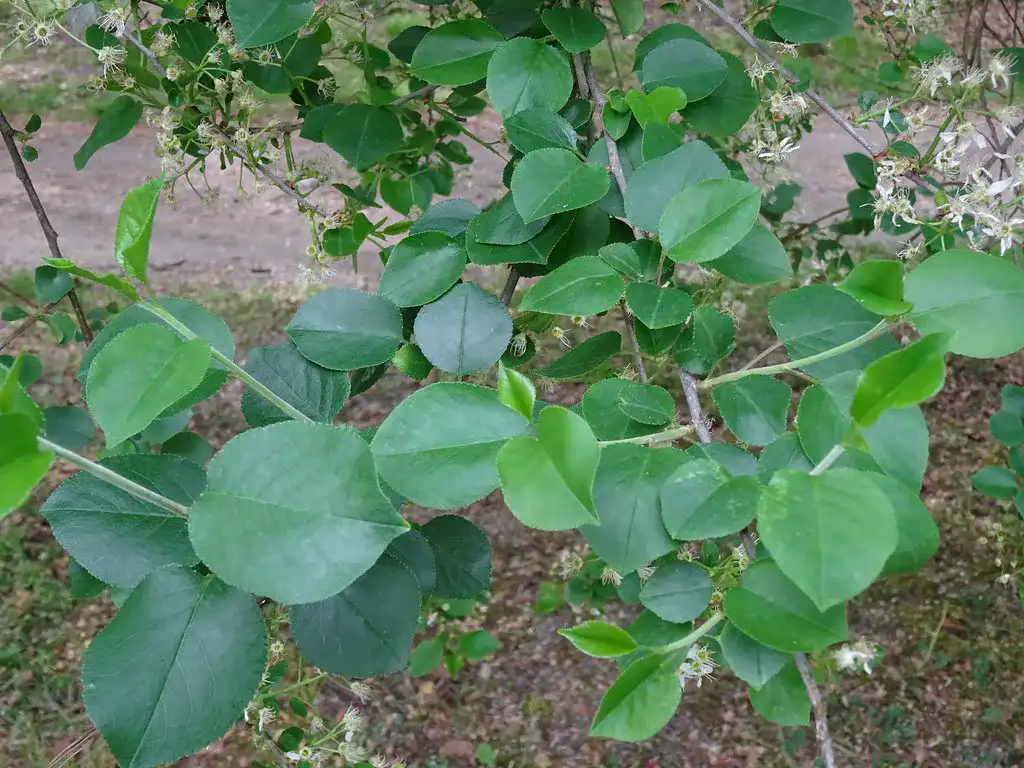
The mahaleb cherry is native to the Mediterranean region, Iran, and parts of Central Asia, where it has grown wild for thousands of years (see Wikipedia’s overview). It has long been valued for its aromatic wood and, above all, for the fragrant kernel of its small fruit.
Mahlab is, more than anything, a spice of celebration. Its almond-vanilla aroma defines festive and holiday breads across the eastern Mediterranean and Middle East — Greek tsoureki and Easter breads, Middle Eastern ma’amoul cookies, and Armenian and Turkish sweet loaves. For these baking traditions, mahlab is irreplaceable.
In India, mahlab is not a traditional spice and is essentially unknown in local cooking. The tree could, however, be grown by enthusiasts in the cooler, temperate northern hill regions, which suit its hardy, Mediterranean nature far better than the hot plains. Today it is grown mainly around the Mediterranean and the Middle East, both for spice and as a hardy rootstock for cultivated cherries.
Best season & when to plant
Plant the mahaleb cherry in autumn or spring, the classic windows for establishing deciduous trees. Autumn planting lets the roots settle over winter for strong spring growth, while spring suits colder areas.
Its great strength is hardiness. It thrives across cool-temperate gardens in the US, UK, and Europe, and tolerates both cold winters and dry summers. In India, it suits only the cooler northern hills; the warm, humid plains do not provide the winter chill and dry conditions this Mediterranean tree prefers.
How to plant the mahaleb cherry
Mahlab is easiest from a young nursery tree, but it also grows well from seed. As with most cherries, the seed benefits from a pre-treatment to break dormancy, as the Plants For A Future database notes.
To plant well:
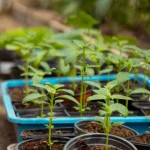
- Soak seed for 24 hours, then sow about 2–3 cm deep; cold winter stratification helps it germinate.
- Choose a spot in full sun to partial shade with well-drained soil (see improving garden soil).
- It tolerates poor, dry, even stony soil of almost any pH, so it is easy to place.
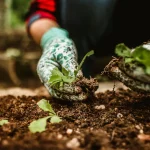
- Plant at the nursery depth, water in well, and stake young trees in exposed spots.
Water through the first season to establish, after which the tree is notably drought-tolerant and needs little attention.
Light, soil, watering & feeding
The mahaleb cherry wants full sun for the best blossom and fruiting, though it tolerates light shade. It is wonderfully unfussy about soil, growing in sandy, loamy, or clay ground and even in nutritionally poor sites, as long as drainage is reasonable.
Water young trees in dry spells, but established ones are drought-tolerant and rarely need it (see how often to water plants). Avoid overwatering, which causes root rot. Feeding is rarely necessary, as the tree grows happily in lean conditions — this is one of the lowest-maintenance spice trees you can keep.
Growing mahlab in pots
The mahaleb cherry can be grown in a large container while young, which suits small gardens, though it ultimately prefers the open ground to reach its full, blossom-laden size.
Use a large pot with excellent drainage and a loam-based mix. Keep it in full sun, water when the soil is dry, and avoid letting it stand wet. It is fully hardy, so it needs no winter protection in most temperate areas. Pot-grown trees will be smaller and crop less, so for a real harvest, plant it out in a sunny spot when you can.
Harvesting mahlab from the cherry stones
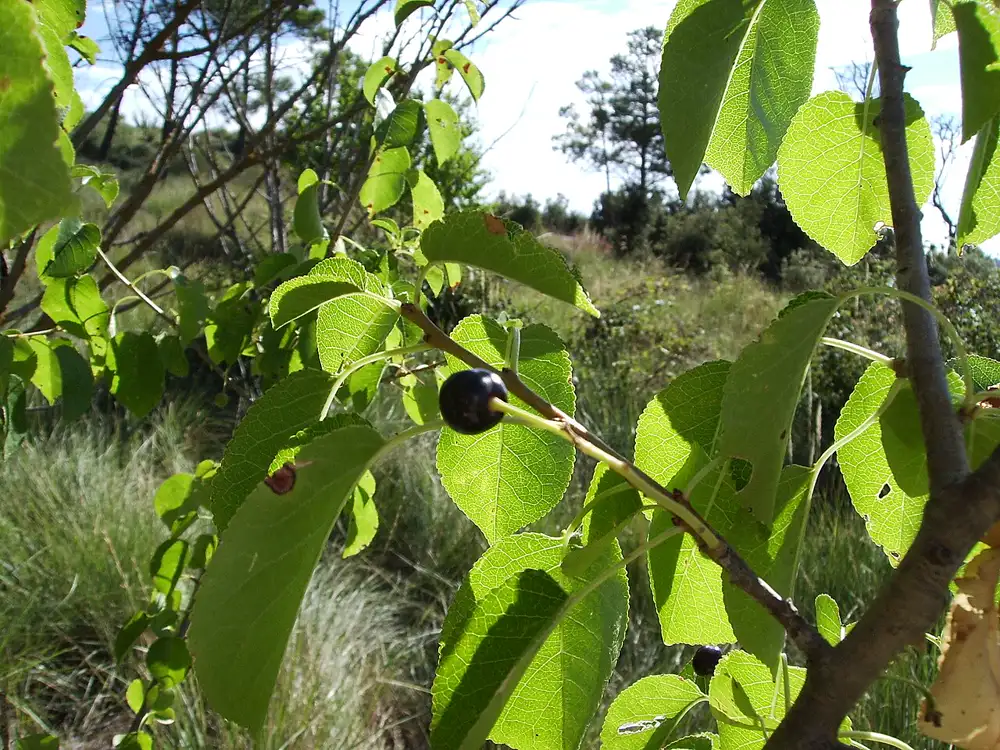
This is the unusual part. The spice is not the fruit but the kernel inside the cherry stone, so harvesting takes an extra step. The small cherries ripen to dark red or black in summer.
To harvest and make your own mahlab:
- Collect the ripe cherries and remove the thin, sour flesh.
- Crack the stones to extract the small inner kernel, about 5 mm across.
- Dry the kernels thoroughly in a warm, airy place.
- Store them whole and grind to a powder just before baking, as the aroma fades quickly once ground.
A little goes a long way, so even a modest crop of stones yields plenty of this fragrant baking spice.
Common pests & diseases
The mahaleb cherry is tough and generally resistant to problems. As a cherry, it can occasionally attract typical fruit-tree pests such as aphids, scale insects, and cherry fruit flies, plus the usual Prunus diseases like silver leaf or bacterial canker in poor conditions, which the RHS describes for cherries.
Good drainage, full sun, and airflow prevent most issues, and the tree’s natural toughness does the rest. Treat any pest outbreaks early with the methods in our organic pest control guide, and remove diseased wood promptly.
Health benefits & uses of mahlab
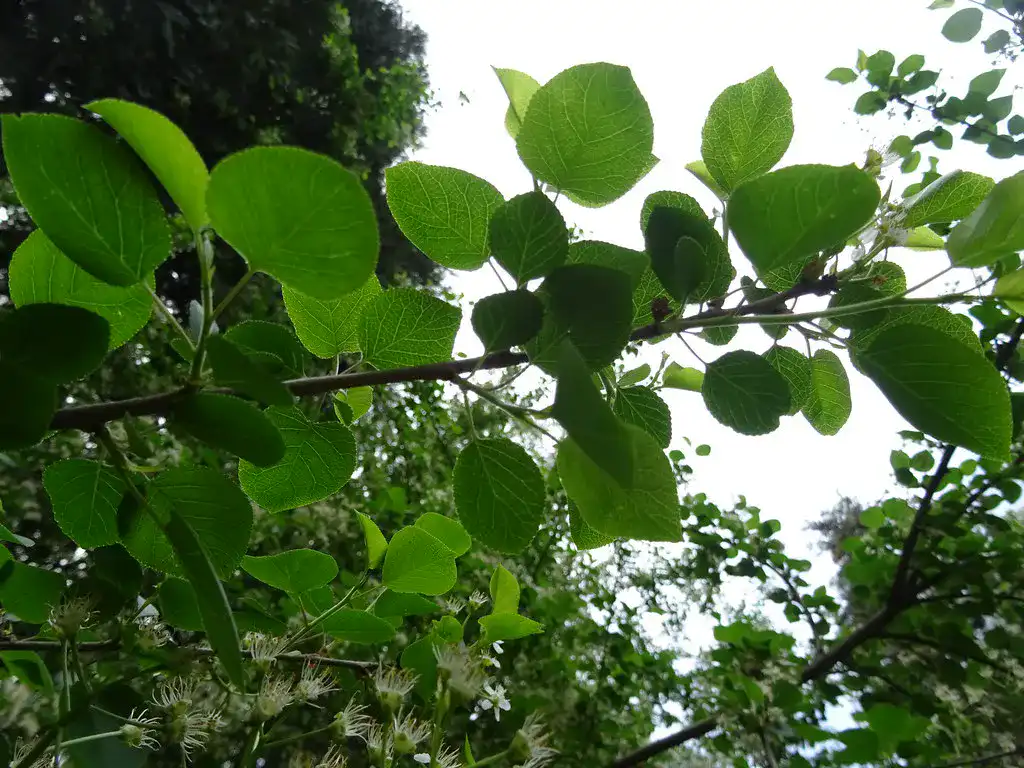
Mahlab’s distinctive almond-cherry-vanilla aroma comes from aromatic compounds in the kernel, including coumarin. The rewards of growing your own are firmly in the kitchen:
- In baking: ground mahlab is the signature scent of festive breads and cookies — Greek tsoureki and Easter bread, Middle Eastern ma’amoul, and Armenian and Turkish sweet loaves.
- Use sparingly: the flavour is strong and best freshly ground, so a small amount perfumes a whole batch of dough.
- An ornamental bonus: beyond the spice, the tree gives fragrant spring blossom and is a hardy, attractive garden specimen.
- A safety note: only the processed, ground kernel is used as a spice, and always in small amounts. Do not eat raw cherry pits or kernels straight from the tree.
This article is for general information only and is not medical advice. Raw cherry kernels should not be eaten; use only properly prepared culinary mahlab, and consult a qualified professional before using any plant medicinally.
Common mahlab problems
Seed will not germinate
Cherry seed needs cold to break dormancy. Soak it, then give it a period of cold winter stratification before it sprouts in spring.
Few flowers or cherries
Usually too much shade or a young tree. Give full sun and time; the mahaleb cherry blossoms generously once established.
Branches dying back
Often a Prunus disease such as silver leaf or canker, or waterlogged soil. Prune in dry summer weather, improve drainage, and remove affected wood.
Related plant guides
- How to grow Sumac
- How to grow Pink Peppercorn
- How to grow Juniper Berry
- How to grow Sichuan Pepper
- How to grow Osmanthus
- How to grow Almond
Frequently asked questions
What is mahlab made from?
Mahlab is the ground inner kernel of the mahaleb cherry stone (Prunus mahaleb). The kernels are dried and ground into a fragrant baking spice that smells of almond, cherry, and vanilla.
What does mahlab taste like?
It has a sweet, nutty aroma of almond and cherry with a hint of vanilla, and a faintly bitter edge, which is why it is used in small amounts in sweet breads and cookies.
Is the mahaleb cherry fruit edible?
The thin flesh is sour and not usually eaten. The spice is the processed inner kernel of the stone. Never eat raw cherry pits or kernels straight from the tree.
Can mahlab grow in India?
Only in the cooler, temperate northern hills, which suit its hardy Mediterranean nature. The hot, humid plains do not provide the chill and dry conditions it prefers.
How big does a mahaleb cherry tree grow?
It is a large shrub or small tree, typically 6-10 m tall with a rounded, twiggy crown, and it stays noticeably smaller on poor, dry ground. That makes it far more compact than a sweet cherry and easy to manage in a home orchard. It also takes well to being kept as a multi-stemmed shrub if you prefer. Give it an open, sunny spot with sharp drainage and it needs very little attention afterwards.
Is mahaleb cherry used as a rootstock?
Yes, and this is actually its biggest commercial role worldwide. Nurseries graft sweet cherry varieties onto Prunus mahaleb because it tolerates dry, shallow, limy soils that would kill other rootstocks, and it brings trees into cropping early. It is not universally compatible, though: some sweet cherry cultivars form poor graft unions on mahaleb, so growers on heavy or wet ground usually choose mazzard (Prunus avium) instead. If you buy a cherry tree labelled “on Mahaleb”, that is what the label means.
Is mahaleb cherry invasive?
Across its native range in the Mediterranean, western Asia and central Europe it is simply a wild hedgerow tree. In parts of North America it has escaped from old homesteads and naturalised along fencerows, bluffs and roadsides, spread by birds eating the fruit, so several regional weed boards now track it even though it is not a federally listed noxious weed. If you garden in the western or midwestern United States, check your county list before planting. Pulling seedlings while they are small keeps it easily contained.
Does a mahaleb cherry need a pollination partner?
It is insect-pollinated and largely self-compatible, and selected forms such as the Hungarian variety ‘Korponay’ are described as self-fertile, so a single tree can set fruit. Even so, a second tree nearby generally improves the crop, because seedling-raised trees vary a lot in how freely they set. Plenty of early-spring bee activity matters more than the variety you choose. The heavily scented white blossom does most of the work of attracting them.
How many years before a mahaleb tree fruits?
A grafted plant may fruit in about three to four years, while a seedling usually takes five to seven before it crops reliably. The fruit itself is small and sour and is not really the point — you are growing the tree for the kernel inside the stone. Expect an honest wait, and plant more than one if you want enough kernels to be worth processing. Trees crop much more heavily once fully established.
How do you turn your own harvest into mahlab spice?
Collect the fruit when fully ripe and almost black, strip off the flesh, then wash and dry the stones thoroughly. Crack each stone carefully to release the soft, pale kernel inside, and dry the kernels again before storing them whole. Grind only what you need for a recipe, because the aroma fades quickly once the kernel is powdered. Use it in small pinches, since too much turns baked goods unpleasantly bitter.
How should mahlab be stored?
Store whole kernels in an airtight jar somewhere cool and dark and they hold their fragrance for a year or more, and the freezer extends that further. Ready-ground mahlab powder loses its almond-and-cherry aroma within a few months and can turn rancid, which is why bakers who use it regularly buy or keep it whole. If your mahlab smells flat or slightly stale rather than sweetly nutty, replace it.
What is mahlab known as in India?
There is no widespread traditional Indian name for it, because the tree is not grown across most of the subcontinent — it is a Mediterranean and West Asian spice. It usually reaches Indian kitchens through Middle Eastern grocers and online spice sellers, sold under the Arabic-derived name mahlab or mahleb. Gardeners in the temperate northern hills have the best chance of raising the tree itself. For everyone else, buying the kernels is far more practical than growing them.
Is mahlab safe around pets?
Mahlab comes from the stone of Prunus mahaleb, and the whole Prunus family carries the same warning. The ASPCA lists relatives such as plum (Prunus domestica) and peach as toxic to dogs, cats and horses, because the stems, leaves and seeds contain cyanogenic glycosides. Wilting leaves after pruning are the highest risk of all. The ground spice you buy is processed and used in tiny amounts, so it is not the concern here — the tree in the garden is. So rake up prunings and fallen fruit before you let a pet into the area. Contact a vet if a pet has eaten a lot. This is general information, not veterinary advice.
Still stuck? Ask the Plant Doctor
Describe the problem — yellow leaves, holes, no flowers — and get a clear answer in seconds. FreeAI can make mistakes. Answers are guidance, not a guarantee — check anything important against the guide it links to, and always read the label on any product before you use it.