How to Grow Sumac
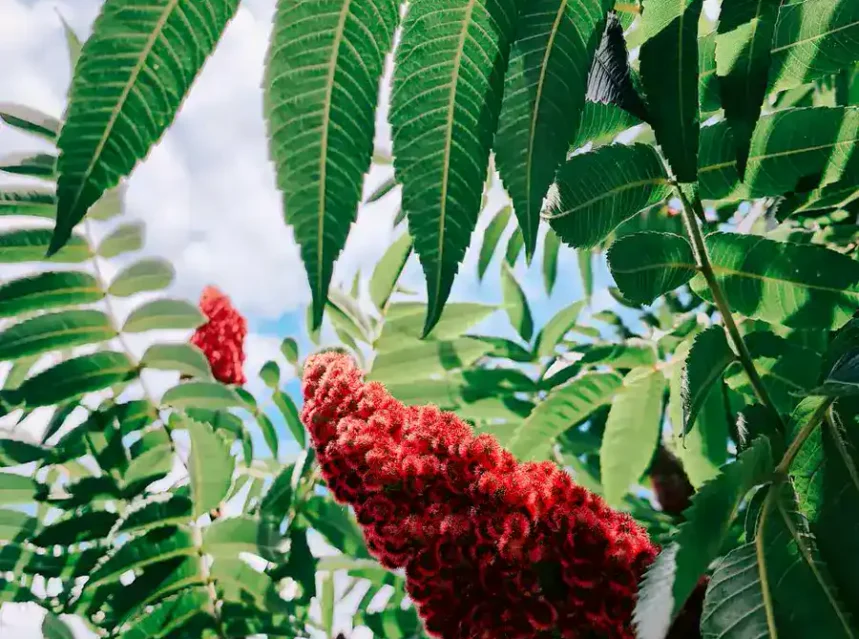
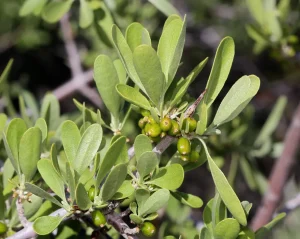
Sumac is the dried, ground fruit of the culinary sumac shrub (Rhus coriaria), a hardy Mediterranean relative of the cashew grown for its tangy, lemon-red berries. Those crimson clusters are dried and crushed into the bright, sour-fruity spice that powers za’atar, fattoush, and grilled meats across the Middle East. Better still, it is a tough, drought-tolerant shrub that suits cold gardens. Here is the complete guide on how to grow sumac.
Quick start: Plant culinary sumac in full sun and well-drained soil. It is genuinely hardy, thriving in USDA zones 5–9, and once established it shrugs off drought. Grow it from a nursery plant or scarified seed, water while young, and harvest the red berry clusters in late summer to autumn, then dry and crush them for the spice.
Growers who keep culinary sumac, from Mediterranean gardeners to permaculture enthusiasts in cooler countries, describe it as a tough, generous, almost carefree shrub. The lessons that come up most often are about identification and spread. First, make sure you are growing edible Rhus coriaria and never confuse it with unrelated poison sumac, which looks quite different and grows in wet ground. Second, many ornamental sumacs sucker freely and can colonise a bed, so give the plant room or grow it where you can manage its roots. Get the right species in a sunny, well-drained spot, and it rewards you with both spice and fiery autumn colour.
🧰 In a hurry? Jump straight to our tested picks for this guide ↓
Sumac at a glance
| Feature | Detail |
|---|---|
| Botanical name | Rhus coriaria (family Anacardiaceae) |
| Common names | Culinary sumac, Sicilian sumac, tanner’s sumac |
| Plant type | Deciduous shrub or small tree |
| Height | 2–4 m |
| Light | Full sun, 6–8 hours a day |
| Soil | Well-drained; pH 6.5–7.5; tolerates poor ground |
| Climate | Hardy, USDA zones 5–9; loves dry summers |
| Harvest | Red berry clusters in late summer to autumn |
| Spice part | The dried, crushed berries (with seeds sieved out) |
Why grow sumac?
Culinary sumac is the rare spice plant that doubles as a stunning ornamental and survives hard winters. It forms an easy, drought-tolerant shrub that bursts into fiery red and orange autumn colour, topped with showy crimson berry clusters. Few spice plants earn their place in the garden on looks alone like this one does.
The spice itself is special too. Ground sumac brings a bright, tangy, lemony sourness that no other spice quite matches, and good-quality sumac is not always easy to buy fresh. Growing your own gives you a generous, free supply of one of the Middle East’s most loved seasonings, straight from a shrub that mostly looks after itself.
Edible vs poison sumac: know the difference
This is the one section to read carefully. The name “sumac” covers both the prized culinary plant and an unrelated toxic one, so it pays to know them apart before you plant or forage.
| Trait | Culinary sumac | Poison sumac |
|---|---|---|
| Species | Rhus coriaria and red-berried Rhus | Toxicodendron vernix |
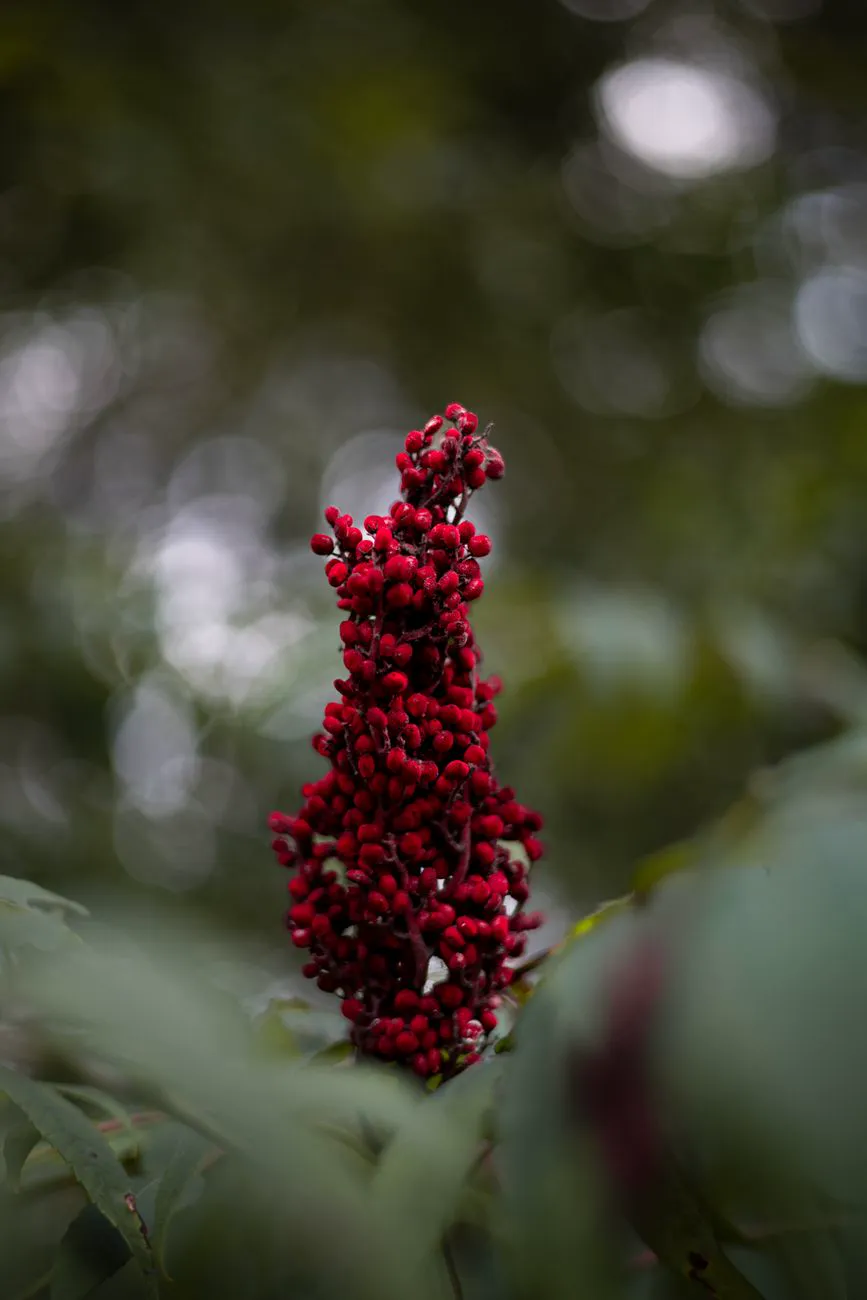
| Berries | Red, in upright cone-shaped clusters | White or cream, in loose drooping clusters |
| Habitat | Dry, sunny, well-drained ground | Wet swamps and bogs |
| Safety | Edible spice | Highly irritant — do not touch |
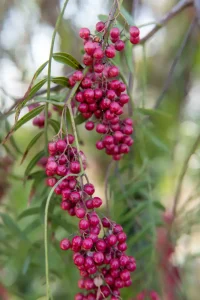
The simple rule is reassuring: red, upright berry clusters on dry ground are the edible kind, while white, drooping berries in a swamp are poison sumac. Grow a named Rhus coriaria from a nursery and there is no doubt at all.
History, origin & culinary roots
Culinary sumac is native to the Mediterranean and the Middle East, especially Sicily, Turkey, Iran, and the Levant. People have used it for thousands of years, both as a souring spice and, thanks to its high tannin content, for tanning leather — hence the old name tanner’s sumac (see the Encyclopaedia Britannica).
Long before lemons reached the region, sumac was the main way cooks added sourness to food. The Romans used it as a souring agent, and across the Middle East it became, and remains, a daily seasoning. Crushed sumac mixed with dried herbs and sesame is the heart of za’atar, while a sprinkle brightens fattoush salad, kebabs, hummus, and rice.
In India, culinary sumac is not traditional and is mostly known to cooks exploring Middle Eastern food, where it is bought as an imported spice. In the cooler, drier hill regions, though, a keen gardener could grow Rhus coriaria as an unusual edible ornamental. Today the Mediterranean, Turkey, and Iran remain the main producers.
Best season & when to plant
Plant sumac in spring or autumn, the usual windows for hardy shrubs and trees. Container-grown plants can go in at almost any frost-free time, with autumn planting giving the roots a head start before summer.
Sumac’s great strength is its hardiness. In the US, UK, and Europe it grows happily outdoors across zones 5–9 and positively enjoys a hot, dry summer. In India, it suits the cooler, drier northern hills far better than the humid plains, where excess monsoon wet does not agree with its Mediterranean nature.
How to plant sumac
Sumac is easy to start from a nursery plant, or from seed if you are patient. Seed has a hard coat, so scarify it by rubbing lightly with sandpaper and soaking in water for 24 hours before sowing. The Rhus coriaria (Wikipedia) database confirms this pre-treatment improves germination.
To plant well:
- Choose a spot in full sun, with six to eight hours of direct light.
- Use well-drained soil; sumac tolerates poor ground but hates waterlogging (see improving garden soil).
- Improve heavy clay with compost or grit before planting.
- Give it room, as the shrub spreads and many sumacs sucker from the roots.
Water a young plant regularly to establish it, then let it toughen up — sumac genuinely prefers lean, dry conditions once settled.
Light, soil, watering & feeding
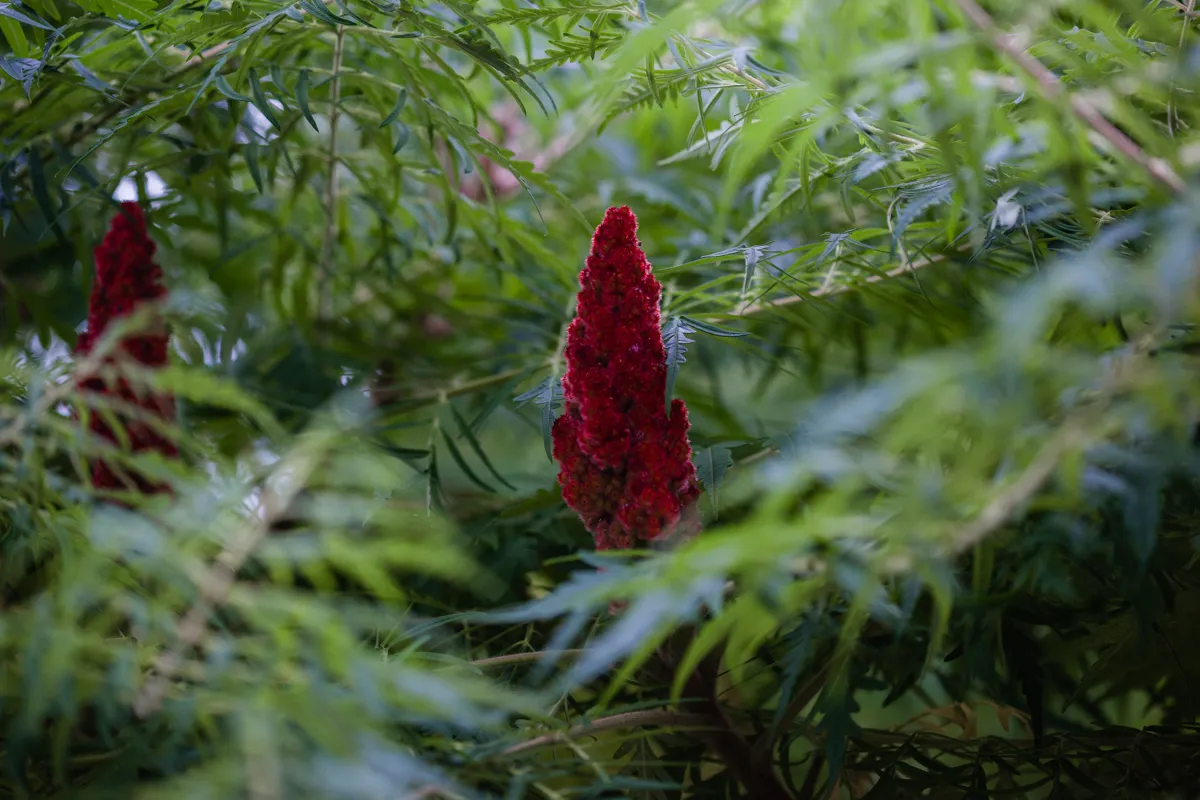
Sumac demands full sun for the best berries and autumn colour, and it is wonderfully unfussy about soil as long as it drains freely. It even thrives on dry, stony, poor ground where many plants struggle.
While young, water regularly to keep the soil evenly moist (see how often to water plants). Once mature, it is drought-tolerant and needs little extra water. Feeding is rarely necessary; a light spring application of balanced, slow-release fertiliser is plenty if the soil is poor. Over-feeding simply produces soft, floppy growth.
Growing sumac in pots & managing spread
Sumac grows well in a large pot, which has a real bonus: it contains the suckering roots that can otherwise spread through a border. A container is ideal for small gardens or for keeping the plant tidy.
Use a big pot with excellent drainage and a free-draining, loam-based mix. Keep it in full sun, water in summer since pots dry quickly, and prune in late winter to maintain shape. In the open garden, manage spread by removing root suckers as they appear, or by planting where mowing keeps them in check. A barrier sunk into the soil also helps contain the roots.
Harvesting & drying sumac
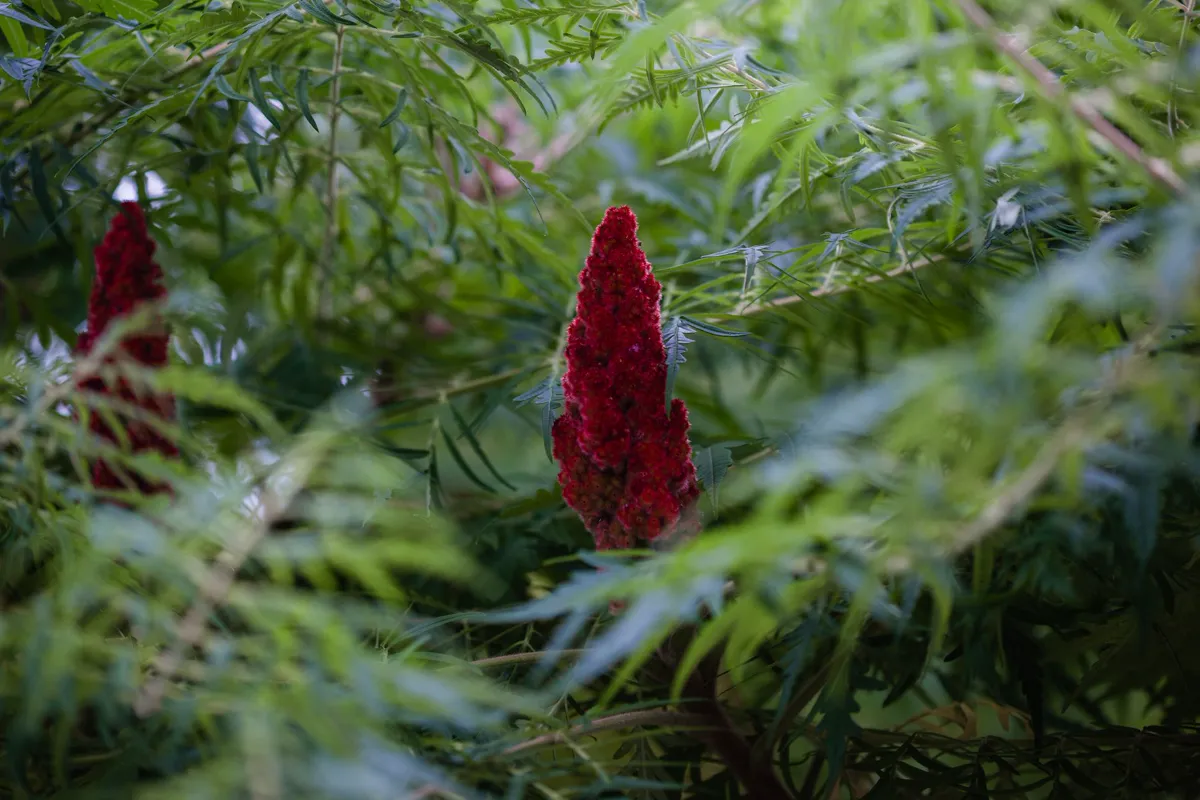
Harvest comes in late summer to early autumn, when the berry clusters ripen to a deep, dusty red. Taste a berry — a good lemony tartness means they are ready. Pick before heavy autumn rain, which can wash away the flavoursome surface coating.
To harvest and dry your own:
- Cut the whole red berry clusters from the shrub.
- Hang them upside down to dry in a warm, well-ventilated spot.
- Once dry, rub the berries off the stems and lightly crush them.
- Sieve out the hard inner seeds, keeping the tangy red flesh, then store it in an airtight jar.
The flavour lives in the dried red outer flesh, so grinding coarsely and sieving gives you the brightest, most useful spice.
Common pests & diseases
Sumac is tough and largely trouble-free. The main risk is root rot in heavy, wet soil, which simply does not suit a Mediterranean plant — good drainage prevents it. Verticillium wilt can occasionally affect Rhus species, causing branches to die back, as the RHS notes for the genus.
Pests are few, though aphids may gather on soft new growth and scale insects on stems. Treat them early with the methods in our organic pest control guide. Otherwise this is one of the most resilient spice plants you can grow.
Health benefits & uses of sumac
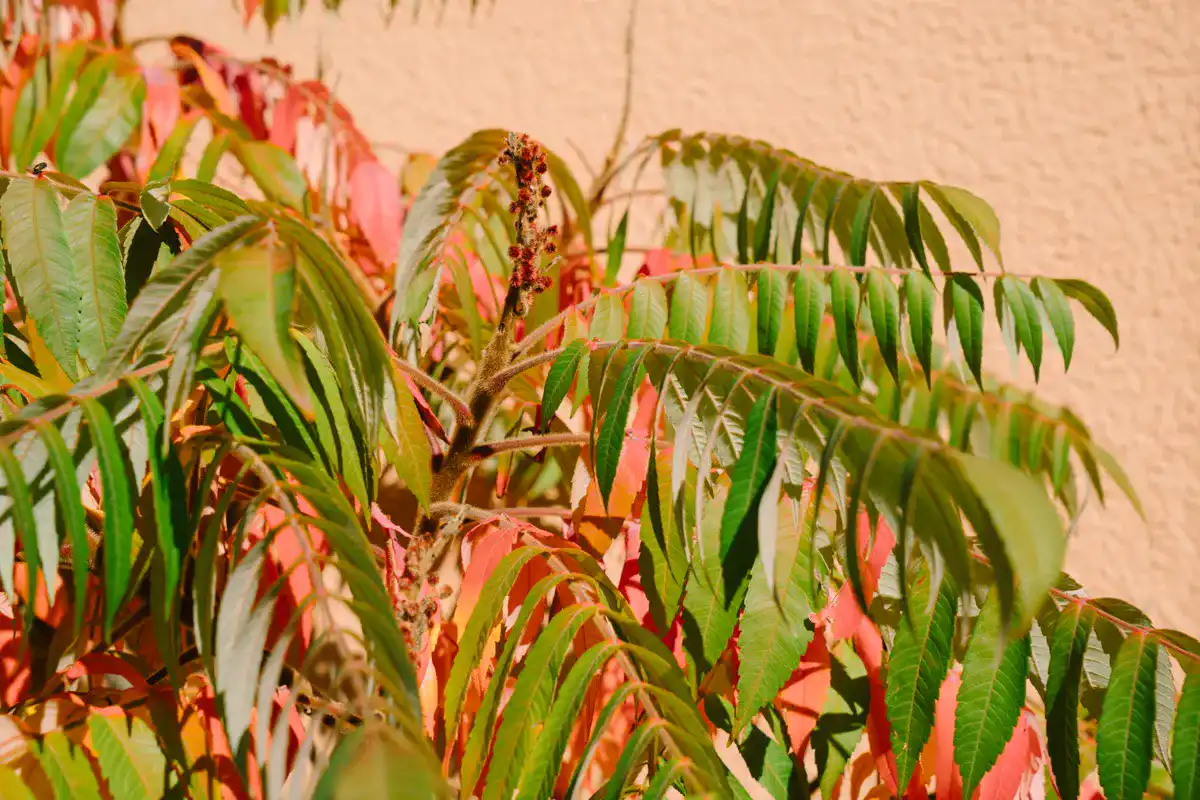
Sumac’s bright sourness comes from malic and other fruit acids, and the berries carry tannins and antioxidants. FoodData Central has no row for culinary sumac, so no reference per-100 g figure exists for it. The rewards of growing your own are mostly in the kitchen:
- In the kitchen: a sprinkle of ground sumac adds lemony tang to grilled meats, fish, hummus, rice, roasted vegetables, and salads like fattoush. It is the signature sour note of Levantine cooking.
- Za’atar: crushed sumac blended with dried thyme or oregano and toasted sesame makes the classic Middle Eastern spice mix, wonderful on flatbread and labneh.
- A natural souring agent: use it in place of lemon or vinegar for a fruity, less sharp acidity.
- Traditional wellness: sumac has long been valued in regional traditions as a tangy, refreshing spice. Modern clinical evidence in people remains limited, so enjoy it mainly for flavour.
This article is for general information only and is not medical advice. Always be certain of your plant’s identity before eating it, and consult a qualified professional before using any plant medicinally.
Common sumac problems
Plant spreading everywhere
Many sumacs sucker freely from the roots. Grow in a pot, remove suckers regularly, or use a root barrier to keep it in bounds.
Few or poorly flavoured berries
Usually too much shade or too rich a soil. Give full sun and lean, well-drained ground for the best, tangiest berries.
Branches dying back
Often waterlogged soil and root rot, or occasionally verticillium wilt. Improve drainage and remove affected wood promptly.
Related plant guides
- How to grow Mahlab
- How to grow Pink Peppercorn
- How to grow Sichuan Pepper
- How to grow Juniper Berry
- How to grow Annatto
- How to grow Kokum
Frequently asked questions
Is the sumac in my garden edible?
Red-berried sumacs with upright cone-shaped clusters on dry ground are edible. Poison sumac has white, drooping berries and grows in wet swamps. If unsure, grow a named Rhus coriaria.
Is sumac easy to grow?
Yes. It is hardy across USDA zones 5–9, drought-tolerant once established, and happy in poor, well-drained soil. The main task is managing its tendency to sucker.
How do you make sumac spice at home?
Dry the red berry clusters, rub the berries off the stems, crush them, and sieve out the hard seeds. Store the tangy red flesh in an airtight jar.
Can sumac grow in India?
It is not traditional in India but can be grown in cooler, drier northern hill regions. The humid plains and heavy monsoon do not suit this Mediterranean shrub.
How can I tell edible sumac from poison sumac?
The difference is easy to spot once you know the two key signs, and getting it right is the most important thing on this whole page. Edible sumacs such as staghorn and smooth sumac carry their red berries in dense, upright cones that point to the sky, and they grow on dry roadsides, banks and open ground. Poison sumac, botanically Toxicodendron vernix, has whitish or greenish berries that hang down loosely, and it grows only in wet swamps and bogs. If the berries are red and upright it is safe, if they are pale and drooping in a wetland, leave it well alone.
How do I stop sumac from spreading and suckering?
Staghorn and smooth sumac spread by underground roots that throw up new shoots, or suckers, which can turn one shrub into a thicket. To keep it in check, mow or cut off the suckers as they appear, since repeatedly removing the shoots gradually starves the roots. Planting it inside a buried root barrier, or in a large container, contains that wandering habit from the start. Choosing a spot where a colony is actually welcome, like a wild bank you want to stabilise, saves a lot of work.
How do you grow sumac from seed?
Sumac seed has a hard coat and needs waking up before it will sprout, a process nurseries do with scarification followed by cold. A common home method is to pour just-boiled water over the seeds and let them soak as it cools, then give them a cold, moist spell in the fridge for one to three months. This mimics the natural weathering the seed would get over winter. Even so, germination is often patchy, which is why many gardeners simply dig up and move a rooted sucker instead.
Does sumac need a lot of care once planted?
Very little, which is part of its appeal for tough, poor-soil sites. Once established it is drought-tolerant, shrugs off poor and stony ground, and rarely needs feeding or watering. Its main demands are full sun and free-draining soil, as it dislikes sitting in wet. The one job that never goes away is managing its suckering, so ongoing care is really about restraint rather than pampering.
When and how do I harvest sumac berries for spice?
Pick the red berry clusters in late summer or early autumn once they are fully coloured and tangy, ideally on a dry day and before heavy rain washes out their flavour. The sourness comes from the sticky coating on the berries, so rain-drenched cones taste weaker. Dry the whole clusters, rub the berries off the stems, then crush and sieve out the hard inner seeds. What is left is the tangy red flesh that becomes the lemony Middle Eastern spice.
Is sumac good for wildlife and autumn colour?
Sumac earns its garden place on looks and wildlife value alone, even setting the spice aside. Its ferny leaves turn brilliant scarlet and orange in autumn, among the most reliable fiery displays of any hardy shrub. The upright berry cones persist through winter and feed birds when little else is available. The flowers also draw bees and other pollinators in summer, making it a genuinely useful plant for a wildlife-friendly corner.
Are all red-berried sumacs safe to eat?
The common red-coned garden and roadside sumacs, including staghorn, smooth and the culinary Rhus coriaria, are all safe, but it still pays to be careful and correctly identify any plant before eating it. Never eat berries from a plant you cannot confidently name, and remember the golden rule that poison sumac is the drooping, pale-berried swamp species, not a red-coned one. People with known allergies to cashew or mango, which are botanical relatives, should try only a little at first. When in doubt, grow a named culinary variety so there is no question at all.
Still stuck? Ask the Plant Doctor
Describe the problem — yellow leaves, holes, no flowers — and get a clear answer in seconds. FreeAI can make mistakes. Answers are guidance, not a guarantee — check anything important against the guide it links to, and always read the label on any product before you use it.