How to Grow Juniper Berries
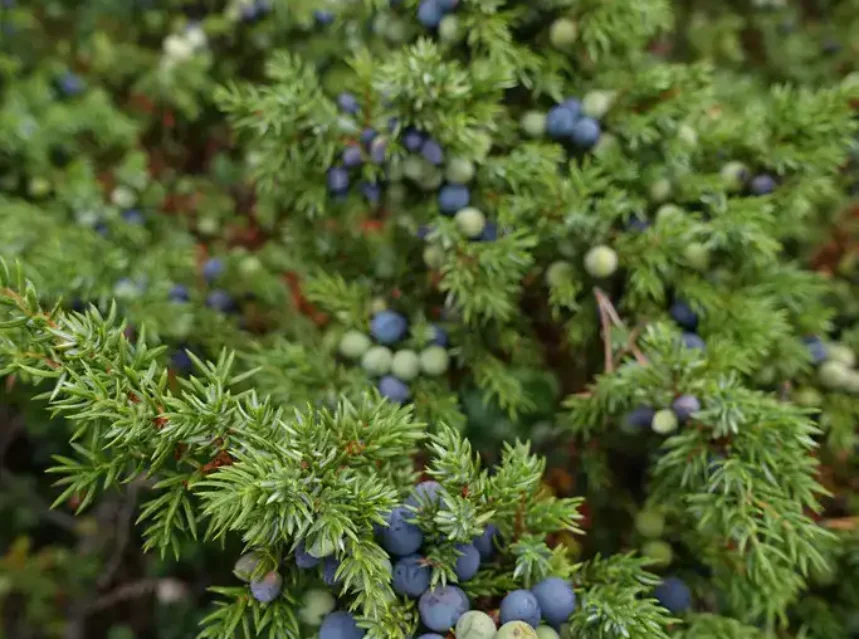
A juniper berry is the small, blue, aromatic cone of the common juniper (Juniperus communis), an evergreen conifer whose piney, citrusy fruit is the defining flavour of gin. Despite the name, the juniper berry is not a true berry but a fleshy seed cone, and it is the only widely used spice that comes from a conifer. Common juniper is also hardy and tough, suiting cold gardens well. Here is the complete guide on how to grow juniper berries.
Quick start: Plant common juniper in full sun and loose, free-draining soil that is never waterlogged. It is very hardy, thriving across cool-temperate gardens. Junipers are male or female, so you need both for berries. Plant in spring, water only while young, and harvest the ripe blue cones — which take two to three years to mature — from autumn into winter.
Growers and foragers of common juniper agree it is a tough, slow, low-maintenance plant once settled. The lessons that matter most are about fruit and identity. Junipers are dioecious, so only female plants bear berries, and they need a male nearby to be pollinated. The cones also ripen slowly, taking two to three years to turn from green to the blue you want. Above all, only Juniperus communis berries are used in cooking, as some other junipers are toxic, so correct identification is essential. Get a sexed pair of the right species in a sunny, dry spot, and they crop for years with almost no care.
🧰 In a hurry? Jump straight to our tested picks for this guide ↓
Juniper berry at a glance
| Feature | Detail |
|---|---|
| Botanical name | Juniperus communis (family Cupressaceae) |
| Common names | Common juniper, juniper berry, hapusha |
| Plant type | Evergreen coniferous shrub or small tree, dioecious |
| Height | 1–6 m, very variable in form |
| Light | Full sun |
| Soil | Loose, free-draining, dry to moist; never wet |
| Climate | Very hardy, cool-temperate; dislikes heat and humidity |
| Berry ripening | 2–3 years on the plant, turning green to blue |
| Harvest | Ripe blue cones, autumn into winter |
Why grow juniper berries?
Juniper is the rare spice that comes from a hardy, evergreen conifer, so it brings year-round structure and colour to the garden. Common juniper is tough and drought-tolerant once established. It is also endlessly varied in shape, from low spreading mats to upright columns. Even without harvesting a single berry, it is a handsome, useful evergreen.
The berries are the real prize for cooks. Their piney, resinous, citrusy flavour is essential to gin, game marinades, sauerkraut, and Northern European cooking. Good fresh juniper berries are also not always easy to buy. Growing your own gives a renewable supply of this distinctive spice from a plant that, once settled, mostly looks after itself.
Edible vs toxic juniper: know your species
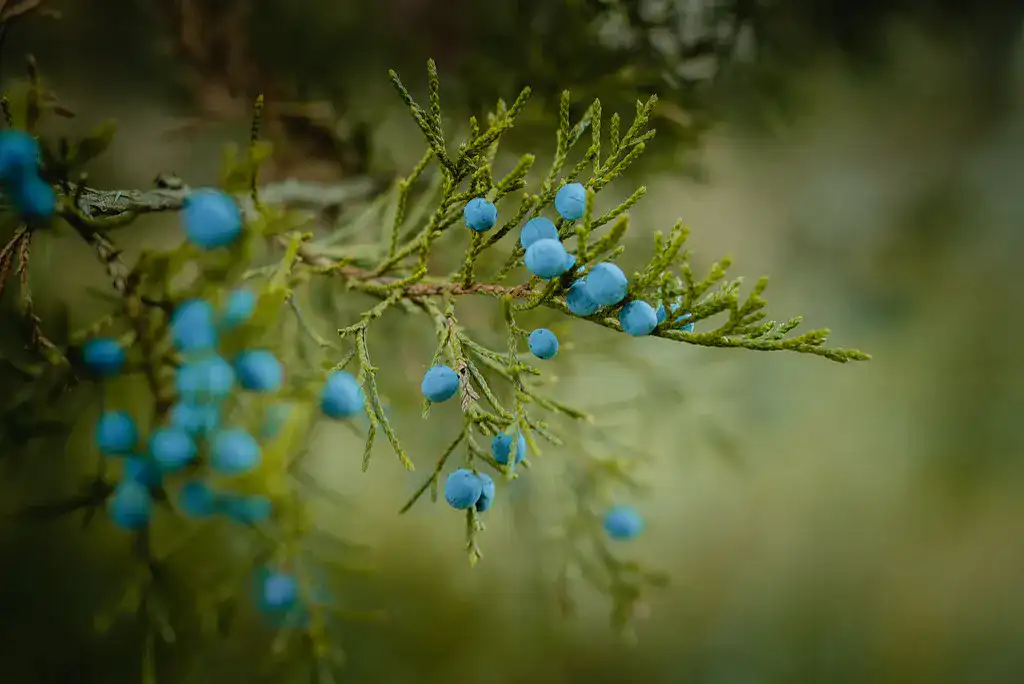
This is the section to read carefully. Many junipers are grown as ornamentals, but only common juniper berries are used in cooking, and some other species are toxic. Correct identification is essential before you eat anything.
| Point | Detail |
|---|---|
| Edible species | Juniperus communis — the culinary juniper |
| Avoid | Savin (J. sabina) and others — toxic, not for eating |
| Berry look | Ripe cones round and blue-black with a waxy bloom |
| Golden rule | Only harvest from a confirmed J. communis plant |
The safest approach is to buy a named Juniperus communis from a nursery, so there is never any doubt about what you are growing and eating.
History, origin & the gin connection
Common juniper has one of the widest natural ranges of any woody plant, growing right across the cool temperate Northern Hemisphere — Europe, Asia, and North America (see the Encyclopaedia Britannica). People have used its aromatic berries for flavour, preservation, and ritual since ancient times.
Its most famous role is in gin. The very name comes, through Dutch jenever, from juniper. The spirit must by definition taste predominantly of juniper. So every gin in the world depends on this one little cone. The berries also flavour traditional dishes across Scandinavia, Germany, and the Alps, from game and sausages to sauerkraut.
In India, junipers grow wild in the Himalayas, where some species are used locally as incense and in traditional medicine, known by names like hapusha. Common juniper itself favours the cool high hills rather than the warm plains, so in India it is a mountain plant. Across the world, it remains largely wild-harvested rather than farmed.
Best season & when to plant
Plant common juniper in spring, which gives the slow-growing shrub the full season to establish before winter. Container-grown plants can also go in during autumn in mild areas.
Juniper’s strength is its hardiness and love of cool, dry conditions. It thrives across cool-temperate gardens in the US, UK, and Europe, and dislikes hot, humid summers. In India, only the cool Himalayan hills suit it; the warm, humid plains do not, so it is best treated there as a high-altitude plant.
How to plant juniper
Juniper is easiest from a nursery plant, as seed is notoriously slow and erratic, sometimes taking years to germinate. A young sexed plant gives you a known species and a much faster route to berries.
To plant well:
- Choose a spot in full sun with loose, free-draining soil.
- On heavy clay, mix in around one-third sharp sand to improve drainage (see improving garden soil); the RHS lists many good Juniperus communis forms.
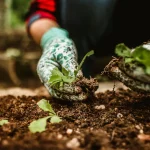
- Soak the root ball in water, then plant at the same depth as in the pot.
- Water in well and keep young plants watered through their first season.
After that first year, established junipers need very little — they positively prefer lean, dry conditions to rich, damp ones.
Male & female plants: getting berries
Juniper is dioecious, meaning each plant is male or female. Only female plants bear the berries, and they need a male juniper nearby to pollinate them. A lone plant, or an all-male group, will never fruit.
For a reliable crop, plant at least one male and one female, or a known female with another juniper in the neighbourhood within pollinating range. Nurseries can often supply sexed plants. This single fact is the most common reason gardeners find their juniper never produces berries.
Light, soil, watering & feeding
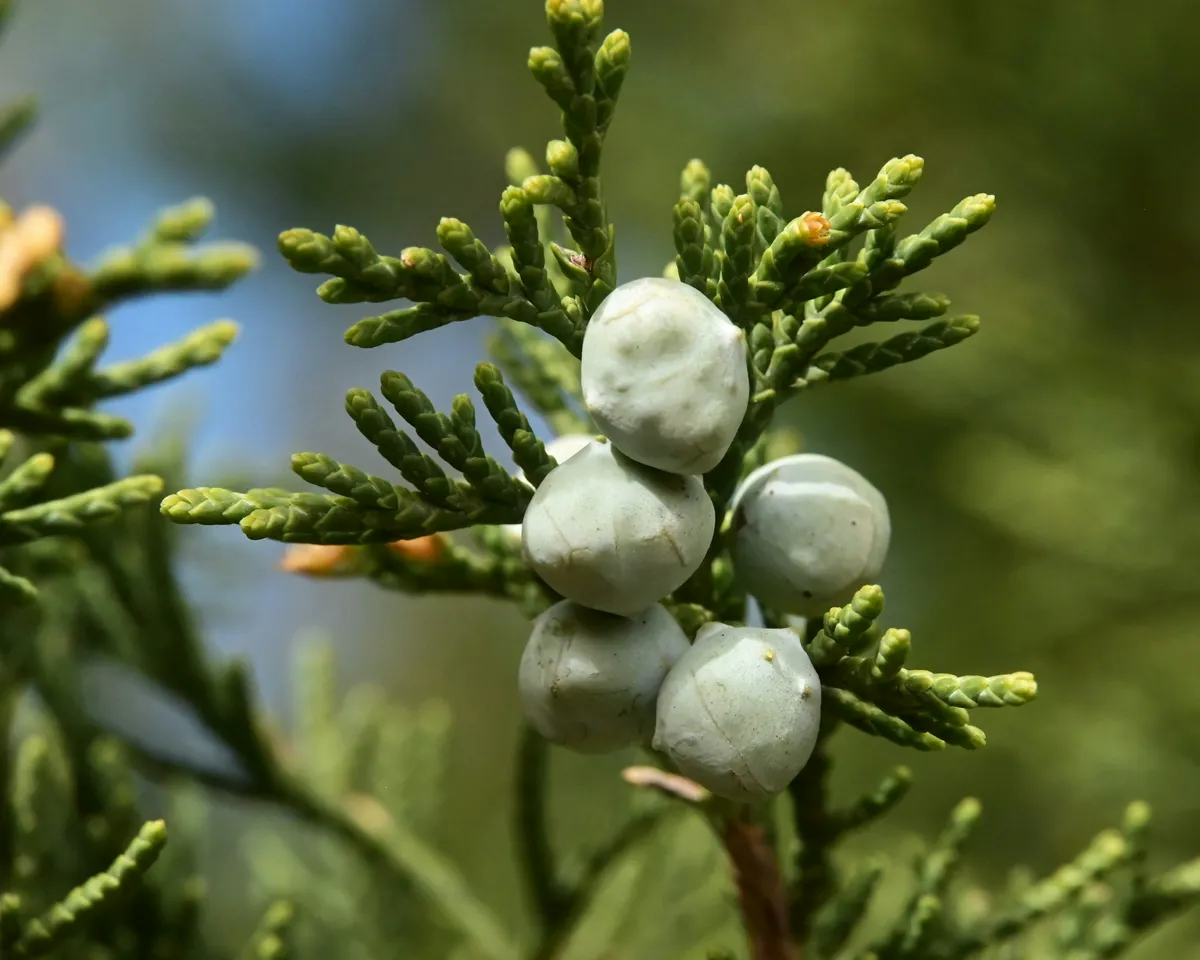
Juniper wants full sun and excellent drainage above all. It is superbly drought-tolerant and thrives on poor, dry, stony ground where many plants fail. What it cannot tolerate is waterlogged soil, which quickly causes root rot.
Water only while plants are young and establishing, then leave them to it (see how often to water plants). Feeding is rarely needed; juniper grows naturally in lean conditions and over-rich soil produces soft, weak growth. This is genuinely one of the lowest-maintenance spice plants you can grow.
Growing juniper in pots
Compact junipers grow well in containers, which suits small gardens and lets you place a female and male pair together for pollination. Many dwarf and slow forms are naturally pot-sized.
Use a pot with excellent drainage and a free-draining, gritty mix. Keep it in full sun, water only when the compost is dry, and never let it stand in water. Junipers are hardy, so they need little winter protection, though pots can be moved to shelter in the very hardest weather. Repot only occasionally, as juniper is slow and dislikes disturbance.
Harvesting & drying juniper berries
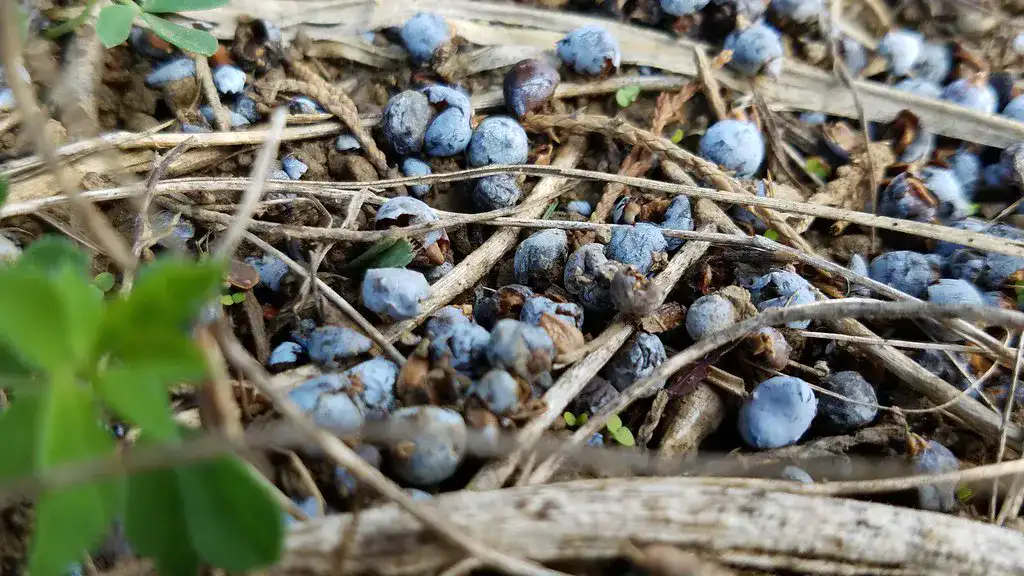
Patience is required, as the cones take two to three years to ripen on the plant, turning from green to a deep blue-black with a waxy bloom. A mature female will carry berries at different stages at once.
To harvest and dry your own:
- Pick from autumn into winter, choosing only the ripe blue-black berries and leaving green ones to mature.
- Lay a sheet under the plant and gently shake the branches, then sort out the ripe berries, a method experienced foragers also use.
- Wear gloves if the foliage is prickly, and handle gently to keep the aromatic bloom.
- Dry the berries in a warm, airy place for a few weeks until firm, then store in an airtight jar.
Use them whole and lightly crushed to release their aroma, in marinades, braises, and of course homemade flavoured drinks.
Common pests & diseases
Juniper is tough but has a few specific issues. The main risk is root rot in wet soil, so drainage is everything. It can also host juniper-apple rust, a fungal disease that needs both junipers and apples or related trees to complete its cycle, causing odd galls on the juniper.
Watch too for juniper webworm and scale insects, which can disfigure foliage. Prune out affected growth, keep plants open and airy, and use the methods in our organic pest control guide. A sunny, well-drained juniper rarely suffers seriously.
Health benefits & uses of juniper berries
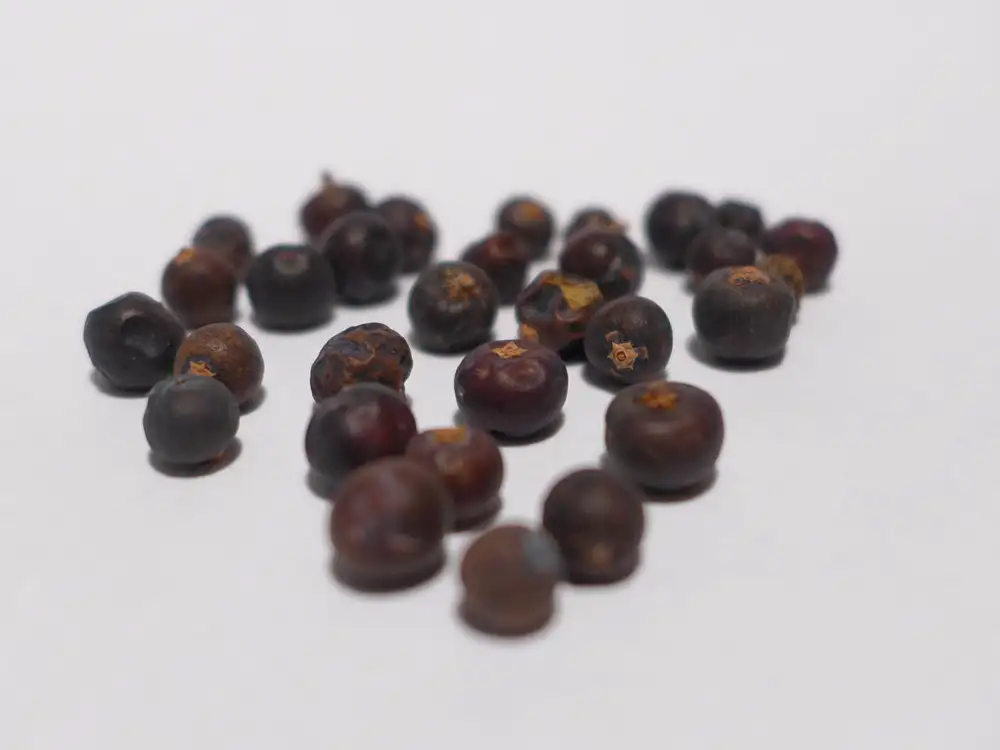
Juniper’s piney, citrusy aroma comes from aromatic essential oils, chiefly a compound called alpha-pinene. The rewards of growing your own are firmly culinary:
- In the kitchen: crushed juniper berries flavour game, pork, sauerkraut, pâtés, and Northern European stews, adding a resinous, slightly sweet, citrus-pine note.
- The gin spice: juniper is the defining botanical of gin and many flavoured drinks, so home-grown berries are a treat for anyone who enjoys making their own.
- Use sparingly: the flavour is strong, so just a few crushed berries season a whole dish.
- Traditional uses: juniper has a long history as an aromatic and traditional remedy across Europe and the Himalayas. Modern clinical evidence in people remains limited, and juniper is best avoided in large amounts or during pregnancy, so enjoy it mainly as a culinary spice.
This article is for general information only and is not medical advice. Always confirm your plant is edible Juniperus communis, and consult a qualified professional before using any plant medicinally.
Common juniper problems
Plant never produces berries
Either it is male, or a lone female with no pollinator. Junipers are dioecious — plant a male and female pair for fruit.
Foliage browning or dying back
Often waterlogged soil and root rot, or a fungal disease like juniper rust. Improve drainage, keep plants airy, and remove affected growth.
Berries staying green
This is normal — juniper cones take two to three years to ripen to blue. Leave them on the plant until fully coloured.
Related plant guides
- How to grow Sumac
- How to grow Rosemary
- How to grow Star Anise
- How to grow Thyme
- How to grow Cumin
- How to grow Bay Leaf
How to propagate juniper
Juniper is a patient gardener’s plant whichever route you take, but cuttings and layering are far more predictable than seed – and they also let you keep a known female plant, which is what you need for berries.
From cuttings
Take cuttings of mature wood, 5-10 cm long with a heel, in September or October and root them in a cold frame. Plant them out the following autumn. This is the method to use for a plant whose berries or habit you want to reproduce exactly.
By layering
Peg a low branch down into the soil in September or October. It takes about 12 months to root, after which you can sever and move it.
What does not work in a hurry – seed: juniper seed has a hard coat and needs a cold period, then a warm period, then another cold spell, each of two to three months. Even after all that, some may come up the following spring but most take another year. Soaking the seed for three to six seconds in boiling water may speed things up, and harvesting seed “green” – once the embryo is formed but before the coat hardens – avoids the problem altogether. Dry-stored seed stays viable for several years, so there is no rush, but do not expect seedlings in one season.
Frequently asked questions
Are all juniper berries edible?
No. Only common juniper (Juniperus communis) berries are used in cooking. Some other junipers, such as savin, are toxic, so always confirm the species before eating.
How long do juniper berries take to ripen?
About two to three years on the plant, turning slowly from green to ripe blue-black. A mature female carries berries at several stages at once.
Why does my juniper have no berries?
Junipers are male or female, and only females fruit, needing a male nearby. A lone or male plant will never produce berries.
Can juniper grow in India?
Junipers grow wild in the cool Himalayas, but common juniper needs cool, dry conditions and does not suit the warm, humid plains. It is essentially a mountain plant in India.
Can you eat juniper berries raw?
They are edible raw in tiny amounts, but almost nobody eats them that way. A ripe common juniper berry is resinous, bitter and piney rather than sweet, so it works as a spice and not as a fruit. One or two crushed berries are enough to season a whole pot of stew or a jar of pickled cabbage. Stick to common juniper (Juniperus communis), because several ornamental junipers, savin in particular, should never be eaten at all.
Why are juniper berries used in gin?
Juniper is the flavour that legally defines gin — a spirit cannot be sold as gin unless juniper is its dominant flavouring. The berries carry aromatic oils, mainly alpha-pinene and myrcene, which give that clean resinous, slightly peppery lift. Distillers steep or vapour-infuse them along with coriander, angelica root and citrus peel. That is also why gardeners who grow common juniper often find their harvest of most interest to home distillers and pickle makers.
How do I know when juniper berries are ripe, and how do I pick them?
Ripe berries are fully blue-black with a soft grey waxy bloom, and they give slightly when squeezed. Green and pale-blue berries on the same branch are simply younger crops that need another season. Harvest in late summer and autumn by holding a cloth or tray under the branch and gently rolling the ripe berries off with a gloved hand — the foliage is prickly. Leave anything still green, because juniper berries do not ripen further once picked.
How do you dry and store juniper berries?
Spread the picked berries in a single layer on a tray somewhere warm, airy and out of direct sun, and leave them for two to three weeks until they wrinkle and feel firm. Do not use high oven heat, as that drives off the aromatic oils you are harvesting them for. Store the dried berries whole in an airtight jar in a dark cupboard, and crush them only when you cook. Whole berries hold decent flavour for about a year, after which they smell flat and dusty rather than piney.
Are juniper berries safe during pregnancy?
Juniper is traditionally avoided in pregnancy, and most herbal references repeat that caution. The concern comes from its long folk reputation as a uterine stimulant and from the concentrated oils in medicinal doses rather than from a pinch of spice in a stew. Because the evidence is limited, the sensible approach is to skip juniper altogether if you are pregnant or breastfeeding. This is general information only and not medical advice — speak to a doctor about anything you plan to eat or take regularly.
Are juniper berries poisonous to dogs?
Common juniper is not among the plants most often linked to serious dog poisonings, but it is not something to let a dog graze on either. Eating a quantity of berries or foliage can bring on vomiting, diarrhoea and drooling, and the resinous oils can irritate the mouth. Other junipers, especially savin, are genuinely toxic, and many garden junipers are unidentified cultivars. If your dog has chewed a juniper and seems unwell, call a vet rather than waiting it out.
What are the bright orange jelly-like growths on my juniper?
That is almost certainly cedar-apple rust or one of its close relatives, a fungus that needs two different hosts to complete its life cycle. Brown woody galls form on the juniper, then swell into gelatinous orange horns after spring rain and release spores that infect nearby apples, crabapples or hawthorns. University extension services note that the rust rarely kills a juniper, though heavy infection can kill twigs. Prune out the galls in late winter before they swell, and avoid planting susceptible junipers right next to an apple tree.
How do I prune a juniper without ruining it?
Prune lightly and often rather than hard and late. Junipers carry no dormant buds in their old bare inner wood, so a branch cut back past the green growth will simply stay a brown stub forever. Reach into the plant and shorten individual shoots back to a side branch that still carries foliage, which keeps the natural loose shape. Late winter or early spring is the best time, and on a berrying female it also lets you see and keep the fruiting wood.
Still stuck? Ask the Plant Doctor
Describe the problem — yellow leaves, holes, no flowers — and get a clear answer in seconds. FreeAI can make mistakes. Answers are guidance, not a guarantee — check anything important against the guide it links to, and always read the label on any product before you use it.