How to Grow Bay Leaf
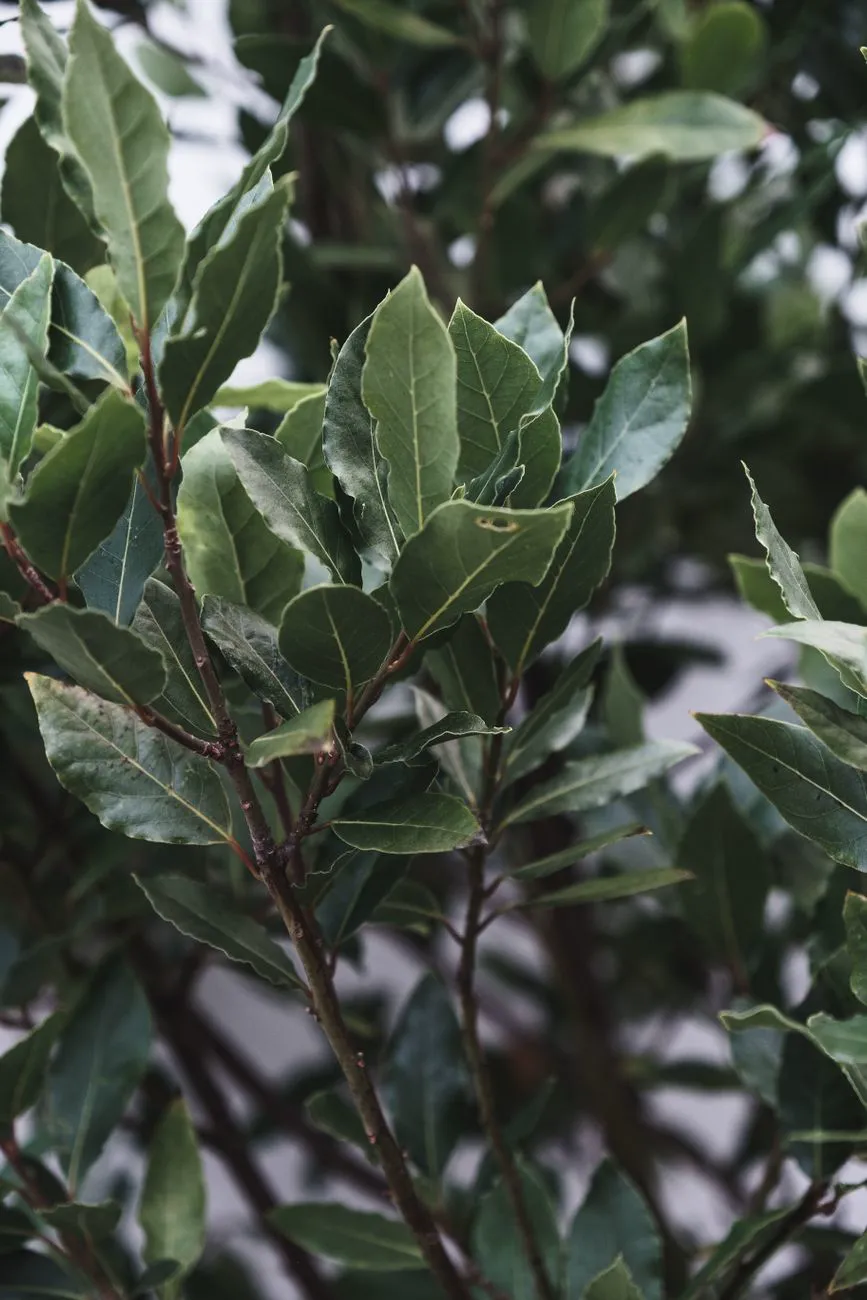
Bay laurel (Laurus nobilis) is a handsome Mediterranean evergreen tree grown for its glossy, aromatic leaves — a long-term friend in the garden. It supplies fragrant leaves all year for soups, stews and biryanis. It clips neatly into a pot or topiary, and lives for decades with little fuss. It is slow to start, but once established it is tough and rewarding. Here is how to grow bay leaf at home.
Quick start: Grow bay laurel in full sun to part shade in rich, well-drained soil, or in a pot you can move. Water moderately, let it dry between waterings, and protect it from hard frost. Harvest mature leaves anytime — they are evergreen, so there is no off-season.
Bay is a handsome, slow-growing evergreen that is happiest clipped into shape and is ideal for a large pot by the kitchen door. Growers find it surprisingly tough, but young plants need shelter from hard frost and cold winds, which scorch the leaves brown. It rarely suffers pests beyond scale insects, which a wipe-down keeps in check. It is worth noting that Mediterranean bay (Laurus nobilis) is a different plant from Indian tej patta (Cinnamomum tamala), though both flavour cooking.
🧰 In a hurry? Jump straight to our tested picks for this guide ↓
Bay laurel at a glance
| Feature | Detail |
|---|---|
| Botanical name | Laurus nobilis (family Lauraceae) |
| Common names | Bay laurel, bay leaf, sweet bay |
| Plant type | Evergreen perennial tree/shrub |
| Light | Full sun to part shade |
| Soil | Rich, well-drained |
| Water | Moderate; let it dry between |
| Frost | Protect when young |
| Harvest | Year-round (evergreen) |
Why grow bay leaf?
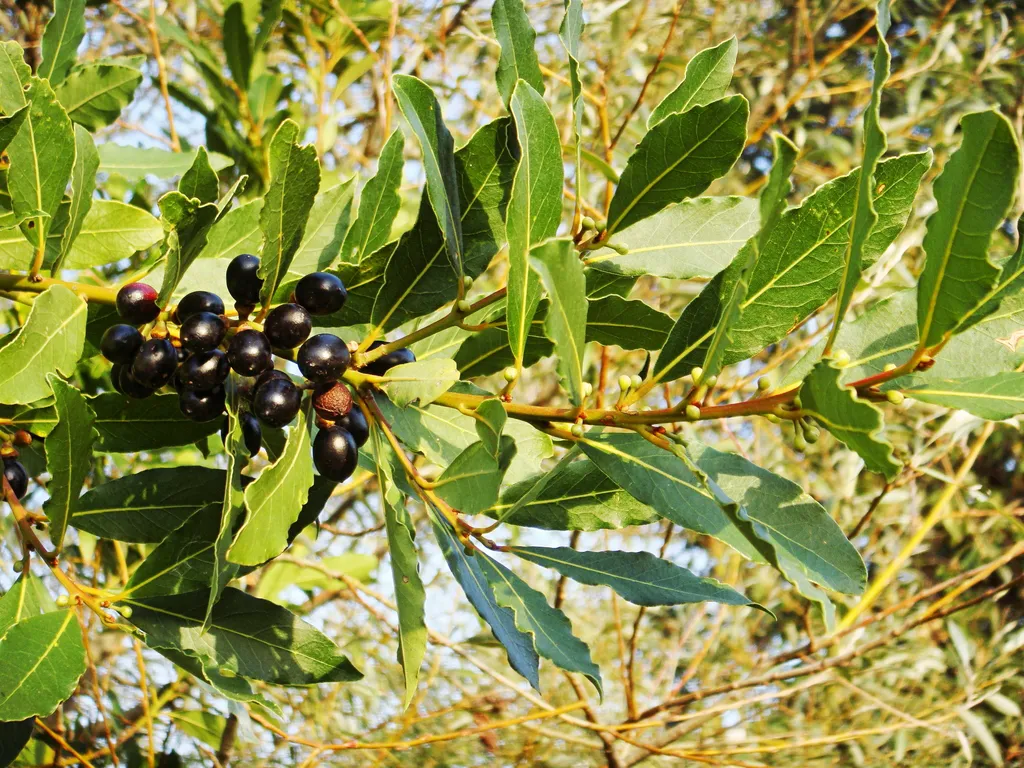
A bay tree gives fresh seasoning year-round and doubles as an attractive evergreen. A few reasons to grow it:
- Year-round harvest. It is evergreen, so there is no off-season.
- Drought-tolerant. Once settled, it copes well with dry spells.
- Container star. It thrives in a pot and takes well to clipping.
- Long-lived. One plant supplies a kitchen indefinitely.
History, origin & how bay spread
Bay laurel is native to the Mediterranean, where it has grown since ancient times. It is in fact a relict: a survivor of the laurel forests that once covered much of the Mediterranean Basin and retreated as the region dried out (origin and history). It was sacred to the Greeks and Romans — wreaths of it were the prize at the Pythian Games, held in Apollo’s honour, and two laurels flanked the door of Augustus’s house in Rome. Both baccalaureate and poet laureate come from that wreath. Wreaths of its leaves crowned victors and poets, which is the root of the word “laureate.”
The tree spread across Europe through gardens and trade. Cooks valued its slow, savoury flavour in slow-cooked dishes. It became a fixture of the European kitchen.
Today the main producers are Mediterranean countries like Turkey, a leading exporter, along with parts of southern Europe. There is no official tonnage to quote for the leaf: the FAO’s world crop statistics have no bay laurel line, folding it into a general “other spices and aromatic crops” total, so the trade is tracked through export figures rather than production ones. It loves warm, sunny conditions with well-drained soil. Note that the Indian bay leaf (tej patta) is a different plant, Cinnamomum tamala, with a more cinnamon-like aroma.
Best season & when to plant
Plant bay in spring, after frost, so it has the whole warm season to establish. It is an evergreen perennial that is hardy in mild climates but vulnerable to hard frost when young. In cold regions, grow it in a pot and move it to a sheltered spot or indoors over winter. In hot Indian plains, give young plants some afternoon shade until established.
How to plant bay leaf
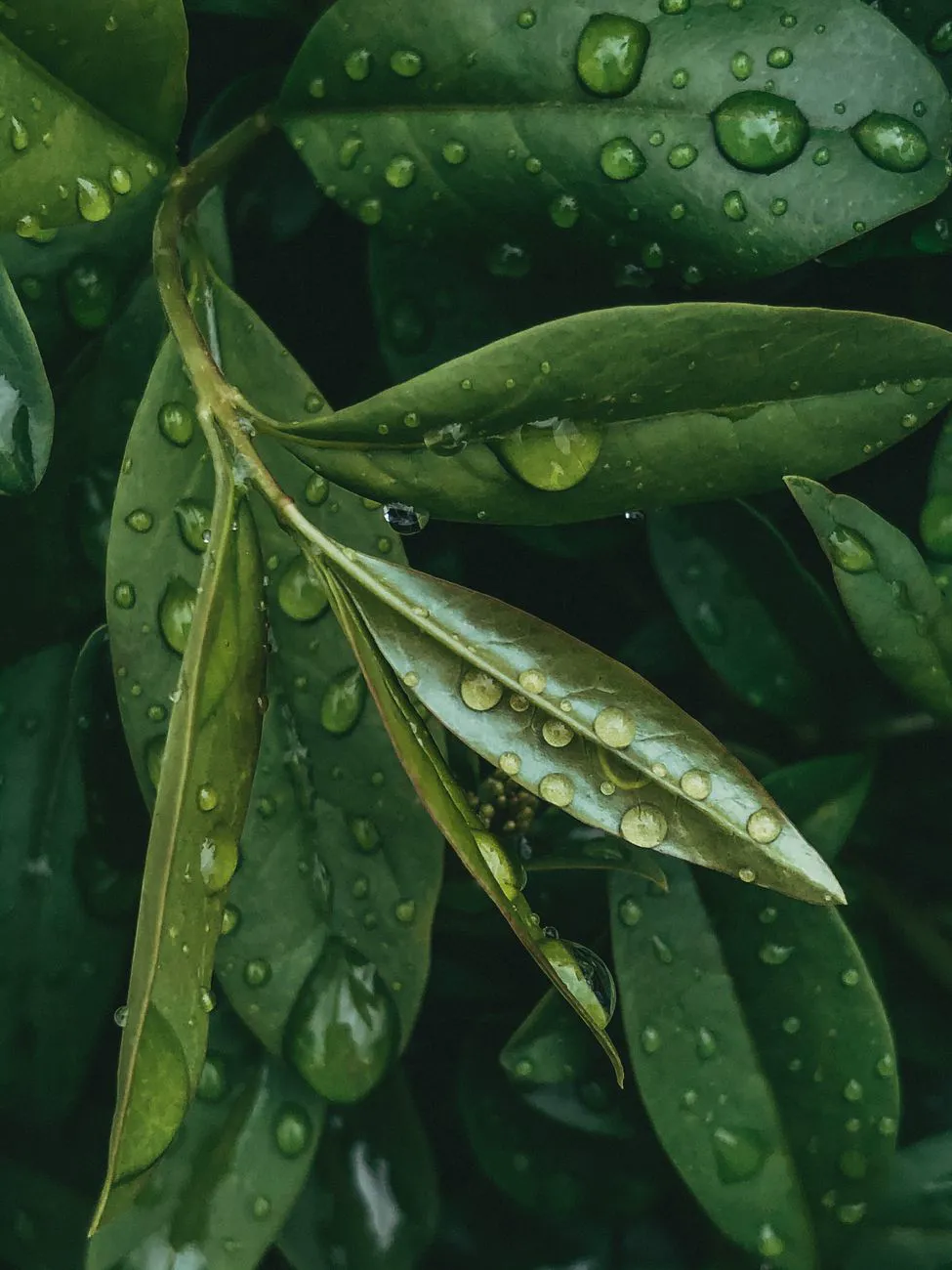
Bay is usually bought as a young plant, since it is very slow from seed and cuttings take time to root.
- Choose full sun to part shade and rich, free-draining soil (see improving garden soil).
- In a pot, use a quality mix with good drainage so the roots never sit wet.
- To propagate, take semi-ripe cuttings in late summer — be patient, as they root slowly (see our propagation method).
Sun, soil, watering & feeding
Bay likes well-drained soil and steady but not soggy moisture. Let the surface dry between waterings. Potted plants need more regular watering than those in the ground (see how often to water plants). Feed potted bay lightly in spring and summer for healthy new growth. It is drought-tolerant once mature, but young plants appreciate consistent care.
Shaping & growing in pots
Bay responds beautifully to clipping, which is why it is a classic potted topiary. Trim it in spring and summer to keep the shape you want and to encourage bushy growth. In containers it stays a manageable size for years. Repot every couple of years into fresh mix. Slow and steady is the theme — bay will not be rushed, but it rewards patience.
Cooking with bay leaves
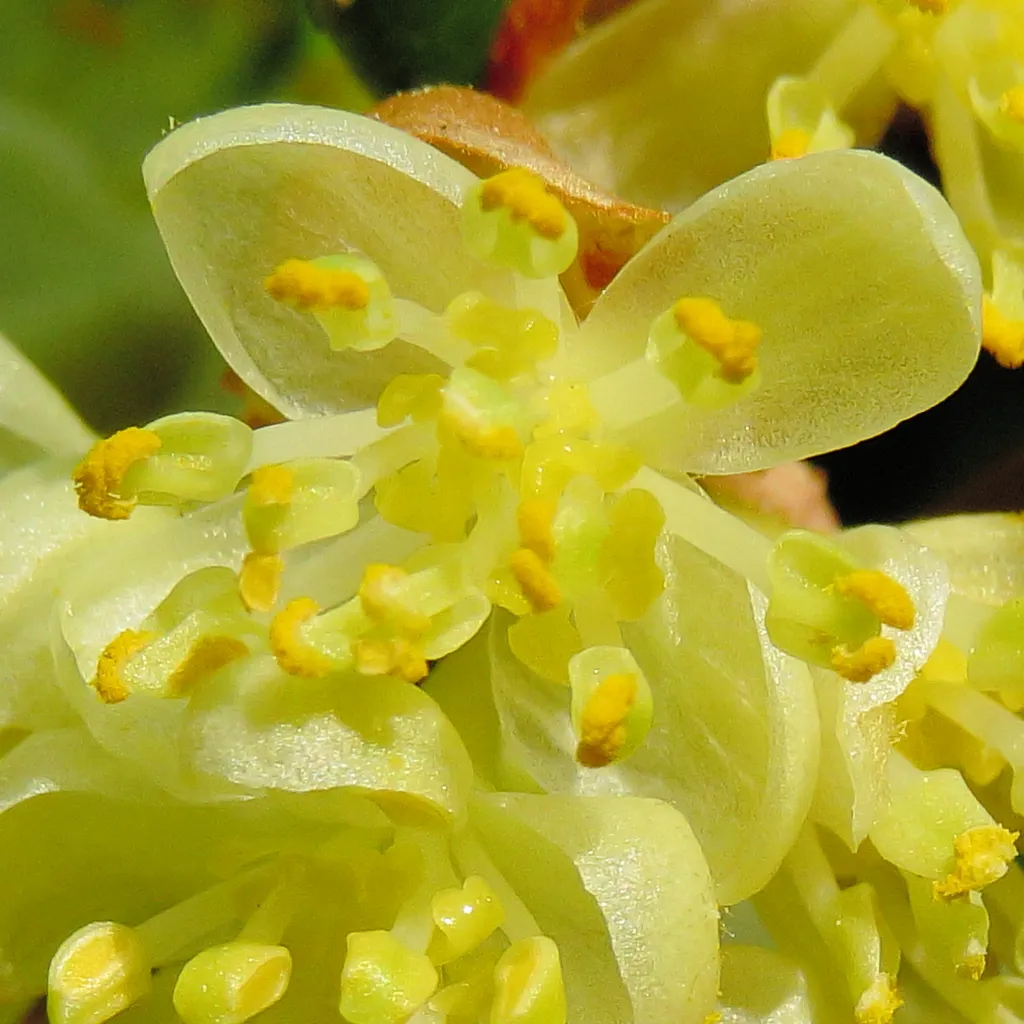
Bay is a quiet workhorse in the kitchen. Its job is to infuse a slow, savoury depth. It is almost always added whole and removed before serving.
Drop a leaf or two into soups, stews and curries. It also flavours rice dishes, biryanis and stocks. The flavour develops over long, gentle cooking.
Fresh leaves are even more aromatic than dried. A little goes a long way, so one or two leaves is usually enough. The tough leaf is not eaten, just fished out at the end.
Growing bay indoors
Bay makes a fine indoor plant in a cool climate. It keeps a kitchen in fresh leaves through winter. A bright spot is the main need.
Stand it by a sunny window with good light. Keep it cooler in winter and water it sparingly. See our guide to growing herbs indoors for more.
Watch for scale and dry air indoors. Wipe the leaves now and then to keep them clean. Move the pot back outside once the warm weather returns.
Bay with other Mediterranean herbs
Bay sits naturally among sun-loving Mediterranean herbs. It enjoys the same warmth and sharp drainage. So it makes a fine anchor for a herb collection.
Grow it near rosemary and thyme in pots. Together they form a fragrant, low-care group. Each one supplies the kitchen for years.
Common pests & diseases
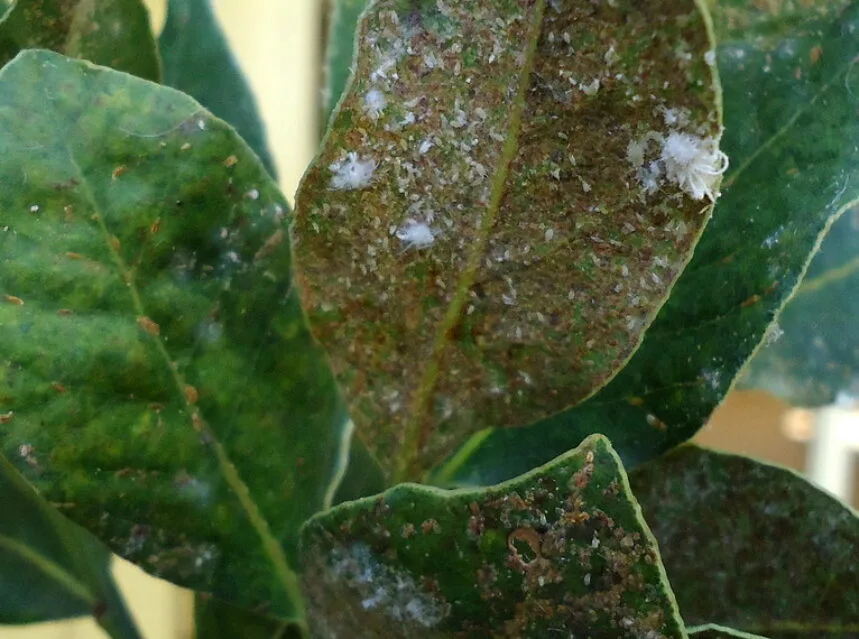
Bay is fairly tough, but in pots and indoors watch for scale insects and bay sucker, which curl and yellow the leaf edges. Wipe off scale, remove badly affected leaves, and see our organic pest control guide. Good airflow and drainage prevent most problems. Avoid waterlogging, which causes root issues.
Harvesting bay leaf
Harvest mature leaves anytime, as bay is evergreen with no season. Pick the older, fully developed leaves, which have the strongest flavour, rather than the soft new growth. Use them fresh, or dry them flat in a warm, airy spot for a week or two. Dried bay keeps its aroma well for months in an airtight jar.
Health benefits & uses
Bay leaves contain aromatic oils and antioxidants and have a long traditional use as a digestive aid. In the kitchen they add depth to soups, stews, curries, rice dishes, sauces and stocks. The leaf is usually added whole and removed before serving, since it stays tough. Its job is to infuse flavour slowly into the dish.
This article is for general information only and is not medical advice. Talk to a qualified professional before using any plant medicinally.
Common bay leaf problems
Yellowing leaves
Often overwatering, poor drainage or cold stress. Ease off watering, improve drainage, and shelter the plant from frost.
Curled, sticky or spotted leaves
Usually scale or bay sucker. Remove affected leaves, treat the pests, and improve airflow.
Very slow growth
Normal for bay — it is naturally slow. Feed potted plants in the growing season and be patient.
Related plant guides
- How to grow Curry Leaf
- How to grow Rosemary
- How to grow Marjoram
- How to grow Sage
- How to grow Thyme
- How to grow Hyssop
How to propagate bay
Bay is propagated from semi-ripe cuttings, and it is worth saying up front that this is a slow plant: the cuttings root over months, not weeks. That is normal, not failure.
From semi-ripe cuttings
Take cuttings in late summer, from this year’s growth that has started to firm up at the base but is still flexible at the tip. Strip the lower leaves, cut cleanly below a node, and set them in a gritty, free-draining mix. Keep them warm, humid and out of direct sun.
Then leave them alone. Bay cuttings look inactive for a long time, and the commonest mistake is tugging at them to check for roots, or throwing away a batch that would have rooted a month later.
Why seed is the harder route
Bay can be raised from seed, but germination is slow and erratic and a seedling takes years to make a usable bush. A cutting is a clone of the parent, so taking one from a healthy plant whose leaves you already like is both faster and more predictable.
Frequently asked questions
Is Indian bay leaf (tej patta) the same as bay laurel?
No — tej patta is Cinnamomum tamala, with a cinnamon-like aroma. Bay laurel (Laurus nobilis) is the Mediterranean herb covered here.
Can I grow a bay tree in a pot?
Yes — bay is excellent in containers and takes well to clipping. Use well-drained soil and move it to shelter in cold winters.
Can I use bay leaves fresh?
Yes — fresh leaves work well and are even more aromatic than dried. Use mature leaves for the best flavour.
Why is my bay tree growing so slowly?
Bay is naturally slow-growing. Give it sun, good drainage, and a light feed in the growing season, and be patient.
How do I dry bay leaves?
Lay mature leaves flat in a warm, airy spot for a week or two. Then store them in an airtight jar. They keep their aroma for months.
How big does a bay tree get?
In the ground it can become a large tree over many years. In a pot, regular clipping keeps it small. It is easily kept to a tidy shape.
Is bay laurel safe for pets?
The culinary bay leaf is low-risk in cooking amounts. Large quantities can upset pets, though. Keep ornamental “laurels,” which are different toxic plants, away from animals. Always check you have true Laurus nobilis.
Why are my bay tree leaves turning yellow?
In a container, the answer is nearly always water or food. Compost kept constantly soggy suffocates the roots and the older leaves yellow and drop, so let the top 2-3 cm dry before watering again and make sure the pot is not standing in a saucer of water. Repeated drying out produces the same yellowing from the opposite direction. A bay that has sat in the same tired compost for several years is simply hungry, and a spring top-dressing plus a balanced liquid feed through the growing season usually restores the colour.
What is the sticky, sooty coating on my bay tree?
That combination points to scale insects. These small, limpet-like insects clamp onto stems and the undersides of leaves, feed on sap, and excrete a sugary honeydew, on which a black sooty mould then grows. Catch it early and you can wipe the scales off with a damp cloth or a soft brush and sponge the mould away with soapy water. For heavier infestations, an organic option such as a horticultural soap or neem-based spray applied when the young crawlers are active works better than treating the armoured adults, and improving air circulation makes a repeat less likely.
When is the best time to pick bay leaves?
You can pick a few leaves whenever you need them once the plant is established, usually from its second year. Unlike soft herbs, bay improves with age, so mature, leathery leaves carry far more flavour than soft new growth. If you want a batch to dry, midsummer is the traditional choice because essential oil content is at its highest. Whatever the season, take no more than about a tenth of the foliage at once so the tree is not set back.
Can you eat a whole bay leaf?
Bay leaves are used to flavour a dish and then removed before serving. They stay stiff and leathery even after long cooking, and the sharp edges are unpleasant and potentially a choking hazard if swallowed whole, which is why almost every recipe tells you to fish them out. The leaf is not poisonous in culinary use, but it is not meant to be chewed. Bay has also long been used in traditional herbal preparations in several cultures, though that is a separate matter from cooking — this article is gardening information only and is not medical advice, so consult a qualified professional before using any plant for health purposes.
How do I look after a bay tree in winter?
Bay tolerates light frost but suffers in hard, prolonged cold and especially in cold drying wind. Potted plants are easiest to protect: move them against a sheltered wall, into an unheated greenhouse, or to a cool, bright indoor spot before severe weather. Wrap the pot itself, since roots in a container freeze far more readily than roots in open ground. Cut watering right back over winter without letting the compost go bone dry, and expect some leaf browning after a cold snap — wait until spring before pruning it out, so you can see what is truly dead.
Still stuck? Ask the Plant Doctor
Describe the problem — yellow leaves, holes, no flowers — and get a clear answer in seconds. FreeAI can make mistakes. Answers are guidance, not a guarantee — check anything important against the guide it links to, and always read the label on any product before you use it.