How to Grow Ashwagandha
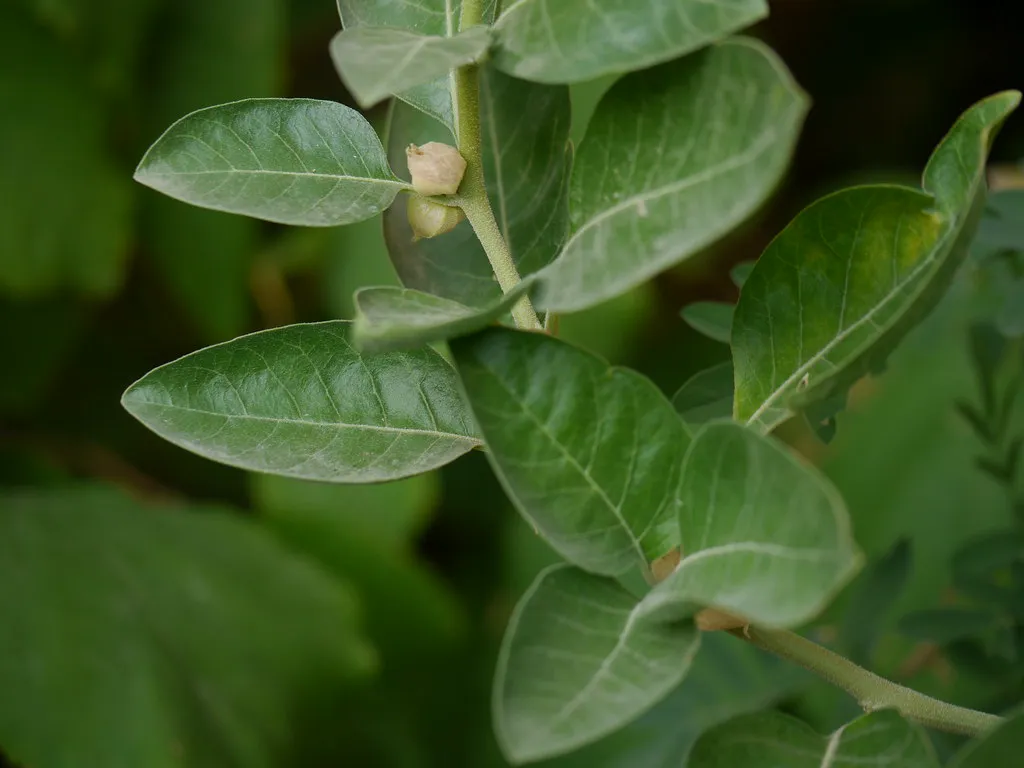
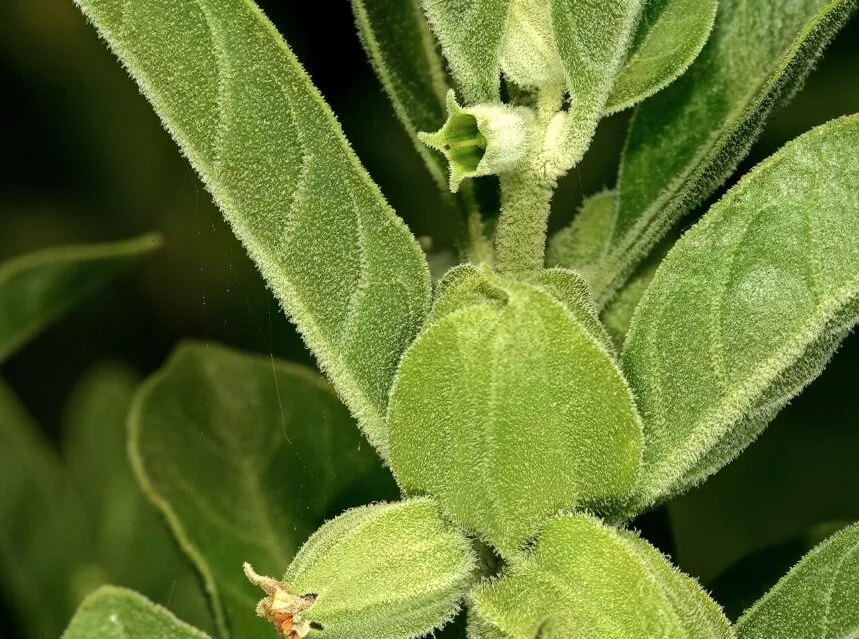 Image: SAplants — CC BY-SA 4.0, via Wikimedia Commons
Ashwagandha (Withania somnifera) is a hardy little shrub grown for its powerful medicinal roots — one of Ayurveda’s most prized herbs. It is grown for its roots rather than its modest leaves. The good news for gardeners is that it is genuinely easy to grow. It loves heat, tolerates poor soil, and barely needs watering once established. If you have a sunny, dry spot, you can grow your own. Here is how to grow ashwagandha.
Quick start: Sow ashwagandha seed in spring in full sun and dry, sandy, well-drained soil. Water sparingly, as it is drought-tolerant. Let it grow for about six months, then harvest the roots once the lower leaves dry and the berries turn red-orange.
Ashwagandha is one of the most forgiving herbs you can grow, a hardy little shrub that actually prefers lean, dry, well-drained soil and full sun. Growers find that once it is past the seedling stage it largely looks after itself, shrugging off heat and drought with very little water. It is grown chiefly for its roots, which are lifted once the plant has fully matured and the lower leaves begin to yellow. As it is a potent traditional medicinal herb, it is best used thoughtfully and with proper guidance.
🧰 In a hurry? Jump straight to our tested picks for this guide ↓
Ashwagandha at a glance
| Feature | Detail |
|---|---|
| Botanical name | Withania somnifera (family Solanaceae) |
| Common names | Ashwagandha, Indian ginseng, winter cherry |
| Plant type | Hardy semi-arid shrub |
| Sun | Full sun |
| Soil | Dry, sandy, free-draining |
| Water | Sparing; drought-tolerant |
| Grown for | Roots (Ayurvedic adaptogen) |
| Harvest | ~5–6 months from sowing |
Why grow ashwagandha?
Ashwagandha is tough, undemanding and rewarding. A few reasons to grow it:
- Thrives on neglect. It loves hot, dry conditions where fussier herbs fail.
- Water-wise. It needs very little water and copes with poor soil.
- Fresh medicinal supply. Growing your own gives fresh roots for traditional use.
- Resilient and attractive. It is a fine shrub for a low-water garden.
History, origin & ashwagandha in India
Ashwagandha is native to India, the Middle East and parts of Africa, where it grows in dry, sunny ground. It has been used in Ayurveda for thousands of years (see Encyclopaedia Britannica). Its name is often translated as “smell of the horse,” a nod to its scent and its reputation for giving strength.
The herb is one of the classic Ayurvedic rasayanas, or rejuvenating tonics. It has a long history of use for stamina, stress and sleep. This deep tradition is why it remains so widely grown today.
India is by far the leading producer, with major cultivation in the dry regions of Rajasthan and Madhya Pradesh. No official world tonnage exists for the root: the FAO’s crop statistics cover food and fibre commodities and have no ashwagandha line, so the trade is measured through India’s own medicinal-plants board figures instead. It thrives in warm, semi-arid climates with plenty of sun and free-draining soil. This is exactly why it suits much of India so well.
Best season & when to plant
Sow ashwagandha in spring or at the start of the warm season, after the last frost. It needs a long, warm growing period of roughly five to six months to develop good roots. In India it is often sown after the early monsoon rains, then grown on through the drier months. Too much wet weather rots the roots, so drainage matters more than rainfall.
How to plant ashwagandha

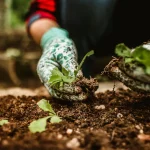
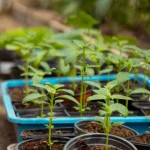
Ashwagandha is grown from seed, sown directly or started in trays and transplanted while young.
- Sow seed shallowly in warm, well-drained soil (see seed-starting basics).
- Choose full sun and sandy or loamy ground; heavy clay must be lightened first (see improving garden soil).
- Thin or space plants about a foot apart so the roots have room to develop.
Sun, soil, watering & feeding
Ashwagandha wants full sun and dry, free-draining soil. It is strongly drought-tolerant, so water young plants to establish them, then only sparingly (see how often to water plants). Overwatering and heavy, wet soil are its main enemies, causing root rot. It needs little or no feeding. Lean, dry conditions actually produce the best roots.
Growing it for the roots
Remember that ashwagandha is grown primarily for its roots, which take time to bulk up. Resist the urge to harvest early. Give the plant a full season of warm, sunny, lean growing conditions, and the underground roots will develop the substance that makes the herb worthwhile. The leaves and red berries are secondary to the root crop.
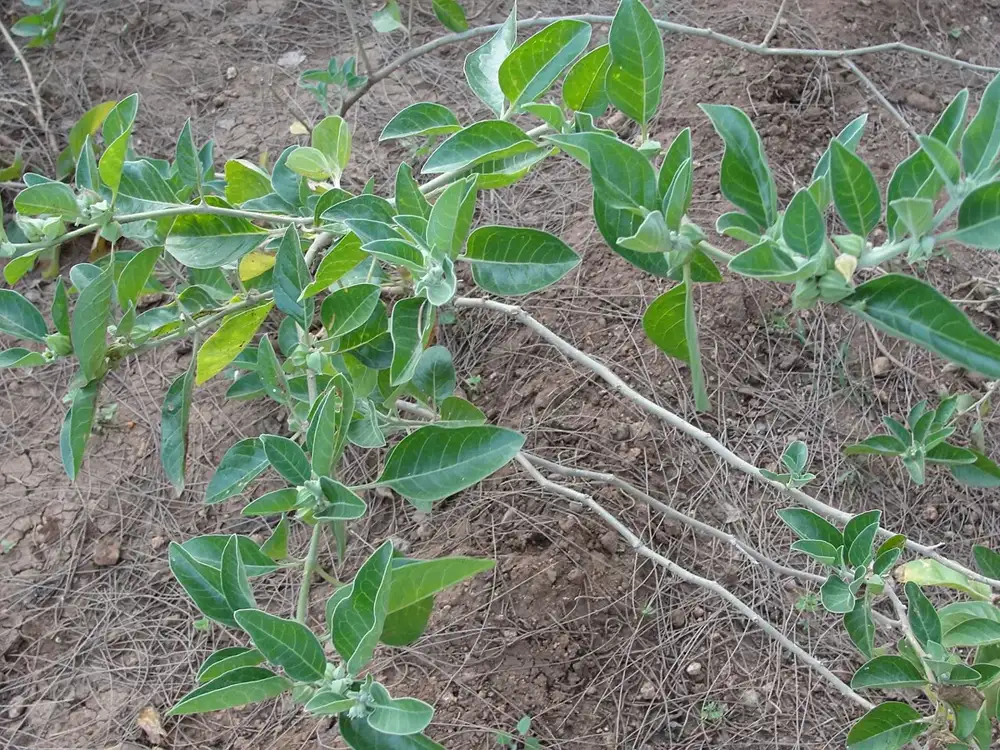
Growing ashwagandha in containers
Ashwagandha grows well in a deep pot, which suits cooler or wetter climates. A container lets you control the soil and drainage exactly. This is a real advantage for a root that hates wet feet.
Use a deep pot so the roots have room to grow down. Fill it with a sandy, free-draining mix. Stand it in the hottest, sunniest spot you have.
Water it sparingly and never let it sit in a saucer of water. Give it a full warm season before harvesting. In a cold-winter area, the pot makes it easy to grow as a warm-season annual.
Using ashwagandha root
The dried root is the part that matters most. It is usually ground into a fine powder. This powder is the basis of most traditional preparations.
The classic way to take it is with warm milk. A small spoonful is stirred in, often with honey. This is a traditional evening tonic.
It is also mixed into water or blended into tonics. Some people stir it into smoothies. A little goes a long way, as it is potent.
Because it is a strong traditional herb, use it thoughtfully, and check with a qualified practitioner before taking it. Growing and drying your own, though, is simple and rewarding.
A garden of medicinal herbs
Ashwagandha fits naturally into an Ayurvedic herb patch. It pairs well with other traditional plants. Many share its love of sun and good drainage.
Grow it alongside tulsi and brahmi for a useful collection. A light mulch helps in dry spells, though ashwagandha needs less than most. Together these herbs make a rewarding, low-care medicinal corner.
Common pests & diseases

Ashwagandha is naturally resilient. The biggest risk is root rot from wet soil, so drainage is everything. Occasionally watch for aphids, mites or leaf-spot in humid conditions — see our aphid control and organic pest control guides. Avoid overcrowding and overwatering, and the plant largely looks after itself.
Harvesting ashwagandha
Harvest about five to six months after sowing, when the lower leaves dry off and the berries turn red-orange. Water the ground lightly to soften it, then carefully dig up the whole plant to lift the roots intact. Wash the roots, cut them into pieces, and dry them thoroughly in shade before storing. The dried roots are what is used in traditional preparations.
Health benefits & uses
Ashwagandha is one of Ayurveda’s classic adaptogens, traditionally used to help the body manage stress and aid sleep; NCCIH reports that some preparations may help with stress and insomnia, though the studies behind that are small. The dried root is typically ground into a powder and taken with milk or water, or used in tonics. One caution that belongs on any page recommending this plant: ashwagandha has been linked to liver injury. NIH’s LiverTox records around two dozen published cases since 2017, typically appearing two to twelve weeks after starting a supplement, usually with jaundice and itching. Most people recover after stopping, but acute liver failure has been described, and LiverTox advises avoiding it in cirrhosis or advanced liver disease. Growing the plant is not the risk; taking concentrated commercial extracts daily is where the reports come from.
This article is for general information only and is not medical advice. Talk to a qualified professional before using any plant medicinally.
Common ashwagandha problems
Plant rots or collapses
Almost always wet, poorly drained soil. Grow it in sandy soil, water sparingly, and never let it sit in water.
Small, thin roots
Usually harvested too early or grown in cold, shady spots. Give it full sun and a full warm season before harvesting.
Weak, leggy growth
Too little sun or overly rich soil. Move it to full sun and grow it lean and dry.
Related plant guides
- How to grow Giloy
- How to grow Cumin
- How to grow Amla
- How to grow Chamomile
- How to grow Brahmi
- How to grow Hyssop
Frequently asked questions
What part of ashwagandha do you use?
Mainly the roots, which are dried and powdered for traditional preparations. The leaves and berries are secondary.
How long does ashwagandha take to grow?
Around five to six months from sowing, until the lower leaves dry, the berries turn red-orange, and the roots are ready.
Does ashwagandha need a lot of water?
No — it is drought-tolerant. Water to establish young plants, then sparingly. Overwatering causes root rot.
Can I grow ashwagandha in a pot?
Yes — use a deep pot with sandy, free-draining soil in full sun, so the roots have room and never sit in water.
Is ashwagandha easy to grow?
Very. It thrives on heat, sun and poor soil with little water. The only real care is sharp drainage to protect the roots.
Can ashwagandha grow in a cool climate?
Yes, as a warm-season crop. Sow it after frost and grow it through the warm months. A pot lets you control the drainage it needs.
Are ashwagandha leaves and berries useful?
They are secondary to the root. The leaves have some traditional uses. The roots, though, are the main, prized part of the plant.
How do I harvest ashwagandha roots?
Wait until the plant has finished its cycle, roughly 150 to 180 days from sowing, when the lower leaves dry off and the berries have turned red-orange inside their papery husks. Water the bed lightly the day before so the soil gives rather than shatters. Loosen a wide circle with a fork well away from the crown, then lift the whole plant so the taproot and its side roots come up intact. Wash, cut into short pieces and dry thoroughly before storing.
What temperature do ashwagandha seeds need to germinate?
Warmth is the key. Seed germinates best with the mix held around 20 to 27C, and a heat mat makes a real difference in a cool spring. Sow shallowly, no more than about 3 mm deep, and keep the surface evenly moist but never sodden. Seedlings usually appear in about two weeks, sometimes unevenly, so do not give up on a tray too early.
Can ashwagandha be grown indoors?
Yes, provided it gets serious light and warmth. A south-facing window is often not enough on its own, so most indoor growers add a grow light for the plant to make decent root growth. Use a deep pot with sandy, sharply drained compost and water only when the top few centimetres are dry. Indoor plants tend to produce smaller roots than outdoor ones, so many gardeners start them inside and move them out once frost has passed.
What soil pH does ashwagandha like?
It prefers neutral to slightly alkaline ground, broadly in the 6.5 to 7.5 range, and it is happier in poor sandy or loamy soil than in rich, heavy earth. Acidic, waterlogged clay is the one situation it genuinely dislikes, because the fleshy root rots quickly in wet conditions. Adding grit or coarse sand to open up heavy soil helps far more than adding fertiliser. Too much nitrogen simply gives leafy growth and disappointing roots.
Is ashwagandha a perennial or an annual?
Botanically it is a short-lived perennial shrub, and in frost-free warm climates it can persist for several years and build a larger root system each season. Where winters are cold it behaves as an annual, killed by the first hard frost, so growers there sow in spring and lift the roots in the same year. Container plants can be overwintered under cover in a cool climate if you want a bigger root. Note that any use of the root beyond the garden is a matter for a qualified professional, as this article is general information and not medical advice.
Still stuck? Ask the Plant Doctor
Describe the problem — yellow leaves, holes, no flowers — and get a clear answer in seconds. FreeAI can make mistakes. Answers are guidance, not a guarantee — check anything important against the guide it links to, and always read the label on any product before you use it.