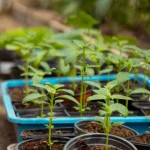
Best Vegetables for Containers (Grow Food Without a Garden)
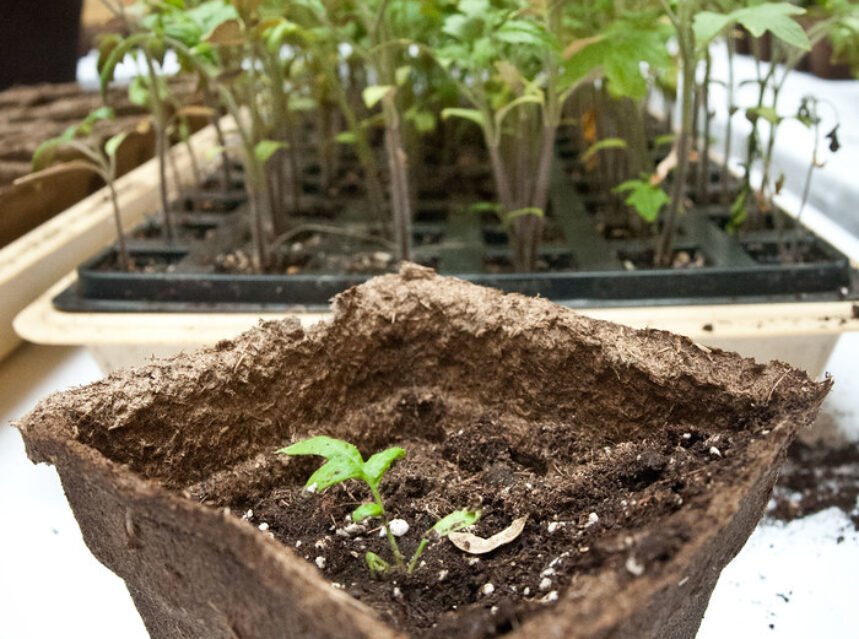
The best vegetables for containers are compact, fast, and productive crops like tomatoes, lettuce, chillies, herbs, radishes, and beans that thrive in pots with no garden needed. With a sunny balcony, patio, or windowsill and a few good containers, you can grow a surprising amount of fresh food. This guide covers the best vegetables for containers and how to grow them well.
Quick answer: Choose the largest pots you can, use a free-draining potting mix, give most vegetables 6+ hours of sun, water often (pots dry fast), and feed every couple of weeks once cropping. Pick compact or “patio” varieties. Salad leaves, herbs, tomatoes, chillies, radishes, and beans are the easiest, most rewarding container crops.
🧰 In a hurry? Jump straight to our tested picks for this guide ↓
The best vegetables for containers at a glance
| Vegetable | Min pot size | Notes |
|---|---|---|
| Lettuce & salad leaves | 15–20 cm deep | Fast, cut-and-come-again, part shade OK |
| Tomatoes (bush/patio) | 30–40 cm | Full sun, feed well, support |
| Chillies & peppers | 25–30 cm | Warmth and sun; great on a sill |
| Radishes | 15 cm deep | Ready in 4 weeks; sow often |
| Beans (bush) | 30 cm | Heavy crop; warm season |
| Spinach & greens | 15–20 cm | Cool season; shallow roots |
| Spring onions | 15 cm | Tuck into gaps; regrow from scraps |
| Herbs (basil, mint, etc.) | 15–25 cm | Most thrive in pots by the door |
Why grow vegetables in containers?
Container growing makes fresh food possible for everyone. You need no garden, just a sunny spot and a few pots.
Pots also give you control: better soil, fewer weeds, easy pest-watching, and the freedom to move plants into sun or shelter. They suit balconies, patios, terraces, and windowsills, which is why container vegetable gardening is booming in cities worldwide, including across India’s terraces and apartments.
The 15 best vegetables for containers
Some vegetables simply grow better in pots than others. The best ones are compact, quick, or naturally suited to a confined root space.
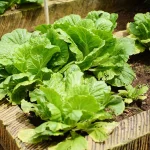
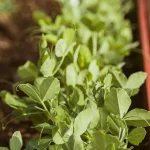
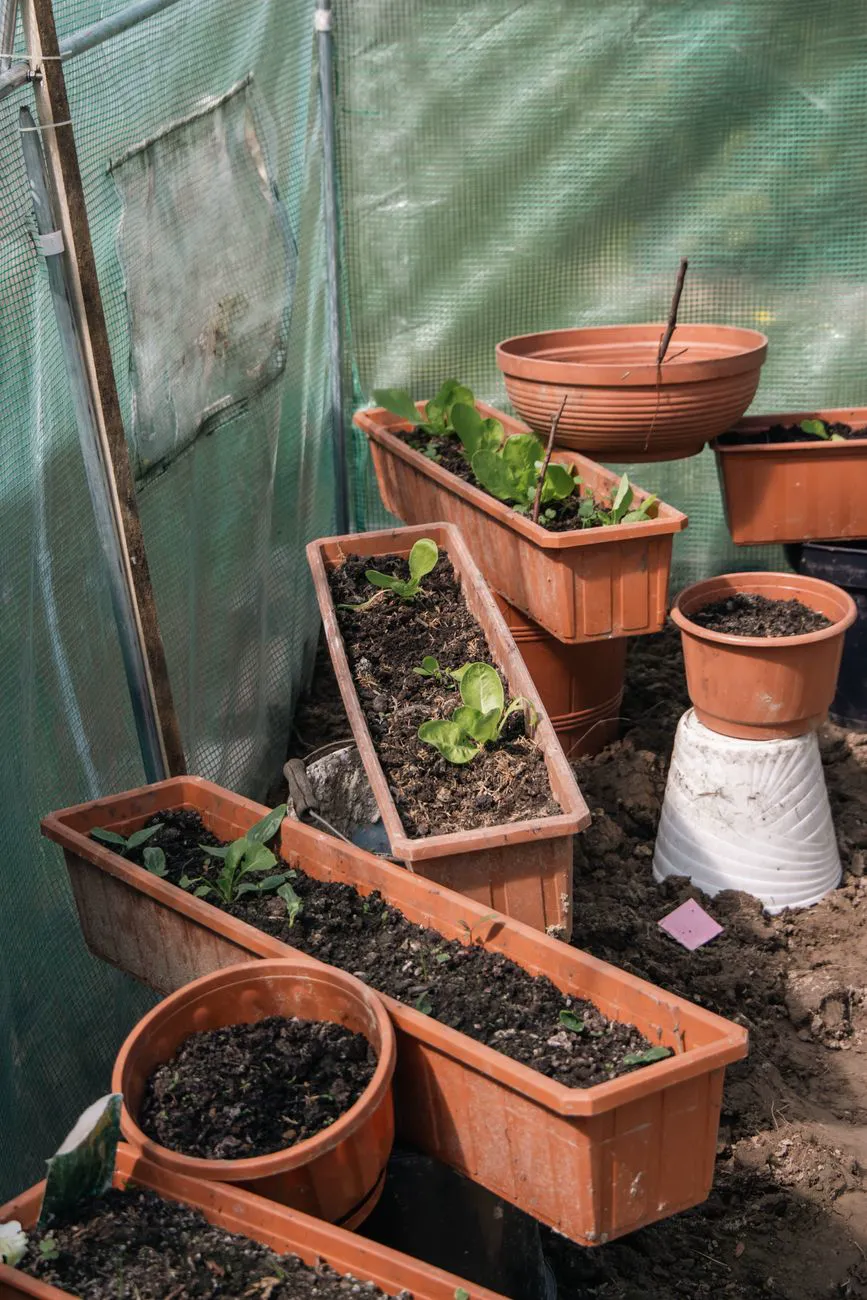
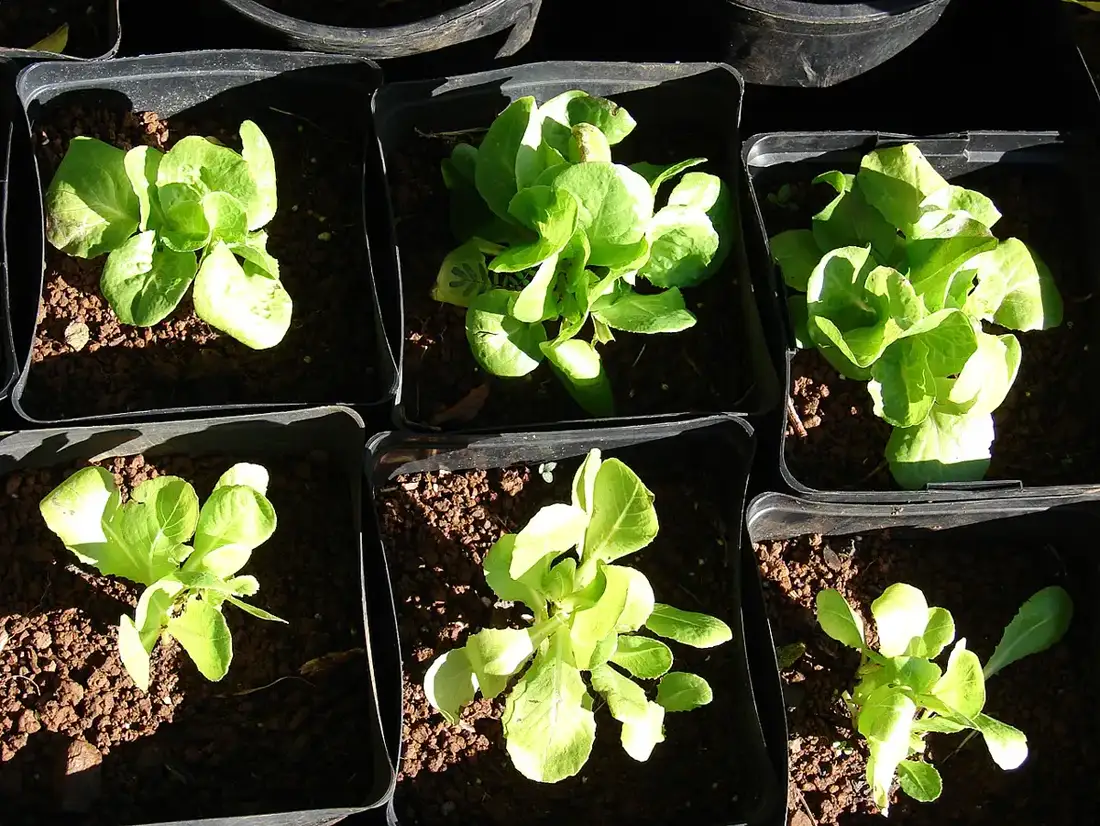
- Lettuce and salad leaves — fast, shallow-rooted, and happy in part shade (see leafy greens).
- Tomatoes — choose bush or “patio” types; heavy croppers in a big pot.
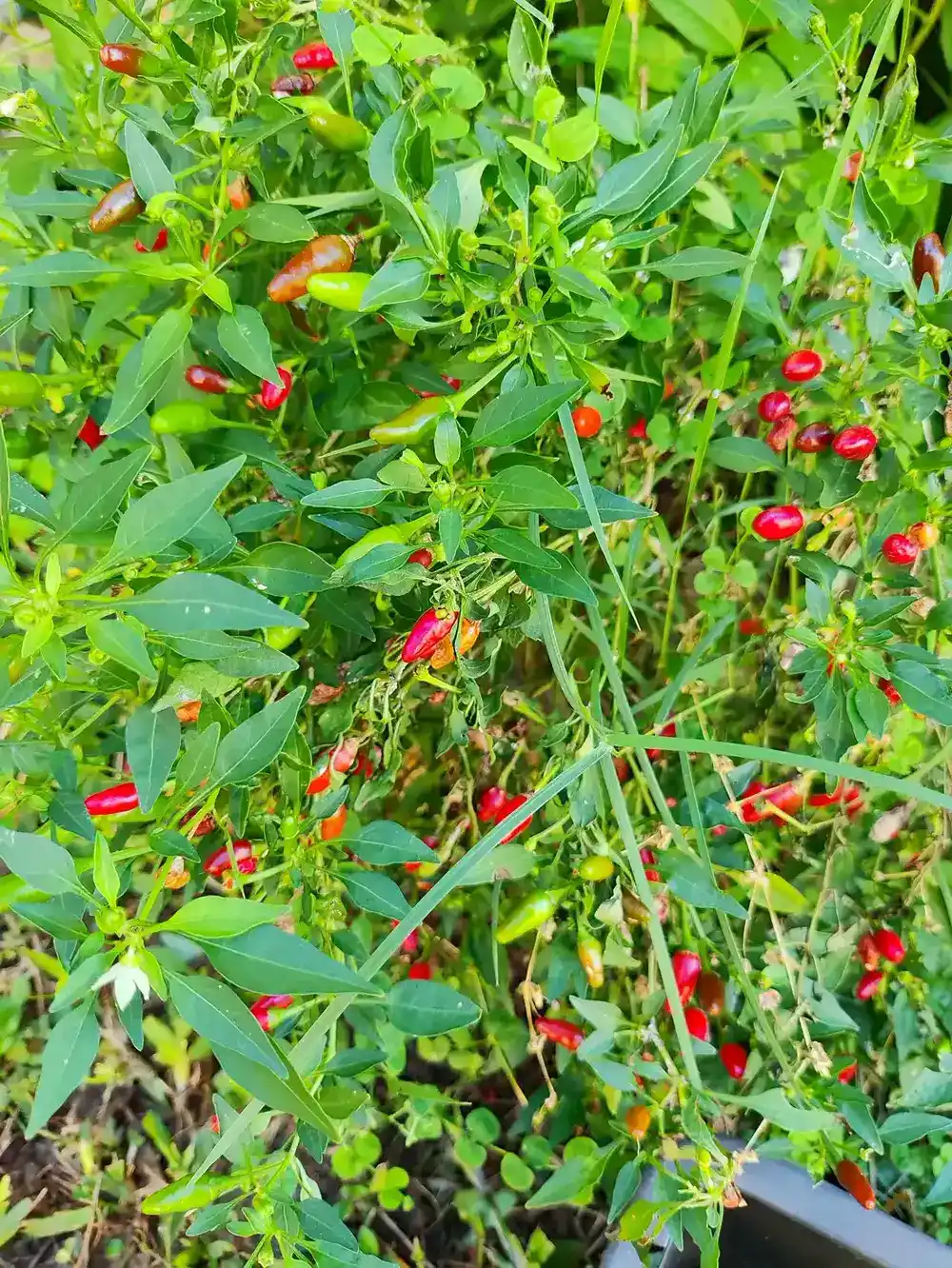
- Chillies and peppers — compact, ornamental, and love a warm sill.
- Radishes — ready in about four weeks; perfect for impatient growers.
- Bush beans — productive and quick (see green beans).
- Spinach and Asian greens — cool-season, shallow-rooted (see kale).
- Spring onions — tuck into any gap (see spring onions).
- Herbs — basil, mint, coriander, and chives all thrive in pots.
- Carrots — short or round types in a deep pot of stone-free mix.
- Potatoes — grow a few in a big bucket or grow bag.
- Aubergine (brinjal) — warm, sunny spot; great for terraces.
- Beetroot — easy in a medium, deepish pot.
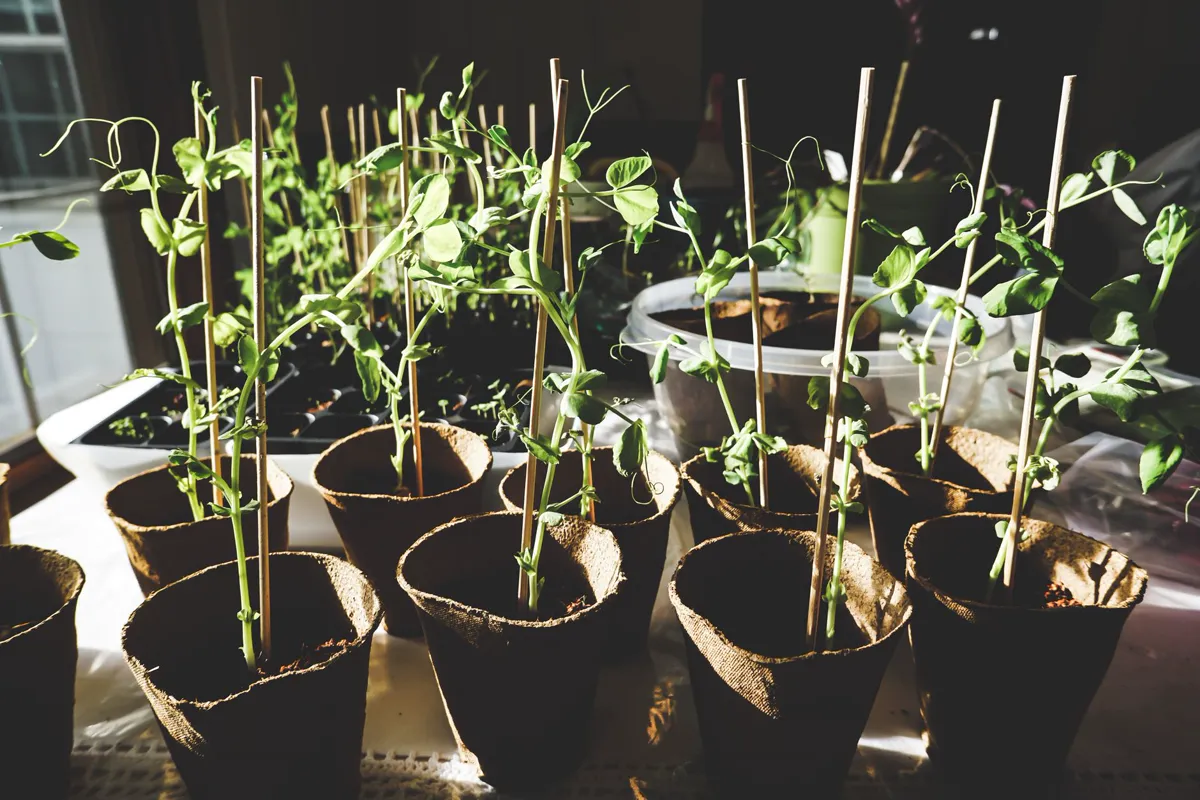
- Dwarf peas — with twiggy support (see peas).
- Kale and chard — long-cropping and ornamental.
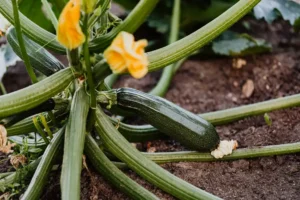
- Zucchini — one compact plant in a very large pot (see zucchini).
Choosing pots & potting mix
Bigger is better with containers. Larger pots hold more soil, dry out more slowly, and give roots room to crop well.
Make sure every pot has drainage holes. Fill with a good free-draining potting mix, not heavy garden soil, which compacts in pots (see choosing a potting mix). Add compost for richness. Grow bags and fabric pots are cheap, effective options for crops like potatoes and tomatoes.
Sun, watering & feeding
Most fruiting vegetables need 6 or more hours of sun; leafy crops manage with less. Place pots where they get the light each crop needs.
The golden rule is water: pots dry out fast, so check daily in warm weather and water before plants wilt (see how often to water plants). Self-watering planters take most of this daily checking off your hands. Because frequent watering washes out nutrients, feed every one to two weeks with a balanced or high-potash liquid feed once plants are growing strongly.
Common container problems
Most container troubles come down to pots that are too small, too dry, or under-fed. A cramped, thirsty plant crops poorly and is prone to pests.
Watch for aphids and other pests, and use the methods in our organic pest control guide. Improve poor soil and drainage (see improving soil), and move pots to shelter in extreme heat or cold.
Container growing in hot climates & India
In hot regions like much of India, containers are ideal because you can move them out of the fierce midday sun. Terrace and balcony gardens flourish with the right timing.
Grow most vegetables in the cooler seasons, give pots some afternoon shade in summer, and water generously, often twice a day in peak heat. Light-coloured or terracotta pots keep roots cooler than dark plastic.
Tips for the biggest harvests
A few simple habits make container crops far more productive. Pick the right variety, water consistently, and keep harvesting.
- Choose compact, “patio”, or dwarf varieties bred for pots.
- Harvest often — picking salad leaves and beans keeps them cropping.
- Group pots together to shade roots and slow drying.
- Re-sow quick crops like radishes and salad every few weeks.
Why container growing is worth it
Growing vegetables in containers proves you do not need a garden to enjoy fresh, home-grown food. A few pots on a balcony can supply salads, herbs, tomatoes, and more all season.
It is flexible, beginner-friendly, and endlessly adaptable to small spaces. Start with the easy crops above, give them sun, water, and feed, and you will be picking your own vegetables within weeks. For city gardeners everywhere, containers turn any sunny corner into a productive kitchen garden.
Common container-growing mistakes
Most container failures come down to a few avoidable errors. The biggest is choosing a pot that is too small, which dries out fast and cramps the roots, giving a weak, quickly-exhausted plant. Always go bigger than you think you need.
The next mistake is letting pots dry out, then drowning them. Container plants want steady moisture, not a feast-and-famine cycle. Forgetting to feed is another common slip, since frequent watering washes nutrients straight out of the pot. Finally, using heavy garden soil instead of a free-draining potting mix leads to compaction and poor roots. Avoid these four, and most container crops thrive.
A simple plan for your first pots
If you are new to growing, start small and build confidence. Three or four pots of easy crops will teach you more than a crowded balcony of struggling plants.
Begin with a pot of mixed salad leaves, a pot of herbs by the kitchen door, and one larger pot for a bush tomato or some bush beans. Water them daily in warm weather, feed once a fortnight, and harvest little and often. Within a few weeks you will be picking your own food, and you can add more pots and crops as you learn what your space and climate suit best.
Feeding and soil for container crops
Container vegetables rely entirely on you for food. The small volume of compost in a pot holds limited nutrients, and frequent watering washes them away. So regular feeding is not optional; it is the difference between a thriving plant and a struggling one.
Start with a good, rich potting mix blended with compost. Once plants are growing strongly, begin feeding. A balanced liquid feed suits leafy crops, while a high-potash feed (like a tomato feed) is best for fruiting crops such as tomatoes, chillies, and beans. Feed every one to two weeks through the main growing season. Refresh or improve the mix each year, since old, spent compost grows weak plants. Get the soil and feeding right, and almost any container crop will reward you.
Harvesting little and often
The secret to a long container harvest is to pick regularly. Many crops respond to picking by producing more, so frequent harvesting keeps them cropping for weeks.
Snip salad leaves a few at a time, and they keep regrowing. Pick beans and courgettes young, and the plant makes more. Pull radishes and spring onions as soon as they are ready, freeing space to re-sow. This steady, little-and-often approach gives far more food from a small space than waiting for one big harvest, and it keeps your pots neat and productive all season.
Sources and further reading
Frequently asked questions
What are the easiest vegetables to grow in containers?
Salad leaves, radishes, spring onions, herbs, chillies, and bush beans are the easiest and quickest for beginners.
How big should a vegetable container be?
Bigger is better. Salads need 15–20 cm deep; tomatoes and beans want 30 cm or more. Always use pots with drainage holes.
How often should I water container vegetables?
Often — pots dry fast. Check daily in warm weather and water before the plants wilt, sometimes twice a day in heat.
Do container vegetables need feeding?
Yes — frequent watering washes out nutrients, so feed every one to two weeks once plants are cropping.
What type of soil should I use for container vegetables?
Skip regular garden soil, since it compacts in a pot, drains poorly, and can carry pests or disease. Use a light, free-draining organic potting mix instead, blended with compost for richness, since it gives roots the air and drainage a container needs to grow strongly.
How much sunlight do container vegetables need?
Most fruiting vegetables, like tomatoes, chillies and beans, need six to eight hours of direct sun a day to crop well. Leafy greens and herbs are more tolerant and can manage with less, so match each pot’s position to what it is growing.
Should I choose regular or dwarf vegetable varieties for pots?
Dwarf, compact, or patio varieties bred for containers perform far better than full-size garden varieties. They stay a manageable size, need less staking, and are less likely to become root-bound in a limited volume of soil.
Can I grow root vegetables like carrots in containers?
Yes, in a deep pot filled with a stone-free, loose mix. Choose short or round carrot varieties rather than long ones, since a shallow or compacted container distorts long roots. Beetroot and radishes are easier still and tolerate a medium-depth pot well.
Why do my container vegetables keep wilting?
Wilting in a container is almost always down to the pot drying out faster than the plant can cope with, especially in a small pot in full sun. Check the soil daily in warm weather, water thoroughly until it runs from the drainage holes, and move up to a bigger pot if wilting keeps recurring.
How long do container vegetables take to produce a harvest?
It depends on the crop. Radishes are ready in about four weeks, salad leaves and spring onions in a few weeks more, while tomatoes, chillies and beans take a couple of months to start cropping and then continue for weeks. Picking often, rather than waiting for one big harvest, keeps most container crops productive longer.
Can I grow vegetables in pots in India?
Yes — terrace and balcony container growing is ideal; grow in the cooler seasons and give afternoon shade in summer.
Still stuck? Ask the Plant Doctor
Describe the problem — yellow leaves, holes, no flowers — and get a clear answer in seconds. FreeAI can make mistakes. Answers are guidance, not a guarantee — check anything important against the guide it links to, and always read the label on any product before you use it.