Grow Bags for Gardening: Sizes, Benefits & How to Use Them
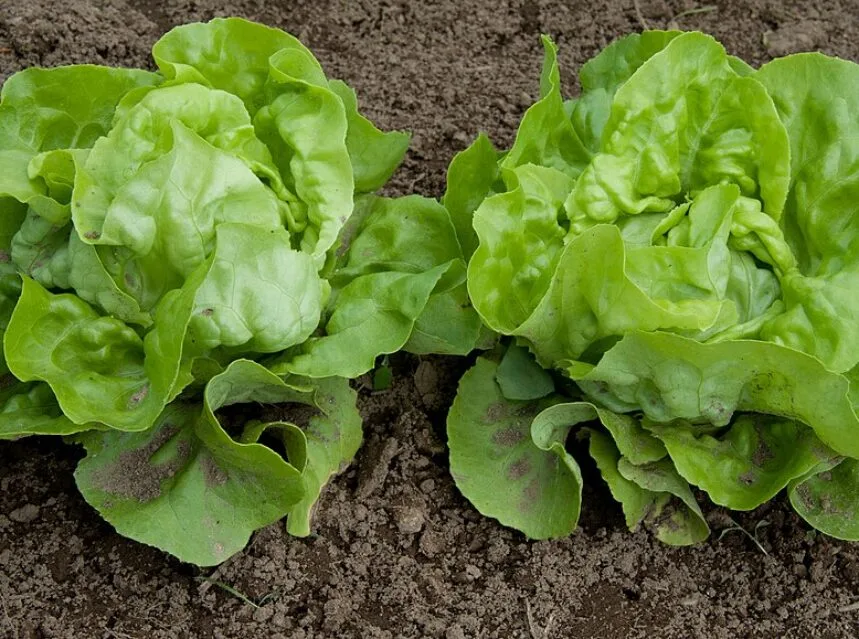 Image: Dwight Sipler from Stow, MA, USA — CC BY 2.0, via Wikimedia Commons
Grow bags are sturdy fabric or plastic planters that let you grow vegetables, fruit and flowers almost anywhere, making them ideal for balconies, terraces, patios and small spaces. Here is the complete guide to grow bags for gardening care.
Grow bags have quietly become the go-to container for Indian terrace and balcony gardeners — and for good reason. They’re cheap, light, drain beautifully, and you can fold them away when empty. If you’re growing vegetables in containers, the right grow bag often beats a heavy pot.
This guide covers which size to buy for each plant, the fabric-vs-plastic question, how to fill and water them, and their pros and cons.
Quick guide: Use 9–12 inch bags for herbs/greens, 15 inch for tomato/chilli/brinjal, and 18–24 inch for gourds and big plants. Fill with a light potting mix, and water more often than you would a pot — bags dry faster.
🧰 In a hurry? Jump straight to our tested picks for this guide ↓
What are grow bags?
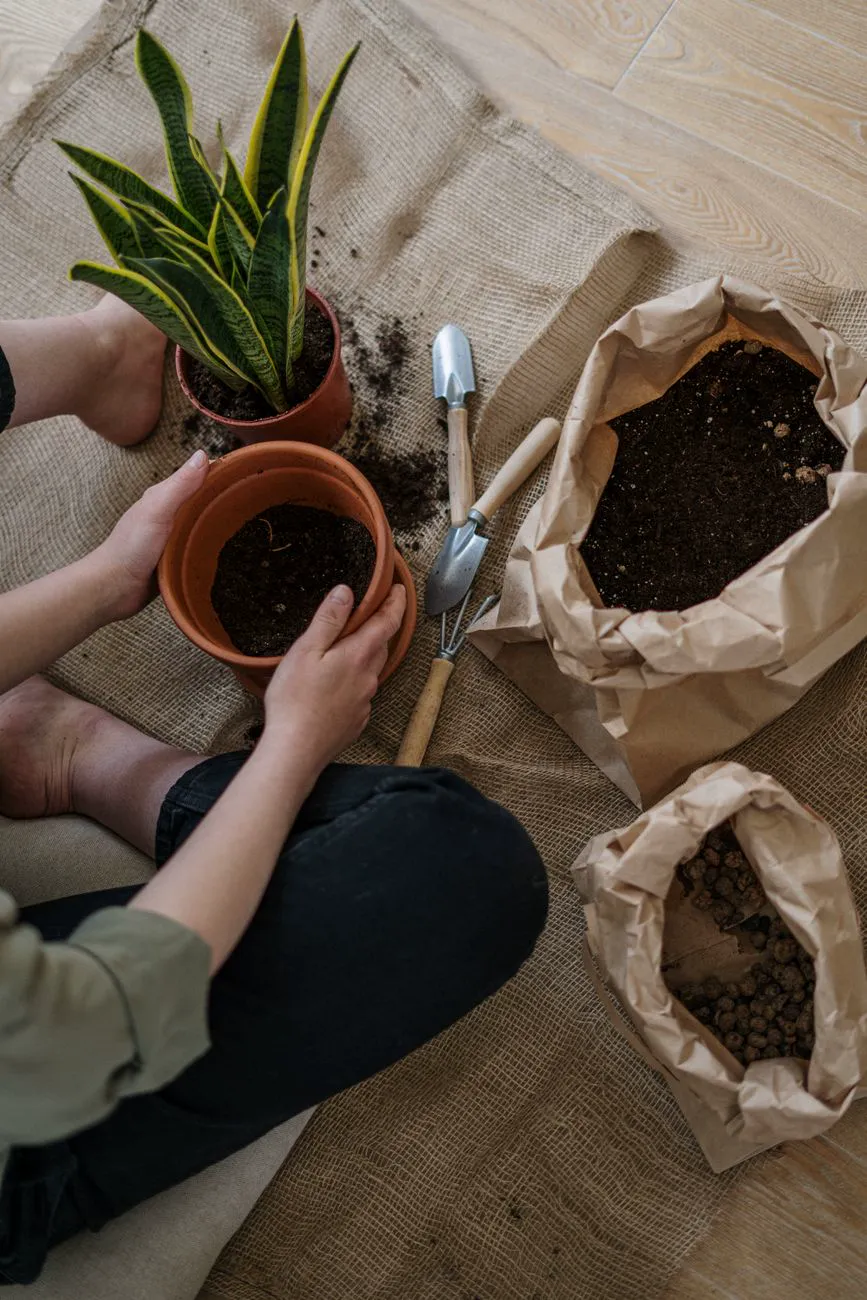
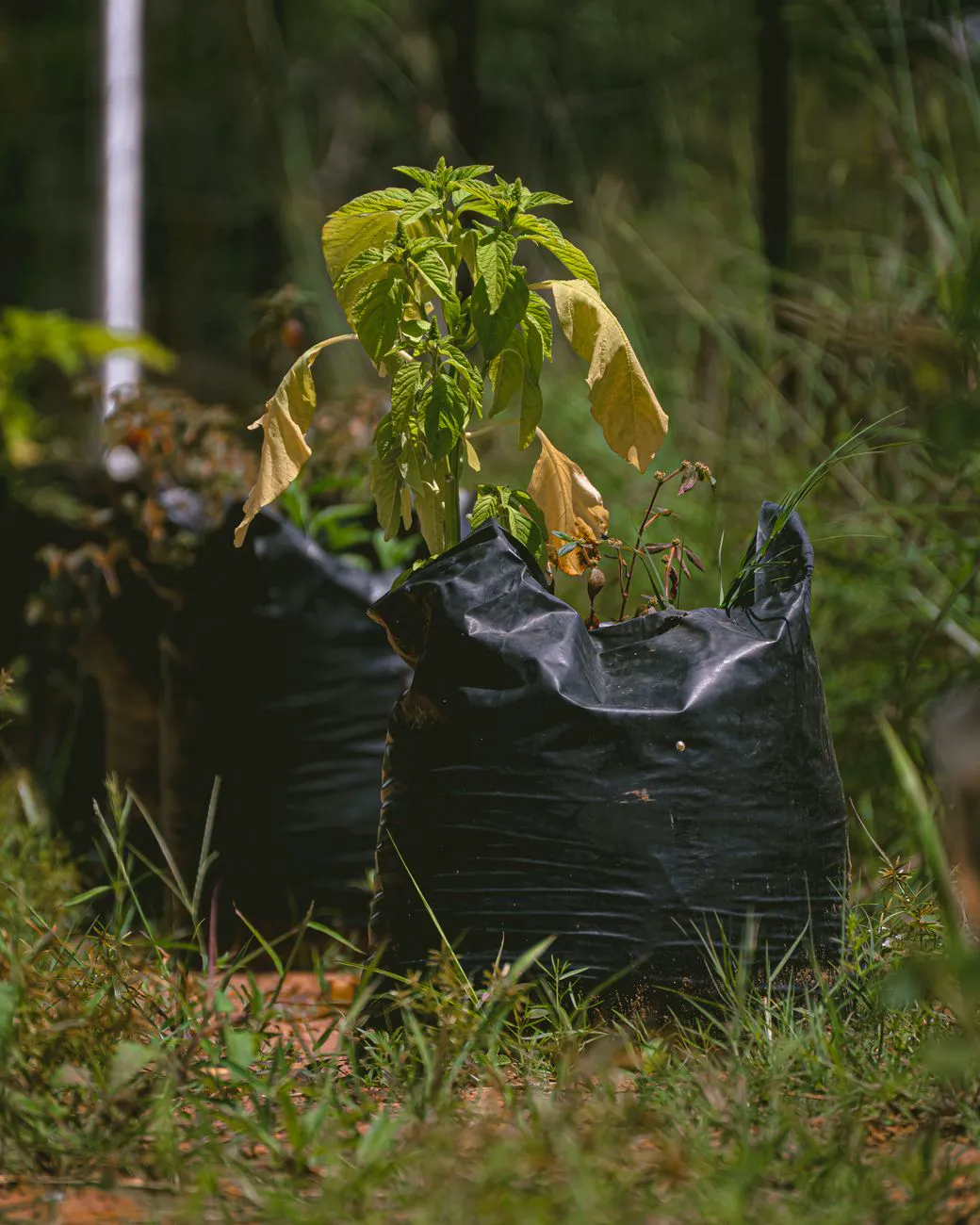
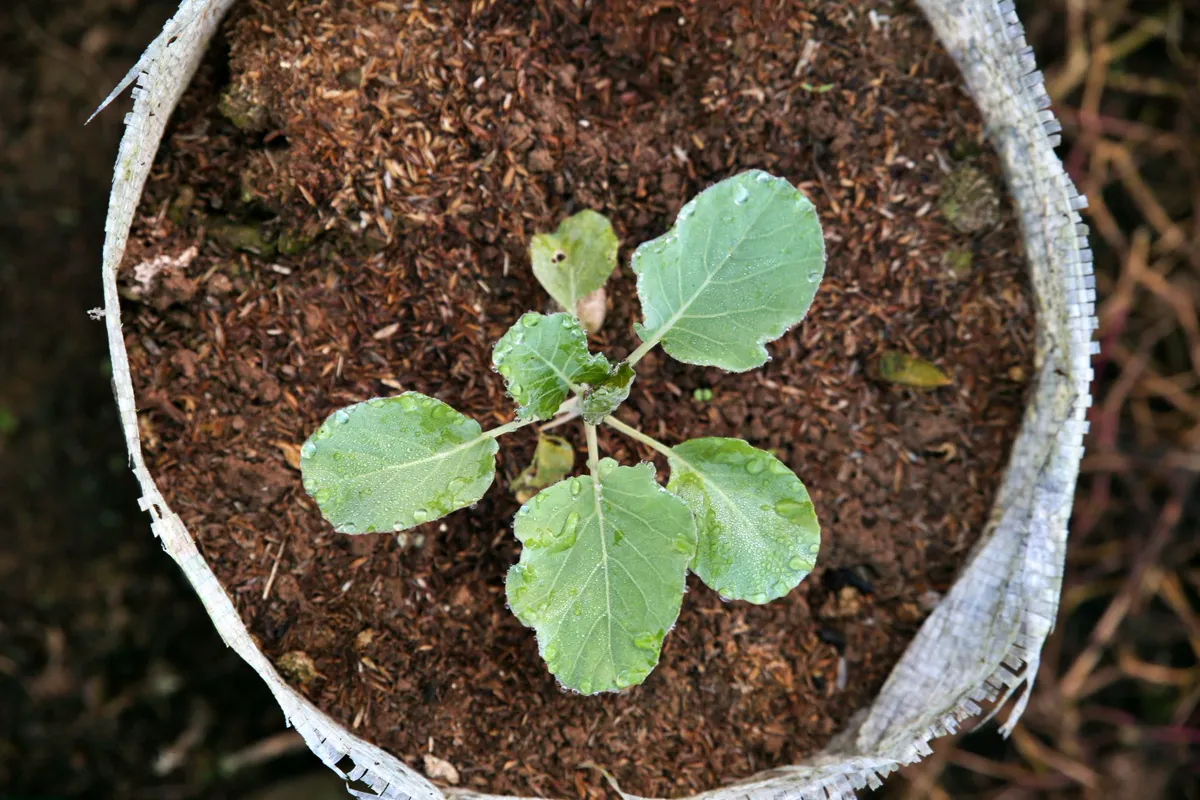
Grow bags are flexible containers — usually breathable fabric (felt/non-woven) or sturdy HDPE plastic — used in place of rigid pots. Plants grow in them just like in a pot, but the bag’s properties (drainage, air flow to roots) often make for healthier roots and easier handling.
Why gardeners love them
- Excellent drainage & airflow — far less risk of waterlogged, rotting roots.
- “Air-pruning” (fabric bags) — when roots reach the breathable wall, they stop and branch instead of circling, giving a denser, healthier root system.
- Light & movable — easy to rearrange, and gentle on a terrace’s load (see terrace gardening).
- Cheap & space-saving — fold flat when not in use.
What size grow bag for which plant?
| Bag size | Best for |
|---|---|
| 9–12 inch | Herbs (mint, coriander, tulsi), spinach, methi, lettuce, green chilli, small flowers |
| 12–15 inch | Tomato, brinjal, capsicum, beans, marigold, okra |
| 18 inch | Gourds, cucumber, cabbage/cauliflower, larger tomatoes |
| 24 inch + | Big gourds, dwarf fruit plants (lemon, guava, papaya), small trees |
(Sizes are usually given as diameter × height, e.g. 12×12.) When unsure, go one size bigger — roots like room and bigger bags dry out a little slower.
Fabric vs HDPE plastic — which to choose?
- Fabric (non-woven felt): best airflow + air-pruning, very breathable, but dries out faster and lasts a few seasons. Great for most vegetables.
- HDPE plastic: tougher and longer-lasting (UV-treated ones handle Indian sun for years), holds moisture a bit better, but less breathable. Good for larger/permanent plants. Choose UV-stabilised for the terrace.
How to fill and use grow bags
- Use a light, fast-draining mix — e.g. cocopeat + compost/vermicompost + a little garden soil and perlite/sand, plus neem cake. Avoid heavy garden soil alone (it compacts).
- Check the bag has drainage holes/slits (most do; add a few to plastic if needed).
- Place it on a stand or saucer-free surface so water drains away (especially on a terrace).
- Don’t overfill — leave a couple of cm at the top for watering.
Watering grow bags (the one catch)
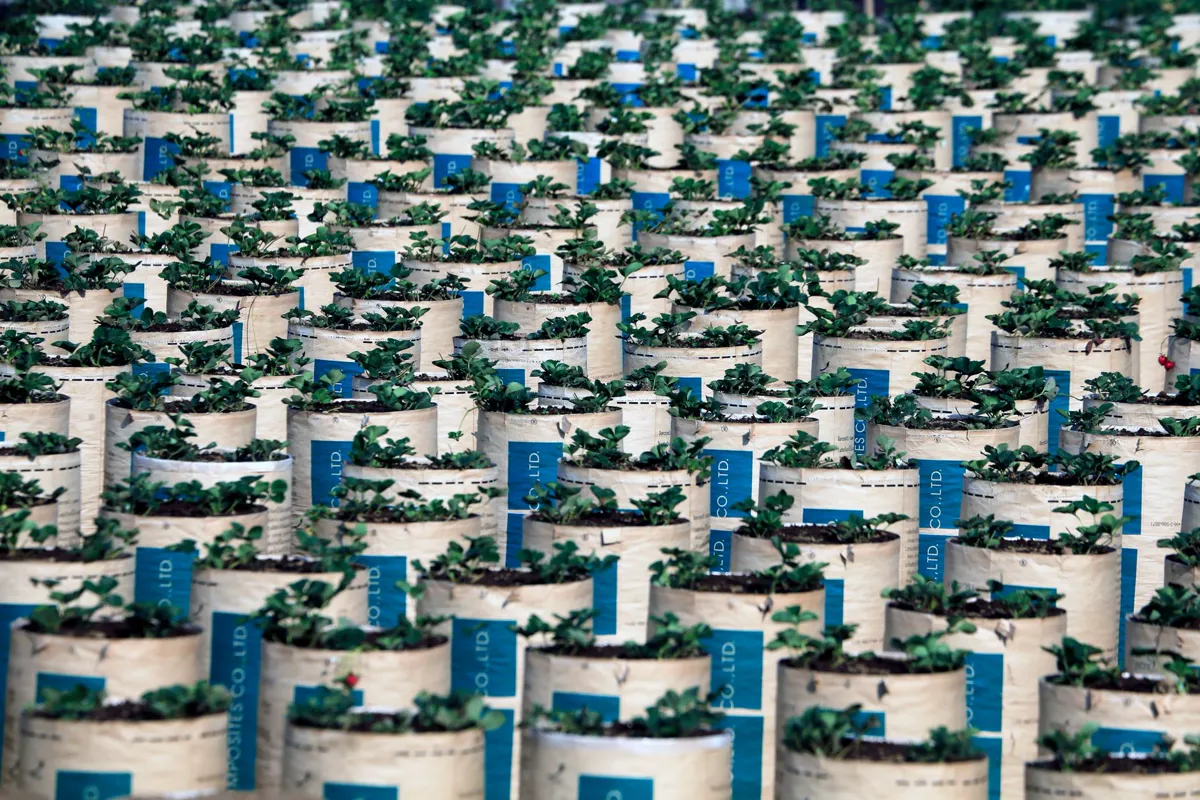
Because they breathe so well, grow bags dry out faster than solid pots — the main thing to adjust. In Indian summer heat, fabric bags may need watering daily (sometimes twice). Mulch the surface (cocopeat, dry leaves) to slow evaporation, and check the soil before watering. In the monsoon, their great drainage is a big advantage (see monsoon gardening).
? Get started: a mixed-size pack of fabric grow bags (or UV-treated HDPE bags) plus cocopeat & vermicompost.
Pros and cons at a glance
Pros: superb drainage, healthier air-pruned roots, light, cheap, movable, foldable. Cons: dry out faster (more watering), fabric ones wear out in a few seasons, can look less decorative than ceramic pots.
Why grow bags are so useful
Grow bags have transformed gardening for people without open ground. They turn a bare balcony, a hot terrace or a small patio into a productive growing space. Because they are portable, you can chase the sun, move tender plants under cover, and rearrange your garden whenever you like. For renters and city gardeners, this flexibility is priceless.
The fabric kind brings a real growing advantage too. Their breathable sides let air reach the roots, which naturally “air-prunes” them and encourages a dense, healthy root system. They also drain freely, which makes the dreaded root rot far less likely than in a pot that holds water. Healthier roots mean stronger, more productive plants.
They are also forgiving for beginners. A grow bag full of good potting mix gives you complete control over the soil, free of the weeds, pests and poor drainage of a difficult garden bed. So you can start fresh and get good results from the very first season.
How to use grow bags well
Choose the right size for what you want to grow. Leafy greens, herbs and salad crops are happy in shallow bags, while tomatoes, peppers, aubergines and root vegetables need deeper, larger ones to support their roots. Bigger bags also dry out more slowly, which makes watering easier in hot weather.
Fill them with a free-draining, fertile mix rather than heavy garden soil, which compacts and drains poorly in a container. A blend of compost with some coir or perlite holds moisture yet drains well. Stand the bags where they will get the right amount of sun for the crop, remembering that most vegetables want plenty of light.
The main thing to watch is water. Containers dry out much faster than open ground, especially fabric bags in summer wind and sun. So check them daily in hot weather, and water before the mix dries out completely. Because frequent watering washes nutrients away, feed regularly through the growing season to keep plants cropping.
Grow bags for balconies and terraces
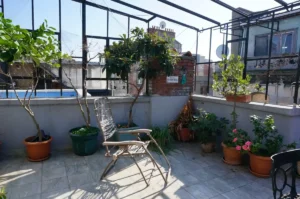
Grow bags suit Indian balconies and terraces especially well, and the same lessons apply in any hot, sunny climate. They let you garden on a hard surface, and their light weight is gentler on a terrace than rows of heavy ceramic pots. Pair them with our guides to balcony gardening and terrace gardening for a complete small-space setup.
In fierce heat, choose lighter-coloured bags where you can, as dark ones bake the roots. Raising the bags slightly on feet or bricks improves drainage and airflow underneath, and stops the surface below from staining. Grouping bags together also shades their sides and slows moisture loss.
During the monsoon or a wet spell, the free drainage of grow bags is a real blessing, since plants are far less likely to sit waterlogged. Just make sure the drainage holes stay clear. With a little daily attention to watering and feeding, grow bags let almost anyone, anywhere, grow a surprising amount of food and flowers.
Getting the most from your grow bags
A few simple habits make grow bags far more productive. Reuse them season after season by refreshing the mix each year, topping up with new compost and a slow-release feed. Fabric bags fold flat for storage over winter, which makes them easy to keep from one year to the next.
Crop choice matters too. Compact, productive plants like tomatoes, peppers, salad leaves, beans and herbs reward you most for the space. Many gardeners run two or three crops through a single bag across the year, following an early crop of salad with a summer crop of tomatoes, for example.
Above all, stay on top of watering and feeding, since these are the two things container plants cannot get for themselves. A daily check in summer, a thorough soak when needed, and a regular liquid feed keep grow-bag plants cropping heavily right through the season.
Related plant guides
- Best Vegetables For Containers
- Small Space Gardening
- Vertical Gardening Ideas
- How to grow Tomatoes in Pots
- How To Build A Raised Garden Bed
- How To Start A Vegetable Garden For Beginners
Frequently asked questions
What size grow bag for tomatoes?
A 15-inch bag suits one tomato plant well; 18 inch for large/indeterminate varieties. Smaller bags dry out too fast for thirsty tomatoes.
Are grow bags better than pots?
For vegetables and terrace gardening, often yes — better drainage and root health, lighter and cheaper. The trade-off is more frequent watering.
How often do I water grow bags?
More often than pots, since they breathe and dry faster — sometimes daily in summer. Mulch to reduce evaporation and always check the soil.
Fabric or plastic grow bags?
Fabric for best airflow and root health (most veg); UV-treated HDPE for durability and bigger/permanent plants on a sunny terrace.
How long do grow bags last?
Fabric bags typically a few seasons; good UV-treated HDPE bags several years. Empty and store them dry when not in use to extend life.
Do grow bags need drainage holes?
No extra holes are usually needed, since the woven or non-woven fabric itself is naturally porous and lets water drain straight through the base and sides. HDPE plastic bags sometimes need a few holes punched in the bottom if they were not pre-slitted, so check before filling.
Can I reuse the soil in a grow bag next season?
Yes, as long as the previous crop was healthy and free of soil-borne disease. Tip the old mix into a tub, break up any clumps and remove old roots, then refresh it with fresh compost equal to about a quarter of the original volume before refilling the bag.
Do grow bags attract more pests than pots?
No, grow bags are not more prone to pests than raised beds or ordinary pots. Good drainage actually lowers the risk of root rot and the fungus gnats that come with waterlogged soil, though you still need to watch for the usual aphids and caterpillars above ground.
What size grow bag suits herbs and leafy greens?
A 9 to 12 inch bag is plenty for herbs like mint, coriander and tulsi, and for quick leafy crops like spinach and lettuce. Their roots stay shallow, so a wider, shorter bag works better than a tall, narrow one.
Can I grow a fruit tree in a grow bag?
Yes, in a large 24-inch-plus bag, dwarf lemon, guava, and papaya all do well on a sunny terrace. Choose a UV-treated HDPE bag for durability, since a fruit tree stays in the same container for years, and feed regularly because fruiting trees are heavy feeders.
Who benefits most from using grow bags?
Urban and small-space gardeners get the most from grow bags, since they turn a bare terrace, balcony or patio into growing space without the weight or cost of ceramic pots. They also suit renters, since a grow bag folds flat and moves easily when you shift house.
Sources and further reading
Still stuck? Ask the Plant Doctor
Describe the problem — yellow leaves, holes, no flowers — and get a clear answer in seconds. FreeAI can make mistakes. Answers are guidance, not a guarantee — check anything important against the guide it links to, and always read the label on any product before you use it.