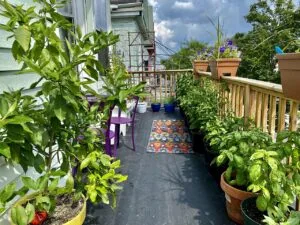
Monsoon Terrace Garden Checklist
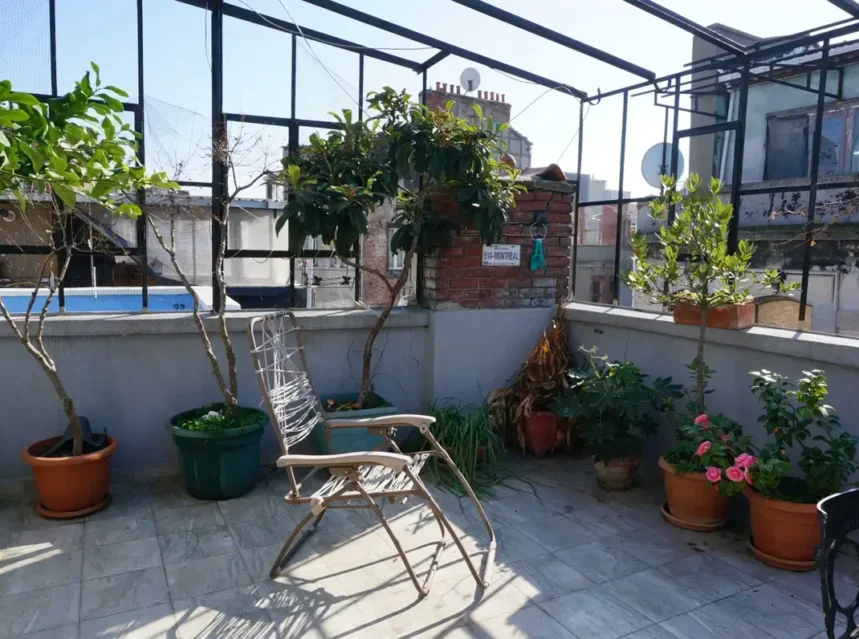
A monsoon terrace garden checklist is a dated list of jobs that keeps container plants on a roof or balcony alive through the rainy season – the tasks you do before the rains arrive, the ones you repeat every week while they fall, and the ones you do as the monsoon withdraws. A terrace is not a garden bed with a view. It is a sealed concrete slab holding heavy wet pots, and in the rains that changes what you have to check.
Quick answer: Before the rains, clear every drain, drill more holes, lift pots onto feet and cut back crowded growth. During the rains, walk the terrace weekly to tip out saucers, check for pooling, remove spotted leaves and re-stake anything leaning. As the monsoon withdraws, top up washed-out compost, treat root rot and start sowing the cool-season crops.
This is a companion to our broader monsoon gardening guide and our terrace gardening setup guide. Those two explain the season and the space. This one is the schedule.
🧰 In a hurry? Jump straight to our tested picks for this guide ↓
Monsoon terrace garden checklist at a glance

| Phase | Rough timing (India) | The three jobs that matter most |
|---|---|---|
| Pre-monsoon prep | 4-6 weeks before onset (roughly May in most of India) | Clear drains, add drainage holes, lift pots off the slab |
| Early rains | First fortnight of rain | Stop watering, stake tall plants, watch where water pools |
| Peak monsoon | Weekly, through the wettest weeks | Empty saucers, strip spotted leaves, feed little and often |
| Break in the rains | Any dry spell of 4-5 days | Resume watering, spray preventively, sow a quick catch crop |
| Withdrawal | From about mid-September onward | Refill sunken compost, cull rotted plants, start cool-season sowing |
The dates shift with where you live. India’s southwest monsoon season runs broadly from June to September, and the India Meteorological Department tracks its actual progress state by state, so watch the local forecast rather than the calendar.
Why a terrace needs its own monsoon checklist
Ground soil drains downward into more soil. A terrace does not. Under every pot there is waterproofing, and under that there is somebody’s ceiling.
So three things behave differently up here. Water has nowhere to go except the outlets you provide, pots gain a lot of weight when they saturate, and the wind is far stronger four floors up. Everything below follows from those three facts.
Before the rains: the pre-monsoon checklist
Do this work in dry weather, ideally a month before the first storm. Once the rain starts, none of it is pleasant.
- Clear every drain outlet. Lift the gratings, pull out the leaf mush and dry soil, and pour a bucket of water down each one to confirm it runs.
- Watch where the water actually goes. Pour that bucket in the middle of the terrace too. Wherever it stops moving is where a puddle will sit for months.
- Move pots out of the low spots. Those corners are exactly where root rot and mosquitoes start.
- Add drainage holes. Most nursery pots have one. Drill three or four more around the base rim, where water actually collects.
- Lift everything off the slab. Pot feet, bricks or a slatted stand all work. An inch of air under a pot is the single cheapest thing on this list.
- Coarsen tired potting mix. Fork in perlite, coarse sand or rice husk so the top few inches drain instead of setting like clay.
- Prune crowded growth. Thin the middle of dense plants so air moves through them. Wet leaves that never dry are how leaf spot spreads.
- Repot anything overdue now. A plant recovering from root disturbance in a downpour rarely recovers well.
- Check your shelter. A clear sheet or a corner of shade net over the rot-prone pots saves more plants than any spray.
- Look at the waterproofing. Blistered or cracked coating only gets worse once water sits on it.
The pot-weight problem nobody mentions
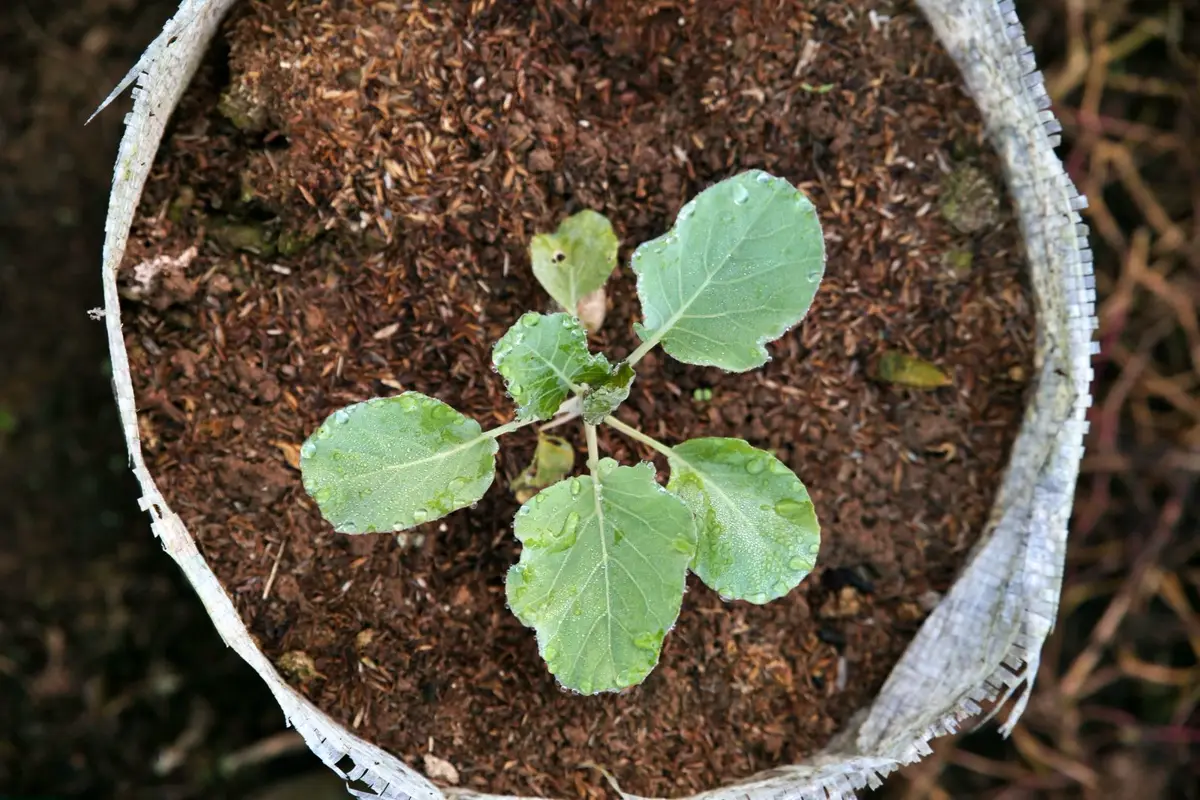
Here is the part almost every monsoon guide skips. A pot you happily lifted in April may be immovable in July, because saturated growing media is far heavier than dry media.
Dry cocopeat mix is light. Soak it and the same volume can roughly double in weight. Multiply that across forty containers, add the water standing in every saucer, and a load that felt comfortable in summer becomes the heaviest it will be all year.
Indian rooftop guidance commonly assumes a modern RCC slab handles somewhere near 150-200 kg per square metre of imposed load, with standards such as IS 875 (Part 2) governing the real figure. That is a design assumption, not a promise about your building. So do three practical things instead of guessing.
- Spread the load. Keep heavy containers near load-bearing walls, beams and parapets rather than clustered in the middle of a span.
- Weigh the season, not the pot. Judge every container by what it weighs soaked, not by what it weighs today.
- Switch the biggest ones to grow bags. Fabric grow bags with a light cocopeat mix cut both the container weight and the water the mix holds.
If you are planning raised beds, a pond or a lawn on the roof, get a civil engineer to check the slab. That is a building question, not a gardening one.
Week by week during the monsoon
Once the rains settle in, the job becomes a short weekly round rather than daily care. Walk the terrace once a week and run through this.
- Stop watering by habit. Push a finger two inches in first. Only water if it is genuinely dry, which usually means the pot sits under shelter.
- Tip out every saucer. Standing water under a pot rots roots and breeds mosquitoes at the same time.
- Check the drains again. One storm’s worth of debris blocks an outlet, and a blocked outlet turns the terrace into a shallow pond.
- Strip spotted and yellowing leaves. Bag them and bin them. Do not leave them lying on the slab.
- Re-firm and re-tie stakes. Wet soil grips roots loosely, so tall plants lean after every windy night.
- Feed lightly, more often. Rain leaches nutrients steadily out of containers, so small regular doses beat one heavy feed that simply washes away.
- Lift the pots you can. A pot that has become unexpectedly heavy is telling you its drainage hole is blocked.
- Handpick slugs and snails. Evening, after rain, is when they are out and easiest to find.
Saucers, standing water and mosquitoes
This is the second thing terrace gardeners get caught by, and it is a health issue rather than a plant issue. Aedes mosquitoes, which spread dengue and chikungunya, breed in small collections of clean water in man-made containers – and a plant saucer is exactly that.
The World Health Organization’s household advice for dengue is direct: remove artificial habitats that can hold water, and cover, empty and clean water-holding containers weekly. On a terrace garden, that means the saucers, the spare buckets, the upturned pot lids and the blocked corner where rain collects.
The practical answer is simple. Take the saucers off outdoor pots for the whole monsoon, because outdoors they serve no purpose anyway. If you must keep them, empty and wipe them dry once a week without fail. Do not overstate the risk to yourself, but do not skip the round either – a weekly tip-out costs five minutes.
Fungal disease on a wet terrace

Warm air, still humidity and leaves that never dry make a near-perfect disease incubator. The RHS notes that downy mildews need extended periods of leaf wetness to infect, and that the spores are produced at night, which is precisely what a humid monsoon terrace delivers.
So airflow does more work than any bottle. Space pots so leaves are not touching, thin dense canopies, and keep plants off a wall where air stagnates.
Then act early. Pick off affected leaves as soon as you see them rather than waiting, and use a preventive neem oil spray in a dry window rather than mid-downpour. Our guides to powdery mildew and root rot cover the two you will meet most.
What to sow, and what to stop sowing
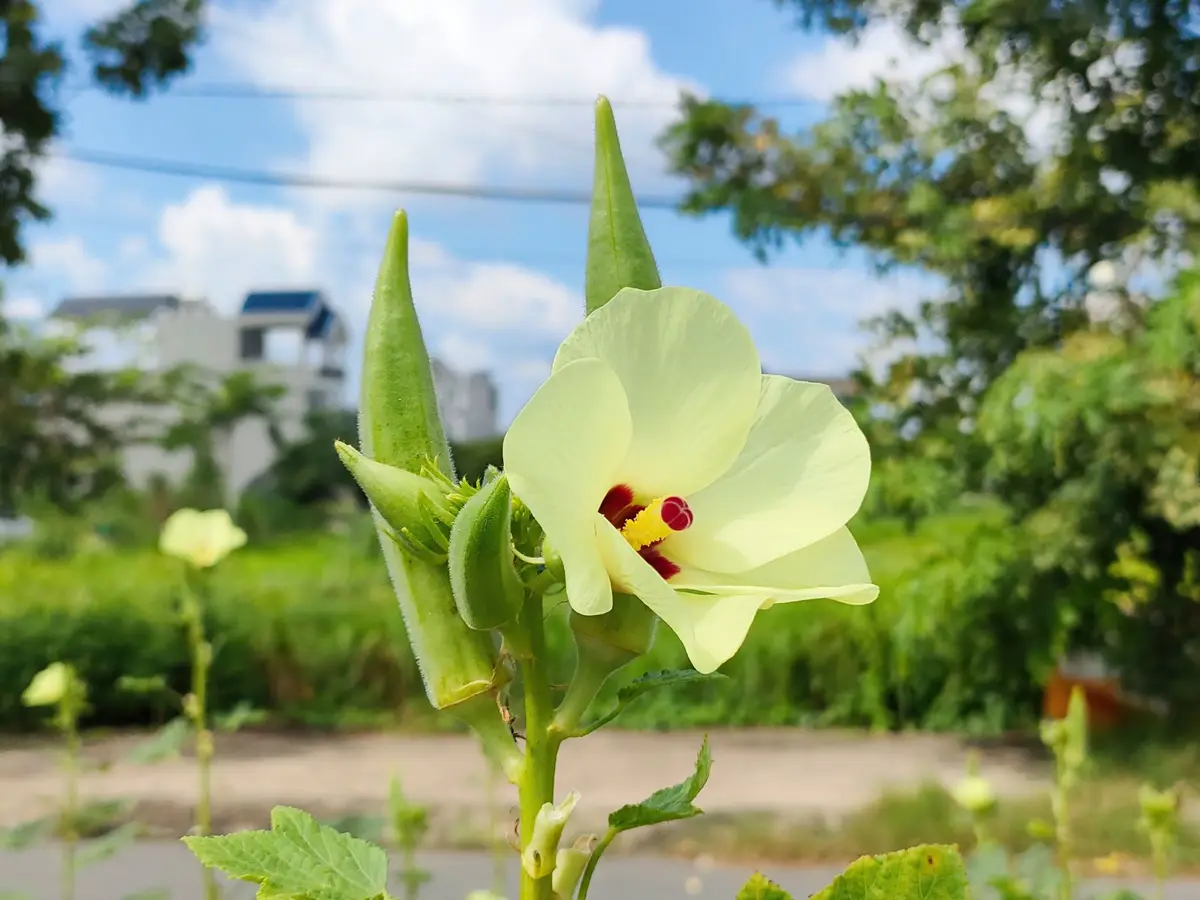
The monsoon is a real growing season, not just a survival exercise. Warm, humid, well-watered containers push growth fast.
Sow now on the terrace: okra, cluster beans, cowpea, cucumber, bottle gourd, ridge gourd, bitter gourd, brinjal, chilli, amaranth, spinach and quick-cutting greens. Herbs such as mint, curry leaf and lemongrass thrive in the humidity.
Stop sowing: carrot, radish and coriander tend to rot in permanently soaked mix, and cool-season brassicas simply sulk. Anything you are starting from fine seed is better sown in a tray under shelter and moved out later.
Rot-prone plants deserve a rule of their own. Move succulents, cacti and most balcony houseplants under a roof edge for the season rather than trying to save them later.
Wind, staking and where pots sit
A rooftop takes gusts that a courtyard never sees, and monsoon squalls arrive with the rain. Tall crops in tall pots are the first casualties.
Stake before you need to. Push canes in deep and tie with soft cloth or coir, not wire, because wet stems bruise easily. Group tall containers behind a parapet or a mesh screen so they shelter each other.
Lastly, keep a clear walkway. You will be doing this round in the rain, and a terrace crowded pot to pot is one you quietly stop checking.
As the monsoon withdraws: the recovery checklist
Withdrawal is gradual, and in most of India it begins from around mid-September and finishes over the following weeks. Treat the first properly dry fortnight as your cue.
- Top up sunken mix. Months of rain compact and wash out compost, so most pots will have dropped an inch or two.
- Feed properly again. Leached containers are hungry, and cool-season crops need that reserve up front.
- Triage the casualties. Tip out anything with black, mushy roots, trim back to firm tissue and repot into fresh mix – or compost it and move on.
- Scrub the slab. Algae and moss under pots make a terrace genuinely slippery once the sun returns.
- Re-check the waterproofing. Damp patches on the ceiling below show up now, not in June.
- Start sowing the cool season. In India this is the rabi window – our guide to what to plant in October covers it crop by crop.
Using this checklist outside India
This post is written India-first, because that is where “monsoon terrace garden” is a normal phrase. However, the physics are not Indian.
Anywhere with a pronounced wet season and containers on hard surfaces, the same round applies: Southeast Asia, coastal West Africa, northern Australia, the Caribbean and much of Central America. Shift the dates to your own wet season and the checklist works unchanged. Temperate gardeners can borrow it for a wet autumn too, because the drainage, saucer and pot-weight jobs matter whenever containers stay saturated for weeks.
Frequently asked questions
Should I water terrace plants during the monsoon?
Mostly no. Rain-exposed pots usually need nothing for weeks, and watering on top of saturated mix is the commonest way people kill container plants in the rains. Check with a finger two inches deep first. Pots under a roof edge, awning or dense canopy are the exception – they can stay bone dry through a wet week, so those still need checking.
How often should I empty pot saucers in the rainy season?
At least once a week, and ideally take them off outdoor pots altogether for the season. Standing water under a pot both suffocates roots and gives mosquitoes a breeding site. The WHO’s household dengue advice is to empty and clean water-holding containers weekly, and a plant saucer counts. Indoors, where saucers protect the floor, tip them out after every watering instead.
Can a terrace slab take the weight of a wet container garden?
Usually yes for pots, but the load is much higher in the monsoon than in summer, because saturated growing mix can weigh close to double its dry weight. Spread heavy containers along load-bearing walls and beams rather than the middle of a span, and prefer lightweight cocopeat mixes and fabric grow bags. For raised beds, water features or a rooftop lawn, get a civil engineer to check the slab first.
Why are my terrace plants dying even though it is raining?
Almost always waterlogging rather than thirst. Saturated mix drives the air out, roots suffocate, and root rot follows within days. Look for yellowing leaves, soft stems and a sour smell from the pot. Check the drainage hole is not blocked or sealed against the slab, lift the pot onto feet, and move it out of any puddle it has been sitting in.
How do I stop fungal leaf spot on a balcony garden?
Airflow first, spray second. Space containers so leaves are not touching, thin dense growth, and pull pots away from walls where air stagnates. Remove spotted leaves the moment you see them and bin them rather than composting them on the terrace. A preventive neem spray applied in a dry window helps, but no spray outruns leaves that stay wet for days.
What vegetables can I sow on a terrace during the monsoon?
Okra, cluster beans, cowpea, cucumber, bottle gourd, ridge gourd, bitter gourd, brinjal, chilli, amaranth and quick leafy greens all crop well in warm, wet conditions. Herbs such as mint, curry leaf and lemongrass enjoy the humidity too. Sow into free-draining mix in deep containers, and start fine seed in a tray under shelter before moving it out.
What should I stop sowing once the rains begin?
Hold off on carrot, radish and coriander, which rot readily in permanently wet mix, and on cool-season brassicas, which grow poorly in monsoon heat. Also postpone repotting and any major root disturbance until the heaviest weeks pass. Save those jobs for the withdrawal window, when the mix drains again and roots can recover in drier soil.
Should I fertilise container plants in the monsoon?
Yes, but lightly and often. Heavy rain leaches nutrients straight through a container, so one strong dose largely washes away. Small regular feeds of vermicompost or a dilute organic liquid keep growth steady without forcing the soft, sappy growth that fungal disease and sap-sucking pests attack. Skip feeding entirely on any plant already showing rot symptoms.
Do I need to cover my terrace garden during the rains?
Not the whole terrace, and a full cover often does more harm by trapping humidity. Shelter selectively instead. Move succulents, cacti, seed trays and rot-prone houseplants under a roof edge or a clear sheet, and leave rain-loving crops out in the open. A partial shade net over one corner gives you somewhere to put anything that starts struggling.
How do I protect tall plants from monsoon wind on a roof?
Stake early, before the first squall rather than after it. Push canes deep into the container and tie stems with soft cloth or coir, because wire cuts into wet growth. Group tall pots behind a parapet or mesh screen so they break the wind for each other, and re-firm the mix around leaning plants each week – saturated mix grips roots far more loosely than dry mix does.
When should I start my pre-monsoon terrace preparation?
Four to six weeks before the rains normally reach your area, which in much of India means through May. Drainage clearing, drilling extra holes, lifting pots and pruning for airflow are all far easier in dry weather. Watch the IMD forecast for your state rather than a fixed date, because onset can arrive a week or two either side of normal.
What should I do on the terrace after the monsoon ends?
Top up compost that has slumped, feed properly again after months of leaching, and triage any plant with black mushy roots. Scrub algae off the slab before it turns slippery, and check the ceiling below for damp patches that show up now rather than in June. Then start the cool-season sowing – in India, October opens the rabi window for palak, methi, mooli, carrot and peas.
Sources and further reading
- WHO – Dengue and severe dengue fact sheet
- RHS – Downy mildews
- Purdue University Extension – Waterlogged vegetable gardens
- India Meteorological Department – Monsoon
This article is for general information only. It is not medical advice – for guidance on mosquito-borne illness, consult a qualified health professional or your local public-health authority.
Still stuck? Ask the Plant Doctor
Describe the problem — yellow leaves, holes, no flowers — and get a clear answer in seconds. FreeAI can make mistakes. Answers are guidance, not a guarantee — check anything important against the guide it links to, and always read the label on any product before you use it.