Best Plant Pots
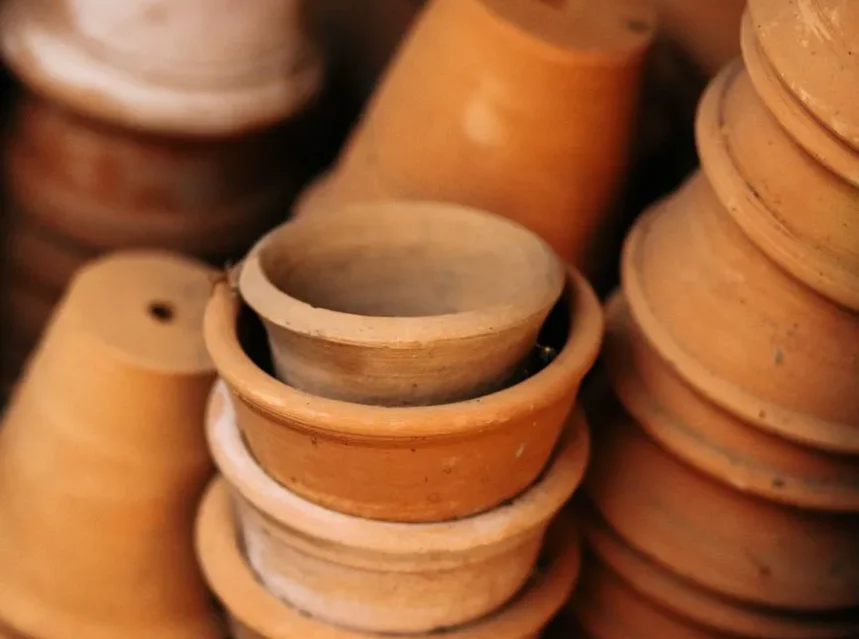
A plant pot is a container used to grow plants above ground, holding a set volume of compost that a plant’s roots can grow into. Pots range from small 9 cm seed pots to large 60 cm feature containers. They are made from terracotta, plastic, fibreclay, ceramic, fabric, metal, and wood.
The best plant pot matches three things: the plant’s root depth, the spot it will sit in, and how often you water. A large self-watering pot suits a busy gardener who waters rarely. A breathable terracotta pot suits a Mediterranean herb that likes drier roots.
Plant pot reviews weigh drainage, frost resistance, root breathability, weight, and value across different plants and locations. This guide compares those factors for both outdoor and indoor growing. The University of Minnesota Extension offers useful guidance on picking containers across US climate zones.
🧰 In a hurry? Jump straight to our tested picks for this guide ↓
Best plant pots at a glance
| Pick | Best for | Material | Trade-off |
|---|---|---|---|
| Classic terracotta pot | UK/US herbs, Mediterranean plants, perennials | Fired clay, porous | Cracks if left outside in hard frost |
| Haxnicks Vigoroot fabric pot | UK/US vegetables, root air-pruning | Permeable polypropylene fabric | Less attractive; folds flat off-season |
| Crescent Garden self-watering pot | UK/US slow waterers, summer holidays | UV-resistant plastic with reservoir | More expensive; reservoir needs cleaning |
| Fibreclay frost-proof planter | UK year-round outdoor statement container | Fibreclay (frost-proof to -20°C) | Higher price than plastic |
| Elho Green Basics plastic pot | UK/US practical everyday pots, budget | 100% recycled UV-resistant plastic | Less decorative than terracotta or fibreclay |
| Lechuza Classico self-watering pot | UK/US premium indoor plants | UV-resistant plastic, water indicator | Premium price; proprietary growing medium |
Types of plant pot
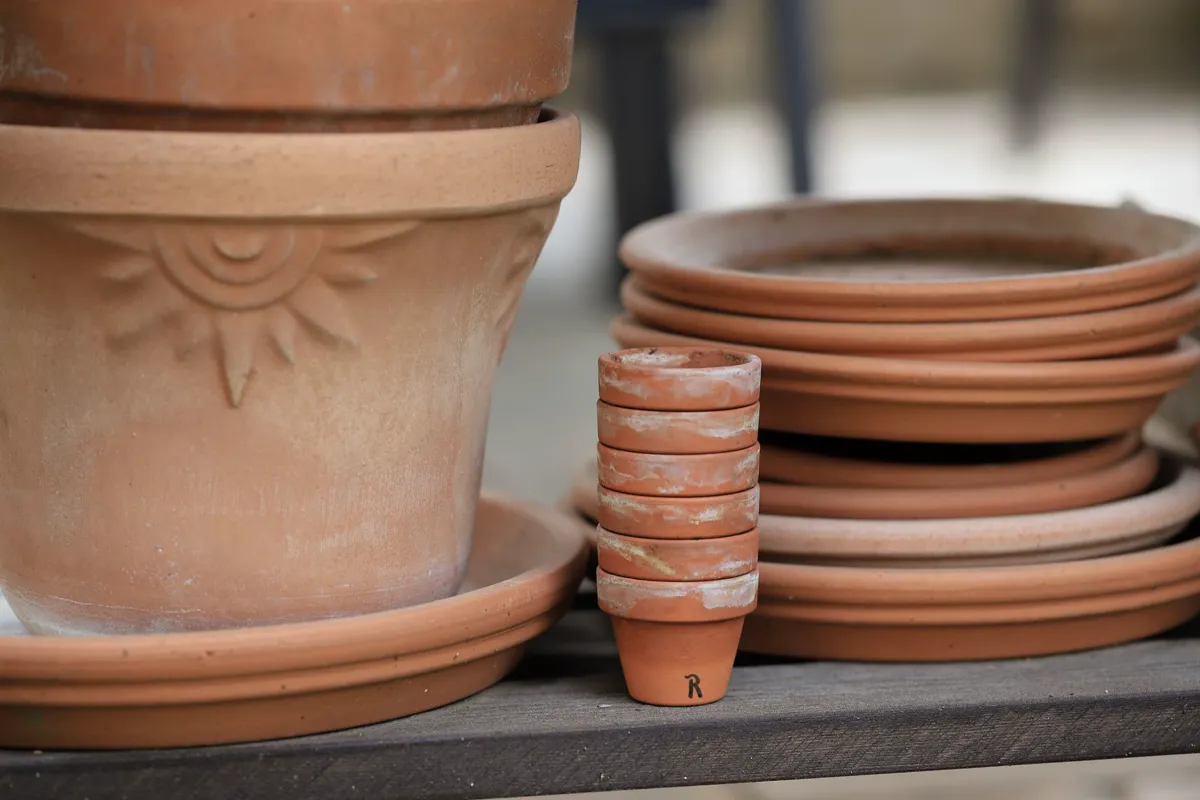
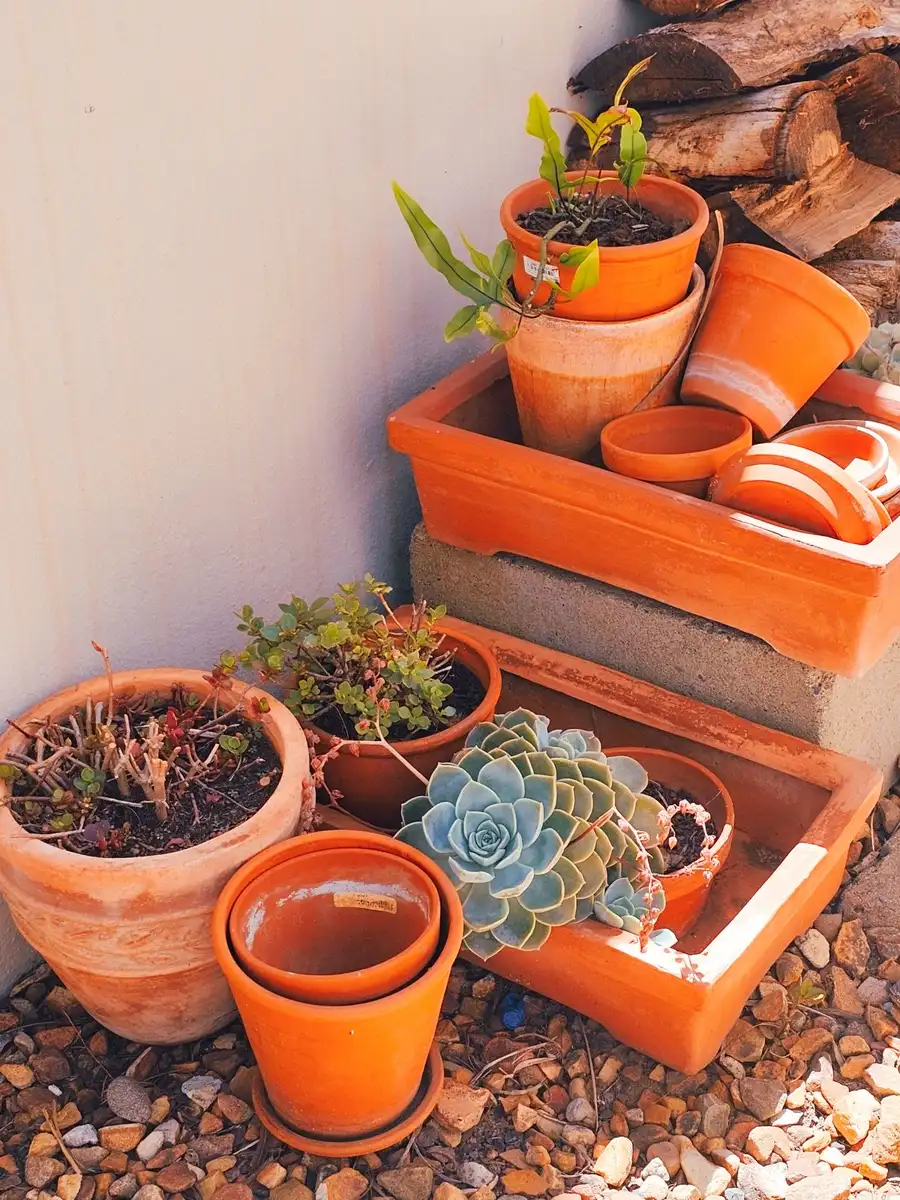
Terracotta clay pot: This is the classic, most widely used plant pot. Terracotta is fired clay, and clay is naturally porous. Air and moisture pass slowly through the pot wall.
That slow flow is the key benefit. Extra water evaporates through the wall, so the compost never stays soggy. Terracotta also keeps a steadier soil temperature than plastic, and its earthy look suits most garden styles.
The downsides are weight, frost cracking, and fast drying. Standard terracotta cracks when the water inside the clay freezes and expands in a hard winter. So you must move it to a frost-free spot or wrap it with fleece. The same breathable wall also dries out small pots quickly in hot weather. For year-round outdoor use, a frost-proof fibreclay planter is often the more practical choice.
Plastic pot: Plastic is the most common pot material in the nursery trade. It is light, cheap, and non-porous, so it holds moisture longer than terracotta. That suits thirsty plants such as hostas, ferns, and begonias. Plastic does not crack in frost, and it is easy to move and stack.
Quality UV-resistant plastic lasts 5-10 years outdoors. However, budget black nursery pots are not UV-stabilised, so they turn brittle within 2-3 years in the sun. Plain plastic can also look cheap in a home garden. Even so, makers now produce plastic pots that mimic terracotta, stone, or lead for far less money. Elho, for example, makes recycled plastic pots that look good and are kinder to the environment than virgin plastic.
Fibreclay pot: Fibreclay is a mix of clay, stone powder, and glass fibre. It gives the look of stone or high-fired ceramic, plus frost resistance rated to about -20°C. It is also much lighter than solid stone or ceramic. That makes it the most practical material for a large, year-round outdoor planter.
Fibreclay costs more than plastic of the same size. In return, it needs no frost protection and does not crack. It also keeps its looks for 10-15 years with almost no care. So for a permanent terrace planter that stays put all year, fibreclay is the best long-term buy.
Fabric grow pot: This is a breathable fabric container, usually felt or polypropylene, that lets air reach the roots through the wall. When a root tip touches the fabric, the drier outside air makes it stop growing. Gardeners call this “air pruning.”
Air pruning stops roots from circling the way they do inside a solid pot. Instead, the plant grows many shorter, branching roots. More roots means more surface area to soak up water and food. Fabric pots work especially well for vegetables. In independent trials, tomatoes, potatoes, courgettes, and peppers in fabric pots beat the same plants in plastic ones.
Haxnicks Vigoroot and Smart Pot are the most reviewed brands. The main drawback is looks, because fabric pots feel functional rather than pretty. They also dry out faster, since water escapes from every surface. Use them in a container vegetable garden where yield matters more than appearance.
Self-watering pot: This pot has a water reservoir built into the base. A wick draws water up into the compost as the plant uses it. You simply refill the reservoir when the indicator reads empty, usually every 1-3 weeks.
Self-watering pots cut watering right down. They also reduce both overwatering and underwatering. So they suit gardeners who travel, dislike daily watering, or grow thirsty crops like tomatoes and lettuce, where steady moisture lifts yield. They also help indoor plants in dry, heated rooms. Lechuza makes the best premium indoor versions, while Crescent Garden and Stewart Garden offer cheaper outdoor options.
Terracotta vs plastic vs fibreclay vs fabric: which to choose?
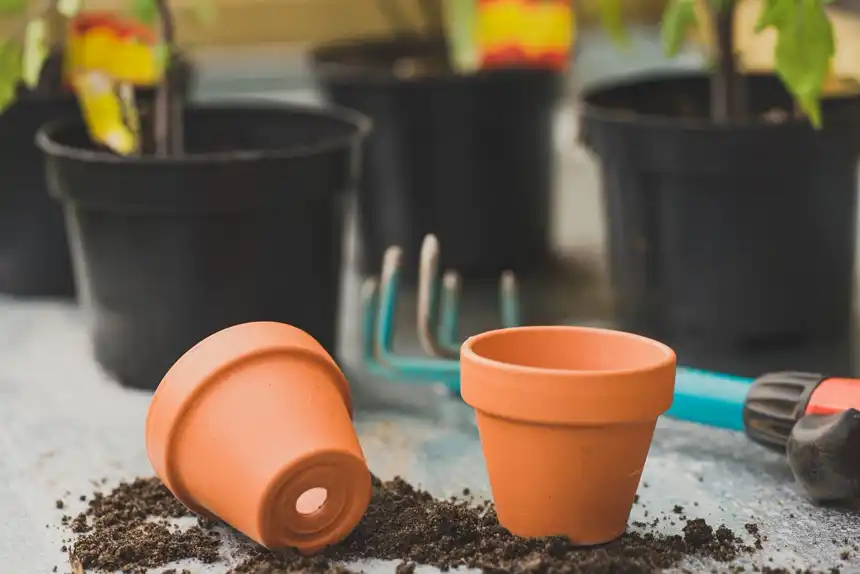
Match the pot material to the plant, the location, and your watering habits. Here is a simple way to choose among the best garden pots.
Choose terracotta for: Mediterranean herbs such as lavender, rosemary, thyme, and sage, plus succulents and cacti. The breathable wall lowers the risk of overwatering. Move standard terracotta to a frost-free spot in winter. For pots that stay out all year, buy ones rated frost-proof.
Choose plastic for: indoor growing, greenhouse use, and everyday outdoor pots where looks matter less. Plastic holds water longer, so it suits thirsty plants. Use UV-stabilised brands like Elho or Stewart Garden outdoors. Avoid budget black pots in permanent outdoor spots, because they go brittle within 2-3 seasons.
Choose fibreclay for: permanent outdoor features, such as a patio centrepiece, entrance planters, or a large specimen pot. Fibreclay gives a stone or ceramic look with frost-proof strength. It is heavier than plastic but far lighter than real stone. For year-round outdoor pots, it is the most practical premium pick.
Choose fabric for: vegetable growing, especially tomatoes, potatoes, peppers, and chillies. The air-pruned roots give a real yield boost. Pair fabric pots with a high-quality potting compost and a watering timer to offset the faster drying. Fold and store them at season’s end, since they take up almost no space.
What to look for when buying
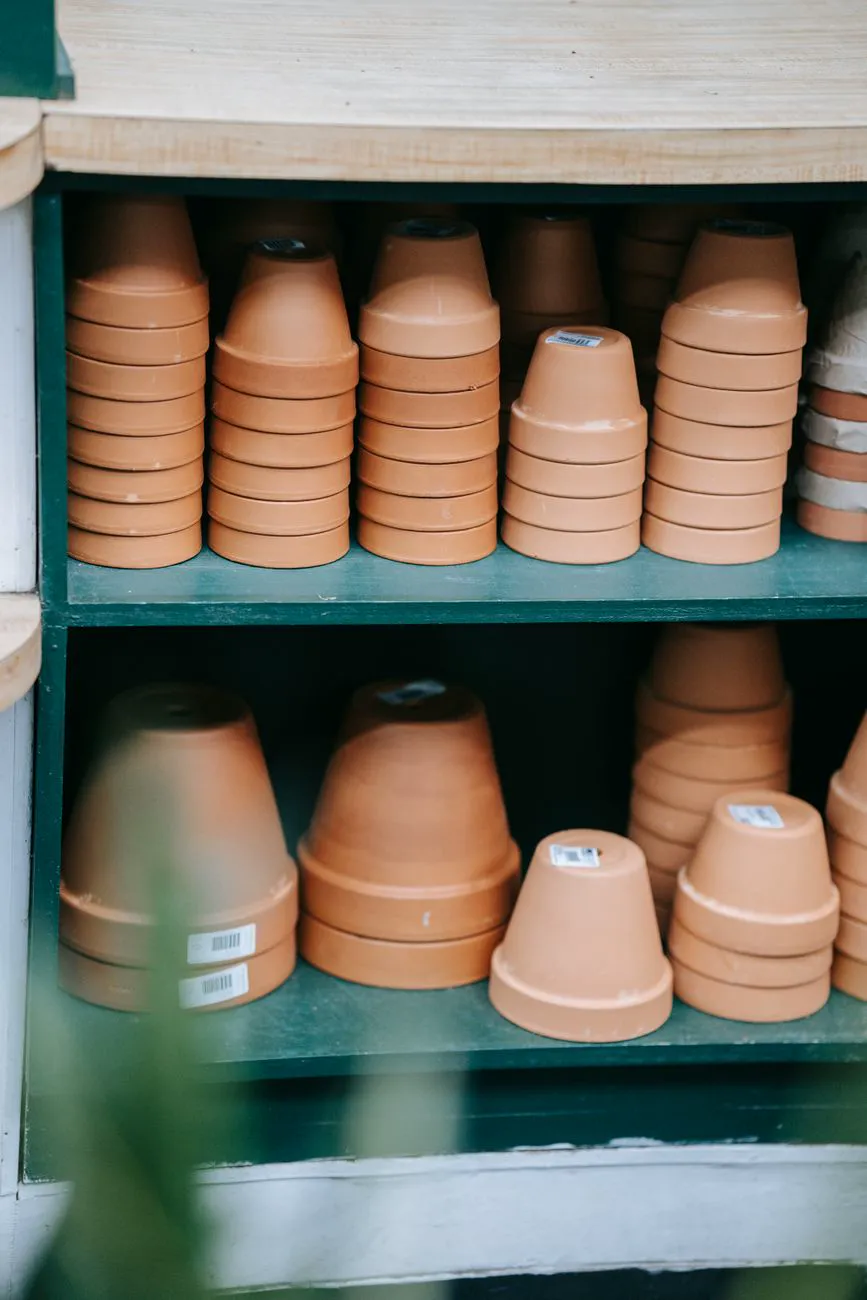
- Drainage holes — non-negotiable for most plants: a pot without drainage holes will waterlog most plants. Check the base before you buy. If a decorative pot has no holes, use it as a cover only. Slip a plain plastic pot with holes inside it. Never plant straight into a hole-free pot, apart from a few bog or aquatic plants that like wet roots.
- Size — matched to the plant’s roots: the pot should be about 5-8 cm wider than the current rootball. Pots that are far too big hold wet compost that raises rot risk. Pots that are too small dry out fast and choke the roots. For most perennials and vegetables, 25-35 cm is the everyday size. For specimen trees and shrubs, aim for 45-60 cm.
- Frost resistance for year-round use: outdoor pots left through winter must handle frost. “Frost-hardy” usually means down to -5°C. “Frost-proof” or a -20°C rating is safer for a cold winter. Standard terracotta and ceramic are not frost-proof unless labelled. Fibreclay, UV-resistant plastic, and galvanised metal are. Bring unrated pots under cover to stop cracking.
- Weight for the position: a large terracotta pot full of compost and a mature plant can weigh 50-100 kg or more. Ask yourself if you can move it for frost protection or a redesign. On a balcony or roof terrace, check the floor load limit first. Use light fibreclay or plastic up high. Then slide a wheeled plant caddy under big pots to make moving easy.
The 6 best plant pots in 2026
1. Classic terracotta standard pot — best UK/US herbs and Mediterranean plants
A classic fired terracotta pot is our everyday pick for herbs, Mediterranean plants, and seasonal flowers. You will find them in every garden centre from brands like Whitefurze or Verve. Terracotta is the benchmark that every other material is judged against.
The breathable wall stops waterlogging, and the weight keeps the pot steady in wind. It works best for herbs like lavender, rosemary, thyme, and sage, because it keeps the roots drier than plastic. That mirrors the free-draining soil these plants enjoy in the Mediterranean. Cost is £2-30 by size, from 9 cm to 50 cm. Protect it below -5°C by bringing it in or wrapping it with garden fleece.
2. Haxnicks Vigoroot fabric pot — best UK/US vegetable growing
The Haxnicks Vigoroot is our top fabric pot for vegetables. Haxnicks, a UK brand, makes a full range of fabric grow pots for home crops. The Vigoroot uses breathable polypropylene that air-prunes roots before they circle the wall. So the plant builds a denser, more branching root system than it would in plastic.
Growers report heavier tomato, chilli, and potato harvests from Vigoroot pots than from equal-sized plastic ones. Cost runs £4-15 per pot, in 9-35 litre sizes. It folds flat and stores in almost no space, though it is not pretty. Fill it with a peat-free potting compost plus slow-release feed. Then add a drip irrigation kit to cover the faster summer drying.
3. Crescent Garden self-watering pot — best UK/US slow waterers
The Crescent Garden self-watering pot suits gardeners who water rarely or travel a lot. Crescent Garden, a US brand, makes UV-resistant self-watering pots for indoors and out. The reservoir holds 1-2 litres, and a wick draws water up as the plant dries the compost. An indicator shows when it needs a refill.
It has one of the most reliable self-watering systems in the mid-price range. Cost is £20-50 by size. The steady supply removes the top cause of plant failure, which is patchy watering. It shines with tomatoes and lettuce, since both react badly to dry spells with blossom end rot and tip burn. Clean the reservoir with a mild bleach solution each spring to stop algae.
4. Fibreclay frost-proof planter — best UK year-round outdoor statement container
A frost-proof fibreclay planter is our pick for year-round feature pots. Look for brands like Glazed Stonelite and Artstone at RHS Garden Centres, Crocus, and premium retailers. Fibreclay gives the weight and look of stone or high-fired ceramic.
It is rated frost-proof to -20°C or below, so it will not crack wherever you leave it. That makes it the best outdoor material for a premium planter without frost worry. Cost is £30-200 by size. For a statement terrace pot that stays out all year with no care, fibreclay pays off. Place a wheeled plant caddy under large ones so you can move them without lifting.
5. Elho Green Basics pot — best UK/US practical recycled plastic pot
The Elho Green Basics is our top everyday plastic pot. Elho, based in the Netherlands, makes its pots from 100% recycled plastic using wind energy. The range runs from 9 cm to 50 cm in neutral colours that suit most gardens. The UV-resistant plastic stays strong outdoors for 10 years or more without going brittle.
It offers the best mix of green credentials, price, and everyday performance among plastic pots. Cost is £3-25 by size. It is not as handsome as terracotta or fibreclay. Still, the recycled plastic and carbon-neutral factory make it the greener plastic choice. Use it for seedlings, bedding, herbs, and container vegetables where function comes first.
6. Lechuza Classico self-watering pot — best UK/US premium indoor plant pot
The Lechuza Classico is our top premium self-watering pot for indoor plants. Lechuza, a German brand, makes high-quality pots for the home and office. The Classico holds a large reservoir under the compost, with a side indicator that shows the exact level. It can water a plant for 1-6 weeks with no help, depending on size and season.
It is the most reliable indoor system for plants left alone for weeks or placed out of easy reach. Cost is £30-100 by size. Lechuza supplies its own PON mineral medium that works best with the wick, though standard compost also works. It is the right pot for a houseplant lover who wants low-effort care for both beginner-friendly houseplants and fussier types.
Plant pots in India
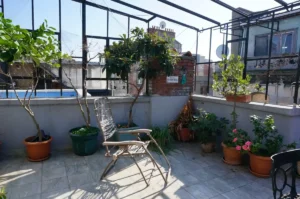
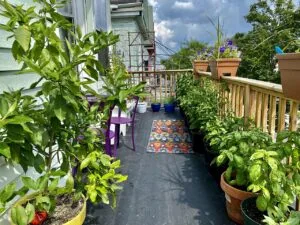
Plant pots are used everywhere in Indian home gardening. They fill terrace gardens, balcony gardens, and kitchen gardens. Most Indian terrace and balcony gardens have no in-ground space at all, so pots do all the work.
Those pots grow everything. They hold kitchen herbs like tulsi, coriander, mint, and curry leaf. They grow vegetables such as tomatoes, chillies, brinjal, and bitter gourd. They carry flowers like marigold, rose, jasmine, and hibiscus, and even small fruit trees like lemon, guava, and banana. So the pot you choose often decides whether terrace gardening succeeds.
Indian pot materials differ a lot from UK ones. Terracotta is the traditional choice, made and sold by local potters (kumbhar) in every town. Indian terracotta is usually thinner and less dense than European clay. It costs ₹20-200 and is sold at nurseries, roadside stalls, and pottery markets.
That breathable clay drains well, which suits Indian conditions perfectly. Overwatering, especially during the monsoon, is the top plant-killer on Indian terraces. Terracotta also shrugs off strong sun better than plastic. Its one weakness is fragility, since thin pots chip and crack, so plan to replace them every 2-5 years.
Plastic pots are the second common choice. Nurseries and supermarkets sell them at ₹30-500. However, UV damage is a real risk, because open terrace pots take 6-10 hours of hard sun a day in summer. Budget plastic turns brittle within 1-2 seasons.
So pick UV-stabilised plastic, such as Ugaoo pots in HDPE or UV-resistant polypropylene, for terrace use.Fabric grow pots are now easy to find on Amazon India. Their air-pruning benefit works just as well here, and their light weight is a bonus on weight-sensitive terrace floors.
Plant pot tips
- Always use a pot with drainage holes: the most common cause of indoor plant death is a decorative pot with no holes used for planting. Water pools at the base, roots sit in it, and rot sets in within weeks. So always plant in a pot with holes, and use any pretty cachepot as a cover only. Tip out standing water after each watering.
- Add crocks or gravel at the base: place 2-3 cm of broken pot pieces, gravel, or grit before the compost. This stops fine compost from clogging the hole over time. It also lets water escape fast after watering. The step matters most for terracotta or ceramic pots with one small hole, and less for fabric pots or pots with several large holes.
- Use pot feet or risers: a pot sitting flat on a patio cannot drain freely. Water then sits underneath, stains the surface, and grows moss. So raise the pot on pot feet, rubber risers, or tiles for a 1-2 cm air gap. This lets it drain properly and prevents the ring stain below.
- Repot when roots show through the holes: a plant is root-bound when its roots fill the pot and poke out of the base. Root-bound plants grow slowly, wilt fast, and struggle for nutrients. So move up one size, adding 5-8 cm of diameter, as soon as roots appear. Use fresh potting compost, water well, and give shade for 2-3 days to ease the move.
Frequently asked questions
What is the best material for plant pots?
The best material depends on the plant and the spot. Terracotta suits Mediterranean herbs, succulents, and cacti, because the breathable wall guards against overwatering. Plastic suits thirsty plants like hostas, ferns, and begonias, and indoor growing, since it holds moisture longer. Fibreclay suits permanent outdoor features, and fabric pots suit productive vegetables.
For a mixed home garden, a mix of materials works best. Use terracotta for sun-lovers, plastic or Elho Green Basics for thirsty plants, and fibreclay for feature pots. Matching material to plant and place really does affect success. It is not just about looks.
How do I know what size pot I need?
Match the pot to the current rootball plus one season of growth. Buy a pot about 5-8 cm wider than the rootball. This gives room to grow without leaving so much wet compost that roots rot.
As a guide, a 9-12 cm pot suits seedlings and small herbs. An 18-25 cm pot suits medium herbs and young perennials. A 30-40 cm pot suits tomatoes, peppers, and medium perennials. A 45-60 cm pot suits large shrubs and small trees. When unsure, size up slightly rather than cramming a plant in.
Do plants grow better in terracotta or plastic pots?
It depends on the plant. Mediterranean herbs and drought-lovers do better in terracotta, since the breathable wall keeps roots on the dry side. Tropical and moisture-loving plants often do better in plastic or glazed ceramic, which holds water longer.
For garden vegetables like tomatoes, courgettes, and beans, fabric pots beat both in trials. The air-pruned roots branch more and lift yield. For houseplants where looks matter, a ceramic or quality plastic self-watering pot gives both a tidy look and steady moisture.
Can I leave plant pots outside in winter?
It depends on the material and your local frost. Frost-rated fibreclay, UV-resistant plastic, galvanised metal, and frost-proof terracotta can all stay out all year. Standard terracotta, ceramic, and glazed pots should move to a frost-free shed, or get wrapped in garden fleece below -5°C.
Remember that the plant is often more at risk than the pot. In a container, frost reaches the roots from every side, unlike in open ground. So wrap pots in bubble wrap or hessian in a hard frost, or move them somewhere cold but frost-free.
Do plant pots need drainage holes?
Yes. Almost every plant needs a pot with drainage holes, because roots left in standing water quickly rot. If a pretty pot has no holes, use it only as a cover. Slip a plain plastic pot with holes inside, and pour off any water that collects.
What is the best pot for indoor plants?
For most houseplants, a plastic or glazed ceramic pot with drainage holes works well, since it holds moisture longer than terracotta. A self-watering pot like the Lechuza Classico is a strong choice for people who travel or forget to water. Whatever you pick, sit it in a saucer or cachepot to protect furniture.
Are self-watering pots good for all plants?
No. Self-watering pots suit thirsty plants that like steady moisture, such as tomatoes, lettuce, ferns, and peace lilies. They are less suited to succulents, cacti, and Mediterranean herbs, which prefer to dry out between waterings. Constant moisture at the roots of those plants can cause rot.
How often should I repot my plants?
Most fast-growing plants need repotting every 1-2 years, while slow growers can wait 2-3 years. The clearest sign is roots pushing out of the drainage holes or circling the surface. Move up one pot size, add fresh compost, and water well. Spring is usually the best time.
What is the best pot for growing tomatoes?
Tomatoes crop best in a large pot of at least 30-40 cm, or 30 litres or more. Fabric grow pots such as the Haxnicks Vigoroot often give the heaviest harvest, thanks to air-pruned roots and good drainage. A self-watering pot is a good second choice, because steady moisture helps prevent blossom end rot.
Should I put rocks or gravel at the bottom of a plant pot?
A thin 2-3 cm layer of crocks or gravel can stop fine compost from blocking a single small drainage hole. However, it does not replace drainage holes, and a deep gravel layer can actually trap water higher in the pot. So keep the layer thin, and always rely on real drainage holes.
Are fabric grow bags better than plastic pots?
For vegetables, fabric grow bags often outperform plastic in trials, because air pruning builds a denser root system. They also drain well and fold flat for storage. The trade-offs are that they dry out faster and look plain, so they suit a kitchen garden more than a display area.
What are the best pots for a terrace garden in India?
Local terracotta is a great first choice for Indian terraces, since it drains well and copes with strong sun and monsoon rain. For lighter, longer-lasting options, use UV-stabilised plastic such as Ugaoo pots, or fabric grow bags for vegetables. Light pots matter most on weight-sensitive terrace floors.
Sources and further reading
Still stuck? Ask the Plant Doctor
Describe the problem — yellow leaves, holes, no flowers — and get a clear answer in seconds. FreeAI can make mistakes. Answers are guidance, not a guarantee — check anything important against the guide it links to, and always read the label on any product before you use it.