Self-Watering Planters: Do They Work? (& How to Use Them)
 Photo: Сарапулов (CC BY-SA 4.0) via Wikimedia Commons
Self-watering planters are containers with a built-in water reservoir that lets plants draw moisture up as they need it, so you water far less often. They take much of the guesswork and daily chore out of watering, which makes them popular for busy people, balconies, and holidays. But they suit some plants far better than others. Here is how self-watering planters work and how to use them well.
Quick answer: Self-watering planters wick water from a bottom reservoir up into the compost, keeping it evenly moist. They are brilliant for thirsty plants like tomatoes, leafy greens, and many houseplants, but poor for cacti, succulents, and anything that hates wet roots. Fill the reservoir, let the soil drive the wicking, and they cut watering to once a week or less.
🧰 In a hurry? Jump straight to our tested picks for this guide ↓
How self-watering planters work
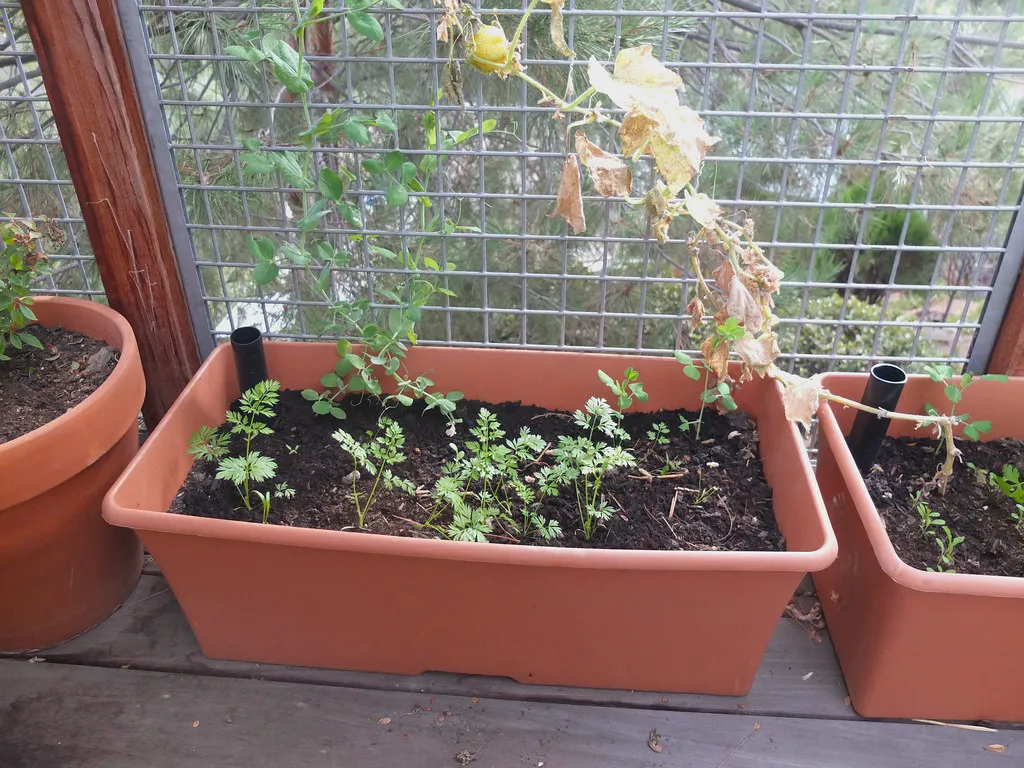
The idea is simple. A self-watering planter has two parts: a growing section of compost on top and a water reservoir below, separated by a base with a wicking system.
Water sits in the reservoir, and the compost (or a wick) draws it upward by capillary action, exactly as a sponge soaks up water. The plant’s roots then take up moisture as they need it. You top up the reservoir through a fill tube, and an overflow hole stops it flooding.
Self-watering planters: pros & cons
| Pros | Cons |
|---|---|
| Water far less often | Not for cacti/succulents |
| Even, steady moisture | Can waterlog in heavy rain (outdoors) |
| Great for holidays | Reservoir can grow algae/mosquitoes |
| Less wasted water | Costs more than a plain pot |
| Fewer wilting losses | Salts can build up in the mix |
Do self-watering planters actually work?
Yes, for the right plants they work very well. By keeping moisture even, they prevent the wilt-then-flood cycle that stresses plants in ordinary pots.
The catch is that they keep the soil constantly moist, which some plants love and others hate. So the honest answer is: they are excellent for thirsty plants and a poor choice for drought-lovers. Match the plant to the system and they are a genuine help, not a gimmick.
Best plants for self-watering planters
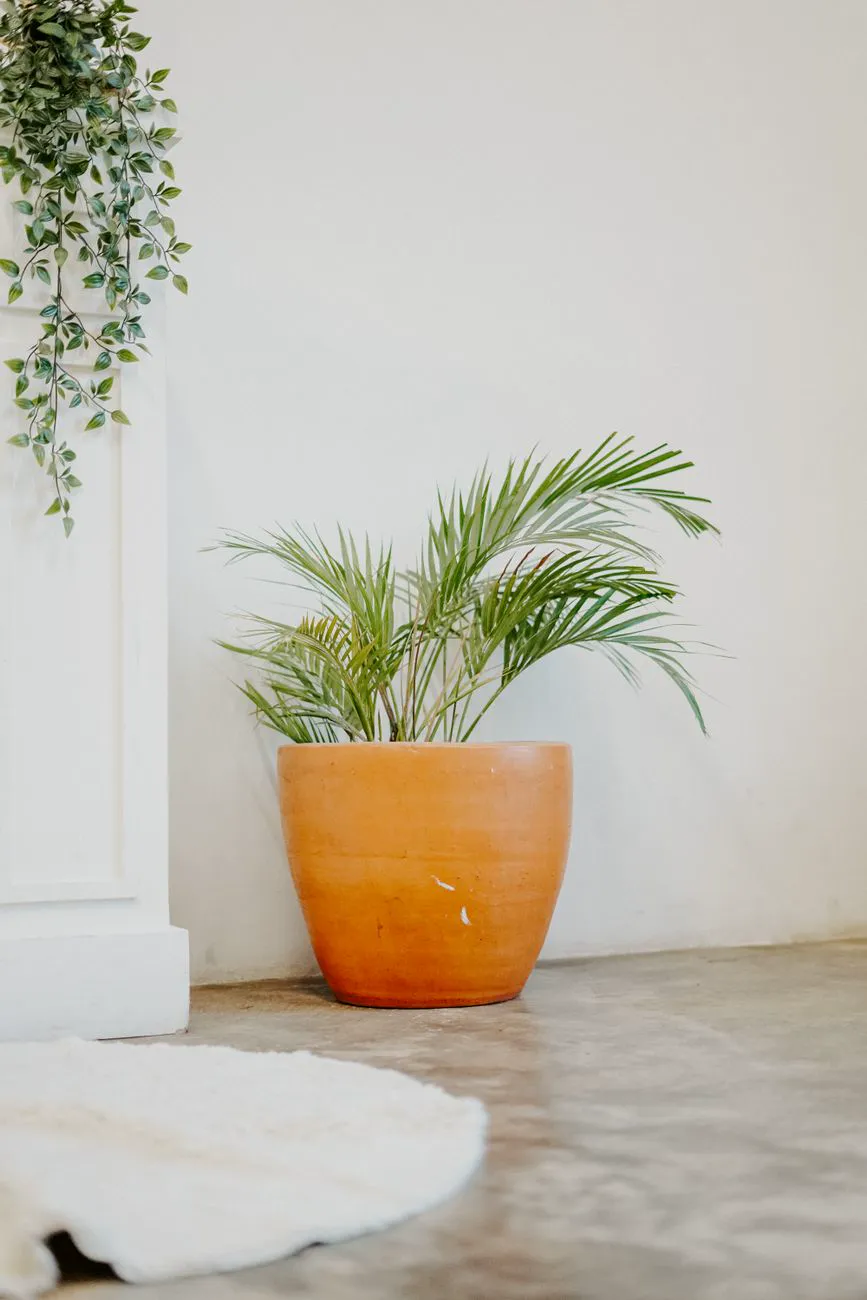
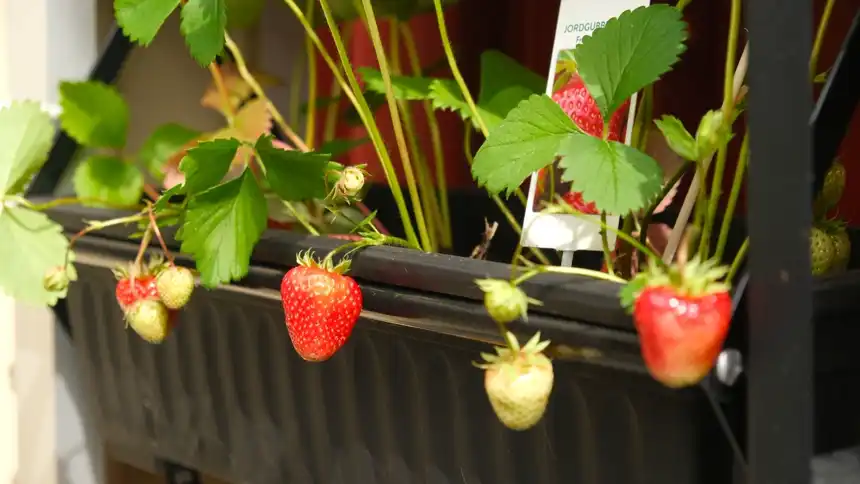
Moisture-loving and hungry plants are the natural fit, as they thrive on the steady supply.
- Tomatoes, chillies, and peppers — thirsty fruiting crops that hate drying out.
- Leafy greens and herbs — lettuce, spinach, basil, mint (see spinach).
- Most tropical houseplants — peace lily, pothos, ferns, calathea.
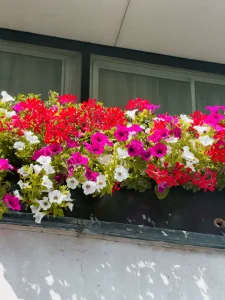
- Many flowers — such as petunias and other thirsty summer bedding.
Plants to avoid
Drought-tolerant plants dislike permanently moist roots and will rot in a self-watering planter.
- Cacti and succulents — they need to dry out fully between waterings.
- Mediterranean herbs — lavender, rosemary, and thyme prefer lean, dry soil.
- Orchids and snake plants — happiest when allowed to dry.
How to use a self-watering planter
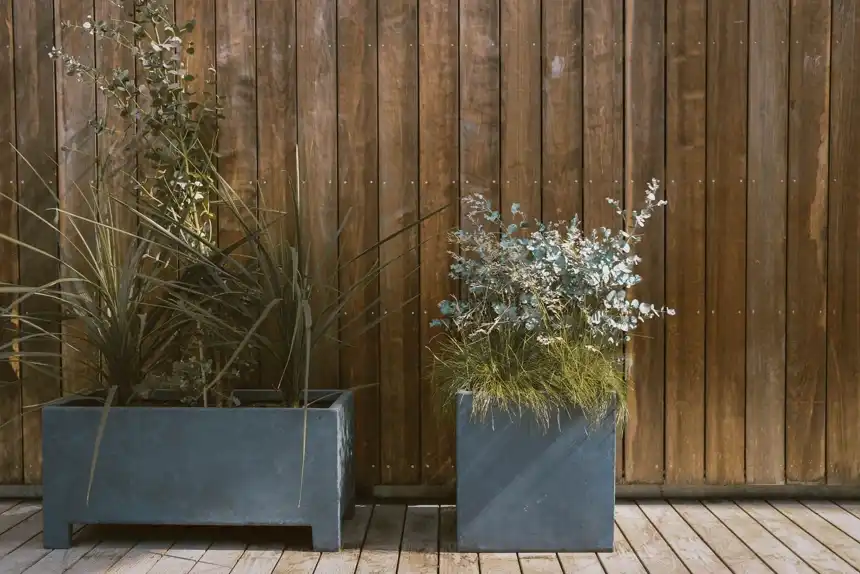
Getting the best from these pots takes a little setup, then very little effort.
- Use a light, free-draining potting mix that wicks well; avoid heavy garden soil (see best potting mix).
- Water from the top for the first couple of weeks so new roots grow down toward the reservoir.
- Then fill the reservoir through the tube, and top it up when the gauge or overflow shows it is low.
- Let the reservoir run dry occasionally to draw air to the roots and flush salts.
Common problems & fixes
Most issues come from using the wrong plant or the wrong soil. Get those right and problems are rare.
If plants rot, the soil is staying too wet, so let the reservoir empty more often, or switch to a drought-lover-friendly pot. In hot weather outdoors, cover the fill hole to stop mosquitoes breeding. Flush the compost with plain water now and then to clear mineral build-up, much like avoiding the issues in over- and under-watering.
Self-watering planters in hot climates & India
In hot regions like much of India, self-watering planters are a real help, because pots otherwise dry out alarmingly fast in summer. The reservoir buffers the plant through the hottest part of the day.
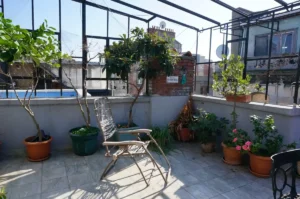
They are ideal for terrace and balcony vegetable growing, and for keeping plants alive during travel. In monsoon, though, move them under cover or check the overflow, as heavy rain can flood the reservoir and waterlog the roots.
Are self-watering planters worth it?
For the right plants and the right gardener, self-watering planters are well worth it. They cut watering to a fraction, keep thirsty crops thriving, and rescue plants from the wilt-and-flood cycle that kills so many container plants.
They cost more than a plain pot and do not suit drought-lovers, so they are a tool rather than a cure-all. Use them for tomatoes, salads, herbs, and tropical houseplants, fill the reservoir, and enjoy healthier plants with far less daily effort. For busy people and small-space growers, they are a smart, time-saving choice.
Common mistakes with self-watering planters
Self-watering planters are easy, but a few mistakes catch people out. The most common is using them for the wrong plants, such as cacti or lavender, which rot in the constant moisture. Match the system to thirsty plants and most problems disappear.
Another mistake is filling the reservoir straight after planting, before the roots have grown down to reach it. Water from the top for the first couple of weeks instead. Using heavy, water-logging soil that will not wick is a third error, as is never letting the reservoir empty, which starves roots of air and lets salts build up. The Royal Horticultural Society and other experts stress matching watering to the plant, and that holds true here.
Self-watering pots vs ordinary pots
It helps to see where each type wins. Ordinary pots suit drought-lovers and gardeners who enjoy daily watering, and they cost less. They also dry fully between waterings, which many plants prefer.
Self-watering pots win for thirsty plants, busy people, and anyone who travels, because the reservoir buffers the plant for days. They waste less water and prevent the wilting that stresses crops in hot weather. For a balcony of tomatoes, salads, and tropical houseplants, they are a clear upgrade; for a collection of succulents, an ordinary pot is far better.
Making your own self-watering planter
You do not have to buy a special pot to get the benefits. A simple home-made self-watering planter is cheap and easy to make from two containers.
The basic idea is to sit a growing pot above a water reservoir, with a wick carrying water up to the soil. One common method uses a bucket with a smaller pot inside, a length of pipe to fill the reservoir, and a strip of old towel or rope as a wick. Another stacks two storage boxes. Drill an overflow hole so the reservoir cannot flood the roots. These DIY versions work just as well as bought ones for thirsty plants, and they recycle containers you already have.
Caring for plants in self-watering pots
Self-watering pots reduce the work, but they do not remove it entirely. A little routine keeps the plants healthy and the system working well.
Check the reservoir every few days and top it up before it runs fully dry, except for the occasional deliberate dry spell to air the roots. Feed as usual through the growing season, since the steady moisture does not provide nutrients. Once or twice a season, water generously from the top to flush out any salts that have built up in the compost. With these simple habits, a self-watering planter keeps thirsty plants thriving with far less daily effort than an ordinary pot.
Sources and further reading
Frequently asked questions
Do self-watering planters really work?
Yes, for thirsty plants — they keep moisture even and cut watering. But they are a poor choice for cacti and succulents.
How often do you fill a self-watering planter?
Usually once a week or less, depending on the plant, pot size, and weather. Top up when the gauge or overflow shows it is low.
What plants should not go in self-watering pots?
Cacti, succulents, lavender, rosemary, and other drought-lovers, which rot in constantly moist soil.
Can self-watering planters cause root rot?
They can if you use the wrong plant or heavy soil. Use a free-draining mix and let the reservoir empty occasionally.
Are self-watering planters good for hot climates?
Yes — they buffer plants through fierce heat, ideal for terraces in India, but protect them from waterlogging in monsoon rain.
Do self-watering planters attract mosquitoes?
They can, because the reservoir holds standing water where mosquitoes may lay eggs. The fix is simple. Keep the fill tube capped with a cork or tape between waterings, and flush the reservoir with fresh water every few days so nothing sits stagnant. A pinch of biological mosquito control, such as Bti granules, keeps larvae in check safely. In monsoon-prone parts of India, empty and rinse the reservoir weekly. A well-maintained planter poses no more risk than any garden container.
How do you fertilize plants in a self-watering planter?
Feed lightly, because the closed reservoir recirculates water and salts build up faster than in a draining pot. Mix a balanced slow-release fertilizer into the top soil at planting, or add diluted liquid feed through the fill tube during the growing season. Use roughly half the strength you would use for a normal container. Every two to three weeks, water from the top until it drains through, flushing excess salts out of the potting mix. This prevents the white crust and leaf-tip burn that over-feeding causes.
Can you start seeds in a self-watering planter?
Yes, and the steady moisture actually suits germination well. Fill the reservoir, then keep the surface lightly damp by top-watering until roots reach down to the wicking zone. Very young seedlings have shallow roots that cannot yet draw water up from the base, so the top layer must stay moist on its own for the first week or two. Once true leaves appear and roots deepen, the self-watering action takes over. This works nicely for salad greens, herbs and tomatoes.
How do you care for a self-watering planter in winter?
Plants use far less water in cold, low-light months, so let the reservoir run empty and refill only when it is dry. Overwatering in winter is the fastest way to rot roots. If you live where temperatures drop below freezing, empty the reservoir completely, because trapped water can expand and crack the container. In warm Indian winters, simply reduce refill frequency. At the end of the season, empty the tank, remove debris and wash the planter before storing.
Why does the water in my self-watering planter never go down?
If the reservoir stays full for weeks, the wick is usually not making contact with moist soil, so water is not being drawn up. Check that the wicking basket or soil column reaches into the water and that the potting mix is a moisture-retentive blend, not chunky bark. Cool weather and dormant or overwatered plants also slow uptake dramatically. Top-water once to re-wet the mix and restart the wicking action. Persistently unused water simply invites algae and mosquitoes.
How do you clean a self-watering planter?
At least once a year, empty the reservoir and remove the plant, then scrub the tank and fill tube with warm water and a little mild detergent to clear algae, salt crust and mineral scale. Rinse thoroughly so no soap remains. A soft bottle brush reaches inside the fill tube. Inspect the overflow hole and clear any blockage, since a clogged hole causes waterlogging. Regular cleaning between plantings keeps the wicking system working and stops odours from developing.
How long can a self-watering planter go without refilling?
It depends on reservoir size, plant type and weather, but most planters last one to two weeks between fills, and larger reservoirs can stretch to three or four. A small herb pot in summer heat may need topping up every few days, while a big patio planter in mild weather can be left much longer. This makes them ideal for holidays and busy schedules. In peak Indian summer, check more often, as thirsty plants empty the tank quickly.
Still stuck? Ask the Plant Doctor
Describe the problem — yellow leaves, holes, no flowers — and get a clear answer in seconds. FreeAI can make mistakes. Answers are guidance, not a guarantee — check anything important against the guide it links to, and always read the label on any product before you use it.