Hydroponics for Beginners: How to Grow Plants Without Soil
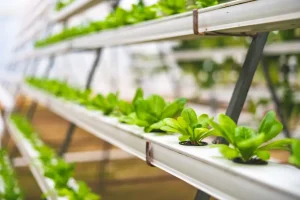
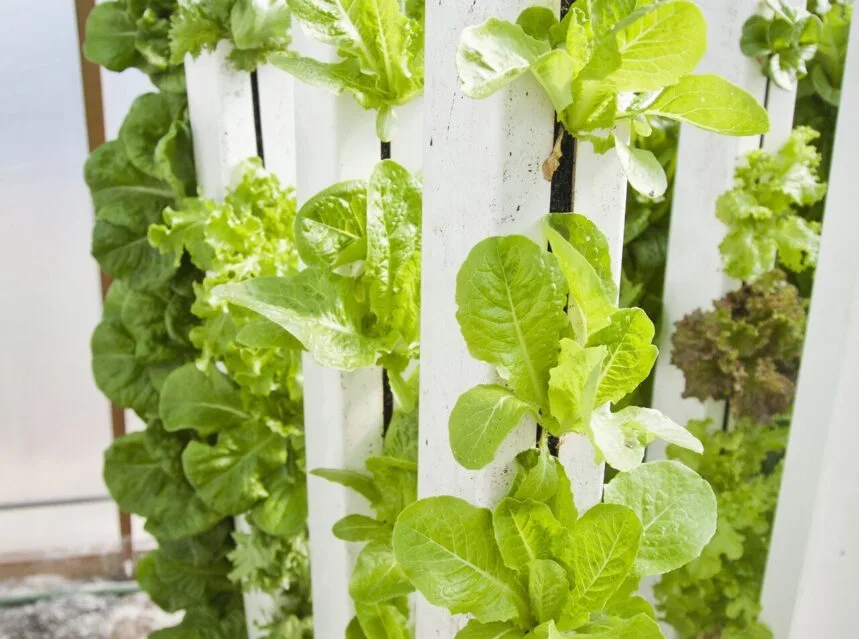 Photo: Bright Agrotech (CC BY-SA 4.0) via Wikimedia Commons
Hydroponics is growing plants without soil, with their roots fed by water mixed with dissolved nutrients instead. It sounds high-tech, but the basics are simple, and beginners can grow herbs, salads, and more on a windowsill or in a small kit. Plants often grow faster and cleaner this way, using less water. Here is hydroponics for beginners, explained step by step.
Quick answer: In hydroponics, plant roots sit in (or are regularly fed) a water-and-nutrient solution, often supported by an inert material like clay pebbles instead of soil. Start with an easy crop like lettuce or herbs in a simple system, give the right nutrients and light (our hydroponic nutrients guide covers the mixing), keep the solution oxygenated and at the right strength, and you can grow without soil, faster and with less water than usual.
🧰 In a hurry? Jump straight to our tested picks for this guide ↓
Hydroponics for beginners at a glance
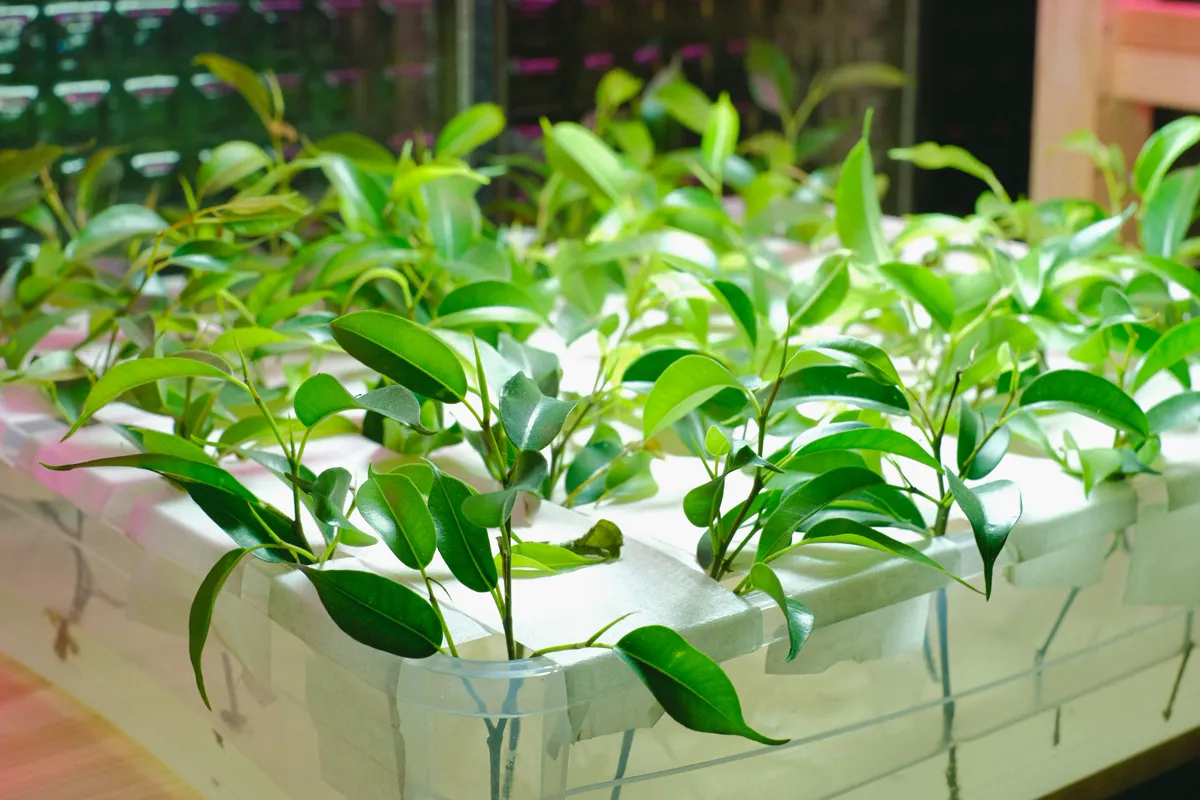
| System | How it works | Good for |
|---|---|---|
| Deep water culture (DWC) | Roots dangle in aerated nutrient water | Beginners; lettuce, herbs |
| Wick system | A wick draws solution up to the roots | Simplest; herbs |
| Nutrient film (NFT) | Thin film of solution flows past roots | Greens; small setups |
| Ebb and flow | Tray floods then drains regularly | Many crops |
| Drip system | Solution dripped onto each plant | Larger plants |
What is hydroponics?
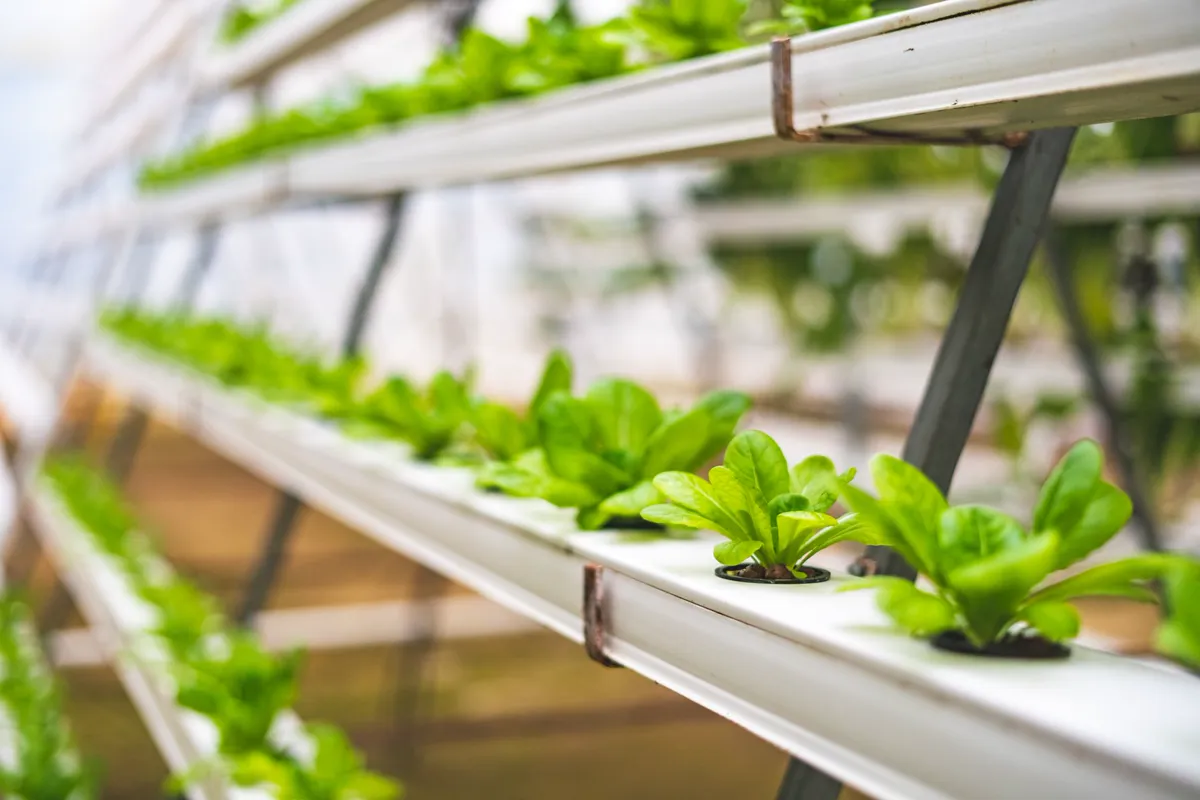
Hydroponics is a way of growing plants without soil, supplying everything they need through water instead. The roots get their nutrients from a carefully balanced solution.
Soil normally does two jobs: it anchors the plant and holds nutrients and water. In hydroponics, an inert material like clay pebbles or rockwool anchors the plant, and the nutrient solution does the feeding. The word comes from Greek for “water working”. It is used from kitchen windowsills to giant commercial farms.
Why try hydroponics?
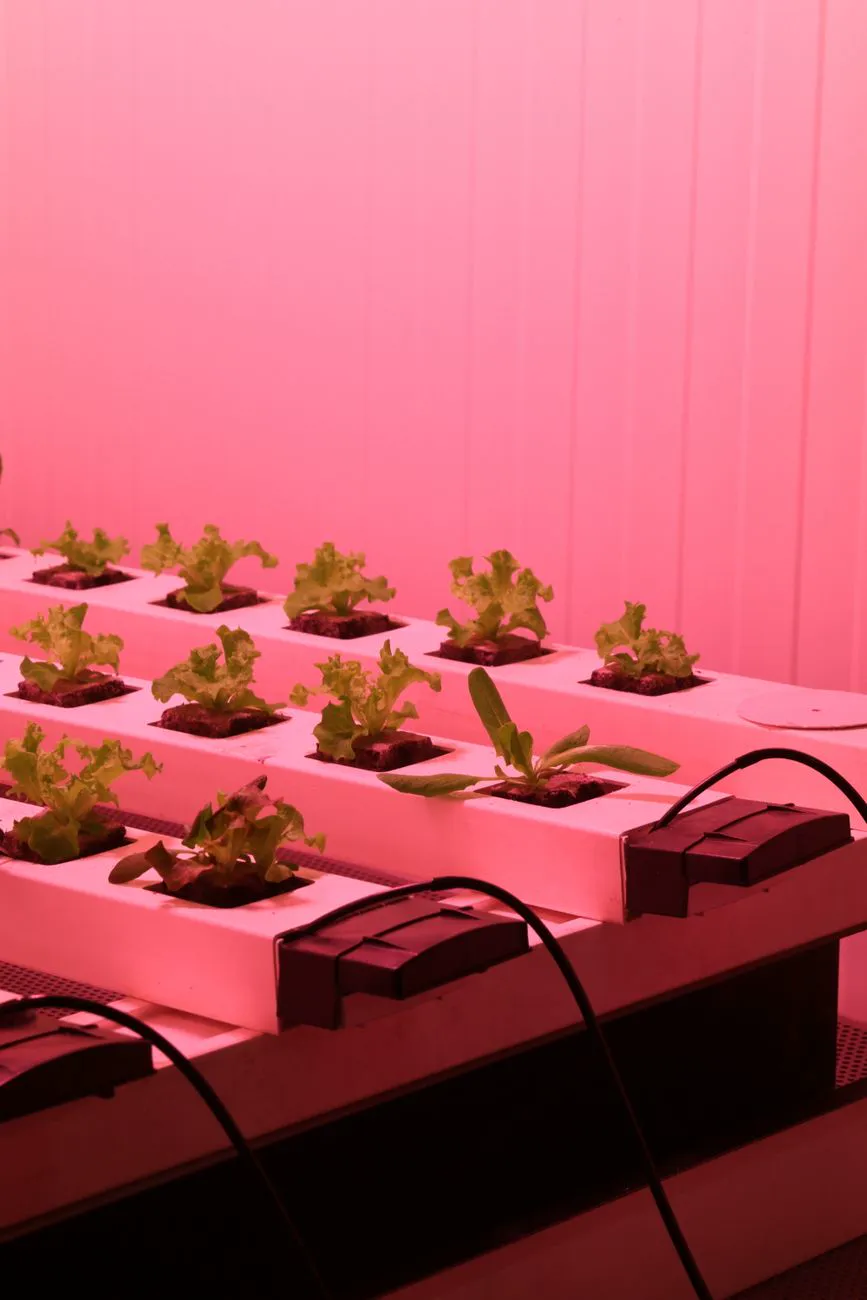
Hydroponics has real advantages that draw beginners and experts alike. It is clean, efficient, and often faster.
Plants frequently grow faster, as nutrients are delivered straight to the roots, and you can grow without a garden, indoors and year-round. It uses far less water than soil growing, since water is recirculated, and there are no weeds and fewer soil pests. For fresh herbs and salads in a flat, or curious experiments with the family, it is a fascinating, productive method.
How hydroponics works
Every hydroponic system, simple or complex, does the same core job: keep the roots supplied with water, nutrients, and oxygen. Get those three right and plants thrive.
You dissolve special hydroponic nutrients in water to make the solution, and the roots draw from it. Crucially, the roots also need oxygen, which is why many systems bubble air through the water or let roots breathe between feeds. You also monitor the solution’s strength and pH so the plant can take up nutrients properly. That is the whole principle.
The main systems for beginners
There are several hydroponic setups, but a couple are ideal for starting out. Begin simple before scaling up.
- Deep water culture (DWC): roots hang in aerated nutrient water; cheap, simple, great for lettuce.
- Wick system: a wick draws solution to the roots with no pump; the easiest of all for herbs.
- Nutrient film technique (NFT): a thin stream of solution flows past the roots; popular for greens.
- Ebb and flow: a tray floods and drains on a timer; versatile for more crops.
What you need to start
A simple beginner setup needs only a few things. You can buy a kit or assemble your own cheaply.
You will need a container or kit, an inert growing medium (clay pebbles, rockwool, or coco coir) to hold the plants, hydroponic nutrients, and a way to keep the water oxygenated (an air pump for DWC). You also need good light, a sunny windowsill or a grow light, and ideally a cheap pH and strength (EC) tester to keep the solution right.
Best plants for beginner hydroponics
Some plants are far easier to grow hydroponically than others. Start with the quick, leafy ones.
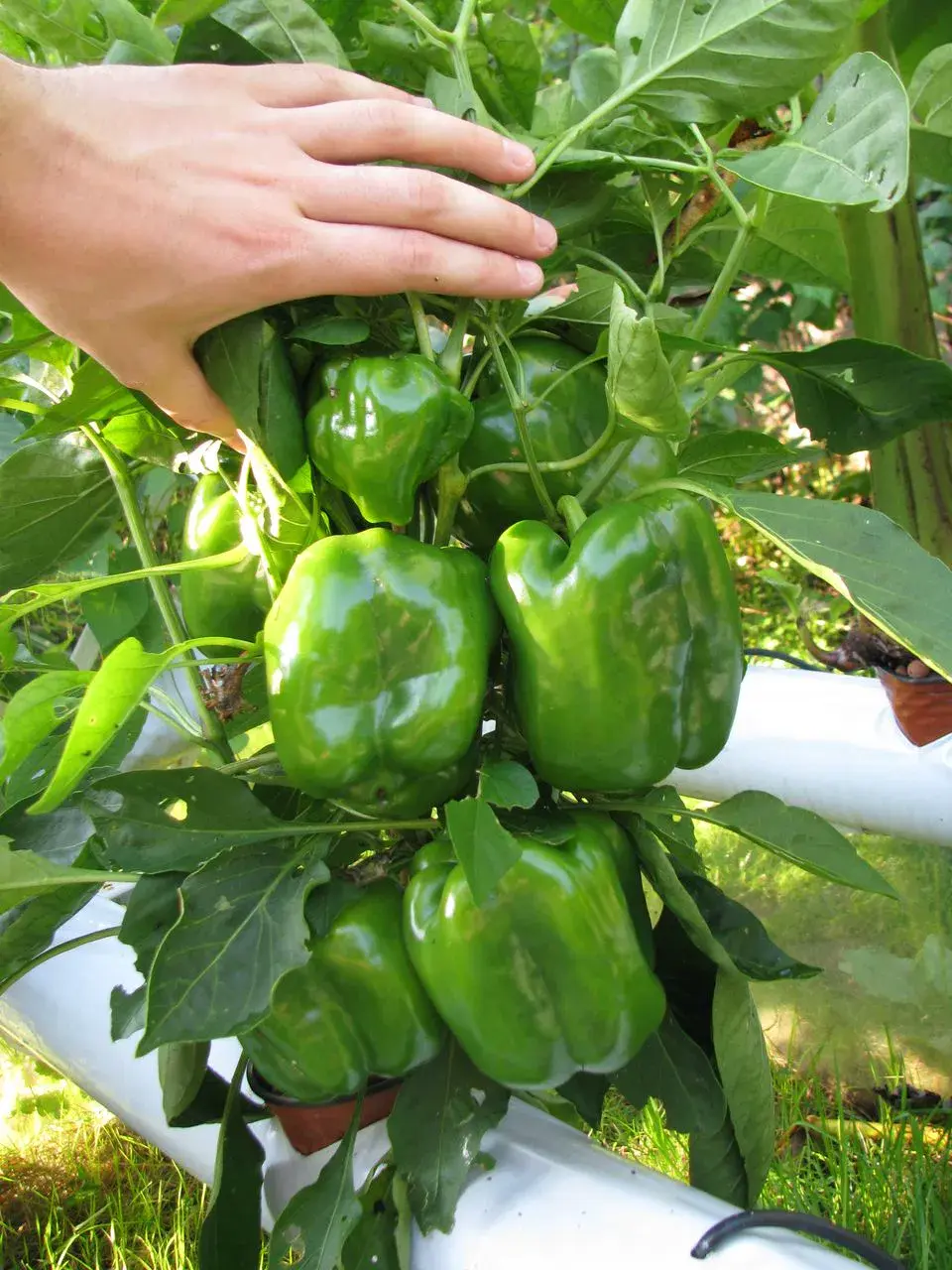
Lettuce and salad leaves are the classic beginner crop, fast and forgiving. Herbs like basil, mint, and coriander grow superbly. Microgreens are quick and easy too (see microgreens). Once confident, you can try tomatoes, peppers, and strawberries, which need more light and support. Leave large root crops, which suit soil better, for later or skip them.
Common beginner mistakes
A few mistakes catch out new hydroponic growers, but all are easy to avoid. Knowing them saves frustration.
Ignoring pH is common, yet wrong pH locks out nutrients, so test and adjust it. Forgetting the roots need oxygen leads to rot, so keep the water aerated. Using too strong a nutrient mix burns plants, so follow the dilution instructions. And skimping on light gives weak, leggy plants, so give bright light or a grow light. Get pH, oxygen, nutrient strength, and light right, and success follows.
Hydroponics in India & warm climates
Hydroponics is growing fast in India and other warm regions, well suited to terrace and indoor growing where good soil or space is scarce. The warmth helps plants grow quickly.
It is popular for fresh greens and herbs in cities, using little water, which matters where water is precious. Keep systems out of the fiercest direct sun, which overheats the solution and harms roots, and watch water temperature in summer. Simple DWC and wick systems are an affordable, water-saving way to grow fresh food on an Indian balcony or rooftop year-round.
Why hydroponics is worth trying
Hydroponics opens up growing to anyone, anywhere, no garden or even soil required. From a simple jar of lettuce on a windowsill to a productive indoor herb system, it lets you grow fresh, clean food faster and with less water than soil.
The basics, water, nutrients, oxygen, and light, are easy to grasp, and a cheap beginner system teaches you quickly. Start with lettuce or herbs, watch the pH and the light, and you will be amazed how fast soil-free plants grow. For city dwellers and curious gardeners alike, hydroponics is a clean, modern, rewarding way to grow.
Nutrients and pH explained
The one part that feels technical is the nutrient solution, but the idea is simple. Plants need the right food in the right balance.
You buy ready-made hydroponic nutrients and dissolve them in water to the strength on the label, which supplies everything soil normally would. Just as important is pH, a measure of how acidic the water is. Most plants take up nutrients best at a slightly acidic pH of about 5.5 to 6.5, and outside that range they cannot absorb food even when it is present. Resources like the Royal Horticultural Society note that managing nutrient strength and pH is the heart of hydroponic success, and a cheap tester makes it easy.
Keeping a hydroponic system healthy
A little routine keeps a hydroponic system thriving. The tasks are quick once you get into the habit.
Top up the water as plants drink it, and fully change the solution every couple of weeks so nutrients stay balanced. Check the pH regularly and adjust if needed. Keep the solution oxygenated with an air pump, and out of direct sun, which heats the water and grows algae. Watch for any roots turning brown and slimy, a sign of poor oxygen. With these simple checks, a beginner system runs cleanly for months.
Sources and further reading
Frequently asked questions
What is hydroponics in simple terms?
Growing plants without soil, feeding their roots with a water-and-nutrient solution instead, often with an inert material to anchor them.
Is hydroponics hard for beginners?
No — a simple system growing lettuce or herbs is easy. Just manage pH, nutrient strength, oxygen, and light.
What plants are best for beginner hydroponics?
Lettuce, salad leaves, and herbs like basil and mint are the easiest. Microgreens are quick too.
Does hydroponics use less water than soil?
Yes — far less, because the water is recirculated rather than draining away, which is a big advantage in dry regions.
Can I do hydroponics in India?
Yes — it is increasingly popular for terrace and indoor growing; keep the solution cool and out of fierce direct sun.
Is hydroponics cheaper than soil gardening?
A simple home system is inexpensive, and it saves water. Larger setups cost more upfront but can be very productive.
What pH should hydroponic water be?
Most plants take up nutrients best at a slightly acidic pH of about 5.5 to 6.5. A cheap tester helps you keep it right.
Is hydroponics worth it for a home grower?
For fast leafy crops it usually is, because lettuce and herbs grow quicker and cleaner than in soil and you can crop them fresh in a small indoor space year-round. The trade-off is the upfront cost of a pump, reservoir, and nutrients, plus your electricity if you run grow lights. Many people find a small system pays back in flavour, convenience, and water savings rather than pure money, so it suits enthusiasts more than someone chasing the cheapest possible salad.
What is the easiest hydroponic system for a beginner?
The Kratky method is the simplest, since it is just a sealed container of nutrient solution with the plant suspended above it — no pump, no electricity, and nothing to fail. Deep water culture is the next step up, adding an air pump to keep roots oxygenated for faster growth. Both are cheap to build and forgiving, which makes them the usual starting point before anyone tries recirculating NFT channels.
Do hydroponic plants need special lighting?
If you grow near a bright, south-facing window, salad leaves and herbs can manage on natural daylight. Indoors or in a dim room they will stretch and grow pale without help, so a basic LED grow light run for twelve to fourteen hours a day makes a big difference. Fruiting crops like tomatoes are far more light-hungry and almost always need strong supplementary lighting indoors.
How often do you change the water in a beginner hydroponic system?
Replace the whole solution with a fresh mix every two to three weeks, and simply top up with plain pH-adjusted water in between as the level drops. Over time plants use elements at different rates, so an old solution slowly goes out of balance even when the reservoir still looks full. In a warm room, change it a little more often and keep the tank shaded to discourage algae.
Still stuck? Ask the Plant Doctor
Describe the problem — yellow leaves, holes, no flowers — and get a clear answer in seconds. FreeAI can make mistakes. Answers are guidance, not a guarantee — check anything important against the guide it links to, and always read the label on any product before you use it.