Are Eggshells Good for Plants? (The Honest Answer)
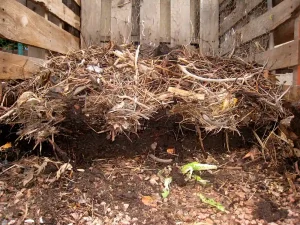
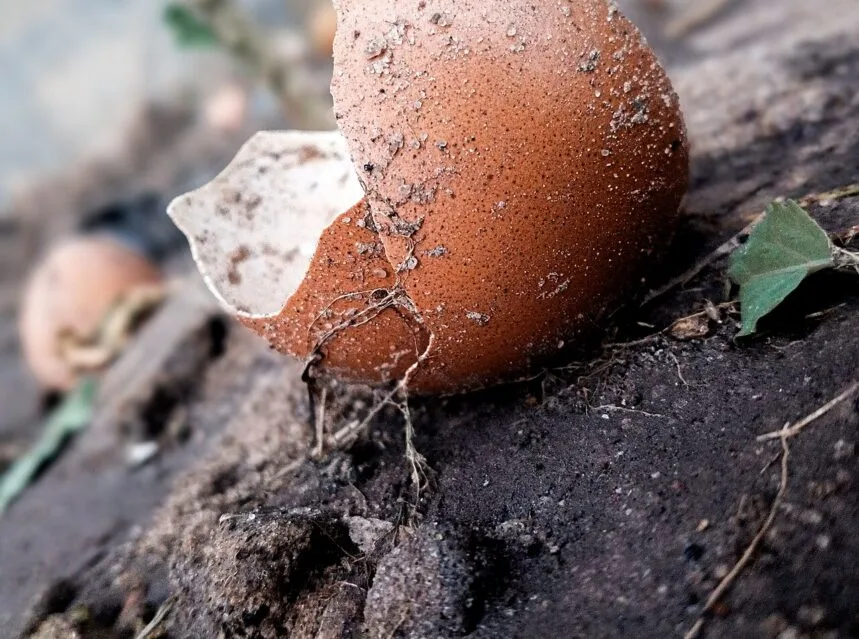 Image: Chisola2006 — CC BY-SA 4.0, via Wikimedia Commons
Are eggshells good for plants? Yes — crushed eggshells add slow-release calcium and organic matter to the soil, and they are a great free addition to compost, though many quick claims about them are overstated. Eggshells are a handy way to recycle kitchen waste into the garden, but they work slowly and are not a miracle cure. This guide explains what eggshells really do for plants and how to use them well.
Quick answer: Crush eggshells finely and add them to your compost, or work them into the soil, where they slowly release calcium as they break down. They are best as a long-term soil improver, not a quick fix. They will NOT instantly cure blossom end rot, and whole or large pieces take years to break down, so crush them small for any real benefit.
🧰 In a hurry? Jump straight to our tested picks for this guide ↓
Eggshells: claims vs reality
| Claim | Reality |
|---|---|
| Add calcium to soil | True — but slowly, if finely crushed |
| Great for compost | True — free calcium and grit |
| Cure blossom end rot fast | Myth — too slow; it is a watering issue |
| Deter slugs | Weak/unproven — do not rely on it |
| Use as seed pots | Fun but fiddly; tiny and dry out fast |
What eggshells actually do
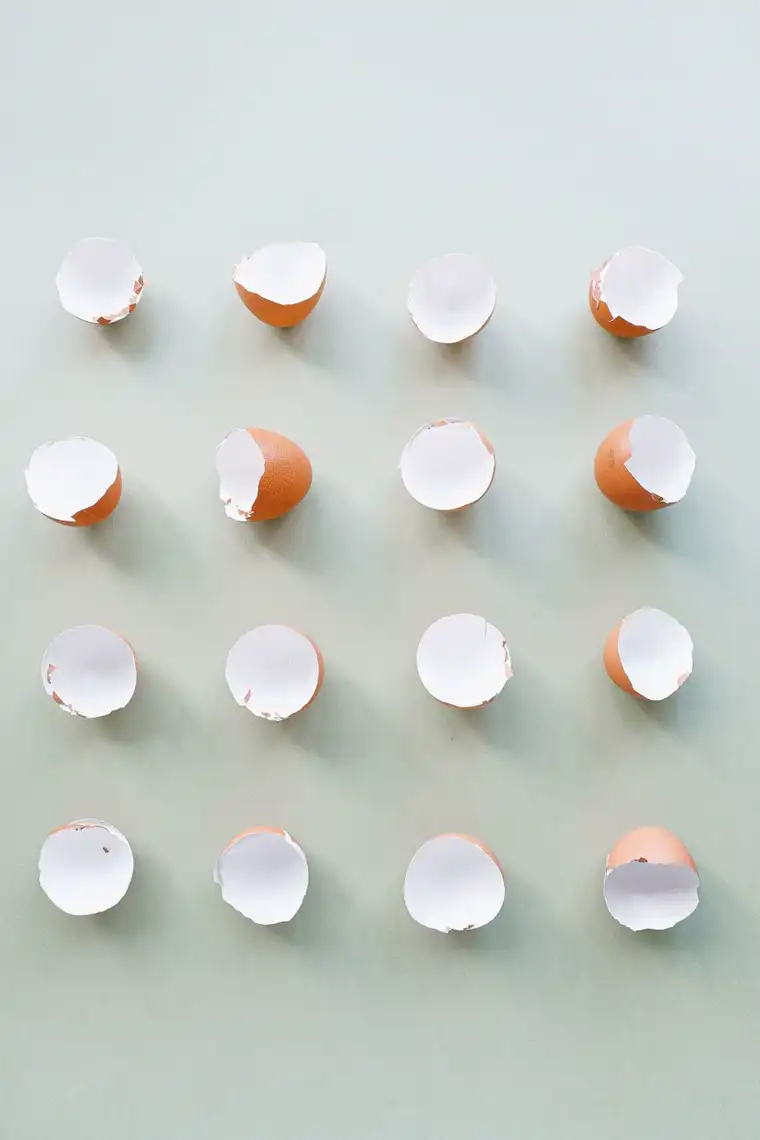
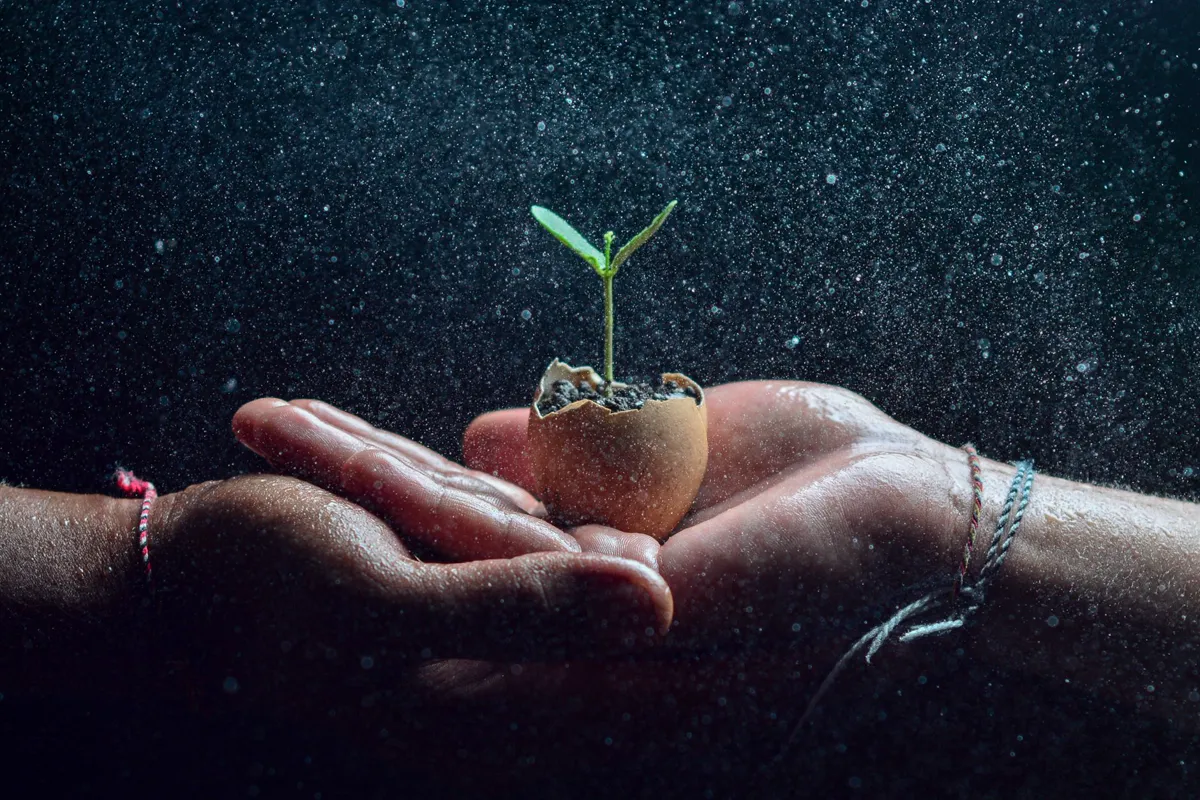
Eggshells are made almost entirely of calcium carbonate, the same mineral as garden lime. So their main contribution to the garden is calcium, plus a little organic matter.
As they break down in the soil, they slowly release that calcium, a nutrient plants need for strong cell walls and growth. They also add a little grit that improves heavy soil structure. The key word, though, is slowly, as eggshells are hard and take a long time to decompose, especially in large pieces.
The best way to use eggshells
To get any real benefit, you must crush eggshells as finely as possible. This is the single most important point.
Whole or roughly broken shells can sit in the soil for years almost unchanged. Ground to a fine powder, in a blender or pestle and mortar, they break down far faster and release their calcium. Add this powder to the compost heap, where it enriches the finished compost, or work it into planting holes and soil. Dried and crushed, they store easily until you have enough to use.
The blossom end rot myth
A hugely popular claim is that eggshells in the planting hole prevent blossom end rot in tomatoes, by adding calcium. The reality is disappointing.
Blossom end rot is caused by the plant failing to move calcium to the fruit, usually because of irregular watering, not by a lack of calcium in the soil. Most soils have plenty of calcium already. And eggshells break down far too slowly to supply any in time. So the real fix is steady, even watering and mulching, not eggshells, though composted shells do no harm.
Other eggshell uses worth a try
Beyond soil calcium, eggshells have a few other garden uses, with mixed evidence. They are worth knowing, with realistic expectations.
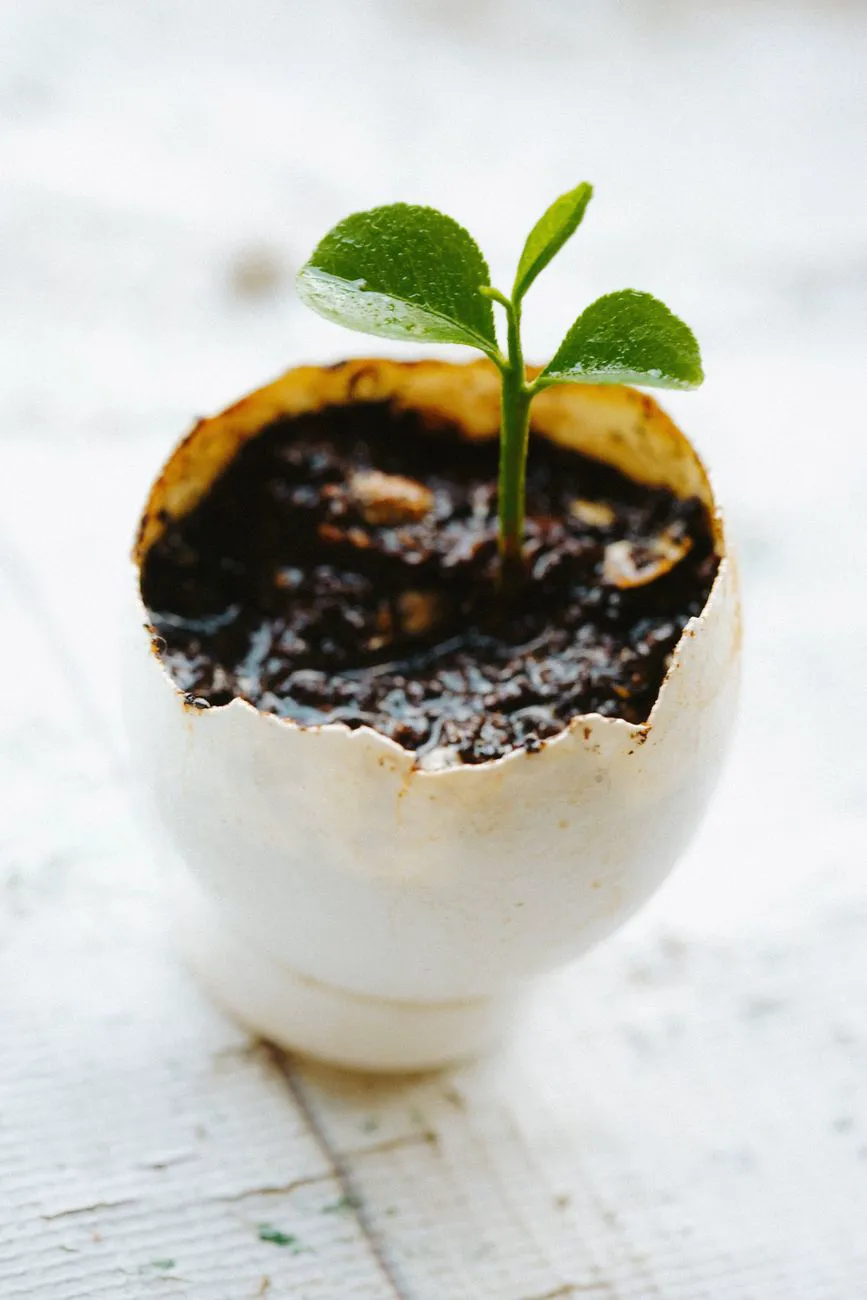
Crushed shells add useful grit to a compost or wormery, and worms use the calcium. Some gardeners scatter sharp crushed shells as a mild slug barrier, though the evidence is weak, so do not rely on it. Halved shells can serve as tiny seed-starting pots, which is fun for children, though they are small and dry out quickly. None of these are essential, but they put a free resource to use.
How to prepare eggshells
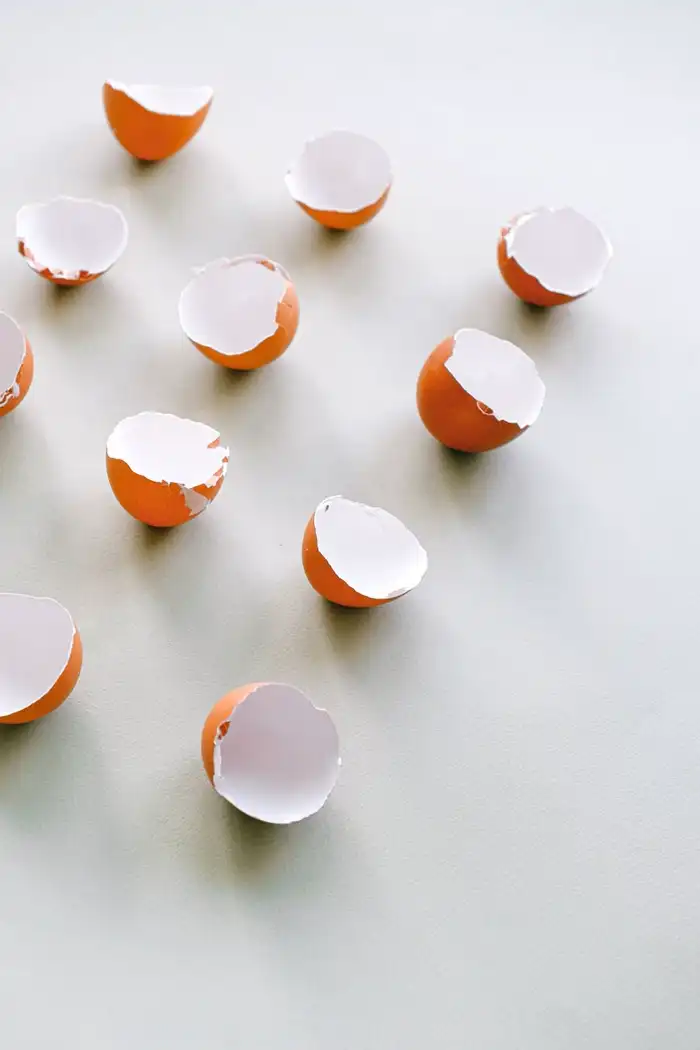
A little preparation makes eggshells far more useful and avoids problems. The steps are simple.
- Rinse the shells to remove egg residue, which can smell or attract pests.
- Dry them, on a windowsill or briefly in a warm oven, so they crush easily.
- Crush finely to a powder in a blender, grinder, or pestle and mortar.
- Add to compost or work into the soil; store the powder until you have enough.
Eggshells in India & warm climates
In India and other warm regions, eggshells are a handy free addition to home compost and vermicompost bins. The warmth helps everything break down faster.
Rinse, dry, and grind them, then add to the compost or worm bin, where they supply calcium and grit for the worms. The same rule applies: fine powder works, large pieces do not. For terrace and pot gardens, composted eggshell is a gentle way to recycle kitchen waste and add a little calcium to homemade potting mixes.
The bottom line on eggshells for plants
So, are eggshells good for plants? Yes, modestly and slowly, as a free source of calcium and organic matter, best used by composting or grinding them finely into the soil. They are a nice way to recycle kitchen waste and gently improve soil over time.
Just keep your expectations realistic: they will not instantly cure blossom end rot, reliably stop slugs, or feed plants quickly, and whole shells do almost nothing. Crush them fine, compost them, and treat them as a small long-term soil improver. Used that way, your breakfast eggs can quietly give a little back to the garden.
What the research says
The science on eggshells is clear and worth knowing. It confirms they help, but slowly.
Studies and university extension advice, echoed by bodies like the Royal Horticultural Society, show eggshells are mostly calcium carbonate. They do add calcium, but only as they break down, which is slow unless they are ground fine. The research also confirms they do not fix blossom end rot in time and do not reliably deter slugs. So the honest takeaway is simple. Crush them fine, compost them, and treat them as a slow, gentle soil improver.
Eggshells, lime and soil pH
Because eggshells are calcium carbonate, the same compound as garden lime, people ask if they raise soil pH. The answer is: only very slightly, and very slowly.
Finely ground eggshells can have a tiny liming effect over a long time, but nothing like the speed or strength of actual garden lime. So you cannot rely on them to sweeten an acidic soil. If your soil genuinely needs its pH raised, use proper garden lime at the recommended rate. Eggshells are best seen as a free calcium and organic-matter top-up, not a pH treatment.
Collecting and storing eggshells
It takes many eggshells to make a useful amount. So most people save them up over time.
Rinse each shell as you use it. Let it dry on the windowsill or in a cooling oven. Drop the dry shells into a jar or tub. When the tub is full, crush the lot at once. A quick whizz in a blender turns them to powder in seconds. Store the powder in a sealed jar until you need it. This simple habit means you always have crushed eggshell ready for the compost or the soil.
Sources and further reading
Frequently asked questions
Are eggshells good for plants?
Yes, modestly — they add slow-release calcium and organic matter, best used crushed finely in compost or worked into the soil.
Do eggshells prevent blossom end rot?
No — that is caused by irregular watering, not a lack of calcium, and eggshells break down far too slowly to help in time.
How do I use eggshells in the garden?
Rinse, dry, and crush them to a fine powder, then add to compost or mix into the soil. Whole shells take years to break down.
Do crushed eggshells stop slugs?
The evidence is weak and unproven, so do not rely on eggshells for slug control.
Can I put eggshells in my compost?
Yes — crushed eggshells are a great compost addition, adding calcium and grit, and worms benefit from them too.
How long do eggshells take to break down?
Whole shells can take years. Finely crushed or powdered shells break down much faster and release their calcium sooner.
Do eggshells help tomatoes?
Only slowly, as a calcium source in compost. They will not quickly cure blossom end rot, which is really a watering problem.
Can I put whole eggshells in the garden?
You can, but whole shells take years to break down. Crushing them to a fine powder releases their calcium far faster.
Do eggshells keep slugs away?
The evidence is weak and unproven, so do not rely on crushed eggshells as a slug barrier.
Are eggshells good in compost?
Yes — crushed eggshells add calcium and a little grit to compost, and worms in a wormery benefit from them too.
Do eggshells change soil pH?
Not meaningfully for most gardens. Eggshells are mostly calcium carbonate, the same substance in garden lime, but they need very acidic soil below pH 4.5 and years of breakdown before they raise pH at all. Most garden soil already sits in a neutral range, so a scattering of eggshells will not noticeably shift it either way.
Do eggshells attract pests to the garden?
Whole or lightly crushed eggshells left on top of the soil can attract rodents and other small mammals drawn to the leftover protein residue inside them. Rinsing shells thoroughly before use and burying or composting them, rather than scattering them loose on the surface, removes the smell that draws pests and speeds up how quickly they break down.
Still stuck? Ask the Plant Doctor
Describe the problem — yellow leaves, holes, no flowers — and get a clear answer in seconds. FreeAI can make mistakes. Answers are guidance, not a guarantee — check anything important against the guide it links to, and always read the label on any product before you use it.