Epsom Salt for Plants: Does It Really Work? (The Truth)
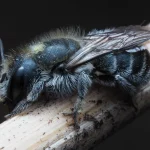
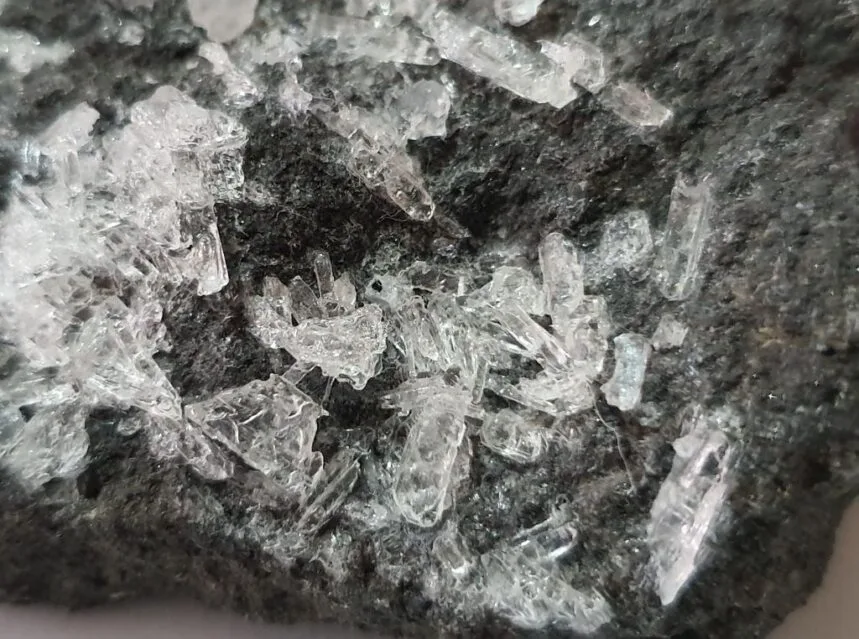 Image: Daemon Canchig — CC BY-SA 4.0, via Wikimedia Commons
Epsom salt for plants is magnesium sulphate — it supplies magnesium and sulphur, which can help plants that are genuinely short of magnesium, but it is not the cure-all the internet often claims. Used sensibly, on the right plants and soils, it has its place; used as a blanket “tonic”, it does little and can even cause harm. Here are the facts on epsom salt for plants, separating real benefits from myth.
Quick answer: Epsom salt only helps when a plant is actually short of magnesium, which shows as yellowing between the veins of older leaves. For those plants, dissolve about one tablespoon per 4–5 litres of water and water it in, or dilute as a foliar spray, a few times in the growing season. It does NOT boost healthy plants, prevent blossom end rot, or replace a balanced feed. Do a soil test before relying on it.
🧰 In a hurry? Jump straight to our tested picks for this guide ↓
Epsom salt for plants at a glance
| Claim | Reality |
|---|---|
| Fixes magnesium deficiency | True — that is its real use |
| General plant “tonic” | Myth — useless if no deficiency |
| Stops blossom end rot | Myth — that is a calcium/watering issue |
| Greener tomatoes & roses | Only if they lack magnesium |
| Totally harmless | No — excess can unbalance soil |
What is epsom salt and what does it do?
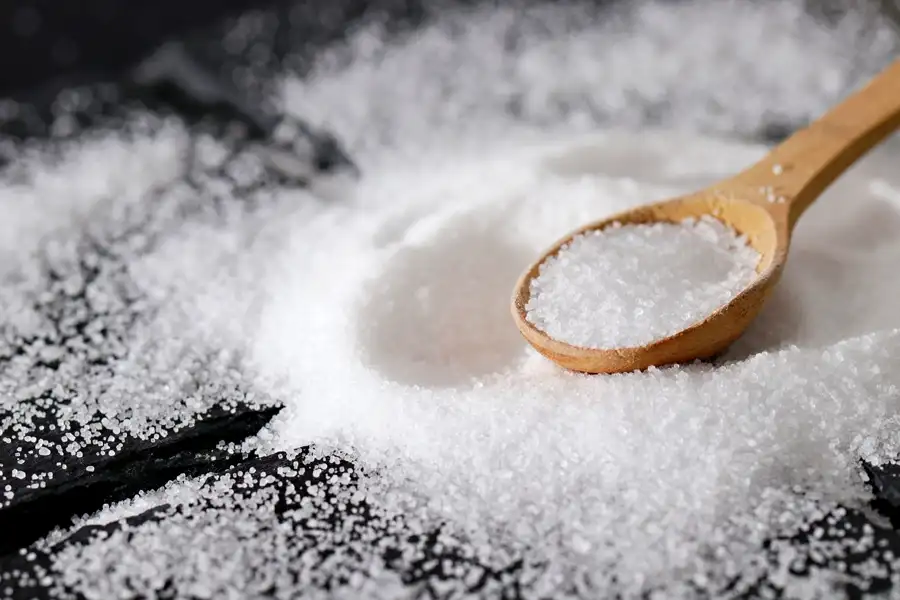
Epsom salt is the common name for magnesium sulphate, a simple mineral compound. It is not a true salt like table salt, and it dissolves easily in water.
It supplies two nutrients plants use: magnesium, a key part of chlorophyll (which makes leaves green and drives photosynthesis), and sulphur. So where a plant genuinely lacks magnesium, epsom salt can green it up and improve growth. That is its real, legitimate use, rather than the magic all-purpose booster it is often sold as.
When epsom salt actually helps
Epsom salt is genuinely useful in one situation: when a plant is short of magnesium. This is most likely in light, sandy soils, very acidic soils, or pots where nutrients wash out.
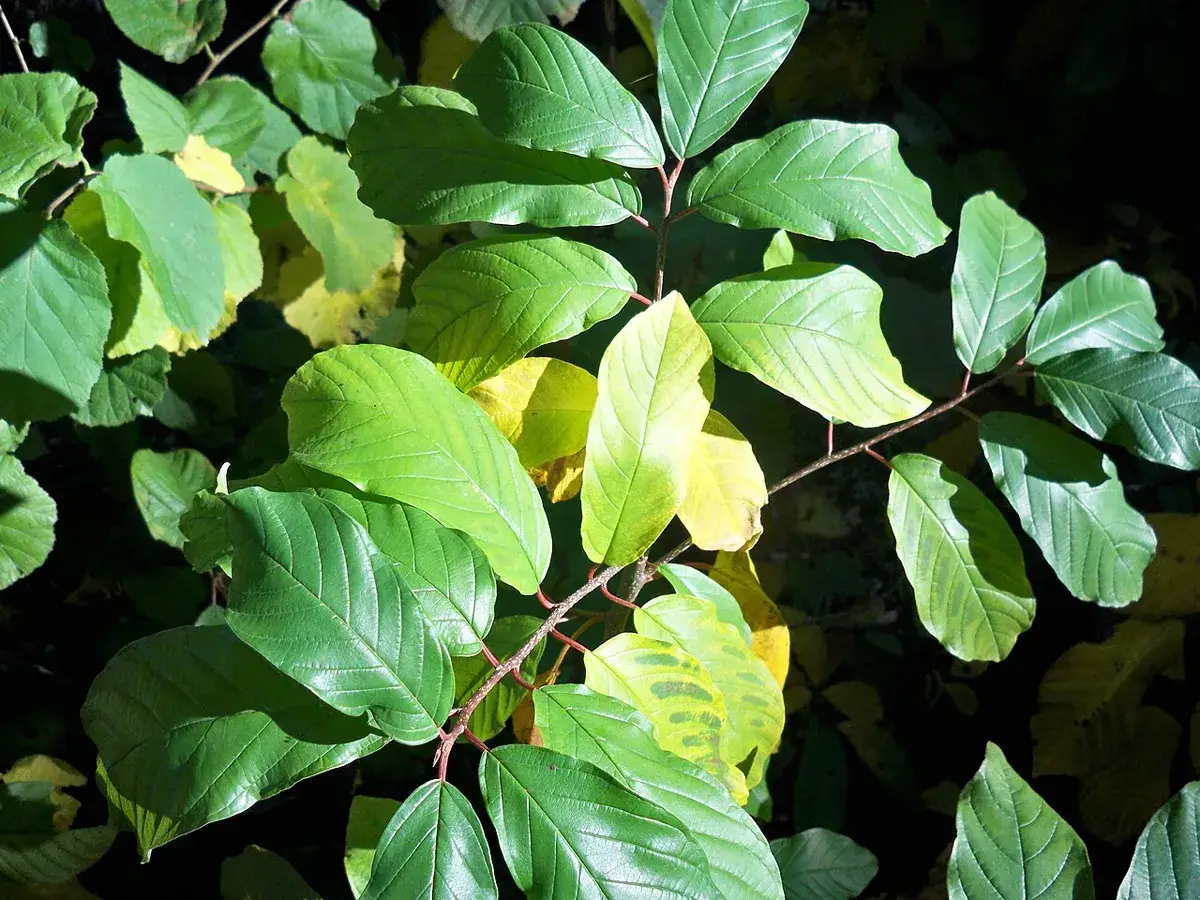
The classic sign is interveinal chlorosis: older, lower leaves turning yellow between the veins while the veins stay green. Magnesium-hungry plants like tomatoes, peppers, and roses can show this. In those cases, applying epsom salt can correct the deficiency and restore healthy green growth.
The myths about epsom salt
Much of what is said about epsom salt online is simply not supported by evidence. It helps to know the common myths.
It does not act as a general tonic for healthy plants, which already have enough magnesium. It does not prevent blossom end rot in tomatoes, that is caused by calcium and watering issues, and adding magnesium can even make calcium uptake worse. It will not magically boost flowering or fruiting in plants that are not magnesium-deficient. For most gardens with decent soil, it makes little difference.
How to use epsom salt correctly
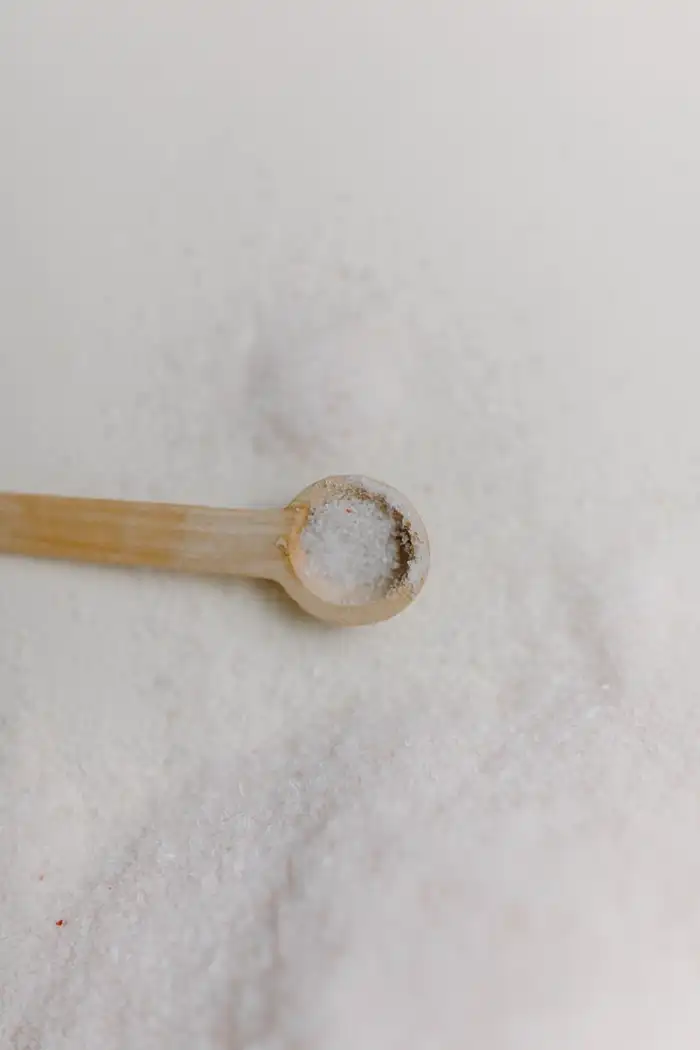
If you have confirmed a magnesium shortage, epsom salt is easy to apply. Use it sparingly and only where needed.
- Soil drench: dissolve about 1 tablespoon in 4–5 litres of water and water around the roots.
- Foliar spray: a weaker solution sprayed on the leaves acts faster for a quick correction.
- Apply a few times in the growing season, not constantly.
- Always water plants normally too — epsom salt is a supplement, not a feed.
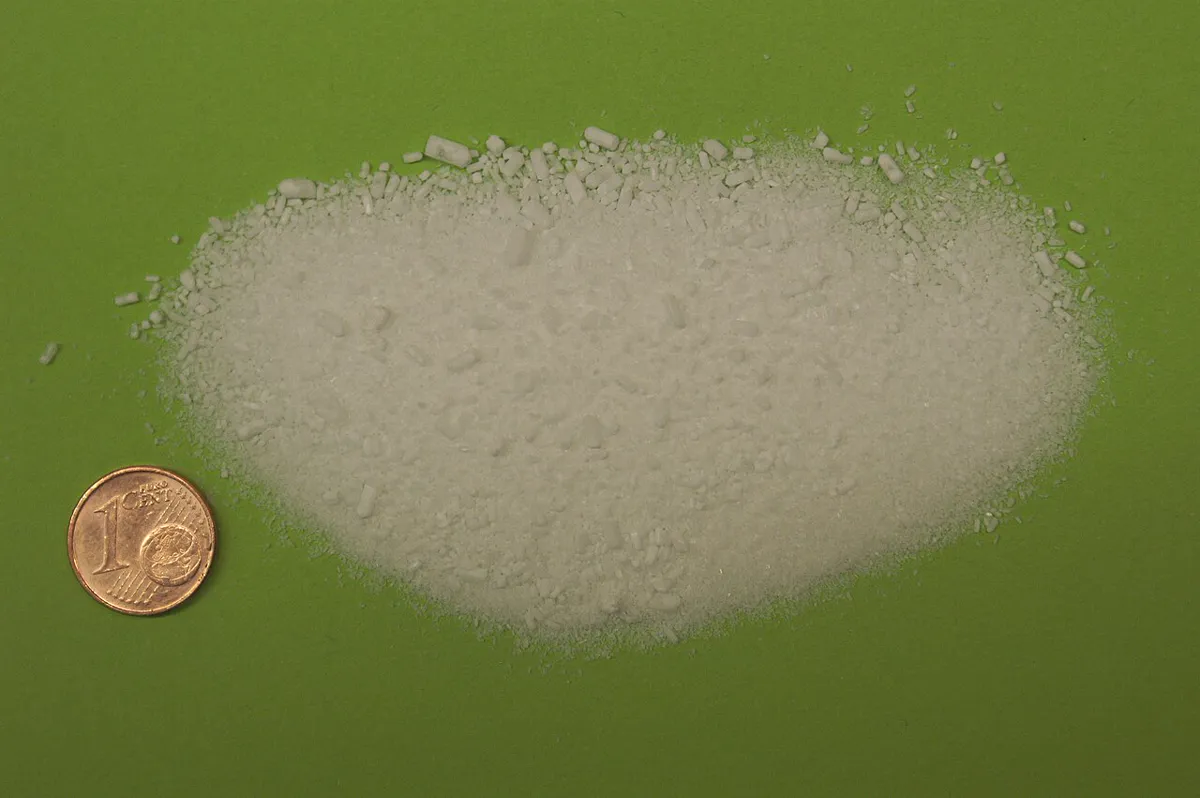
Do a soil test first
The honest advice is not to reach for epsom salt unless you know your plants need it. Adding nutrients a plant does not lack wastes money and can unbalance the soil.
A simple soil test shows whether magnesium is actually low (see improving garden soil). If it is fine, a balanced fertilizer or good compost will serve your plants far better than epsom salt. Reserve epsom salt for confirmed deficiencies or known magnesium-poor soils, and you will use it where it genuinely helps.
Risks of overusing epsom salt
Epsom salt is often called harmless, but overusing it can cause problems. More is definitely not better.
Piling on magnesium can unbalance the soil, interfering with the uptake of other nutrients like calcium and potassium. Excess sulphate and magnesium can also run off into waterways. And relying on it as a cure-all means real problems, like poor watering or a different nutrient shortage, go unaddressed. Used only for genuine magnesium deficiency, it is safe; used as a routine “just in case” dose, it can do more harm than good.
Epsom salt in India & warm climates
In India and other warm regions, the same rules apply: epsom salt helps only where magnesium is genuinely lacking. It is widely sold and sometimes over-recommended.
Sandy soils, heavy-cropping container plants, and intensively-grown vegetables in pots are the most likely to run short of magnesium in the heat, and may benefit. But for most garden soil, good compost, vermicompost, and balanced feeding do far more (see organic fertilizers). Test or look for the tell-tale yellowing before using it, rather than applying it routinely.
The bottom line on epsom salt for plants
Epsom salt is a useful, specific tool, not a miracle cure. It genuinely helps plants that are short of magnesium, correcting the yellow-between-the-veins look and restoring healthy growth, especially in light or pot-bound soils.
But for healthy plants in decent soil, it does little, and the popular claims about blossom end rot and all-round vigour are myths. Test your soil or read the leaves, use it only for real magnesium deficiency, and lean on compost and balanced feeding for everything else. Used wisely, epsom salt earns a small, sensible place in the garden shed.
Which plants are most likely to benefit
A few crops are known to be magnesium-hungry, so they are the ones most likely to respond to epsom salt, if grown in magnesium-poor soil. It still pays to confirm a deficiency first.
Tomatoes, peppers, and roses are the classic examples, and potatoes can show magnesium shortage too. These heavy feeders, especially in pots or sandy soil, sometimes develop the tell-tale yellowing between the leaf veins. For those specific plants showing those specific signs, a measured dose of epsom salt can genuinely green them up. For the same plants in good soil with no symptoms, it does nothing extra.
Better choices for most gardens
For the everyday job of keeping plants healthy, other things matter far more than epsom salt. It is worth putting your effort where it counts.
Good compost and well-rotted manure feed plants broadly and improve the soil (see organic fertilizers). A balanced fertilizer covers all the main nutrients, not just magnesium. Steady watering and mulching prevent far more problems than any single mineral. Reach for these first, and treat epsom salt as a targeted fix for a confirmed magnesium shortage, rather than a routine part of feeding.
How to apply epsom salt to tomatoes and roses
If your tomatoes or roses show genuine magnesium deficiency, epsom salt is applied in a couple of simple ways. Use it as a targeted treatment, not a routine.
For a soil drench, dissolve about a tablespoon in 4 to 5 litres of water and water it around the base, a few times through the season. For a faster effect on yellowing leaves, mix a weaker solution and spray it onto the foliage, where magnesium is absorbed quickly. Always pair this with normal watering and feeding. Stop once the new growth greens up, since the goal is to correct a shortage, not to keep dosing.
Sources and further reading
Frequently asked questions
Does epsom salt really help plants?
Only when a plant is genuinely short of magnesium. For healthy plants in good soil, it makes little or no difference.
How do I use epsom salt on plants?
Dissolve about a tablespoon in 4–5 litres of water and water it in, or use a weaker foliar spray, a few times in the season.
Does epsom salt stop blossom end rot?
No — that is a calcium and watering problem. Adding magnesium can even make calcium uptake worse.
Can you use too much epsom salt?
Yes — excess magnesium can unbalance the soil and block uptake of other nutrients, so use it only for real deficiency.
What is epsom salt made of?
Epsom salt is hydrated magnesium sulphate, a naturally occurring mineral compound of roughly ten percent magnesium and thirteen percent sulphur. Despite the name, it is not related to table salt and dissolves readily in water for use as a soil drench or spray.
Can epsom salt harm plants that don't need it?
Yes, piling extra magnesium onto soil that already has enough can unbalance nutrient uptake, particularly blocking calcium, and can make problems like blossom end rot worse rather than better. It is best used only after a soil test or clear deficiency symptoms confirm a plant actually needs it.
Which plants respond best to epsom salt?
Heavy feeders that are naturally magnesium-hungry, such as tomatoes, peppers, roses and potatoes, are the most likely to respond, particularly when grown in sandy soil or containers where nutrients wash out fast. Confirm the tell-tale yellowing between leaf veins before treating, since the same plants in good soil often need nothing extra.
Should I avoid epsom salt on acid-loving plants?
Use caution with acid-loving plants like azaleas, rhododendrons and blueberries, since their needs differ from typical magnesium-hungry crops and extra magnesium can throw off the nutrient balance they rely on. Succulents and cacti are also poor candidates, since the extra moisture from a soil drench raises their risk of root rot.
Is epsom salt a substitute for regular fertiliser?
No, it supplies only magnesium and sulphur, not the full range of nutrients a plant needs. A balanced fertiliser or good compost covers nitrogen, phosphorus, potassium and trace elements that epsom salt does not touch, so treat it as a targeted supplement rather than a replacement feed.
How do I know if my soil already has enough magnesium?
A simple soil test is the most reliable way to check, and many garden centres or agricultural extension offices offer an affordable one. Short of a test, watch the older, lower leaves. If they stay evenly green with no yellowing between the veins, the plant is very unlikely to be short of magnesium.
What are the signs a plant needs magnesium?
Older, lower leaves yellowing between the veins while the veins stay green (interveinal chlorosis) is the classic sign.
Still stuck? Ask the Plant Doctor
Describe the problem — yellow leaves, holes, no flowers — and get a clear answer in seconds. FreeAI can make mistakes. Answers are guidance, not a guarantee — check anything important against the guide it links to, and always read the label on any product before you use it.